

OCT 23 | 8:00 AM

All auctions / Asian Art / A rare Chinese bronze chariot fitting, Shang Dynasty (1600BC - 1046BC)
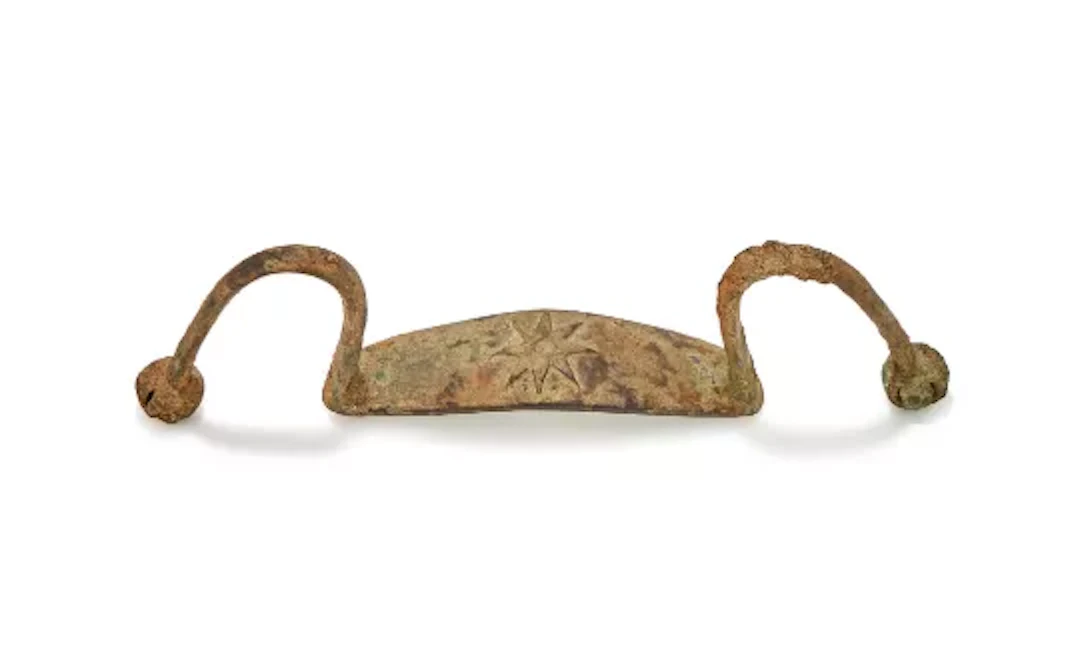
A rare Chinese bronze chariot fitting Shang Dynasty (1600BC - 1046BC) the large central section curved and cast with s star-shaped motif 35cm long Provenance: Private Hampshire collection This distinct class of bronze fitting, traditional referred to as ‘bow-shaped’ (gong xing qi), is closely associated with Shang dynasty chariotry. Frequently discovered near the chariot enclosure directly in front of the driver in high-ranking aristocratic burials, their precise function has long been a subject of scholarly debate. While early theories proposed their use as bow-guards, crossbow fittings, or banner ornaments, current consensus leans toward their function as rein-holders. Attached to the charioteer’s waist belt, the twin curved arms allowed the reins to be secured, leaving the driver’s hands free to handle weaponry or negotiate difficult terrain, while the terminal bells acted as jingles during movement. Compare a related fitting in the Museum of Far Eastern Antiquities, Stockholm, illustrated in the Bulletin of the Museum of Far Eastern Antiquities, Stockholm, 2009, no. 77, pl. 202. 商代 青銅弓形器 拍品來源:英國漢普郡私人收藏 Condition Report: encrustation and corrosion to the surface Condition Report Disclaimer, A rare Chinese bronze chariot fitting, A rare Chinese bronze chariot fitting Shang Dynasty (1600BC - 1046BC) the large central section curved and cast with s star-shaped motif 35cm long Provenance: Private Hampshire collection This distinct class of bronze fitting, traditional referred to as ‘bow-shaped’ (gong xing qi), is closely associated with Shang dynasty chariotry. Frequently discovered near the chariot enclosure directly in front of the driver in high-ranking aristocratic burials, their precise function has long been a subject of scholarly debate. While early theories proposed their use as bow-guards, crossbow fittings, or banner ornaments, current consensus leans toward their function as rein-holders. Attached to the charioteer’s waist belt, the twin curved arms allowed the reins to be secured, leaving the driver’s hands free to handle weaponry or negotiate difficult terrain, while the terminal bells acted as jingles during movement. Compare a related fitting in the Museum of Far Eastern Antiquities, Stockholm, illustrated in the Bulletin of the Museum of Far Eastern Antiquities, Stockholm, 2009, no. 77, pl. 202. 商代 青銅弓形器 拍品來源:英國漢普郡私人收藏, Provenance:, gong xing qi, Bulletin of the Museum of Far Eastern Antiquities, Condition Report:, encrustation and corrosion to the surface, Condition Report Disclaimer
Estimate:£1,000
To the auctionEstimate:
£1,000
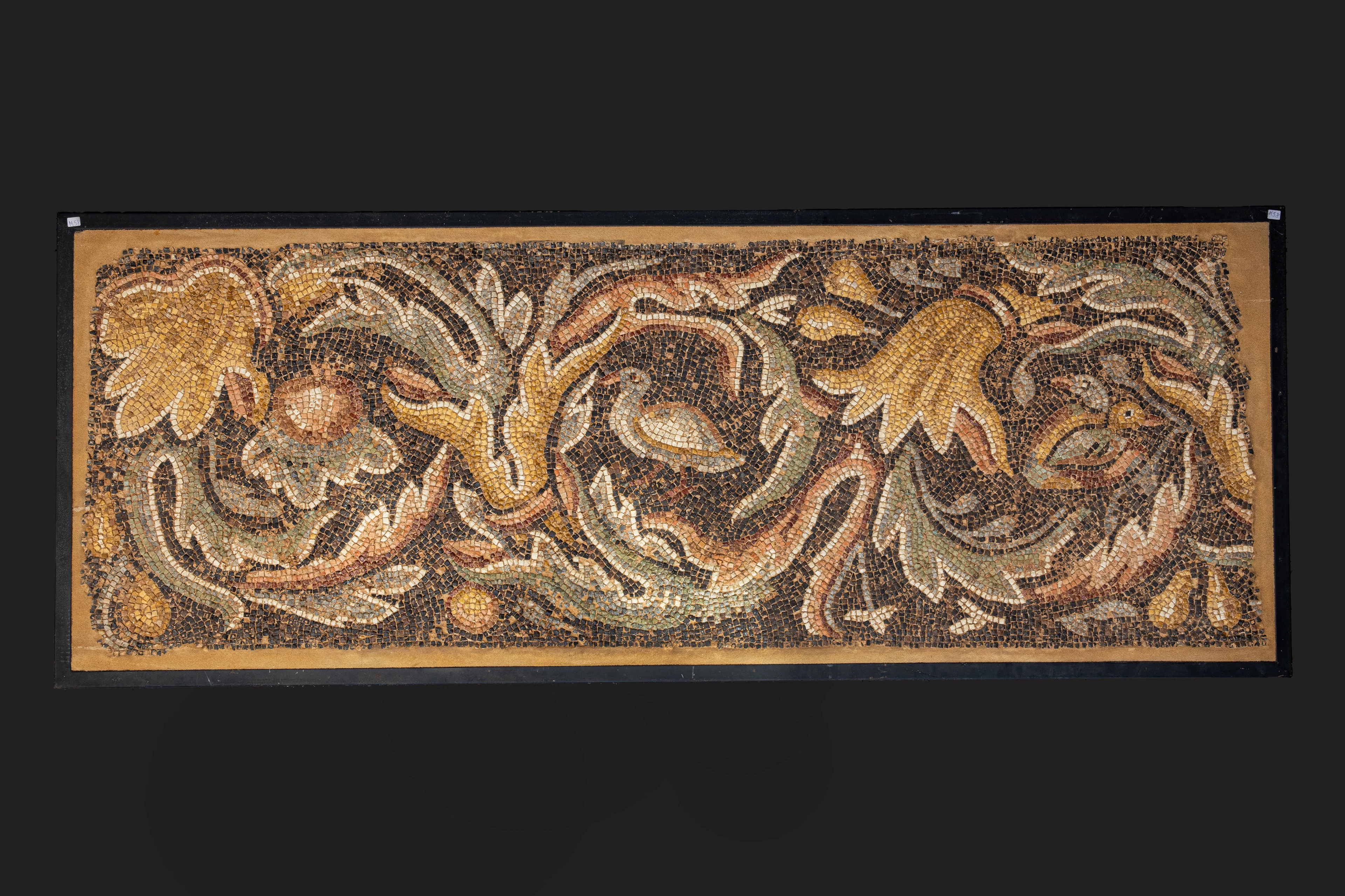
ROMAN POLYCHROME MOSAIC PANEL WITH BIRDS AND ACHANTUS SCROLLS ON A
10/04/2026

£33,000
Est: £10,000
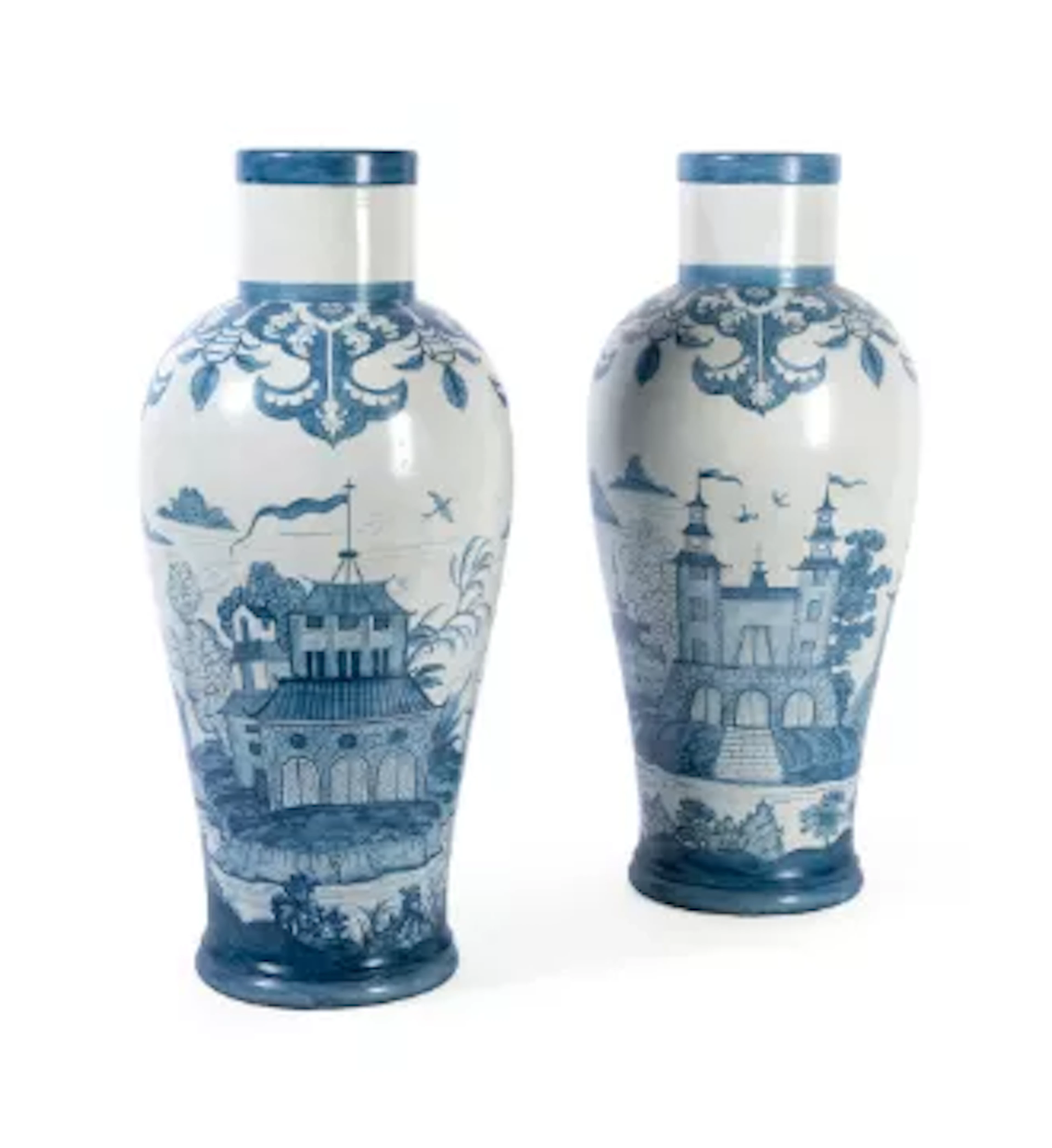
A PAIR OF BLUE AND WHITE PAINTED VASES, PAINTED BY GEORGE OAKES, WITH
10/01/2026
£750
Est: £500
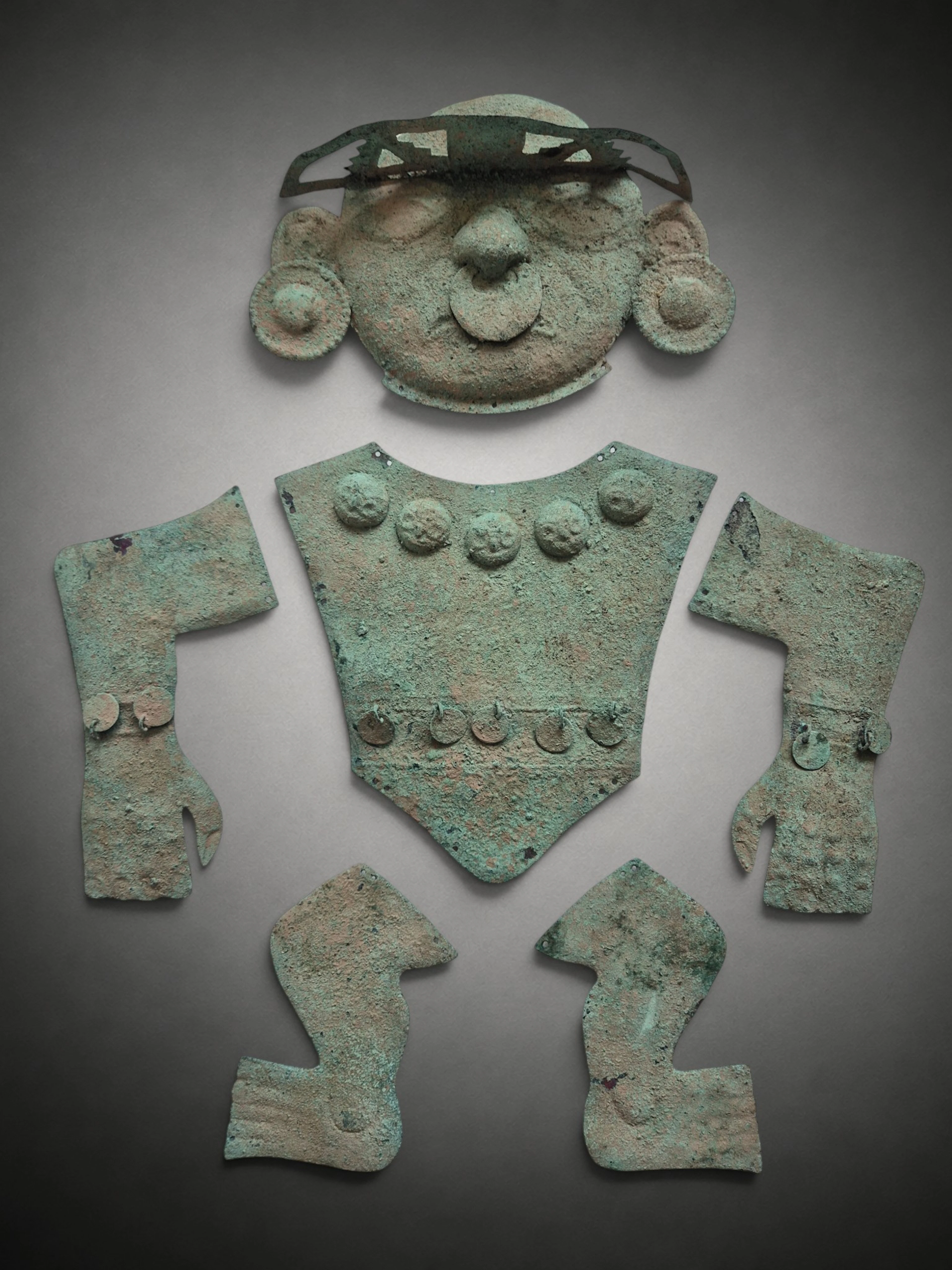
Important Moche guardian figure made of copper, Lambayeque Valley
09/29/2026
£1,537.14
Est: £1,715.99
OCT 23 | 8:00 AM


OCT 27 | 4:00 PM


OCT 17 | 10:00 PM
Bring your auction to collectors worldwide!
Get listed nowBy subscribing, you are agreeing to the privacy policy. Unsubscribe anytime.
Barnebys HQ
Brahegatan 10
BOX 5038
114 37 Stockholm
