

OCT 8 | 3:00 PM

Bring your auction to collectors worldwide!
Get listed nowBy subscribing, you are agreeing to the privacy policy. Unsubscribe anytime.
Barnebys HQ
Brahegatan 10
BOX 5038
114 37 Stockholm
All auctions / Books, Maps & Manuscripts / Alessandro Tartagni known as Alessandro da Imola - Commentaries [CRIMINAL

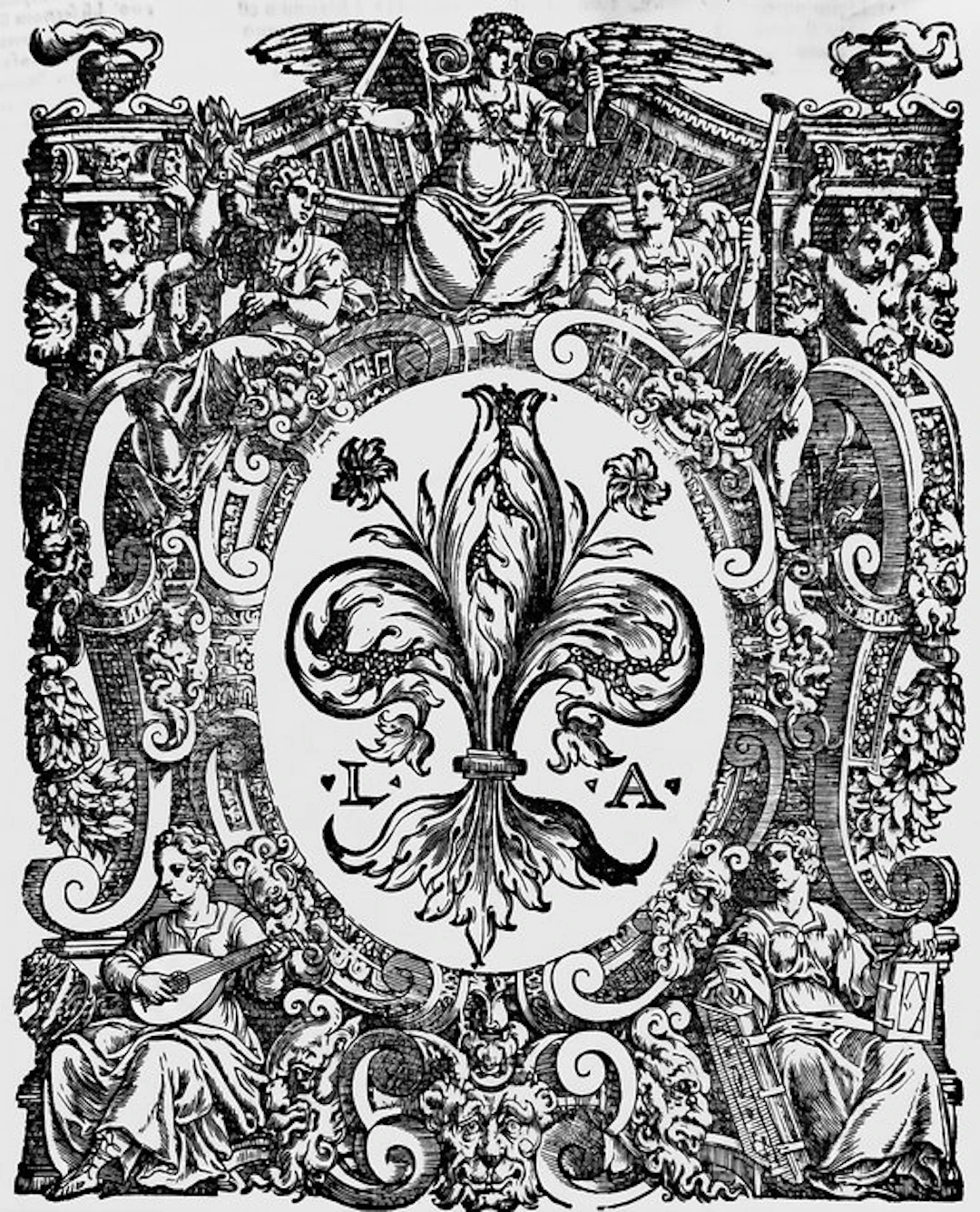
1586 EDITION CONCERNING CRIMINAL AND CIVIL LAW, AND DISPUTES REGARDING PROPERTY, INHERITANCE, LABOR, HOMICIDE, THEFT, ETC... by Alessandro Tartagni known as Alexander de Tartagnis or as Alessandro da Imola (1424–1477), was an Italian jurist, nicknamed *doctor aureus–golden doctor* and *doctor veritatis–doctor truth* in his time. This volume covers both civil and criminal law, integrating extensive practical cases. Alessandro Tartagni was one of the most sought-after legal minds of 15th-century Renaissance Italy, routinely retained by ruling dynasties, city-republics, and the Papacy to deliver high-stakes legal opinions (consilia). Because of his reputation as "golden doctor", European rulers and aristocratic houses treated his formal legal opinions as near-conclusive arbitrations in complex political, feudal, and financial disputes. The Medici and the Florentine Republic commissioned legal consultations from Tartagni on interstate treaties, diplomatic immunities, and major commercial banking conflicts involving Florentine merchant houses operating across northern Italy. Vatican and several popes including Pius II and Sixtus IV, as well as several papal legates in regions like Romagna and Veneto, commissioned Tartagni to arbitrate conflicts concerning ecclesiastical benefices, the property rights of church foundations, and jurisdictional boundaries between ecclesiastical and secular courts. The city of Bologna was Tartagni’s primary base of operations for decades. He worked closely with the Bentivoglio family, the de facto rulers of Bologna, drafting legal strategies that balanced Bolognese civic sovereignty against the overarching feudal claims of the Papal States. The Dukes of Milan and the Sforza family sought Tartagni’s expert advices to resolve succession rights, dowry settlements in dynastic marriages, and the legal status of military captaincies and commanders of mercenary companies contracts under Roman and Lombard law. In 1457, Duke Borso d'Este recruited Tartagni to the University of Ferrara with an exceptionally high stipend to enhance the prestige of the Este court, and utilized Tartagni as a prime legal consultant on jurisdictional borders, navigational rights along the Po River, and conflicts between ducal decrees and local feudal privileges. This is a Renaissance legal commentary or "commentaria"; the practical cases addressed therein take the form of courtroom disputes, conflicts of law, and procedural solutions, serving the training of practicing lawyers and judges. There is also a biography of Tartagni at the beginning. Original antique binding in very good condition. COMPLETE EDITION. THE MOST SIGNIFICANT PART OF TARTAGNI'S MOST PRESTIGIOUS WORK CONCERNED THESE FOUR FIELDS. A)DYNASTIC INHERITANCE AND TRUSTS: The bulk of Tartagni’s highest-profile work involved aristocratic estates. When high noble families faced childless deaths, contested wills, or disputes over primogeniture, Tartagni’s consilia determined the disposition of palazzi, landed estates, and hereditary titles. B)CONFISCATION OF PROPERTY FOLLOWING POLITICAL REBELLIONS: In Renaissance Italy, regime changes and failed coups were routinely followed by the exile of opposing factions and the seizure of their assets. Tartagni was repeatedly called upon to decide whether the wives and innocent children of exiled rebels could retain their dowries and maternal inheritances against state confiscation. C)STATUTORY CONFLICTS VS. COMMON IMPERIAL LAW: City-states frequently enacted local statutes that contradicted classical Roman law—especially concerning debt collection, commercial bankruptcies, and the rights of foreign merchants. Tartagni adjudicated these interstate commercial clashes, establishing legal doctrines that influenced how Venetian, Genoese, and Florentine traders could enforce contracts across borders. D)INTERSTATE SOVEREIGN DISPUTES: He represented sovereign communes and princes in disputes over territorial enclaves, water diversion rights, and the validity of oaths sworn under political coercion or duress. The additional commentaries included in this volume—penned by practicing jurists like Tommaso Diplovatazio, Francesco Cirti, and Bernardino Landriani—are practical updates designed to reconcile Tartagni’s theoretical explanations with; A)Changes in regional statutes across northern and central Italy. B)Conflicting rulings handed down by municipal and regional courts after Tartagni’s death. C)Cross-references to Tartagni's formal legal opinions (Consilia), which practitioners used to cite directly in ongoing lawsuits. Tartagni authored well over a thousand formal consilia (expert legal opinions), which were later collected into multi-volume editions that served as foundational reference libraries for European supreme courts and chanceries throughout the 16th and 17th centuries. Title in red and black, the large woodcut emblem at the center is the printer’s device of the Giunta family, one of Europe’s foremost publishing dynasties. The Florentine Lily is accompanied by the initials L and A for the firm's patriarch Lucantonio Giunta. The surrounding architectural strapwork features Justice seated at the top center holding her sword and balance scales. She is attended by winged putti and flanking allegorical figures holding legal, administrative, and musical attributes, set over a classical grotesque mask at the base. TITLE: …Alexandri Tartagni Imolen. iurisc. celeberrimi Commentaria in 1. et 2. Digesti noui partem, cum adnot. clariss. i.c. Franc. Curtii, Bernardini Landriani, Franc. à Doctoribus, Tho. Diplouatatij, Iulij Arg. & aliorum doctis.hominum…(Commentaries by the renowned jurist Alexander Tartagni of Imola on the first and second parts of the *Digestum Novum*, with annotations by the distinguished jurists Francesco Corti, Bernardino Landriani, Antonio Francesco Dottori, Tommaso Diplovatazio, Giulio Argentino, and other learned men...) AUTHORS: Alessandro Tartagni also known as Alexander de Tartagnis or as Alessandro da Imola (1424–1477) PUBLISHER: Lucantonio Giunta DATE: MDLXXXVI (1586), printed in Venice, text in Latin DESCRIPTION: 1 volume in folio or 2°, size height 425 x width 285 mm or 16.7 by 11.3 inches. 272 numbered sheets i.e. 544 pages, a few page numbering errors, but the text is complete. Original antique parchment binding in good condition with manuscript titles on the spine; some surface creasing and defects to the covers, edges, and spine, along with some staining, yet the binding remains intact and fully functional. Good quality printing and paper; title page in red and black, and publisher Giunta with its lily logo, pages are intact with original margins and free of damage, cuts, or tears. There are traces of dampness running across the first 50 leaves—varying in intensity but not hindering readability—and one or two leaves show browning; otherwise, the pages are clean, bright, and printed on high-quality paper. COMPLETE EDITION. REFERENCES: WORLD CAT n°898175433; USTC n°763331; EDIT 16th Century Italian Edition n°CNCE 28009. SHIPPING: via UPS, DHL, National Postal Services, protected, INSURED and fully tracked package. Estimated time for Europe 3-5 working days. Shipping within one working day, you can combine shipping if you purchases several items from us, saving money and time.
Estimate:£381.71
To the auctionView all items fromCatawikiorBooks, Maps & Manuscripts
Estimate:
£381.71
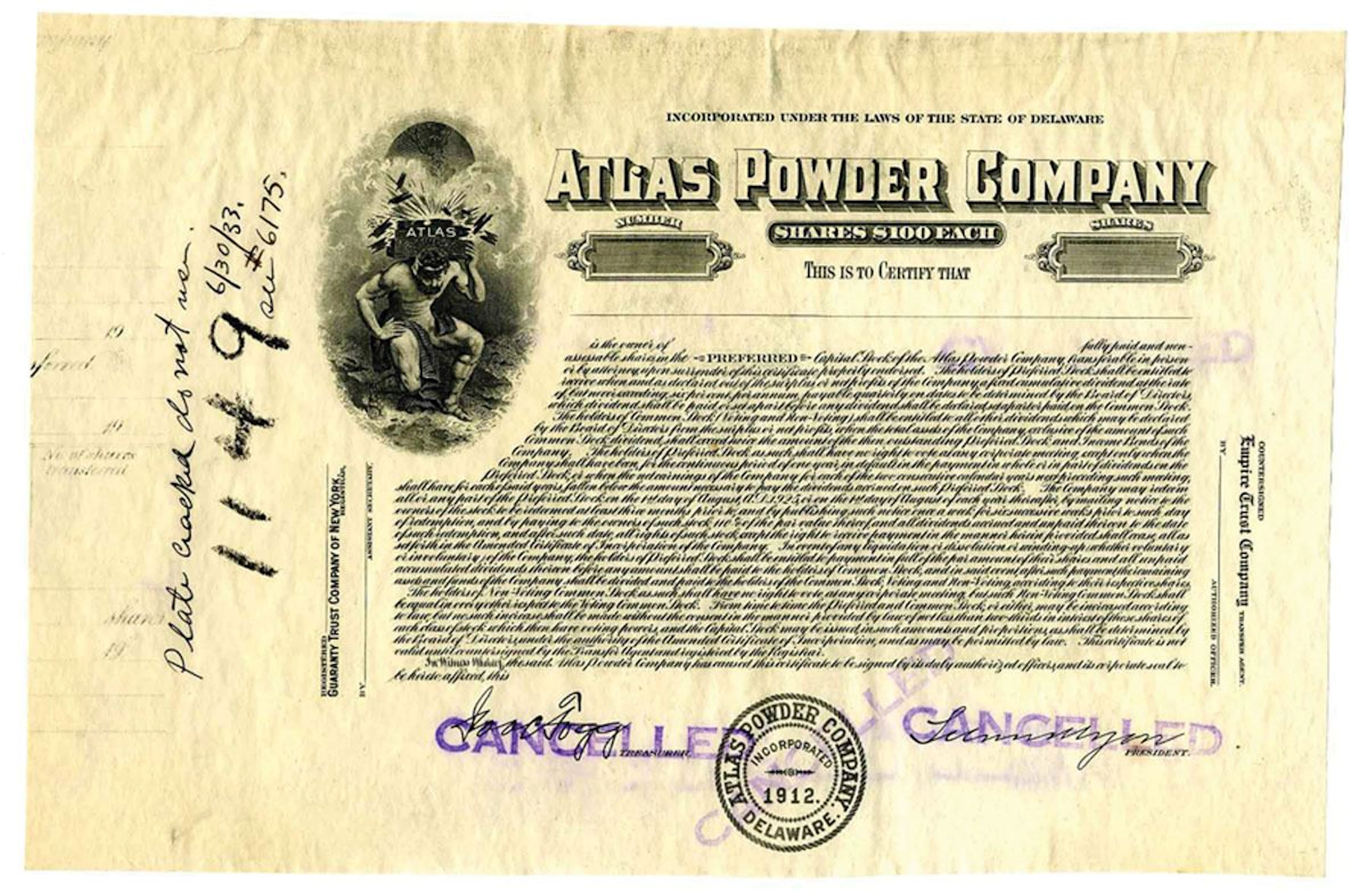
DE. Atlas Powder Co., 1933 I/U Cancellation Progress Proof Stock Certificate
09/30/2026

£68.12
Est: £113.39
OCT 8 | 3:00 PM


OCT 8 | 3:00 PM

Bring your auction to collectors worldwide!
Get listed now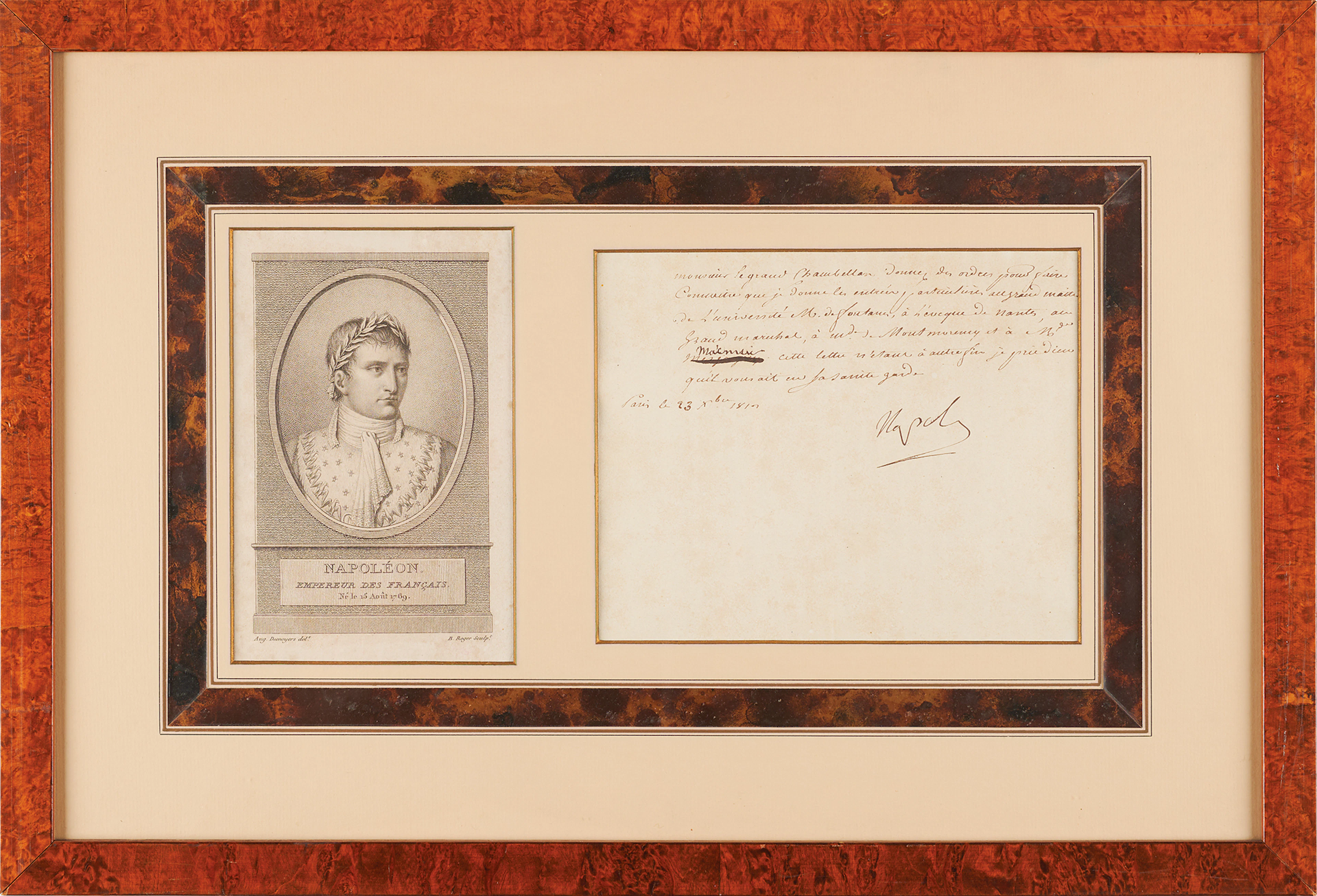
Napoleon Letter Signed, Concerning Imperial Court Administration
10/15/2026
£1,503.89
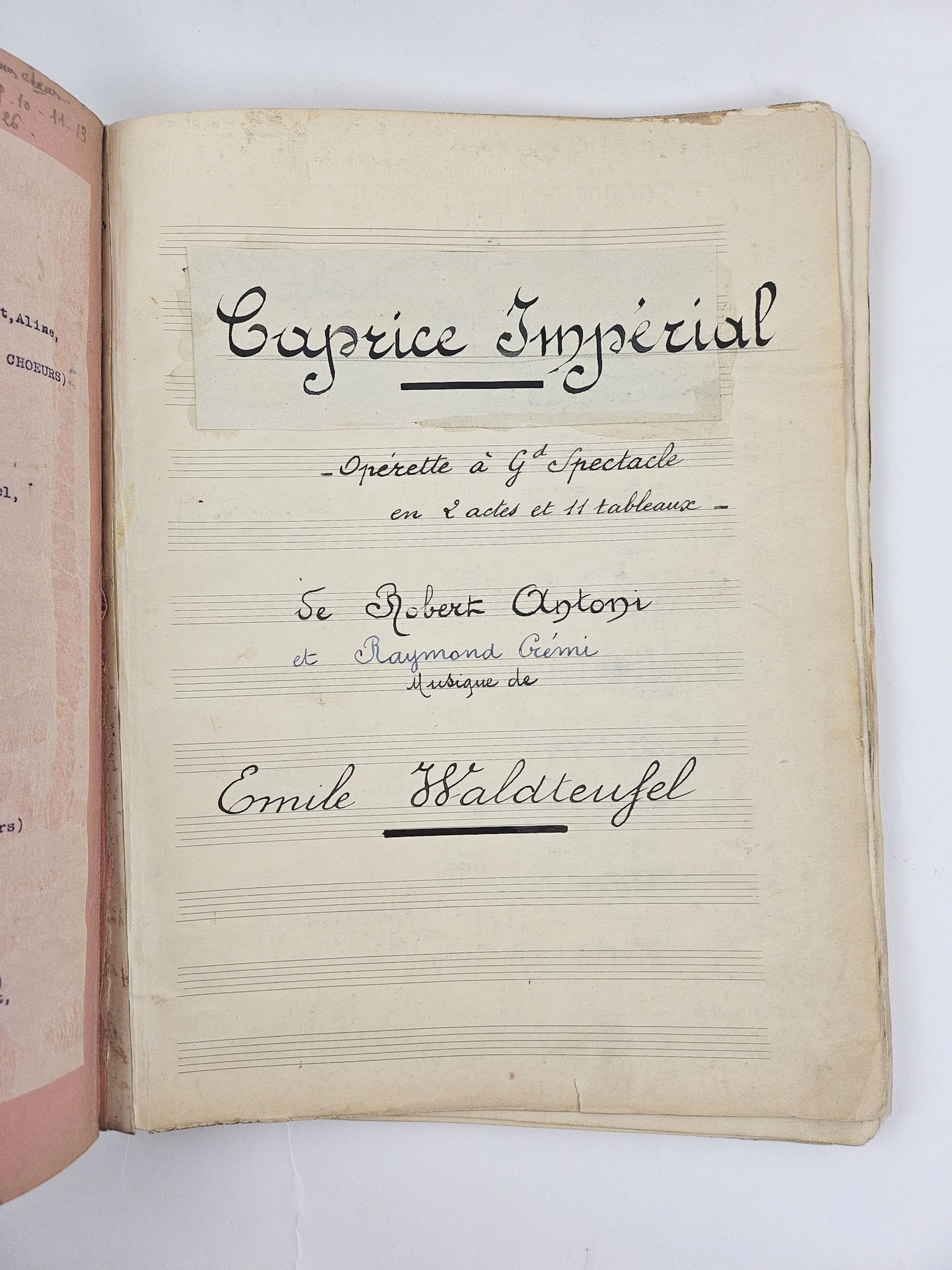
[Emile WALDTEUFEL, 1837–1915, an Alsatian composer who was h - Lot 21
07/20/2026

£682.56
Est: £681.92
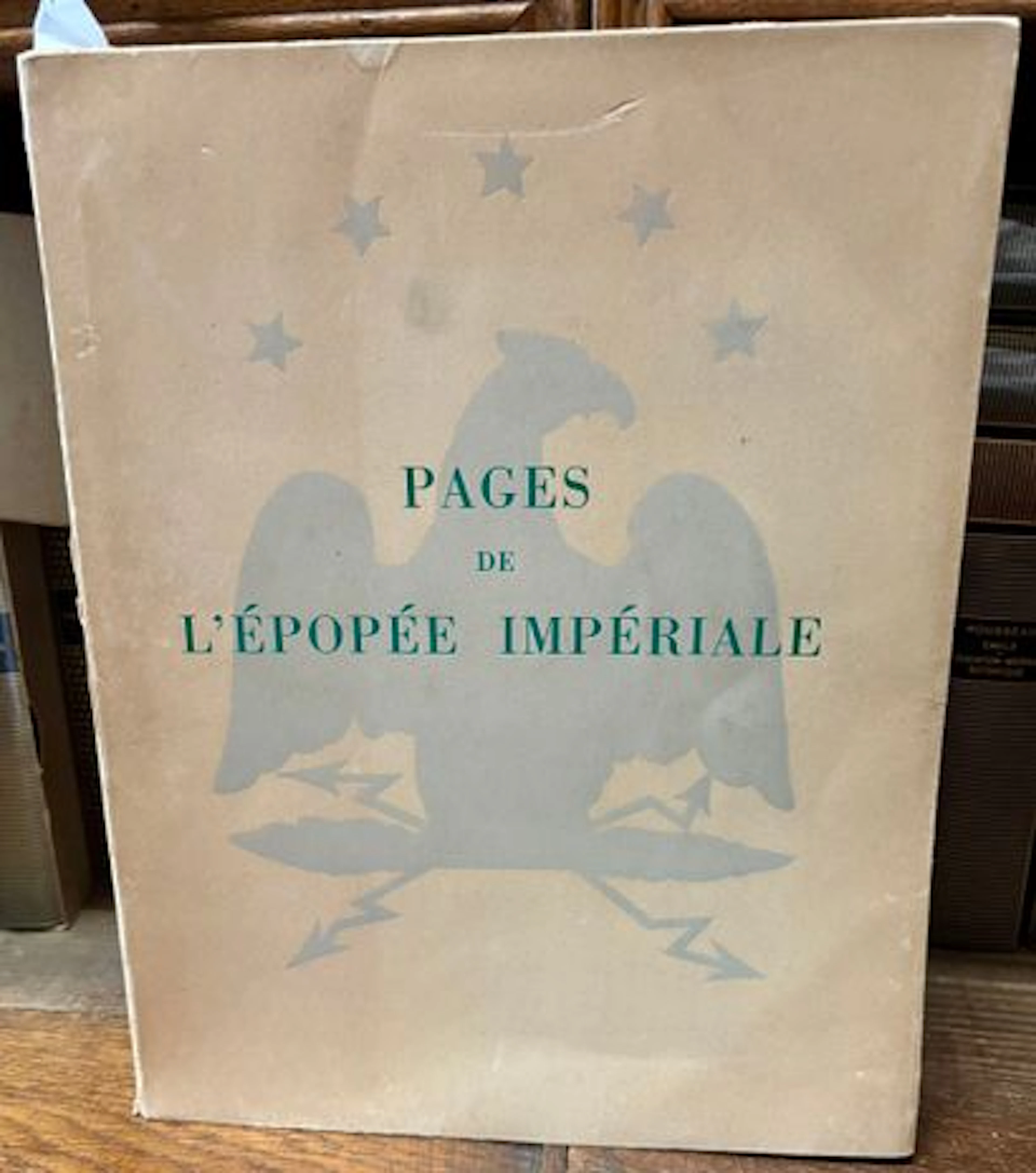
ARNNA (Jacques). — Pages from the Imperial Epic. Compiled by - Lot 20
07/12/2026

£8.52
Est: £86.27