







All auctions / Coins & Banknotes / Artuqids of Mardin Husam al-Din Yuluq Arslan

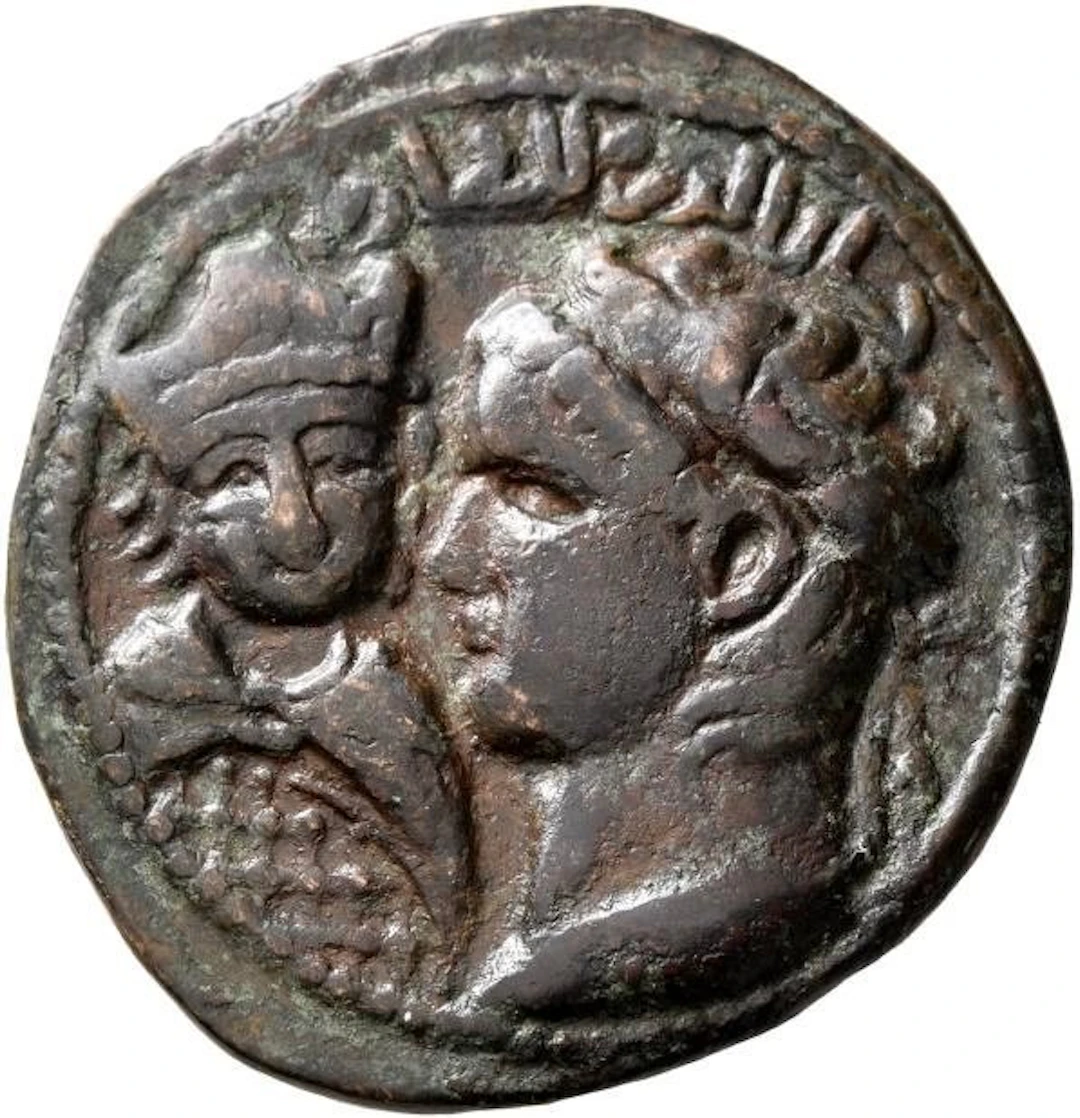
Islamic Medieval Coinage – Artuqids of Mardin – Husam al-Din Yuluq Arslan (AH 580–597 / AD 1184–1200) – Bronze Dirham – Roman-Style Portraits Dynasty: Artuqids of Mardin Region: Anatolia and al-Jazira Ruler: Husam al-Din Yuluq Arslan (AH 580–597 / AD 1184–1200) Denomination: Dirham Metal: Bronze Date: After AH 585 / AD 1189–1190 Weight: 14.53 g Diameter: 34 mm Die Axis: 7 h Reference: Spengler & Sayles 34 Obverse: Two facing busts inspired by Roman and Byzantine imperial portraiture. A draped and crowned bust on the left faces a diademed Roman-style head on the right. Above, the Kufic inscription reads “Husam al-Din, Malik Diyarbakr.” Reverse: Arabic inscriptions in Kufic script arranged within a circular border. The central inscription includes the titles “al-Malik al-Nasir / Salah al-Din / Muhiyy al-Dawla / Amir al-Mu’minin”, while the surrounding inscription refers to Yusuf ibn Ayyub, better known as Saladin. Historical Context The Artuqids were a medieval dynasty of Turkic origin that ruled parts of southeastern Anatolia and northern Mesopotamia during the eleventh to fifteenth centuries. Descended from the military commander Artuq ibn Eksük, the dynasty established several branches, including those of Mardin, Hisn Kayfa and Harput. Husam al-Din Yuluq Arslan ruled the Mardin branch of the Artuqid dynasty from 1184 to 1200, during a period marked by complex political relationships between the Artuqids, the Ayyubids and other regional powers. One of the most fascinating aspects of Artuqid coinage is its distinctive figural imagery. Unlike many other contemporary Islamic coinages, Artuqid bronze coins frequently incorporated representations inspired by ancient Greek, Roman, Byzantine and Sasanian traditions. This particular type features two opposing portraits inspired by classical imperial representations, demonstrating the remarkable artistic and cultural influences present in medieval Anatolia and northern Mesopotamia. The reverse inscriptions refer to Saladin (Salah al-Din Yusuf ibn Ayyub), the founder of the Ayyubid dynasty, whose political and military influence extended across Egypt, Syria and parts of Mesopotamia during the late twelfth century. These coins are important historical witnesses to the interaction between Turkic dynasties, Islamic political authority and the artistic traditions inherited from the ancient world. Provenance From a European collection, formed before 2005. Ex Leu Numismatik, Web Auction 30, 15 July 2024, Lot 3561. The photographs shown originate from the original auction listing. Over time, the coin has developed some additional green deposits on its surface. Shipping All items are shipped with Track & Trace and will be carefully and securely packaged to ensure safe delivery. Please note: Due to the current tariffs, shipping to the United States is temporarily unavailable.
Estimate:£4.22
To the auctionView all items fromCatawikiorCoins & Banknotes
Estimate:
£4.22
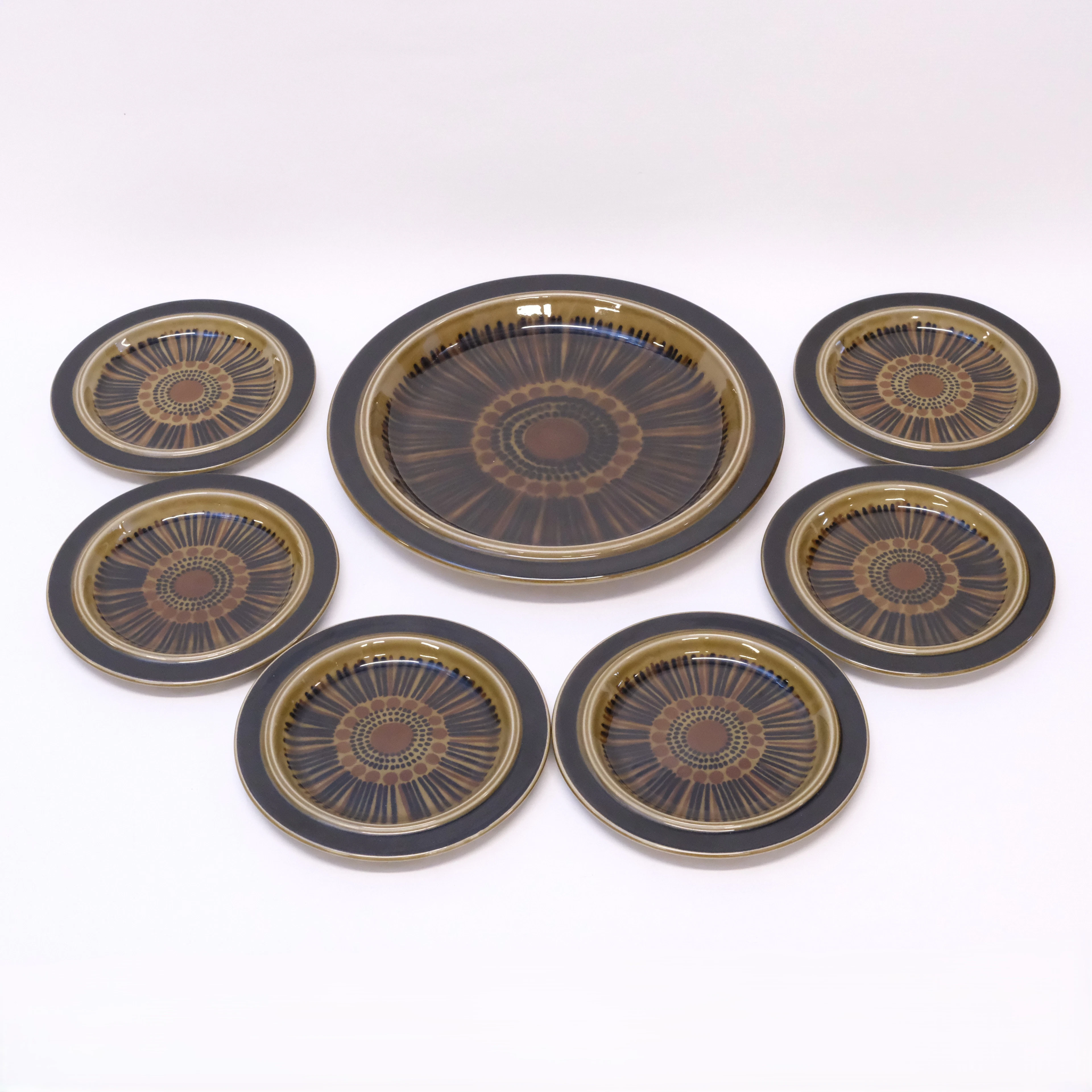
GUNVOR OLIN-GRÖNQVIST. FAT OCH ASSIETTER, "KOSMOS", ARABIA, 7 DELAR.
10/16/2026

£22.76
Est: £37.85


OCT 23 | 8:00 AM


OCT 27 | 4:00 PM
Bring your auction to collectors worldwide!
Get listed nowBy subscribing, you are agreeing to the privacy policy. Unsubscribe anytime.
Barnebys HQ
Brahegatan 10
BOX 5038
114 37 Stockholm
