

OCT 17 | 10:00 PM

All auctions / Miscellaneous / Atribuido al círculo o seguidores de Lam Qua (林官) o Sunqua

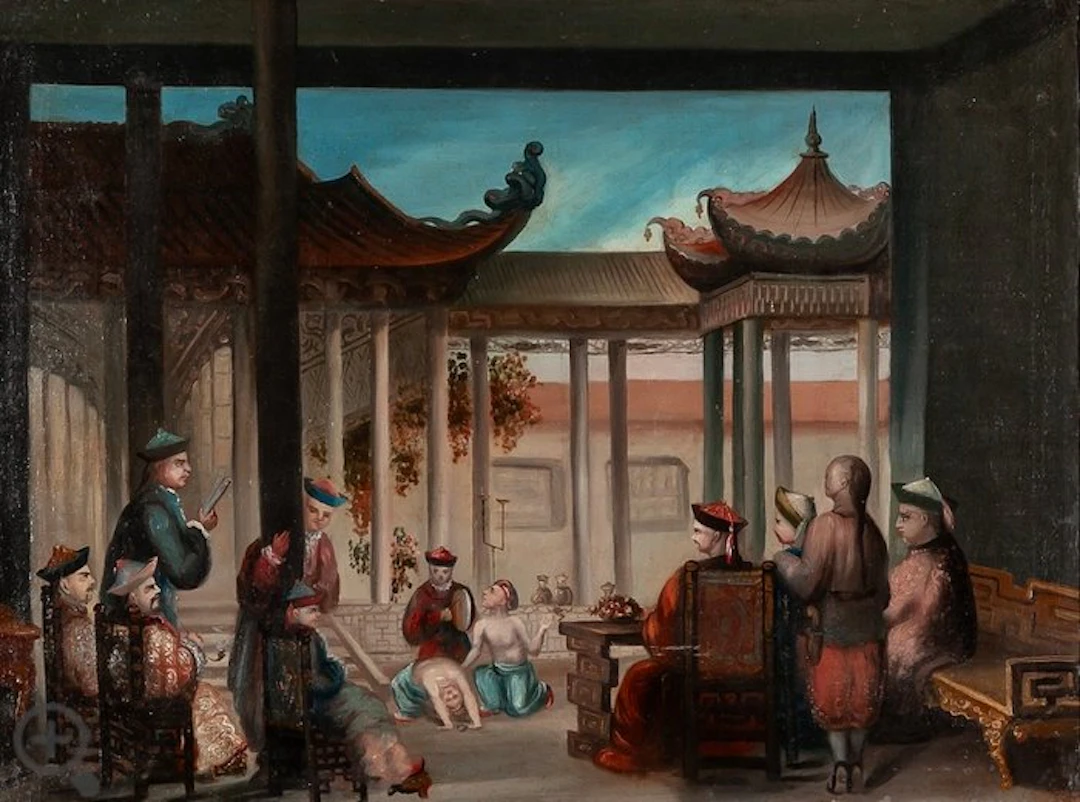
Chinese Export School (China Trade School). Canton Port Workshop (Guangzhou). Era / Period: 19th Century (After 1843, Qing Dynasty). Technique: Oil on canvas. Style: Commercial Chinoiserie / Export Art. HISTORICAL-ARTISTIC DESCRIPTION Origin and European Models: This oil painting faithfully follows the composition of the steel engraving originally made by the renowned British architect and illustrator Thomas Allom, published around 1843 in the famous encyclopedic work “China, in a Series of Views.” The original engraving was based on preliminary sketches illustrating daily life, customs, and architecture of the enigmatic Asian empire to satisfy Victorian-era European society’s curiosity. Arguments of Attribution (Local Author / Chinese Workshop): The existence of this oil-on-canvas scene is a direct testimony to the dynamic copy and trade workshops in Canton. Although the spatial composition and perspective derive from Allom’s Western engraving, this piece was executed with complete certainty by a Chinese painter or his specialized workshop, based on the following technical factors: Technical Hybridization: The use of oil on canvas was a purely Western technique that Cantonese port painters assimilated perfectly to create marketable paintings for the East India Company ships. Workshop Structure: During the 19th century, Cantoneses workshops (masters known as Lamqua or Sunqua) operated under a semi-industrial production regime. One artist in the workshop specialized in architectural backgrounds, another in faces, and a third in clothing. This explains the high accuracy in the patterns of Qing Dynasty imperial robes and furnishings, which the local painter knew firsthand. Inversion of the Cultural Process: While Europe copied Asian motifs for mere aesthetics (chinoiserie), the Chinese workshops appropriated the European gaze on them (Allom’s engraving) and “returned” it transformed into a high-quality oil painting. ICONOGRAPHY AND VISUAL ANALYSIS The scene is divided into three well-structured planes that capture the court’s refinement: The Central Spectacle: Two acrobats or jugglers perform a display of physical prowess on the courtyard floor, wearing light costumes, closely supervised by a musician with a traditional gong. The Official Audience: On both sides, high imperial officials (mandarins) rest on elaborately carved dark lacquered wooden ceremonial chairs. They are dressed in their official robes, conical hats with rank insignia, and long queues mandated by the Manchu era. The Architectural Environment: The background features a classic palace complex of open pavilions with supporting columns, ornamented curved roofs, and balustrades, highlighting the dignity and importance of the dignitary presiding over the event. Chinese Export School. Attributed to the circle or followers of Lam Qua (林官) or Sunqua. Era: Qing Dynasty, First half of the 19th Century (circa 1840-1850). Technique: Oil on original era linen canvas. Dimensions: 62 x 82 cm (Large for this historical period). Condition: Excellent - Very good. The canvas retains its original tension on the period wooden stretcher with a central crossbar. It shows a noble, fine, natural craquelure, homogeneous across the surface, characteristic and witness to its more than 170 years of age. It has not been relined, preserving its intact verso. The gilded wooden frame shows minor age-related wear. Provenance: European private collection. The reverse bears the old inventory hand-mark "P56", reflecting its inclusion in testament records or catalogues of renowned 20th-century collections. Chinese Export School. Attributed to the circle or followers of Lam Qua (林官) or Sunqua. Era: Qing Dynasty, First half of the 19th Century (circa 1840-1850). Technique: Oil on original era linen canvas. Dimensions: 62 x 82 cm (Large for this historical period). Condition: Excellent - Very good. The canvas retains its original tension on the period wooden stretcher with a central crossbar. It shows a noble, fine, natural craquelure, homogeneous across the surface, characteristic and witness to its more than 170 years of age. It has not been relined, preserving its intact verso. The gilded wooden frame shows minor age-related wear. Provenance: European private collection. The reverse bears the old inventory hand-mark "P56", reflecting its inclusion in testament records or catalogues of renowned 20th-century collections. Expert’s Note / Historical Cataloging Magnificent and rare large-format oil on canvas (62 x 82 cm) from the peak period of Chinese Export Painting (China Trade Paintings) produced in the historic Canton port workshops (Thirteen Factories) during the Qing Dynasty. Composition and Iconography The work immerses the viewer in the private and institutional life of the imperial aristocracy. The composition is directly inspired by the famous engravings that the British illustrator Thomas Allom published in 1843 (China, in a Series of Views), specifically his iconic print “Jugglers Exhibiting in the Court of a Mandarin's Palace.” The scene unfolds with fascinating dynamism: The Imperial Court: On the right, a high-ranking Mandarin, recognizable by his official plum robe and the standard conical hat topped with a finial, presides over the reception alongside his counselors and ladies of the court dressed in refined silks. On the left, a group of civil officials and literati watch the function while one holds a manuscript. The Central Show: Two traditional artists (acrobats/jugglers) perform balance exercises in the palace courtyard, flanked by a musician keeping time with a traditional drum. Architecture and Perspective: The scene is framed by the palace’s imposing wooden columns and multi-colored conical-curved roofs, executed with a provocative blend of Western linear perspective and the two-dimensional charm of Qing traditional art. Importance in the Art Market Compared to the usual cabinetry, lacquers, or fragile rice-paper (pith paper) souvenir paintings, these oil on canvas works of this size and quality were commissions of great prestige. They were made for captains of merchant ships, diplomats, or Western aristocrats who wished to display in Europe the refinement of Eastern customs under the Chinoiserie trend. The absolute integrity of its verso (preserving the original stretcher, wooden wedges, and the natural darkening patina of the linen fibers) makes this piece an exceptional investment opportunity for international collectors of 19th-century Asian art. Note: “To guarantee the safety and perfect condition of the work, depending on its volume and nature, transport and delivery may be carried out by the seller.” #exceptionalart26
Estimate:£3,379.34
To the auctionView all items fromCatawikiorMiscellaneous
Estimate:
£3,379.34
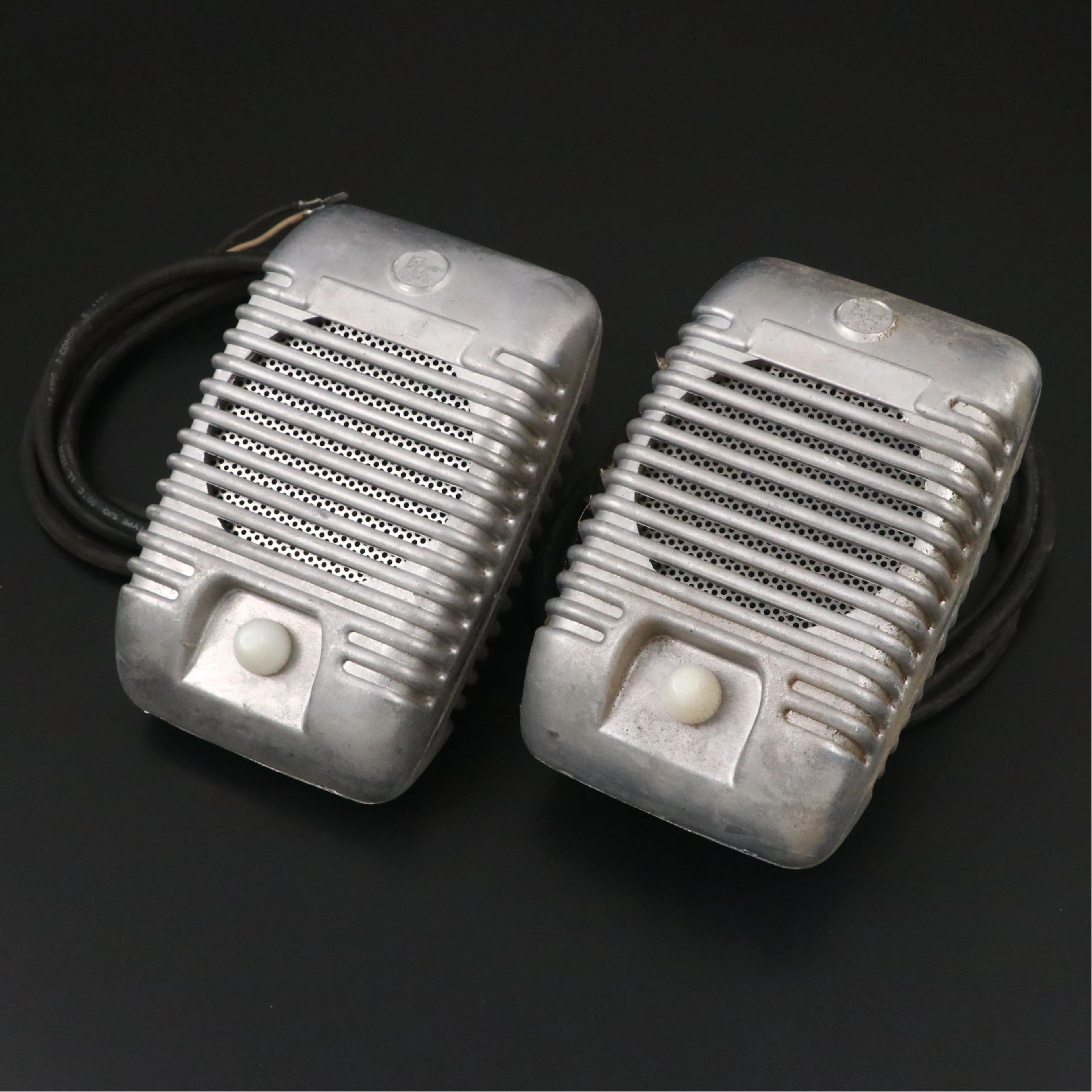
Projected Sound Drive-In Movie Theater Speakers, Mid-20th Century
08/21/2026
£95.3
Est: £95.93
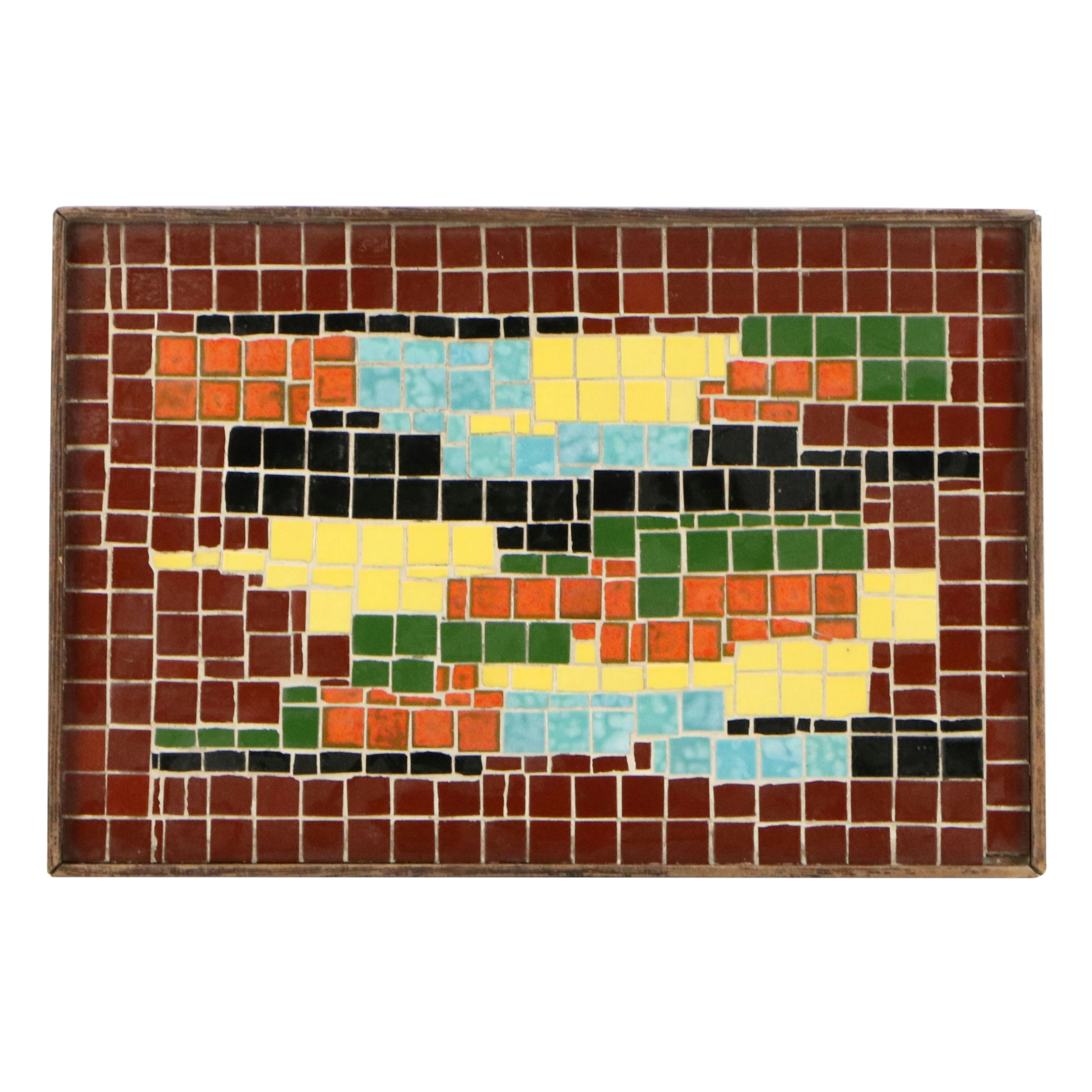
Mid Century Modern Tile Mosaic, Mid-20th Century
06/22/2026
£121.21
Est: £60.56
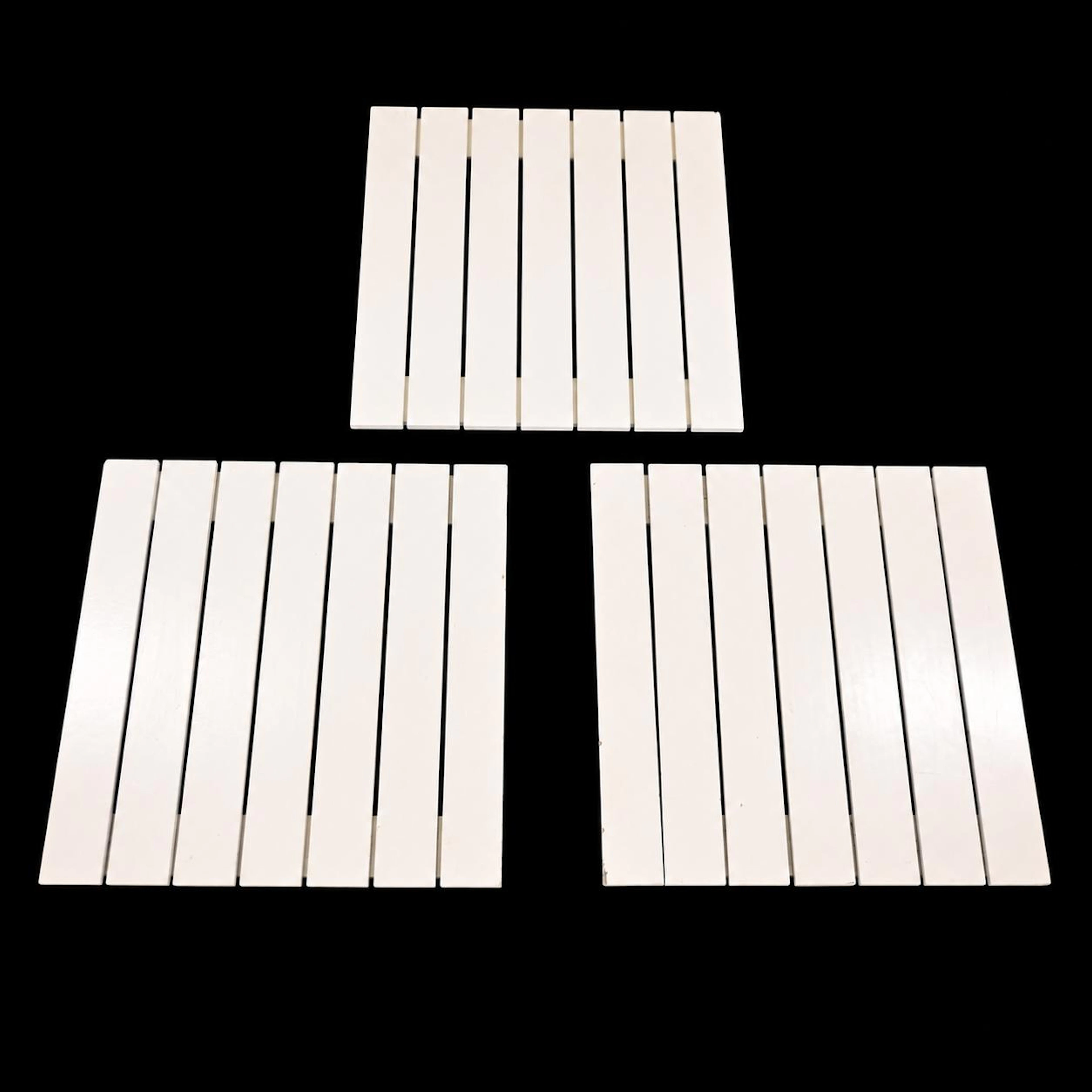
Bordsskivor för trädgårdsbord, 3st, Grythyttan, 1900-talets andra hälft.
06/07/2026

£7.89
Est: £3.97
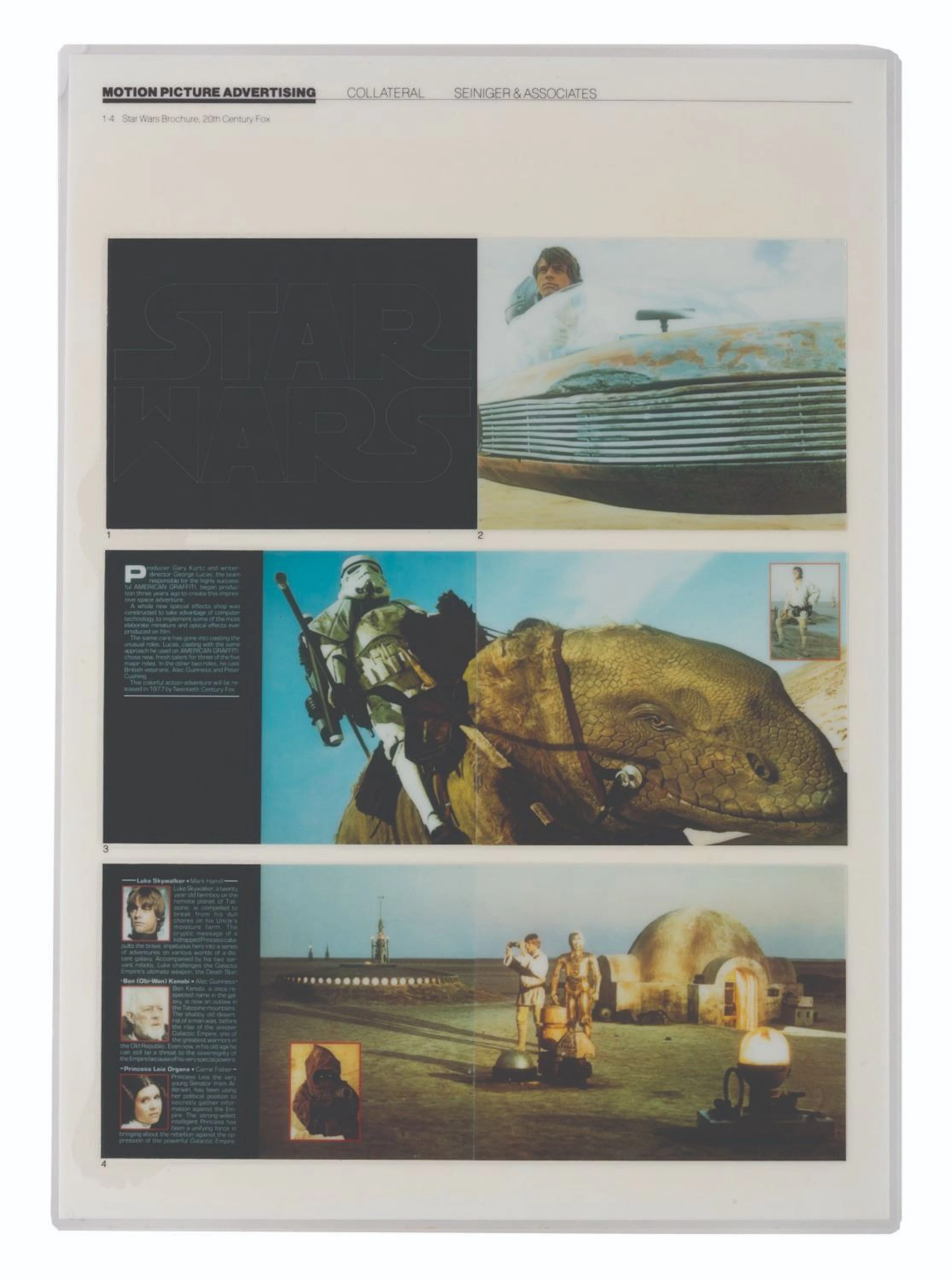
OCT 17 | 10:00 PM




OCT 23 | 8:00 AM
Bring your auction to collectors worldwide!
Get listed nowBy subscribing, you are agreeing to the privacy policy. Unsubscribe anytime.
Barnebys HQ
Brahegatan 10
BOX 5038
114 37 Stockholm
