




OCT 23 | 8:00 AM

All auctions / Ethnographical / BACTRIA-MARGIAN CULTURE (BMAC or Oxus) (present-day Turkmenistan /

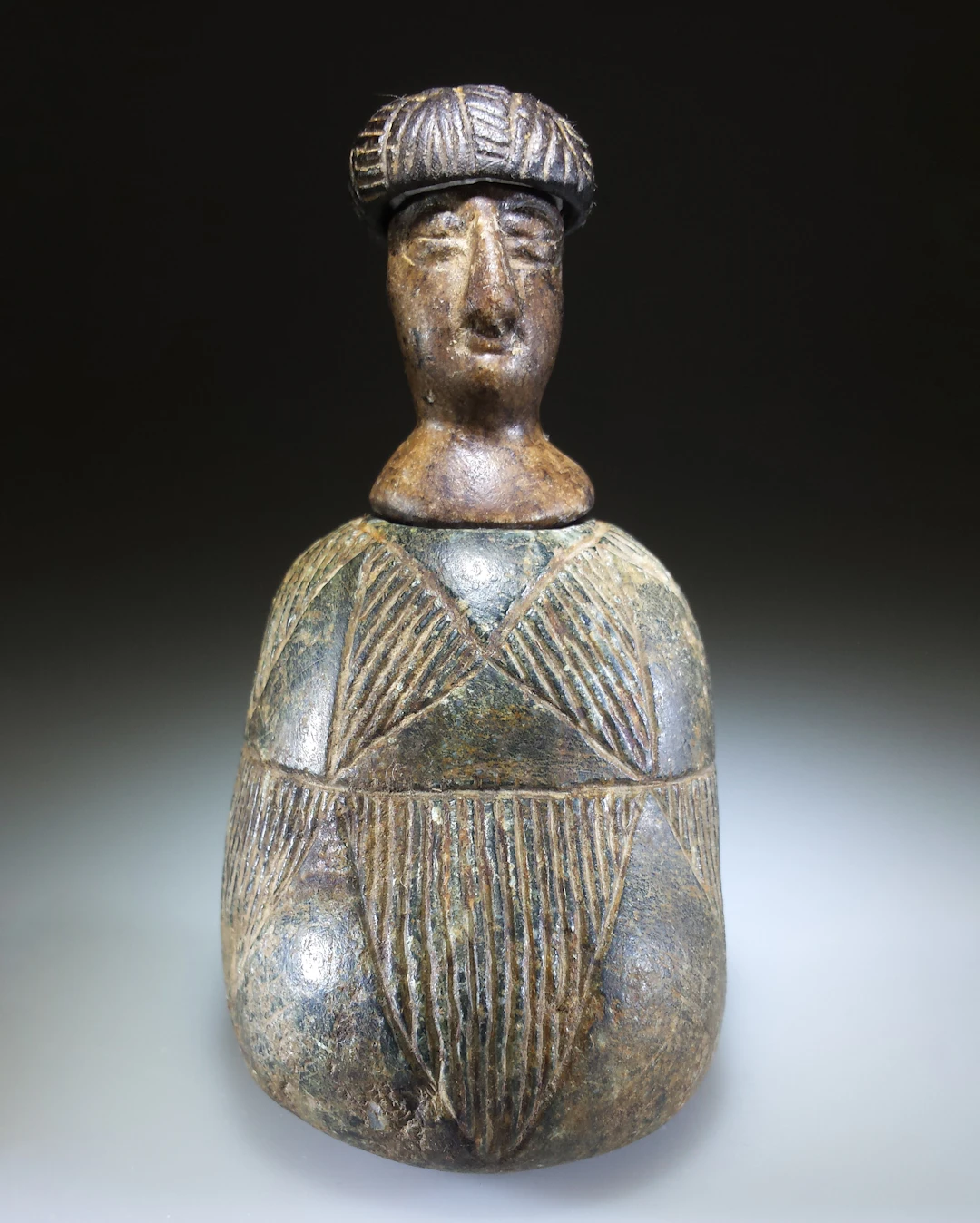
Descriptio Carved calcite, chlorite, and steatite. Dimensions: 8.5 x 4.5 x 4 cm. Weight: 185 g. Exceptional composite female figure belonging to the Bactrian-Margian civilization, also known as the Oxus civilization, one of the most advanced and sophisticated cultures of Central Asia during the late 3rd and early 2nd millennium BCE. The sculpture is made by combining different stone materials, a distinctive characteristic of these celebrated composite figures, with the head carved from polished calcite and the body and headdress executed in chlorite or steatite. The figure represents a high-ranking woman, traditionally identified as a princess, priestess, or possibly a female deity. The face displays the schematic and monumental features characteristic of Bactrian sculpture, with almond-shaped eyes, a prominent nose, and a hieratic expression that conveys serenity, authority, and a strong symbolic character. The body appears enveloped in a heavy ceremonial mantle decorated with fine diagonal and vertical geometric incisions reminiscent of the kaunakes, the traditional Mesopotamian garment originally made of sheepskin and adopted by various cultures of the ancient Near East. The use of different colored stones to distinguish the face from the body is one of the most distinctive features of these sculptures and has been interpreted by various specialists as an element intended to emphasize the sacred or ceremonial nature of the figure. Although the exact meaning of these representations remains a subject of debate, most known examples come from funerary contexts, suggesting a function linked to the religious, funerary, or cultic sphere. Some researchers consider them representations of members of the ruling elite, while others argue for their identification with female deities or mother goddesses, given the extraordinary sense of power and monumentality they convey despite their small size. This type of sculpture is one of the most emblematic productions of the Oxus civilization and has parallels in important international museum collections, including examples held in the Louvre Museum. Its state of preservation is excellent, with the body, head, and headdress intact, no visible restorations, an attractive archaeological patina of green and brown tones, ancient mineral deposits, and remarkable coherence between the different pieces that make up the sculpture. Provenance: acquired on the German art market, Munich, in 2016; German private collection formed between 2014 and 2016; formerly the D. Chiavarini collection, London, until 2014; London art market before 1990; former private collection in Mayfair, London.Acquired before 1985; French private collection formed in the 1970s; from an English family collection dating back to the late 1960s. Lot in international warehouse (within the EU). Intra-EU shipment: no import duties apply within the EU. Export permission from the country of origin may be required.
Estimate:£1,679
To the auctionView all items fromTemplum Fine Art AuctionsorEthnographical
Estimate:
£1,679
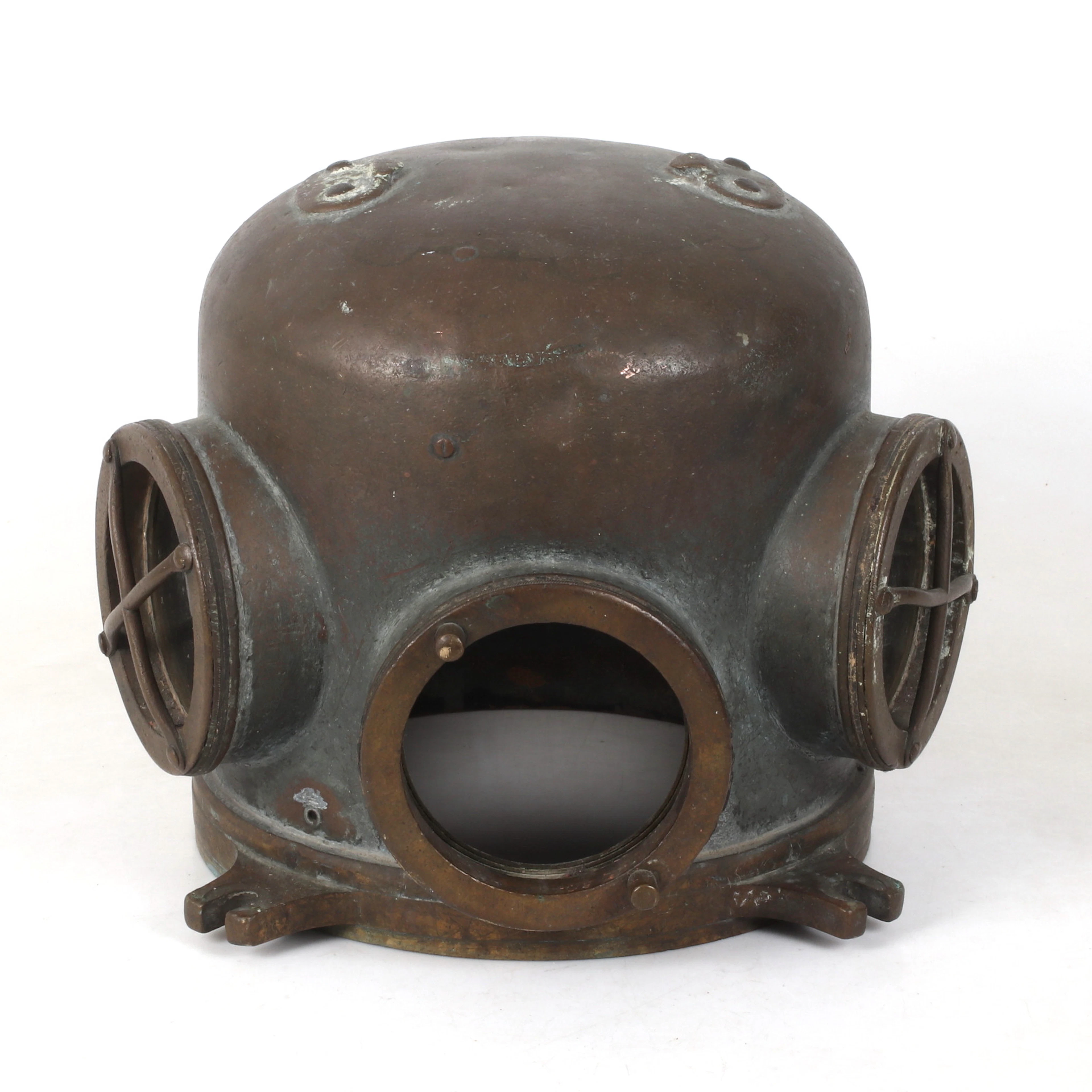
DYKARHJÄLM, C. A Lindqvist, Stockholm, omkring sekelskiftet 1900.
10/19/2026
£2,603.23
Est: £1,512.78
OCT 23 | 8:00 AM



OCT 27 | 4:00 PM
Bring your auction to collectors worldwide!
Get listed nowBy subscribing, you are agreeing to the privacy policy. Unsubscribe anytime.
Barnebys HQ
Brahegatan 10
BOX 5038
114 37 Stockholm
