

OCT 23 | 8:00 AM

All auctions / Books, Maps & Manuscripts / Book of Hours - [Post Incunable] Miniato e Stampato su Pergamena - 1512

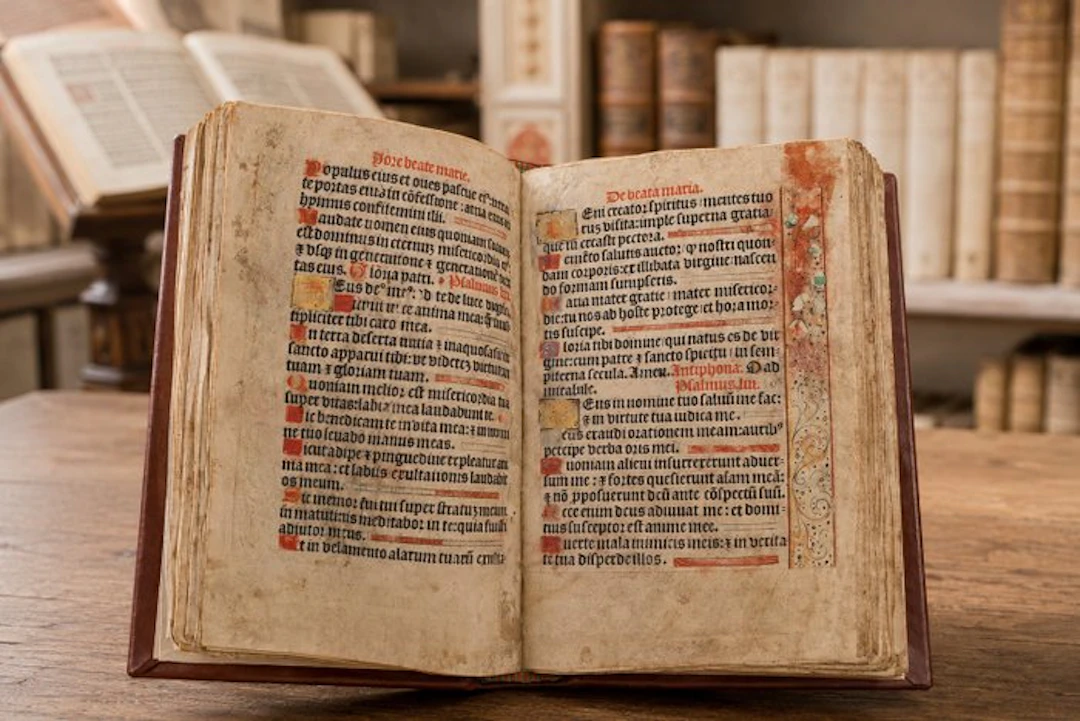
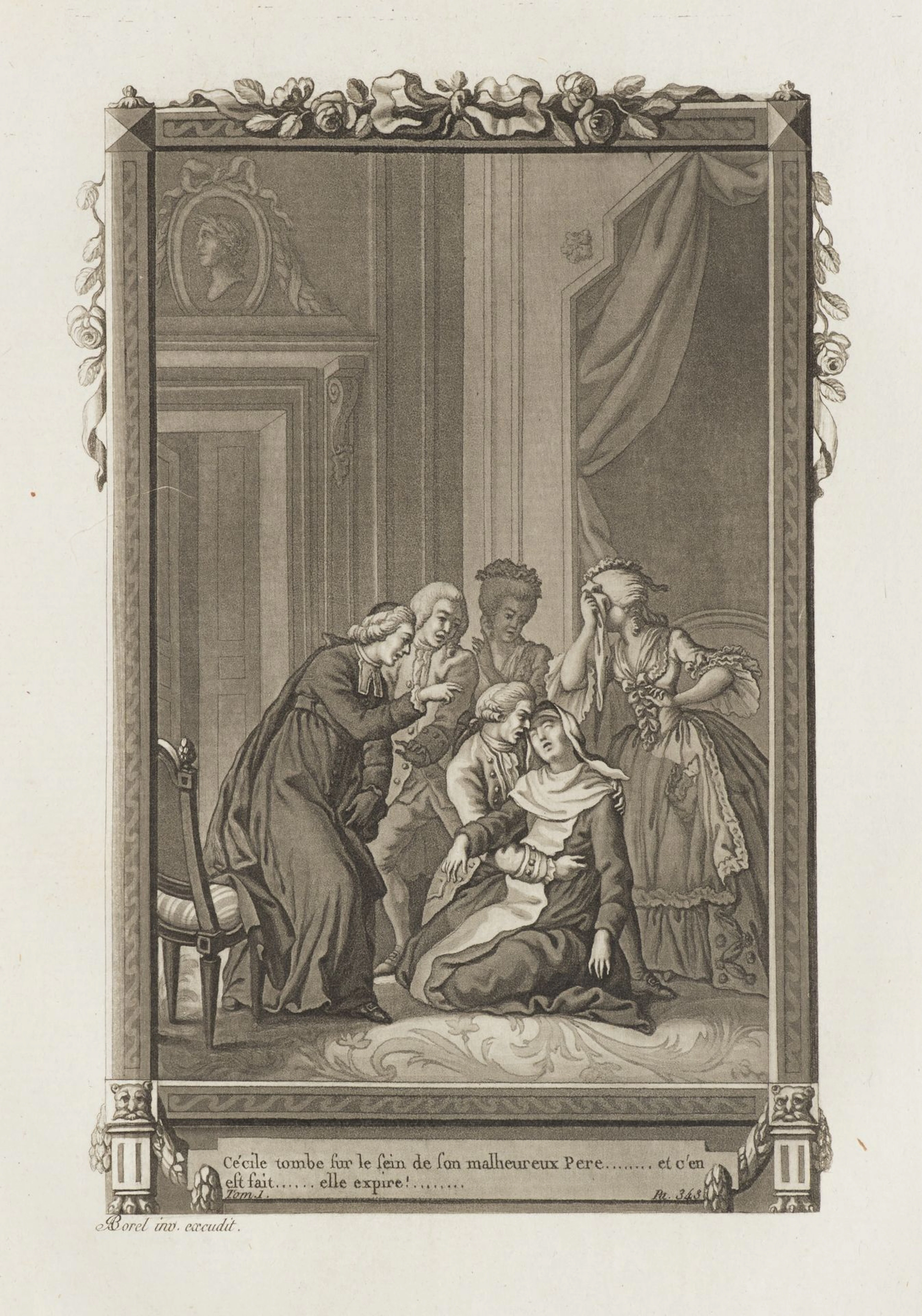
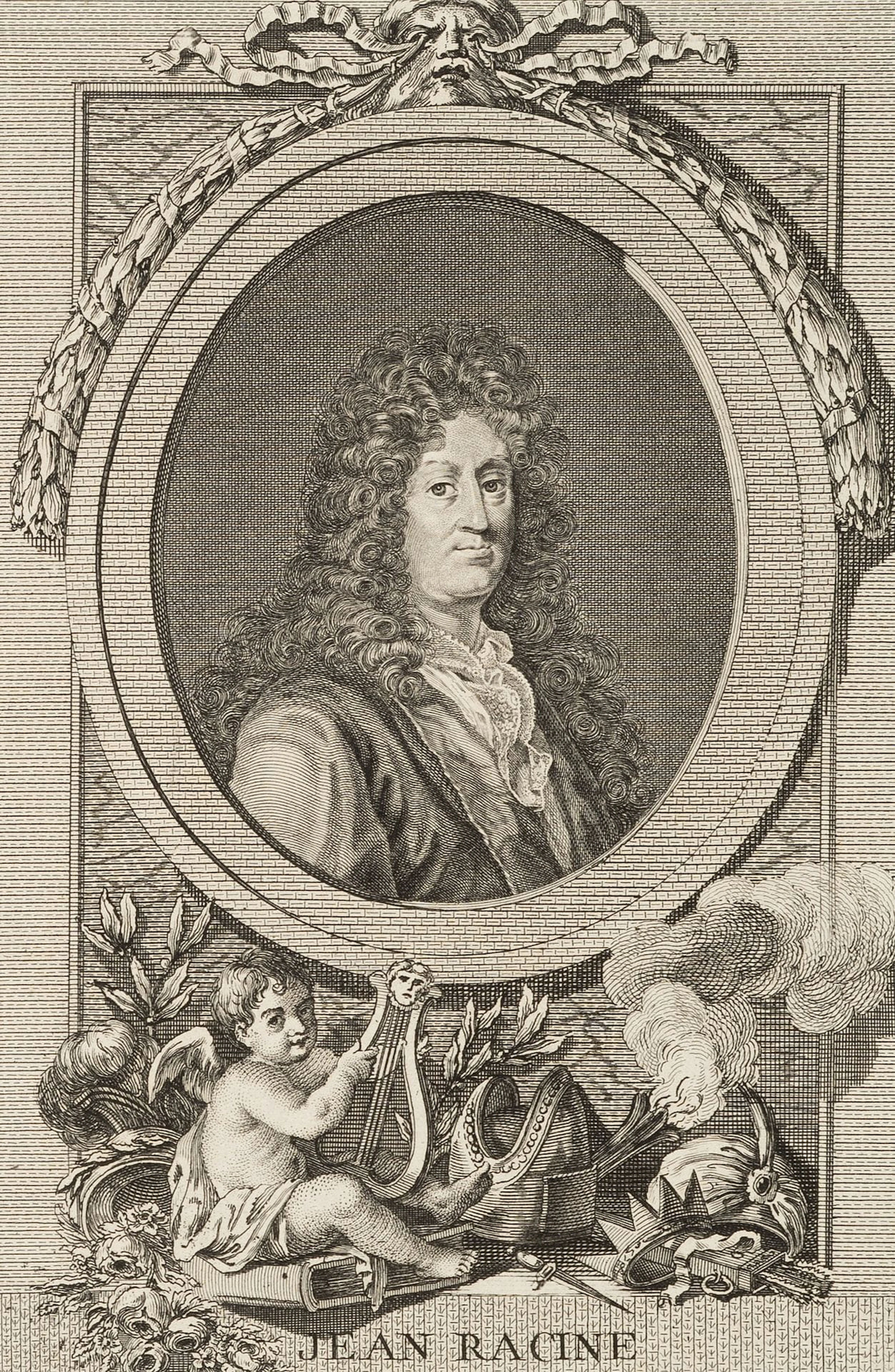
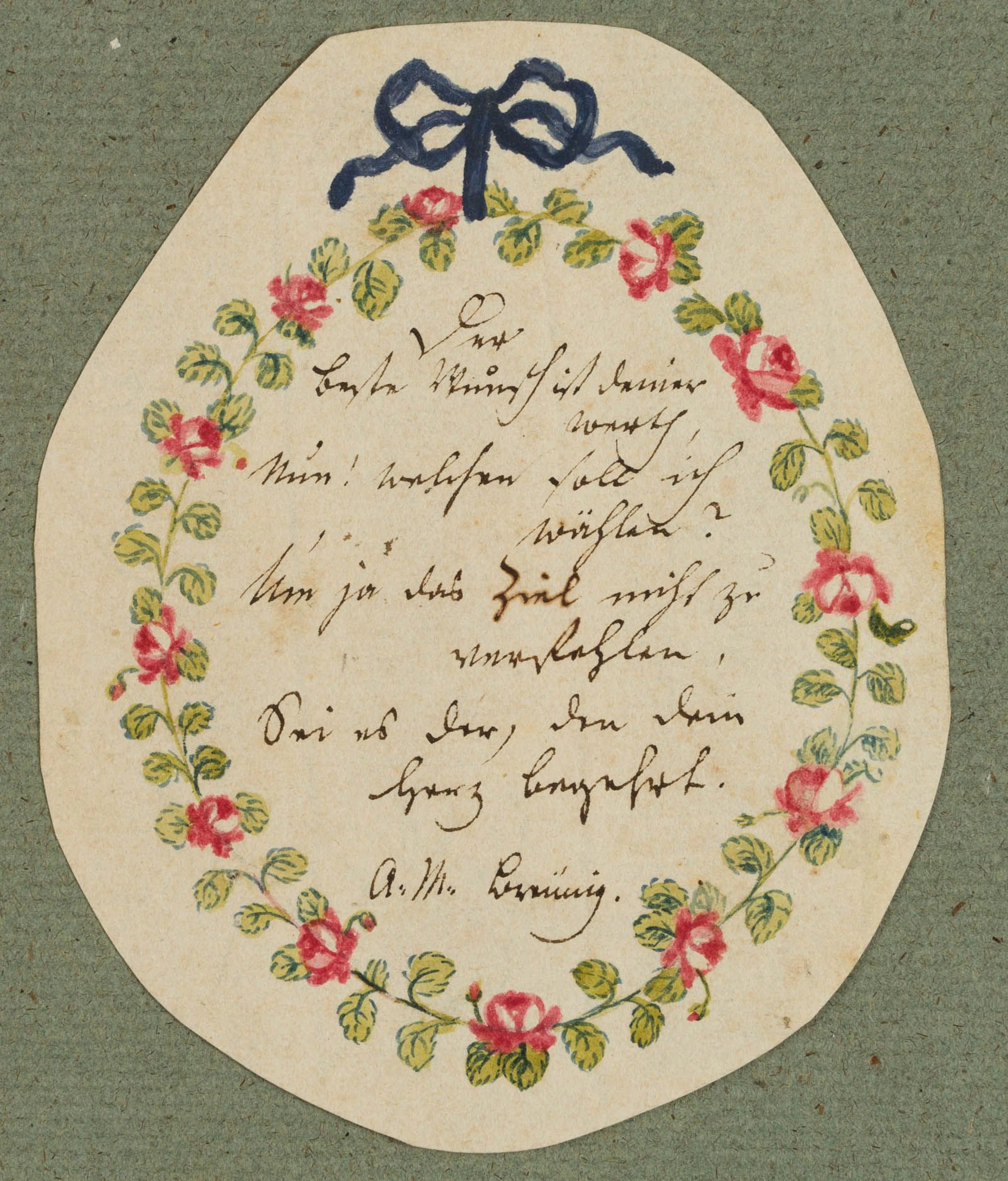
[Please note that the background setting in some images was created using AI to present the books in a pleasant environment. These background elements do not alter or affect the true representation and condition of the books] THE AGE OF GOLD OF THE BOOK OF HOURS – THE LAST SPLENDOR OF THE MEDIEVAL BOOK OF HOURS A rare Book of Hours printed on parchment and hand-illuminated in the early decades of the sixteenth century, a testimony to the unique encounter between the medieval manuscript tradition and the birth of printing. Among the most fascinating products of Renaissance typography, the Book of Hours printed on parchment represents the final season of medieval book art. Intended for aristocratic and affluent patrons, they combined the precision of printing with the richness of hand-painted illumination, preserving the appearance of the great illuminated manuscripts while belonging now to the age of typography. The present exemplar, datable to the first quarter of the XVI century, preserves a significant portion of its original decorative apparatus, with floral borders, miniated initials, and contemporaneous rubrication that make it a precious testimony to early Renaissance luxury book production. WHY IT MATTERS For over three centuries the Book of Hours was the most widespread private book in Christian Europe. Thanks to these volumes, prayer moved from the monasteries into the homes of princes, nobles, merchants, and wealthy bourgeoisie. The parchment editions constitute one of the most fascinating moments in the history of the book: printing did not immediately replace the manuscript, but assimilated its artistic language, entrusting still the completion of each copy to the illuminators. Each exemplar thus became an irreplaceable work, different from all the others. WHY THIS COPY This exemplar presents numerous characteristics particularly valued by collectors: • parchment printing; • text in Gothic type printed in red and black; • five silhouettes with figurative initials; • ten hand-illuminated borders with floral motifs; • large illuminated initial; • numerous decorated initials and hundreds of red and blue watermarks; • elegant modern full-leather binding executed in an antique style by master binder Keith Felton. INVESTMENT HIGHLIGHTS The illuminated parchment Book of Hours belong today to the most sought-after segment of international book collecting. Complete copies frequently reach very high prices, while even important fragments like the present are increasingly rare on the market. Interest engages collectors of manuscripts, incunabula, art history, medieval illumination, and the history of printing. Estimated market value: € 6,000–8,000. PHYSICAL DESCRIPTION In octavo; 72 parchment leaves. Text in red and black Gothic type on 24 lines. Five silhouettes with figurative initials. Ten hand-illuminated borders with floral motifs. Large illuminated initial and numerous decorated initials; hundreds of red and blue watermarks. Modern full red leather binding in Renaissance style by Keith Felton. Conditions: substantial fragment but incomplete. Losses to the upper margins of the first six leaves; marginal gap with partial loss of decoration on one leaf; additional marginal loss on another leaf; widespread signs of use; occasional ink smudges and miniature wear. FULL TITLE Book of Hours. Illuminated and printed Book of Hours on parchment. Probably Paris, first quarter of the XVI century. THE STORY When movable-type printing revolutionized book production, the tastes of patrons remained deeply tied to the manuscript tradition. Printers continued to print on parchment those works destined for the most prestigious clientele, leaving broad margins to be later decorated by illuminators. Each copy thus left the workshop different from the others, turning a typographic product into a truly unique object. This balance between technical innovation and artistic tradition endured for only a few decades, making these Books of Hours one of the most refined expressions of the early Renaissance. THE AUTHOR Like most Books of Hours, this collection has no author in the modern sense. The texts derive from the medieval liturgical tradition and include the Office of the Blessed Virgin, the Penitential Psalms, the Office of the Dead, the Gospels, and numerous devotional prayers that accompanied daily spirituality of European laypeople. THE PRINTING Probably printed in Paris in the first quarter of the XVI century, the volume uses elegant Gothic type arranged on twenty-four lines, with printing in red and black according to the best liturgical tradition. The entire decoration was completed manually after printing through miniatures, rubrication, and floral borders, preserving the look of an authentic illuminated manuscript. RARITY Editions of parchment Book of Hours survive in far smaller numbers than those on paper. The everyday use for which they were intended caused the loss or fragmentation of many copies over the centuries. Large, richly illuminated fragments like the present are today sought after by private collectors and by museum institutions. BIBLIOGRAPHY Bohatta, Liturgische Bibliographie. Leroquais, Les Livres d'Heures Manuscrits de la Bibliothèque Nationale. Lacombe, Livres d'Heures Imprimés au XVe et au XVIe Siècle. Wieck, Painted Prayers. De Hamel, A History of Illuminated Manuscripts. PERCHÉ ABBIAMO SCELTO QUESTO LIBRO We do not simply select ancient books. We seek works that represent a decisive moment in the history of European civilization. This Book of Hours testifies to one of the most fascinating moments in the history of the book: when the printing revolution had not yet erased the art of the illuminators and each copy continued to be refined by hand, making every exemplar unique. It is the perfect meeting between the Middle Ages and the Renaissance, between manuscript and typography, between private devotion and book art.
Estimate:£4,197.5
To the auctionView all items fromCatawikiorBooks, Maps & Manuscripts
Estimate:
£4,197.5
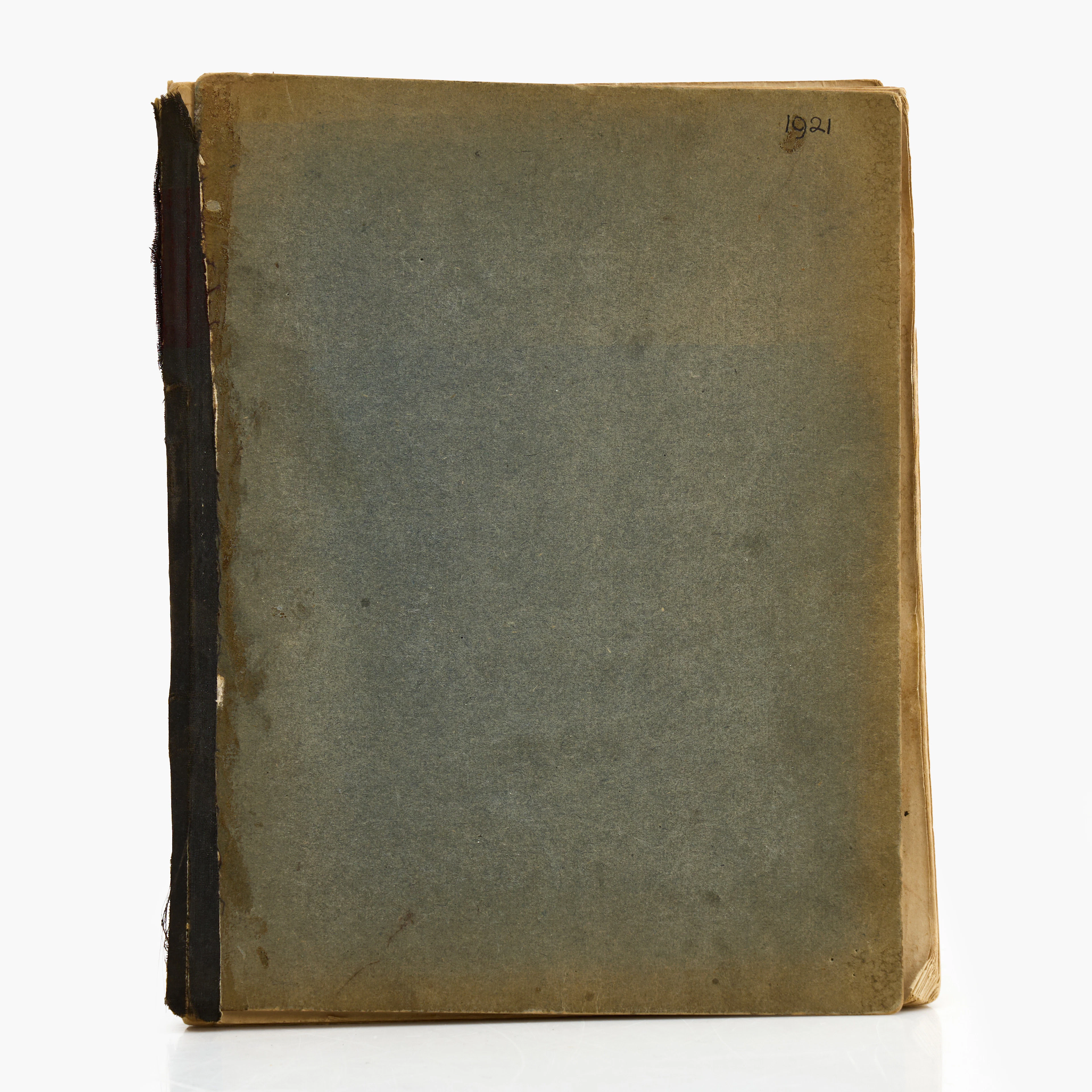
KARL NORDSTRÖM (Tjörn 1855-1923 Drottningholm). Skissbok, Frankrike
10/19/2026
£369.73
Est: £756.93
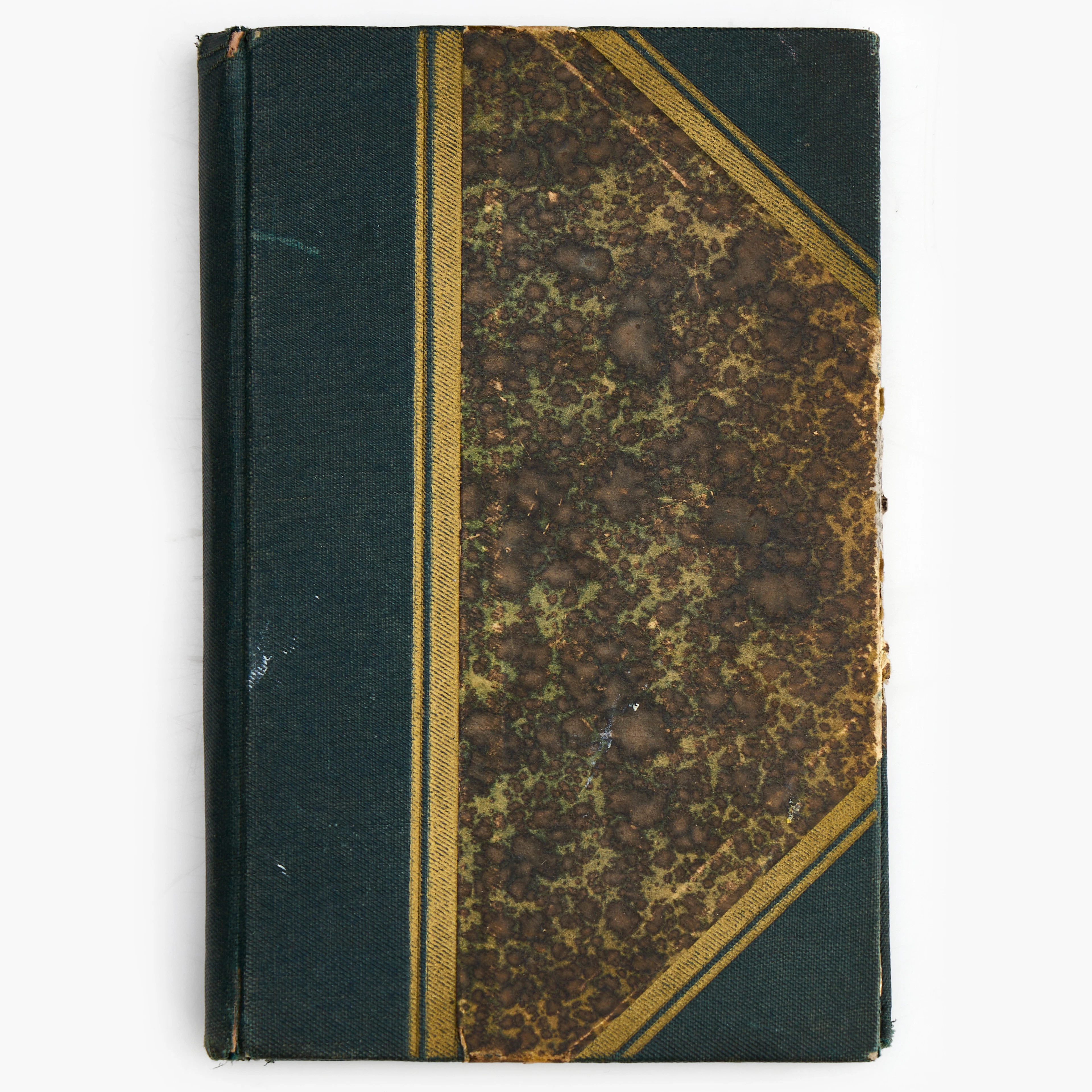
KARL NORDSTRÖM (Tjörn 1855-1923 Drottningholm). Anteckningsbok från 1920.
10/19/2026
£83
Est: £302.77
OCT 23 | 8:00 AM




OCT 27 | 4:00 PM
Bring your auction to collectors worldwide!
Get listed nowBy subscribing, you are agreeing to the privacy policy. Unsubscribe anytime.
Barnebys HQ
Brahegatan 10
BOX 5038
114 37 Stockholm
