


Bring your auction to collectors worldwide!
Get listed nowBy subscribing, you are agreeing to the privacy policy. Unsubscribe anytime.
Barnebys HQ
Brahegatan 10
BOX 5038
114 37 Stockholm
All auctions / Coins & Banknotes / Danube Celts Tetradrachm imitating Philippos II (359-336 BC) (No reserve price)

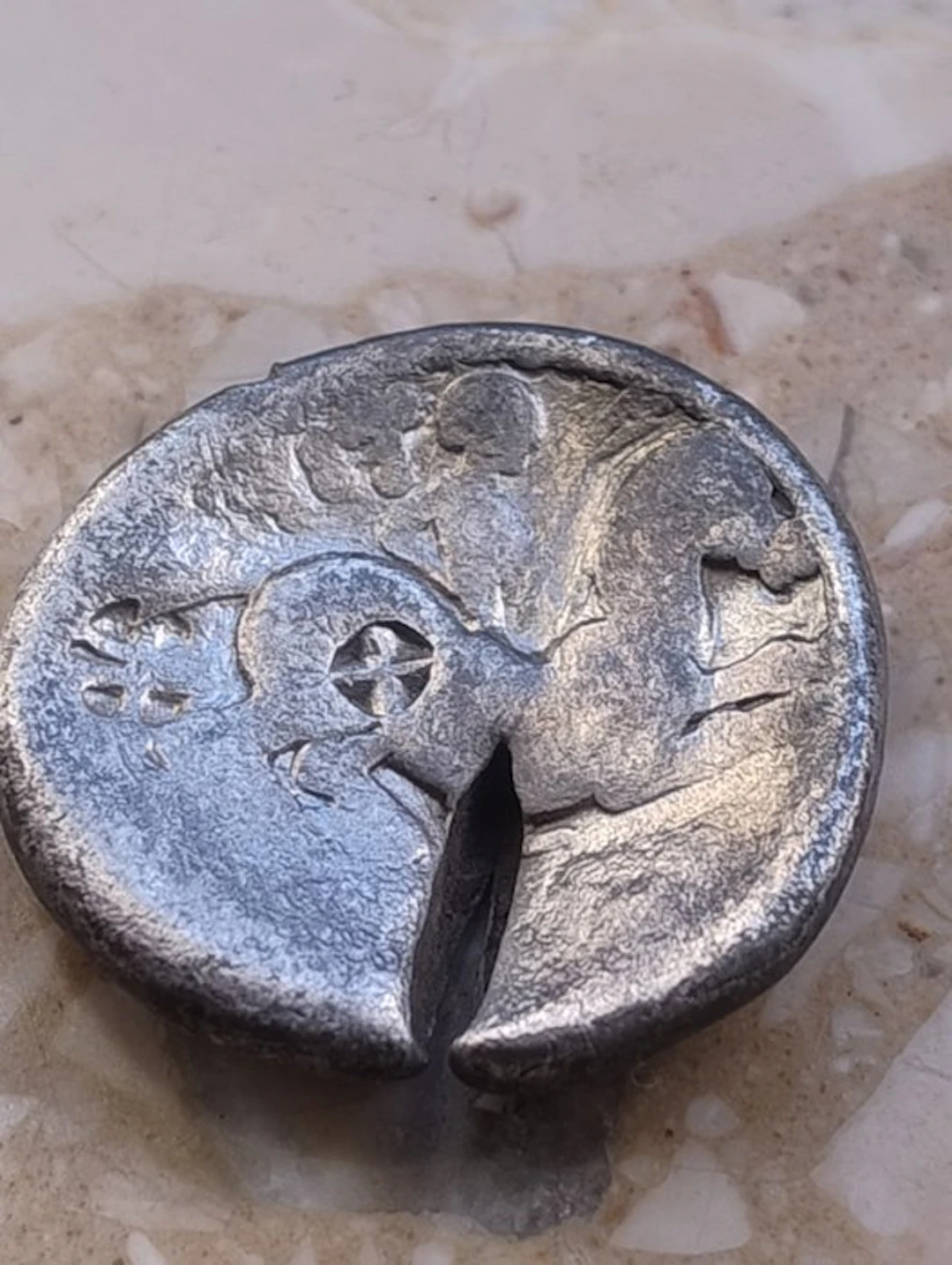
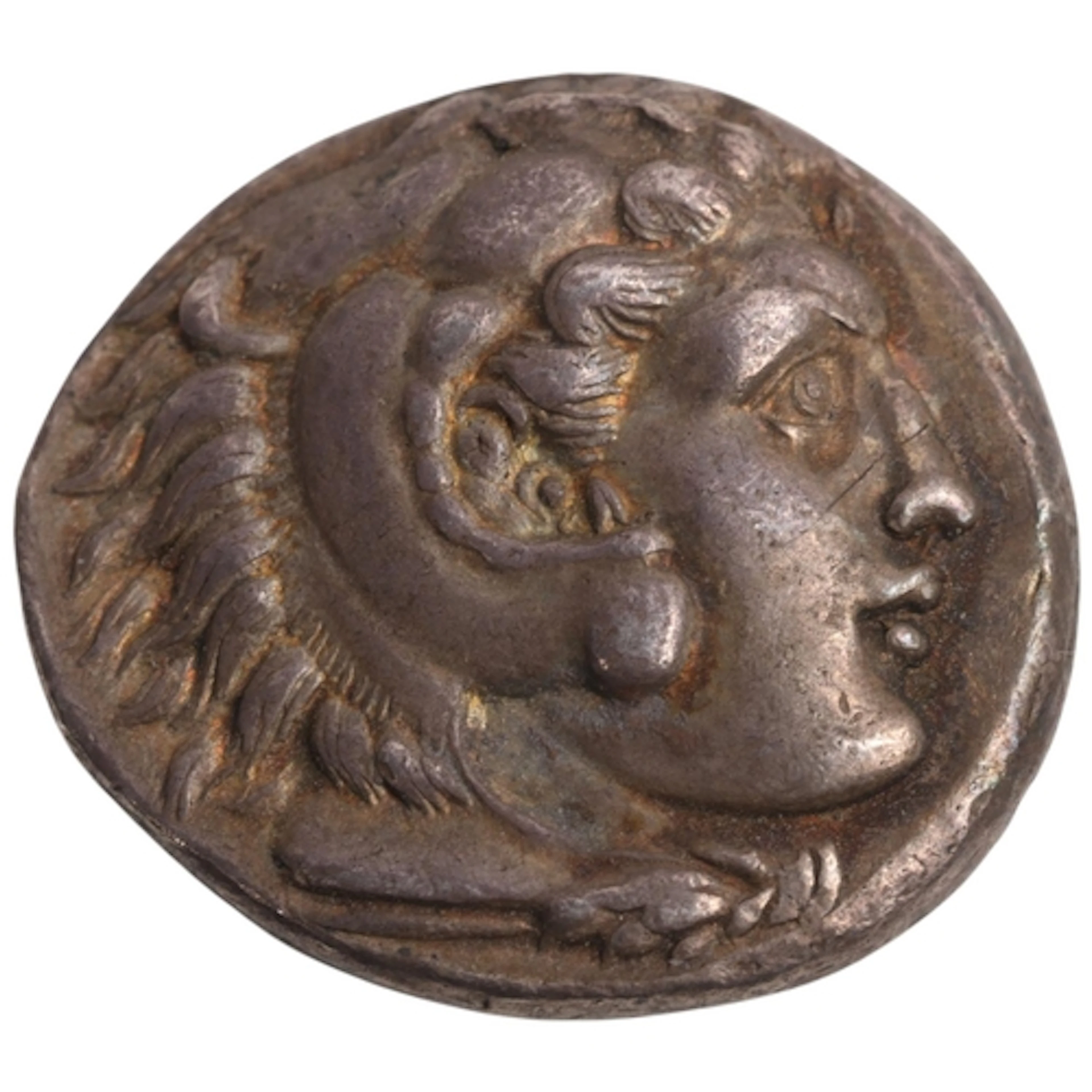
Huși-type coins" (specifically known in numismatics as the Huși-Vovriești type) refer to ancient Geto-Dacian silver coins minted as imitations of Macedonian tetradrachms.Key CharacteristicsOrigin: Local Geto-Dacian tribes minted these silver coins during the Late Iron Age (around the 3rd to 2nd century BC), copying the famous tetradrachms issued by King Philip II of Macedon (the father of Alexander the Great).Design & Stylization:Obverse: Originally depicted the head of Zeus, which became progressively abstract, stylized, and geometric.Reverse: Originally depicted a horseman (jockey), which evolved into highly stylized, abstract shapes where the horse and rider are barely recognizable.Distinctive Marks: These coins frequently feature intentional cuts or countermarks on their surface, a practice common in the ancient world to test the purity of the silver or for validation.Discovery Area: They are primarily found in coin hoards discovered across the historical region of Moldavia (in modern-day Romania and Moldova), named after the prominent breakthroughs near Huși and VovrieștCoins of this type are distinguished by a deep cut, intended to guarantee the authenticity of the silver coin.The coin is from a private collection and lacks a certificate of authenticity.
Estimate:£13.72
To the auctionView all items fromCatawikiorCoins & Banknotes
Estimate:
£13.72
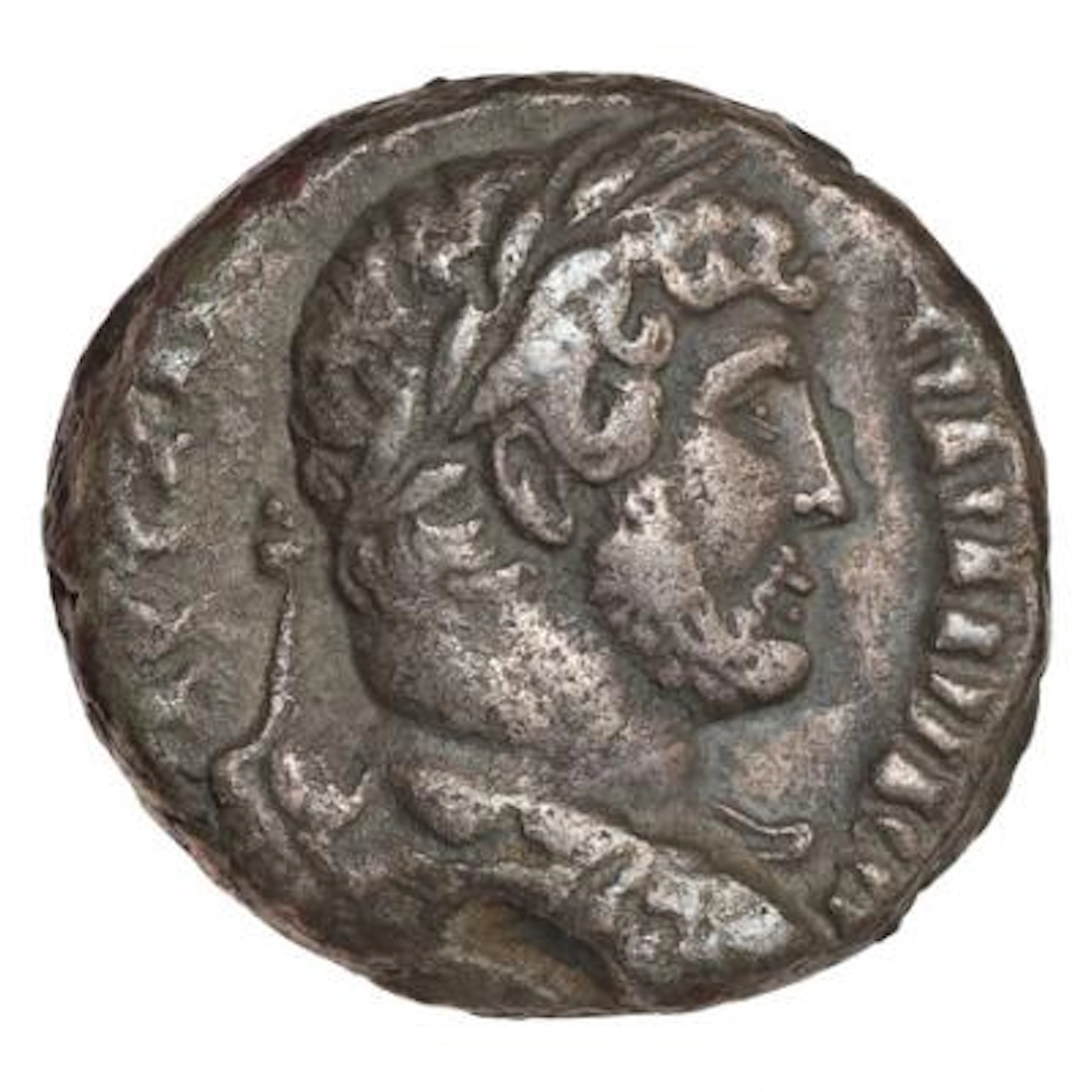
Roman Empire, Egypt, Alexandria, Hadrain & Sabina Tetradrachme; Dattari.
09/27/2026

£97.57
Est: £86.24
Bring your auction to collectors worldwide!
Get listed now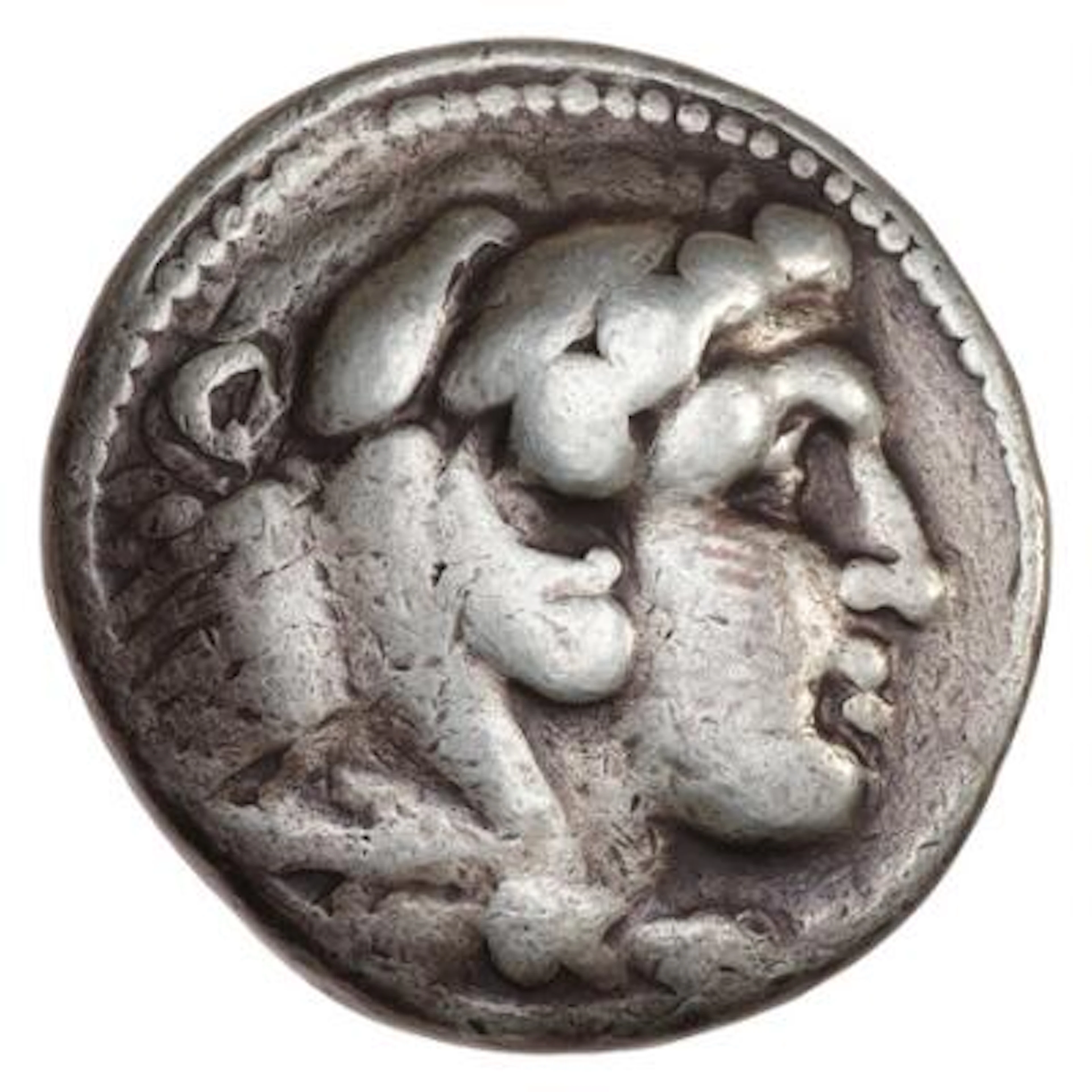
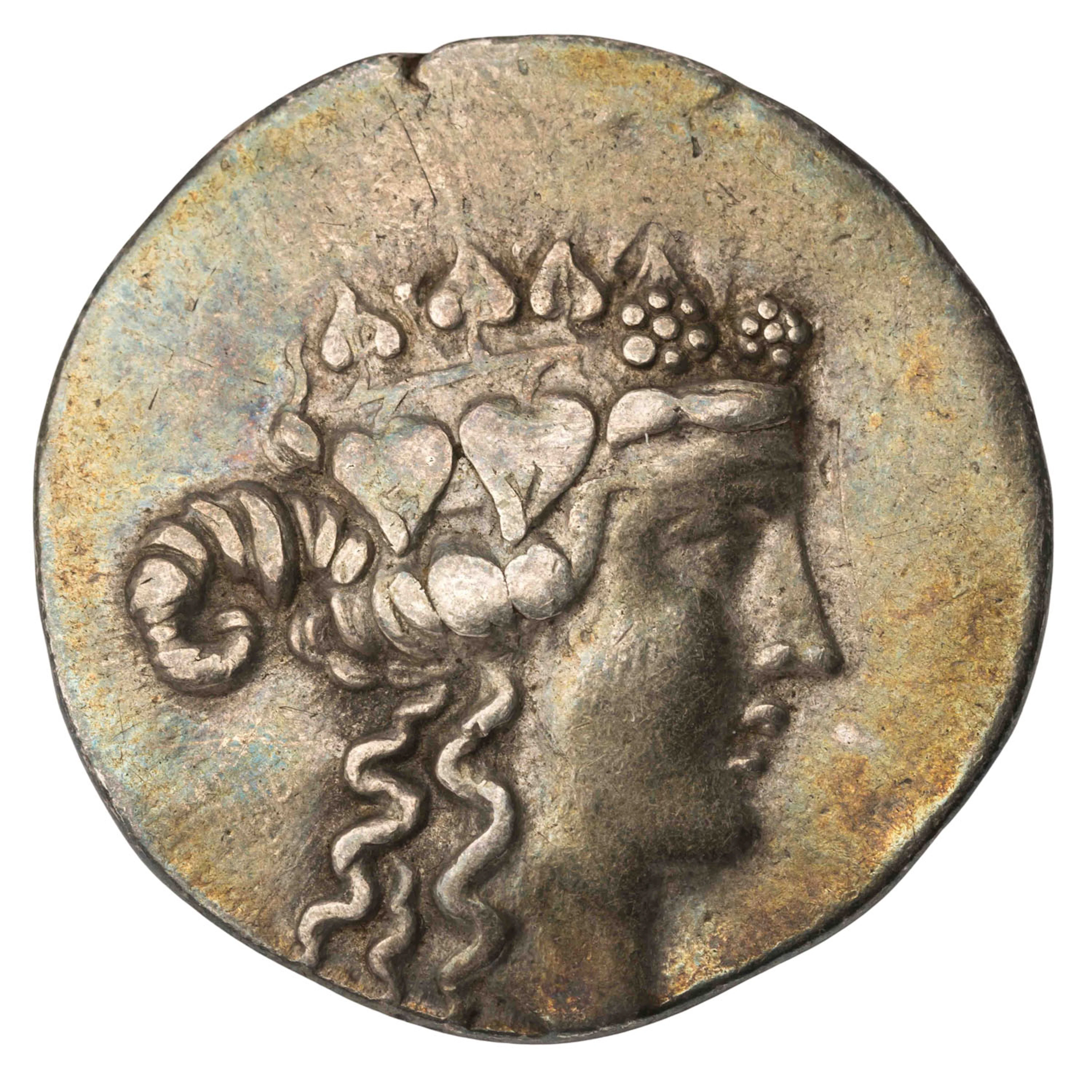
Greece, Macedonian Kingdom. Alexander III. 336-323 BC. Tetradrachm.
09/27/2026
£143.49
Est: £228.95