



All auctions / Arts & Graphics / École fauviste (XX) - Le Jardin violet - NO RESERVE

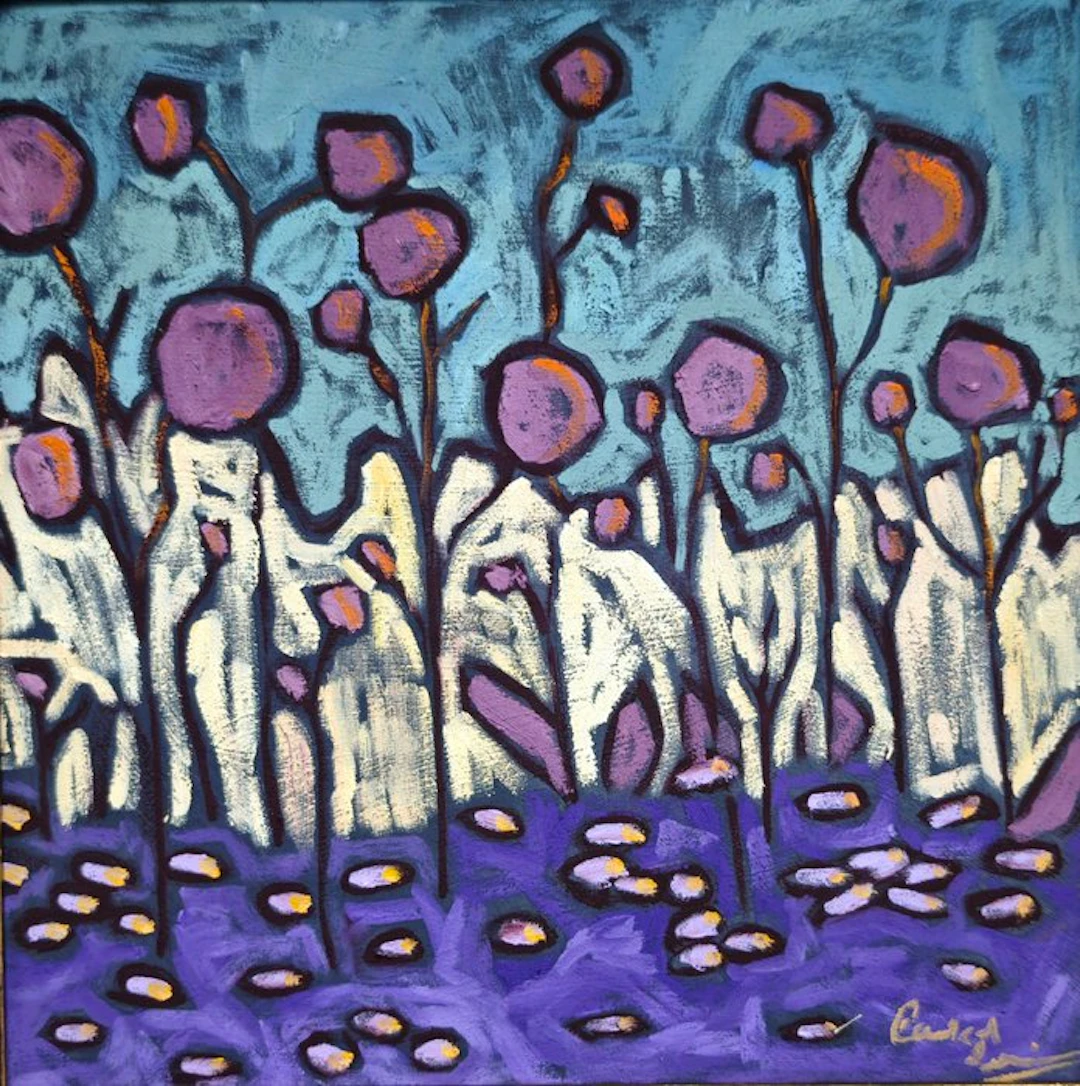
Fauvist School of the 20th Century Garden of violet flowers – Oil Interesting oil painting from the Fauvist school of the 20th century, depicting an expressive-floral composition in an editorial, featuring a set of stylized flowers in violet and purple tones on a turquoise blue background. The work stands out for its extraordinary chromatic intensity, the simplification of forms, and the use of thick dark outlines, characteristics that allow relating it to the Fauvist tradition and to certain manifestations of European Expressionist painting in the 20th century. The artist builds a scene of imaginative and decorative nature, where the flowers are represented by synthesized shapes and intense colors, deliberately moving away from a naturalistic reproduction. The composition shows a marked freedom of expression, with a treatment of color that takes center stage above botanical description. The painting bears the signature in the lower right corner, by means of an inscription whose reading cannot be securely established from the photograph. Description of the work The composition represents an imaginary garden formed by numerous flowers with elongated stems and rounded heads, distributed vertically across the entire pictorial surface. The flowers display violet, lilac, and pink tones, enriched by small orange and yellow accents. Their shapes are delineated by thick dark outlines that emphasize their visual presence and help organize the composition. The stems appear as sinuous lines in a dark hue, rising from the bottom and branching in different directions. The arrangement of these lines introduces an upward movement that runs through the entire painting. In the central and lower zones there are plant forms in light tones, close to white and cream, which contrast intensely with the violets and blues. These shapes recall leaves, plants, or masses of vegetation interpreted in a highly synthetic manner. The upper background is dominated by a turquoise blue of great intensity. The surface shows tonal variations and visible brushstrokes that add texture and depth. In the lower zone there is a wide expanse of violet onto which small oval shapes of light tones appear. These elements can be interpreted as small flowers, petals, or stylized vegetal motifs. The composition lacks a clearly defined traditional perspective. The different elements are organized mainly through chromatic relationships and overlapping shapes. The result is a scene of great vitality, in which color and the rhythm of the lines play an essential role. Fauvism and the liberation of color Fauvism was one of the fundamental movements of the early European avant-garde. It emerged in France at the beginning of the 20th century and gained particular notoriety during the Paris Salon d’Automne of 1905. Among its main representatives were Henri Matisse, André Derain, Maurice de Vlaminck, Raoul Dufy, and Albert Marquet, among others. The Fauvist painters advocated a free and expressive use of color, moving away from naturalistic conventions. In their compositions, colors could be used independently of the objects’ real appearance. Landscapes, portraits, and still lifes began to be depicted through intense chromatic contrasts. Drawing was simplified and shapes acquired a more synthetic structure. Color ceased to perform an exclusively descriptive function and became one of the main means of artistic expression. Although Fauvism as a historical movement lasted relatively briefly, its ideas exerted a profound influence on European painting throughout the 20th century. Numerous later artists adopted its chromatic freedom and tendency toward formal simplification. This painting participates in that tradition by using intense violets, turquoise blues, and contrasts of black and white. Its visual language can be related to the Fauvist heritage, especially through the autonomy of color and the synthetic representation of vegetal elements. The influence of Expressionism In addition to its Fauvist affinities, the work presents characteristics related to certain trends of European Expressionism. Expressionism gave particular importance to the subjective interpretation of reality. Artists used intense colors, deliberate distortions, and bold outlines to convey sensations and emotions. In this painting, the flowers are not represented in a strictly naturalistic way. Their rounded heads and elongated stems are simplified through almost symbolic forms. The thick dark outlines reinforce the structure of the composition and create a notable contrast with the chromatic zones. The vegetation thus acquires an expressive and ornamental character. The combination of these resources allows establishing general relationships with certain manifestations of 20th-century expressionist figuration. The work retains a recognizable motif, but interprets it through a highly free visual language. The Garden as an Artistic Motif The representation of gardens and flowers has been one of the recurring themes in the history of painting. During the 19th century, Impressionist artists developed numerous compositions devoted to vegetation and the effects of natural light. Subsequently, Post-Impressionist and Fauvist painters began transforming these motifs through an increasingly free use of color. The garden ceased to be represented solely as a natural space to become a stage for chromatic experimentation. In the present work, the artist develops a personal interpretation of the floral theme. The flowers appear distributed according to a visual rhythm that recalls certain decorative compositions of modern art. The repetition of rounded shapes and sinuous stems generates a sense of movement. The blue background and violet surface contribute to create an imaginative ambience, distant from a conventional landscape description. Thus the garden becomes a space of color, forms, and sensations. The importance of color One of the most outstanding aspects of the painting is its intense color palette. The artist mainly uses turquoise blues, violets, purples, whites, and blacks, enriched with small warm accents. The blue background establishes a luminous and vibrant atmosphere. Against this surface stand the violet flowers, whose dark outlines reinforce their presence. White and cream tones introduce a contrast of great intensity. The lower zone, dominated by violet, provides a chromatic base that unifies the composition. Small yellow and orange accents provide lights and enrich the whole. The relationship between the different colors generates a sense of harmony and dynamism. The artist does not use color solely to describe the depicted elements, but to build the visual structure of the work. This chromatic freedom is one of the most characteristic aspects of Fauvist heritage. Line and dark outlines The use of thick dark outlines is another fundamental element of the composition. The flowers are delineated by black lines or very dark tonal lines. These outlines separate the different color zones and reinforce the simplification of forms. The stems develop as sinuous lines that traverse the painting vertically. The repetition of these strokes generates an ascending visual rhythm. Line acquires a structural function, organizing the different vegetal elements. This procedure shows affinities with certain tendencies of modern painting that gave special importance to synthetic drawing and chromatic delimitation. The contrast between the dark outlines and the luminous colors provides strong graphic impact. Brushwork and painterly matter The painting shows visible and relatively free brushwork. The blue background displays tonal variations and overlapped strokes that generate a surface of notable visual richness. The flowers are built with color patches delineated by dark outlines. In some areas there is an application of painterly matter that adds texture. The lower part presents especially expressive execution, with violet brushstrokes of different tones. The small light flowers are represented by quick and synthetic strokes. Thus the artist combines areas of relatively broad color with small chromatic details. This diversity of procedures contributes to creating a dynamic painterly surface. Composition and visual rhythm The work presents a composition with a format close to square, organized by the repetition of vegetal elements. The vertical stems generate upward movement. The floral heads are distributed at different heights, avoiding a completely symmetrical arrangement. The repetition of rounded shapes creates a sense of rhythm. The white vegetal masses introduce an intermediate structure that contrasts with the dark stems. The lower zone functions as a chromatic base on which the floral elements develop. The composition combines a certain spontaneity with a balanced visual organization. The result is a decorative and expressive painting, in which the relationships between lines and colors acquire particular importance. Signature The work bears a signature in the lower right corner, executed in a light tone against the violet background. The inscription is partially legible, though it does not allow securely identifying the artist from the available photograph. For this reason, the painting is prudently cataloged as a 20th-century Fauvist school work, signature not identified. Frame and presentation The work is framed with an ornate gilded frame in dark tones, decorated with vegetal motifs and relief details. The frame presents a traditional structure, with different inner moldings surrounding the composition. Its gilded finish contrasts with the intensity of the blues and violets of the painting. Signs of wear and small alterations in the frame finish are evident. The frame is offered as a gift to the buyer, with no commercial value, and is not part of the artwork’s valuation. Any possible defects will not be grounds for complaint. It is recommended to carefully view all photographs, which form an integral part of the description, to adequately assess the condition of the painting and its framing. Artistic and decorative interest The painting constitutes an interesting example of the persistence of the Fauvist and Expressionist language in 20th-century figurative painting. Its main appeal lies in the use of an intense color palette, the simplification of vegetal forms, and the prominence of dark outlines. The composition has a distinctly decorative character, with a rhythmic arrangement of flowers and stems. The combination of turquoise blues, violets, and whites creates a striking image. The work is especially attractive to collectors of European 20th-century painting, Fauvism, Expressionism, modern art, and floral compositions. Characteristics • Artist: 20th-century Fauvist school. • Technique: oil. • Genre: floral composition. • Theme: garden of stylized flowers. • Style: Fauvism, with Expressionist affinities. • Era: 20th century. • Signature: signed in the lower right corner; signature difficult to identify. • Presentation: framed. Shipping The work will be carefully and professionally packaged, using appropriate protective materials to ensure its safety during transport. Shippings to destinations outside the European Union may be subject to taxes, duties, import fees, handling charges, and customs procedures. These potential costs will be the sole responsibility of the buyer and are not included in the hammer price or the shipping costs. Also, shipments to islands, insular territories, or remote or hard-to-access areas as deemed by the transport companies may incur additional costs. Any surcharge applied by the transport company for this reason shall be borne by the buyer. It is recommended to consult in advance the customs conditions and possible transport surcharges applicable to the destination.
Estimate:£0.83
To the auctionView all items fromCatawikiorArts & Graphics
Estimate:
£0.83
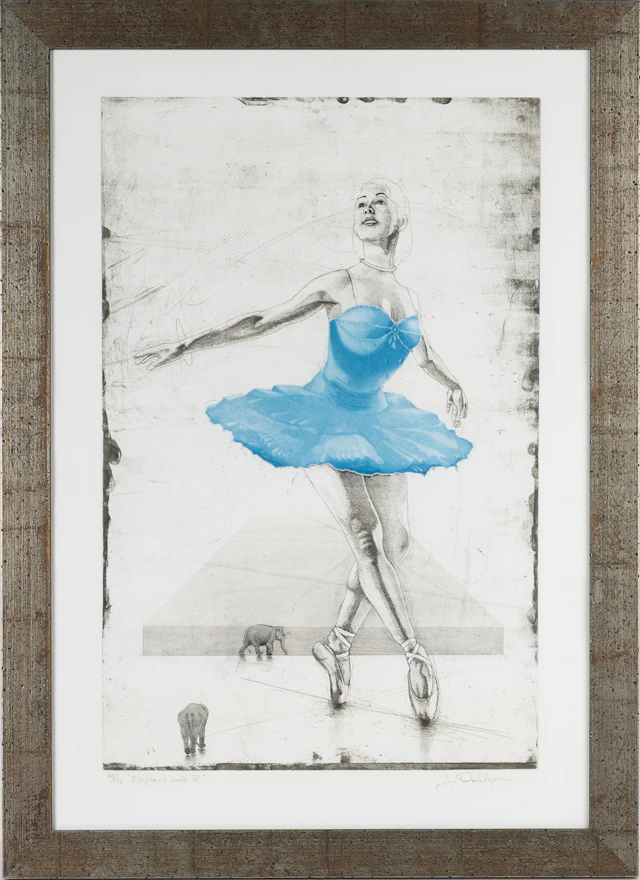
JAN DAHLGREN (FÖDD 1954). "Elephant walk III", etsning.
10/23/2026
£22.58
Est: £75.3
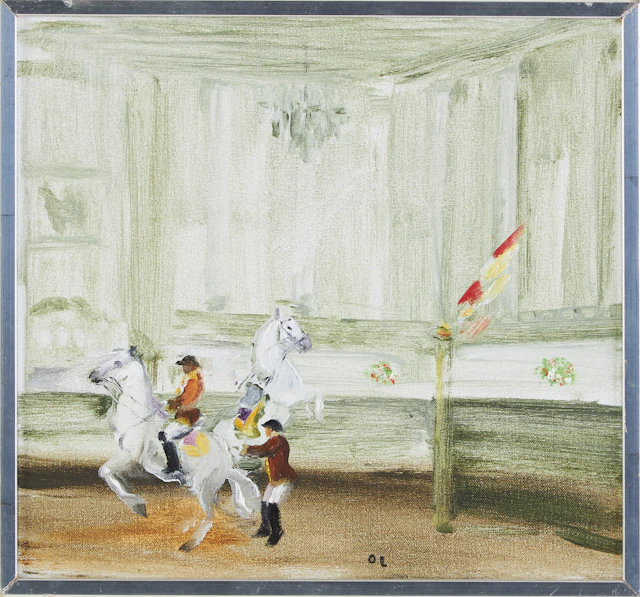
OLLE LINDGREN (FÖDD 1930). "Detroit" och interiör med hästar, (2 )
10/23/2026
£75.28
Est: £150.6
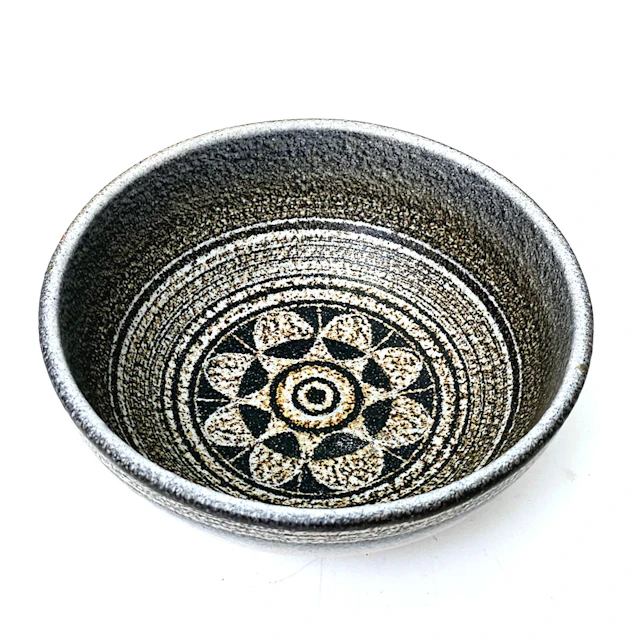
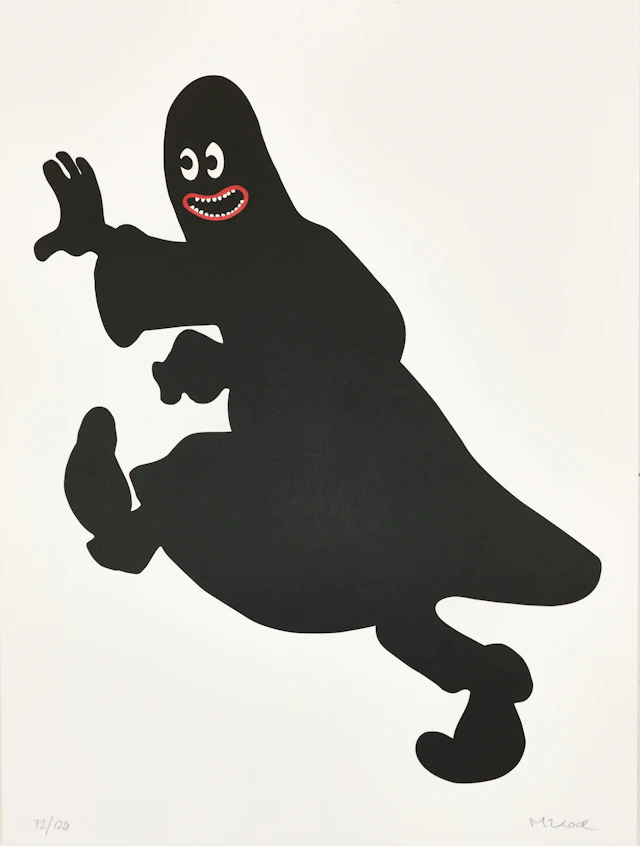
MAKODE LINDE (Sverige, född 1981). "Phantom Blot", signerad och numrerad
10/23/2026
£109.98
Est: £188.25


OCT 27 | 4:00 PM
Bring your auction to collectors worldwide!
Get listed nowBy subscribing, you are agreeing to the privacy policy. Unsubscribe anytime.
Barnebys HQ
Brahegatan 10
BOX 5038
114 37 Stockholm
