


OCT 23 | 8:00 AM

All auctions / Ethnographical / Elephant bird

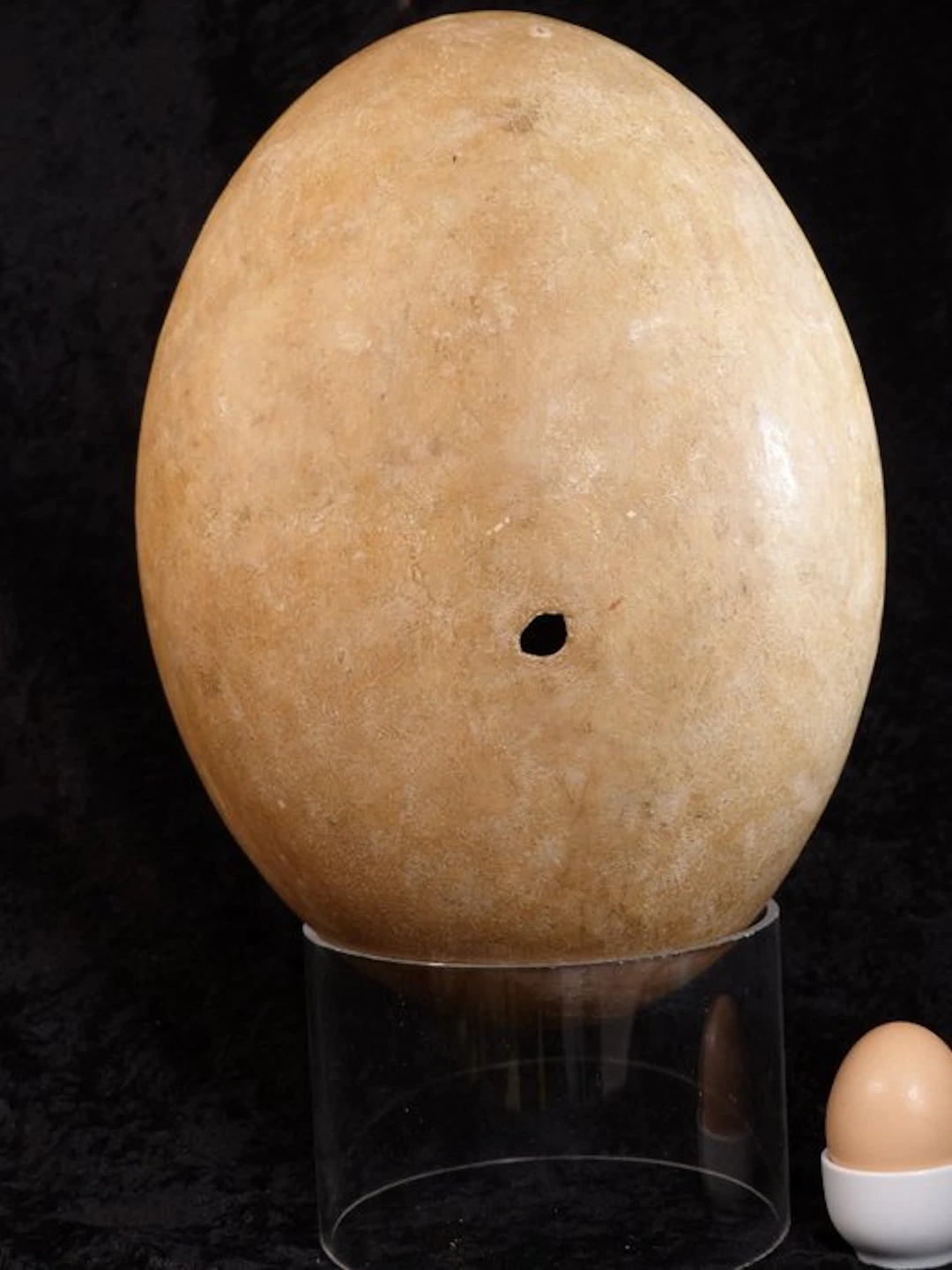
Prepared egg of Aepyornis maximus with small feeding hole No. 004, Weight: 2120 g, Circumference crosswise (measured at the midline): 75 cm, Circumference along the height (measured at the midline): 88 cm, Height 32 cm, Width / maximum diameter at the thickest point 24 cm The Vorompatras were the only giant flightless birds that were still observed, hunted, and exterminated by humans. The endemic, Madagascar-only “elephant bird” is said to have lived from the Pleistocene into the 17th century. Until its extinction it served as a food source for locals and passing ships. The legends of the Malagasy (ethnic groups Mahafaly, Atandroy and Antanosy) report that in “ages past” settlements of the indigenous people were even placed near breeding sites of the flightless birds, as these were excellent sources of food. These places were still considered sacred and treated as secret knowledge even after the birds were exterminated. To this day, eggs are still in family possession, treated as heirlooms and a “curious treasure,” but are sold only in absolute rare cases. In science, first described in 1870 by the French researcher Granddidier with “Aepyornis maximus” or earlier also Aepyornis titan (the largest of 4 species of the genus Aepyornis), it was similar to today’s African ostriches. A giant flightless bird, its size over 3 m, with a weight of about 500 kg. The eggs are larger than all dinosaur eggs found so far. Since these were the largest eggs in the world, biologically they are also the largest known cells in the world. The Aepyornis was the inspiration for the bird “Rock” in tales from One Thousand and One Nights, which recounts the adventures of Sinbad the Sailor. In Arab tales, the “elephant bird” is often mentioned, said to be so strong that it could grab an elephant and fly away with it. The “elephant birds” lived roughly contemporaneously with the well-known Moas, the giant flightless birds of New Zealand that went extinct only in the 19th century. Like the extinct Moas, the living Australian Emus and South American Rheas, the elephant bird had three toes. The Aepyornis was not related to the New Zealand Moas. Its content volume was 8 to 9 liters, six times that of the African ostrich, 150 times that of a chicken egg. Untreated, uncracked eggs, without additions, are postfossil rarities and are extremely rare. These specimens have sold for over €100,000. More commonly, locals obtain complete clutches of hatched chicks. The associated broken eggshells are kept as treasure pieces and sometimes reassembled. The egg offered here was artistically reconstructed by an experienced preparator in Madagascar from the original shells of a clutch. As is customary in museum technique, the original state of the object was restored in this way. The remaining seams were sealed with ground shells and calcium carbonate binders. The resulting collectible shows the original splendor of the natural fossil and enables purchase at a much more affordable price than an unprepared egg. In any case, it is a one-of-a-kind in any collection and a witness to fossil history. This egg comes from a family collection dating from the 1970s to the 1990s. Today export from Madagascar is prohibited. Delivery includes a Plexiglas ring as stand, certificate, and a specialist brochure by Ernst Probst about all findings on the elephant birds. I am happy to provide, upon serious interest, all available documents on the object's provenance as copies. Delivery and viewing by arrangement. No delivery to countries outside the EU or Switzerland! The photos were taken with different light sources but were not digitally edited. Source of the photos: Von Monnier source, Von Monnier digimorph org, Wikimedia, private collectio
Estimate:£6,853.44
To the auctionView all items fromCatawikiorEthnographical
Estimate:
£6,853.44
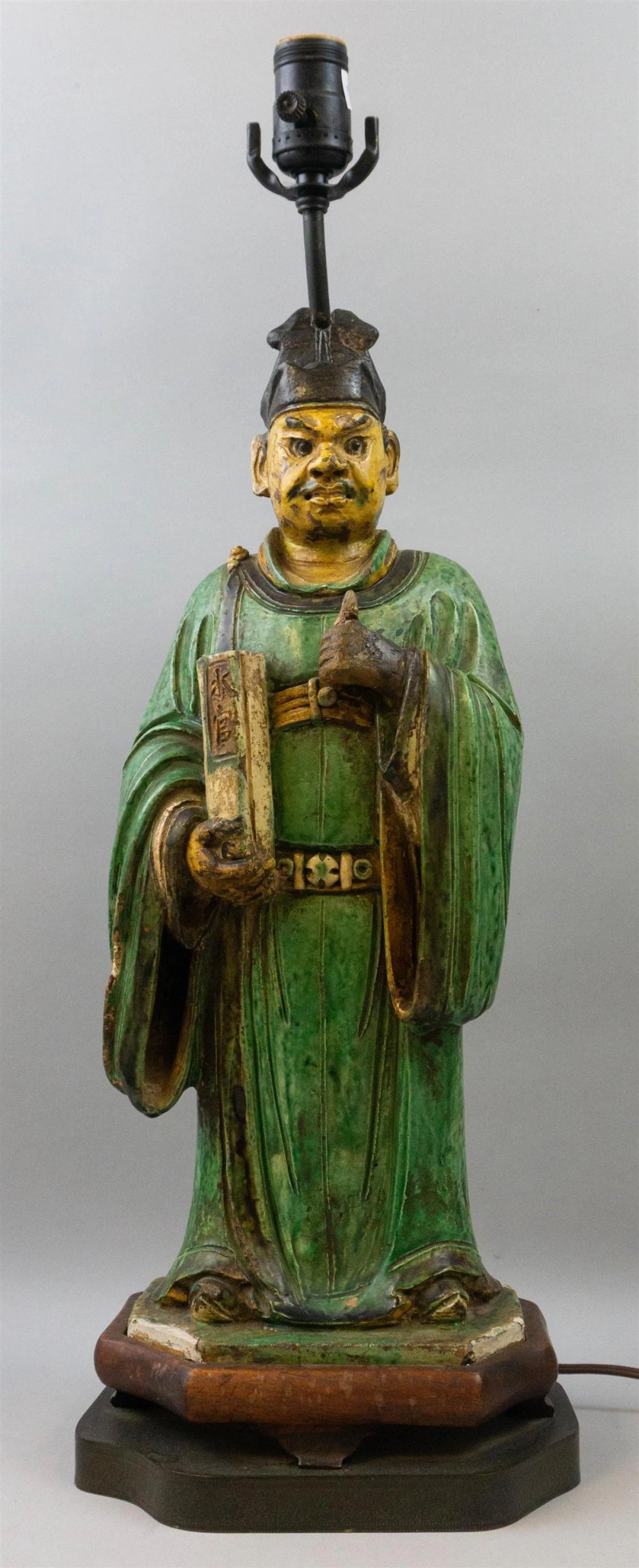
CHINESE GLAZED POTTERY MING STYLE FIGURE OF A DIGNITARY
01/19/2021
£438.6
Est: £219.3

RUSTIC FRENCH OAK WINE PRESS SCREW FLOOR LAMP
10/23/2020
£115.8
Est: £115.8
OCT 23 | 8:00 AM


OCT 27 | 4:00 PM


OCT 17 | 10:00 PM
Bring your auction to collectors worldwide!
Get listed nowBy subscribing, you are agreeing to the privacy policy. Unsubscribe anytime.
Barnebys HQ
Brahegatan 10
BOX 5038
114 37 Stockholm
