



OCT 8 | 3:00 PM

Bring your auction to collectors worldwide!
Get listed nowBy subscribing, you are agreeing to the privacy policy. Unsubscribe anytime.
Barnebys HQ
Brahegatan 10
BOX 5038
114 37 Stockholm
All auctions / Arts & Graphics / ENGLISH SCHOOL (LATE 16TH CENTURY), PORTRAIT OF A LADY AND A BOY

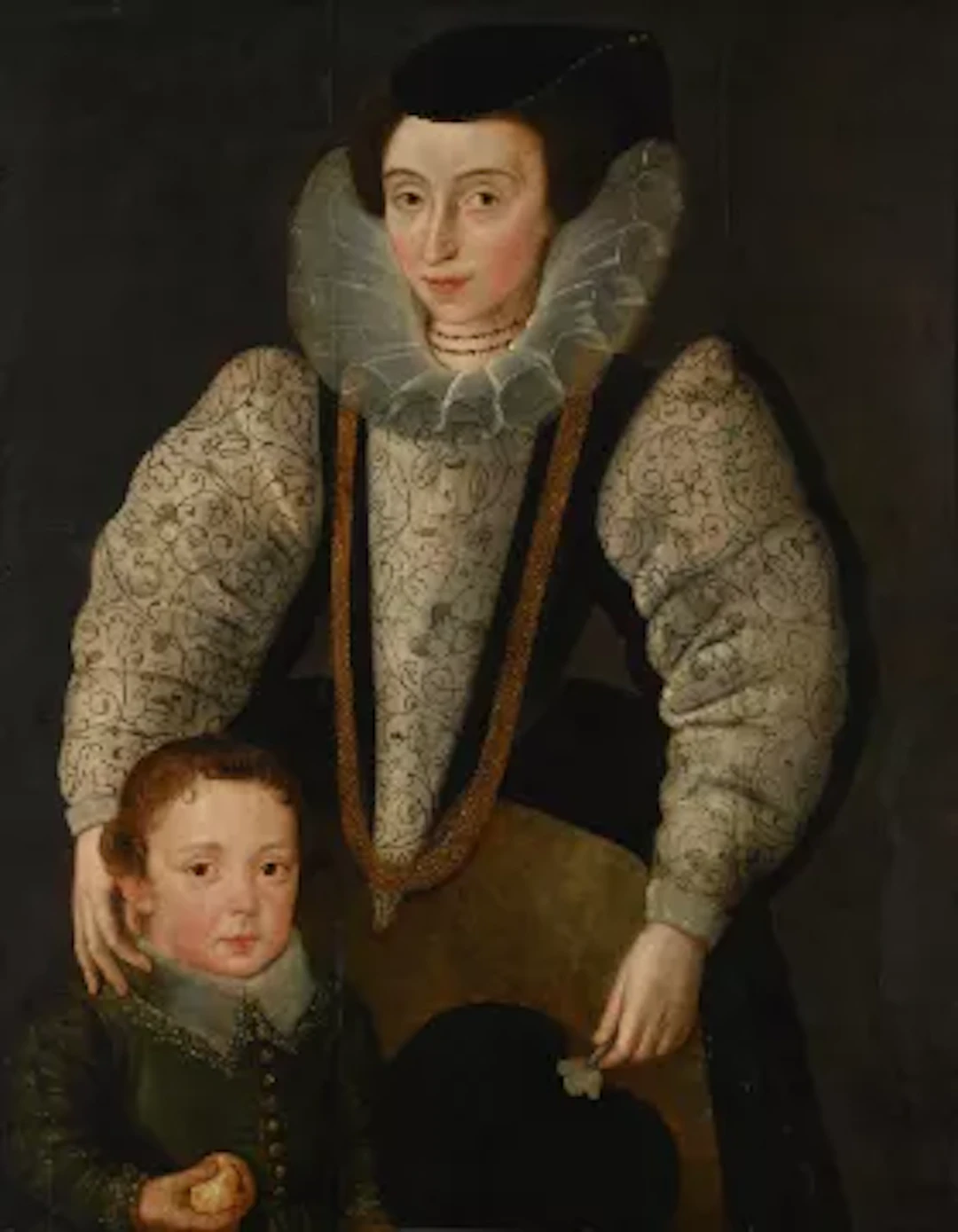
ENGLISH SCHOOL (LATE 16TH CENTURY) PORTRAIT OF A LADY AND A BOY, TRADITIONALLY IDENTIFIED AS ELIZABETH THROCKMORTON AND HER SON, WALTER Oil on panel Dated '1591' and age of sitter inscribed 'aetas 22' (upper left corner); age of child inscribed 'aetas 3' (lower left) 92.5 x 73cm (36¼ x 28½in.) The present portrait has been traditionally identified as Elizabeth ‘Bess’ Throckmorton (1565 – c. 1647), a Gentlewoman of the Privy Chamber to Elizabeth I, who fell out of favour with the Queen following her clandestine marriage to Sir Walter Raleigh. The boy was believed to be their second son, Walter ‘Wat’ Raleigh (1593-1616), who died on one of his father’s expeditions up the Orinoco River. A black-and-white photograph held in the Heinz Archive shows a comparable portrait of a lady without the child, also ‘called Elizabeth Throckmorton’ which was offered to the National Portrait Gallery by the Albemarle Gallery in 1932. The black silk and white linen embroidered bodices and sleeves in the two versions are extraordinarily close in the scrolling motifs of filberts (or hazelnuts), vines and strawberries; the two were quite possibly painted alongside each other in the same studio. The sitter’s dress would have been fashionable around the early 1590s and can be compared to a portrait of Amy Grundon of 1590 by an unknown hand as well as to a portrait of Elizabeth I dated to the same year, at Jesus College, Oxford.[1] Indeed, the sleeve embroidery in the Albemarle version is used to illustrate Janet Arnold’s publication of the Stowe inventory of Elizabeth I’s clothing, which supports the dating to circa 1590.[2] The late sixteenth century saw a notable rise in the popularity of black and white textiles, a trend closely linked to Elizabeth I’s public celebration of her virginity; a political and iconographic shift that solidified in the mid-1580s once it became clear she would remain unmarried.[3] For Elizabeth white signified virginity and purity, while black represented constancy. Portraiture of the period shows both male and female courtiers wearing these colours as a method of flattery and they have been taken by some experts to signify closeness to the monarch. The figure of the boy is by a different, more accomplished hand to that of the lady, and he also seems to be on a marginally larger scale. Likewise, his clothing appears to be slightly later in date. When compared to the Albemarle portrait, the unresolved finish to the Lady’s embroidered sleeves, bodice, ruff and cuffs and unusual lack of adornment to the forepart might explain why another hand may have intervened at a later date. Interestingly, the 'son' was possibly hidden for four centuries until the painting was cleaned in the 1960’s at the request of Captain Lonsdale, first revealing the boy’s eyes. When Queen Elizabeth I discovered the secret marriage without her permission, both Sir Walter and Lady Elizabeth Throckmorton were taken captive. Their hiding the boy from the Royal Court had not been successful. The meaning of the half-eaten fruit, either an apple or pear, in the boy’s hand does not have a clear tradition in English painting. Children in portraits of this period, especially those from the Low Countries, often hold fruit but it is normally untouched to symbolise the purity of childhood. A curious pair of English portrait miniatures by Isaac Oliver dated to 1590 show one girl (aged 4) holding an apple and not smiling, while the other (aged 5) smiles as she holds a carnation.[4] In the Christian tradition, an apple was associated with the Fall of Man and therefore knowledge; the carnation symbolised the Virgin Mary. It is however unclear why a soteriological reading might be fitting for these two child portraits. More generally, apples could indicate the care and nurturing of a child, while a later portrait of a boy with a bitten apple by Cesar Boetius van Everdingen (1664) has been taken to represent imbibing knowledge. A pear meanwhile has been used to symbolise the Tree of Life, fertility, the Virgin and Child and accordingly maternal love.[5] Although the inclusion of the motif in this English context resists straightforward interpretation, it may well speak to the relationship the later artist wished to create between the Lady with her ‘son’. We are grateful to Prof Karen Hearn for assistance with the cataloguing of this painting [1] See J. Ashelford, Dress in the Age of Elizabeth I, London, 1988, p. 34, fig. 19 [2] J. Arnold (ed.), Queen Elizabeth’s Wardrobe Unlock’d, Oxon, 1988, p. 274, fig. 362 [3] C. L. Howey, ‘Dressing a Virgin Queen: Court Women, Dress, and Fashioning the Image of England’s Queen Elizabeth I.’ Early Modern Women, vol. 4, Autumn 2009, pp. 201-208 [4] V&A, no. P.145-1910 and P.146-1910 [5] See, for example, the early 17th century English triple portrait of Three Young Girls in the Denver Art Museum, (no. 2021.30) or the Anglo-Dutch School (circa 1623-5) Portrait of a Boy…Holding Redcurrants and a Pear (sold Christie’s, London, 2 July 2025, lot 129). Also, see Albrecht Dürer’s depictions of the Christ Child with a pear (including the half-eaten version in the Kunsthistorisches Museum, Vienna) Condition Report: Condition Report Disclaimer, ENGLISH SCHOOL (LATE 16TH CENTURY), PORTRAIT OF A LADY AND A BOY, TRADITIONALLY IDENTIFIED AS ELIZABETH THROCKMORTON AND HER SON, WALTER, ENGLISH SCHOOL (LATE 16TH CENTURY) PORTRAIT OF A LADY AND A BOY, TRADITIONALLY IDENTIFIED AS ELIZABETH THROCKMORTON AND HER SON, WALTER Oil on panel Dated '1591' and age of sitter inscribed 'aetas 22' (upper left corner); age of child inscribed 'aetas 3' (lower left) 92.5 x 73cm (36¼ x 28½in.) The present portrait has been traditionally identified as Elizabeth ‘Bess’ Throckmorton (1565 – c. 1647), a Gentlewoman of the Privy Chamber to Elizabeth I, who fell out of favour with the Queen following her clandestine marriage to Sir Walter Raleigh. The boy was believed to be their second son, Walter ‘Wat’ Raleigh (1593-1616), who died on one of his father’s expeditions up the Orinoco River. A black-and-white photograph held in the Heinz Archive shows a comparable portrait of a lady without the child, also ‘called Elizabeth Throckmorton’ which was offered to the National Portrait Gallery by the Albemarle Gallery in 1932. The black silk and white linen embroidered bodices and sleeves in the two versions are extraordinarily close in the scrolling motifs of filberts (or hazelnuts), vines and strawberries; the two were quite possibly painted alongside each other in the same studio. The sitter’s dress would have been fashionable around the early 1590s and can be compared to a portrait of Amy Grundon of 1590 by an unknown hand as well as to a portrait of Elizabeth I dated to the same year, at Jesus College, Oxford.[1] Indeed, the sleeve embroidery in the Albemarle version is used to illustrate Janet Arnold’s publication of the Stowe inventory of Elizabeth I’s clothing, which supports the dating to circa 1590.[2] The late sixteenth century saw a notable rise in the popularity of black and white textiles, a trend closely linked to Elizabeth I’s public celebration of her virginity; a political and iconographic shift that solidified in the mid-1580s once it became clear she would remain unmarried.[3] For Elizabeth white signified virginity and purity, while black represented constancy. Portraiture of the period shows both male and female courtiers wearing these colours as a method of flattery and they have been taken by some experts to signify closeness to the monarch. The figure of the boy is by a different, more accomplished hand to that of the lady, and he also seems to be on a marginally larger scale. Likewise, his clothing appears to be slightly later in date. When compared to the Albemarle portrait, the unresolved finish to the Lady’s embroidered sleeves, bodice, ruff and cuffs and unusual lack of adornment to the forepart might explain why another hand may have intervened at a later date. Interestingly, the 'son' was possibly hidden for four centuries until the painting was cleaned in the 1960’s at the request of Captain Lonsdale, first revealing the boy’s eyes. When Queen Elizabeth I discovered the secret marriage without her permission, both Sir Walter and Lady Elizabeth Throckmorton were taken captive. Their hiding the boy from the Royal Court had not been successful. The meaning of the half-eaten fruit, either an apple or pear, in the boy’s hand does not have a clear tradition in English painting. Children in portraits of this period, especially those from the Low Countries, often hold fruit but it is normally untouched to symbolise the purity of childhood. A curious pair of English portrait miniatures by Isaac Oliver dated to 1590 show one girl (aged 4) holding an apple and not smiling, while the other (aged 5) smiles as she holds a carnation.[4] In the Christian tradition, an apple was associated with the Fall of Man and therefore knowledge; the carnation symbolised the Virgin Mary. It is however unclear why a soteriological reading might be fitting for these two child portraits. More generally, apples could indicate the care and nurturing of a child, while a later portrait of a boy with a bitten apple by Cesar Boetius van Everdingen (1664) has been taken to represent imbibing knowledge. A pear meanwhile has been used to symbolise the Tree of Life, fertility, the Virgin and Child and accordingly maternal love.[5] Although the inclusion of the motif in this English context resists straightforward interpretation, it may well speak to the relationship the later artist wished to create between the Lady with her ‘son’. We are grateful to Prof Karen Hearn for assistance with the cataloguing of this painting [1] See J. Ashelford, Dress in the Age of Elizabeth I, London, 1988, p. 34, fig. 19 [2] J. Arnold (ed.), Queen Elizabeth’s Wardrobe Unlock’d, Oxon, 1988, p. 274, fig. 362 [3] C. L. Howey, ‘Dressing a Virgin Queen: Court Women, Dress, and Fashioning the Image of England’s Queen Elizabeth I.’ Early Modern Women, vol. 4, Autumn 2009, pp. 201-208 [4] V&A, no. P.145-1910 and P.146-1910 [5] See, for example, the early 17th century English triple portrait of Three Young Girls in the Denver Art Museum, (no. 2021.30) or the Anglo-Dutch School (circa 1623-5) Portrait of a Boy…Holding Redcurrants and a Pear (sold Christie’s, London, 2 July 2025, lot 129). Also, see Albrecht Dürer’s depictions of the Christ Child with a pear (including the half-eaten version in the Kunsthistorisches Museum, Vienna), Amy Grundon, Elizabeth I, [1], circa, [2], [3], [4], [5], Dress in the Age of Elizabeth I, Queen Elizabeth’s Wardrobe Unlock’d, Early Modern Women, Three Young Girls, circa, Portrait of a Boy…Holding Redcurrants and a Pear, Condition Report:, Condition Report Disclaimer
Estimate:£30,000
To the auctionView all items fromDreweattsorArts & Graphics
Estimate:
£30,000
OCT 8 | 3:00 PM


OCT 8 | 3:00 PM

Bring your auction to collectors worldwide!
Get listed now
£5,800
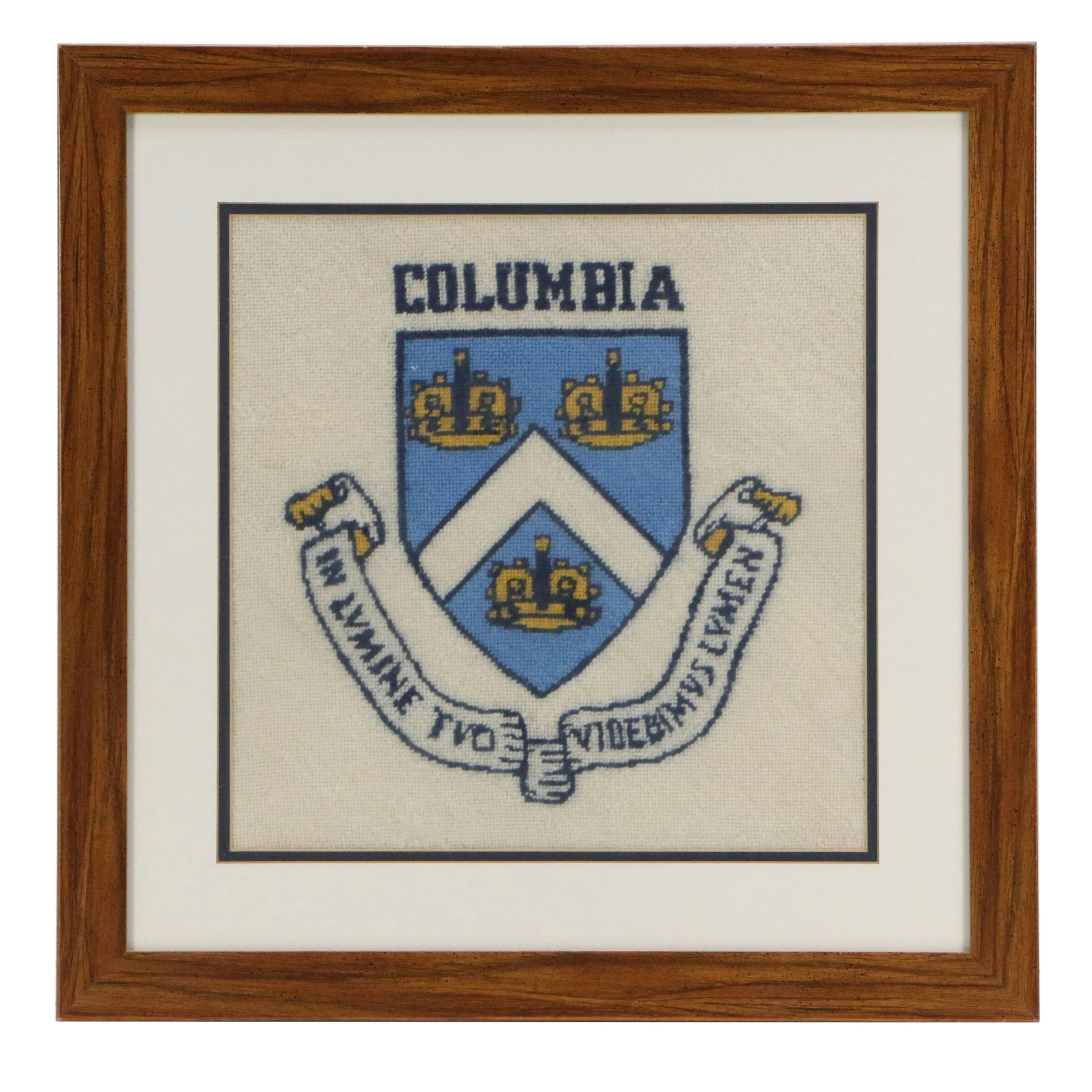
Columbia University Coat of Arms Needlepoint Embroidery, 20th Century
10/03/2026
£114.03
Est: £12.87
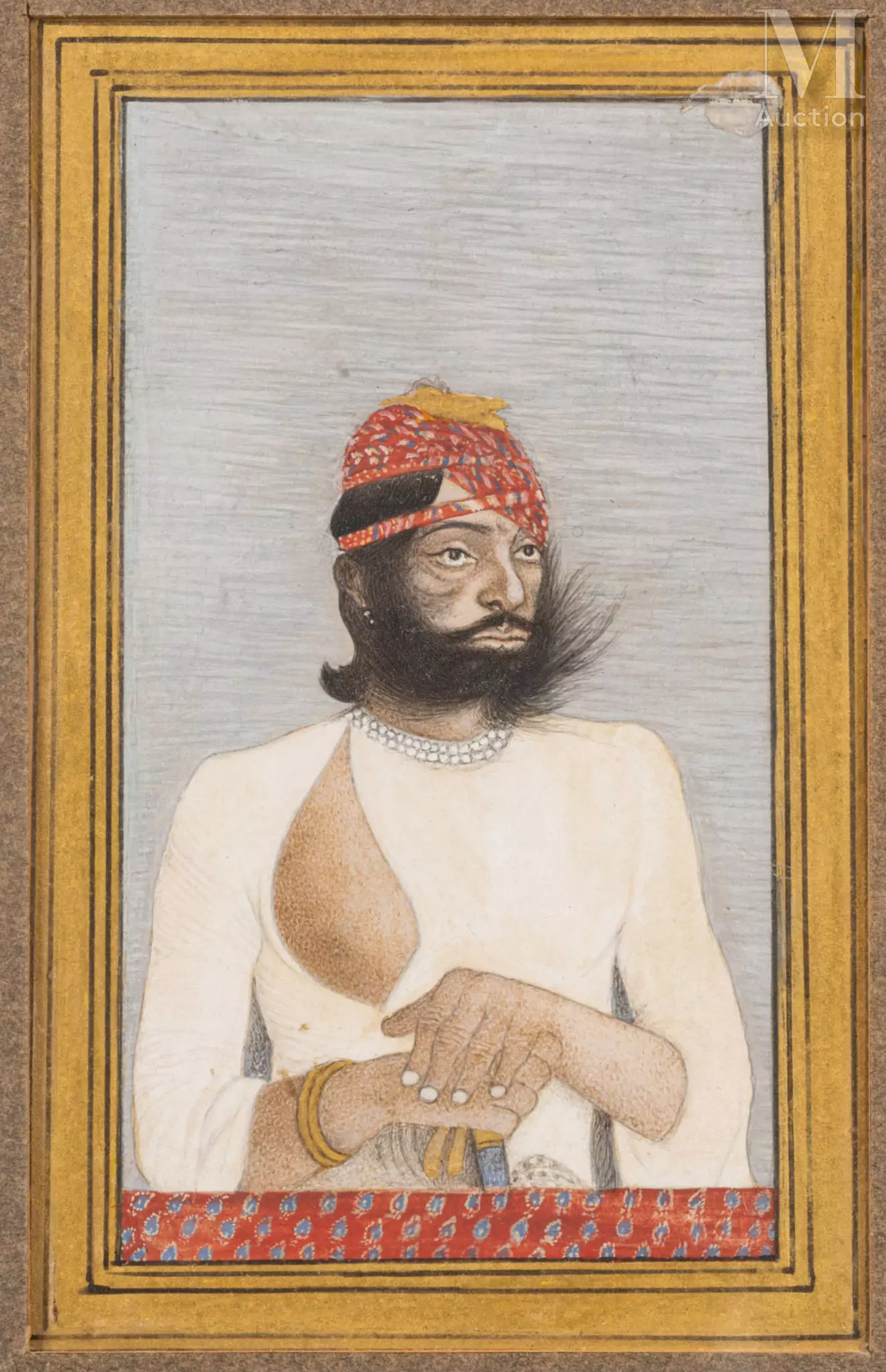
Portrait en buste d'un homme de qualité, Inde, compagny school, Fin
10/02/2026

£297.57
Est: £342.82