





OCT 17 | 10:00 PM

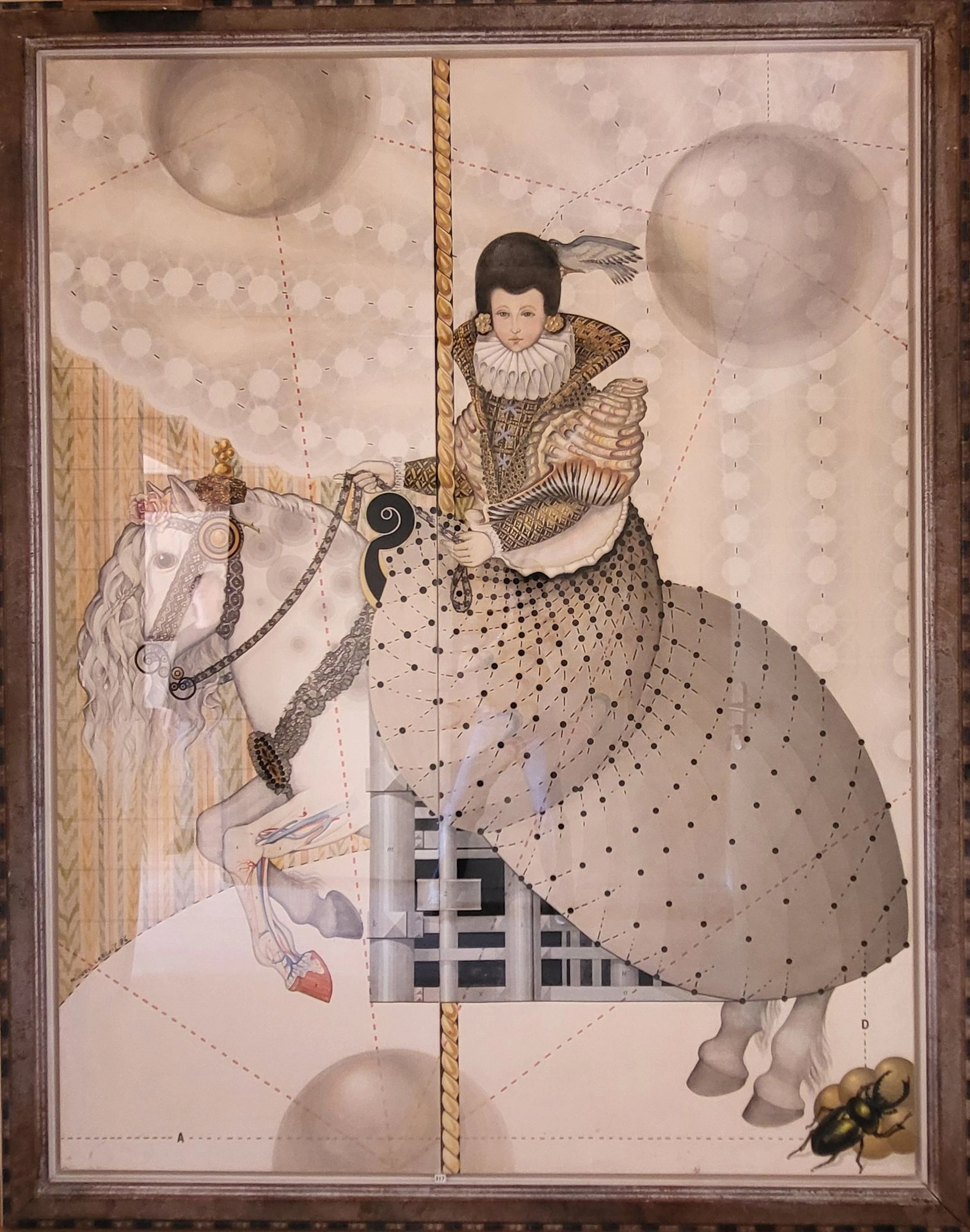
All auctions / Arts & Graphics / Filippo Palizzi (1818-1899) - Il riposo

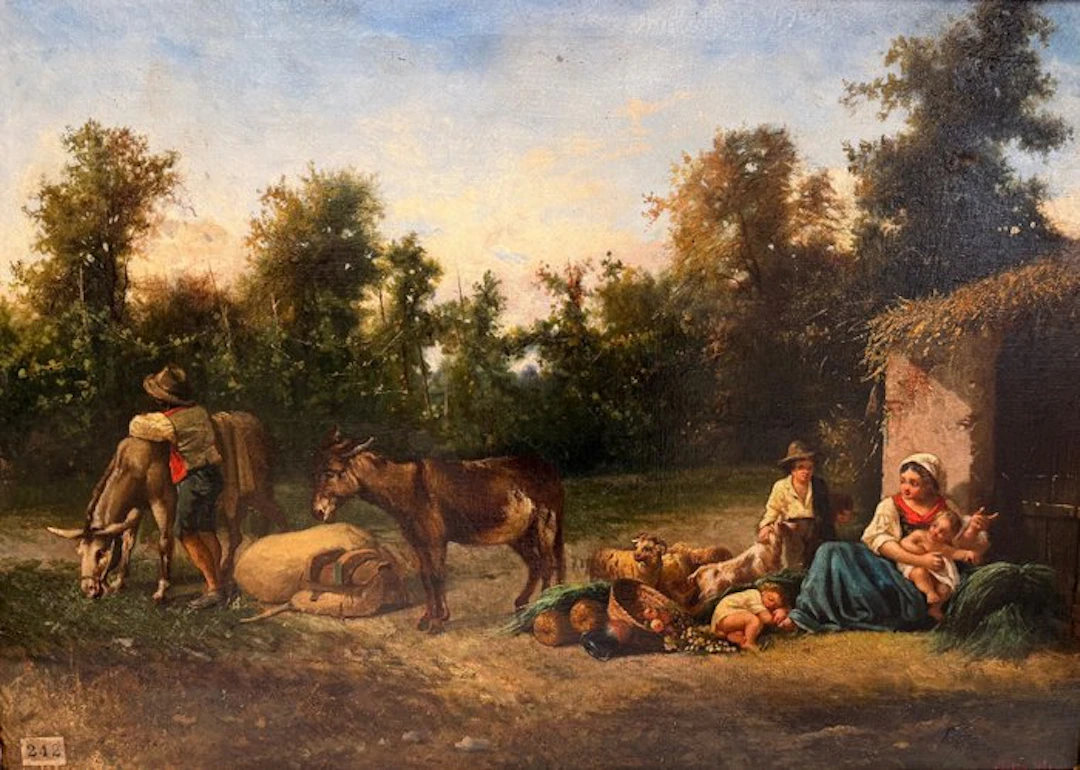
Filippo Palizzi (Vasto, June 16, 1818 – Naples, September 11, 1899) rests size with frame cm 108x81. the frame does not form part of the work but is a courtesy private collection the accompanying work has certificate of guarantee gallery of art work published or exhibited with plate number as seen on the back shipping is only insured with DHL courier Filippo Palizzi (Vasto, June 16, 1818 – Naples, September 11, 1899) was an Italian painter, native of Abruzzo but trained in Naples. He was one of the leading Italian artists of the second half of the 19th century and one of the most original precursors of verismo in painting. Biography I viggianesi, from Usi e costumi di Napoli e contorni descritti e dipinti, F. Palizzi dis, F. P. inc Filippo Palizzi was born in Vasto on June 16, 1818, the fifth of thirteen children. His father had been a lawyer, then he had entered the civil service.[3][4] In 1836 Filippo was able to join his brother Giuseppe in Naples and the following year was admitted to the Royal Academy of Fine Arts.[5] When Filippo arrived at the Academy, the landscape chair was held by Gabriele Smargiassi, coming from a wealthy reactionary family of Vasto, in conflict with the Palizzi family, of Carbonari ideas.[6] Also due to artistic differences, Filippo left the Academy a few months after his admission; the reasons for this choice were explicit years later, around 1862, in a polemical essay entitled An Artist Made by the Institute of Fine Arts, written shortly after he left a commission charged with reforming the Institute. After leaving the Academy, Filippo began to frequent the studio of Abruzzi painter Giuseppe Bonolis, who directed his students toward the study of truth. Dissatisfied, he undertook a personal study on the theme "portraying animals from life."[3] In 1839 he exhibited for the first time a painting at the biennial exhibition at the Royal Bourbon Museum, a Studio of animals, no. 152 in the catalog, which was purchased by the Duchess of Berry.[6] On October 25, 1842 he undertook his first foreign trip, following an itinerary that took him to Valletta, Smyrna, Constantinople, Galaţi, reaching Iași, where he was invited by Prince Mourouzis to teach painting to his son.[7] After two years Filippo returned to Naples. He took an interest in the Risorgimento events in the Kingdom of the Two Sicilies around 1848, as manifested by the paintings Evening of February 18, 1848 in Naples and Barricades of May 15, 1848. In 1855 he went to Paris to join his brother Giuseppe for the Universal Exposition. Here Filippo met French artists, including Barbizon school landscape painters. Returning from France, in Florence he met Giovanni Fattori and other painters who would give life to the Macchiaioli movement, to whom he showed the Barbizon studies he had brought from his recent trip to the French capital.[6] Usi e costumi di Napoli Self-portrait, ca. 1860, Museums of Palazzo d'Avalos (Vasto) Pastorello Abruzzese, oil on canvas, 65x51 cm, private collection In the early 1850s Filippo earned a silver medal, ex aequo with Achille Vertunni, from the Naples Academy of Fine Arts and a salary that allowed the two painters to study in Rome. Francesco de Bourcard, Swiss editor fond of Naples, conceived a collection of etched copper engravings, printed by the aquatint and colored, depicting scenes of popular Neapolitan life, Usi e costumi di Napoli e contorni descritti e dipinti. De Bourcard took an interest in the literary part, involving many writers and journalists of the time, while Palizzi, with other painters and draftsmen, dealt with the artistic part with his drawings. These were texts accompanied by one hundred etchings (of which he made drawings for 49), in a limited edition of 100 copies. The collection, in two volumes, 1857 and 1866, immediately became rare.[6] Of the two volumes there is also a black-and-white copy, in a private collection[8]. Palizzi's relationship with engraving did not remain limited to editorial participation in Usi e costumi di Napoli e contorni. In Naples, his relationship with artists who distanced themselves from the Academy was particularly significant, especially with Francesco Di Bartolo[9], who had also trained within the Academy of Fine Arts of Naples and was connected to the school of Tommaso Aloysio Juvara. Di Bartolo translated many animal subjects from Palizzi into etching, but the relationship between the two did not end with the simple collaboration of the engraver with the painter: Palizzi closely followed in painting the young artist and his peers, while Di Bartolo offered him technical advice on engraving[11]. The result was a concrete dialogue between painting and copperplate engraving, in which Palizzi's observation of reality found in etching a different possibility of rendering, entrusted to the autonomous translation of the sign. After Italian unification The vibrant Neapolitan atmosphere led in 1861 to the founding of the Società Promotrice di Belle Arti di Napoli, in order to exhibit and disseminate the works of artists, since the Bourbon government exhibitions had ceased. Filippo Palizzi was the first president of the Society; honorary president was Prince Oddone of Savoy. The Neapolitan Society Promotrice proved to be a lively arena for discussion and promotion of art and not only in Naples[12]. As a critic, Palizzi was severe toward the first National Exhibition of Florence in 1861, commenting on it in a letter to his friend Eleuterio Pagliano, dated October 28, 1861: “The Exhibition is a chaos of Past, Present and Future. Of good works few, of mediocre many, of bad many.” (Filippo Palizzi in a letter to Eleuterio Pagliano, 1861[13]) In 1864 he founded, together with Sicilian engraver Saro Cucinotta, the newspaper L'arte moderna, with the subtitle Sheet to be published until the Royal Institute of Fine Arts dissolves.[14] Filippo Palizzi portrait by Francesco Di Bartolo, aquaforte, Naples, Collection Natalia Di Bartolo In 1867, on the occasion of the Paris Universal Exposition, he presented six paintings, including After the Flood, commissioned in 1861 by Vittorio Emanuele II and which had a long incubation period, during which the painter doubted his ability to complete it. The work immediately met with unexpected success. The deaths of brothers Nicola and Francesco Paolo in 1870 and 1871 marked the vastese painter, who became solitary and quarrelsome but continued to paint, retreating to his studio. He went to Vienna in 1873 for the Universal Exhibition. In 1878 Filippo allowed himself to be persuaded by Francesco De Sanctis, minister of Public Instruction, and by Morelli to accept the presidency of the Royal Institute of Fine Arts of Naples, with the aim of reforming it and bringing teaching methods up to date. He faced with commitment the indiscipline of students, the flabbiness of teaching, the anarchy of staff and administrative disorder. New subjects were instituted, including anatomy and the study of plants, and two new teachers were hired. In 1880 he requested his resignation, which was initially refused[15], being accepted the following year.[16] On October 24, 1881, on the proposal of Morelli, he obtained the directorship of the Museo Artistico Industriale of Naples and began the ceramic workshop. In 1891 he agreed to return to the presidency of the Institute of Fine Arts for five years, convinced by then Minister of Public Instruction Pasquale Villari. In 1896 his presidency was renewed for another five years.[6] On September 11, 1899 Filippo Palizzi died in Naples, at the age of eighty-one. Style and graphic translation After the Flood Represents with his brother Giuseppe, the first attempt at a verist direction in 19th-century Italian painting. In the wake of the Posillipo School and a spontaneous inclination, he oriented his work toward detailed observation of the truth.[16] He was among the first painters to take an interest in photography and to practice it, based on very deep technical knowledge. We know that from the early fifties he was able to prepare his own photographic plates and normally used photographic images, his own or others', as models for his paintings. From his letters we know he shared the practice with all his brothers. Spring, 1868 (Fondazione Cariplo) His style, related to that of his brother who trained independently from him, leaned toward a more meticulous and static technique, with small views and rustic corners of the environs of Naples. He was also called "the painter of animals." The fortune of Palizzi's works also passed through their graphic translation. His animal subjects, based on direct observation of truth and on minute rendering of bodies, coats, attitudes, found in etching a medium particularly suited to transposing his painterly sign. Francesco Di Bartolo, Donkey, goat and kid with hen, after Filippo Palizzi, aquaforte, Natalia Di Bartolo Collection Among the engravers who translated Palizzi's works, Francesco Di Bartolo played a role, author of etchings drawn from his animal subjects. In these translations Palizzi's painting entered the language of engraving, preserving the naturalistic precision of the image and transforming it into a linear weave, incised chiaroscuro and autonomous value of the sign[17]. #exceptionalart26
Estimate:£11,827.7
To the auctionView all items fromCatawikiorArts & Graphics
Estimate:
£11,827.7
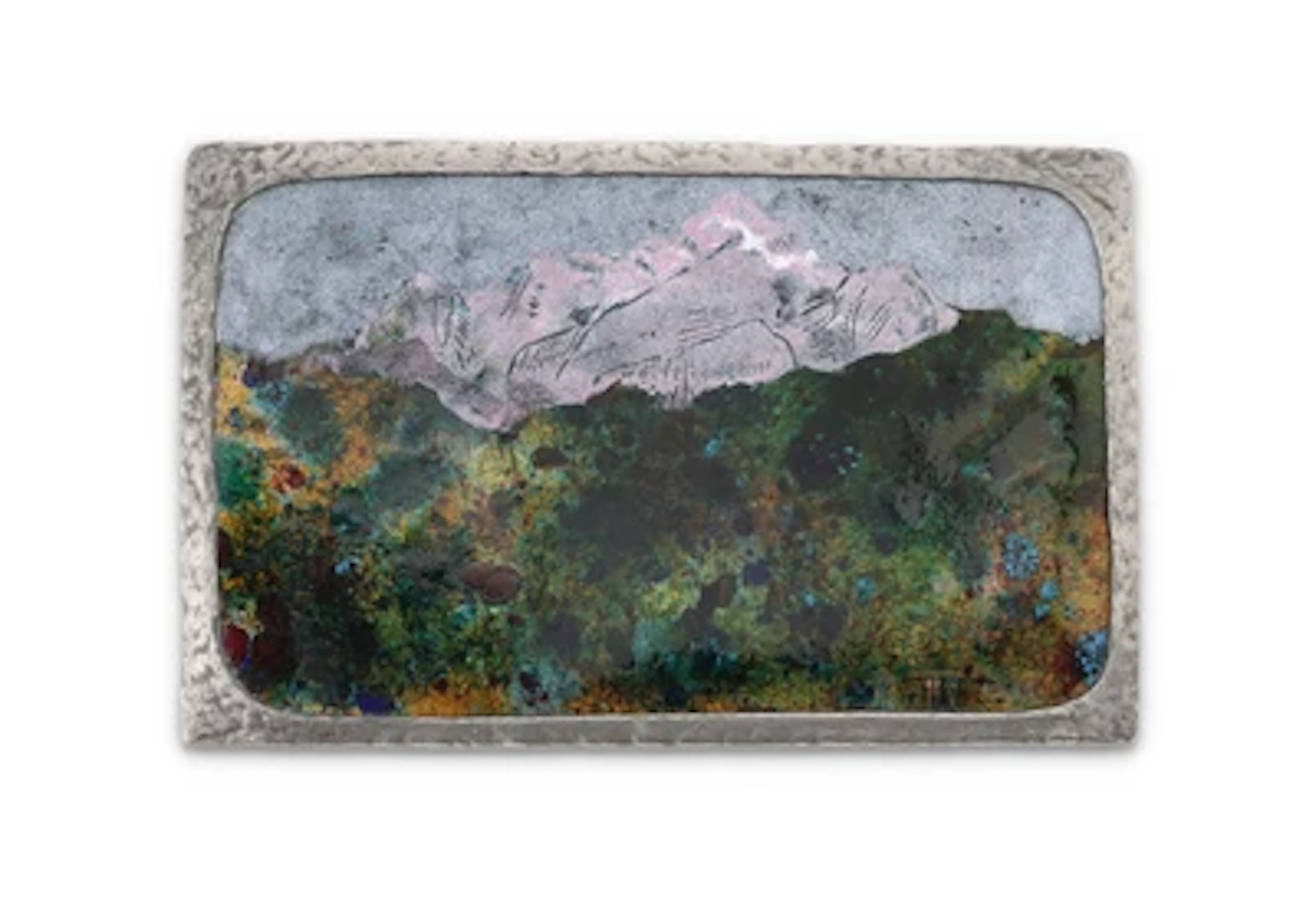
Karl Mottl (Vienna 1877-1967), an enamelled mountain scene: Mont Blanc
10/12/2026

£152.08
Est: £152.73
OCT 17 | 10:00 PM




OCT 23 | 8:00 AM
Bring your auction to collectors worldwide!
Get listed nowBy subscribing, you are agreeing to the privacy policy. Unsubscribe anytime.
Barnebys HQ
Brahegatan 10
BOX 5038
114 37 Stockholm
