

OCT 17 | 10:00 PM

All auctions / Books, Maps & Manuscripts / Filippo Picinelli and illustrated by Giacomo Cotta and...

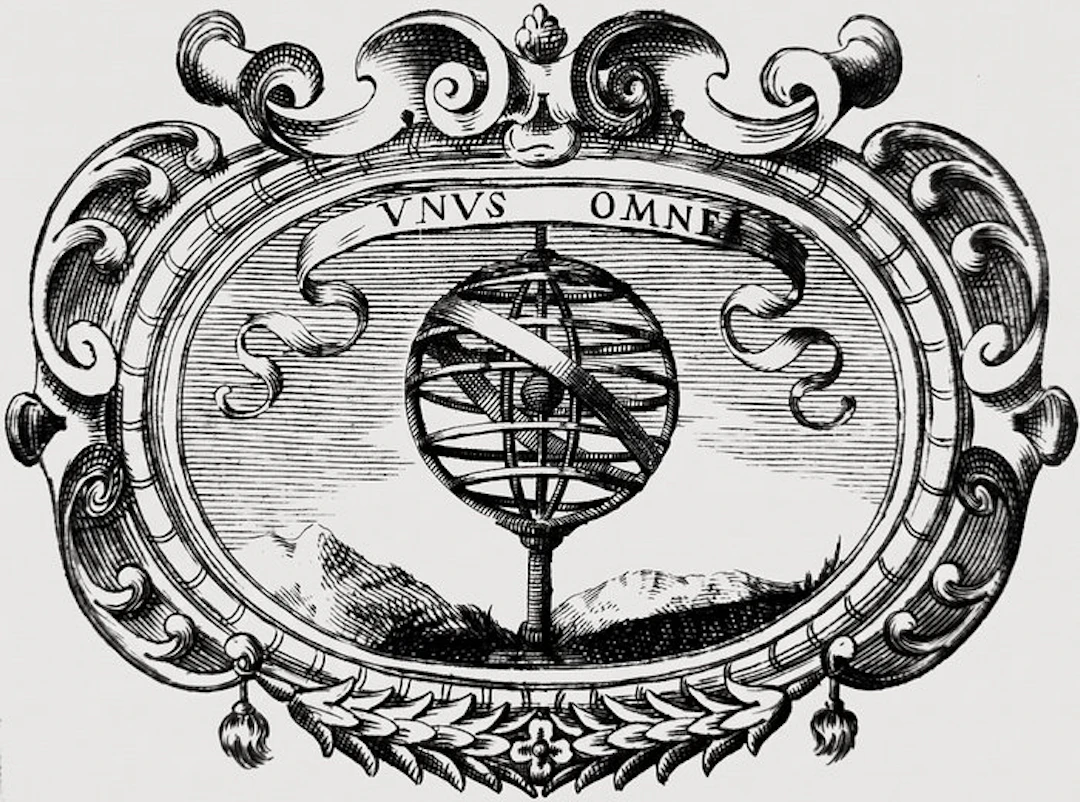
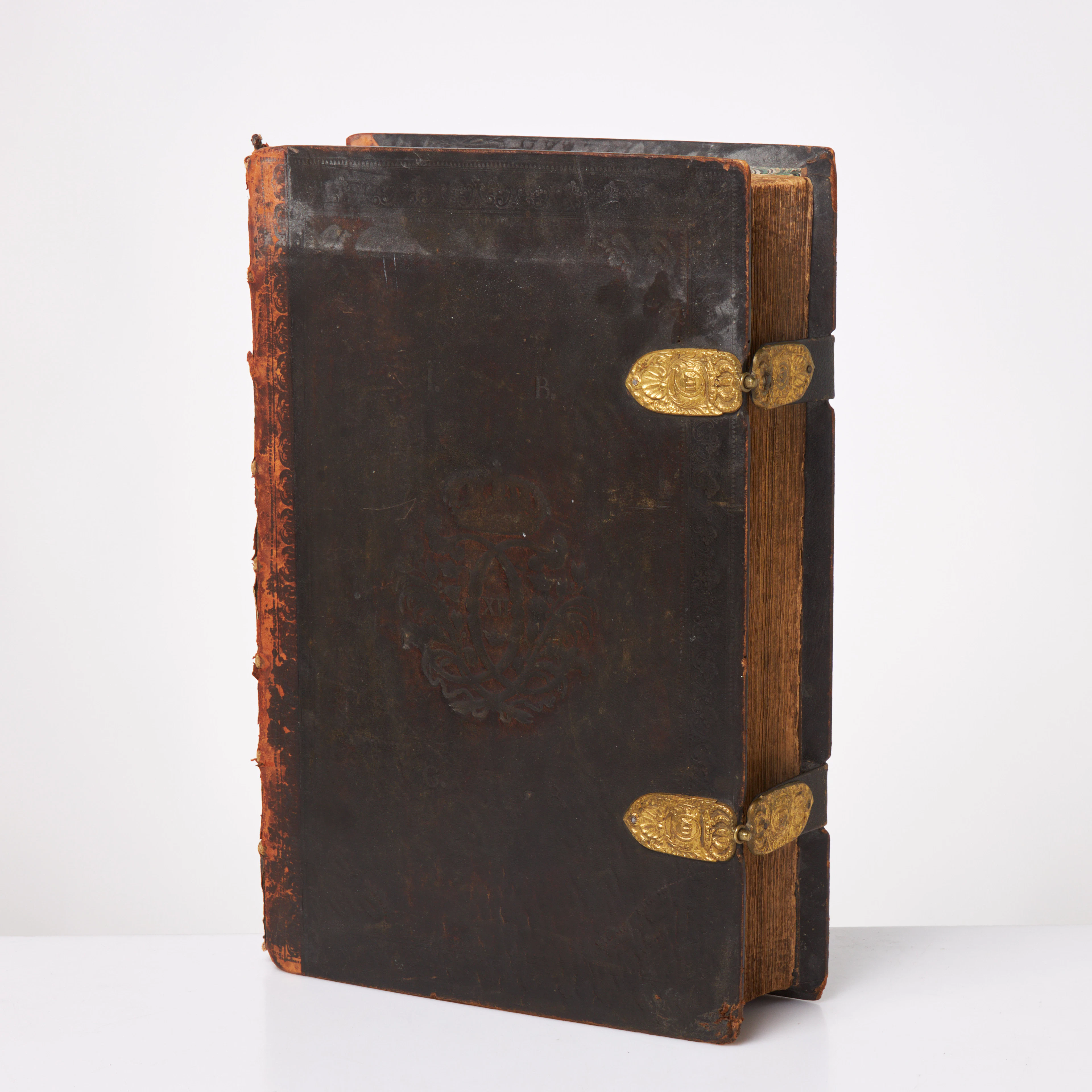
1653 RARE FIRST EDITION ON EMBLEMS, NATURE, COSMOS, ANIMALS, ESOTERICISM, PLANTS, SYMBOLISM, PHILOSOPHY, METAPHYSIC, AND RELIGION by Filippo Picinelli (1604–1686) was an Italian Augustinian canon, scholar and emblematist. This is the most comprehensive emblem encyclopedia of the seventeenth century, Picinelli believed that the world could be read as a symbolic book, and he therefore created this encyclopedia of emblems for scholars, orators, preachers, academics, writers, painters, and artists, providing an infinite number of concepts. For this treatise on symbols/emblems, Picinelli also drew upon ancient manuscripts—some of them unpublished—from Italian monasteries. This is the first edition from 1653; the second edition would not be published until 1681 in Cologne, translated into Latin by Augustinus Erath, and helped elevate the work to the status of a highly sought-after reference text among the intellectual and artistic elite of the Baroque era. The book is richly illustrated with 40 engravings by Andrea Bianchi (active 1630–1660), as well as a fine title page and a full-page portrait of the author by the painter Giacomo Cotta (1627–1689)—all copper engravings signed in the lower margin. Each illustration features a different, richly decorated frame, characterized by angels, putti, flowers, animals, monsters, and grotesque masks. Original antique binding from the period in good condition. COMPLETE FIRST EDITION. The third edition from 1687 is being sold for $2,200.00 here: https://www.biblio.com/details.php?dcx=1617933975, whereas the complete first edition from 1653, in very good condition, is offered here at a fraction of that price. This encyclopedic work is structured into numerous successive books that—following a hierarchy rooted in the medieval and Renaissance eras—descend from the heavens to the earth: starting with the universe and moving through the four elements (fire, air, water, earth), the mineral realm, the plant kingdom (trees, plants, flowers), and the animal world (quadrupeds, birds, fish, insects), before finally arriving at man, his physical form, man-made instruments, and the arts and sciences. For years, Picinelli was a leading figure in the science of the "impresa" (emblem); he believed the cosmos could be read as a vast symbolic book, and this Baroque discipline centered on combining allegorical images (the body) with verbal mottoes (the soul) to convey moral, religious, or philosophical meanings. TITLE: Mondo simbolico, o sia Università d'imprese scelte, spiegate, ed' illustrate con sentenze, ed eruditioni sacre, e profane. Studiosi diporti dell'abbate d. Filippo Picinelli milanese ... Che somministrano à gli oratori, predicatori, accademici, poeti &c. infinito numero di concetti...(Symbolic World, or a Compendium of Selected Enterprises—Explained and Illustrated with Maxims and Erudition, Both Sacred and Profane. Scholarly Pastimes by the Milanese Abbot Don Filippo Picinelli... Providing orators, preachers, academicians, poets, and others with an infinite number of concepts...) AUTHORS: Filippo Picinelli (1604–1686) and drawings and illustrations by the painter Giacomo Cotta (1627–1689), copper engravings by Andrea Bianchi (active 1630–1660) PUBLISHER: Francesco Mognagha DATE: MDCLIII (1653), printed in Milan, text in Italian and Latin DESCRIPTION: 1 volume in folio or 2°, size height 328 x width 228 mm or 12.9 by 8.9 inches. [32] preliminary leaves, 572 numbered pages, [176] index leaves, illustrated with 42 engraved copperplates, complete edition. Antique plain paper-covered binding with the title handwritten on the flat spine, there are minor imperfections at the two ends of the spine, a slightly dented bottom edge, but the binding is solid and fully functional, free of tears, losses, cracks, or structural damage, as shown in the photos. Good quality printing and paper, text printed in double columns, woodcut head- and tail-pieces, decorated initials; richly illustrated with 40 copper engravings by Andrea Bianchi (active 1630–1660), as well as a fine title page and a full-page portrait of the author by the painter Giacomo Cotta (1627–1689)—all copper engravings signed in the lower margin. The first 3–4 leaves have small marginal repairs with no loss of text or images, some page numbering errors, the text is clean, with occasional slight stains or scattered traces of oxidation—though nothing serious; there are another 3–4 repairs at the end of the book involving slight loss of letters, other restorations to the white margins, otherwise the text and images are intact and in very good condition. COMPLETE FIRST EDITION. FILIPPO PICINELLI’S BAROQUE-SYMBOLIC WORLD VIEWS THE ENTIRE UNIVERSE AS A VAST ALPHABET OF DIVINE SIGNS, BASED ON THE FOLLOWING POINTS: A) "Book of Nature": Picinelli draws upon the tradition holding that the created world is a metaphorical book; every element—whether natural or artificial—conceals a profound spiritual or moral meaning that the human intellect is tasked with deciphering. B) "Teaching while Delighting": from the Horatian motto included in one of the scrolls on the allegorical title page, the work’s philosophy aims to combine the useful (moral and religious education) with the delightful (intellectual and visual pleasure). C) "Use of Emblems and Mottoes": serves to make philosophical concepts more engaging, facilitating their memorization through the allure of the image. D) "Concepts and Wonder": witty and surprising juxtapositions of seemingly distant realities. The aim is to reveal unexpected correspondences between the physical and metaphysical worlds, and to evoke "wonder" in the reader, stimulating both intellect and attention. E)"Multivalence of the Symbol": According to Picinelli, symbols are not rigid; a single natural element can take on multiple—even opposing—meanings (positive or negative values), depending on the accompanying motto and the context in which the orator places it. F)"Pragmatism and Persuasion": The work has an eminently practical and encyclopedic purpose, aims to provide an "infinite number of concepts" for the use of "orators, preachers, academics, and poets." It offers a rhetorical arsenal for crafting sermons capable of effectively and vividly persuading, moving, and instructing the masses. REFERENCES: WORLD CAT n°228732674 & 1066798737; USTC n°1702205; Praz 455; Vinciana 272n; Graesse V, 282; Choix, 354; Piantanida, 272; OPAC SBN n°BVEE042490; Cambridge, United States, Houghton Library, Harvard University Shelfmark: Typ 625.53.692; Glasgow, United Kingdom, University Library Shelfmark: Sp Coll S.M. 17561; Nijmegen, Netherlands, Universiteitsbibliotheek Shelfmark: OD 574 b 10; A modern edition of Mundus Symbolicus was published by Garland Publications, New York, 1976. A Spanish-language edition of Picinelli's work is being carried out by the Centro de Estudios de las Tradiciones of the College of Michoacán, Mexico; Michelacci, Lara (2018). "Animaux et hommes dans Le Mondo Simbolico (1653) de Filippo Picinelli". In Fernando Copello; Sandra Contamina (eds.). L'animal et l'homme dans leurs représentations. Ponts et frontiéres. Rennes: Presses Universitaires de Rennes. pp. 109–121. SHIPPING: via UPS, DHL, FEDEX, National Postal Services, protected, INSURED and fully tracked package. Estimated time for Europe 3-5 working days. Shipping within one working day, you can combine shipping if you purchases several items from us, saving money and time.
Estimate:£1,946.16
To the auctionView all items fromCatawikiorBooks, Maps & Manuscripts
Estimate:
£1,946.16
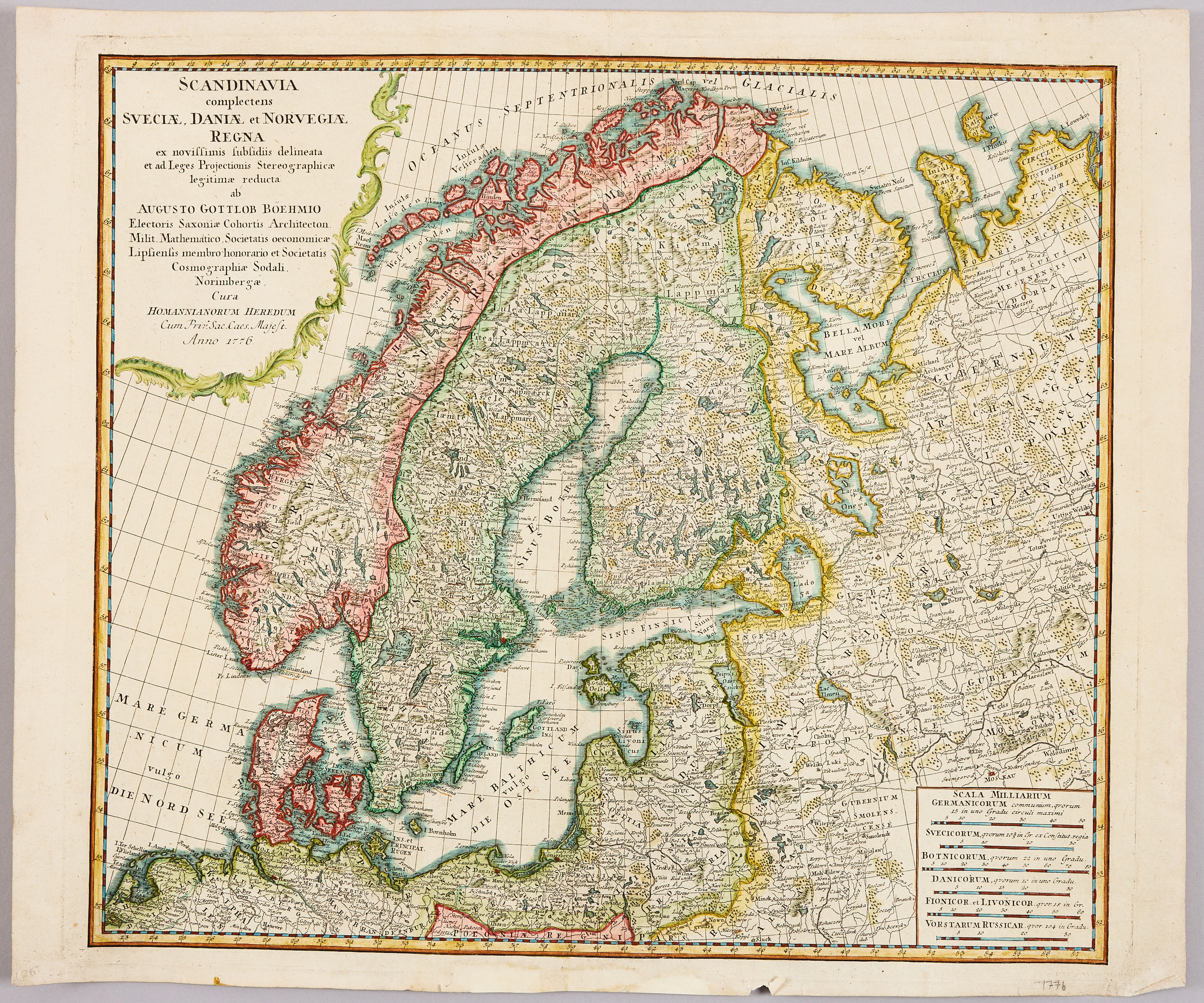
HOMANNS ARVINGAR, KARTA ÖVER SKANDINAVIEN, ca 1770.
10/09/2026
£83.15
Est: £90.98


SERIETIDNINGAR, 57 st Fantomen, år 1950-56.
10/09/2026
£105.73
Est: £60.65
OCT 17 | 10:00 PM


Bring your auction to collectors worldwide!
Get listed nowBy subscribing, you are agreeing to the privacy policy. Unsubscribe anytime.
Barnebys HQ
Brahegatan 10
BOX 5038
114 37 Stockholm
