




OCT 17 | 10:00 PM

All auctions / Arts & Graphics / Jusepe de Ribera (1591-1652)

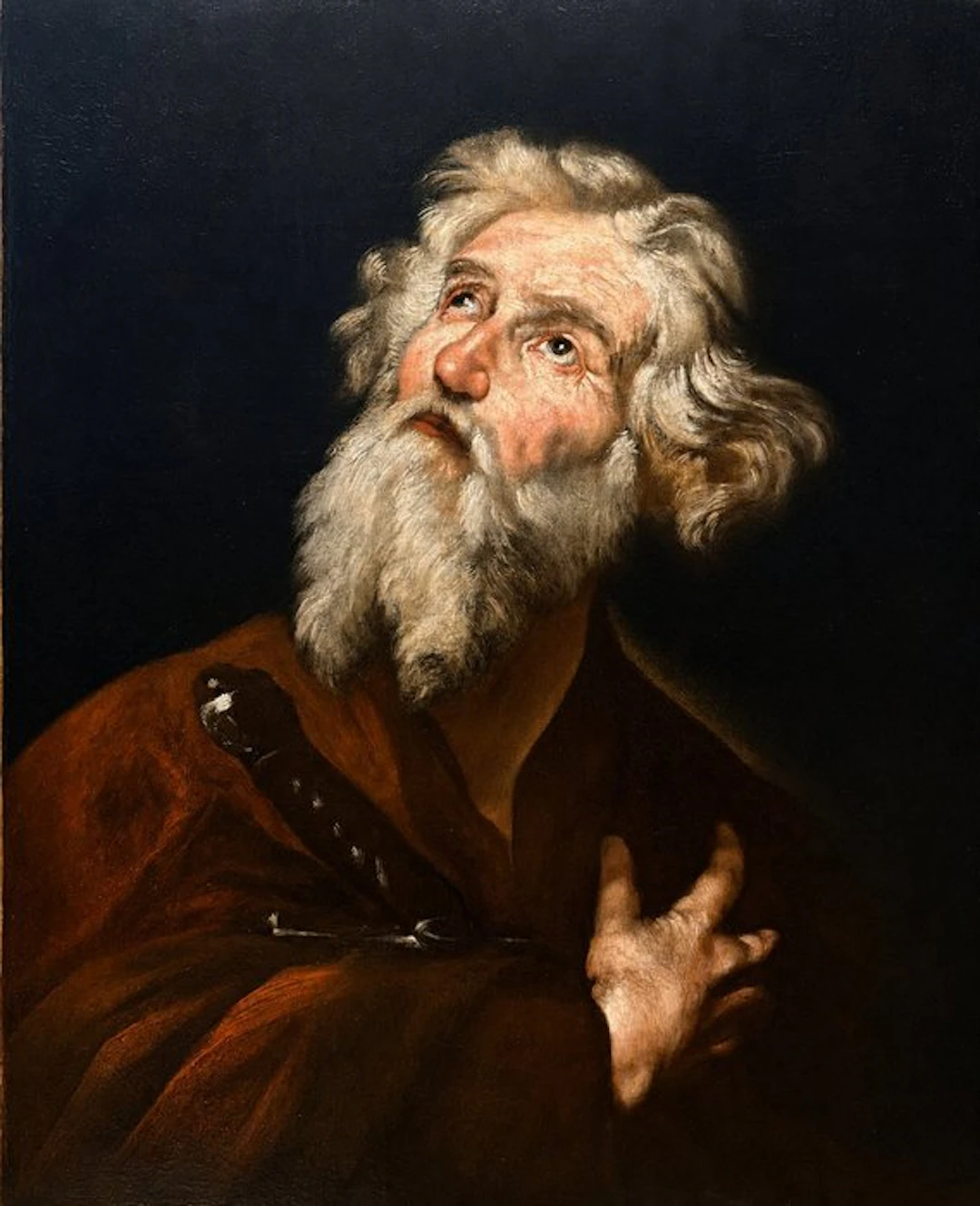
The work is accompanied by an expert assessment by Prof. Stefano Causa, who attributes it to the full maturity of Jusepe de Ribera, placing its execution around the mid-1640s. The painting depicts Saint Paul in half length, caught in the act of turning his gaze upward, in contemplation of the divine light. The apostle’s identification is suggested by the presence of the sword hilt, just emerging from the shadow. The figure stands out against a dark and compact background, illuminated laterally by an intense light that concentrates attention on the face and on the long grey beard. Particularly effective is the rendering of the physiognomy, built through a rich and vibrant painting material: on the pinkish flesh tones, rapid whitish highlights are layered, while dark touches energetically define the eyes, the eyebrows, the hair, and the characteristic bifurcated beard. It is precisely in the strength of the head, substantially intact despite some distress observable especially in the drapery, that Causa identifies one of the decisive elements for restoring the work to Ribera’s hand. The scholar places the painting in the mature production of the master, proposing comparisons with certain works definitely from the Forties, including the Baptism of Christ of the Musée des Beaux-Arts in Nancy, signed in 1643, the Saint Anthony the Abbot of 1644 and the Saint Paul the Hermit of the National Museum in Stockholm, also datable to 1644. The path then leads to works from the second half of the decade, characterized by a progressive opening of light and color, foretelling the painting of the young Luca Giordano. Provenance : Of particular historical-documentary interest is the label affixed to the back of the canvas in the nineteenth century, in which the painting is expressly recognized as the work of “Ribera or Spagnoletto.” The cartouche also recalls the appreciation of the work by John Ruskin, mentions a previous owner indicated as Mr. Horace and refers to a connection with the Scottish painter William Dyce, to whom the painting would have been lent in relation to the realization of his King Lear and the Fool in the Storm. There is also mention of a restoration intervention carried out for the same owner. Prof. Stefano Causa emphasizes the particular importance of this testimony, noting how the reference to Dyce and to his famous painting today in the National Gallery of Scotland in Edinburgh opens a significant chapter on Ribera’s fortune in Victorian figurative culture and on the circulation of the work in the English collecting milieu of the nineteenth century. Bibliography : Stefano Causa, historical-critical expertise relating to the painting, with attribution to Jusepe de Ribera and dating to around 1645. #exceptionalart26
Estimate:£21,120.9
To the auctionView all items fromCatawikiorArts & Graphics
Estimate:
£21,120.9
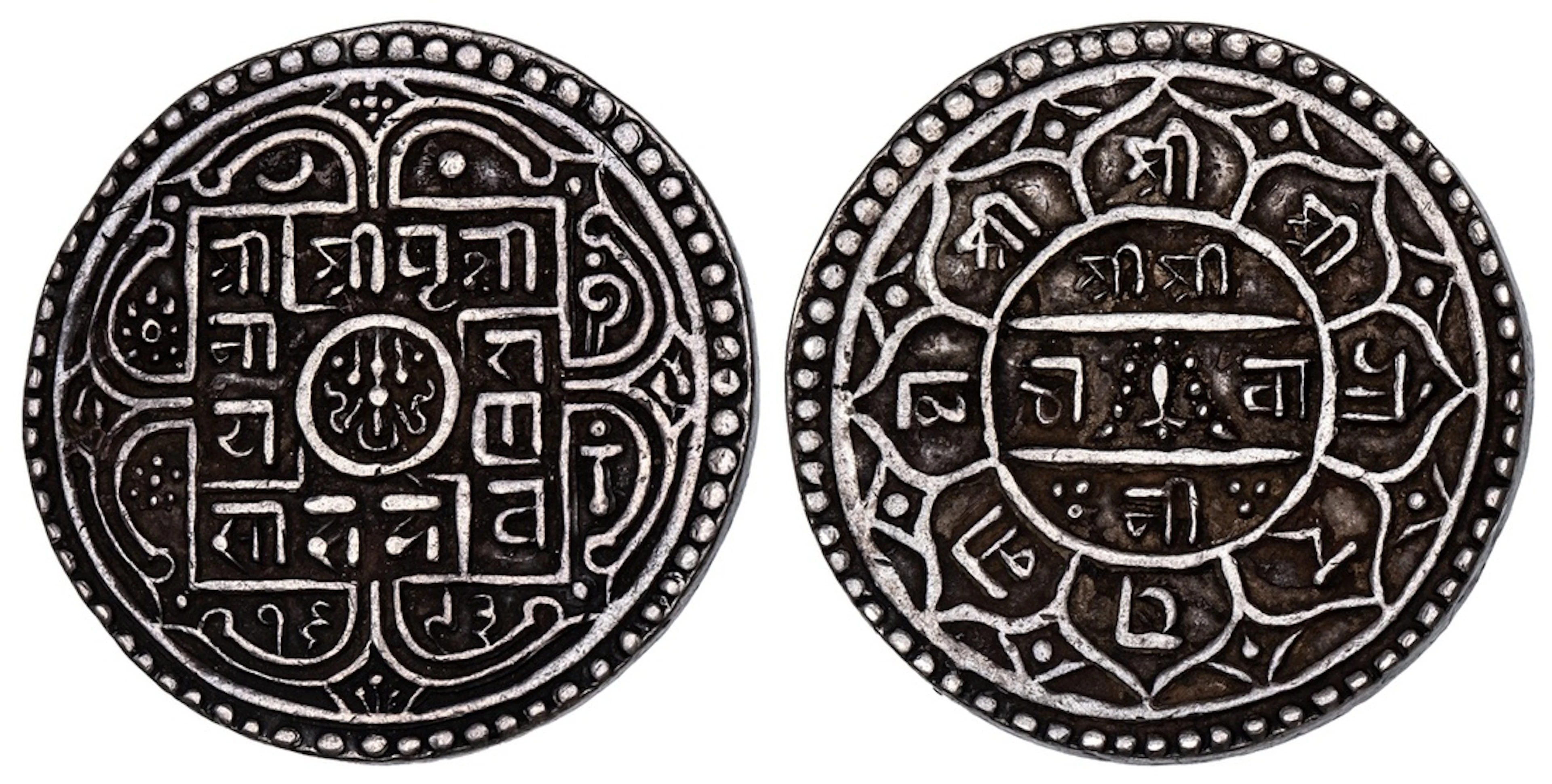
Nepal, Prithvi Narayan Shah (1742-1775), 2-Mohar, SE 1693 (1772)
10/09/2026
£2,600
Est: £200
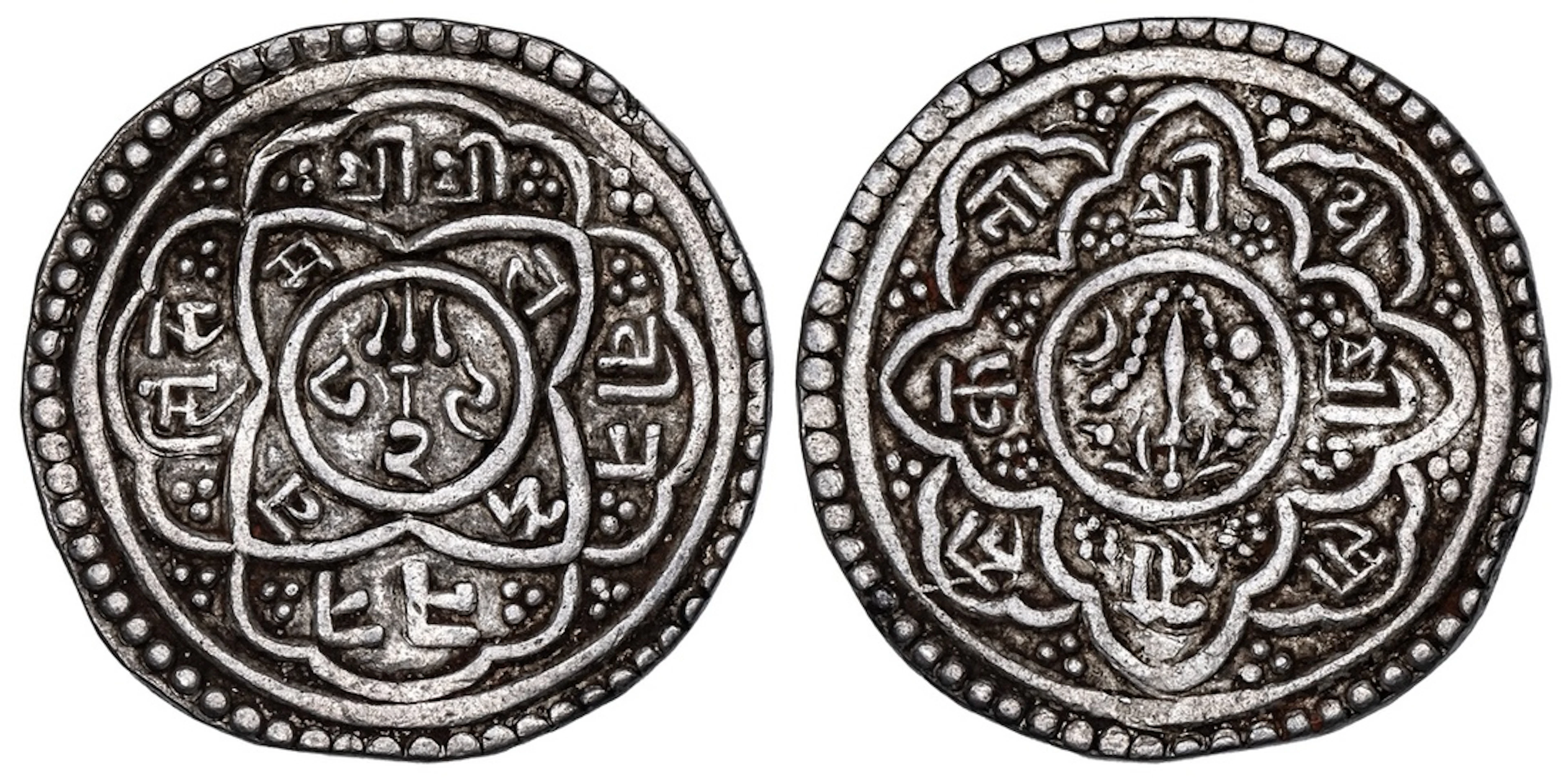
Nepal, Patan, Vira Narasimha Malla (1709), Mohar, NS 829, Obv. trident
10/09/2026
£3,200
Est: £150
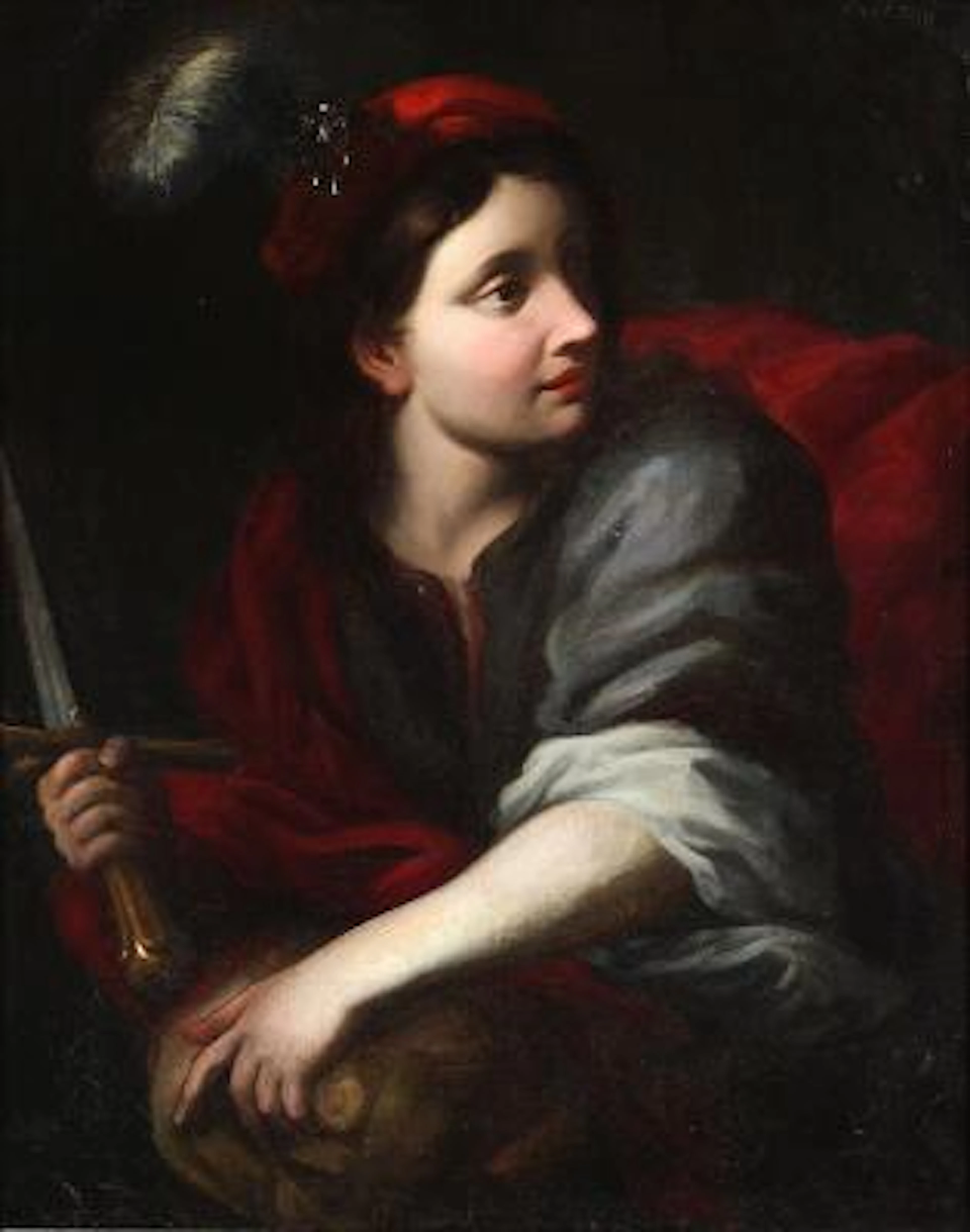
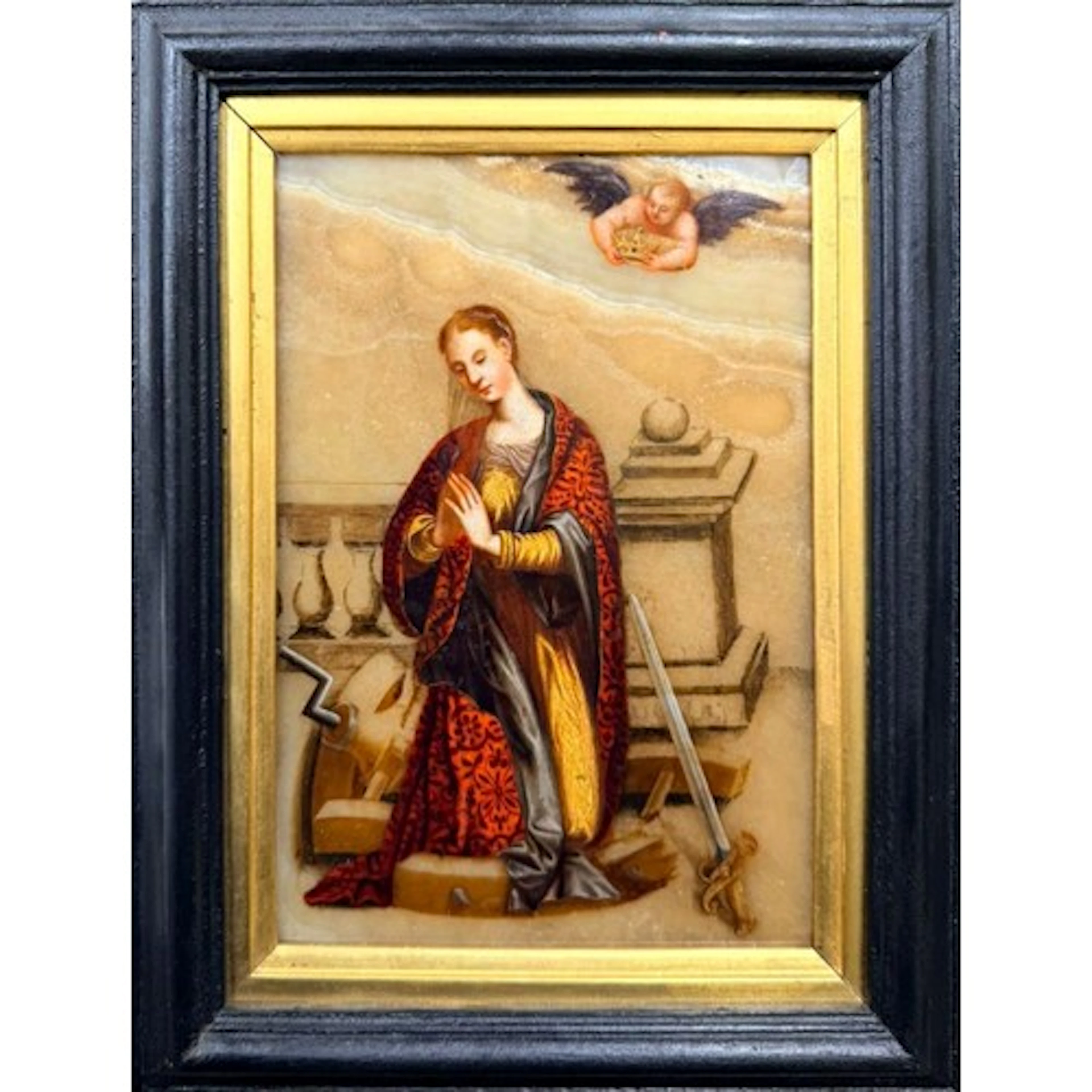
Italian school, 17th–18th century.: A saint with a sword. Unsigned.
10/05/2026

£1,643.9
Est: £1,147.94
OCT 17 | 10:00 PM




OCT 23 | 8:00 AM
Bring your auction to collectors worldwide!
Get listed nowBy subscribing, you are agreeing to the privacy policy. Unsubscribe anytime.
Barnebys HQ
Brahegatan 10
BOX 5038
114 37 Stockholm
