


OCT 23 | 8:00 AM

All auctions / Books, Maps & Manuscripts / Lipsius - Poliorceticon de Machinis, Tormentis - 1599

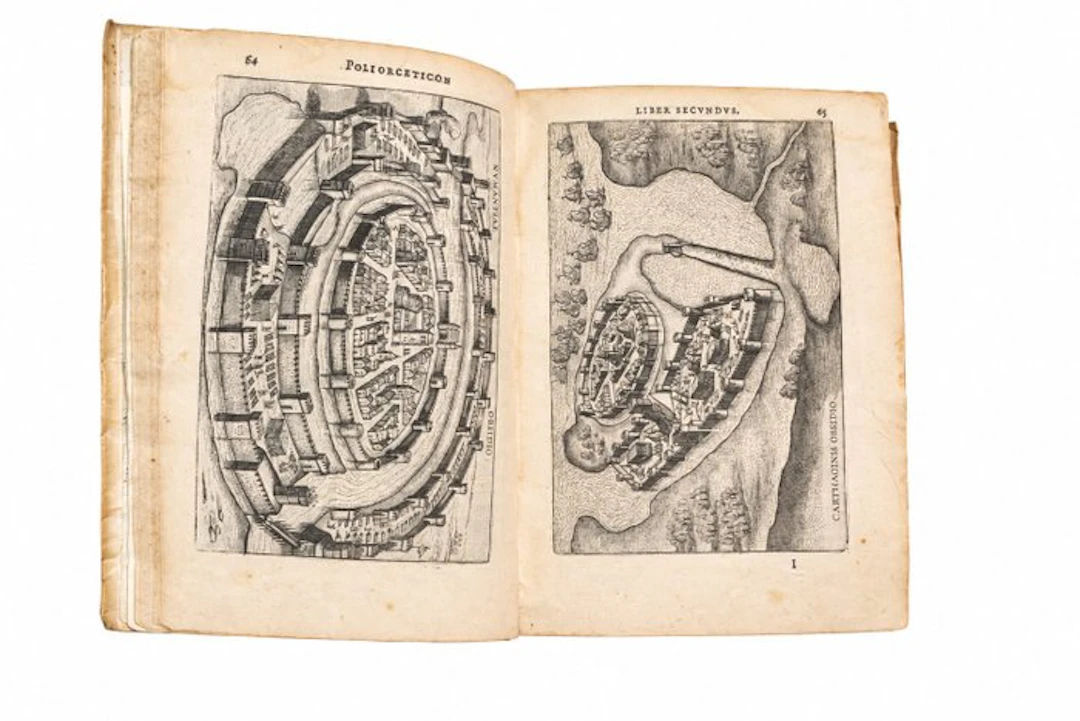
WAR MACHINES OF THE RENAISSANCE: JUSTUS LIPSIUS AND THE ART OF SIEGE A remarkable Renaissance treatise by Justus Lipsius devoted to war engines, sieges, and military technology of antiquity. Printed in Antwerp in 1599 by the renowned Plantin press, the volume belongs to the great Plantin-Moretus publishing era. Numerous copper-engraved plates illustrate siege towers, rams, fortifications, artillery, and other complex military devices reconstructed from classical sources. The work fuses archaeology, philology, and military technique, turning the writings of the ancients into a true visual repertory of military engineering. A fascinating exemplar in contemporary parchment, with antique ownership notes and the added Analecta section. ABSTRACT The Poliorceticon sive de machinis, tormentis, telis libri quinque is one of the most evocative illustrated treatises of Justus Lipsius, a prominent Flemish humanist of the late Renaissance. The work is devoted to poliorcetics, i.e., the science of sieges and the defense of cities, and reconstructs, through the testimonies of Greek and Latin authors, the main military machines of antiquity. Mobile towers, rams, bridges, structures for assaulting walls, balistae, catapults, and other devices are analyzed philologically and represented through copper engravings of notable historical and technical interest, traditionally associated with the artistic milieu of Otto van Veen. The five-book structure, each divided into dialogues, allows Lipsius to compare terminology, historical testimonies, and the practical functioning of the machines described by ancient authors. The main body is further joined by the Analecta sive Observationes reliquae ad militiam et hosce libros, a scholarly supplementary section in which additional observations on terminology and classical military history are gathered. WHY TO BUY The volume combines features particularly sought after in antiquarian collecting: the Renaissance, military history, engineering, classical archaeology, and the grand Plantin publishing house. The most impactful element is the rich illustrative apparatus: the engravings do not merely serve decorative purposes but attempt to concretely reconstruct the war machines described in the ancient sources, making the work an important document in the birth of modern military archaeology. Printing at the Officina Plantiniana in Antwerp, one of the most prestigious European printing centers between the 16th and 17th centuries, adds further bibliographic interest. Also especially appealing is the preservation in contemporary parchment, with a handwritten title on the spine, as well as a long ancient manuscript annotation at the frontispiece and stamps of prior ownership. It is, therefore, a book capable of captivating contemporary collectors of 16th-century illustrated books, military history, military engineering, scientific books, and Plantin-Moretus prints. MARKET VALUE The Plantin edition of 1599, illustrated and in contemporary parchment, belongs to a category of antiquarian books with international demand, especially among collectors of military history and Renaissance publishing. For a complete exemplar, with the present engravings and in overall good condition, a rough antiquarian valuation of €1,500–€1,800 seems plausible. PHYSICAL DESCRIPTION AND CONDITION Contemporary pliant parchment binding, with handwritten title on the spine. The frontispiece bears a long ancient ownership note and stamps of previous ownership. The volume is illustrated with numerous half-page and full-page copper engravings, depicting siege engines, towers, ramps, assault systems for fortifications, artillery, and other military constructions. Frontispiece with the figure of the Officina Plantiniana. The paper is generally well preserved; sporadic browning and occasional damp stains are present. The parchment shows typical waviness, light stains, and signs of use. Overall a highly charming exemplar, with wide margins and a striking illustrative apparatus. In ancient books, with multigenerational histories, some imperfections may be present, not always noted in the description. This listing includes AI Visualizations. Please refer to the original photographs to verify the object’s actual condition. The images are an integral part of the description. Pp. (2); 218; 6nn; 292; 8nn; (4). FULL TITLE AND AUTHOR Poliorceticon sive de machinis, tormentis, telis libri quinque. Antverpiae, Ex Officina Plantiniana, apud Ioannem Moretum, 1599. Joined to the part: Analecta sive Observationes reliquae ad militiam et hosce libros. Justus Lipsius. CONTEXT AND SIGNIFICANCE Between the late 16th and the early 17th century, the humanist interest in antiquity progressively transformed into a genuine scientific reconstruction of classical civilization. Justus Lipsius was among the central figures of this process. In the Poliorceticon he does not merely cite ancient authors: he compares Greek and Latin texts, corrects interpretations, identifies technical terms, and attempts to understand how the machines described by Caesar, Livy, Polybius, Vegetius, Vitruvius, and other writers could actually be constructed and used. The work thus represents an important interface between classical philology and military technology. Images play a fundamental role in this context. Literary descriptions are translated into visible structures: siege towers, ramps, protective systems, throwing machines, and devices for attacking walls thus assume a concrete form. The book also testifies to the growing European interest in fortification and siege science, crucial in an era when artillery was rapidly transforming military architecture. BRIEF BIOGRAPHY OF THE AUTHOR Justus Lipsius, or Joost Lips (1547-1606), was one of the leading philologists, humanists, and European philosophers of the latter 16th century. Born in the Low Countries, he studied at Leuven and pursued academic activity in several European centers, teaching, among others, at Leiden and later again at Leuven. His international fame derives especially from his foundational studies on Latin texts, particularly the editions and commentaries on Tacitus and Seneca. Lipsius was also the principal modern interpreter of Stoicism, which he sought to reconcile with Christian thought through a philosophical current generally defined as neo-Stoicism. In addition to philosophical studies, he developed a vast project dedicated to Roman military civilization, addressing the organization of armies, weapons, camps, fortifications, and siege techniques. The Poliorceticon stands as one of the most spectacular expressions of this antiquarian program. PRINTING HISTORY AND CIRCULATION The Poliorceticon originated within the broad cycle of studies by which Lipsius sought to systematically reconstruct Roman military organization and ancient military technology. The present 1599 edition explicitly bears the designation “Editio altera, correcta & aucta,” indicating a revised and expanded version of the previous edition. The printing was done in Antwerp at the Officina Plantiniana, then directed by Jan Moretus, son-in-law and successor of Christophe Plantin. The association between Lipsius and the Plantin-Moretus workshop was particularly important: his works found through this printer a wide European diffusion and reached scholars, libraries, and courts in many countries. However, the richness of the Poliorceticon’s iconographic apparatus made its production more complex and costly than a normal humanist text, a factor that today contributes to the desirability of complete copies. The Analecta section, integrated into the volume, also documents Lipsius’s ongoing revision and refinement of his military studies. BIBLIOGRAPHY AND REFERENCES The Poliorceticon holds an important place within Lipsius’s antiquarian production and is commonly studied alongside his other treatises on Roman military matters, weapons, and ancient military organization. The work is particularly relevant in the history of poliorcetics, the archaeological reconstruction of war machines, and the Renaissance reception of Greco-Roman military sources. The 1599 edition constitutes one of the most interesting sixteenth-century renditions of the work thanks to the author’s revisions, the important engravings, and the prestigious Plantin press production. In the history of the book, the relationship among Lipsius, Jan Moretus, and Christophe Plantin’s editorial tradition marks one of the most important chapters of European typography in the 16th century.
Estimate:£755.55
To the auctionView all items fromCatawikiorBooks, Maps & Manuscripts
Estimate:
£755.55
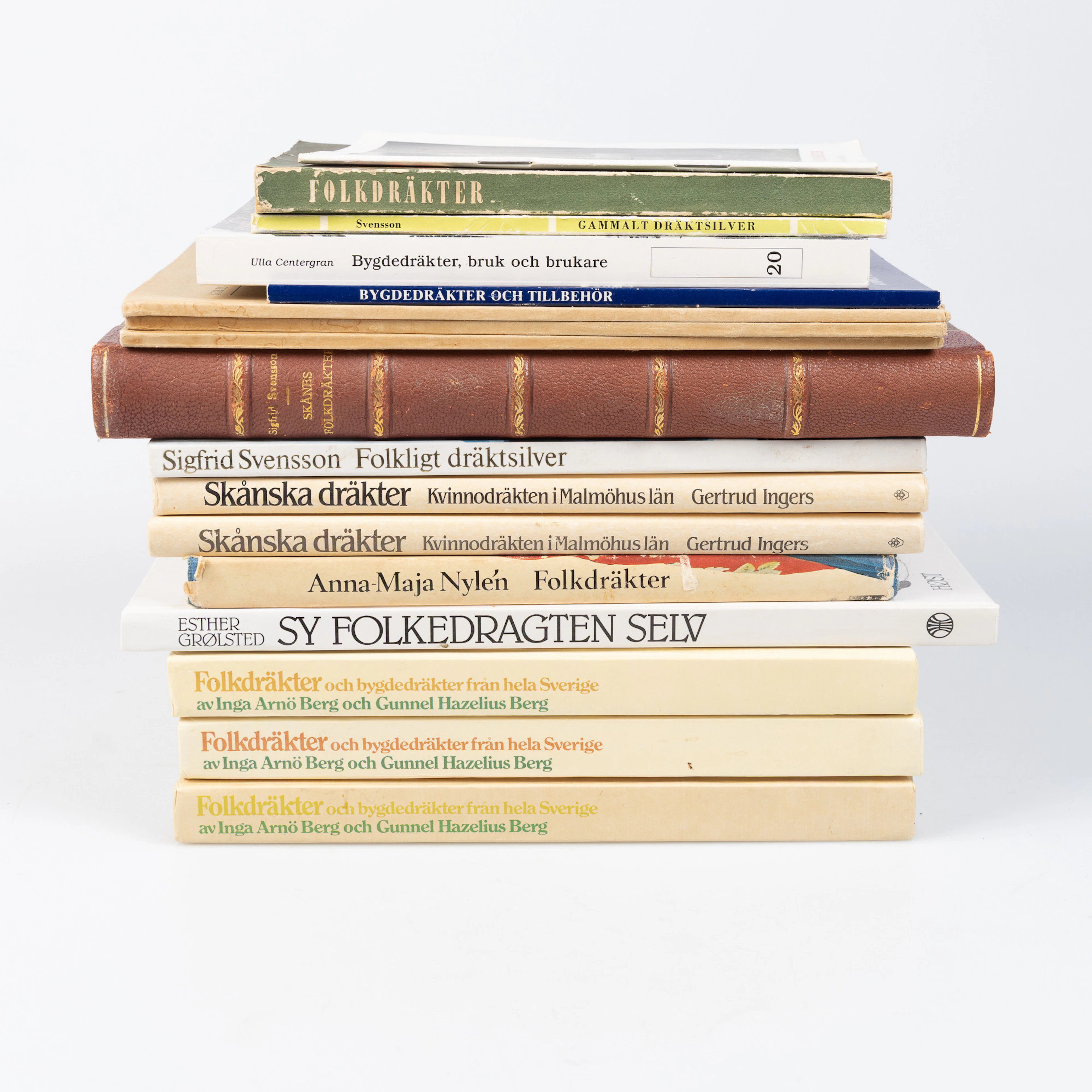
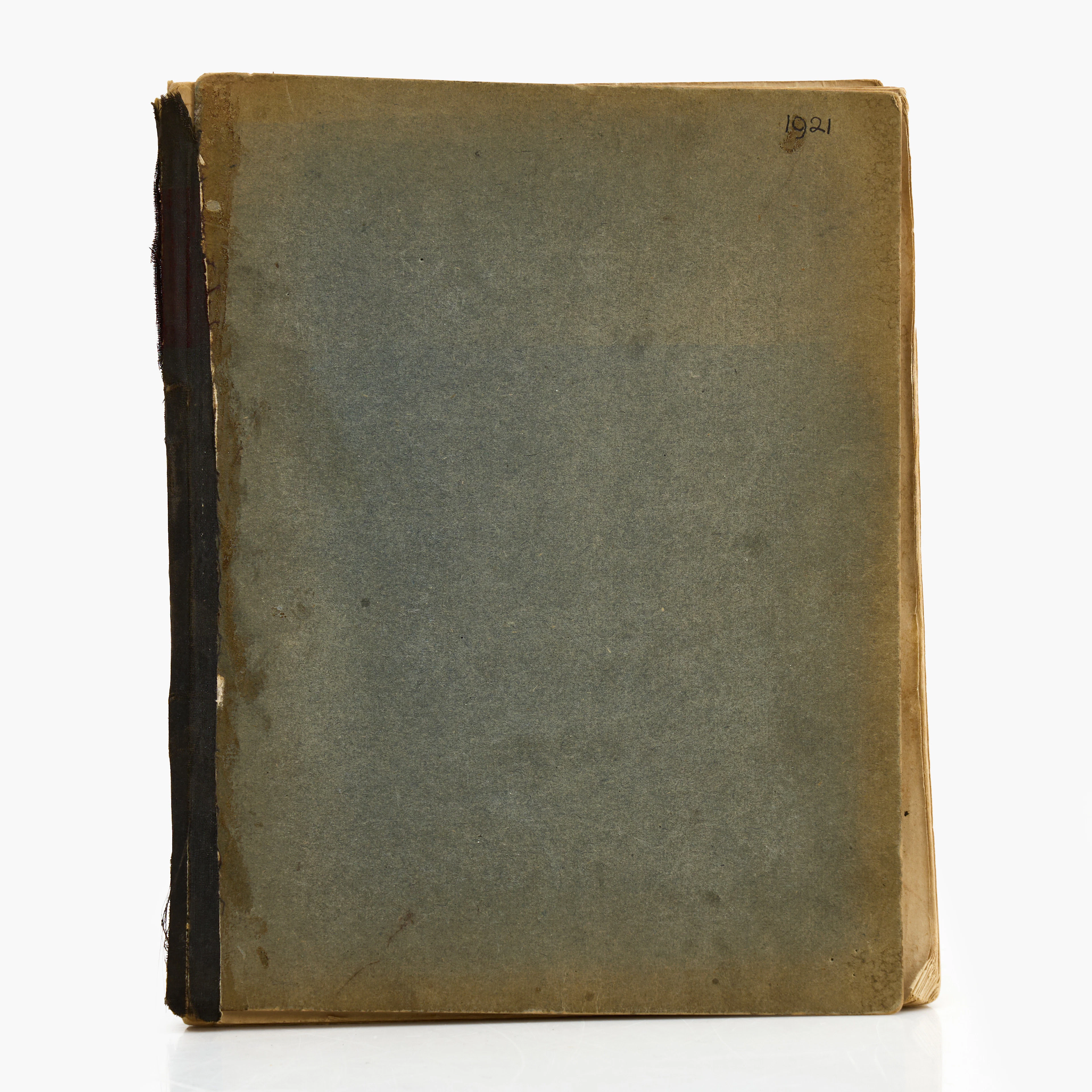
KARL NORDSTRÖM (Tjörn 1855-1923 Drottningholm). Skissbok, Frankrike
10/19/2026
£369.73
Est: £756.93
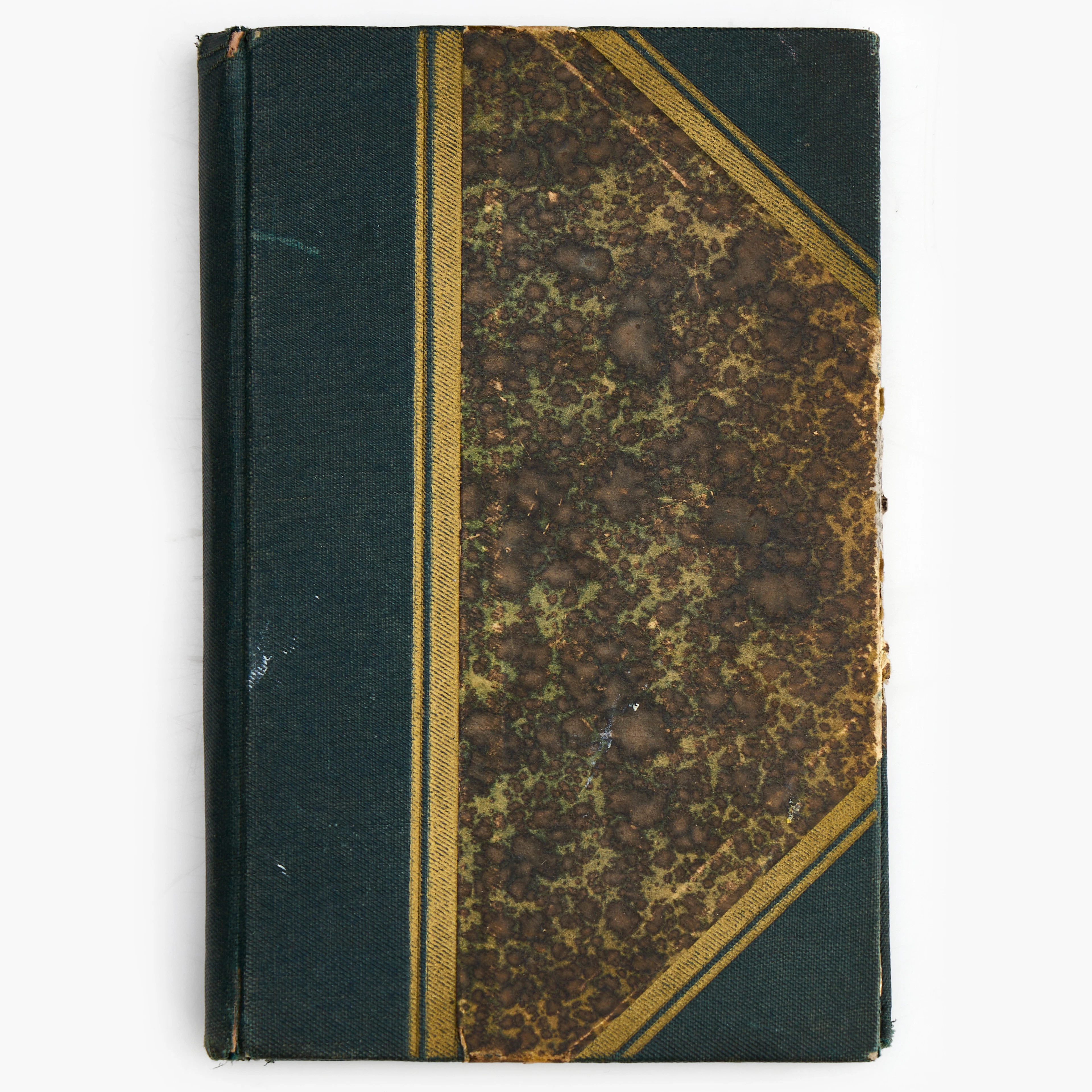
KARL NORDSTRÖM (Tjörn 1855-1923 Drottningholm). Anteckningsbok från 1920.
10/19/2026
£83
Est: £302.77
OCT 23 | 8:00 AM




OCT 27 | 4:00 PM
Bring your auction to collectors worldwide!
Get listed nowBy subscribing, you are agreeing to the privacy policy. Unsubscribe anytime.
Barnebys HQ
Brahegatan 10
BOX 5038
114 37 Stockholm
