
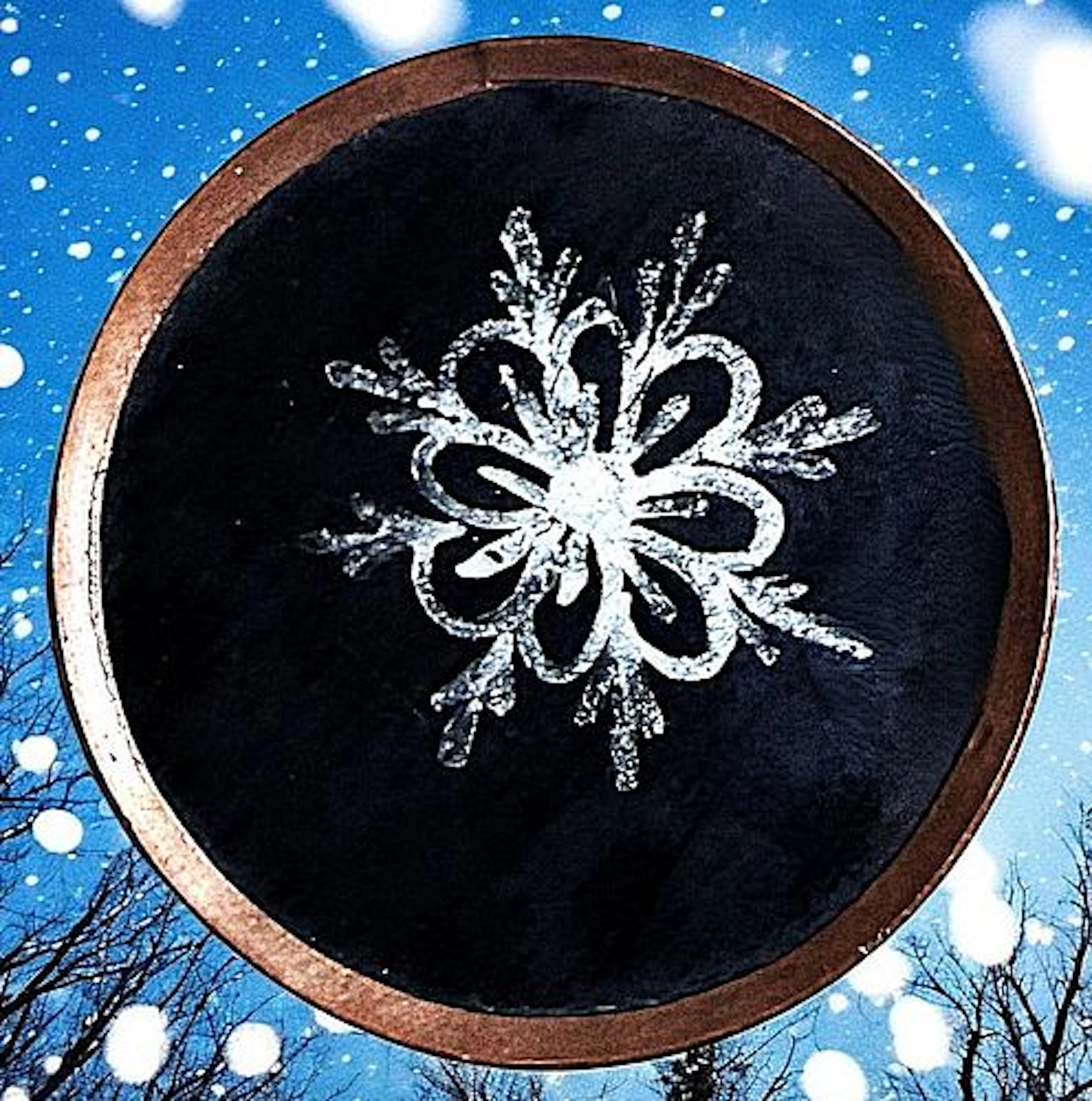




All auctions / Arts & Graphics / Luigi Serralunga (1880 – 1940) - I frutti dell'autunno

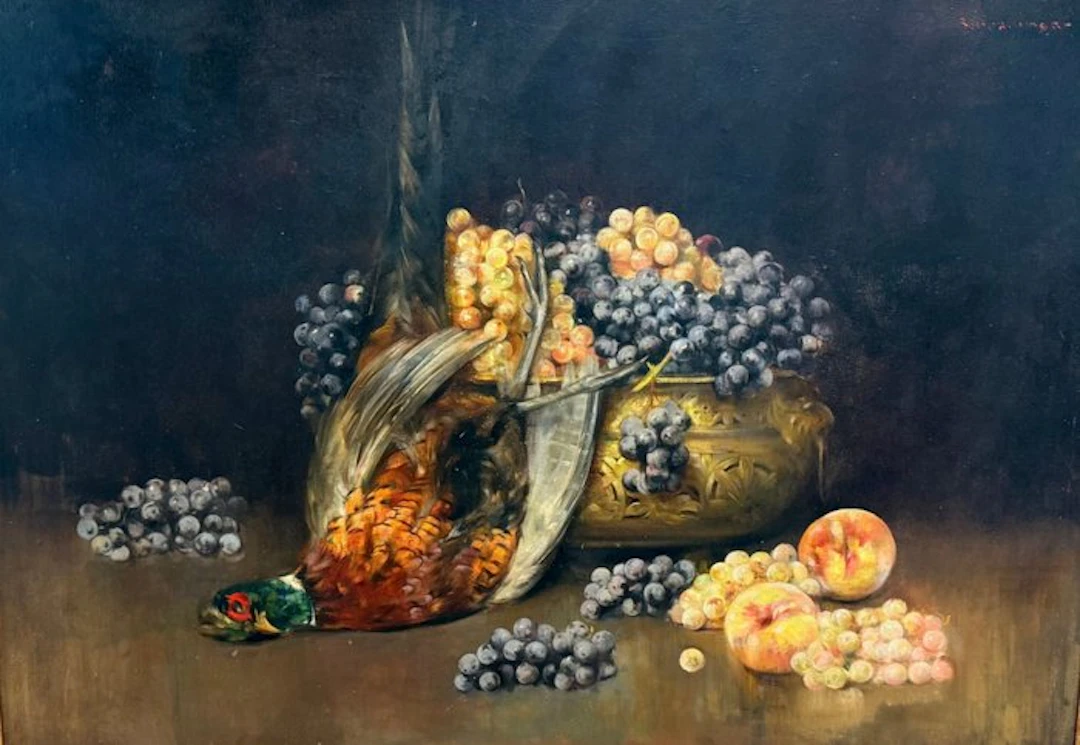
Luigi Serralunga (Turin, 1880 – 1940) The Fruits of Autumn dimension: with frame 128 x 98 cm the frame is not part of the sale but is complimentary Luigi Serralunga was born in Turin on October 26, 1880, into a wealthy family belonging to the Turin bourgeoisie and connected to the royal administration. The paternal branch of the family has a long tradition of service at court: the great-grandfather Giuseppe Dalmazzo Serralunga was treasurer for the Savoias between the late eighteenth and early nineteenth centuries, while the grandfather Luigi, a knight and lawyer, was appointed tax collector for the Royal Ministry of Finance in the Pinerolo area, as well as holder of the income from a salt and tobacco shop in Volvera. His father Alessandro, an employee at the Direzione Opera Pia San Paolo, married Adelaide Calcina in 1878, already a widow of Mogna. Luigi Serralunga spent his childhood in Turin, in the family home at 24 Via Gioberti; in December 1896, after completing technical studies, he enrolled at the Royal Albertina Academy of Fine Arts, where he attended the three-year courses in architecture, geometry, figure, history, and ornament, participating in the Academy’s internal competitions with notable results. After completing the preparatory studies, in the autumn of 1900 he enrolled with merit in the higher course of painting, earning a copper medal in the figure drawing course conducted by Professor Giacomo Grosso. Among the Academy’s teachers, including Pier Celestino Gilardi and Odoardo Tabacchi, who held the chairs of painting and sculpture respectively, the painter Giacomo Grosso, who had found success with the first Venice Biennale, is certainly the main reference in shaping Serralunga’s artistic style. In February 1901 his mother Adele suddenly died. After a few months away from the Academy, Serralunga resumed classes and secured the opportunity to stay in Rome, where he travelled in 1902 to study and make drawings from antiquities. His studies continued successfully: at the end of the second year he won the silver medal and the purchase of a non-competition work worth 25 lire, as well as the following year when he was again awarded the silver medal. At twenty-three, Serralunga completed his studies in June 1904, winning a stipend of 100 lire for the final life drawing exam. In the same year the painter began to exhibit at the Società Promotrice di Belle Arti, participating in the annual exhibition for members with nearly uninterrupted presence until 1939, the year before his death. At twenty-seven he married his peer Carolina Muzio, leaving his family home to move to Via Santa Teresa, behind Piazza San Carlo, where he would live with his wife until the late 1910s. At the end of the First World War the Serralunga couple moved to Corso Duca di Genova, where the artist would keep his studio until his death. In addition to the city apartment, from 1929 the Serralunga family bought a house on the hill of Castiglione Torinese, where they spent their leisure time and where the painter engaged in hunting, a recurring subject in his works. In those years Serralunga participated in the Turin exhibitions of the Promotrice and in the national exhibitions of the Milanese counterpart; notably, his participation in the exhibition Tre pittori piemontesi (Three Piedmontese painters) held in Milan at the Galleria La Vinciana in 1921, and in the Turin Quadriennials of 1923 and 1928, is especially significant. In the same year the Promotrice hosted a personal show of the artist presenting about fifteen works including still lifes and portraits. Serralunga was also present in exhibitions organized by the Società d’Incoraggiamento alle Belle Arti within the Circolo degli Artisti, and by the Società Amici dell’Arte, both active in Turin, as evidenced by the artistic chronicles signed by Emilio Zanzi, art critic of the Gazzetta del Popolo and correspondent from Turin for the magazine Emporium. Despite the rise of fascism, Serralunga, a committed socialist, continued to participate in Promotrice exhibitions, which culminated in the annual exhibition of the Fascist Union of Fine Arts, whose regulations from 1929 allowed non-party members to exhibit as well, upon payment of a 30 lire fee. Serralunga gradually established himself in Turin’s thriving art scene, alongside figures such as Lorenzo Delleani, Cesare Saccaggi, Leonardo Bistolfi, and Giovanni Guarlotti. Serralunga’s painting style, initially tied to the fin de siècle taste of the Grossan and Ranzonian painting, over the years developed a personal expressive autonomy that yielded the best results in portraiture, the nude, hunting scenes, and some still lifes, subjects rendered with a light, almost unfinished graphic touch (notably evident at the edges). His poetics embody the late-symbolist tradition, tinged by influences from the grand era of nineteenth-century figurative painting. In portraits of ladies and members of the city’s bourgeoisie, the clear light emphasizes the pallor of the complexion, while the brushwork, initially more controlled and suave and later more tattered and opaque, offers the viewer intense passages of coloristic and compositional harmony. Alongside his artistic output, Serralunga opened his studio to young Turin artists, who regarded him as a stern yet capable master: among them Mattia Moreni and Ettore Fico. In 1939, already ill, Serralunga took part in the selections for the Sanremo painting prizes before leaving his artistic activity and spending his last months at the Castiglione Torinese home. He fell gravely ill and was transferred to a hospital, and Luigi Serralunga died in Turin on February 3, 1940. Two years after his death, the Circle of Artists organized a posthumous exhibition with more than eighty paintings selected by friends from works in the studio and private collections, accompanied by a moving introduction by the painter Guarlotti. With the proceeds from the sale of the works, the widow established the Luigi Serralunga Prize, consisting of 1000 lire awarded by the Società d’Incoraggiamento alle Belle Arti for a painting or sculpture exhibited for the first time at the annual show organized by the institution. The first two editions saw Adriano Alloatti and Michelangelo Monti as winners. Following the artist’s death, his works have been shown in the annual Piedmontese 900s exhibitions curated by the Fogliato gallery, including the noteworthy Omaggio a Serralunga in 1977, and in the exhibitions La pittura a Torino all’inizio del secolo (Painting in Turin at the turn of the century, Turin, Teatro Regio, 1978) and Flower Power (Verbania, Villa Giulia, 2009). In addition to numerous private collections, Serralunga’s works are present at GAM – Galleria d’Arte Moderna di Torino, the Civic Museum Palazzo Traversa in Bra, the Soprintendenza ai Beni Culturali di Pisa, and a large core at the Ettore Fico Museum in Turin.
Estimate:£1,267.68
To the auctionView all items fromCatawikiorArts & Graphics
Estimate:
£1,267.68


OCT 23 | 8:00 AM


OCT 27 | 4:00 PM
Bring your auction to collectors worldwide!
Get listed nowBy subscribing, you are agreeing to the privacy policy. Unsubscribe anytime.
Barnebys HQ
Brahegatan 10
BOX 5038
114 37 Stockholm
