


OCT 8 | 3:00 PM

Bring your auction to collectors worldwide!
Get listed nowBy subscribing, you are agreeing to the privacy policy. Unsubscribe anytime.
Barnebys HQ
Brahegatan 10
BOX 5038
114 37 Stockholm
All auctions / Ancient Art / Post-medieval Ceramic - Very rare majolica plate from the...

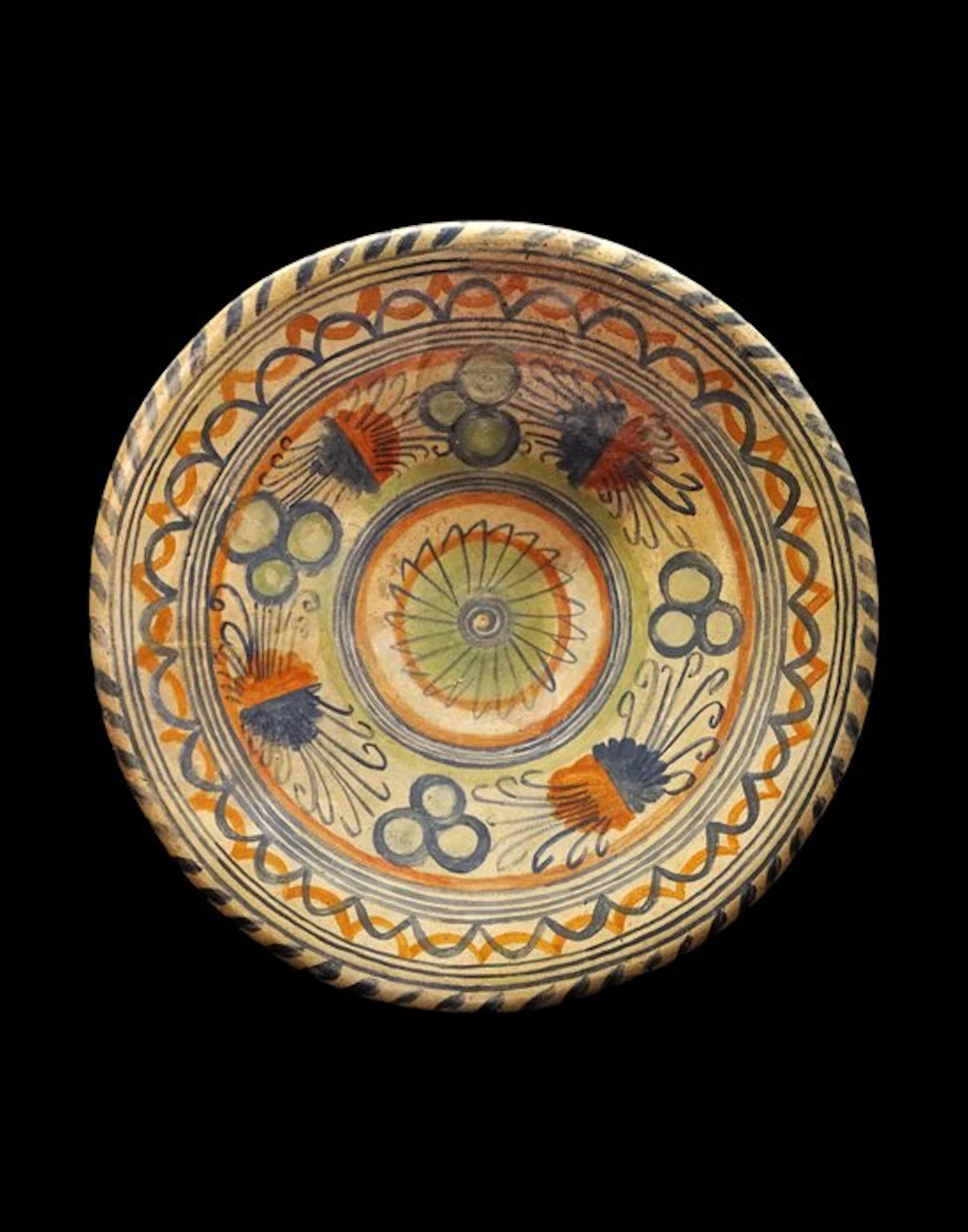
Rare enough example of Dutch majolica dish dating from about 1620. This 17th-century ceramic is complete, it was found during archaeological research. North of the Netherlands, probably manufactured in the city of Rotterdam between 1620 and 1640. Dutch majolica is one of the rarest ceramics known, especially in a state where it is complete. Dutch majolica is extremely rare to find in complete condition; most of the time parts are missing. It is estimated that only 200 pieces have been handed down through the centuries, most of which are in museum collections or foundations. This one is complete. A wonderful example of late Northern Renaissance decorative art. The plate has been professionally restored. Majolicas from this period have almost always been restored to some extent. Beautifully bright colors. Time has no influence on majolica, so it still looks fresh after 400 years. The influence is clearly visible from Italy and Flanders. For comparable examples, see the publication “Dutch Majolica & Delftware (1550-1700) from the Edwin van Drecht Collection”, pp. 30-33. Dimensions: diameter 31.2 cm - height 5.6 cm. This plate, professionally restored, is in excellent condition. In addition to the rarity of Dutch majolica, it also has a historical peculiarity: it marks a new chapter in people’s lives and a mixing of cultures. Majolica has something magical and a particular appeal that awes. This must have been how it was for people in the first half of the 16th century, when this luxury product was first introduced. This product was exotic, innovative and decorated with bright, vivid colors on a tin-glaze background, in contrast with the brown, yellow, and green lead-glazed ceramics that were common. Dutch majolica was influenced by many cultures. The main influences were Hispano-Islamic culture and the Italian Renaissance. Later, it was also influenced by Chinese porcelain imports. This example still shows influences of the Italian Renaissance. The border decoration is copied from that of Italy. But the main decoration is characteristic of Dutch majolicas. In this period (1620-1640), scenes of daily life are seen. Decorations of people, landscapes, fruits, animals, birds and flowers. In this case, floral decoration. Provenance: Netherlands, Galerie D.K.N., From an important private Dutch collection of antique ceramics The seller can prove that the lot was legally obtained, provenance declaration seen by Catawiki. Important information: The seller guarantees that he is authorized to sell/export this lot. The seller will arrange the necessary permits, such as an export license. (Cultural object passport) The seller will inform the buyer of his status if this takes more than a few days All seller’s items are shipped with insurance up to the purchase price and are accompanied by an illustrated descriptive document mentioning the provenance.
Estimate:£1,186.85
To the auctionView all items fromCatawikiorAncient Art
Estimate:
£1,186.85
OCT 8 | 3:00 PM


OCT 8 | 3:00 PM
Bring your auction to collectors worldwide!
Get listed now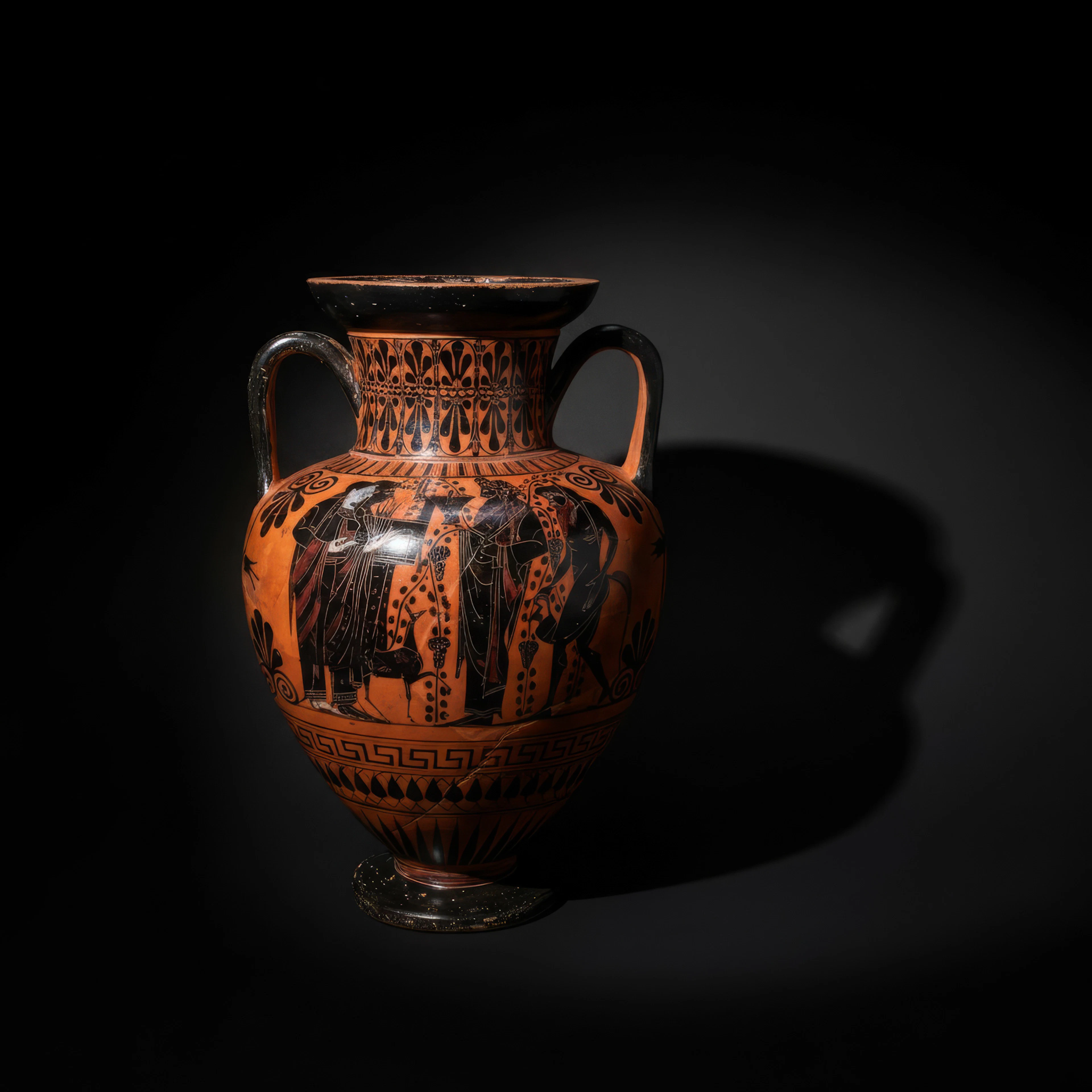
RARE ATTIC BLACK-FIGURE NECK AMPHORA ATTRIBUTED TO THE LYSIPPIDES
06/21/2026

£40,000
Est: £14,000
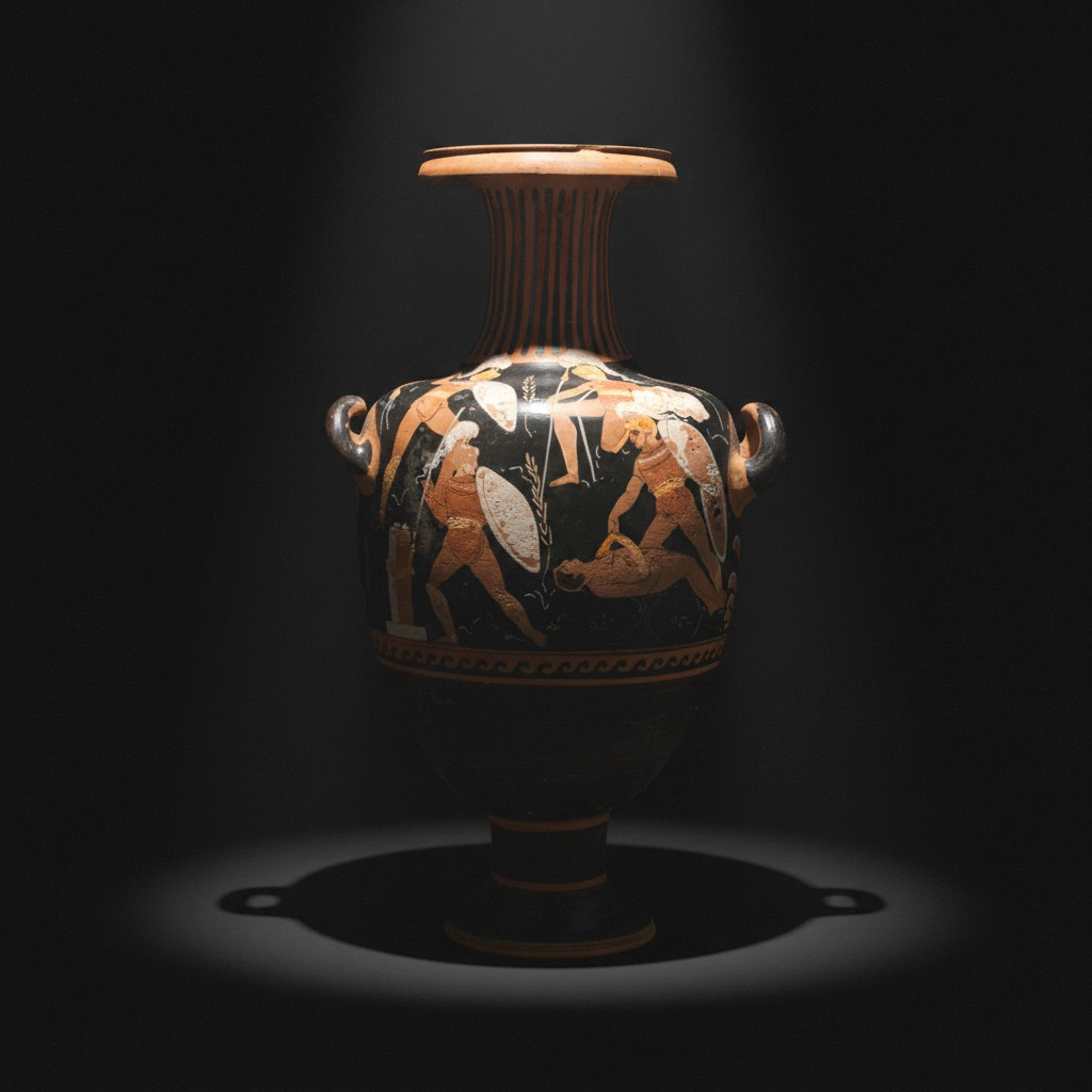
TL TESTED - LARGE GREEK APULIAN RED-FIGURE HYDRIA WITH HOPLITES COMBAT SCENE
06/21/2026
£9,000
Est: £6,000

OCT 17 | 10:00 PM