







All auctions / Coins & Banknotes / Roman Empire & Byzantine Empire

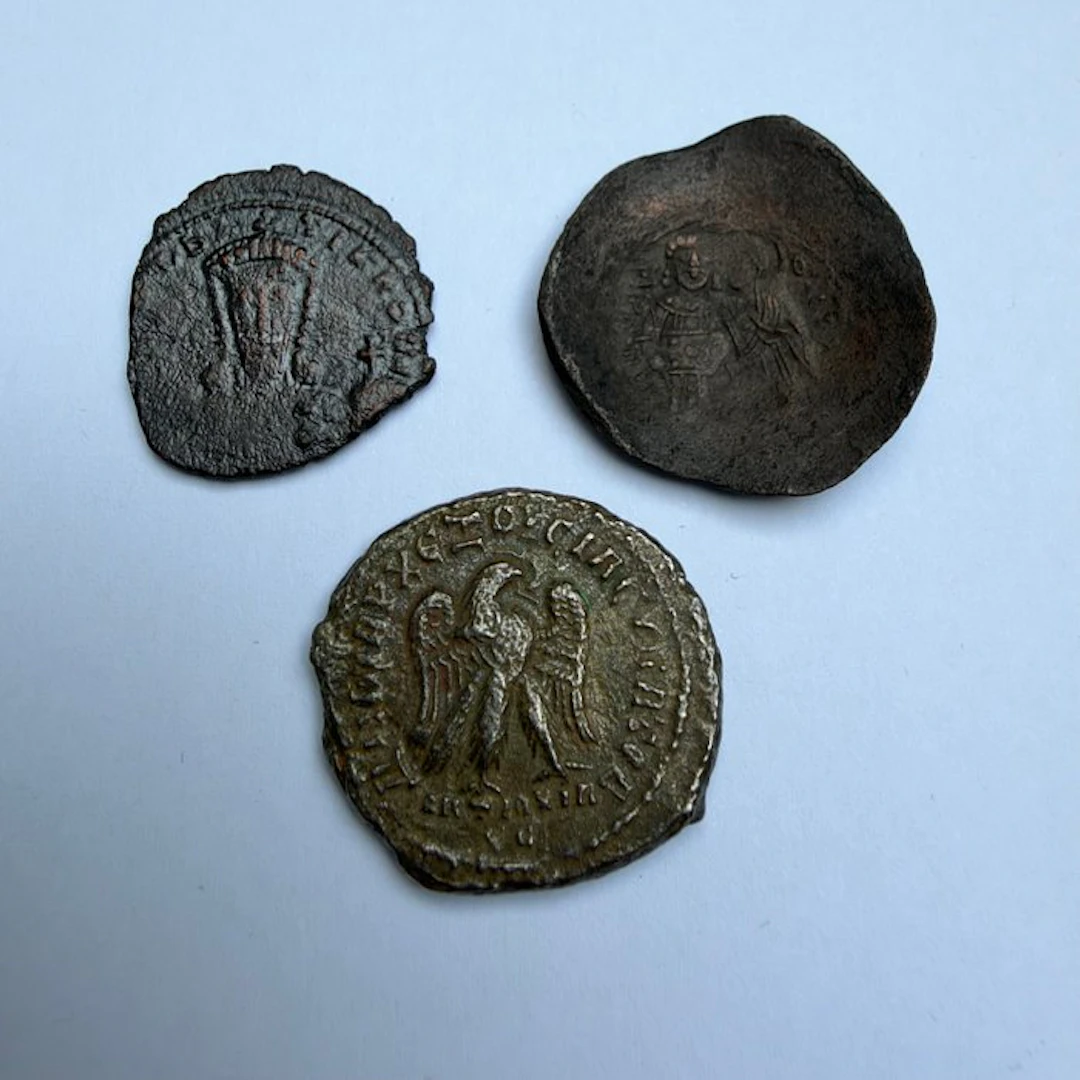
Roman Empire & Byzantine Empire – Group Lot of 3 Ancient and Medieval Coins – Philip I, Constantine VII Porphyrogenitus & Manuel I Komnenos A group lot of three ancient and medieval coins representing approximately nine centuries of Roman and Byzantine monetary history, from the Roman Empire of the third century AD to the Byzantine Empire of the twelfth century. The lot includes a Roman provincial tetradrachm from Antioch, a Byzantine bronze coin from Constantinople and a distinctive cup-shaped Byzantine billon coin from the Komnenian period. ⸻ 1. Roman Empire – Philip I (AD 244–249) – Billon Tetradrachm Emperor: Philip I (Philip the Arab), AD 244–249 Region: Roman Syria, Coele-Syria Mint: Antioch Denomination: Tetradrachm Metal: Billon Weight: 10.45 g Diameter: 27 mm Reference: Prieur 445 Obverse: Laureate, draped and cuirassed bust of Philip I facing right, surrounded by the Greek imperial legend. Reverse: Eagle standing facing, wings spread and head turned right, holding a wreath in its beak. Greek inscription surrounding the eagle, with ANTIOXIA below. Historical Context Philip I, commonly known as Philip the Arab, ruled the Roman Empire from AD 244 to 249. Born in the Roman province of Arabia, he rose through the imperial military hierarchy before becoming emperor following the death of Gordian III. His reign is particularly remembered for the magnificent celebrations marking the 1,000th anniversary of the traditional foundation of Rome in AD 248. Antioch was one of the most important cities of the Roman East, serving as a major centre of administration, commerce and provincial coin production. The eagle depicted on the reverse symbolised imperial authority and was a prominent feature of Roman provincial coinage issued in Syria. ⸻ 2. Byzantine Empire – Constantine VII Porphyrogenitus and Romanos I Lekapenos (AD 931–944) – AE Nummus Empire: Byzantine Empire Rulers: Constantine VII Porphyrogenitus and Romanos I Lekapenos Period: AD 931–944 Mint: Constantinople Denomination: AE Nummus Metal: Copper alloy Weight: 5.7 g Diameter: 23 mm Obverse: Crowned imperial figure with accompanying Byzantine inscriptions. Reverse: Byzantine imperial design with Greek inscriptions, reflecting the monetary traditions of Constantinople during the tenth century. Historical Context Constantine VII Porphyrogenitus was one of the most intellectually influential Byzantine emperors. Born into the Macedonian dynasty, he became known for his scholarly interests and for commissioning important works documenting Byzantine administration, diplomacy and court ceremonies. His reign overlapped with that of Romanos I Lekapenos, who became senior emperor in AD 920 and exercised substantial political authority until his deposition in 944. The period was characterised by diplomatic relations with neighbouring powers, military campaigns along the empire’s frontiers and the continued cultural importance of Constantinople. Byzantine bronze coinage served as an important medium of everyday exchange throughout the empire and provides valuable evidence of imperial authority and economic activity. ⸻ 3. Byzantine Empire – Manuel I Komnenos (AD 1143–1180) – Billon Aspron Trachy Empire: Byzantine Empire Emperor: Manuel I Komnenos (AD 1143–1180) Mint: Constantinople Denomination: Aspron Trachy Metal: Billon Weight: 3.34 g Diameter: 27.5 mm Reference: DOC IV.1, 13; BCV 1966 Obverse: Christ seated facing, holding the Gospels, with the inscription IC XC. Reverse: Manuel I Komnenos standing facing, holding the globus cruciger, with accompanying Byzantine inscriptions including MP ΘV and MANOVHA ΔЄCΠOT. Historical Context Manuel I Komnenos ruled the Byzantine Empire from AD 1143 to 1180 and was one of the most important emperors of the Komnenian dynasty. His reign was marked by ambitious military campaigns, extensive diplomatic activity and close interactions with the Latin West, particularly during the period of the Second Crusade. Manuel sought to restore Byzantine influence throughout the Mediterranean and maintained political relationships with the Crusader States, the Kingdom of Hungary and various Italian maritime republics. The Aspron Trachy is characteristic of Byzantine coinage during the Komnenian period. Its distinctive concave, or cup-shaped, form became a defining feature of Byzantine monetary production during the eleventh and twelfth centuries. The religious imagery, depicting Christ and the reigning emperor, reflects the close relationship between Christianity and imperial authority in Byzantine political ideology. ⸻ Historical Significance of the Group Together, these three coins illustrate the transformation of the Roman world across approximately nine centuries. Beginning with the Roman provincial monetary system of the third century, continuing through the Byzantine Empire of the tenth century and concluding with the Komnenian period of the twelfth century, the group represents different stages in the political, religious and monetary development of the eastern Mediterranean. The coins also demonstrate the evolution of imperial imagery, from classical Roman portraiture and traditional imperial symbols to the explicitly Christian iconography of medieval Byzantium. The lot consists of all three coins pictured, accompanied by their individual identification holders. Please see the photographs for your own impression. Shipping All items are shipped with Track & Trace and will be carefully and securely packaged to ensure safe delivery. Please note: Due to the current tariffs, shipping to the United States is temporarily unavailable.
Estimate:£0.83
To the auctionView all items fromCatawikiorCoins & Banknotes
Estimate:
£0.83
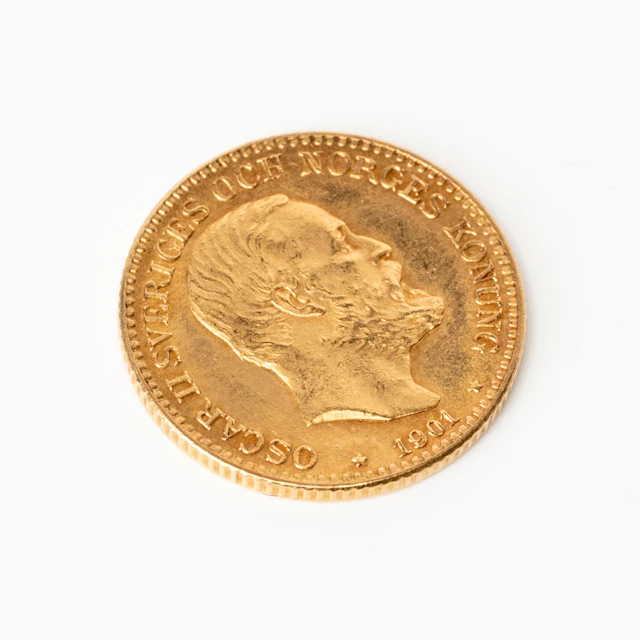
GULDMYNT, Oscar II, 10 kronor 21,6 k guld, 1901.
10/23/2026
£376.41
Est: £414.16
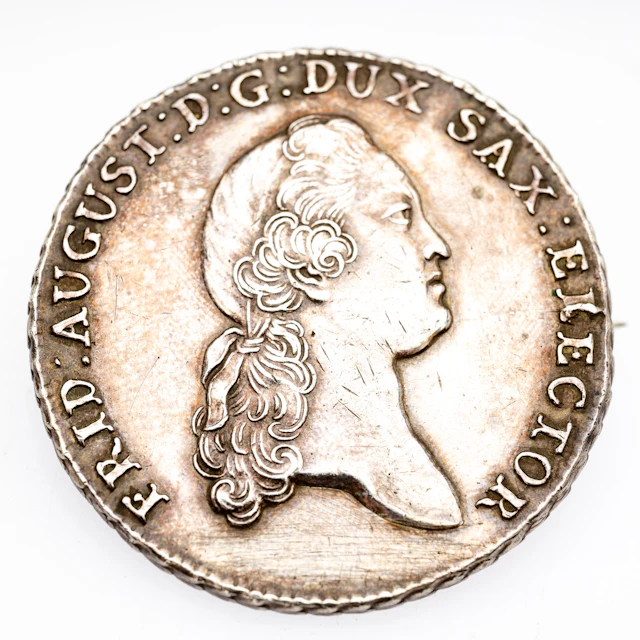
1 Thaler-Frederick August III, Kurfürstentum Sachsen, 1774.
10/22/2026
£50.25
Est: £126.72


OCT 27 | 4:00 PM
Bring your auction to collectors worldwide!
Get listed nowBy subscribing, you are agreeing to the privacy policy. Unsubscribe anytime.
Barnebys HQ
Brahegatan 10
BOX 5038
114 37 Stockholm
