



OCT 17 | 10:00 PM

All auctions / Photographs / Sebastian Bieniek - Doublefaced No. 10 (8/9)

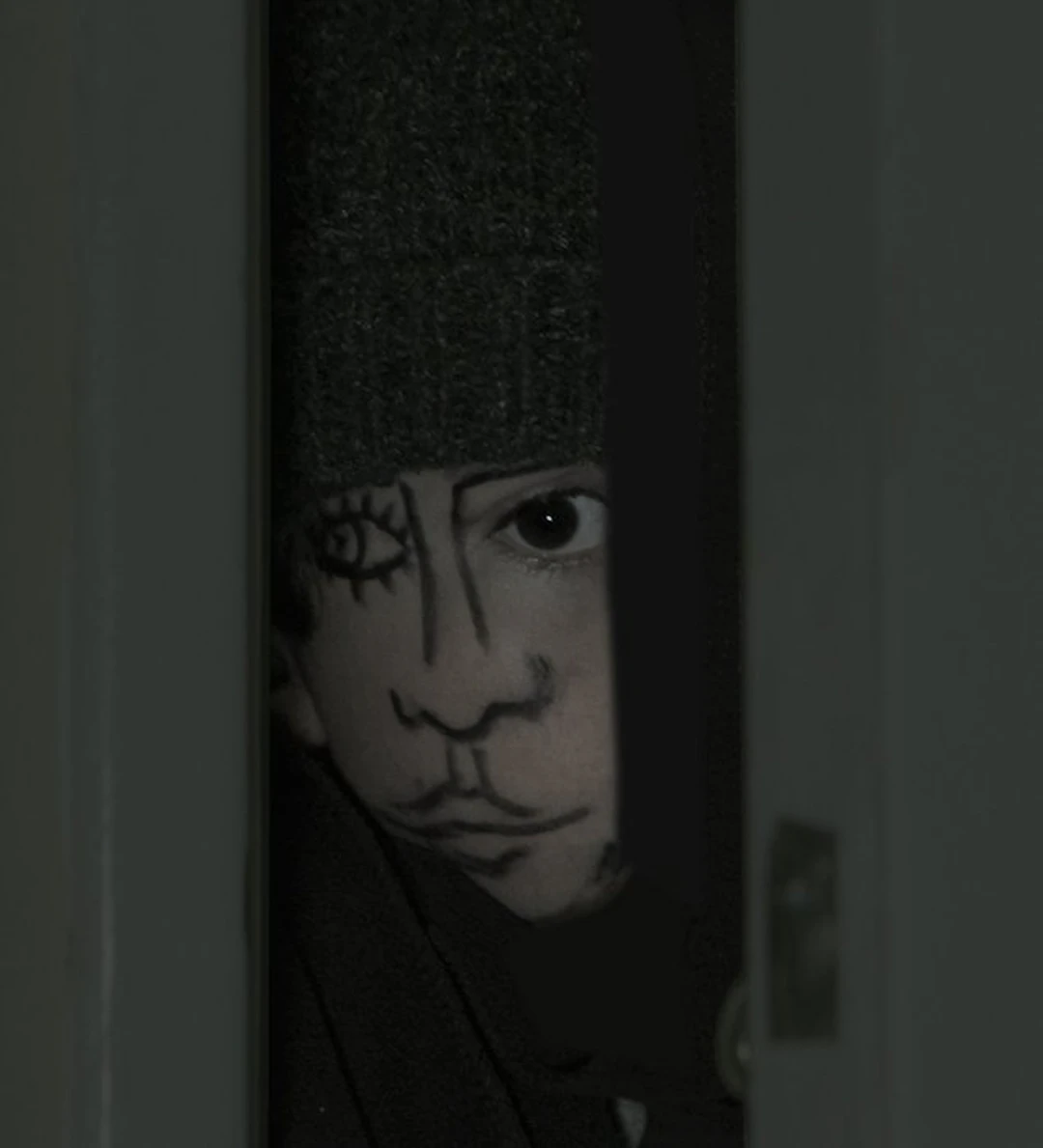
Sebastian Bieniek (born 1975 in Poland) is famous for works in the context of duality and ambivalence which have gone viral several times since 2013 and have been published by the largest magazines around the world. According to Spanish VOGUE Magazine, even Madonna asked him in 2016 to make her new album cover, but the eccentric artist, as so often, refused and preferred to stay to himself. For sale: Original photography (high-quality fine art print) from the Doublefaced series (from 2013) by Sebastian Bieniek. There are only 9 individually numbered and signed originals of this work (Doublefaced No. 10). Here is offered the 8/9 edition. Most originals are in important collections worldwide. These include the USA, Switzerland, Italy, the Netherlands, Austria, Germany, Spain, the Kingdom of Bahrain, the United Kingdom, Japan, and Hong Kong. This work is being sold as the penultimate one remaining directly from the artist. The auction winner will also receive a certificate of authenticity made out in the artist’s name. Details about the artwork: - Title: Doublefaced No. 10 (8/9) - Year: 2013 - Size: 57.5 x 44 cm. (There is a 4 cm wide white border around the photo. The measurements include the white border) - Medium: the work is a photograph (unmounted and unframed) - Paper: Baryta Canson - Creation method: C-Print - Signed: at the bottom left in red felt-tip pen, signed, titled, dated, and stamped Condition of the photograph: very good (undamaged) Shipping: Photo will be shipped rolled. About the Doublefaced Series: The Doublefaced photo series by Berlin-based artist Sebastian Bieniek is indisputably one of the most important and influential photo series of the Internet era. It is the perfect example of contemporary art that not only understands the modern zeitgeist but reflects it in its purest form. In an era characterized by digital self-portrayal, constant reinvention of the ego, and the fragmentation of one’s identity on social media, Bieniek’s works tapped into a nervous core of society. His works captured the deep human need to be simultaneously masked and visible in the digital noise, making the duality of our modern existence visually tangible. The minimalist yet deeply disturbing concept – two faces drawn on the cheeks of models with eyeliner and lipstick – spread virally in the 2010s and left a lasting mark on global pop culture and fashion. The extent to which this artistic impulse struck the pulse of the times is shown by its enormous influence on world-renowned icons. For instance, the “Queen of Pop” Madonna was so captivated by the hypnotic imagery that she selected a photo from the series for the cover of her album Madame X. The concept also left deep traces in music and pop culture: in Pharrell Williams’ official music video for Marilyn Monroe, the iconic idea of the two-faced illusion was copied and presented to millions. Perhaps the most spectacular bridge between avant-garde body art and the high-fashion world was forged on the runways of the French capital. The fashion designer Simon Porte Jacquemus recognized the zeitgeist potential of the works and, in direct collaboration with and with Sebastian Bieniek, brought the look to Paris Fashion Week. The Bieniek-inspired collection shocked the fashion world and helped Jacquemus win the prestigious, €150,000 LVMH Special Jury Prize. Through this symbiosis of Internet phenomenon, pop culture, and haute couture, the Doublefaced series demonstrated impressively how traditional art can push the boundaries of the analog and become the universal visual language of an entire generation. About the artist: The German conceptual artist, painter, and photographer Sebastian Bieniek (born 1975) is regarded as one of the most radical boundary-pushers in contemporary art. His entire body of work has been a permanent, provocative dance on the razor-thin line between reality and illusion. Born in Upper Silesia, Bieniek came to Germany in 1989 as a late repatriate and began his artistic path at the Braunschweig University of Fine Arts. There he studied Free Art under extremely opposing influences: the world-famous performance pioneer Marina Abramović and the Swiss conceptual artist John M. Armleder. Later he moved to the Berlin University of the Arts, where he completed his studies as a master student, while simultaneously pursuing directing studies at the German Film and Television Academy Berlin. His career began in the late 1990s at the legendary Berlin Art House Tacheles, from which he quickly developed into a fixed figure. In 2013 he achieved his international breakthrough with the viral Doublefaced photo series, after which renowned magazines crowned him one of the most influential artists in Berlin. Early in his career, Bieniek stood out with actions that deeply unsettled the audience and the traditional art world. Inspired by the bodily boundary experiences of his mentor Abramović, he used his own body as material and, in an early work, cut a new wound in his arm daily for days to document impermanence physically. Alongside these painful processes, he staged disturbing social experiments in public spaces by laying long stretches of barrier tape without permission to seal off subway entrances or squares in Berlin. This demonstrated how blindly people obey visual and state authority. With his 2011 book Realfake, he extended these experiments to the digital space: by creating dozens of fake profiles, he manipulated algorithms, media, and public perception—long before the phenomenon of “Alternative Facts” reached world politics. The ultimate and most radical culmination of this interdisciplinary work was the staging of his own death as a final art performance. Bieniek, who had always dissected the mechanisms of media impact, digital identity, and deception, extended this principle to the ultimate boundary of human existence. He forged and orchestrated reports about his own passing and accompanied this with conceptual video messages like his Apology for being dead, which left the art world and the public in a state of shock. With this act he pushed the boundaries of interdisciplinarity further than any artist before him. He no longer used only canvas, camera, or the living body, but elevated total disappearance, the play with the afterlife, and the ensuing media hysteria to the actual artwork. Bieniek thereby conclusively proved that in the age of digital networks even the boundary between life and death is manipulable, shapeable, and ultimately part of a hyperreal staging.
Estimate:£1,525
To the auctionView all items fromCatawikiorPhotographs
Estimate:
£1,525
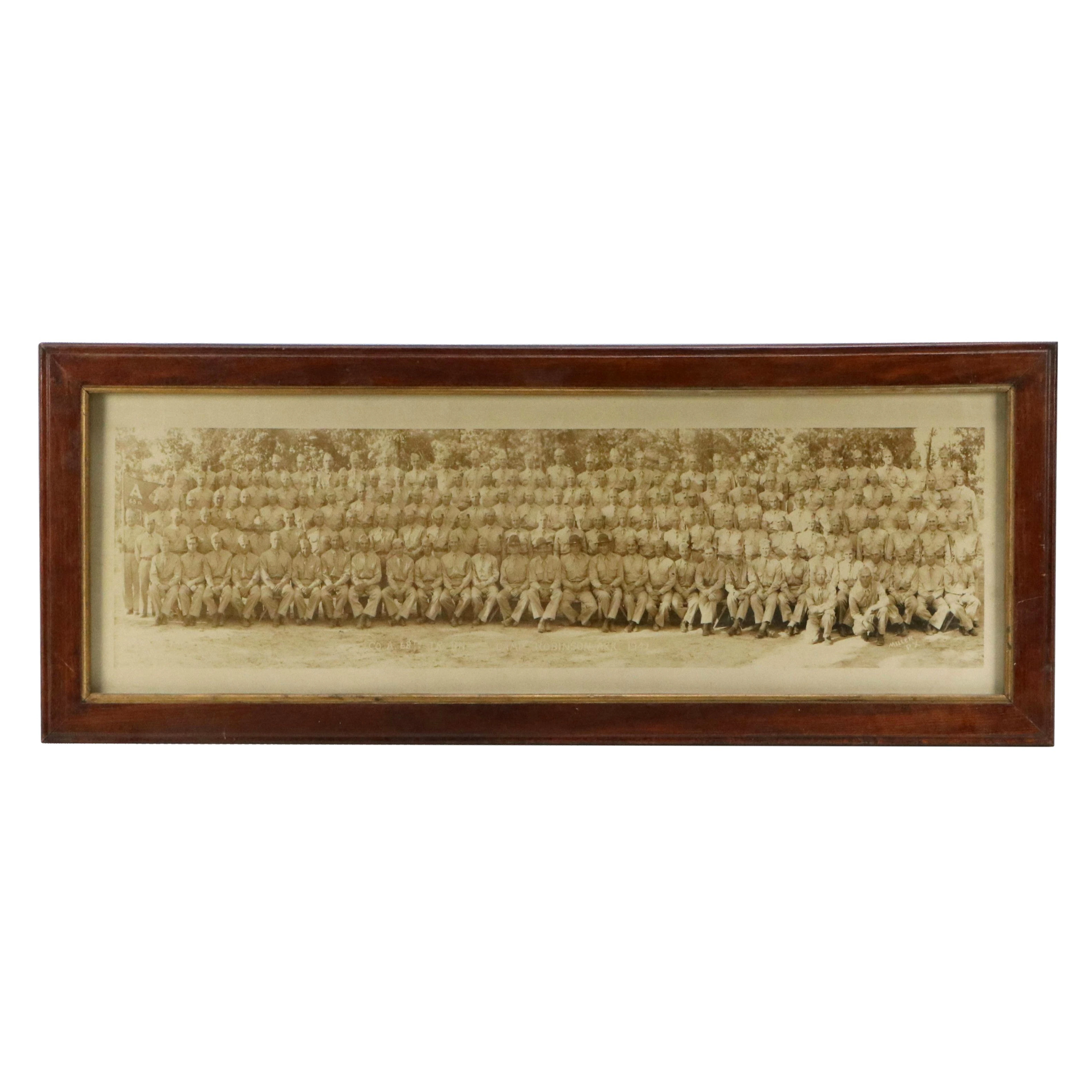
United States Infantry Silver Gelatin Photograph "Camp Robinson, ARK," 1949
10/04/2026
£37.82
Est: £2.26
OCT 17 | 10:00 PM


Bring your auction to collectors worldwide!
Get listed nowBy subscribing, you are agreeing to the privacy policy. Unsubscribe anytime.
Barnebys HQ
Brahegatan 10
BOX 5038
114 37 Stockholm
