
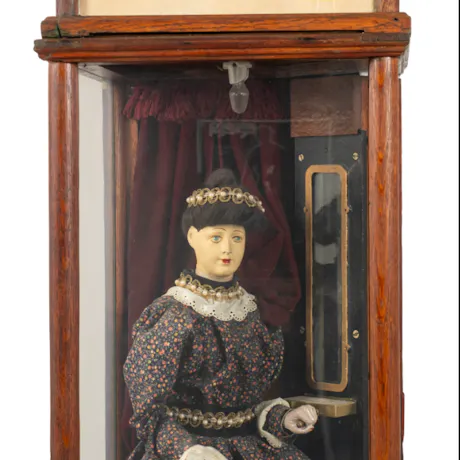

OCT 17 | 10:00 PM

Bring your auction to collectors worldwide!
Get listed nowBy subscribing, you are agreeing to the privacy policy. Unsubscribe anytime.
Barnebys HQ
Brahegatan 10
BOX 5038
114 37 Stockholm
All auctions / Books, Maps & Manuscripts / Spolverini - Del Baco da Seta - 1756

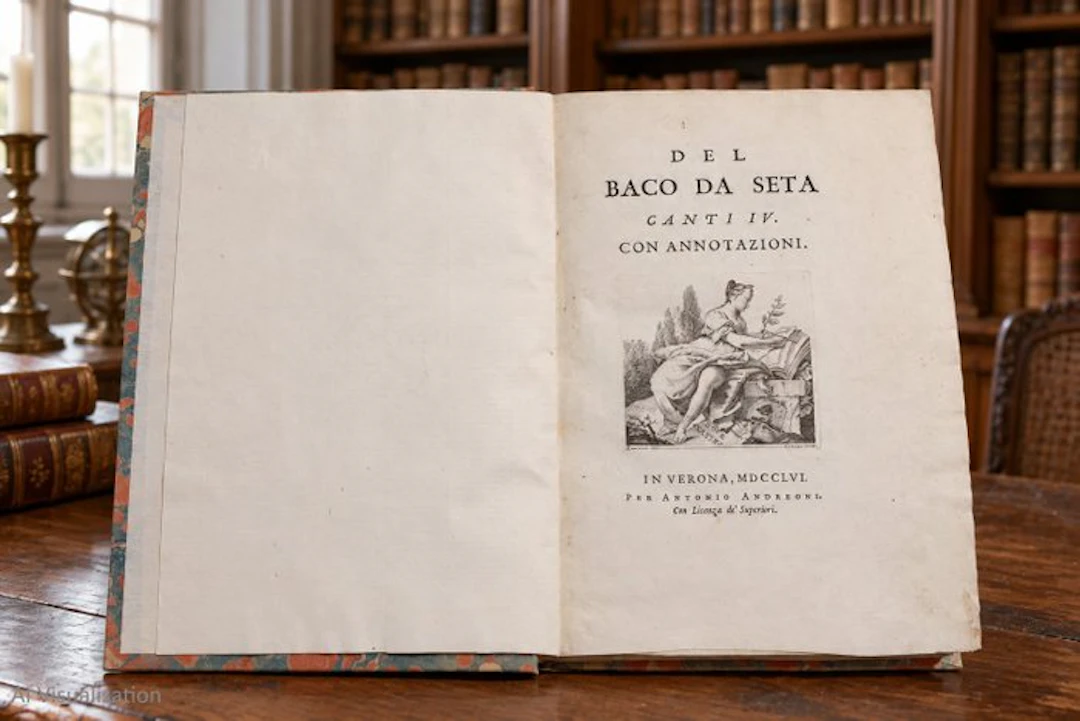
THE SILKWORM: BETWEEN SCIENCE, AGRICULTURE, AND ILLUMINIST LITERATURE A famous didactic poem by Giambattista Spolverini dedicated to silkworm cultivation, a work that unites poetry, naturalistic observation, and agronomic knowledge. The text elegantly describes the silkworm’s life cycle, the care of mulberries, breeding techniques, and the stages of silk production. The work belongs to the tradition of eighteenth-century scientific poems in which technical knowledge is transmitted through poetic form. Enriched by important explanatory annotations of a scientific and historical nature, it represents a fundamental testimony of the Veneto agrarian culture of the eighteenth century. WHY TO BUY SCIENTIFIC WORK IN VERSES – A rare example of an eighteenth-century didactic poem that transforms a technical-agricultural theme into high literature. SERICULTURE AND ECONOMIC HISTORY – A document of great interest for the study of silk production, a fundamental activity in Italian and European economy. GIAMBATTISTA SPOLVERINI – The main work of one of the most important Italian scientific poets of the eighteenth century, also appreciated by contemporary scholars and literary figures. MARKET VALUE Editions of Il baco da seta by Giambattista Spolverini are sought on the international antiquarian market for their interdisciplinary interest: Italian literature, history of science, agriculture, and economic history. Complete and well-preserved copies can fetch roughly €200–€400, with higher quotations for copies with illustrious provenance, handsome bindings, or particular bibliographic features. PHYSICAL DESCRIPTION AND CONDITION Contemporary binding in polychrome marbled cardboard, with a plain spine. Frontispiece engraved with a figurative vignette; there are decorated initials and typographic decorations. Pages with slight uniform browning, some light traces of time and marginal signs of use. Binding shows wear at the edges and corners. In old books with a long plurisecular history, a few imperfections may be present, not always noted in the description. Pp.: (2); 8 nn; 214; (2). FULL TITLE AND AUTHOR Del Baco da Seta. In Verona, Per Antonio Andreoni, 1756. Giambattista Spolverini. CONTEXT AND SIGNIFICANCE Giambattista Spolverini composed Il baco da seta in the context of the great eighteenth-century era of didactic poems, a genre in which scientific and practical topics were presented through the language of poetry. The work sits within the tradition inaugurated by the classical Georgic poems, especially Virgil’s Georgics, adapting it to the needs of modern agriculture. Silk represented in the eighteenth century one of the main economic resources of northern Italy, especially in the Veneto and Lombardy regions. The poem describes with precision the silkworm cycle, from birth to cocoon formation, offering information on agricultural practices and the era’s naturalistic knowledge. The annotations added by the author broaden the poetic content with technical explanations, references to contemporary scholars, and observations on the insect’s nature, transforming the volume into a genuine scientific treatise in literary form. BRIEF BIOGRAPHY OF THE AUTHOR Giambattista Spolverini (Verona, 1695–1762) was a poet, a man of letters, and a scholar of agronomy. Born into a noble Verona family, he dedicated himself to classical and scientific studies, participating in the Italian Enlightenment cultural milieu. His fame lies chiefly in Il baco da seta, regarded as one of the most significant Italian didactic poems of the eighteenth century. His work was appreciated for the balance between poetic elegance and scientific precision, a characteristic that brings him closer to European authors engaged in disseminating science through literature. PRINTING HISTORY AND CIRCULATION The work enjoyed considerable diffusion among Italian agricultural and literary circles and was subsequently reprinted several times during the eighteenth and nineteenth centuries. The poem’s fortune arose from its ability to combine practical utility and aesthetic value: on one hand a poetic manual on sericulture, on the other a refined example of eighteenth-century scientific culture. BIBLIOGRAPHY AND REFERENCES ICCU / SBN – Catalog of the National Library Service, record of eighteenth-century editions of Giambattista Spolverini. EDIT16 / Italian historical catalogs – repertoires of Italian typographic production. USTC – Universal Short Title Catalogue, census of old European editions. CERL – Consortium of European Research Libraries, database of European historical collections. WorldCat – International catalog of libraries. Gamba, Bartolomeo, Serie dei testi di lingua e di altre opere importanti nella lingua italiana. Melzi, Gaetano, Dizionario di opere anonime e pseudonime di scrittori italiani. Cicognara, Leopoldo, Catalogo ragionato dei libri d’arte e d’antichità. Repertori della letteratura italiana del Settecento e studi sulla poesia didascalica italiana.
Estimate:£127.16
To the auctionView all items fromCatawikiorBooks, Maps & Manuscripts
Estimate:
£127.16
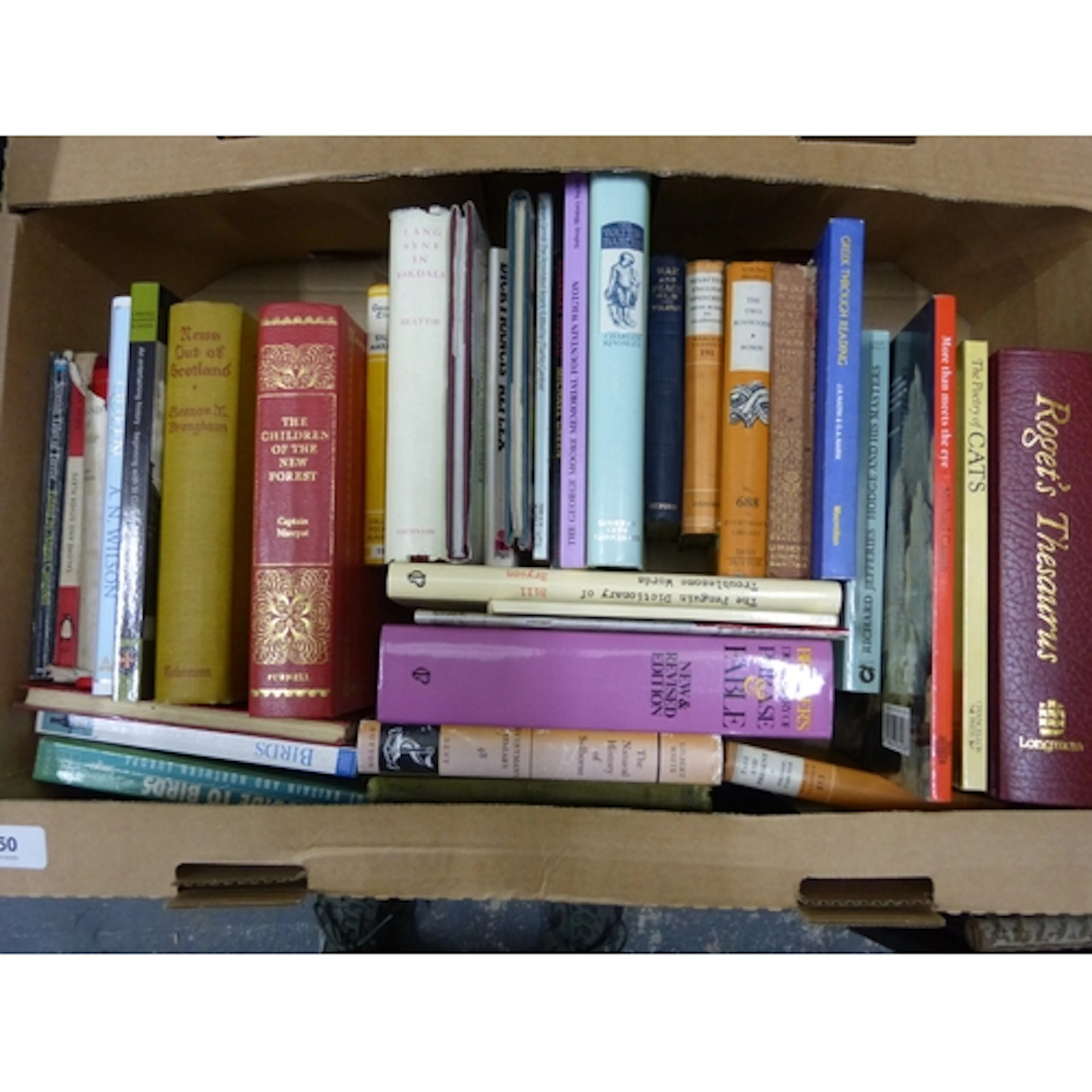
OCT 17 | 10:00 PM


Bring your auction to collectors worldwide!
Get listed now
£4,261.17
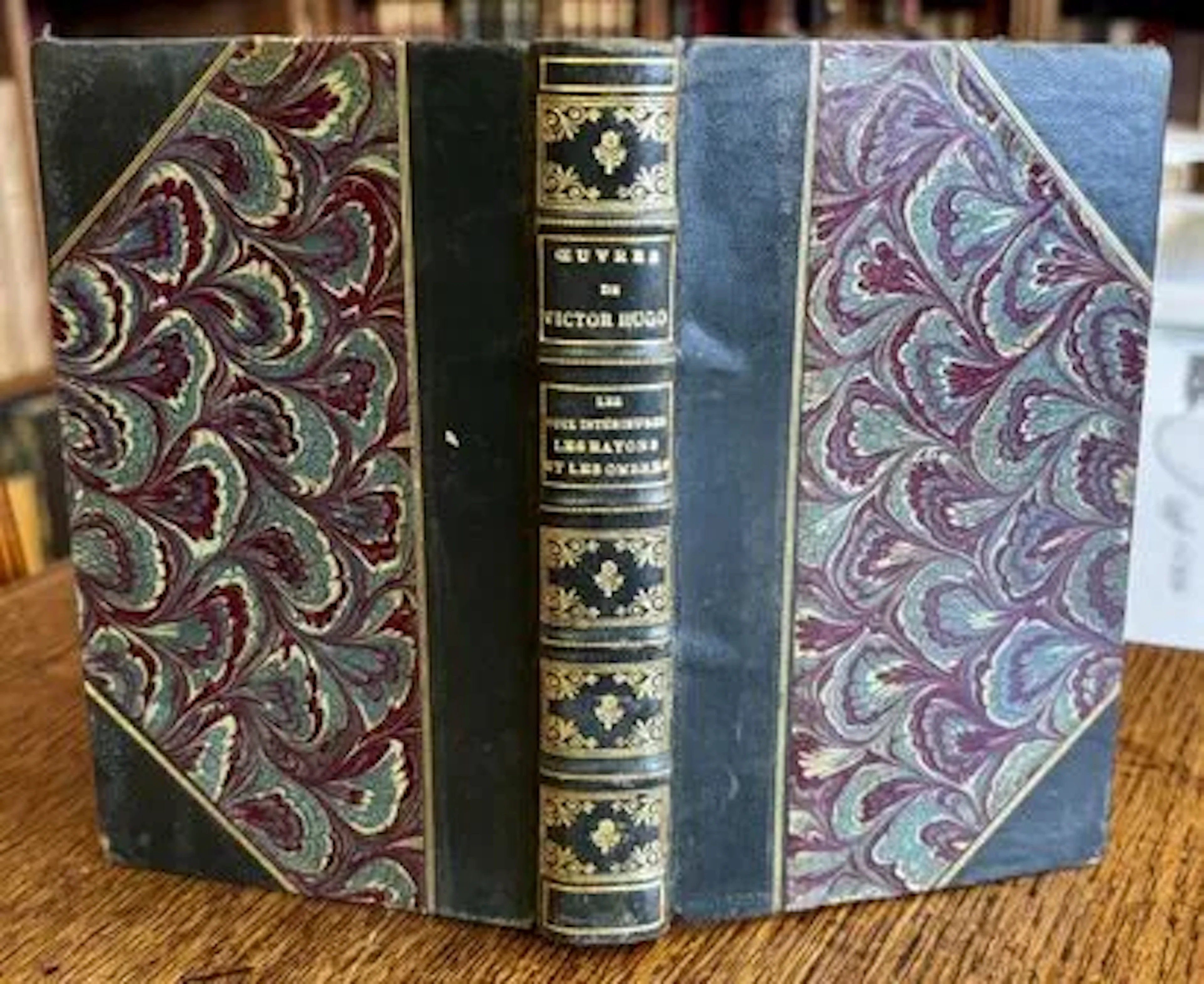
HUGO (Victor). *Les Voix intérieures*. *Les Rayons et les Om - Lot 140
10/04/2026
£9.33
Est: £51.01
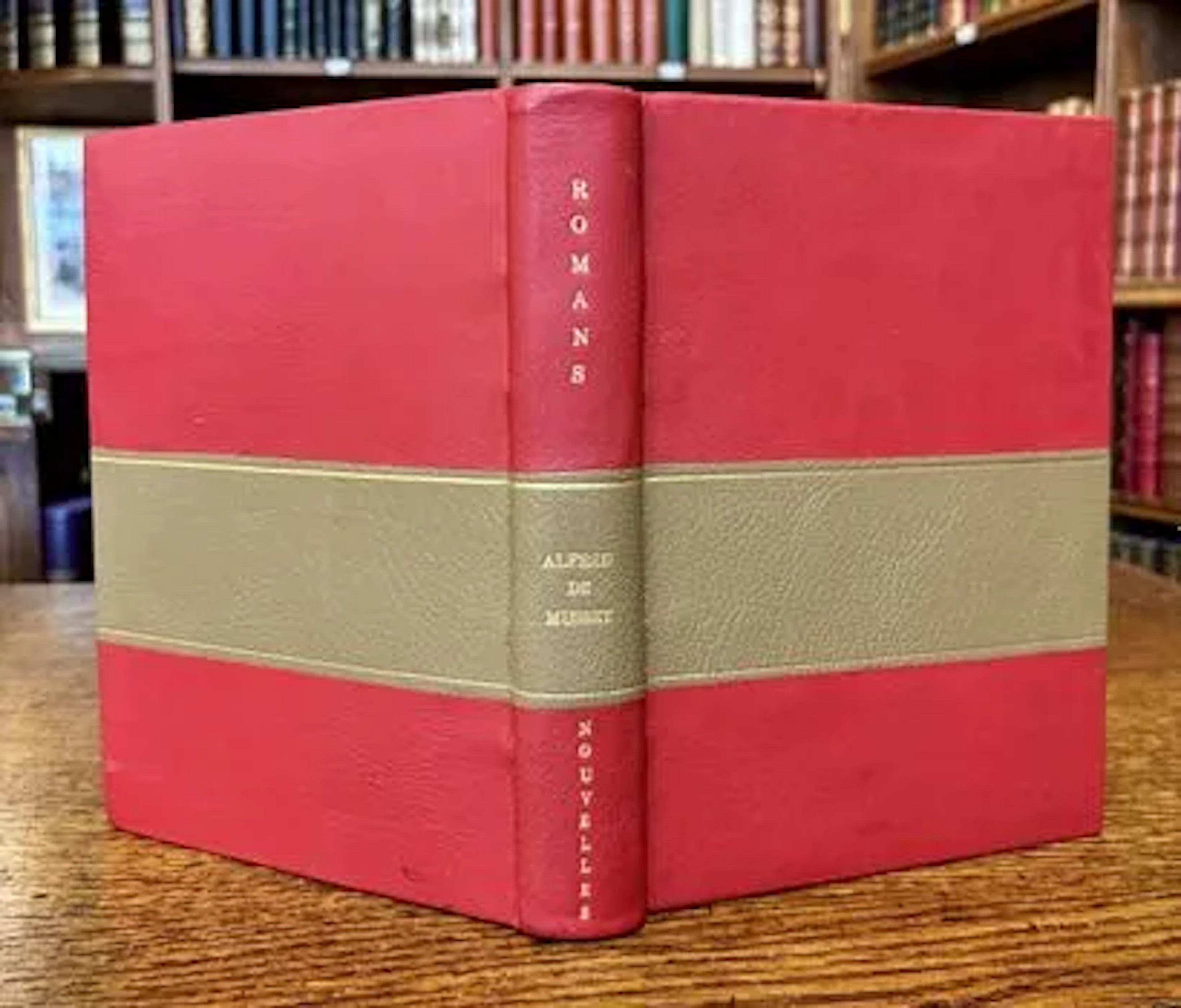
MUSSET (Alfred de) — Novels & Short Stories — Illustrati - Lot 215
10/04/2026
£10.18
Est: £68.01
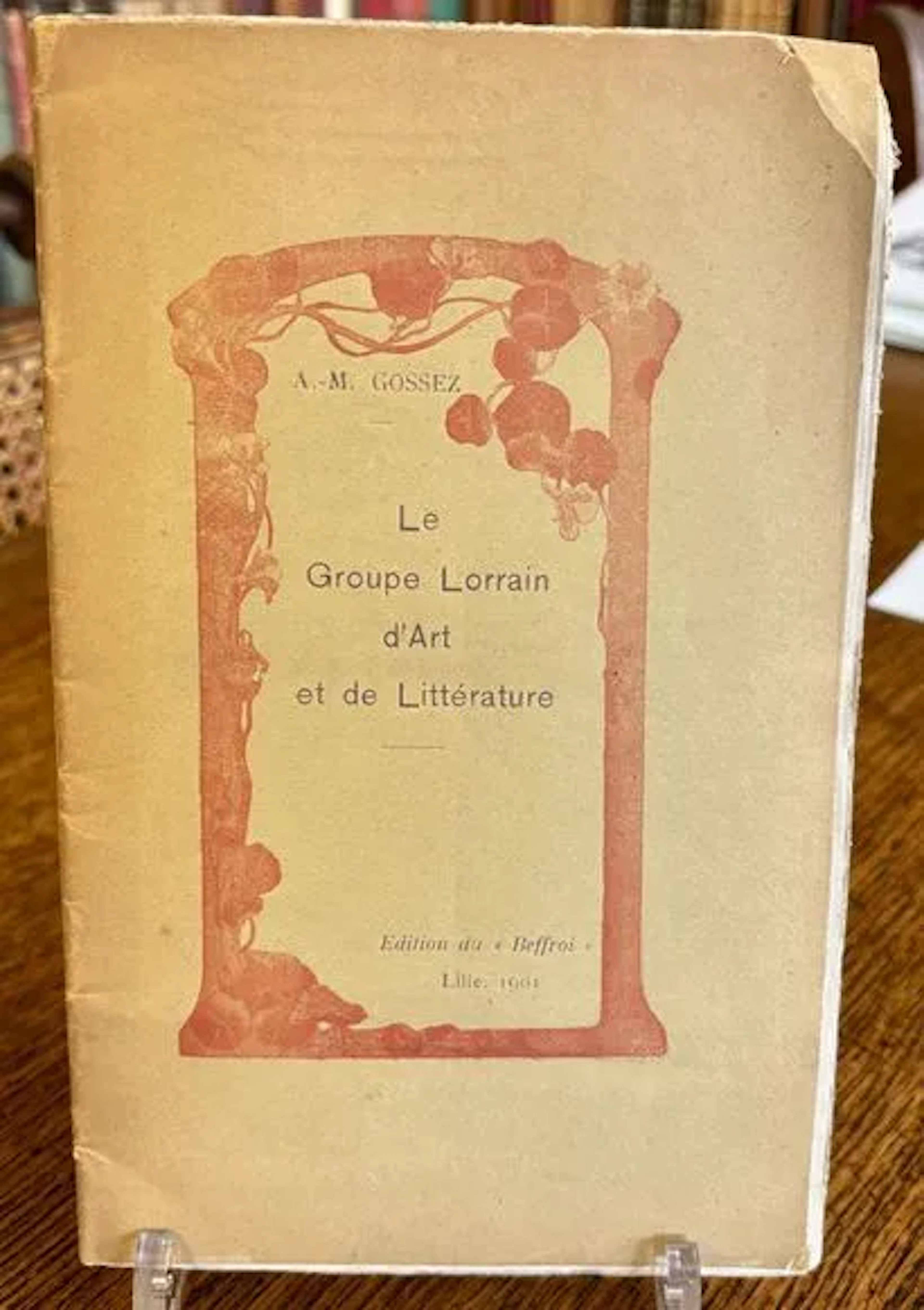
GOSSEZ (A.-M.). The Lorraine Group for Art and Literature. L - Lot 121
10/04/2026
£76.36
Est: £102.02