







Bring your auction to collectors worldwide!
Get listed nowBy subscribing, you are agreeing to the privacy policy. Unsubscribe anytime.
Barnebys HQ
Brahegatan 10
BOX 5038
114 37 Stockholm
All auctions / Ethnographical / stage of a fossil deer - Fossil fragment - megaloceros giganteus -

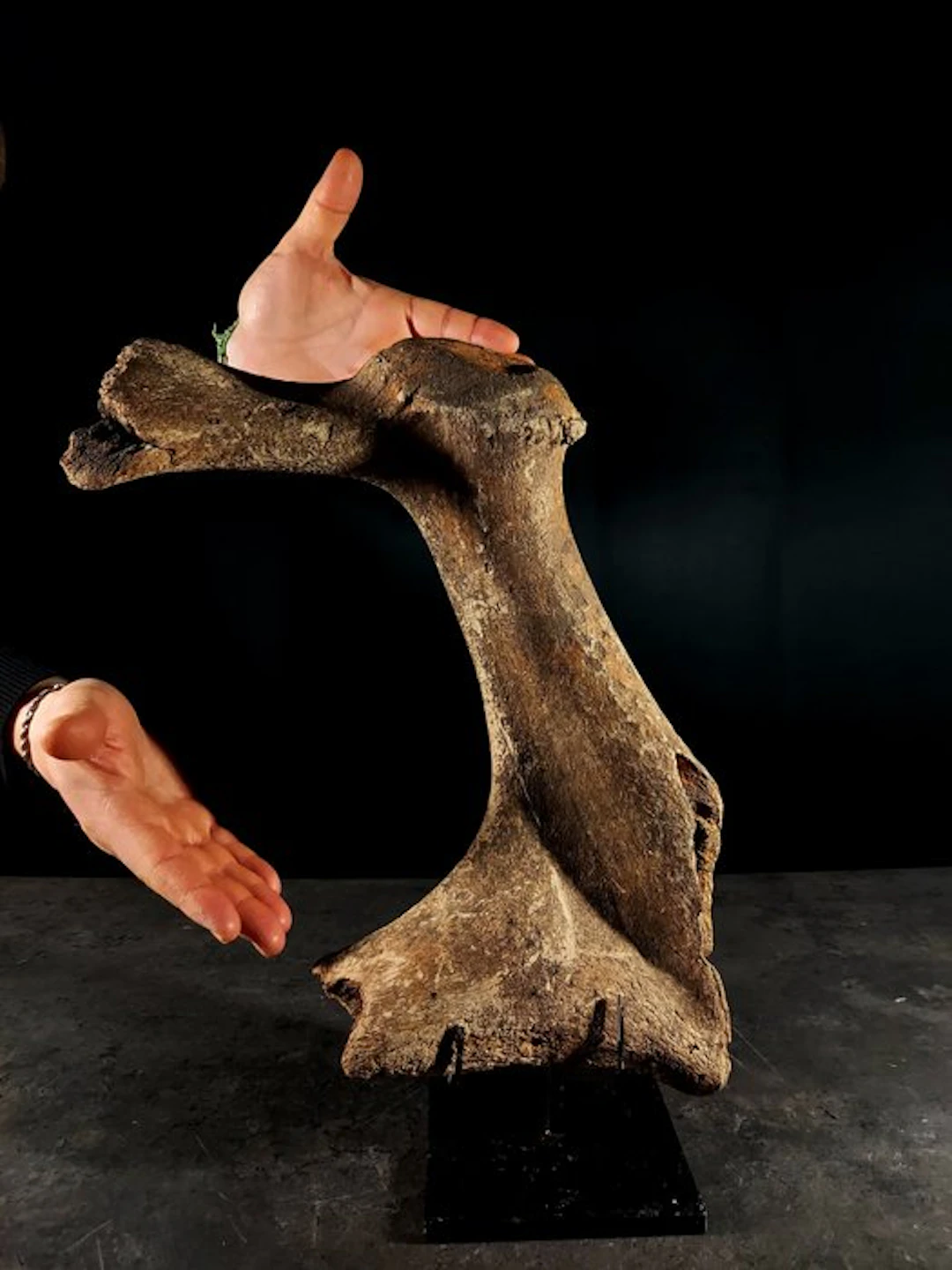
Il megalocero (Megaloceros giganteus), noto anche come cervo gigante era un imponente cervide estinto vissuto in Eurasia e Nord Africa durante il Pleistocene e l'Olocene (circa 400.000 - 8.000 anni fa). The Megaloceros (Megaloceros giganteus), also known as the giant deer, was an imposing extinct cervid that lived in Eurasia and North Africa during the Pleistocene and Holocene (about 400,000 – 8,000 years ago). Il nome Megaloceros in greco antico significa "dalle corna giganti". The name Megaloceros in Ancient Greek means "from the giant horns". Ed infatti la caratteristica distintiva di questi enormi animali, in gradi di raggiungere anche i 2 metri al garrese, erano i palchi, che potevano raggiungere un'ampiezza impressionante di 3,5 metri e pesare fino a 90 kg. And indeed the distinctive feature of these enormous animals, capable of reaching up to 2 meters at the withers, were their antlers, which could span up to 3.5 meters and weigh as much as 90 kg. Contrariamente ad alcune teorie passate, i palchi non erano un "errore evolutivo" che ne causò l'estinzione, ma erano il risultato della selezione sessuale, utilizzati dai maschi nelle lotte ritualizzate per dominare sui rivali e attrarre le femmine. La loro crescita annuale richiedeva un enorme dispendio energetico e l'assunzione di grandi quantità di calcio. Contrary to some past theories, the antlers were not an "evolutionary mistake" that caused their extinction, but the result of sexual selection, used by the males in ritualized battles to dominate rivals and attract females. Their annual growth required enormous energy expenditure and the intake of large quantities of calcium. Prediligeva ambienti aperti, come praterie e boschi aperti, ed era diffuso in un'ampia area geografica, non solo in Irlanda, dove sono stati trovati molti dei suoi resti fossili nelle torbiere. It preferred open environments, such as prairies and open woodlands, and was widespread over a broad geographic area, not only in Ireland, where many of its fossil remains have been found in peat bogs. Si estinse a causa dei rapidi cambiamenti climatici alla fine dell'ultima era glaciale. La progressiva diffusione delle foreste a scapito degli spazi aperti e la scarsità di piante ricche di calcio resero difficile sostenere la crescita di palchi così grandi, portando quindi, alla sua scomparsa. It went extinct due to the rapid climatic changes at the end of the last Ice Age. The progressive spread of forests at the expense of open spaces and the scarcity of calcium-rich plants made it difficult to sustain the growth of such large antlers, thus leading to its disappearance. Il nostro lotto vede protagonista un importante frammento di palco avente come base proprio il punto in cui dal capo dell'animale iniziava a diramarsi e mostra tutta la struttura interna. Our lot features an important fragment of antler with the base exactly where from the animal's head it began to branch and it shows the entire internal structure. Lotto estremamente particolare, ricco di fascino e mistero, per veri appassionati di ricercatezze. An extremely distinctive lot, rich in charm and mystery, for true enthusiasts of rare finds. Piedistallo non incluso realizzato con materiale di recupero ed utilizzato a soli fini fotografici. Pedestal not included; made from reclaimed material and used for photographic purposes only. Buona asta. Happy bidding.
Estimate:£343.18
To the auctionView all items fromCatawikiorEthnographical
Estimate:
£343.18
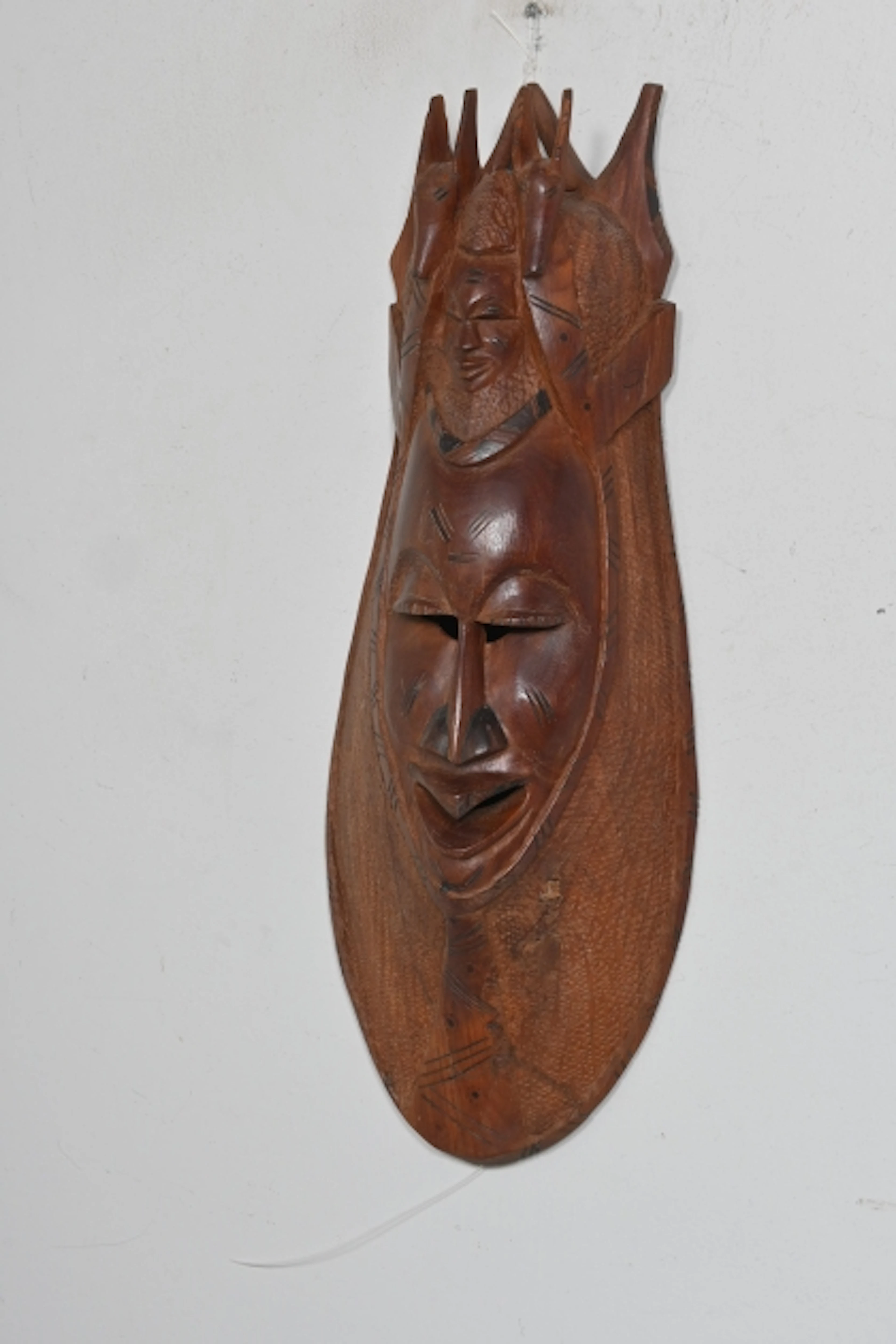

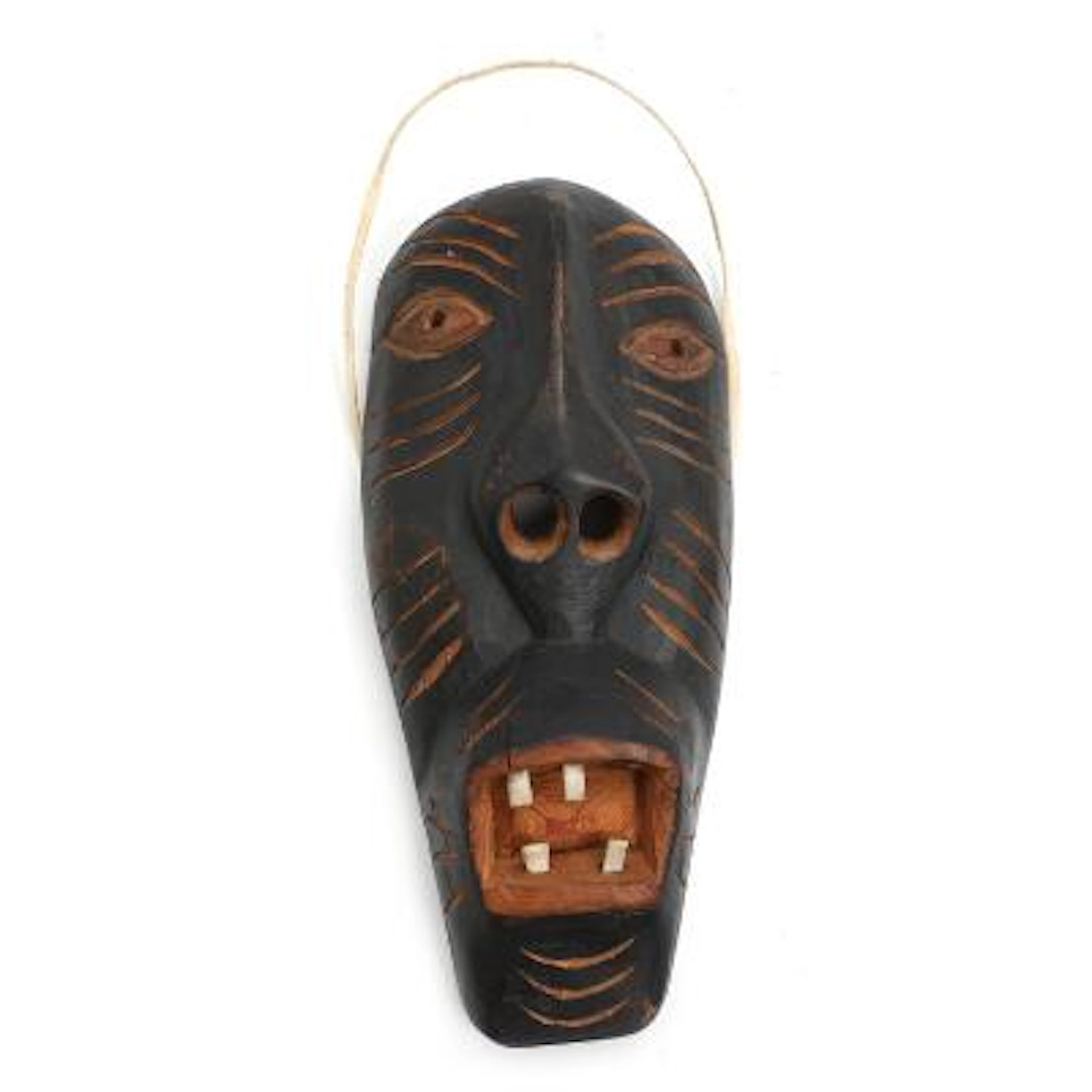
East Greenlandic mask of driftwood with strap of seal skin. Tasiilaq.
09/28/2026

£412.41
Est: £413.98
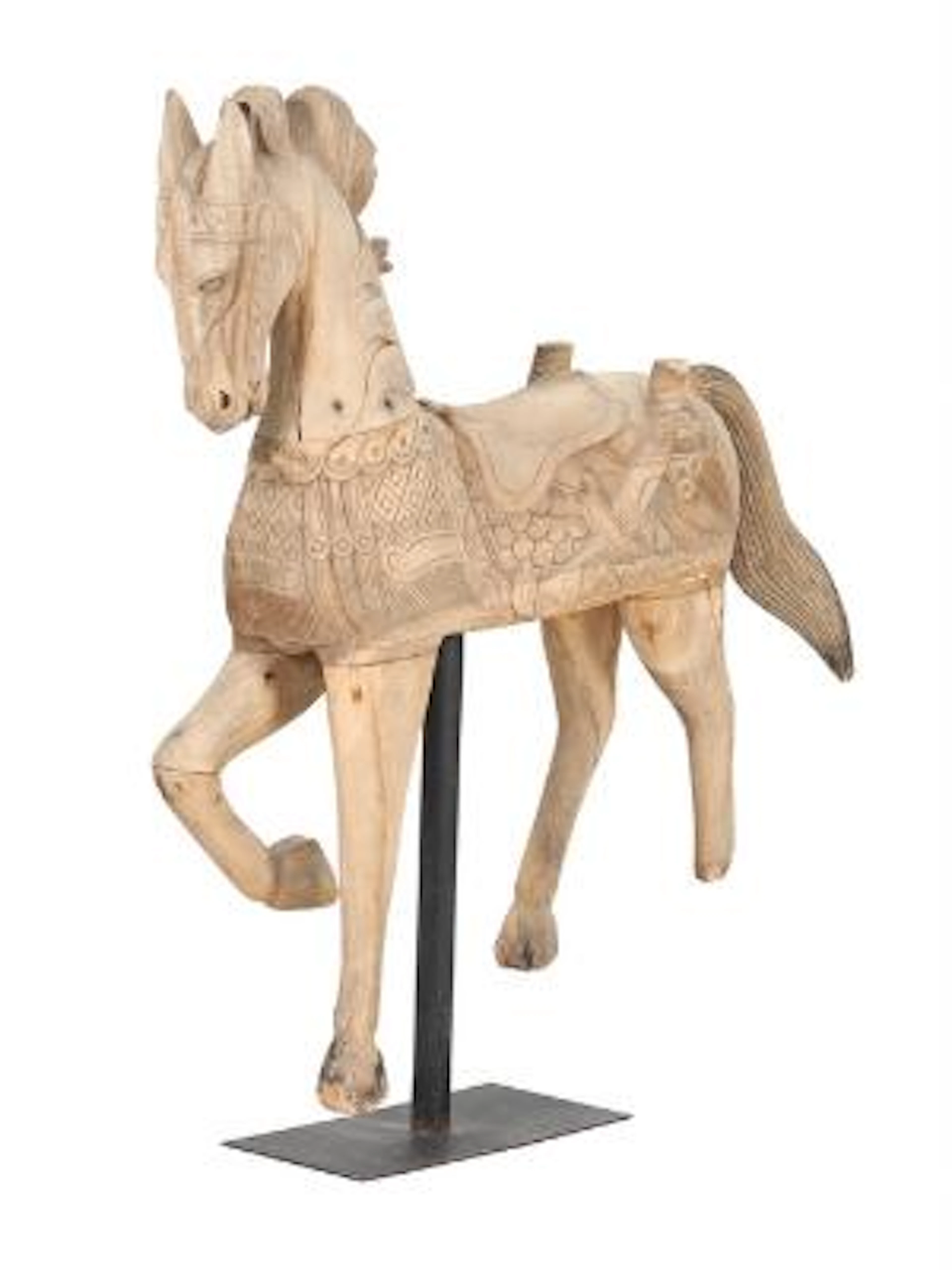
Carved wooden horse. Mounted on iron stand. Southeast Asia. 20th century.
09/28/2026
£120.28
Est: £229.15
Bring your auction to collectors worldwide!
Get listed now