


OCT 17 | 10:00 PM

All auctions / Arts & Graphics / Vittorio Zecchin (1878-1947) - Bozzetto per "Le Mille e Una Notte"

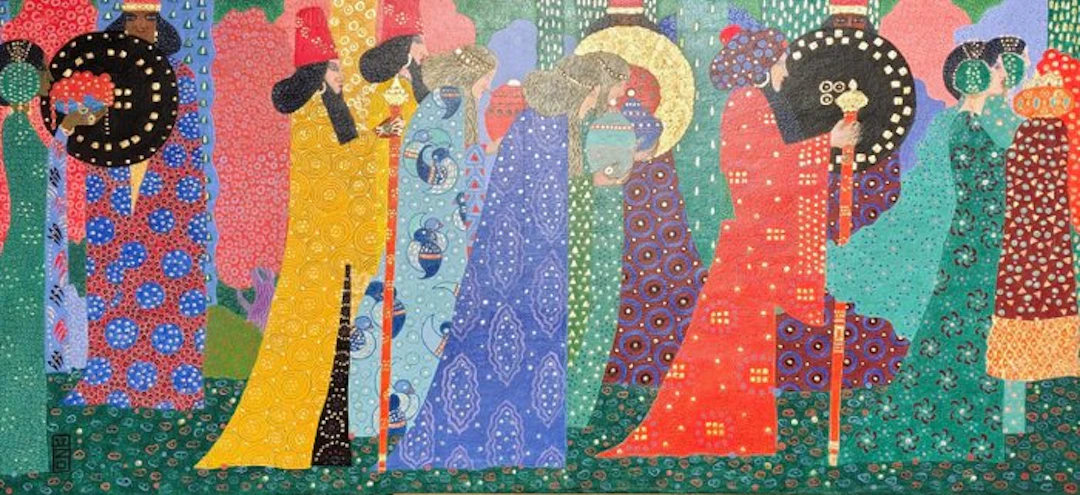
Vittorio Zecchin. "Draft for The Thousand and One Nights" Considered one of the masterpieces of Venetian Liberty (Art Nouveau), the cycle of The Thousand and One Nights was created for the dining room of the Terminus Hotel in Venice. Disassembled after the war, the cycle was never reassembled. The work up for auction is a study for one of the great canvases of the cycle. Oil on canvas, 57 x 124 cm, monogrammed VZ in the lower left corner. Accompanying the work is a catalog drawn up by Prof. Pallucchini for Semenzato auctions (cover reproduced in the last photo) and the expert report by Dr. Alessandra Artale, dated July 1, 2026. Tracked and free shipping. I ship only within Italy and the European Union. ZECCHIN, Vittorio – He was born in Murano on May 21, 1878, the son of Luigi, a glass chemist, and Domenica Rumor (V. Z., 1878-1947, 2002, p. 307). After leaving the technical schools his family had steered him toward, in 1894 he enrolled at the Academy of Fine Arts of Venice; he attended, among others, the special ornament course taught by Augusto Sezanne, winning the end-of-year prize twice. Leaving his studies before graduation, in 1903 he worked for a few months as an employee at the Murano Town Hall and later as a worker in a glass workshop on the island. His early painting showed the approach to the Symbolist movement (Figure in Meditation, 1903), whose international diffusion found reflection in the exhibitions at the Venice Biennale. From the event Zecchin drew fundamental motives for reflection starting with the 1905 edition, in which he was struck by the sinuous line of the Dutch artist Jan Toorop, native of the island of Java; in 1910 Klimt's salon proved decisive not only for the maturation of a decorative sensibility of Secessionist origin, but also for the turn toward the applied arts. Nor should the decorative interventions at the Padiglione Pro Arte (from the regional halls of 1903 to the international The Art of the Dream of 1907, to the decorations by Galileo Chini in 1909 and 1914) have had little impact. Filtering klimtian motifs and combining them with the color and light typical of the Venetian tradition (Salomé, triptych, 1911-13), Zecchin created compositions with a synthetic linearity and vivid chromaticity, immersed in fairy-tale settings (Oriental Pearl, 1913). In 1909 he presented several paintings at the summer and autumn young artists’ group exhibitions by Bevilacqua La Masa, held at Palazzo Pesaro: amid the intense exhibition season that advanced the legacy of the duchess Felicita Bevilacqua La Masa, Zecchin also participated in the later editions (1910, 1912, 1913, 1919; in 1922 as a member of the supervisory council and in 1923 of the Commission charged with selecting the works). In the lively Capesarian environment the collaboration with Teodoro Wolf Ferrari—an artist who had completed his training in Munich and who, following the example of Central European Secessions, promoted in Venice the group L’Aratro (1912)—took shape. Among the early results of the collaboration, a series of glass mosaic inlays and vases (the production of which was entrusted to the Murano workshop Artisti Barovier) were sent in 1913 to the Windhager Art Salon in Munich, where they received positive reception; part of them was re-presented at the 1914 Biennale. In the autumn 1913 BLM (Bevilacqua La Masa) collective, Zecchin had a shared room with Giuseppe Barovier’s glassworks: in addition to presenting some significant Klimt-inspired works, such as the triptych The Virgins of Fire, he created the decorative cycle The Garden of the Fairies, conceived specifically for the exhibition space. In the same year he participated, in the room of the Veneto group around Vittore Zanetti Zilla, in the I International Exhibition of the Rome Secession with the paintings Towards the Light and Primroses; he also exhibited in the subsequent editions (1914 and 1915). In June 1914 he took part with paintings (including studies for two triptychs and for a wall decoration) in the exhibition of artists rejected by the jury of the Venice Biennale at the Excelsior Hotel in Lido, an initiative promoted by those same artists. In that year Giovanni Indri, owner of the Terminus Hotel in Venice, entrusted him with the decorative painting of the hotel dining room: among the masterpieces of Secessionist taste, the cycle The Thousand and One Nights drew inspiration from the tale of Aladdin’s lamp, which the artist probably had the chance to read in the IEI edition (Istituto editoriale italiano) with graphics by Duilio Cambellotti. In the sequence of panels (more than a dozen known after the dispersion of the cycle, including six belonging to the International Gallery of Modern Art of Ca’ Pesaro), the Oriental tale was transfigured into the Byzantine splendor of the setting and the flamboyance of the wedding processions that paid homage to the princess. During the 1910s, a period to which several series of nocturnes and birch forests (1913-15) belong, the artist shifted his focus to the applied arts, where elements (such as female subjects) already experimented in painting converged. Exempt from military conscription due to a limp, in 1916 he started a tapestry workshop in the former convent of S. Donato in Murano (later moved to Fondamenta dei Vetrai), for which he relied on the collaboration of local embroiderers. Distinguished for the originality of the production (even a embroidery stitch was devised capable of reproducing the effect of brushwork), the workshop was visited on several occasions by Gabriele D’Annunzio, who recalled it in La Leda senza cigno; in 1916 the poet purchased the Barbari tapestry, which entered the Vittoriale’s collections, as did other works acquired subsequently (including the famous Cup of Vestals, of 1919). In the early postwar years Zecchin participated (both as a member of the acceptance jury and as a exhibitor of U.G.A., Union of Young Artists) in the X Ca’ Pesaro Exhibition: he had a solo show with twenty-four pieces including tapestries, embroideries and decorated glass, which achieved notable sales. In 1920 he sided with the internal protest within BLM, participating with two mosaic works (executed by the Italian Mosaic Art Company of Murano) in the Exposition of Dissident Artists of Ca’ Pesaro, at the Geri Boralevi Gallery in Venice. In 1919 works by several Venetian firms based on the artist’s drawings were exhibited in New York in an show promoted by the Venice Work Association. Zecchin also began collaborating with the Embroidery Workshop of Countess Pia di Valmarana in Saonara, with whom he developed the Valmarana stitch; the fabrics produced by the Workshop won the Grand Prize at the Turin Exhibition of 1928. Source: Treccani Encyclopedia. #exceptionalart26
Estimate:£33,793.44
To the auctionView all items fromCatawikiorArts & Graphics
Estimate:
£33,793.44
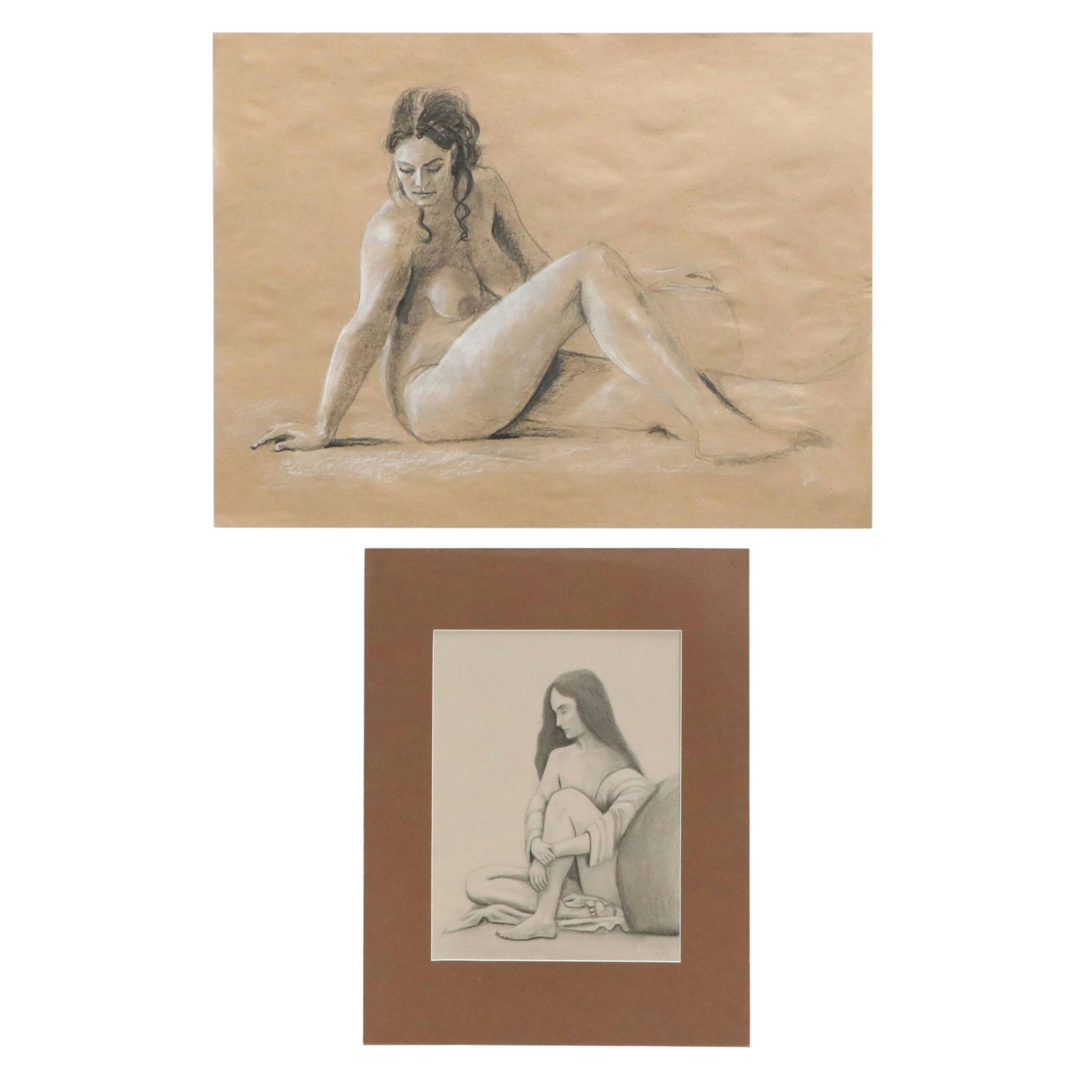
Larry Griggs Charcoal and Mixed Media Drawings of Female Figure Studies
10/14/2026
£0.75
Est: £0.75
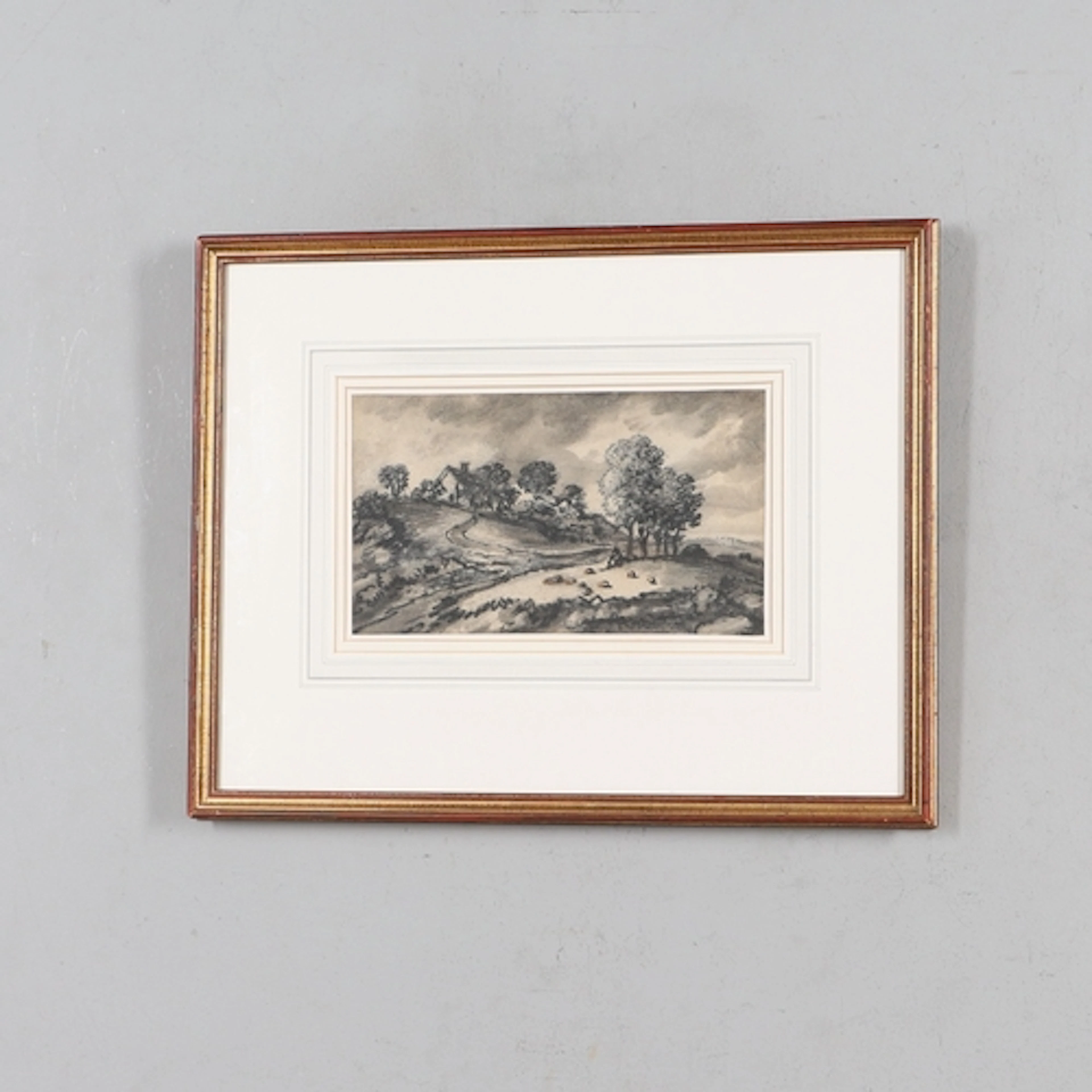
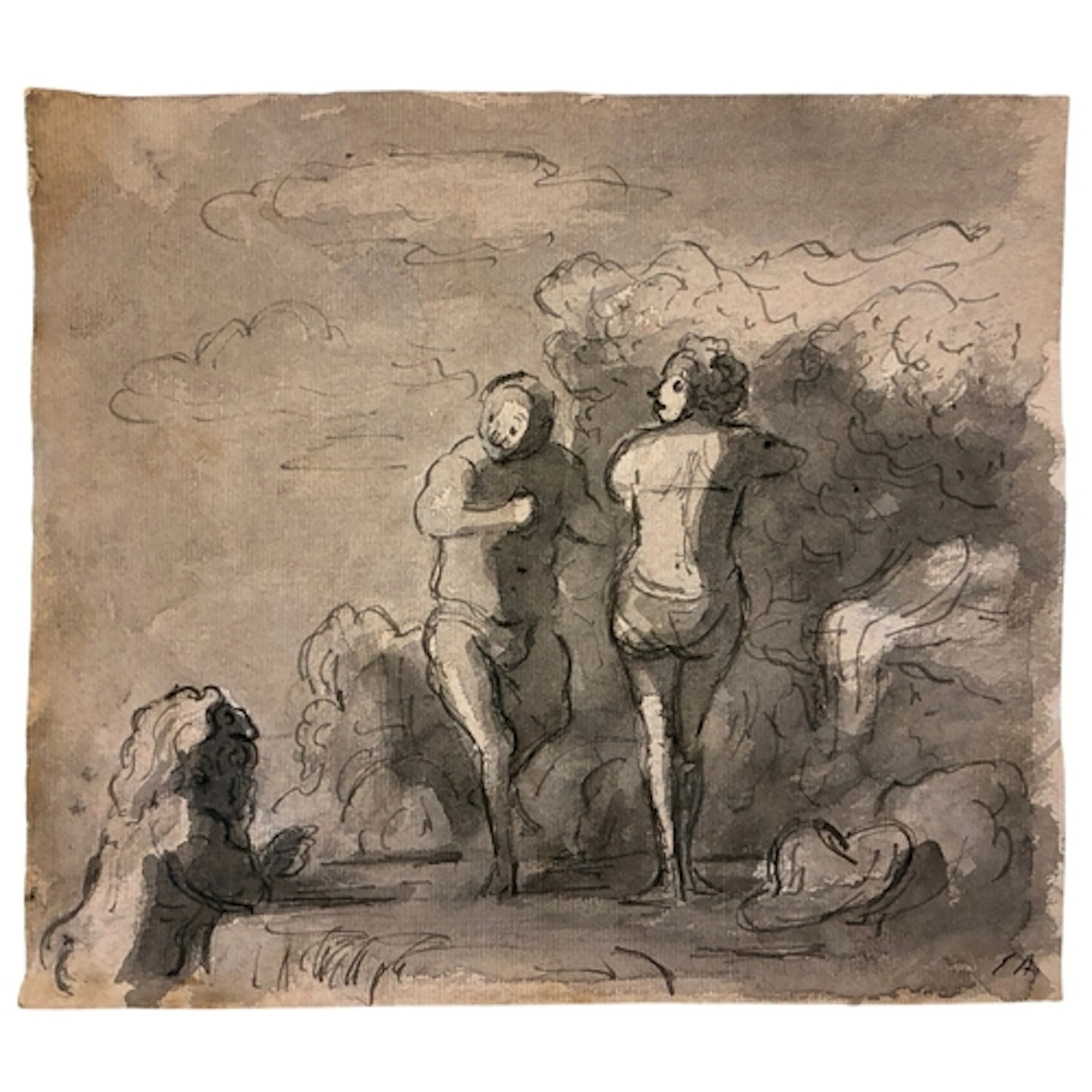
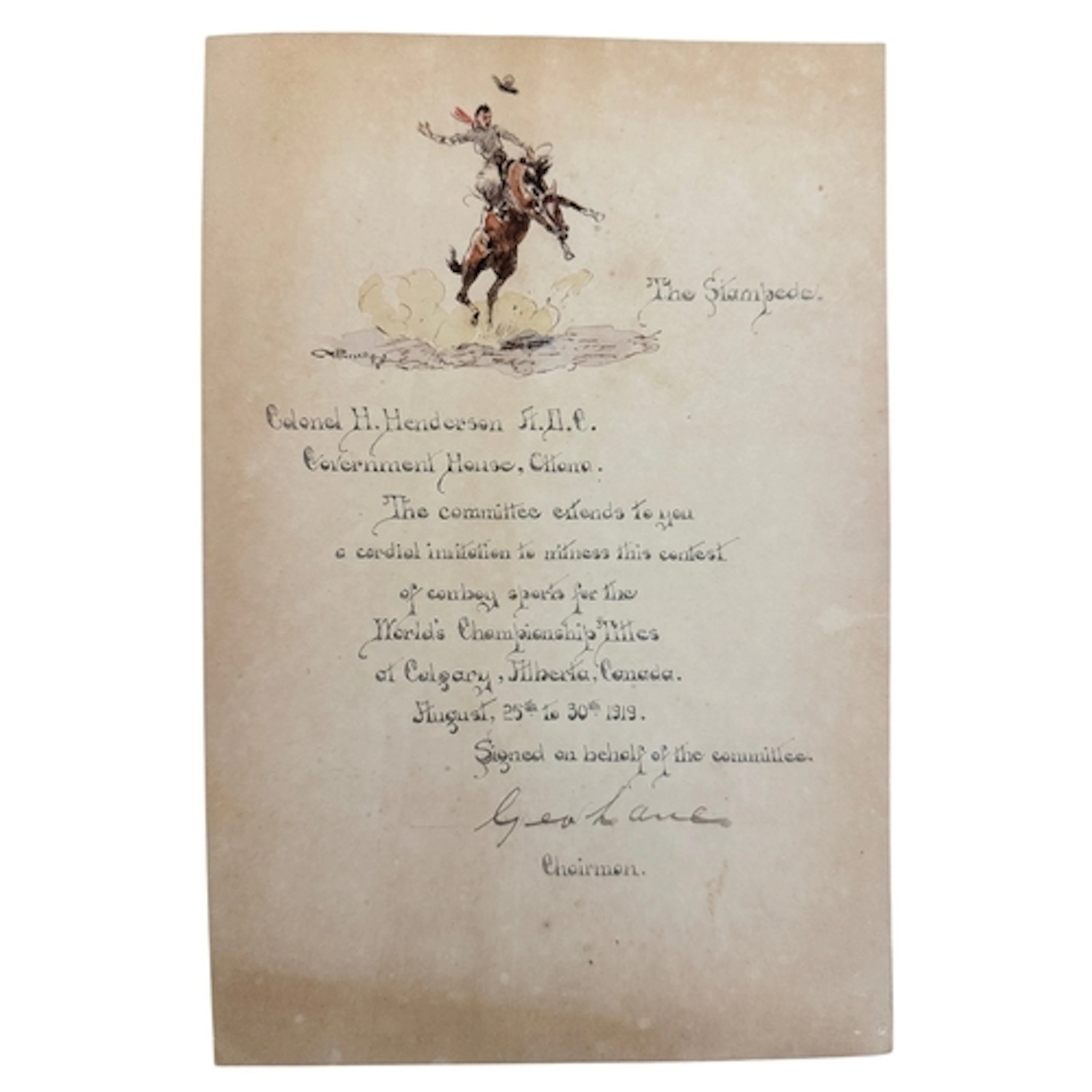
Charles Marion Russell (American, 1864-1926) - An illustrate...
10/13/2026

£10,000
Est: £10,000
OCT 17 | 10:00 PM




OCT 23 | 8:00 AM
Bring your auction to collectors worldwide!
Get listed nowBy subscribing, you are agreeing to the privacy policy. Unsubscribe anytime.
Barnebys HQ
Brahegatan 10
BOX 5038
114 37 Stockholm
