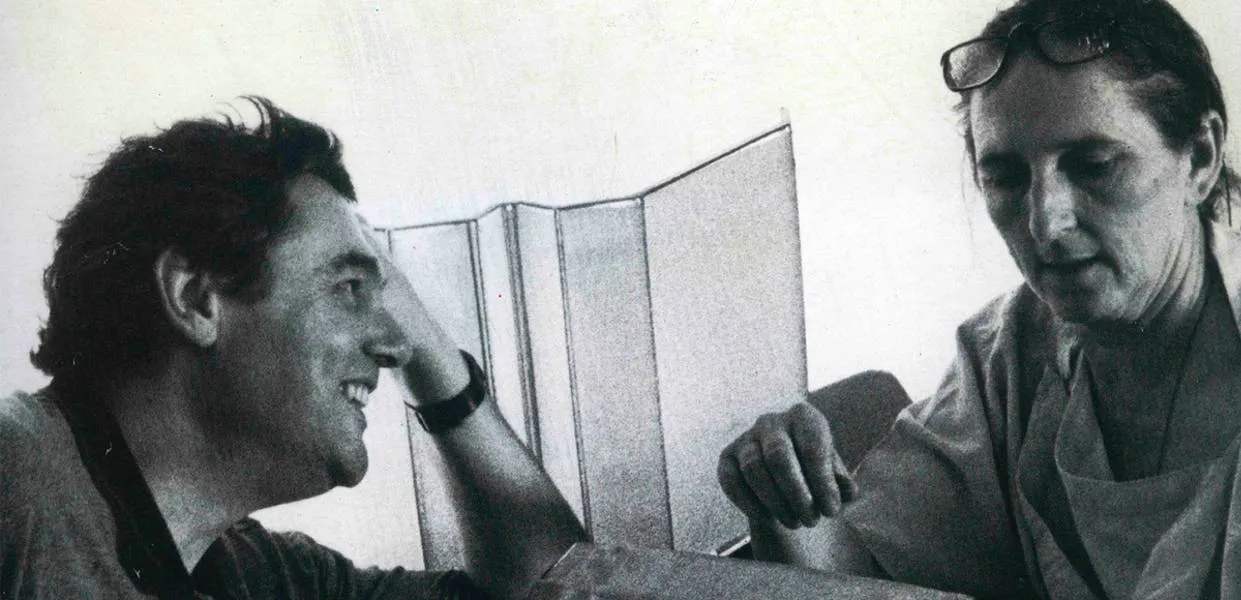
Tobia Scarpa, son of the architect and glass artist Carlo Scarpa, was born in Venice 1935. Afra Bianchin was born in the countryside of Montebelluna two years later, into one of the most well-known families in the area. Afra and Tobia met at the Università luav di Venezia, where they both graduated with degrees in architecture in 1957. In 1959, the two designed their first chair, Pigreco for Gavina, during a decoration course held by Franco Albini. The rest was history, and later that year the duo opened their studio in Afra's hometown.
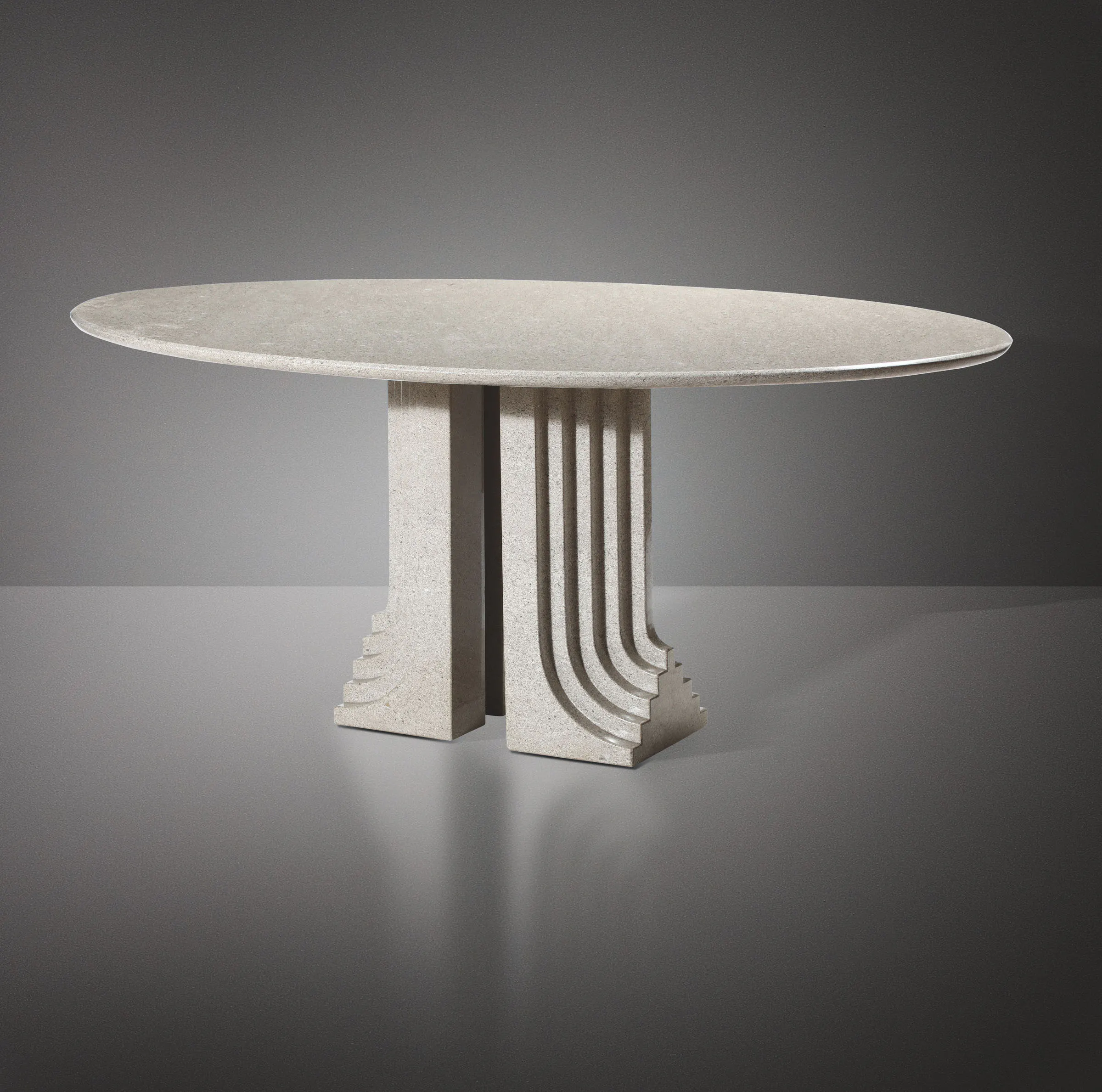
At the time when I worked at Flos the funnest thing was to always amaze, to make objects that were considered impossible or non-commercial and that eventually turned out to be successful.
They began their collaboration with Flos around this time, joining the company from its beginnings in 1962 to gaining international recognition in museums around the world, particularly at the MoMA. Afra and Tobia created numerous iconic lamps for Flos, such as the Fantasma (1962), Biagio (1968), Pierrot (1990), Ariette (1973) and Papillona (1975).
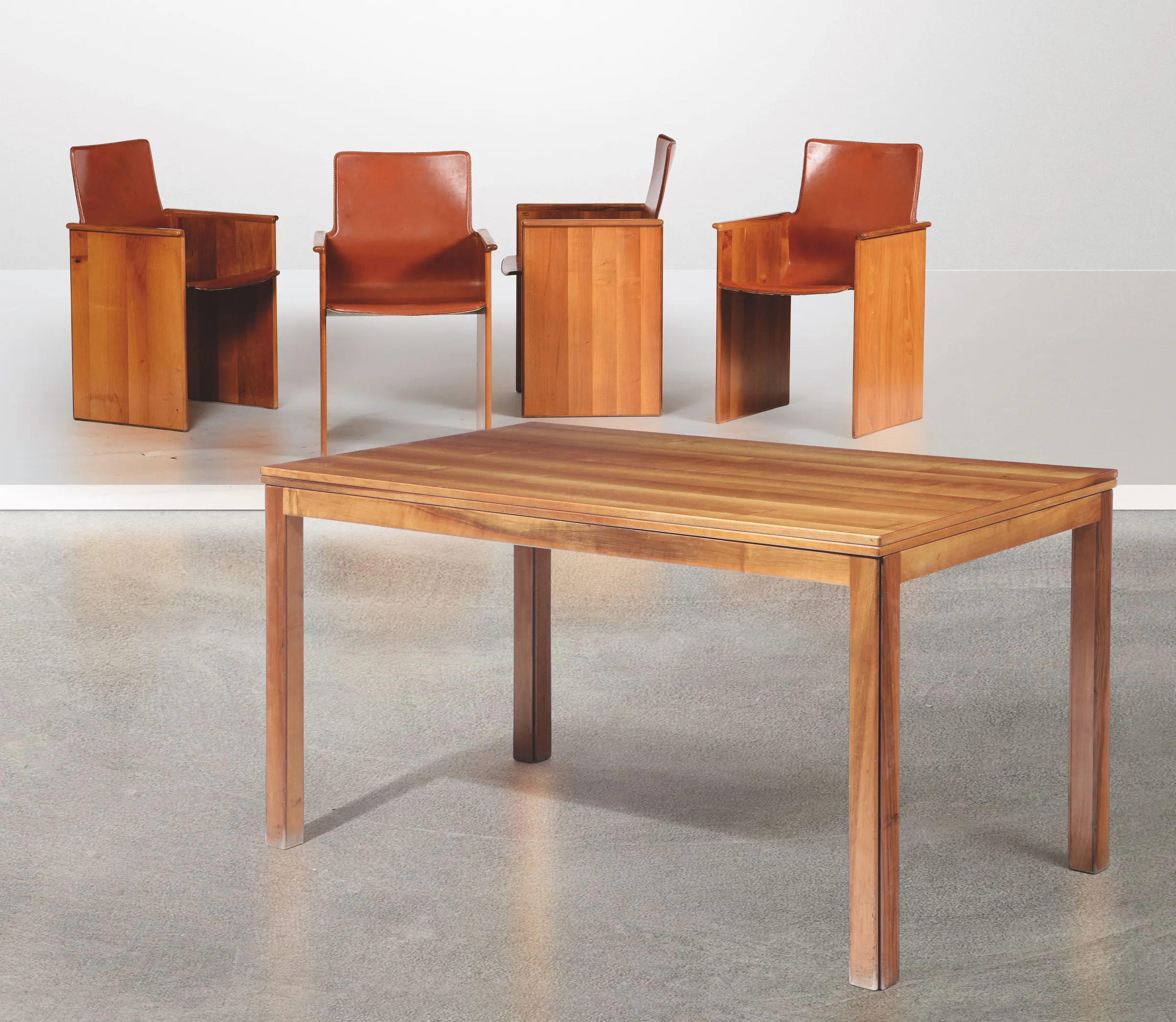
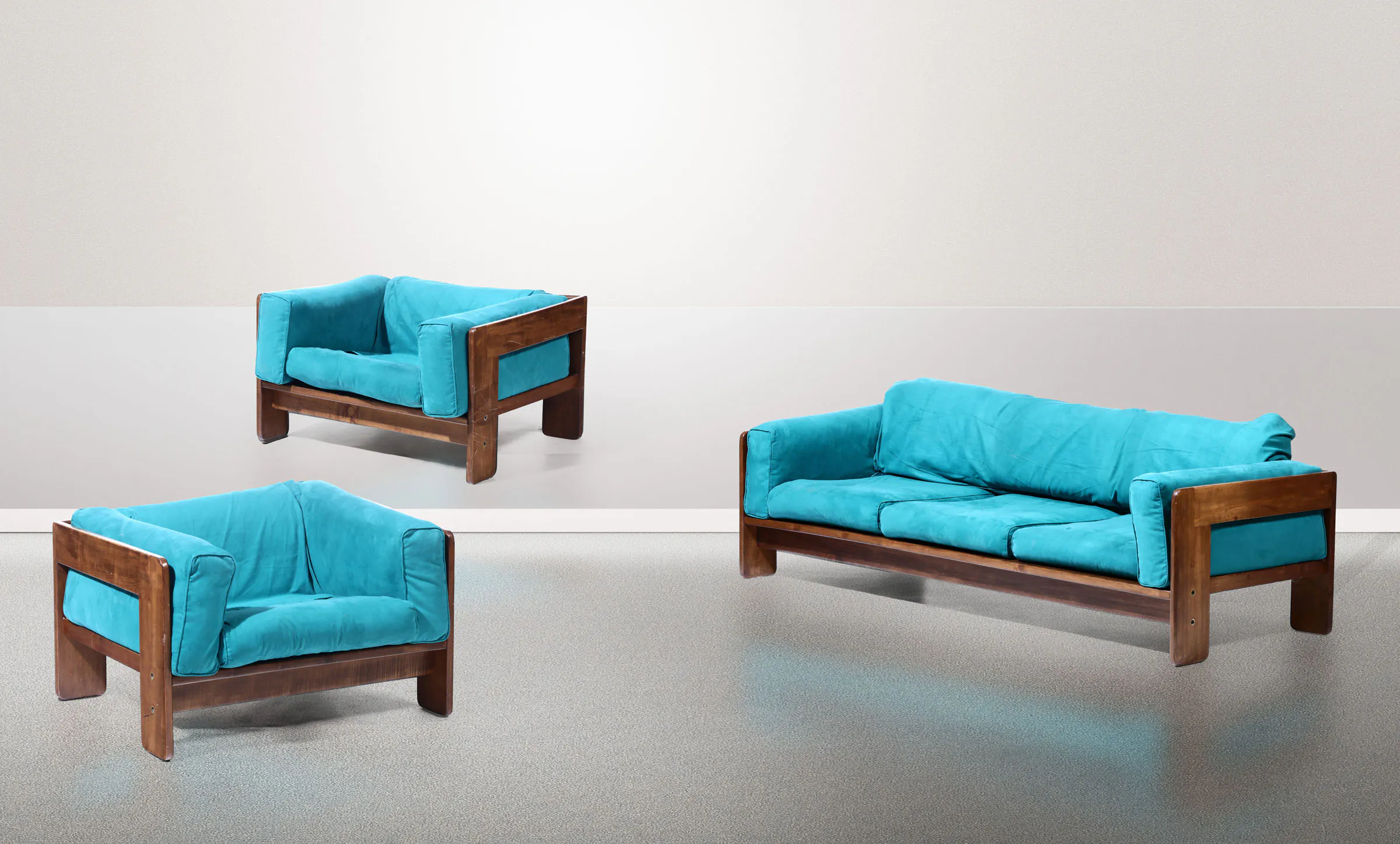
Afra and Tobia Scarpa designs were characterised by simplicity and elegance accompanied with modern and refined aesthetics. During the 1960s, the couple designed the Bastiano sofa and the Vanessa bed for Gavina and the Soriana armchair and Poltroncina 925 for Cassina, now exhibited in permanent collection of the MoMA. Among their most famous projects is the ‘Coronado’ sofa, made for B&B Italia in 1966 and recognised as being one of the first polyurethane models. Other notable collaborations during this decade included designs with Maxalto, Molteni, Meritalia (the Libertà chair is exhibited in the Louvre) and Fabbian.
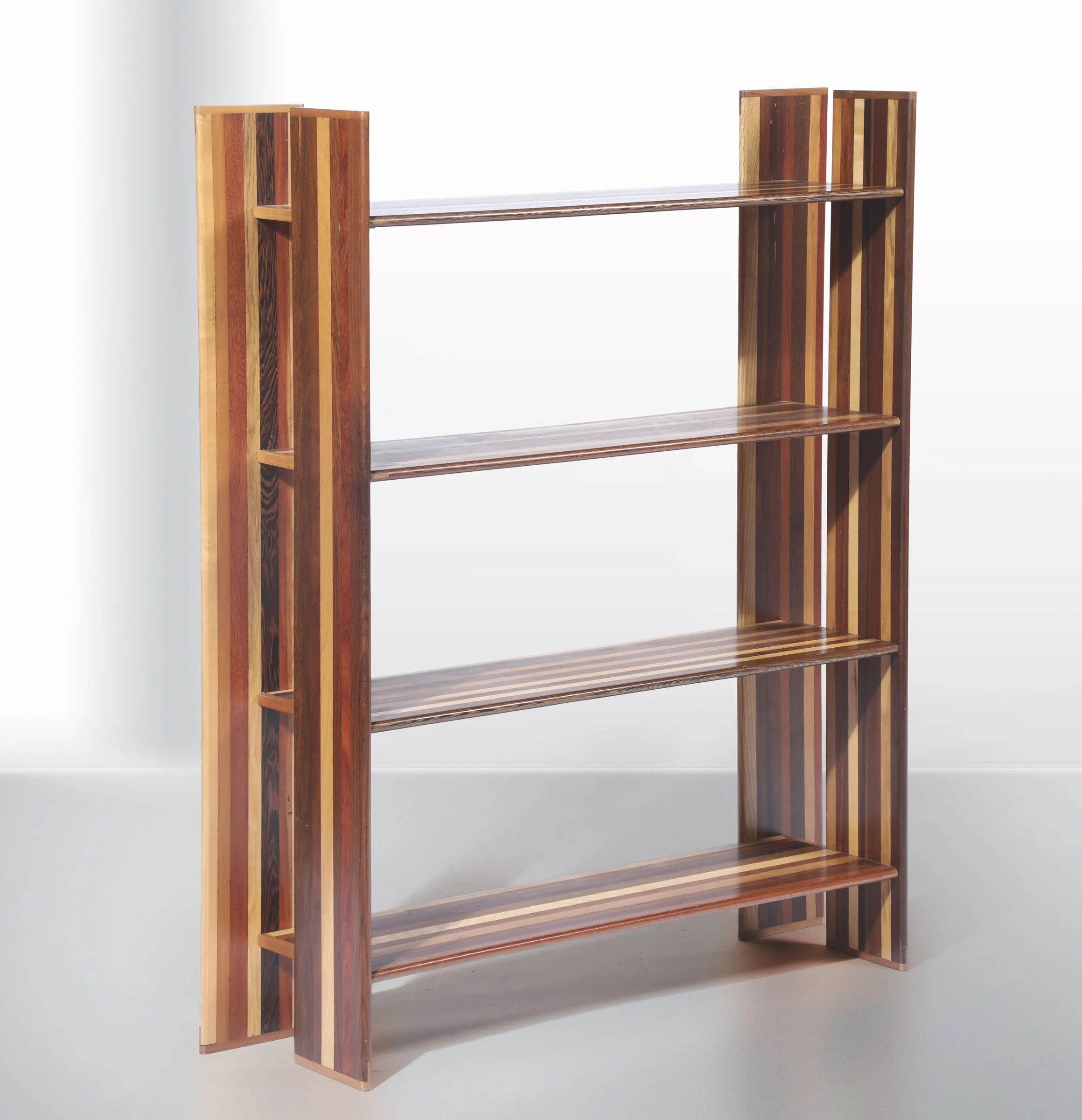
The duo was not only invested in design, but architecture as well – their work with Benetton was fundamental, starting in 1964 with the design of the first factory in Paderno. This relationship continued in the 1980s with additional factories, in 1999 with the restoration of Villa Spineda in Venegazzù, and later with the design of various sales points throughout the world. The projects for Benetton are still considered some of the best examples of Italian industrial architecture. In 1992 Tobia Scarpa was recognised at the International Forum Design and he received the second Compasso d 'Oro in 2008 for his career of achievement.

Tobia and Afra were a couple not just at work, but also in life: since they met in the late fifties to when Afra passed away in 2011, the two created and maintained a unique sentimental and productive relationship. However, their successful working lives were marked by family tragedy. The Scarpas had three children: two sons, Sebastiano and Nicoló, and a daughter, Carlotta. In the ‘90s, while their professional careers were reaching a peak, they were personally devastated when they lost both sons in two separate car accidents.
Since 2002, Tobia Scarpa has taught at the Università luav di Venezia. Despite the family’s losses, his collaboration with Afra continued until the end, with the couple participating in the restoration of some historic Italian palaces. Their experiences have shaped the history of architecture and design both on an Italian and an international level, starting from their Venetian roots and building to a new cosmopolitan approach oriented towards quality and technical research.
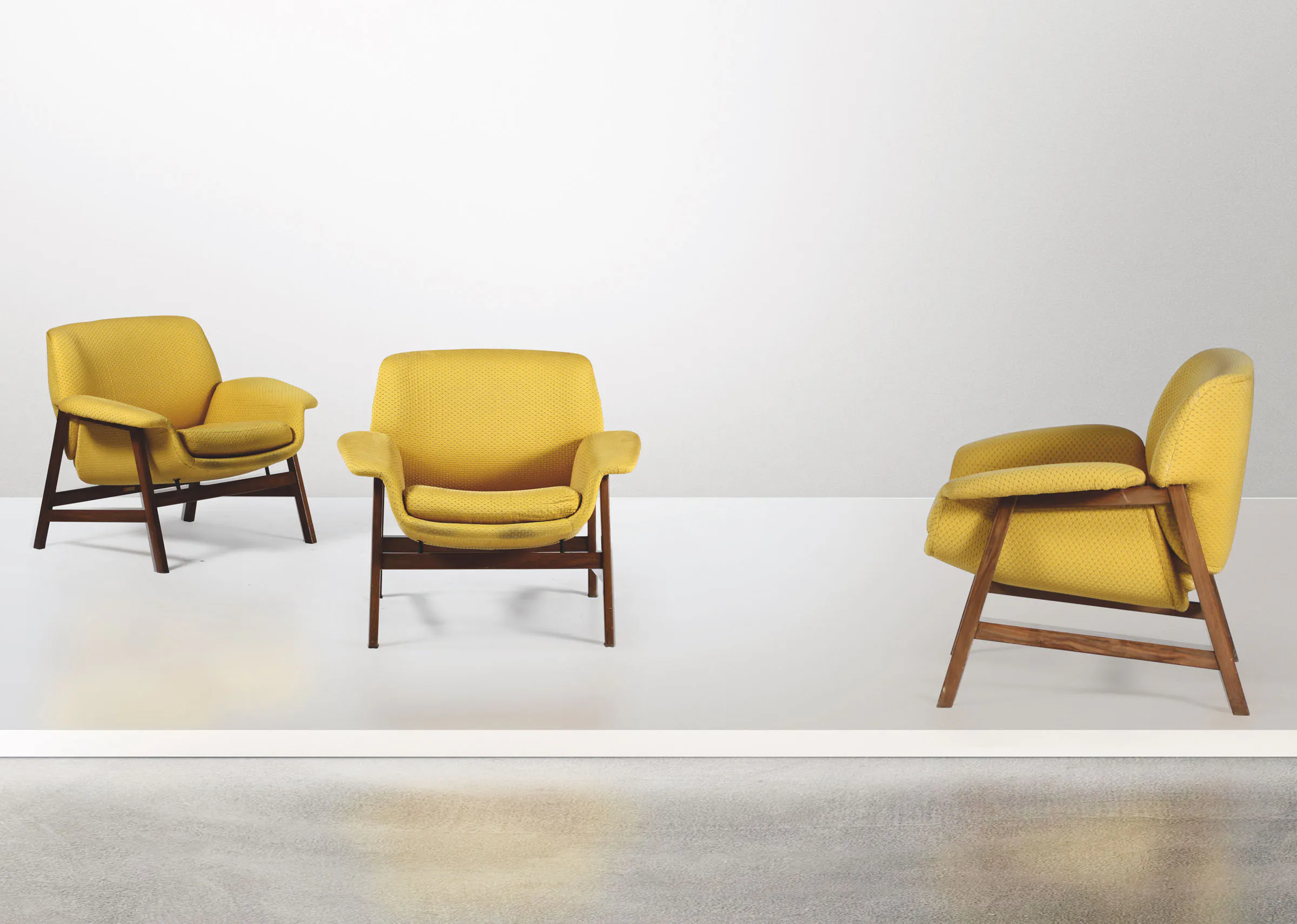
On 22 November Cambi Casa d'aste will host the first auction of the season dedicated to design: a catalogue of 547 objects featuring important names from Italy and all over the world. In addition to pieces by Afra and Tobia Scarpa, lots by Gianfranco Frattini, Osvaldo Borsani, Gio Ponti and Franco Albini will featured, and the bidding promises to be intense.
Check out all Cambi Casa d'aste lots at auction on Barnebys
This article is sponsored by Cambi Casa d'aste