
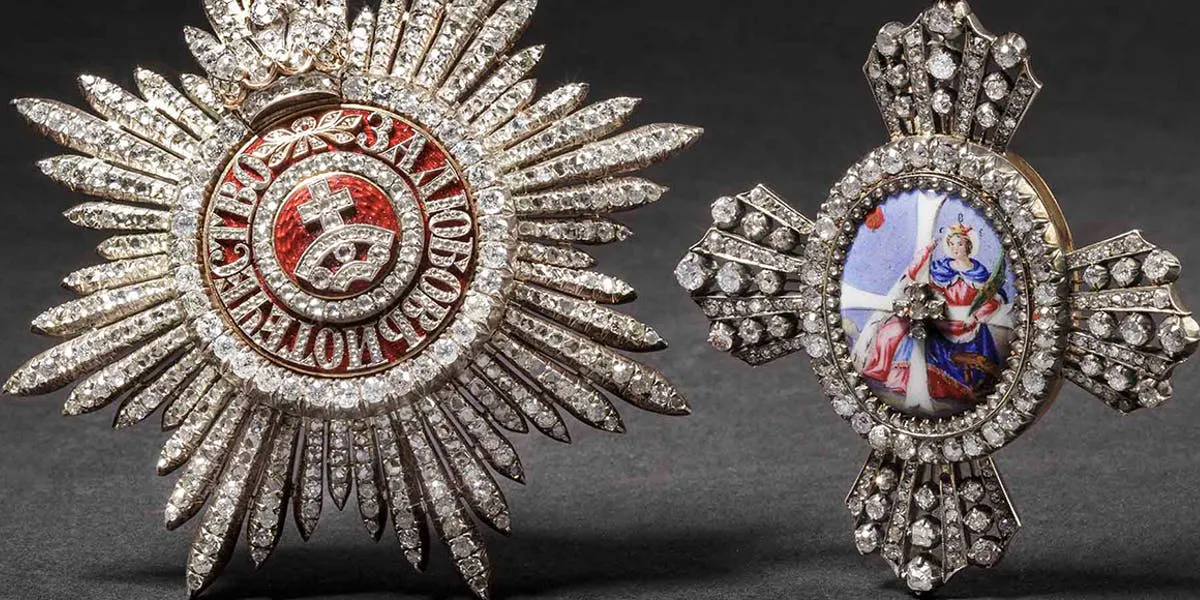
From 25-29 May, Munich auction house Hermann Historica will be presenting seven back-to-back auctions with military and art historical treasures from antiquity to the 20th century.
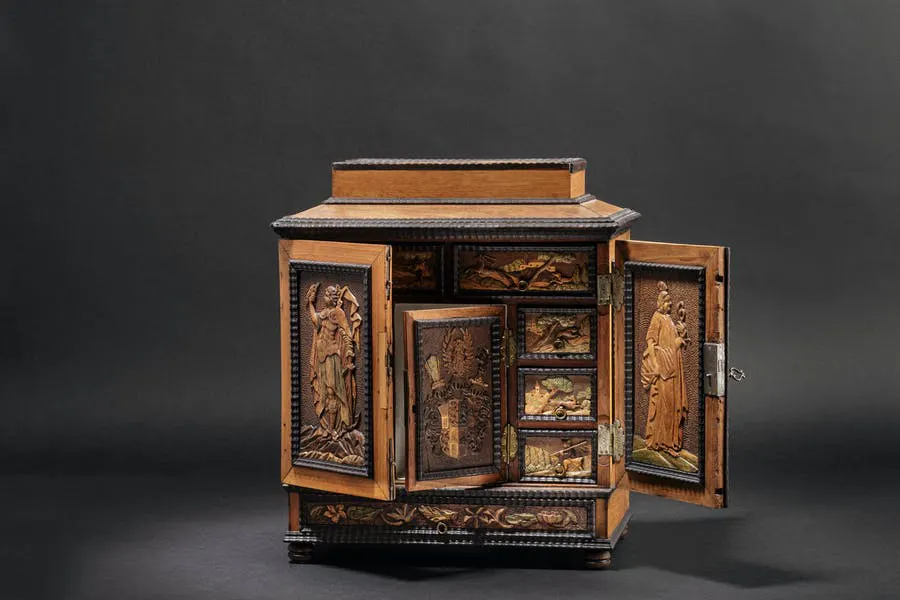
The first sale, 'Works of art, Antiquities,' will feature 719 lots. Highlights include a fine cabinet owned by the Count of Solms. It is a work of the workshop of Johann Karl Haberstumpf from Eger, where it was made from different woods between 1690 and 1710 and decorated with elaborate reliefs.
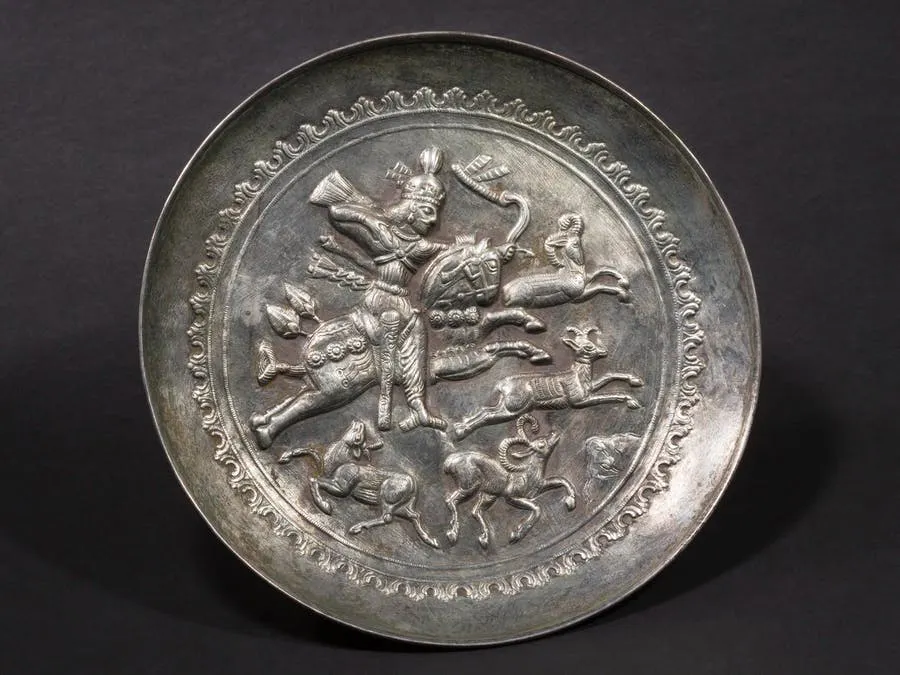
A silver relief plate dating from the 4th century shows the Persian great king Shapur II (around 309-379) from the Sasanian dynasty on horseback hunting rams. The plate probably once served as a diplomatic gift.
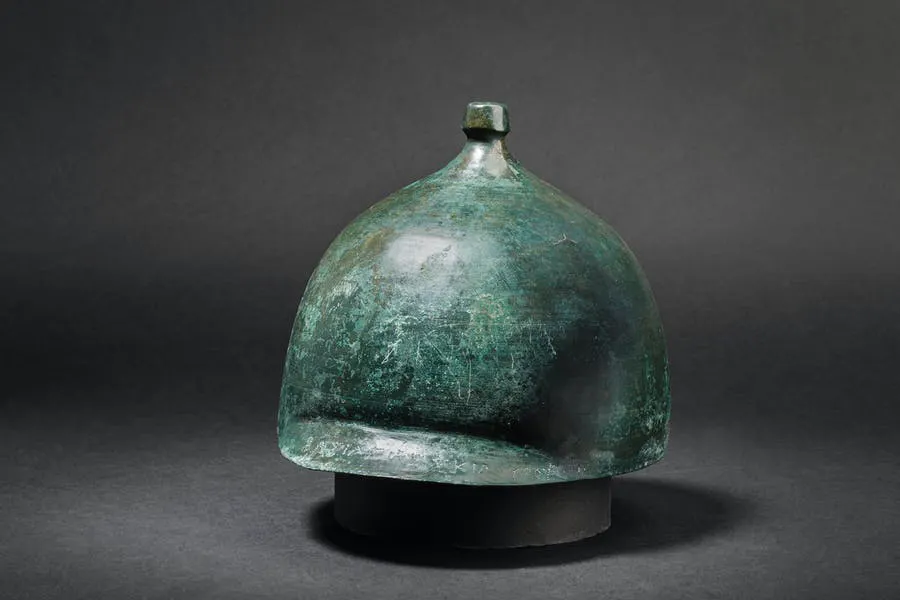
Another royal memento is this bronze helmet of the Montefortino type from the 2nd century BC, inscribed with the name of the Scythian king Skilouros in Greek letters. It dates from around 140-114 / 13 BC in Crimea.
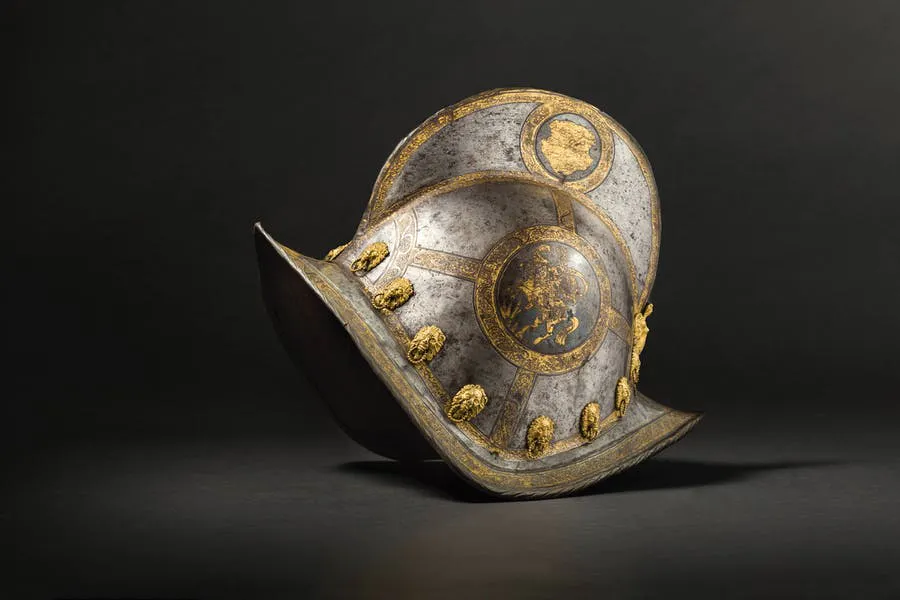
The sales continue on 26 May with 559 lots of antique weapons and armour from around the world. Two lots of protective weapons were manufactured in Nuremberg in the 16th century, such as this etched and gilded Morion, which once protected the head of a member of the Saxon satellite guard.
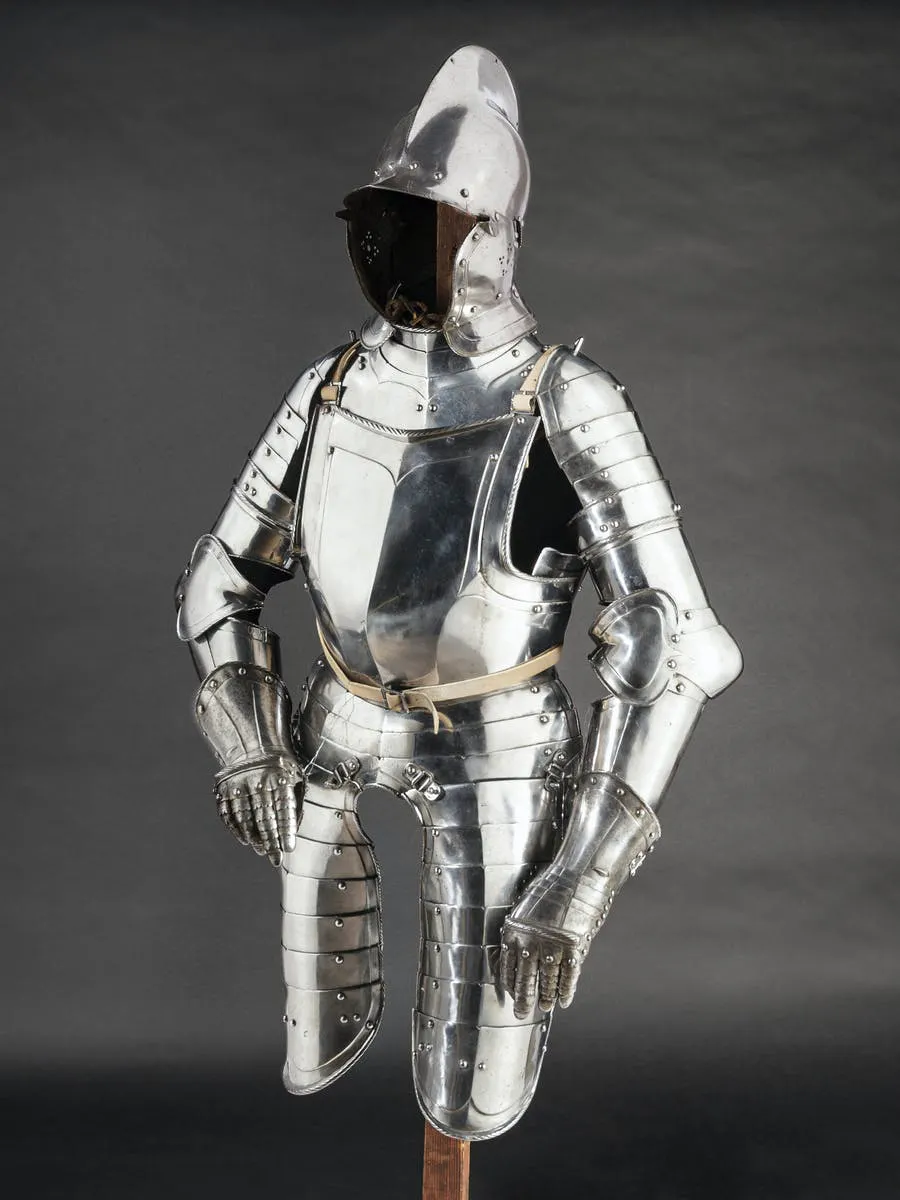
A similar helmet with a comb is part of a bare three-quarter armour in officer quality, which was manufactured in Nuremberg around 1560, which is evidenced by both a master's mark and an acceptance mark of the Free Imperial City.
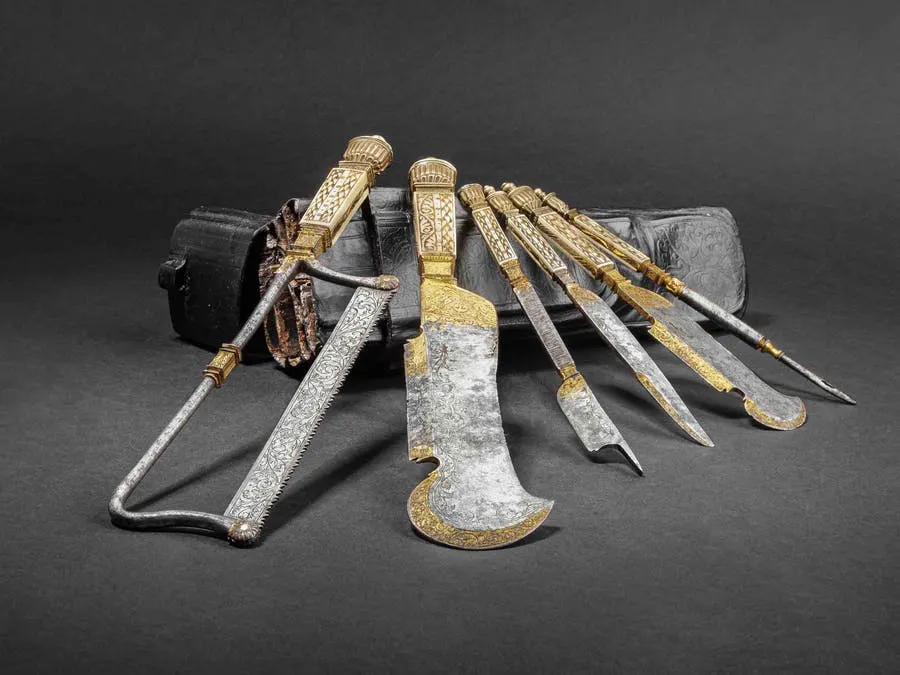
Important hunting cutlery with original leather quiver dates from the 16th century. The six pieces of cutlery, including a knife and a bone saw, were elaborately decorated and partly fire-gilded and have engraved handles. Two of the knives are dated '1571'.
Antique firearms are offered in a total of three auctions: 'The J. Durval Collection – Antique Firearms' (26 May, 167 lots), 'Firearms from Five Centuries' (27 May., 656 lots) and 'The Frey Collection – Weapons from Württemberg' (27 May, 195 lots).
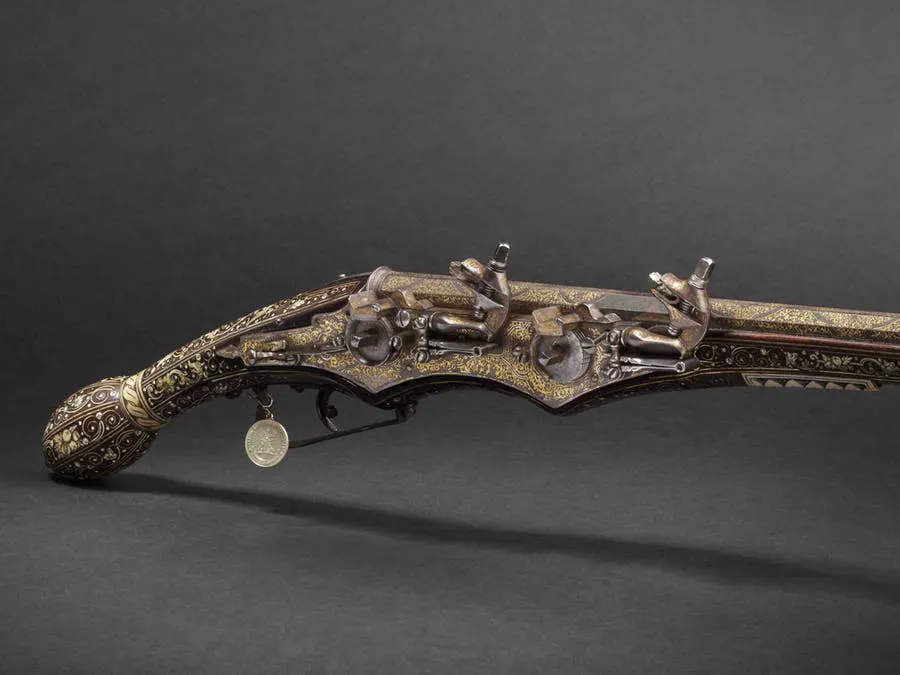
A highlight from the J. Durval Collection include a rare wheel lock pistol for two consecutive loads, which was gilded in southern Germany around 1600 and decorated with inlays.
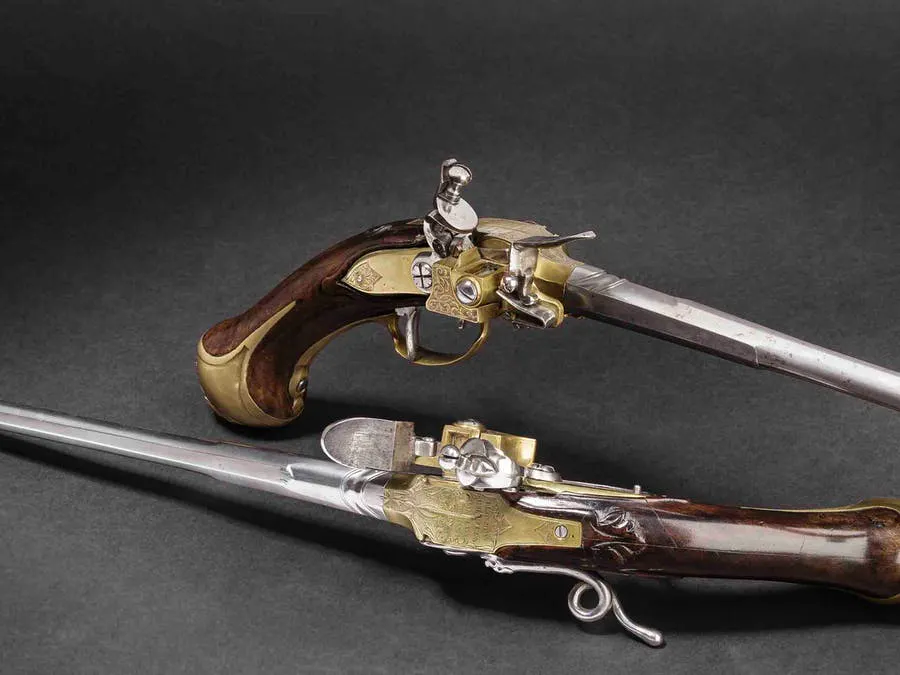
This pair of self-loading flintlock pistols, which were also made in southern Germany, in Augsburg around 1710, are also rare. An engraved Latin signature on the top indicates that the armourer was Emanuel Wetschgin.
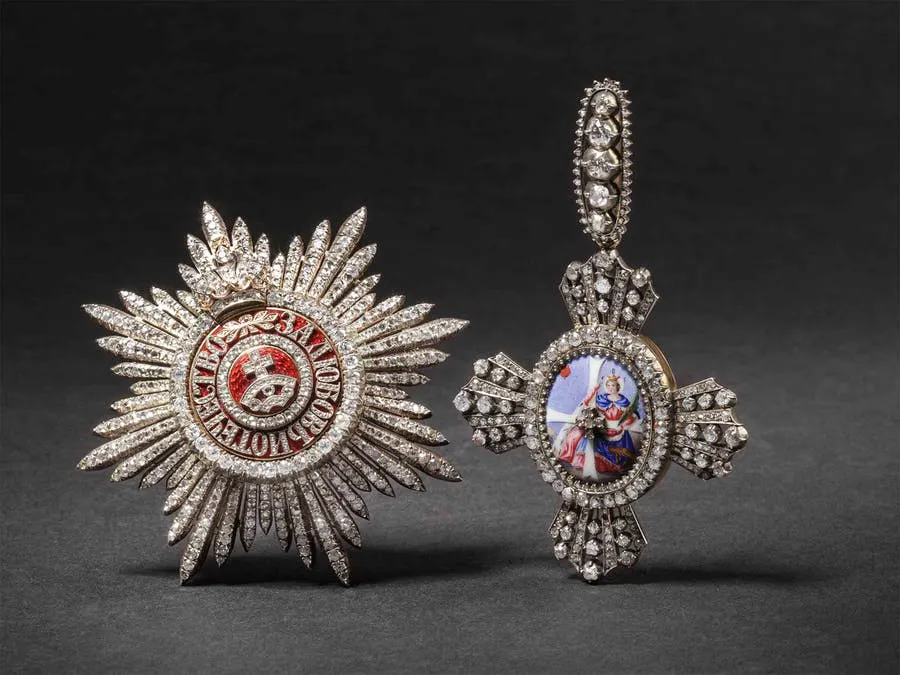
28 May is the 'International Medals & Military History Collectables' auction, which comprises 905 lots. Here is the most expensive item of Hermann Historica's May auctions: an orders set of the Imperial Russian Order of St Catherine, which was produced in Russia around 1910. It is a very rare example of such splendid jewellery work, which boasts lush diamond trimmings and fine enamel painting.
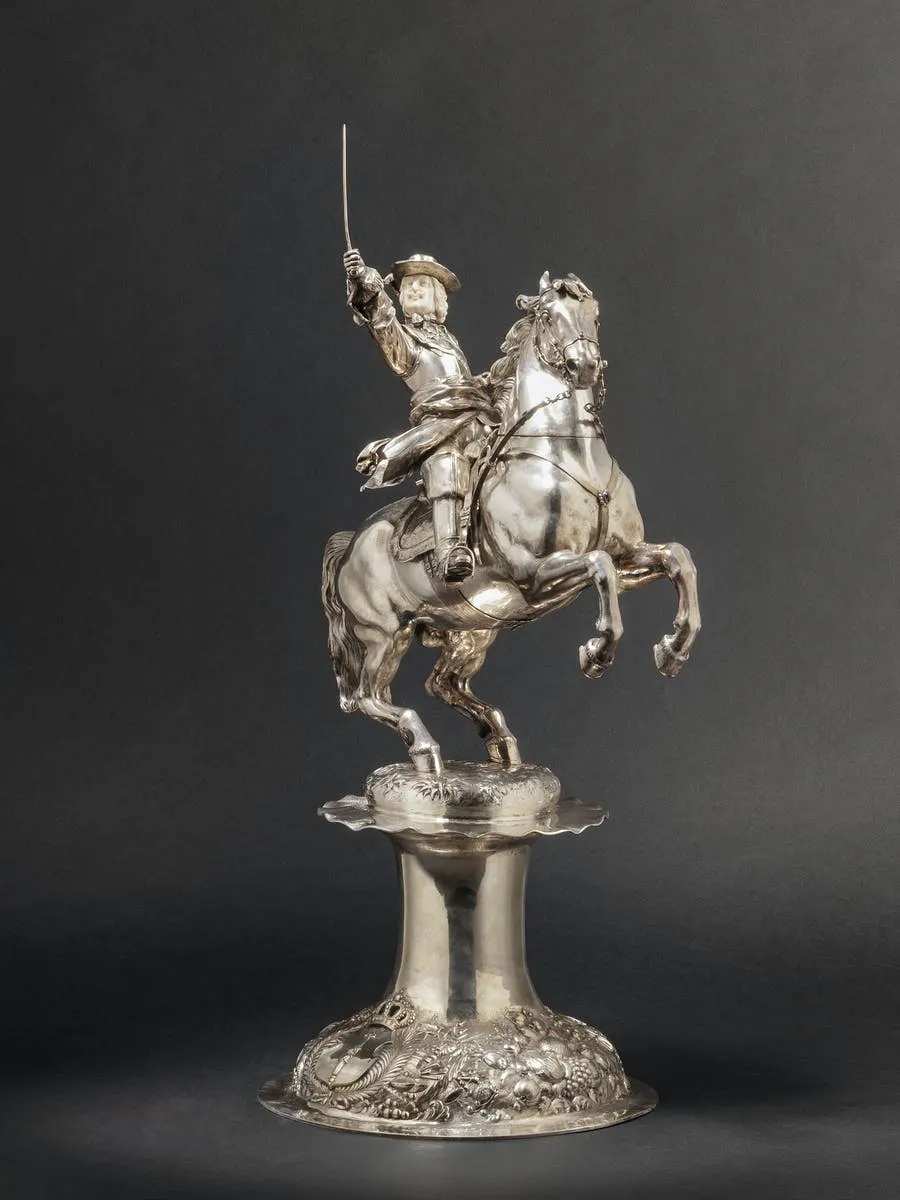
The silver rider figure measures an impressive 73 cm from the base to the tip of the sword, which the rider shown is holding in its hand. It was a figure executed around 1900 in honour of the great elector Friedrich Wilhelm (1620-88), who laid the foundation stone for great power in Brandenburg-Prussia.
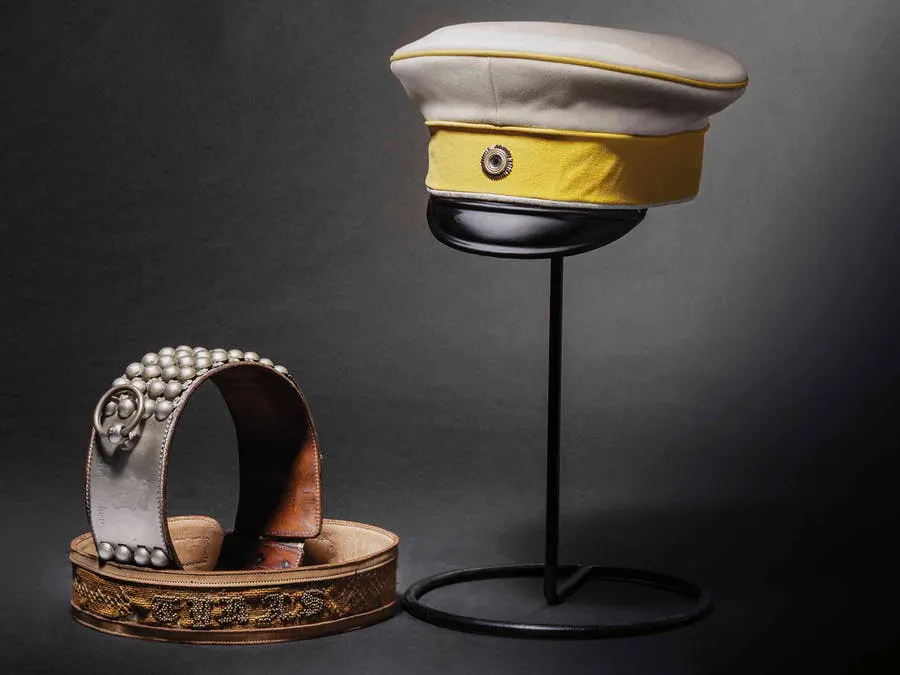
This cap for the company uniform once covered the head of Otto von Bismarck, a member of the Magdeburg Cuirassier Regiment No. 7. The cap was formerly exhibited in the Bismarck Museum Schönhausen. Matching this, two dog collars from Bismarck's beloved mastiffs Rebeckchen and Tyras are available.
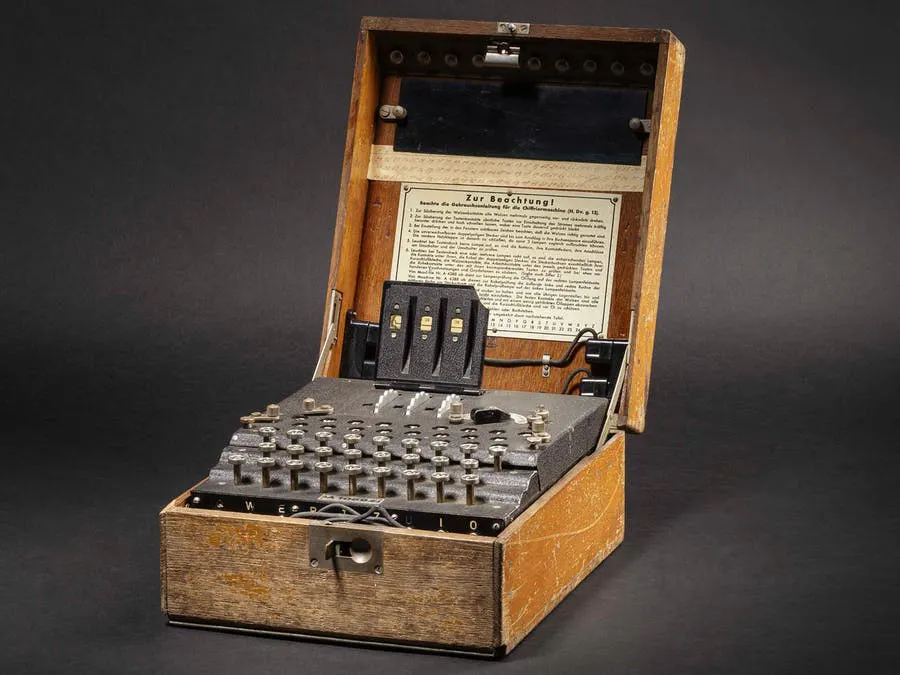
The last day of the auction, 'German Contemporary History - Orders and Militaria from 1919', offers 779 lots. An interesting example here is the Enigma I cipher machine, which was introduced by the Wehrmacht in 1929 and was in use until the end of the Second World War.
The auctions and previews (21-24 May) will take place in the auction rooms of Hermann Historica, Bretonischer Ring 3, in Grasbrunn near Munich.