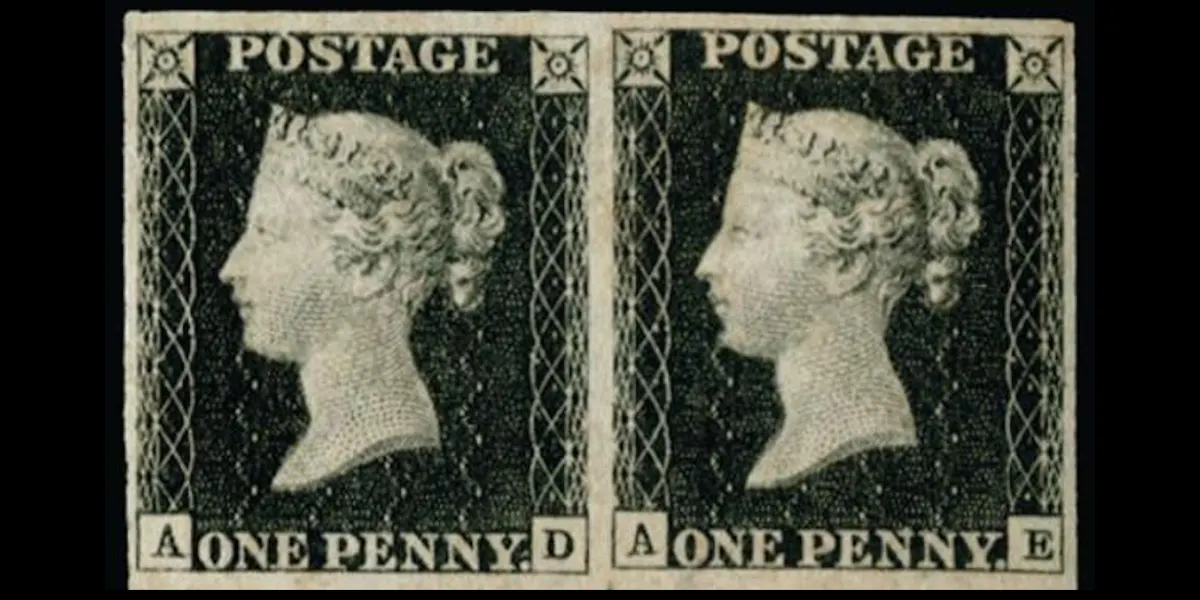
Philatelic collectors, take note: the catalogue for Just Collecting's (the holding company of Paul Fraser Collectibles) stamp rarities auction is now live. There are over 250 lots in the online sale, which includes some true gems and at enticingly low reserves. The auction closes on 30 March, which means you’ve got the rest of this month to take your pick.
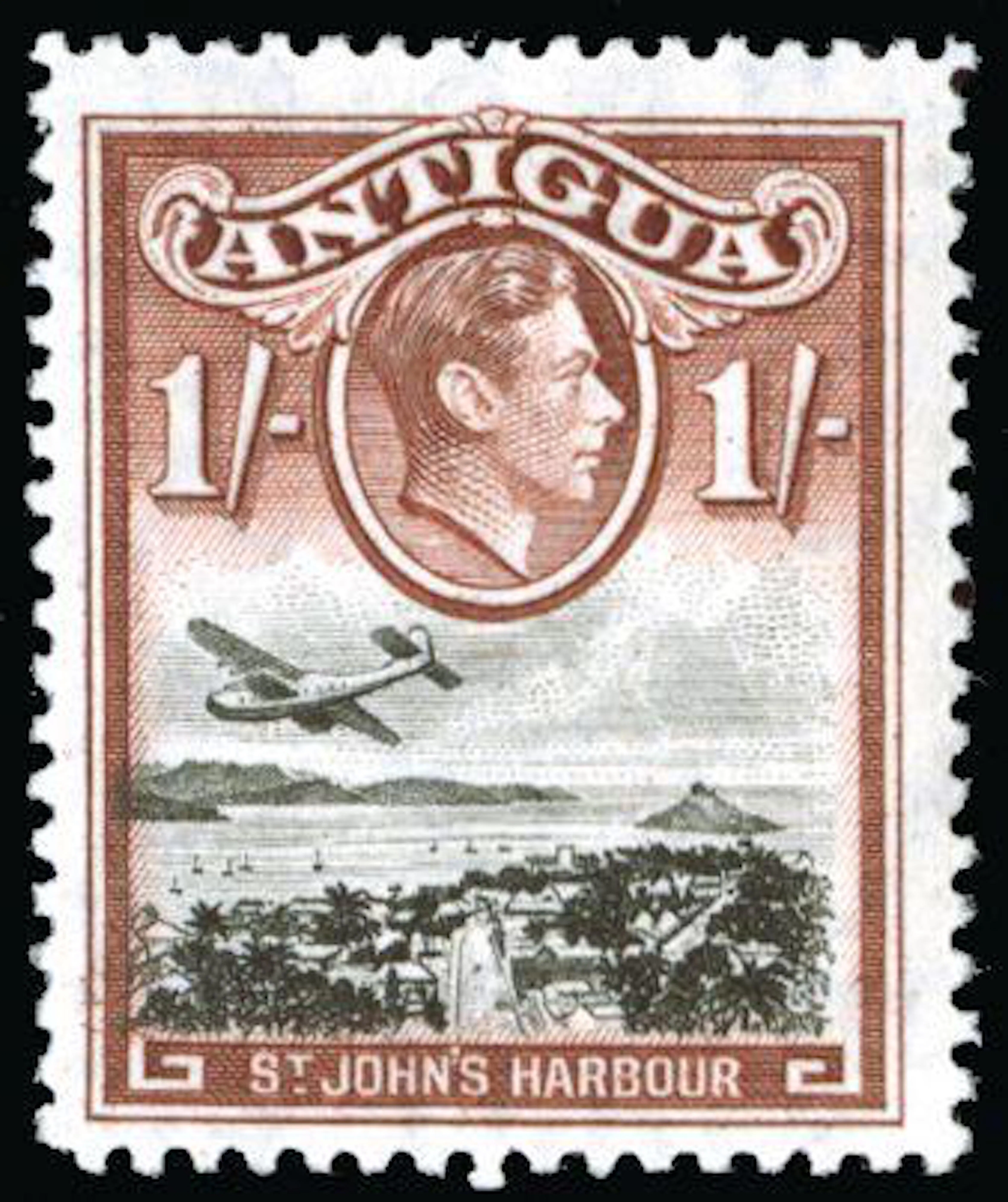
The auction kicks off in style with an extremely rare and attractive 1938-51 stamp variety from the luxury Caribbean island of Antigua. The design on this black and red-brown King George VI stamp features a plane over St John’s Harbour.
The variety with the albino impression is readily visible in the top margin, with only a few examples recorded – it is the only such example the auction house has ever handled. The estimate is £1,650-2,000, while the Stanley Gibbons catalogue value is £6,000.
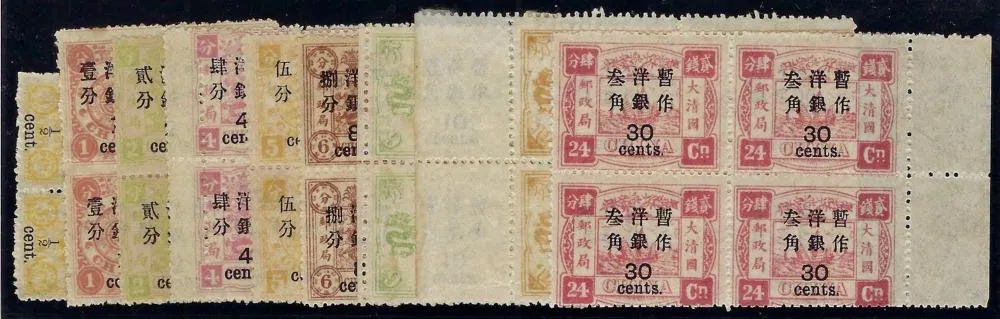
Within the section of Chinese stamps there is one lot in particular that stands out above all else: a quality set of Chinese Empire stamps. The set of 9 stamps were issued to commemorate the sixtieth birthday of the Dowager Empress and were the very first commemorative stamps issued by the Chinese Empire. The Dowager Empress, considered ruthless by many historians, effectively ruled the country as co-regent from 1861 for almost 50 years. Even today, she is still considered one of the most powerful women in the history of China.
The Dowager stamps are very rarely found in multiples, particularly in such good condition. Not only is this set all in blocks of four, they are also in fresh mint condition with most of the original gum still present. Some of the blocks, including the 10c on 12c and 30c on 24a, include the sheet margin. The vendor originally purchased this rare set of stamps for £50,000; the auction estimate is £12,500-14,500.
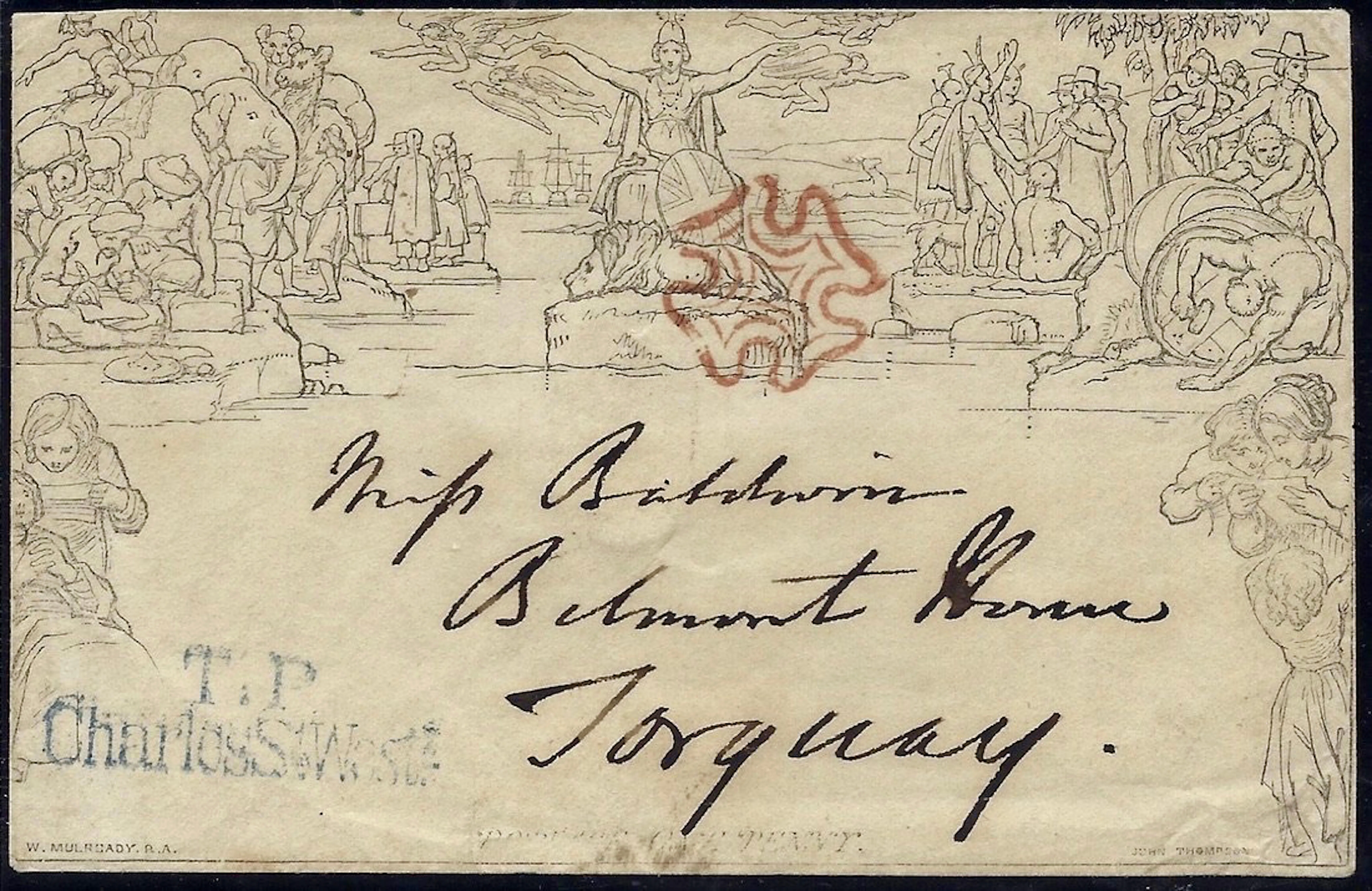
On the same day the penny black was introduced – 6 May 1840 – another idea for a prepaid postal system was presented: mulready covers.
Mulready covers were issued in competition with the penny black, but were scorned by the general public. Within two months they were withdrawn and most were destroyed. As such, they are very rare, and most examples that exist are heavily soiled. This example is of very fine quality with a neat cancellation strip by a crisp strike of an orange-red Maltese Cross and a blue T.P Charles St West handstamp. The backstamp shows the datestamp for ‘MY.6.1840’ on the top flap, which opens out well for display. The Stanley Gibbons catalogue value is £18,000; the auction estimate is £4,500-6,500.
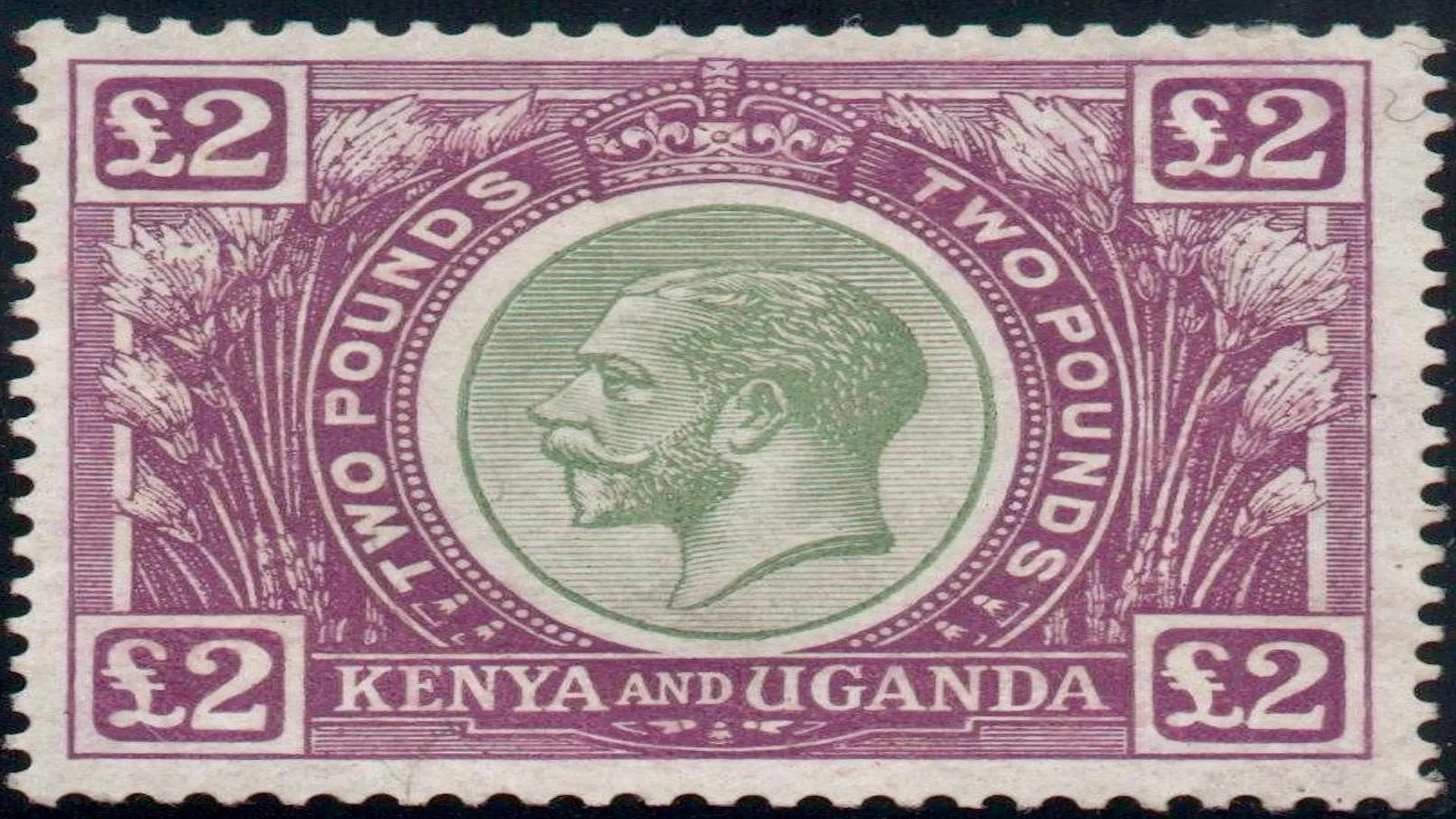
At present, the market for African stamps is picking up strength, and finding high-value, rare stamps at low prices is near impossible. Yet, this auction includes a K.U.T. £2 from 1925 in green and purple with an estimate of £325-375 (the Stanley Gibbons value is £1,200).
The history of this handsome King George V stamp begins at the short period when stamps were inscribed ‘KENYA AND UGANDA’ before Tanganyika united as a joint postal administration in British East Africa to form K.U.T. The print quantities of the higher value stamps of this issue were much lower and few survive today in mint condition. This is a very fine mint example with original gum, and is a beauty to behold.
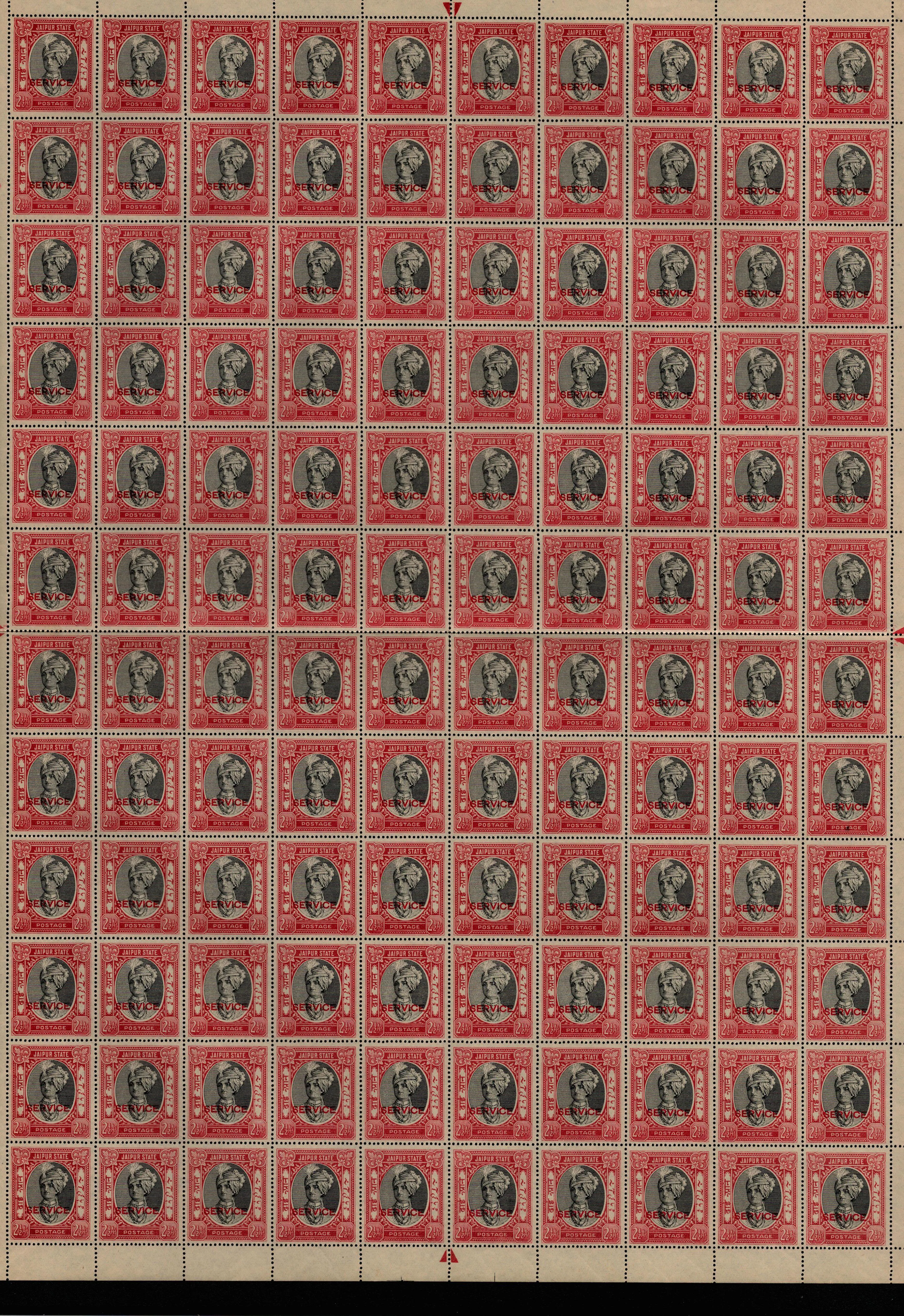
Jaipur is famous for being the world’s first planned city, built in 1726-30. Included in the auction are eight lots which, together, form a collection of entire sheets of stamps from the Indian Feudatory State of Jaipur. In total, there are 10 entire sheets of 120 stamps on offer. All sheets are of exceptional mint quality and, surprisingly, they are all unmounted mint with full original gum. This is very rare for Indian stamps because of the damage they normally receive due to the climate. The Stanley Gibbons catalogue value for the entire set of eight sheets is £6,840, based on the combined individual values of the stamps in the sheets; however, they are worth more because of the rarity premium of being entire sheets.

We end this selection with an exhibition showpiece of the highest quality: British stamp design of Seahorses. This set of three imperforate imprimaturs from the very first approved printing sheets are all from the top left-hand corner of the sheets in marginal blocks of four. Each block is in superb and pristine condition, unmounted mint with full original gum. They come with exceptional provenance as they each have a British Postal and Museum Archive handstamp on reverse. The lot was last valued by Stanley Gibbons at £135,000, but is presented with an auction estimate of £33,750-£40,000.
As a reminder, you have until 30 March to explore this superb stamp auction. Make the most of the low reserves while you still have the chance.