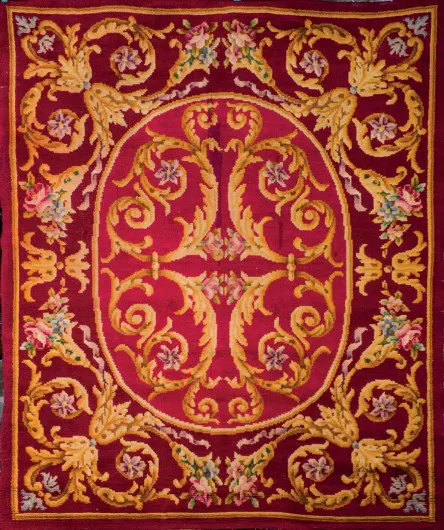
With important 17th-century paintings and masterpieces of modern Spanish art and contemporary sculpture, the upcoming auction at Durán Arte y Subastas promises a trip through over 400 years of European art. Here are the highlights.

David Teniers the Younger, son of David Teniers the Elder and Dymphna de Wilde, was a Flemish painter born in Antwerp in 1610. Influenced by Rubens and Adam Elsheimer, the repertoire of Teniers the Younger is extremely varied, ranging from religious icons and landscapes to drawings. His work as a court painter of the Archduke Leopold Guillaume de Hasbourg beginning in 1651 included the management of the archduke's art collections and led him, in 1660, to produce an illustrated catalogue that he entitled The Theatrum Pictorium. This piece earned him fame among foreign rulers, such as Prince William II of Orange, Queen Christina of Sweden and King Philip IV of Spain.
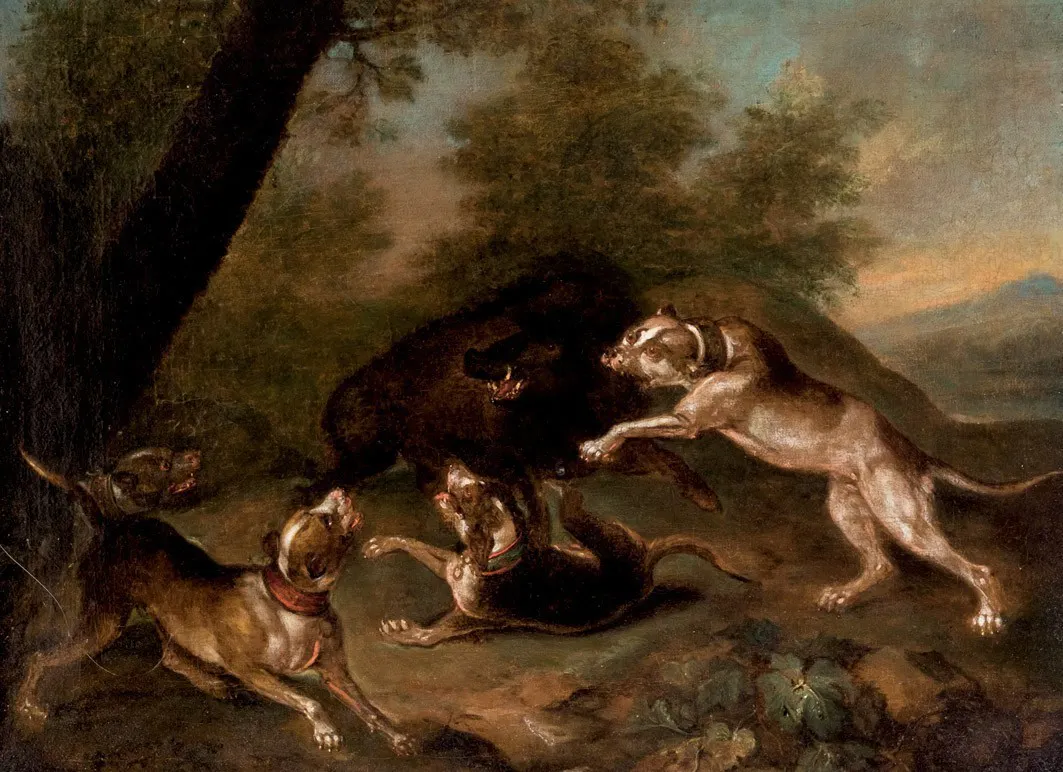
This work is signed by the workshop of Abraham Danielz Hondius, a Dutch painter of the Golden Age known for his hunting, military and religious scenes, as well as his portraits and landscapes. Originally from Rotterdam and son of a stonemason, Hondius studied painting under the tutelage of painters Pieter de Bloot and Cornelis Saftleven. After a stint in Amsterdam, he settled permanently in London in 1666, extending his artistic influence beyond the Dutch borders. His works are exhibited in major European museums, such as the Louvre.
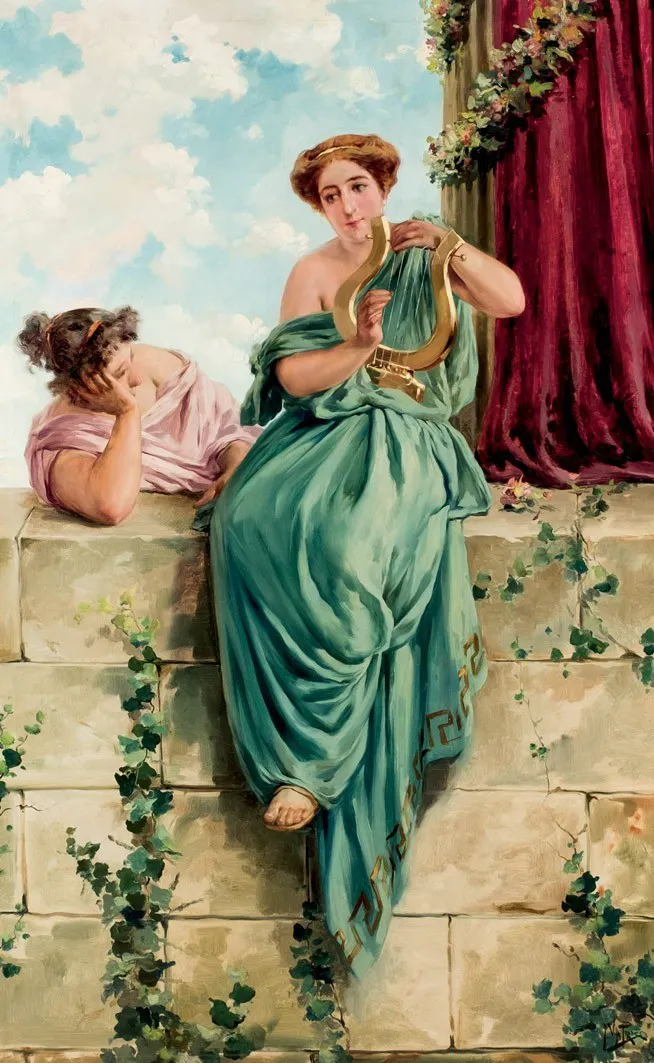
The painter and Valencian muralist Julio Vila y Prades, born in 1873, began his artistic studies at the Academy of Fine Arts in San Carlos before becoming the assistant of the painter Joaquín Sorolla from 1893 to 1904. Vila split most of his life and work between Europe and Latin America, where he painted genre scenes and landscapes. He received commissions for decorative work in Argentina, including the ceiling of the Tigre Club in Buenos Aires, as well as the walls of New York's Plaza Hotel and Tucumán Government Palace.
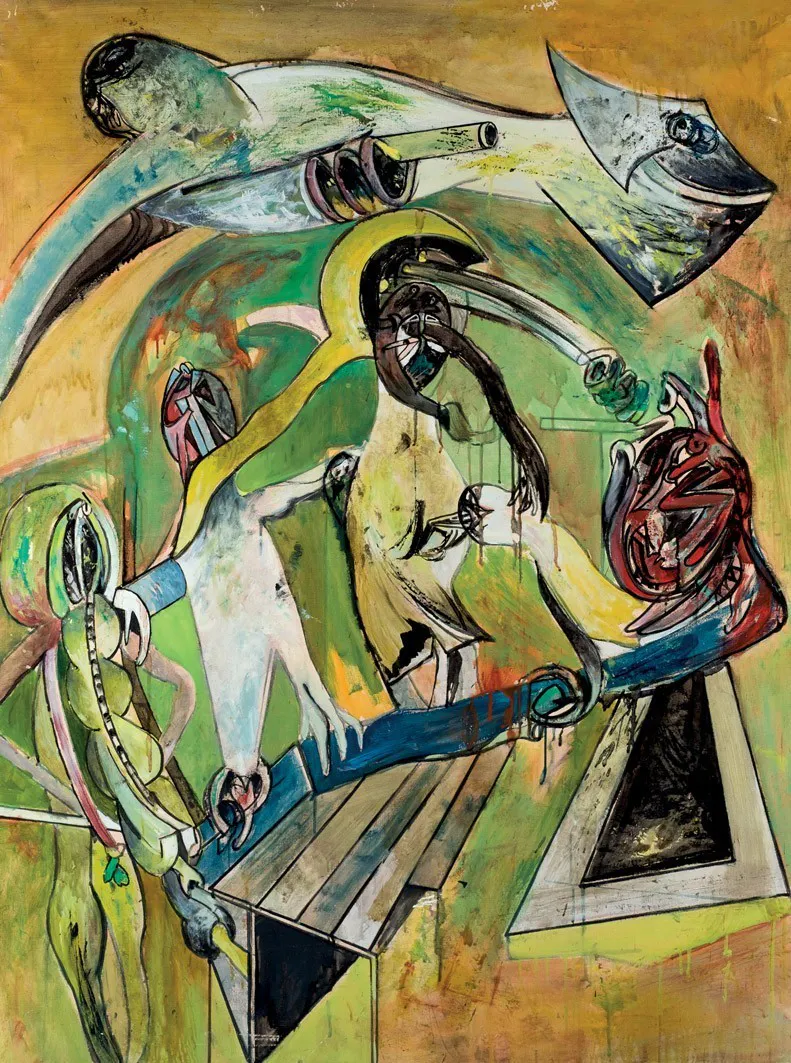
Bonifacio was a Spanish painter and engraver who, after various professional experiences as a teenager (diver, hotelier, and even novillero in 25 bullfights), won the first prize of painting at San Sebastián in 1955. His artistic renaissance, however, only began in 1958, while he participated in his first personal exhibition. His informal style, halfway between surrealism and abstract expressionism, as found in the work Nadie faltó a la cita (translated into English as 'Nobody missed the date'), stands out strongly from that of the Basque painters of the time. His work reflects the influence of foreign painters such as Willem de Kooning, Pierre Alechinsky and the group CoBrA.
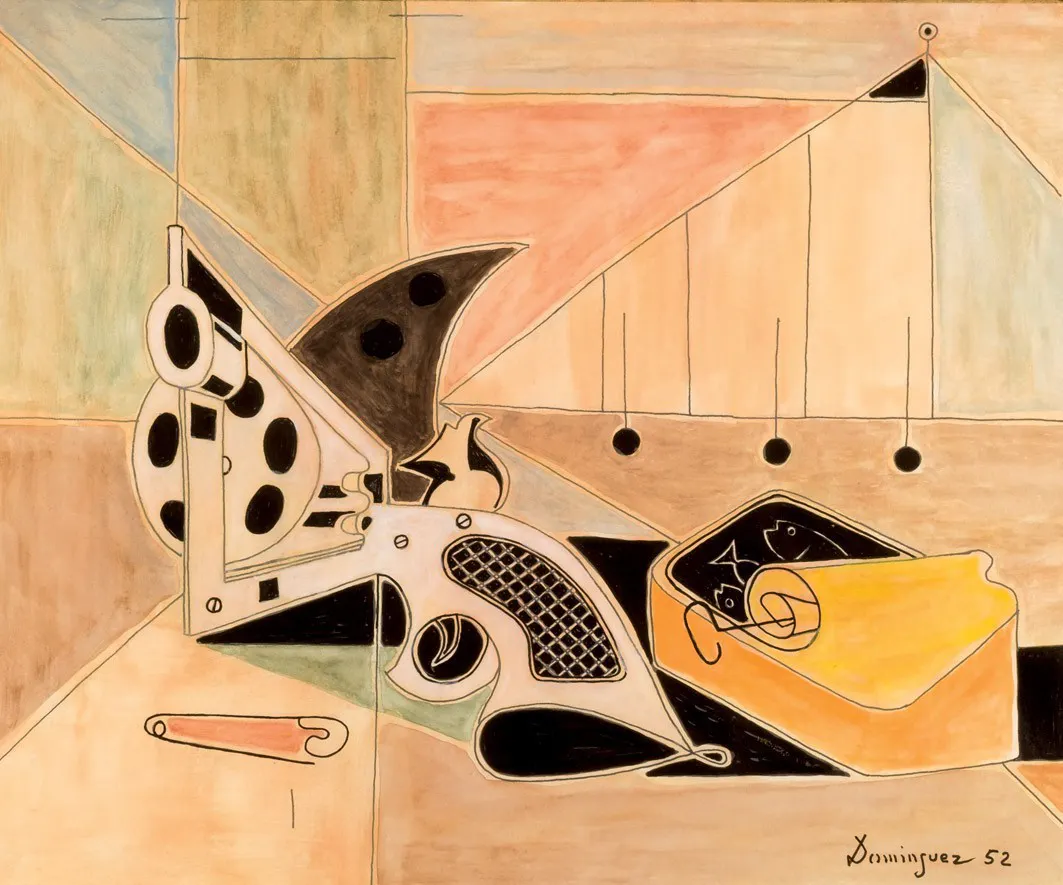
Revolver y lata de sardinas, a painting from 1952, presents the visual vocabulary of the late career of surrealist painter Oscar Domínguez. Tormented and intense, Domínguez frequented the surrealist studios of Paris beginning in 1934, an artistic scene to which he brought "the burning and fragrant whistle of the Canary Islands", according to André Breton. He was influenced by the works of Dalí and Max Ernst, and sardines were a frequent motif in his paintings. Following the death of his friend Paul Eluard in 1952, the theme of death was dominant in his work, especially in the form of revolvers.
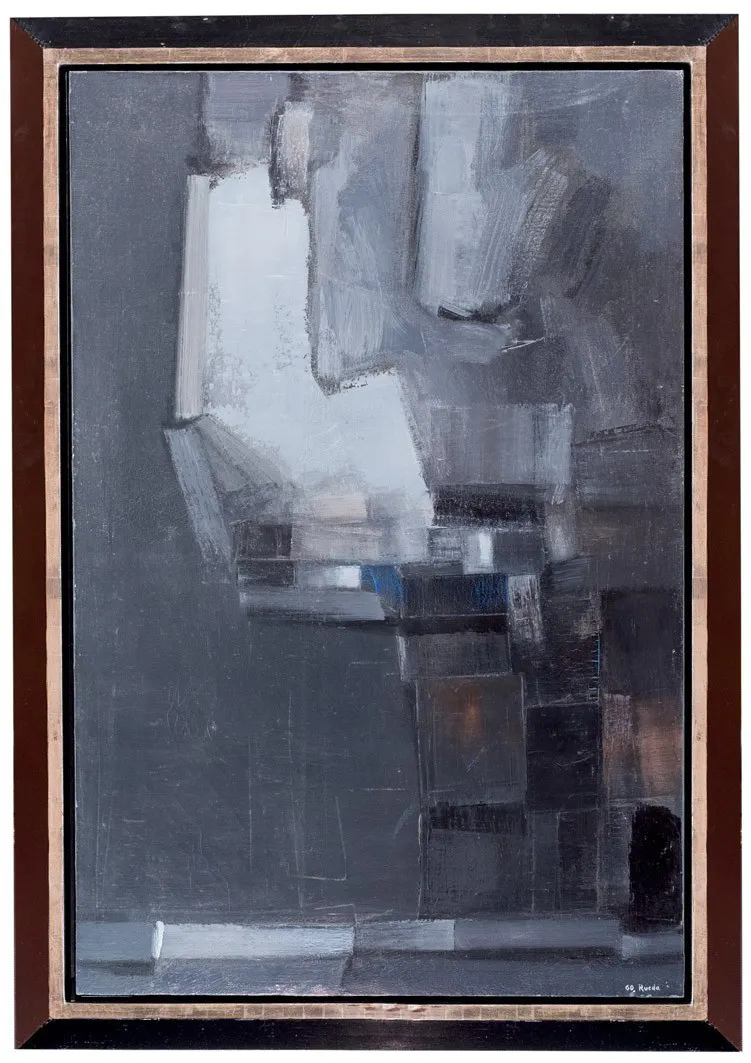
Gerardo Rueda, born in 1926, is an important figure in abstract Spanish painting of the 20th century. He was trained as a historic painter, but it is the cubist movement that prevails over his work, as, beginning in 1943, he copied cubist works into a small notebook. His first collages date back to 1953 and evolved throughout his career. In 1960, the year he created the painting Almendro, Rueda participated in the Spanish pavilion of the Venice Biennale, and was profiled in a full article written by the critic Juan Eduardo Cirlot in the magazine Artes.
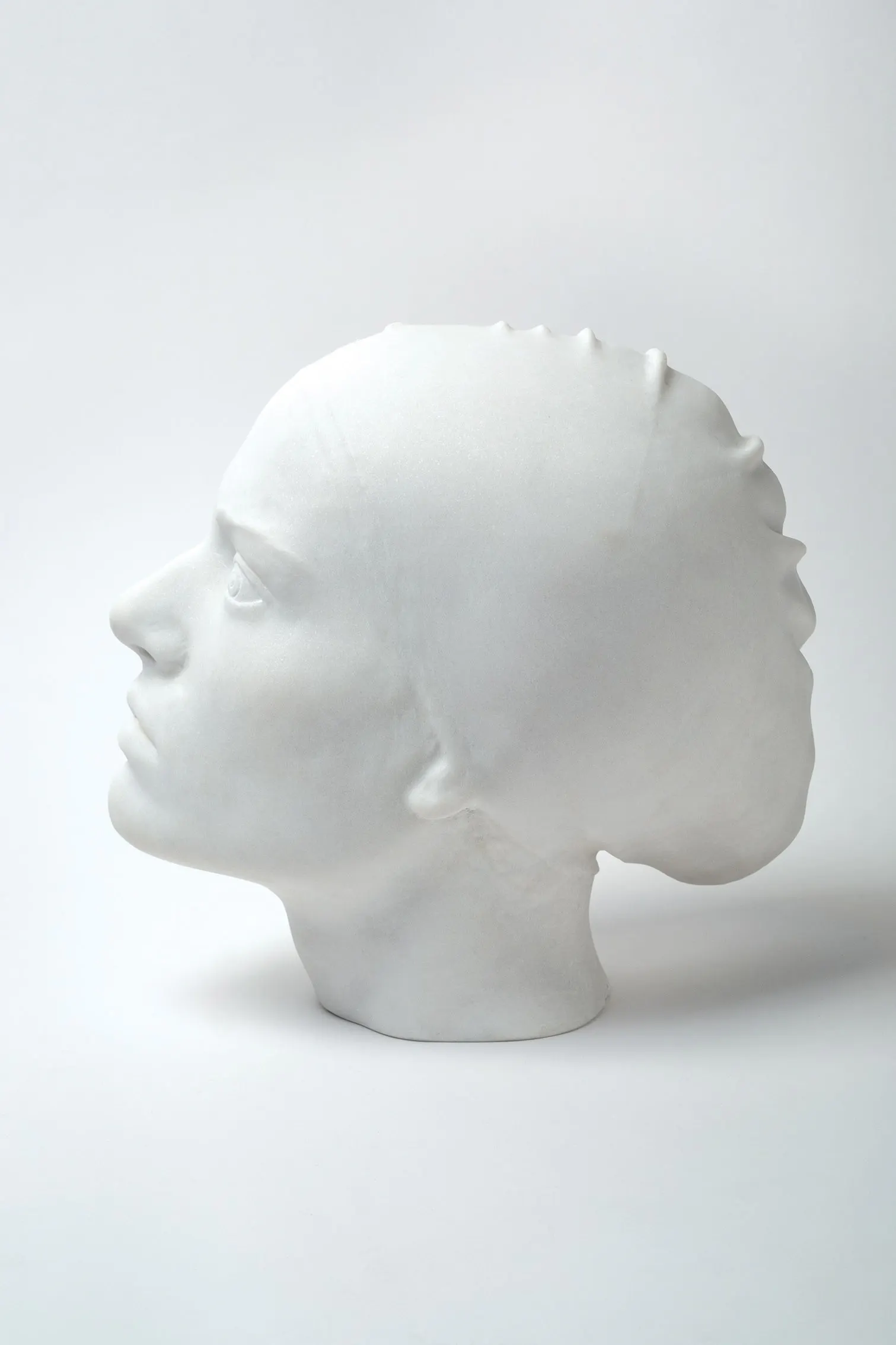
We finish with the contemporary artist Antonio López García, one of the main representatives of hyperrealism in Europe, who lives and works in Madrid. He received the Gold Medal of Merit in Fine Arts by the Ministry of Education, Culture and Sports in 1983. The 2016 sculpture Mujer de Almanzora is made of Bianco Sivec marble of Macedonian origin. A large-scale version is currently at the Ibáñez Cosentino Art Foundation in Almería.
The sale, to be held 29 January at Durán Arte y Subastas, will also include fine jewellery and watches, a rare selection of Kynsey pens, design pieces and luxury leather goods.