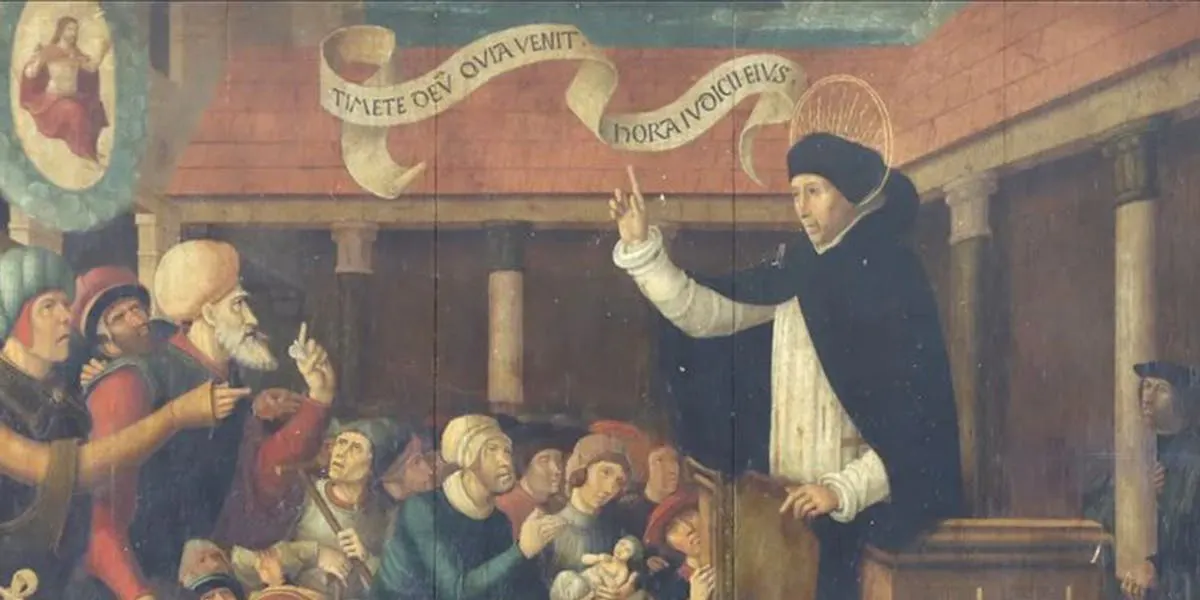
The Preaching of St. Vincent, an oil on board painted between 1515-20, was found after it had been collecting dust in an apartment in downtown Pau, a city in southwestern France, for many years. Presented on 22 June at auction house Carrère and Laborie, the work sold to a French collector for €94,000 (£84,200) including fees, against an estimate of €10,000- 15,000 (£9,000-15,200).
More than a success for the auction house, this painting is also a great discovery for art historians. As explained by Old Master's expert Patrick Dubois at the Gazette Drouot, this work was known only from a photocopy. The art historian and curator of the Louvre from 1929 to 1961, Charles Sterling, had made a photocopy of the work to insert it in the 'Burgundy-Champagne' section of the museum's archives, while another reproduction appeared more recently in the research of specialists Frédéric Elsig and Dominique Thiébaut. The location of the original work remained unknown, until today.
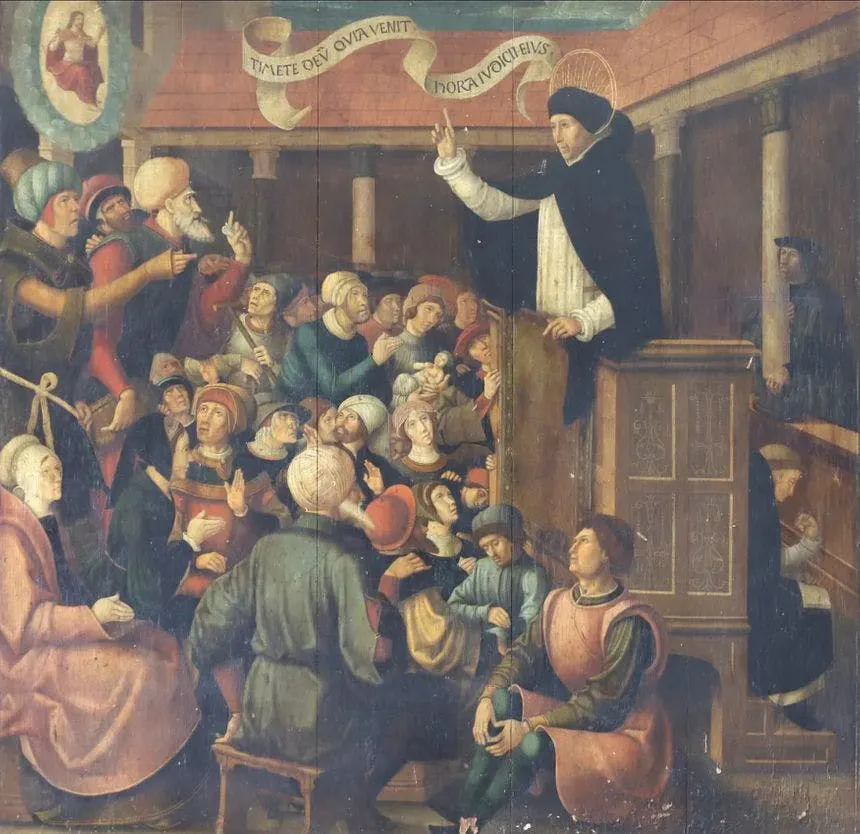
The painting's artist, Nicolas Cordonnier, known as the 'Master of the Legend of the Santa Casa', in reference to his eponymous triptych of 1525-30, now preserved in the museum of Vauluisant in Troyes, was a prominent painter in the Champagne region of France during his time. Coming from a family of artists, his style was influenced by the work of Provencal painter Josse Lieferinxe, whom he discovered in Marseille during a visit to his brother Jean.
"Its owners did not suspect that they held one of the few works of the most important painter from Troyes of the early 16th century" reported the Gazette Drouot. This major period in the history of French painting saw artists embark on the path of the Renaissance.
The work depicts Vincent Ferrier, a Dominican preacher who travelled to France, Italy and Spain to warn the population against the end of the world. His audience was said to be captivated, terrified and seduced by his words, although he spoke only in Spanish and Latin. In Cordonnier's painting, St. Vincent is preaching from a pulpit to a mixed reaction from the audience. In fact, several men wearing turbans, visible to the left of the composition, show their disapproval.
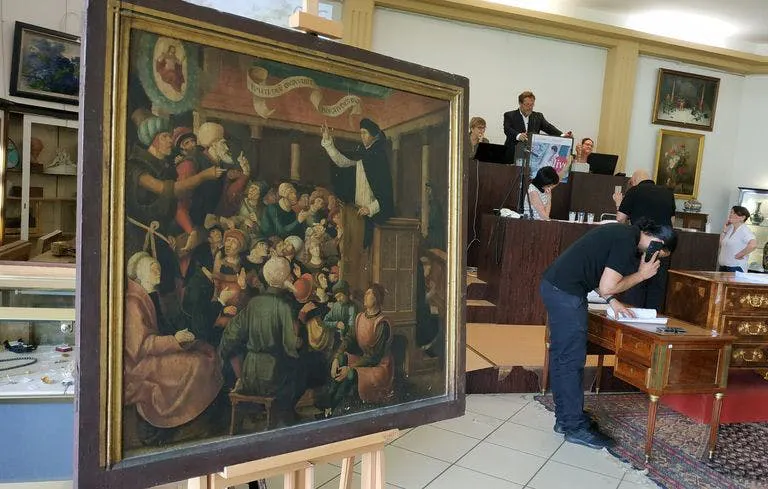
The painting's auctioneer Patrice Carrère, who orchestrated the sale, immediately noticed the work when he visited the apartment in Pau. He said of the work, "It is a painting whose patina made me say that it was probably 15th century."
This discovery will allow historians to deepen their research and knowledge about the Troyes-born artist, who is still somewhat unknown. The difference between the estimate and the final auction price of the work can be explained not only by the rarity of this kind of painting, but also because, according to Carrère, "it is the first time that this artist's work went to a public auction."
As the expert Patrice Dubois assures, this sale will mark a turning point in the auctions of French paintings from the early 16th century.