
From 18 to 20 November, the auction house Lempertz will offer an impressive selection of jewellery, decorative arts, paintings, drawings and sculptures from the 14th to the 19th centuries. After a sale dedicated to jewellery on 18 November, the auction will continue the next day with nearly 400 lots of decorative arts.
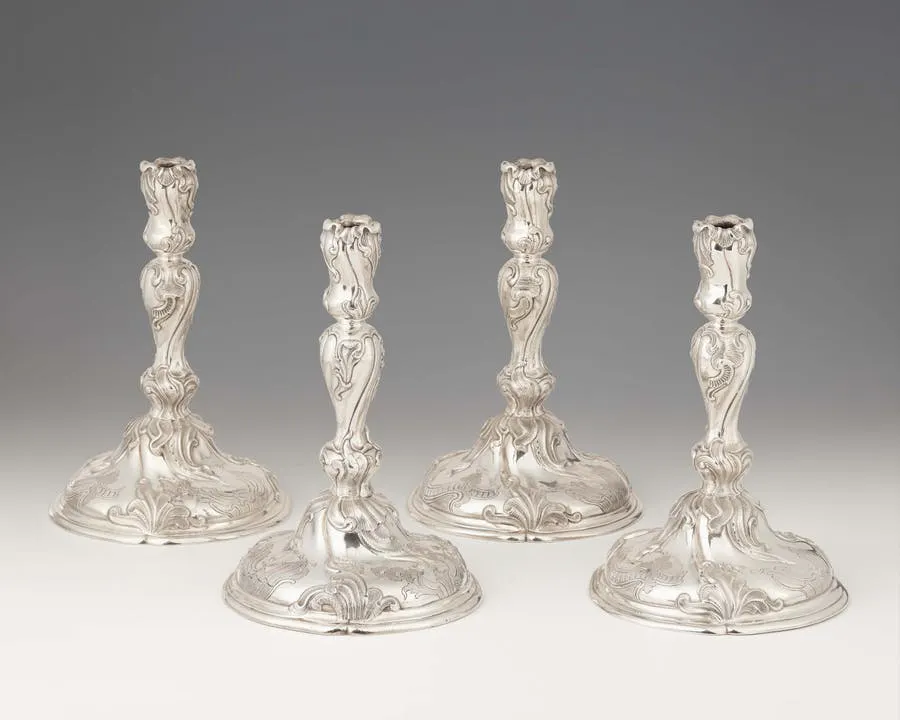
One of the top lots is a set of four silver table chandeliers that adorned the table of Elector Friedrich August II of Saxony from around 1745 and were made by the important Dresden goldsmith Christian Heinrich Ingermann.
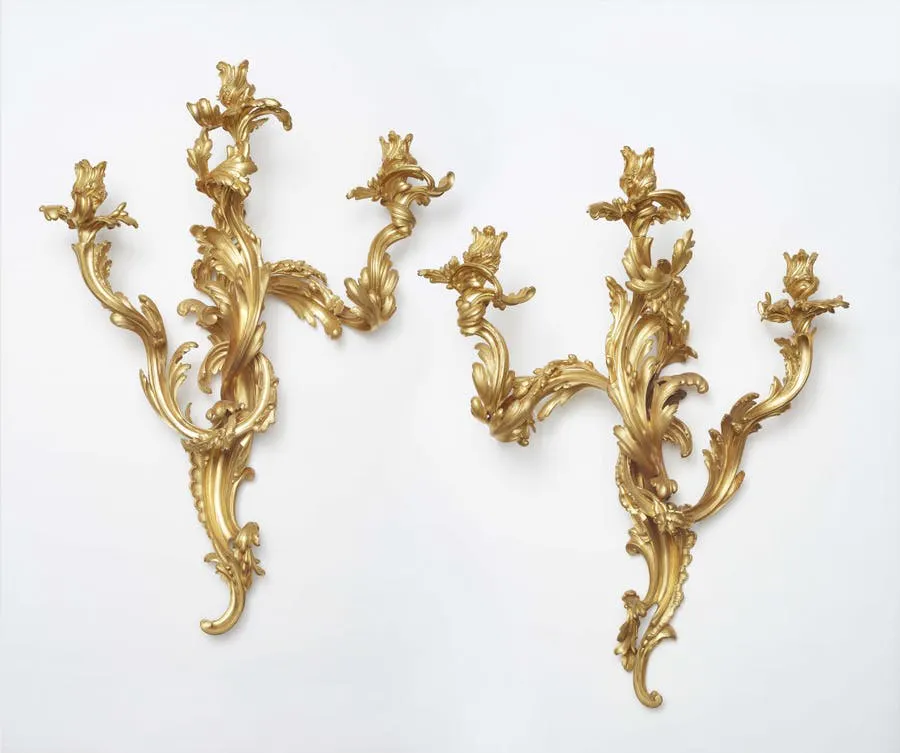
This imposing pair of gilded bronze sconces, attributed to the Parisian goldsmith Jean Claude Duplessis, comes from the same era.
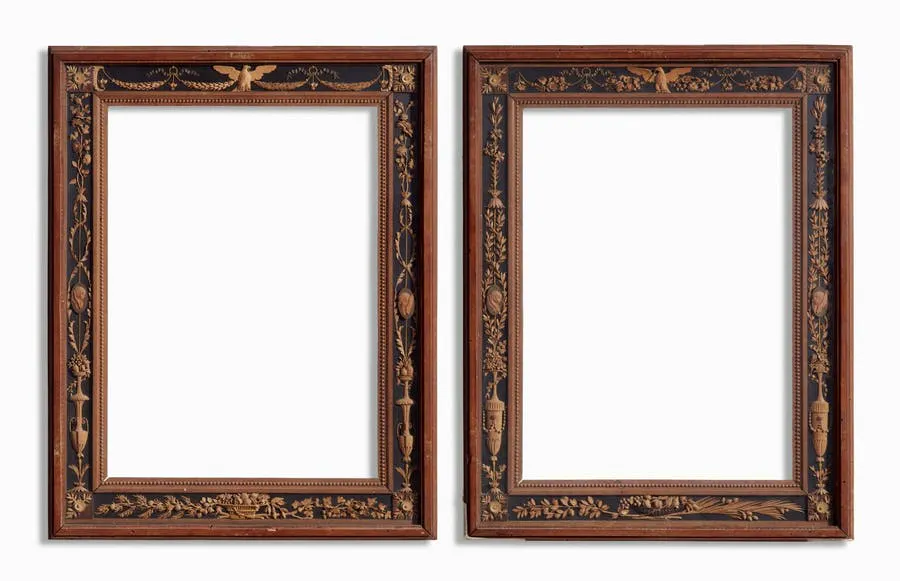
Italian sculptor and cabinet maker Giuseppe Bonzanigo is behind this pair of outstanding classicist frames dating to the last quarter of the 18th century, which impress with their exquisite micro-carving.
The next day, an auction will be dedicated to exquisite porcelain and ceramics from the best manufacturers.
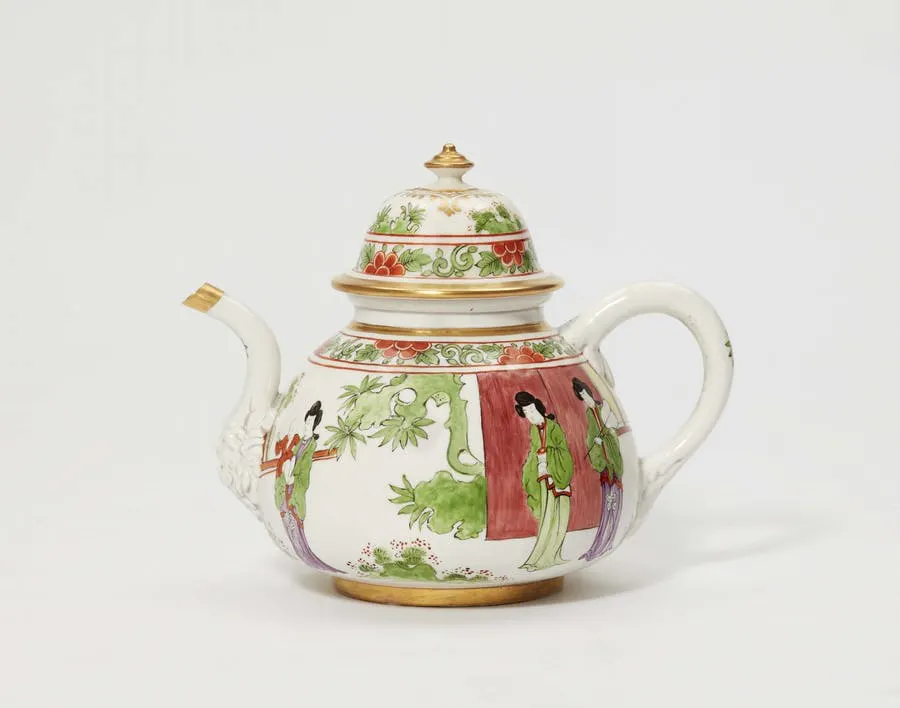
This important teapot from the Meissen factory, of which only two other examples are known, is one of the indisputable key lots in the selection. The 'famille verte' teapot bears the mark 'KPM' ('Königliche Porzellan-Manufaktur', the Royal Porcelain Manufactory in Berlin), which was used from 1723 to around 1730.
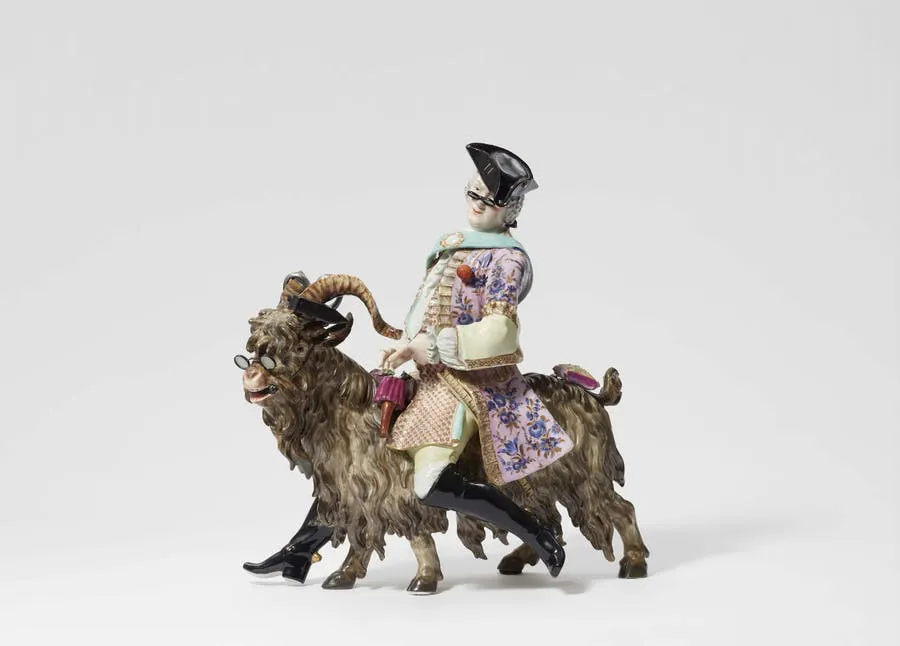
Another treasure signed by the Meissen manufactory, this large figure of a tailor on a goat was designed by Johann Joachim Kaendler in 1737. The rider was clearly inspired by Heinrich Graf von Brühl, Prime Minister of Saxony and Poland and director of the manufacture. This representation, which might seem humorous is probably inspired by the costume party which celebrated Brühl's rise to the rank of count.
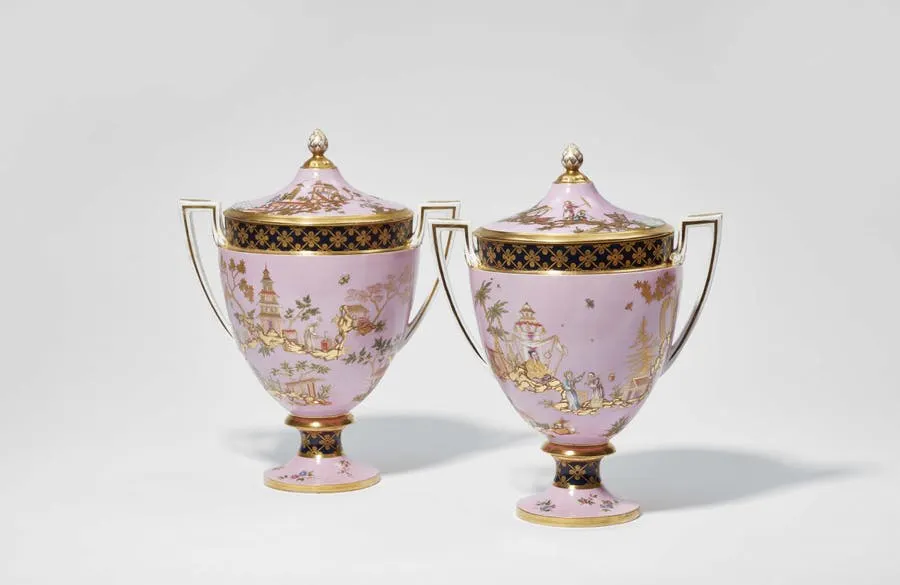
This rare pair of lidded vases from the Imperial Vienna manufactory are also on the must-have list. In a form entirely consistent with the classicist style of the time, the chinoiserie painted on a pink background takes up the Rococo style.
Finally, on 20 November, 227 lots including paintings and drawings by old masters, as well as sculptures from the 19th century, will be offered.
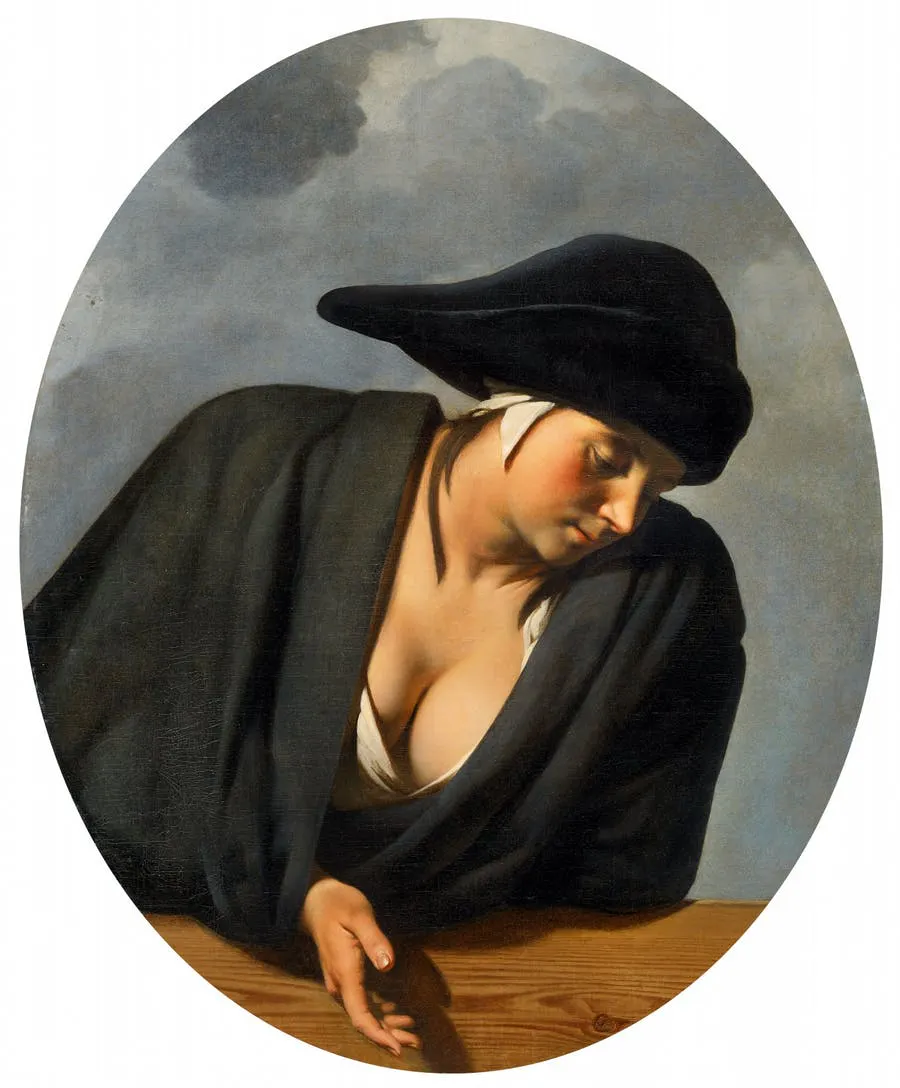
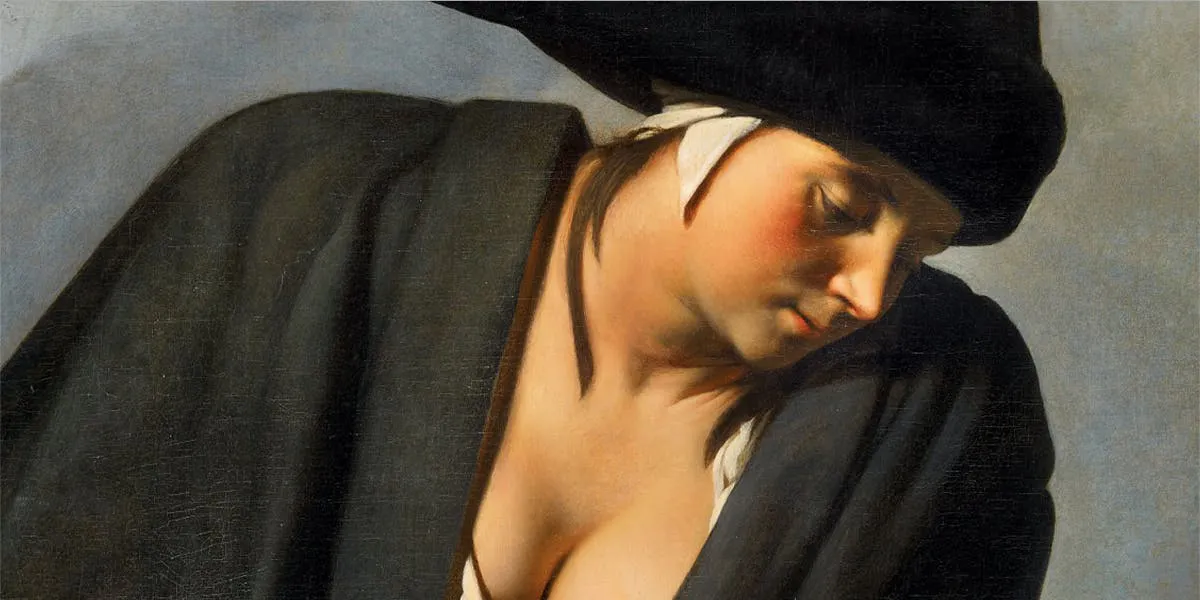
When this representation of a young peasant woman wearing a black hat was rediscovered in 2002, it was initially thought to be the work of a French painter from the end of the 18th century. It was later attributed to César Boetius van Everdingen, a painter active in Alkmaar, in the Netherlands, in the 17th century.
The young woman depicted is just as enigmatic as her portrait. Her hat, worn upside down, indicates that she is a young Dutch peasant girl. Her clothes are a bit messy, as is her hair sticking out of her cap. The tight framing of the composition does not allow us to presume the course of events surrounding this enigmatic scene.
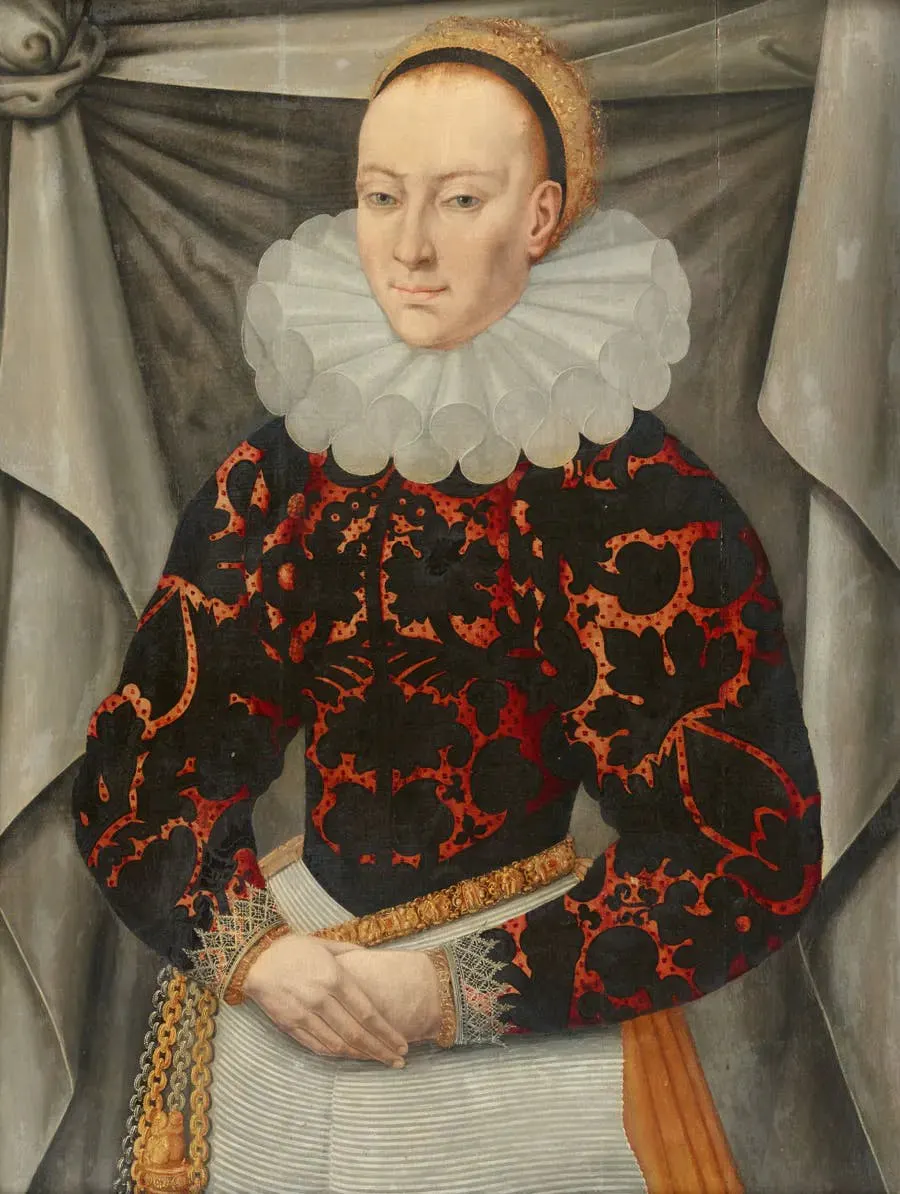
Much more formal, this portrait illustrates a young patrician woman from Gdansk, which can be confirmed by her clothes and her manner of standing. The portrait was executed by Anton Möller, the main painter of this important port city on the Baltic Sea. It is possible that the work was painted on the occasion of a wedding and that a male equivalent exists.
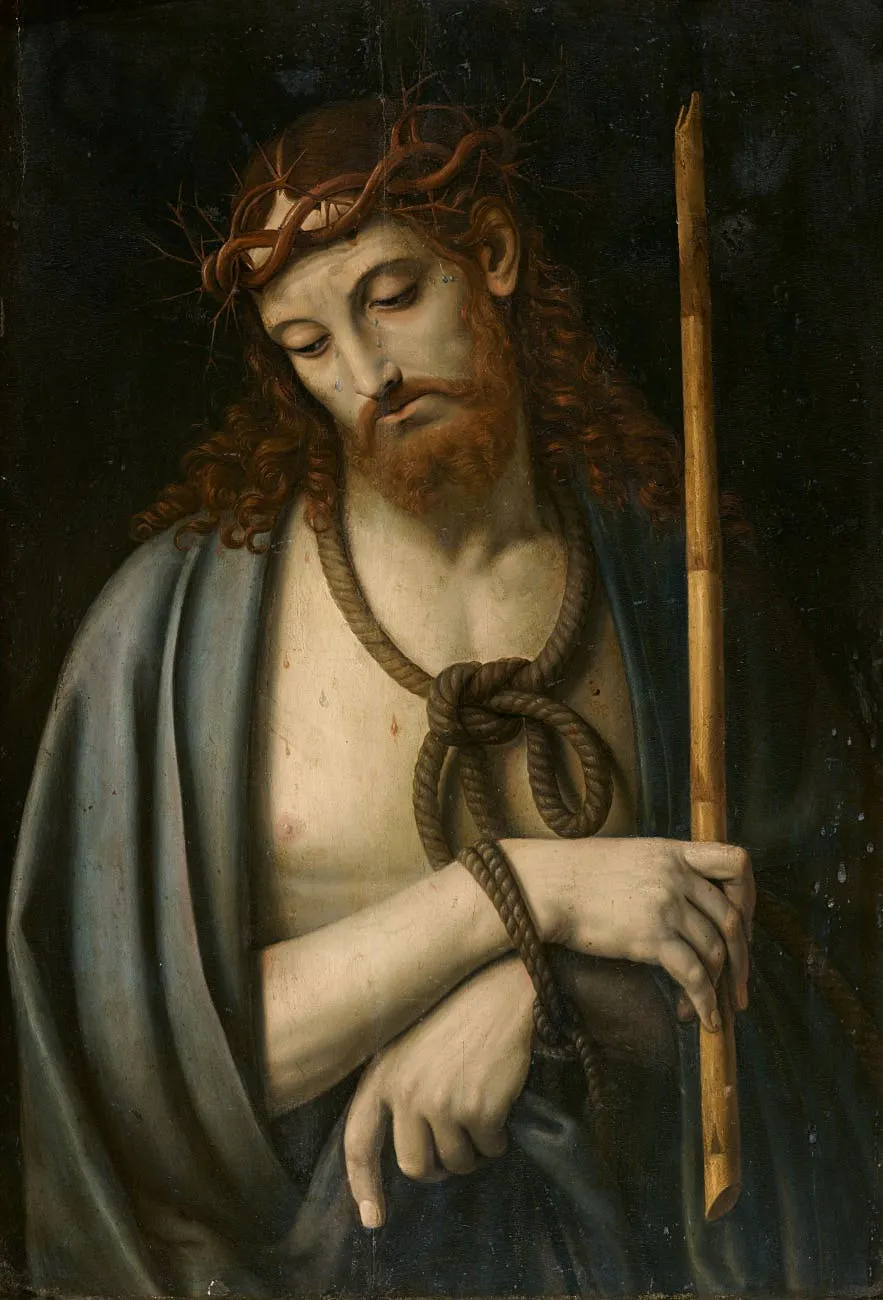
This representation of Ecce Homo painted on wood is the work of Andrea Solario, one of the most important successors of Leonardo da Vinci. It represents Christ bound, wearing his crown of thorns. Solario worked in the Renaissance genius' Milan workshop from the mid-1490s and over time acquired the sfumato technique so brilliantly mastered by da Vinci. The Ecce Homo is one of the most important motifs of Solario, of which 15 versions are known.
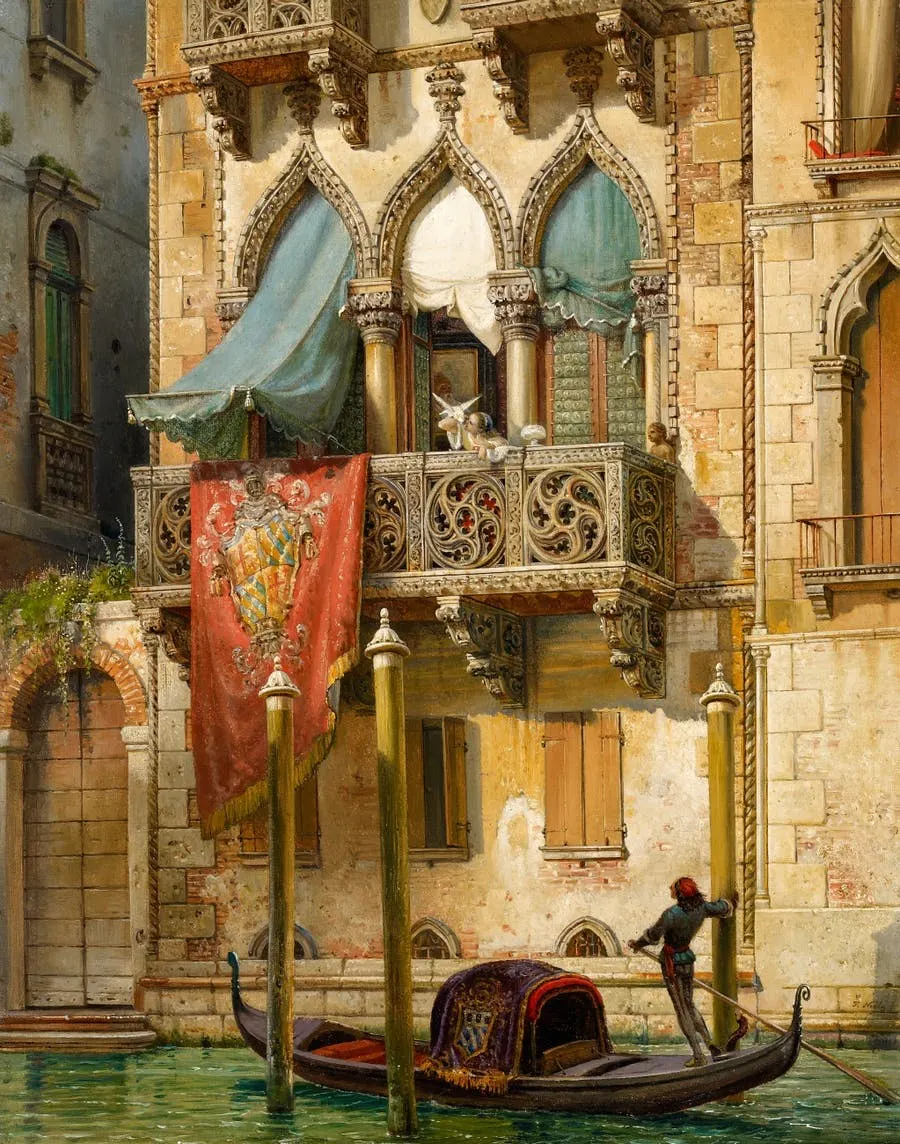
Before Leonardo, Solario was a student of Giovanni Bellini, the most important painter in Venice in the 15th century. At that time, the Venetian patrician family Contarini had the Palazzo Contarini Fasan built on the Grand Canal, which was later associated with Shakespeare's Othello. 400 years later, the German painter Friedrich Nerly, who lived in Venice, chose the Palazzo as the backdrop for a romantic historical painting in which a longing gondolier has to admit defeat by a cockatoo.
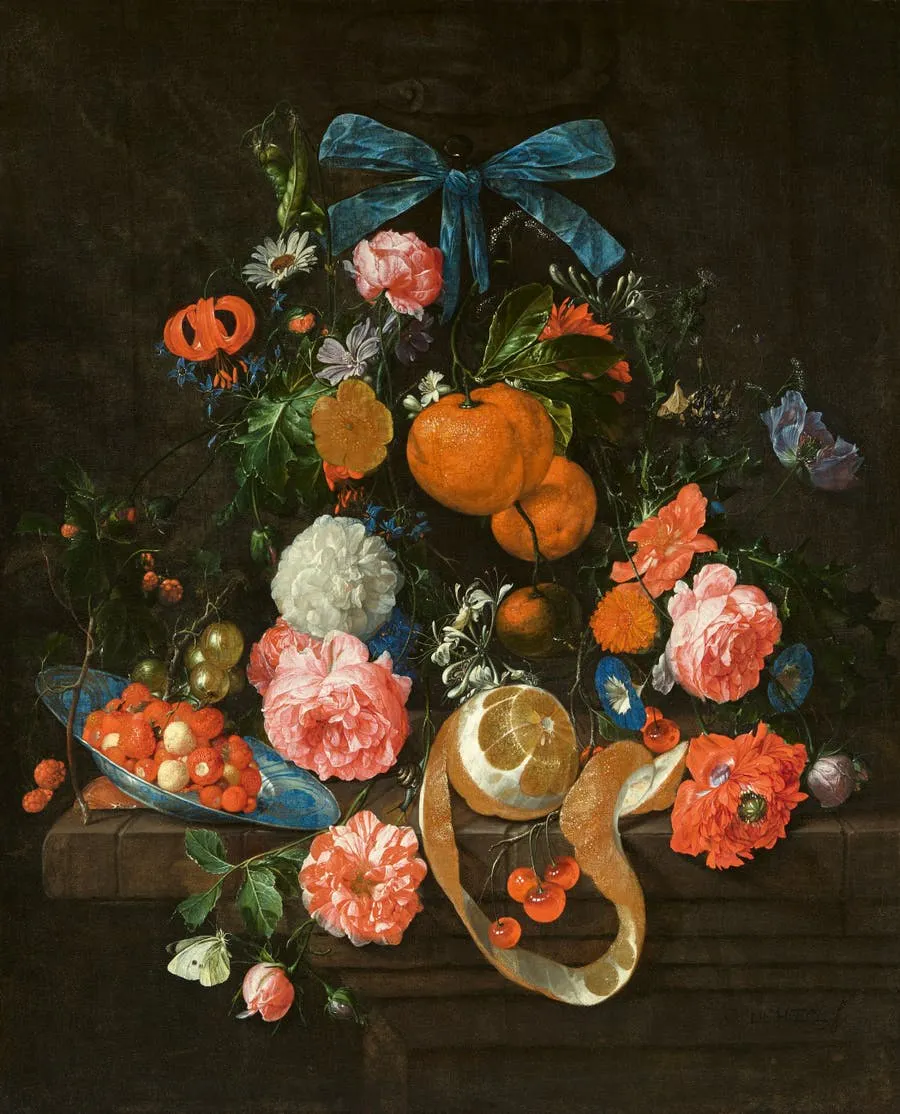
The many high-quality still lifes in the offer are led by this work by the Dutch baroque painter Cornelis de Heem. De Heem specialised in fruit still lifes, which he sometimes supplemented with flowers, crustaceans and valuable bowls and glasses.
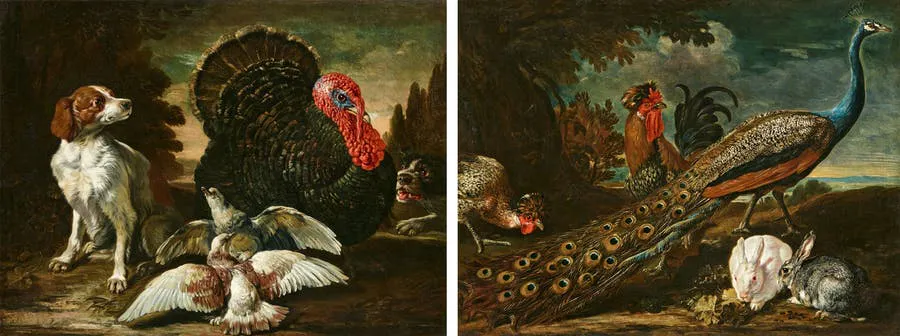
De Heem's Flemish contemporary David de Coninck, on the other hand, liked to complement his still lifes with living models or put them at the centre of his work. This is also the case in the present pair of paintings, which show different poultry together with dogs and rabbits.
The auctions take place in the Lempertz auction house, Neumarkt 3, in Cologn, Germany. Pre-viewing is possible there from 12-19 November.