
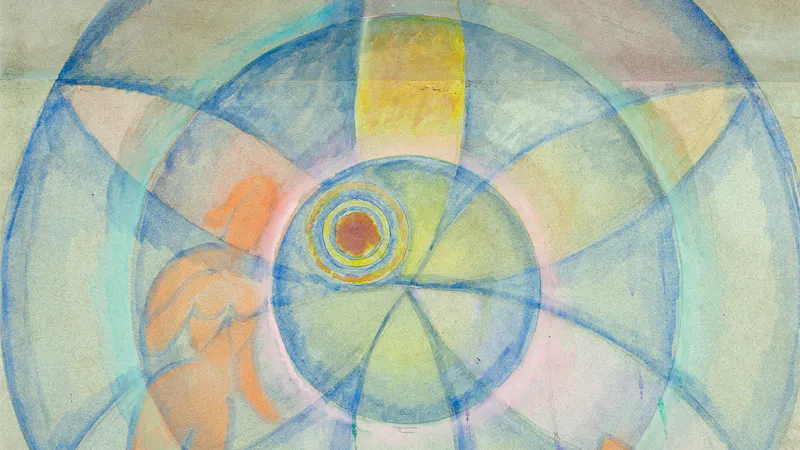
Aguttes' upcoming sale of Russian Art on 17 May features three main collections: a set of drawings from Vladimir Baranov-Rossine's studio, Soviet propaganda posters and non-conformist art from the Leningrad Mavericks, as well as a painting by Chaim Soutine, the modern Russo-French artist.
Here are the highlights of the sale.
Paintings by Vladimir Baranov-Rossiné
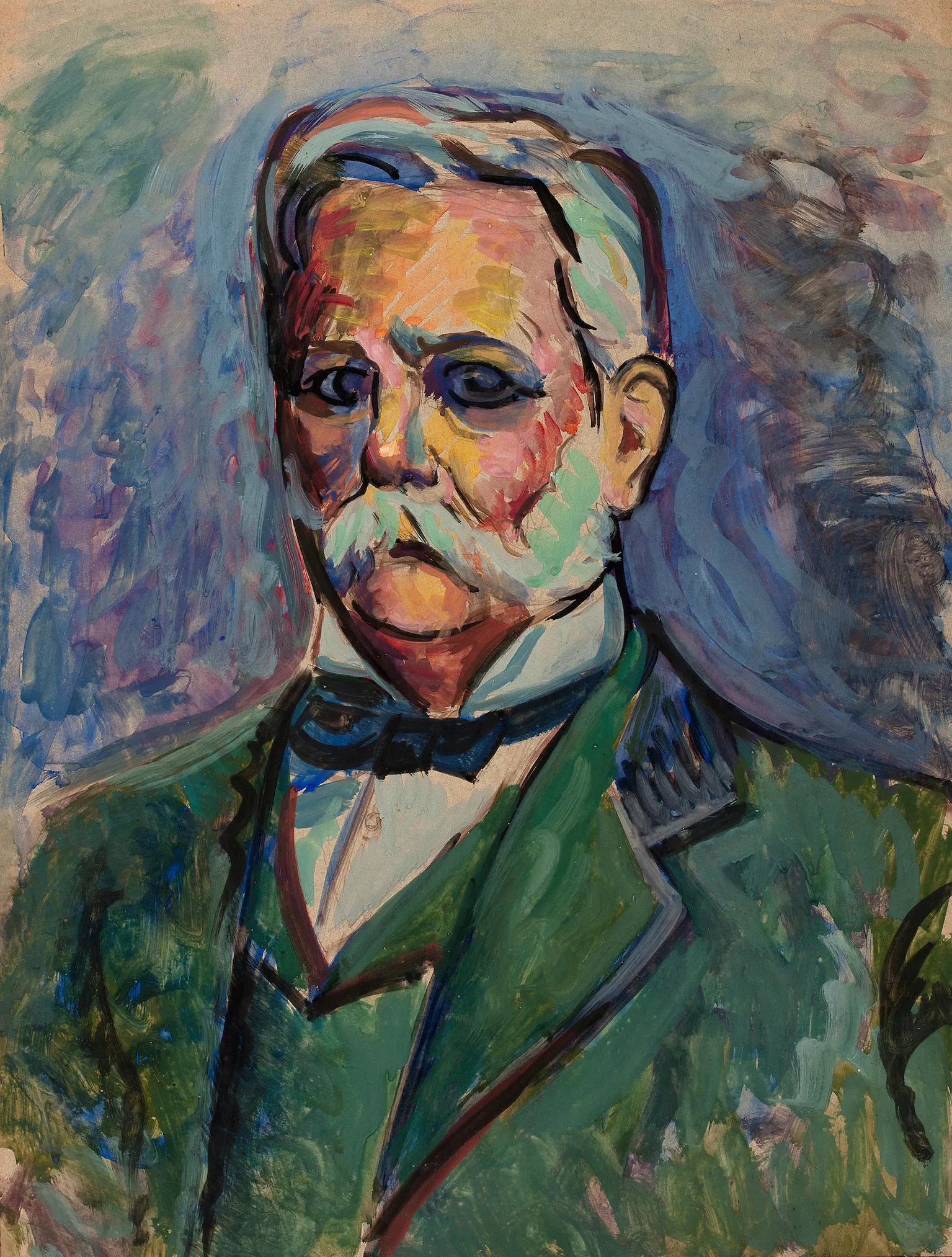
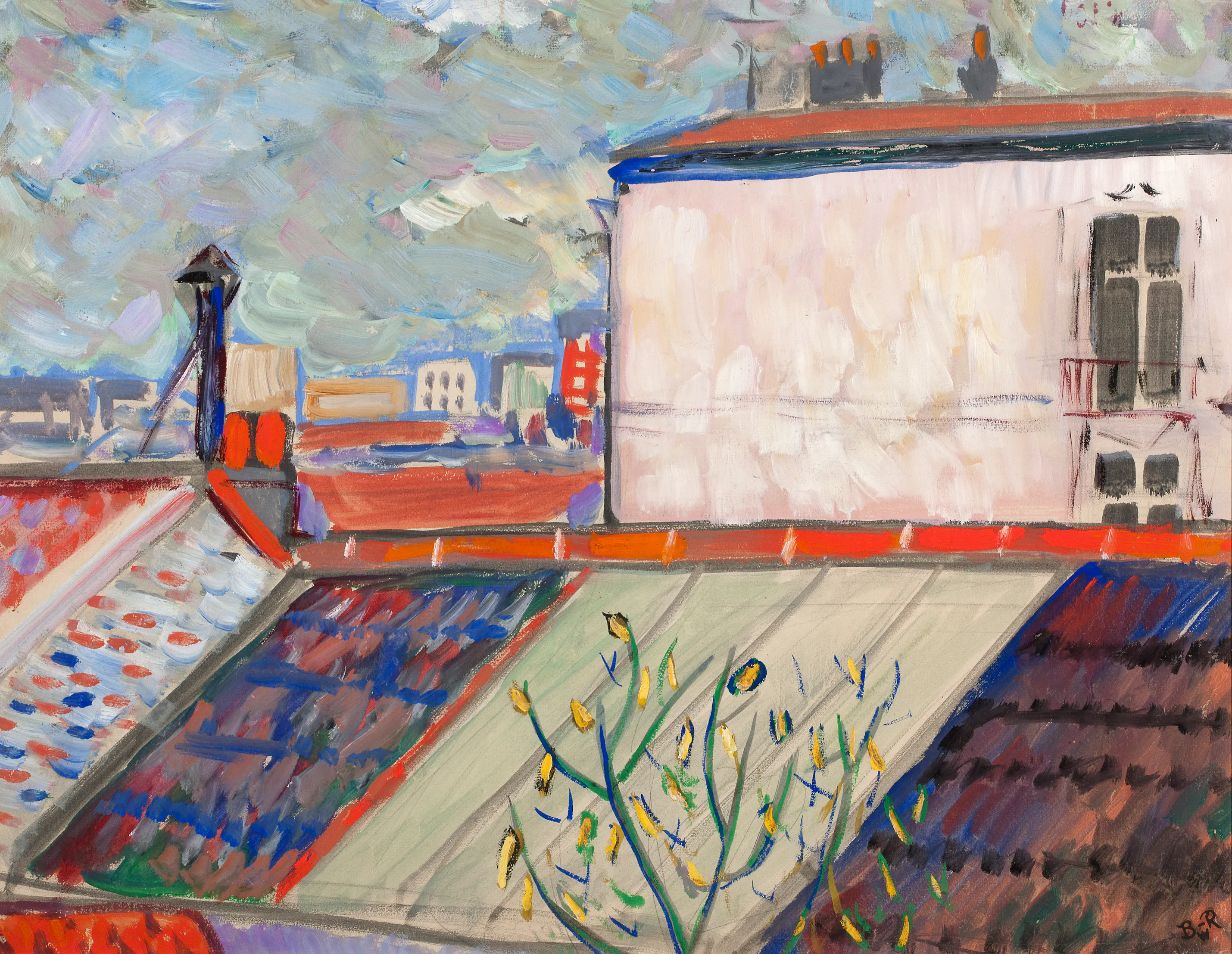
Eleven works in the auction come from the hand of Vladimir Baranov-Rossiné, the innovative modern artist who was born in 1888 in Kherson, Crimea. Vladimir Baranov-Rossiné graduated from high school in Odessa and entered the St. Petersburg Imperial Academy of Arts in 1908. As a student, he began to take part in the first exhibitions of Russian avant-garde art in Moscow, Kiev, St Petersburg, Vilnius and Berlin. After travelling extensively in Europe, he moved to Paris in the autumn of 1910. He then took the pseudonym of Daniel Rossiné, and from 1917 began to sign his works by the name of Vladimir Baranov-Rossiné.
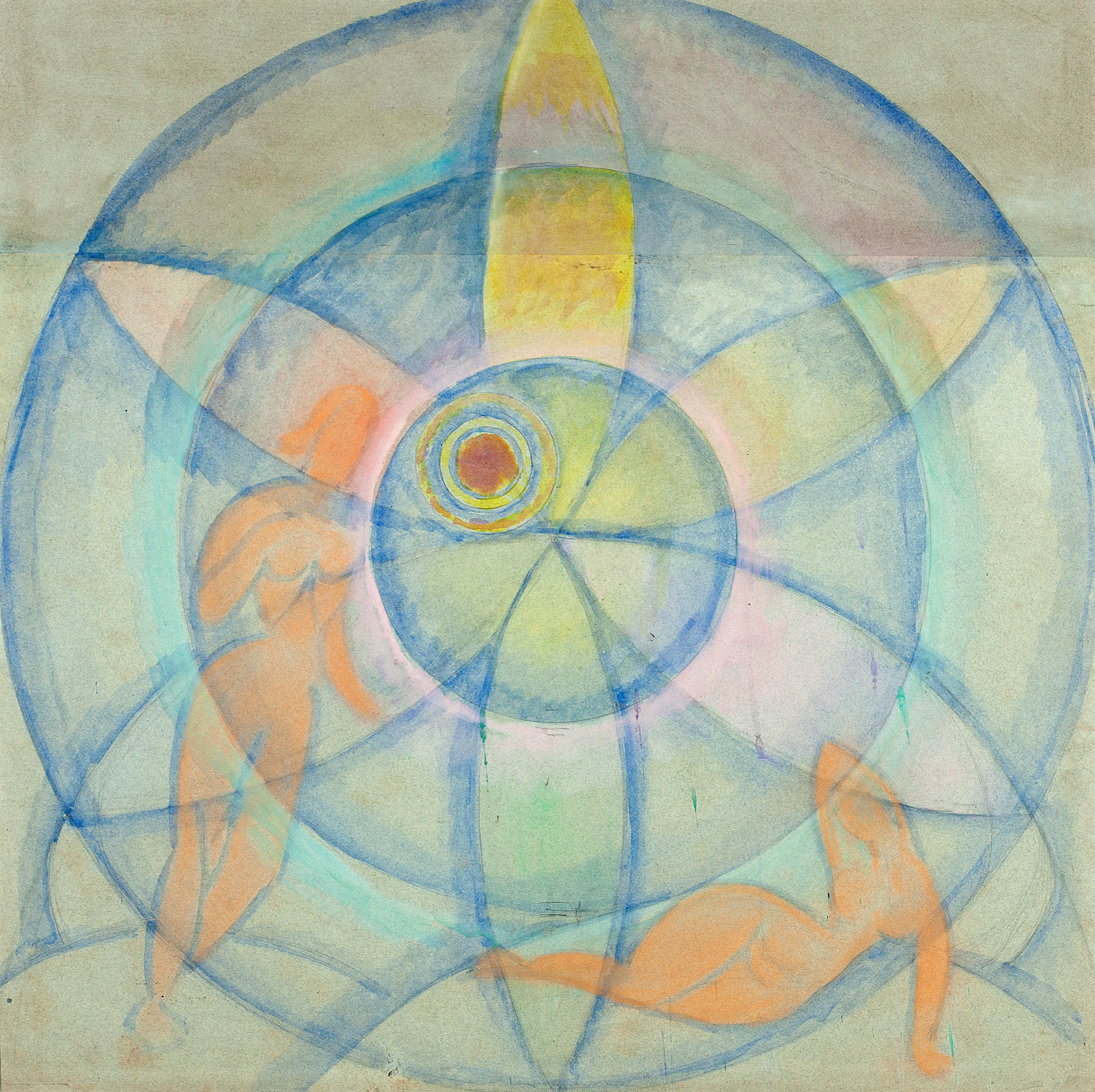
His styles were varied and he incorporated elements of Neo-Impressionism, Fauvism, Cubism, Orphism and Surrealism. From 1911, he participated in many Parisian exhibitions showing both painting and sculptures. With the beginning of the Second World War, he decided to stay in Paris. On 9 November 1943, this painter was arrested by the Gestapo with all his family, who were later released. He was deported on 20 November 1943 in Germany and died on 25 January 1944 in Auschwitz. Today, Vladimir Baranov-Rossiné occupies an important place among the great creators of the 20th century.
Soviet Propaganda Posters
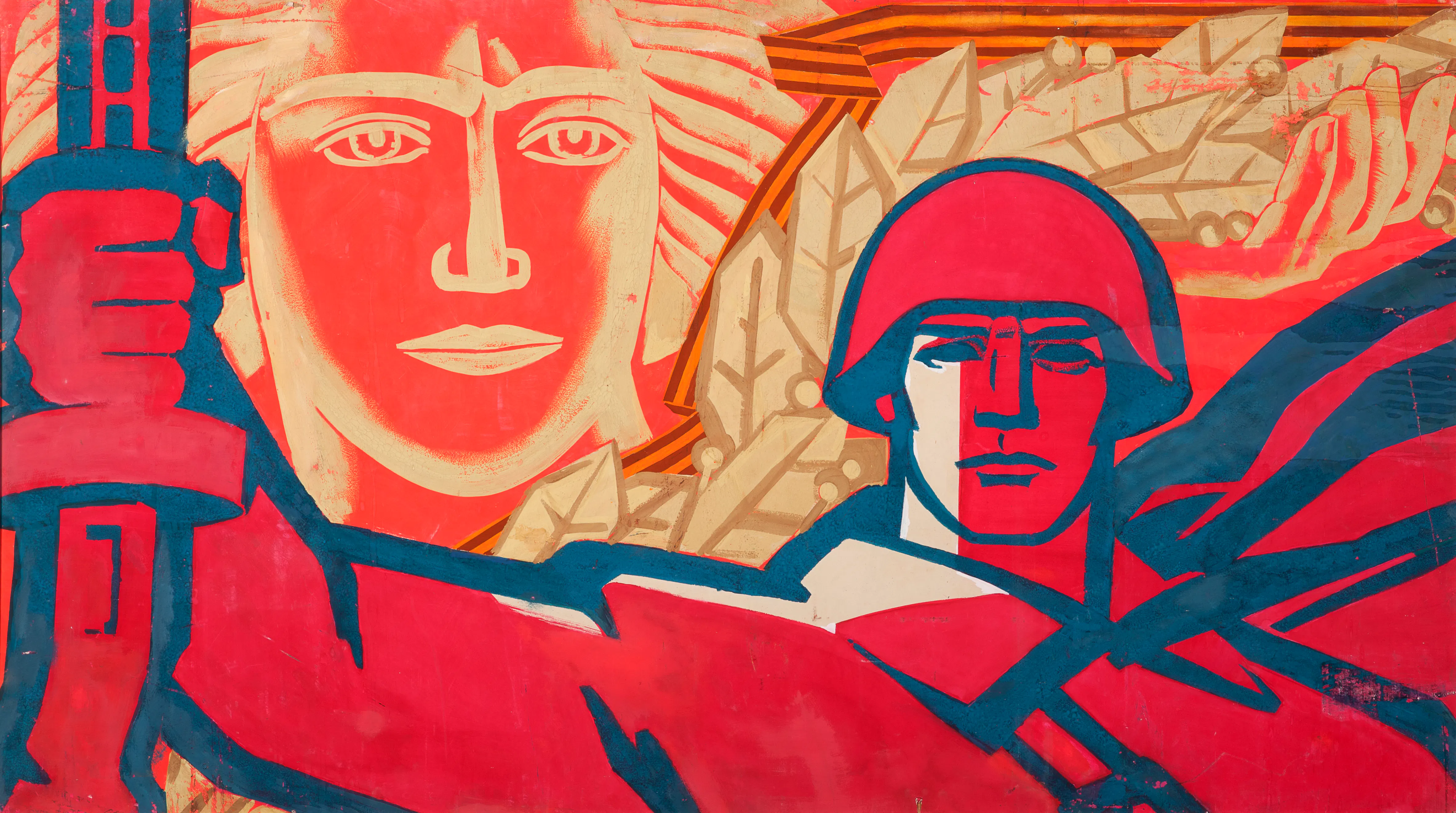
Soviet propaganda is a pictorial genre in its own right and has a place of honour in Soviet art from the 1930s until the fall of the Berlin Wall. Featuring symbolic images with simple forms and bright colours, some of these posters have become veritable icons of communist utopia, where the futuristic lines of the avant-garde intermingle with the archetypes of Russian history.
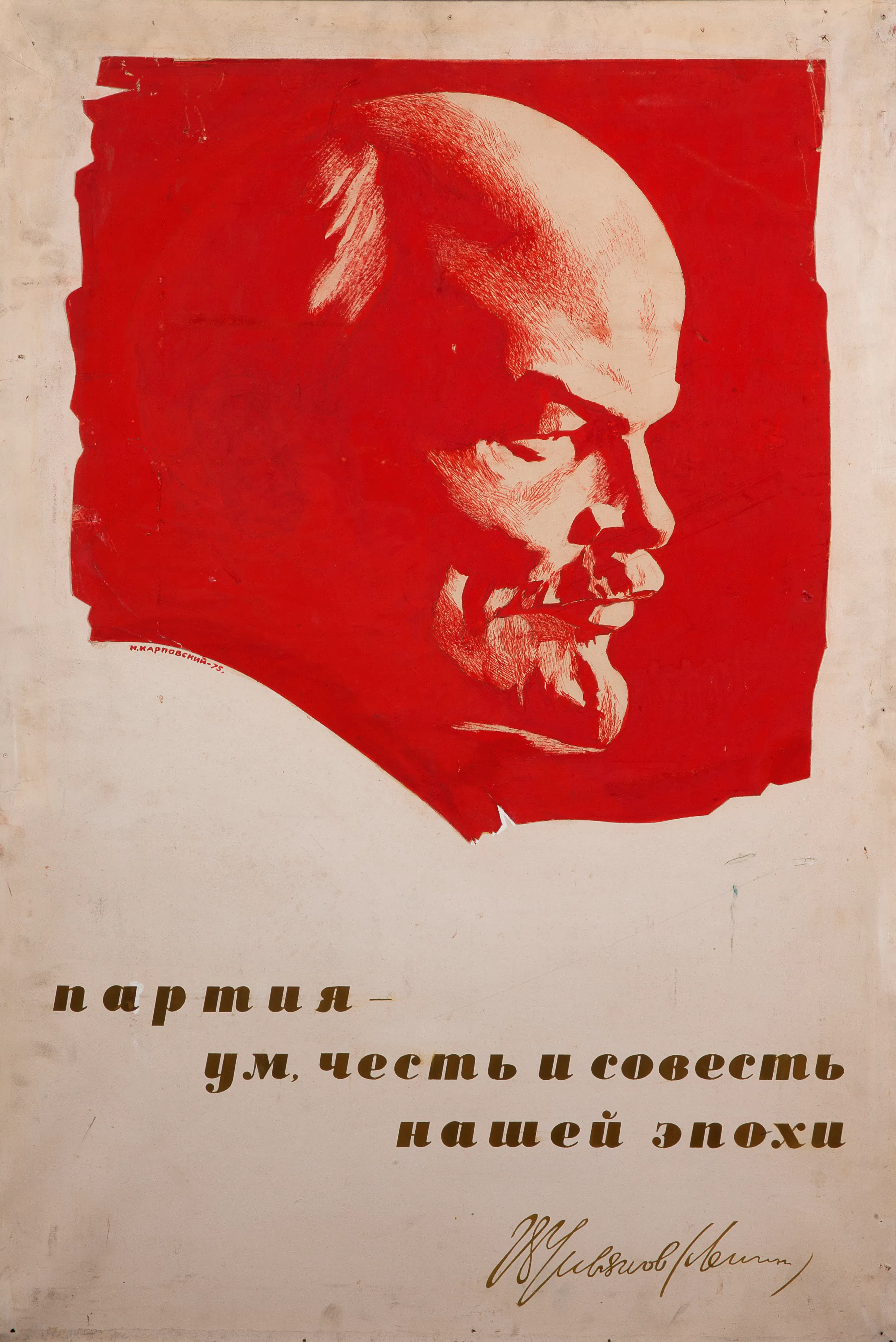
Artistic sources of this kind draw on the creations of Malevich, Rodchenko or even Lebedev. Far from being reduced to the orthodoxy of socialist realism, these artists knew how to use the forms of their time in the service of an authentic Messianism which mixes with conquering internationalism, the glorification of strength, and the victory over fascism and capital.
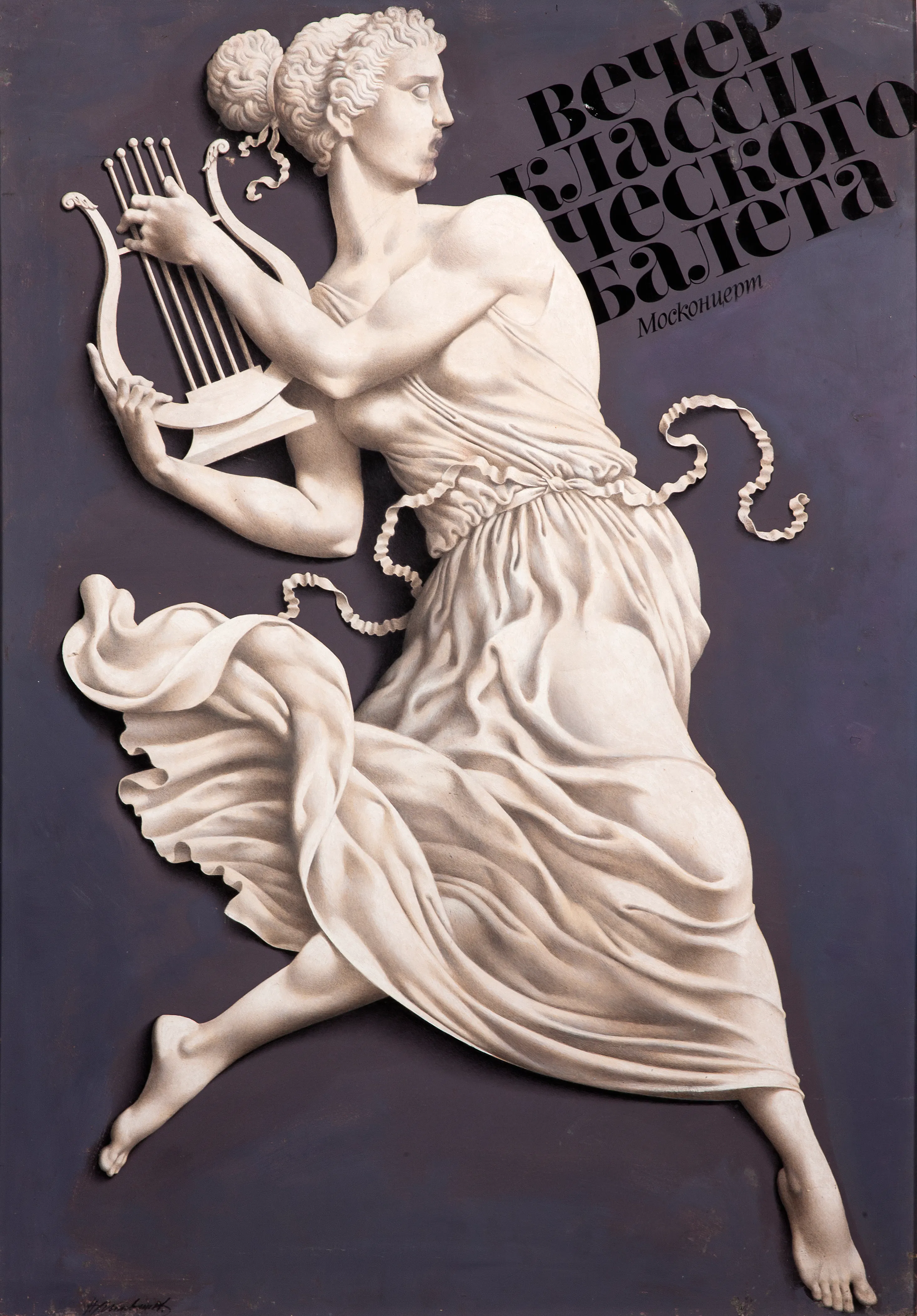
In the 1970s, new inspiration enriched the classic themes of Marxist ideology. The artists devoted part of their works to anti-militarism, ecology and the ideal of a harmonious world that echoes the great preoccupations of postmodern humanism. From a simple ideological instrument, the poster became the image of a world in the making. The most beautiful of them are now preserved in the Tretyakov Gallery and the Tate Museum.
The Non-Conformist Art of Leningrad Mavericks
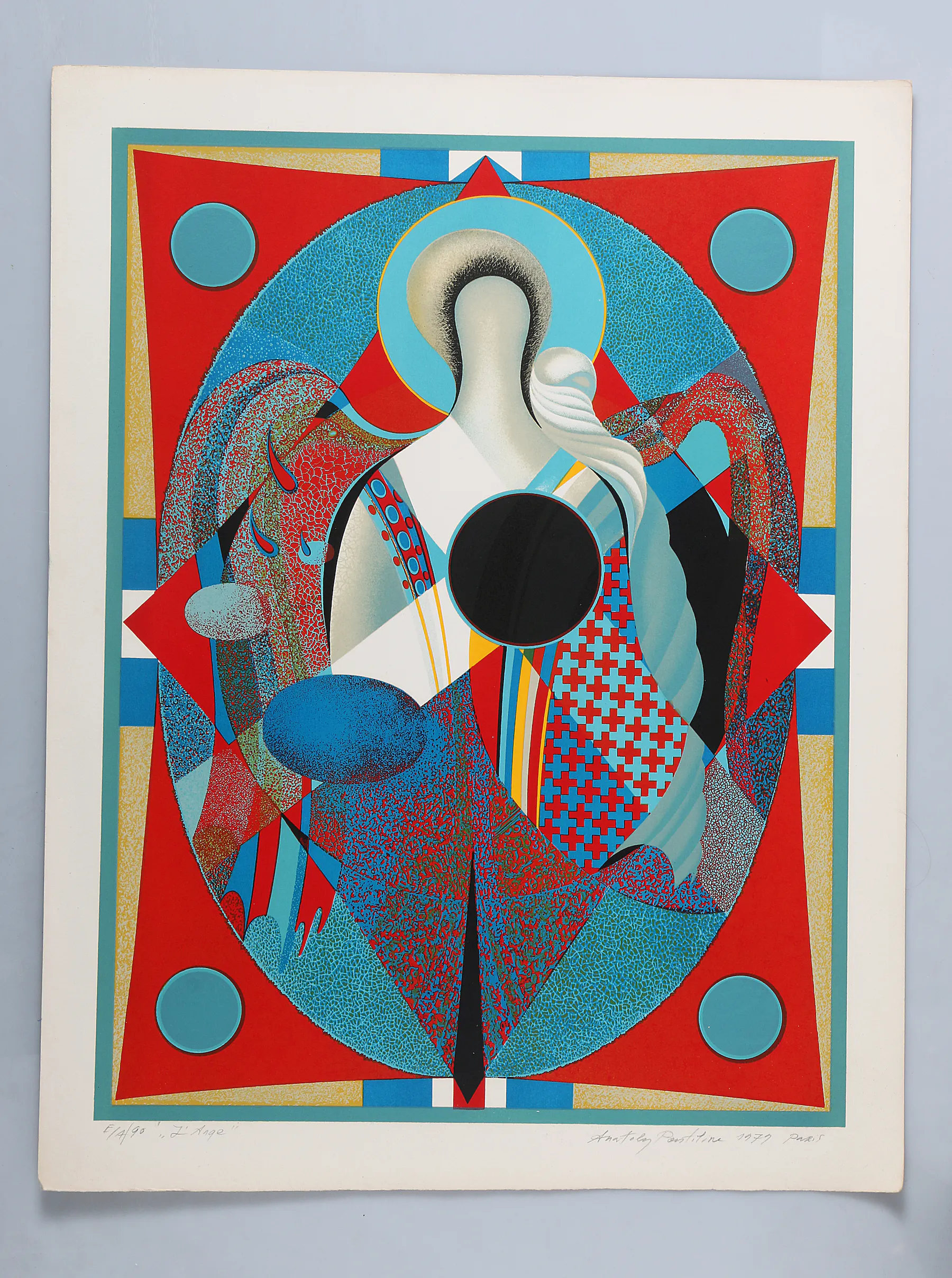
In December 1974 the first exhibition of non-conformist artists took place in Leningrad, whose work deviated from socialist realism, which was then the ruling artistic movement. This outdoor exhibition was a seminal event in Russian cultural life. Organised by Yura Jarkhikh, the exhibition gathered more than 15,000 visitors in just four days.
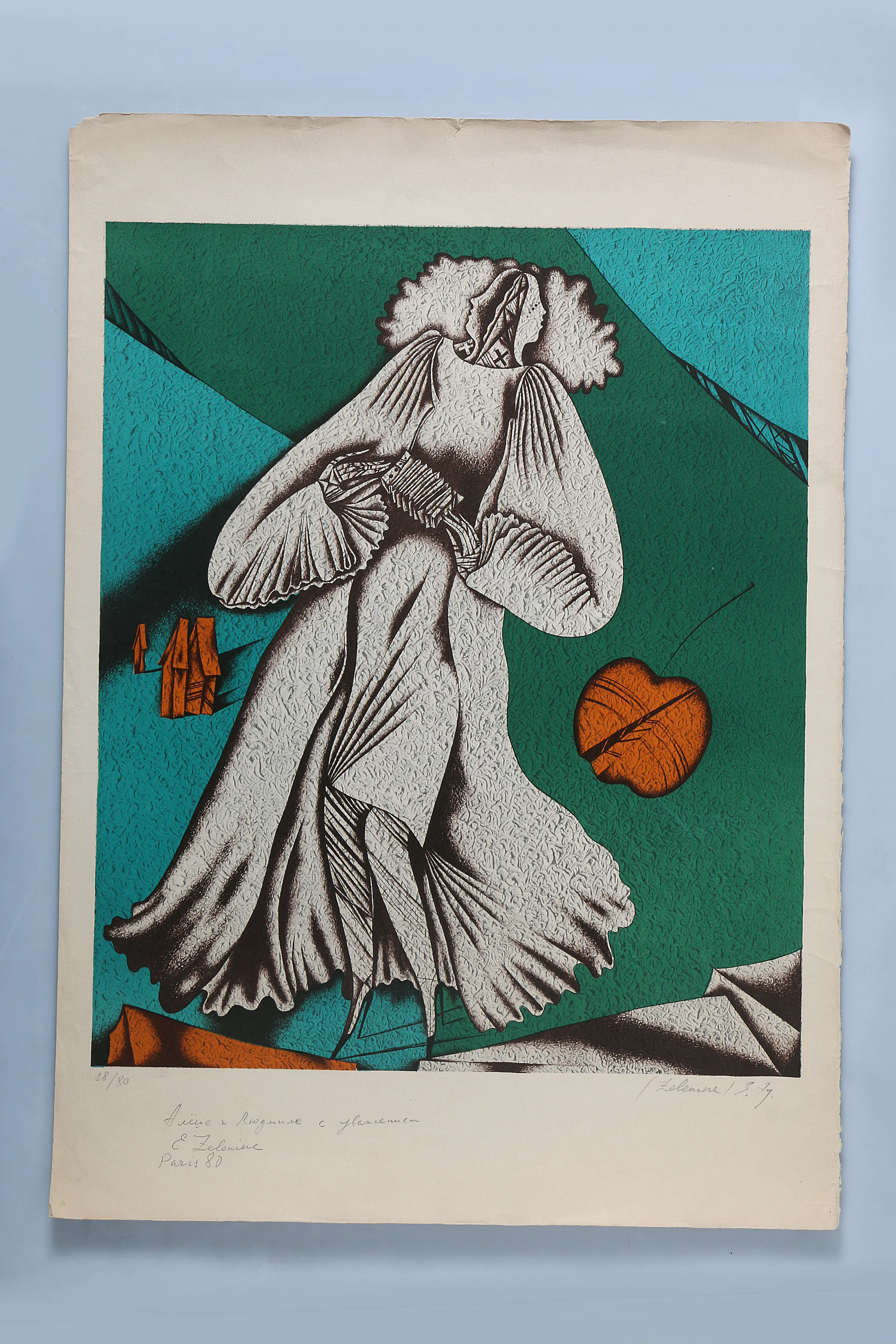
More than 53 artists participated, whose works are astonishing because of the diversity of styles and the spiritual inspiration that animates them. Between the pain and the existential drama pierces at times a barely visible light of hope. The dozen works presented come from the archives of one of the movement's main proponents.
The Tortured Soul of Chaim Soutine
"Soutine seemed frightened and sleepy, who might have thought one day that behind a young man fearful and neglected hid a talent that was going to tear the museums of the world." Thus Ehrenburg describes to us the traits of the artist who fascinated Modigliani.
Born in present-day Belarus in 1893, Chaim Soutine was continually haunted by his childhood memories and the complex rituals of Judaism that left a sacred mark in the soul of the painter. Soutine often allowed the carcasses of poultry and game to decompose on tablecloths in his kitchen without fearing the horror of putrefaction. In this atmosphere of decay, he took up his paintbrush in an attempt to make sense of the dichotomy between physical body and soul: his tablecloth becoming a shroud, the volatile image of an atoning sacrifice.
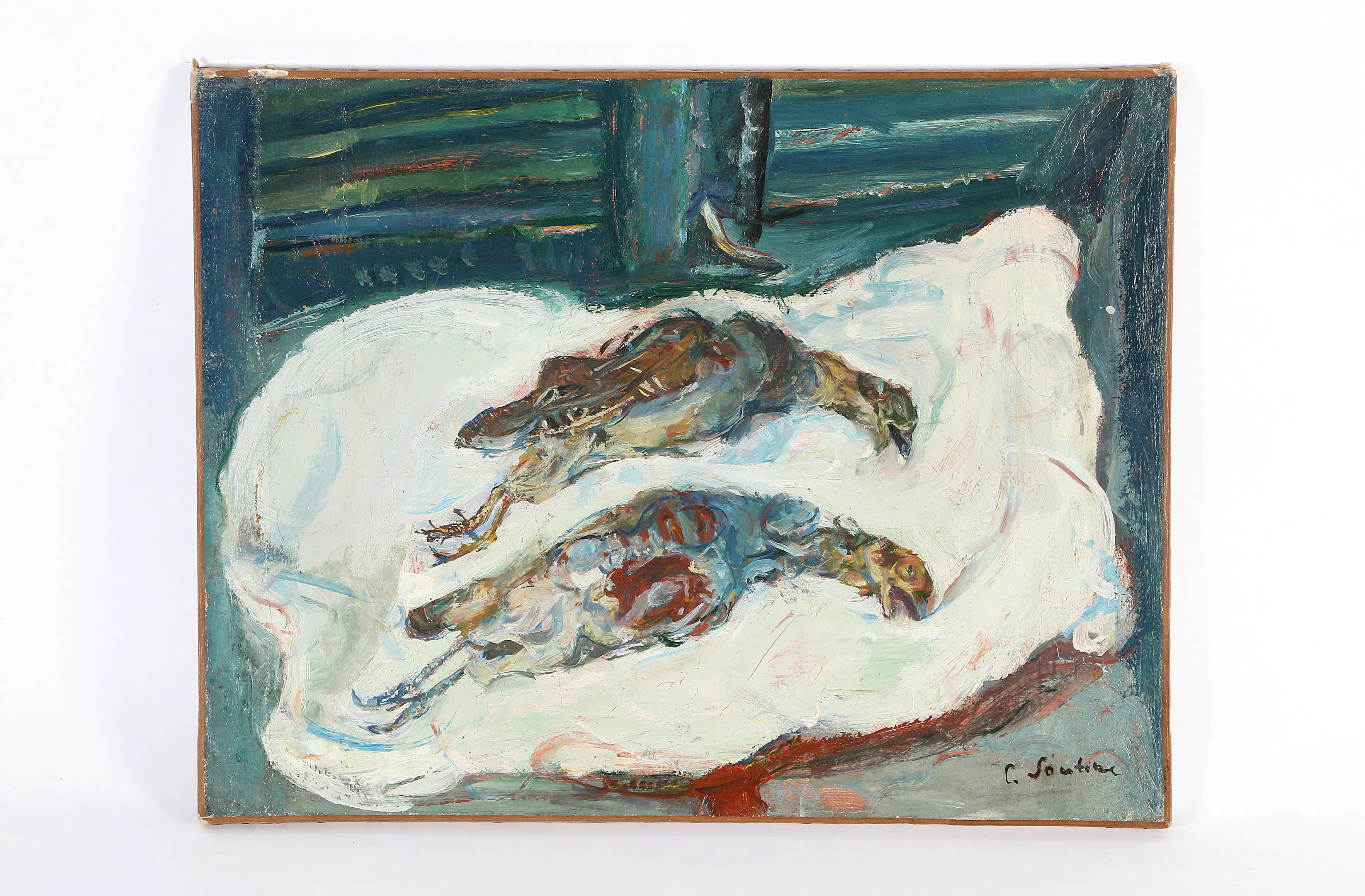
In fits of rage, Soutine often destroyed his works, tearing them with a knife and trying to exorcise a pain that was hidden in the depths of his being. A close friend of the artist, Mrs Zborowska, recovered his shredded works to give to a restorer. In fact, this work, titled Les perdrix au volet vert (partridges in the green shutter) still has marks of the artist's cuts.
![Left: Sean Connery held at gunpoint by Jack Lord in a scene from the film 'James Bond: Dr. No', 1962 [detail]. Photo by United Artist/Getty Images. Right: Bond’s first gun depicted on screen: a Walther PP handgun, used by Sean Connery in ‘Dr. No’. Photo: Julien’s Auctions](https://images.prismic.io/barnebys/f4d57e4a-bccf-4ef3-84d7-8a7e42cc43d8_Hero.jpg?auto=format,compress)