From 2-7 December, Zurich auction house Koller will entice art lovers and collectors with a wonderful offer of modern and contemporary art and graphics, design and photography, watches and jewellery, and Asian art.
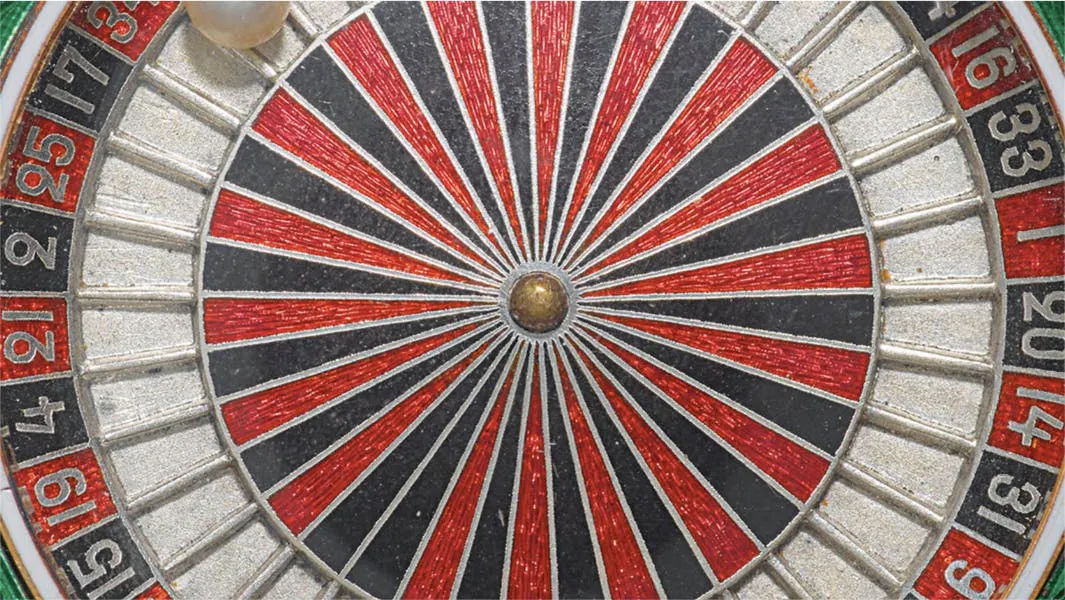
Art the 5 December sale, there will be particular attention to works of art from Fabergé. A very special piece here is an enamelled miniature roulette wheel made of gold, which was invented by foreman Fedor Afanassiev. By triggering the mechanism, a bead gets rolling that replaces the roulette ball.
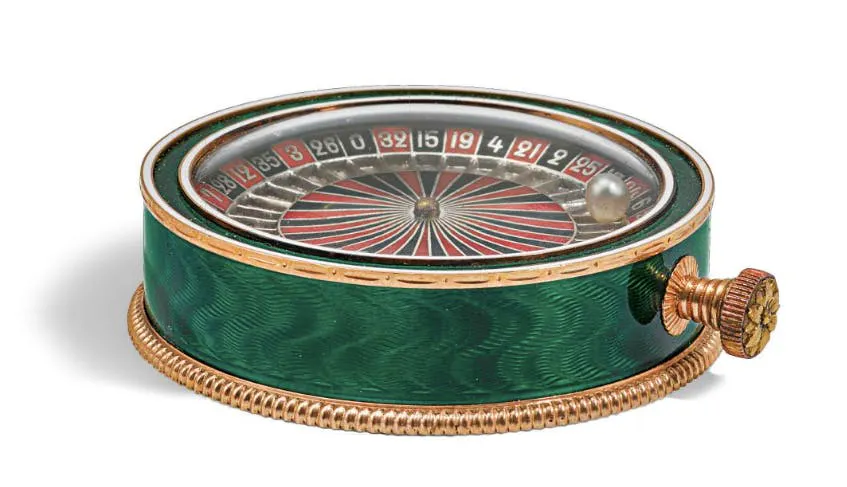
This rare game is one of only two copies and belonged to Sir Ernest Cassell, a friend of King Edward VII and mentor to Winston Churchill. The second copy changed ownership several times, including Lord Carnavon, patron of the discoverer of the Tutankhamun tomb, Howard Carter, and King Faruk of Egypt.
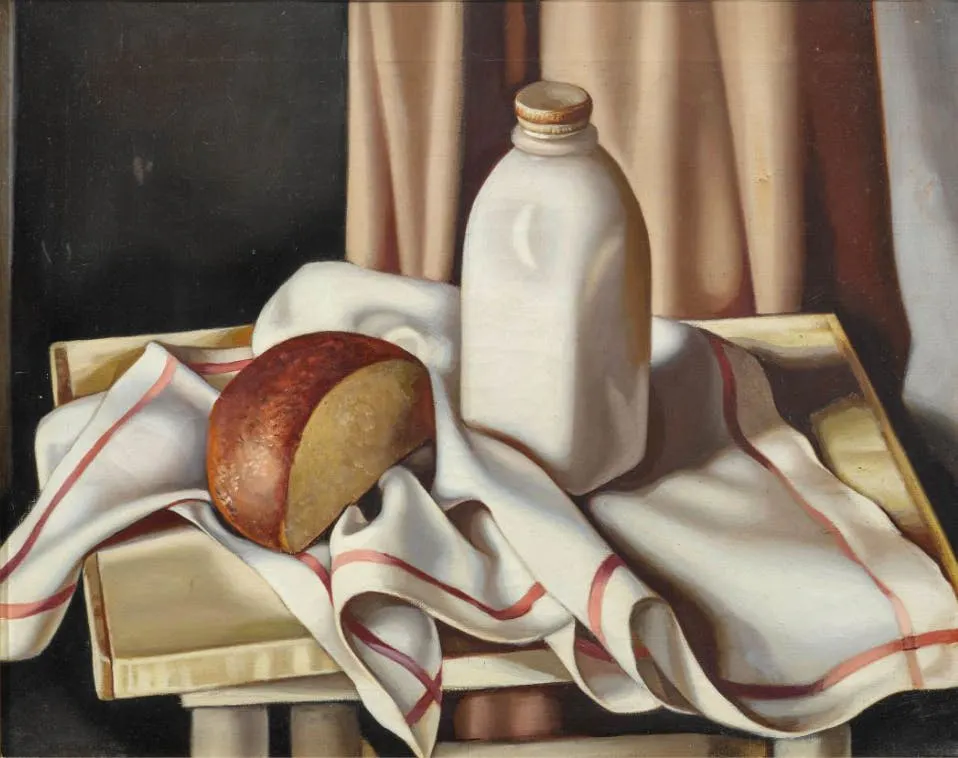
Later that day, a selection of modern and contemporary art will be on call, including two paintings by Tamara de Lempicka. While they aren't her famous portraits of women, they are still clearly recognisable as her work: two finely composed still lifes that were made around 1942 in a country house in Connecticut, which the artist lived in after her move to the United States with her second husband, the Hungarian industrialist Baron Knuffer.
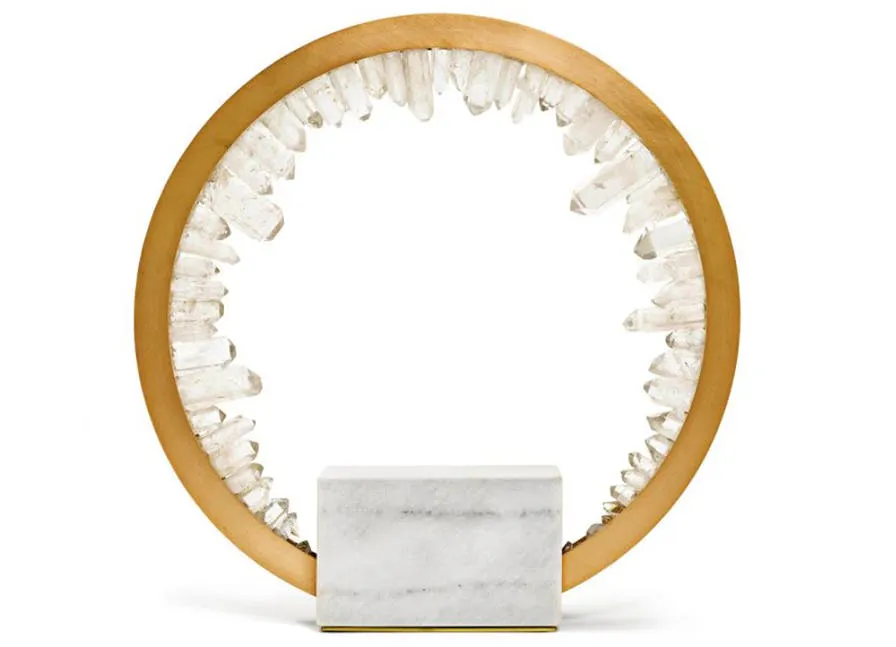
Now that the major highlights have been revealed, we return to the beginning of the auction series, which opens on 2 December with a design auction. One of the highlights of the international offer is the quartz crystal, brass and marble table lamp Prometheus IV, designed in 2016 by Melbourne-based designer Christopher Boots.
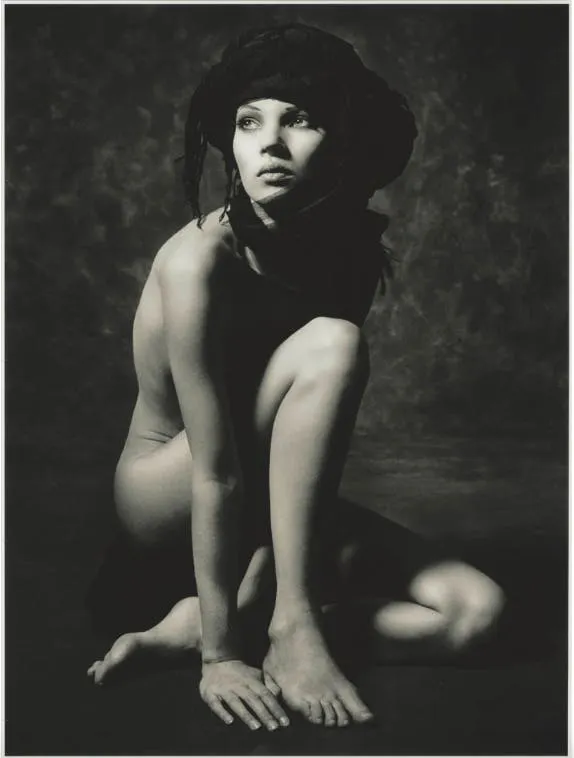
The photography auction features both famous photographers and famous subjects, including Kate Moss, who was photographed in 1993 by Albert Watson in Marrakech for a photo series.
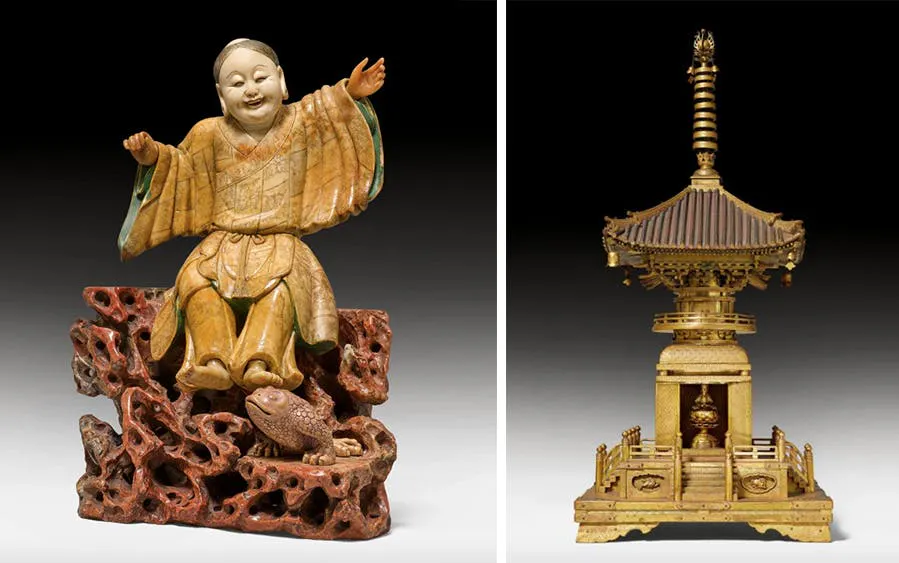
It continues on 3 December with Asian art, including pieces from the Himalayas and China. A highlight is a representation of the Liu Hai with his toad, a partially painted soapstone carving from the 17th century. Liu Hai was a 10th-century scholar and an immortal of Daoism. He is worshiped as the goddess of wealth, with the toad as his usual attribute. Later on are objects from Japan, India and Southeast Asia. Here we would like to point out a rare Japanese pagoda relic container made of fire-gilded copper sheet, which dates back to the year 1698.
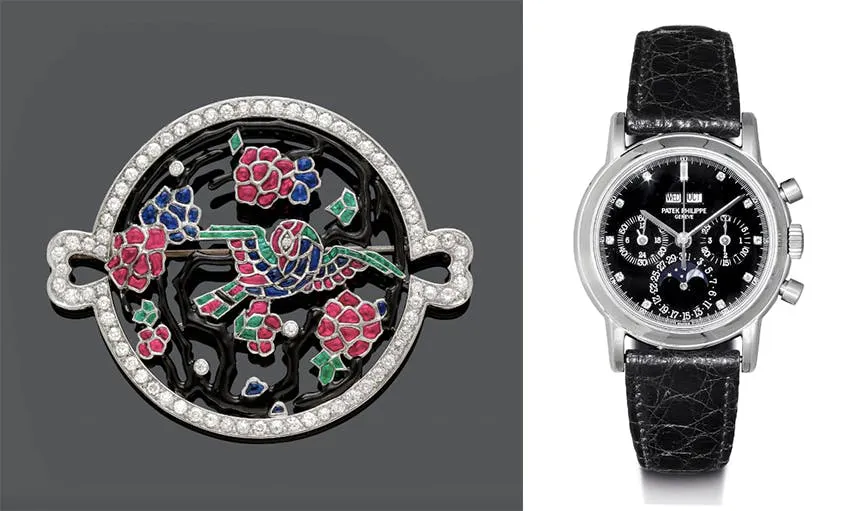
On 4 December, the focus will initially be on jewellery. An enchanting Art Deco work here is a Japanese-style platinum brooch with bird motif by Parisian jewelleer Maison Lacloche Frères. In addition to enamel and brilliants, the Pretiose is studded with onyx as well as ruby sapphire and emerald cabochons. Watches and pocket watches continue afterwards, led by a rare Patek Philippe chronograph with a perpetual platinum calendar.
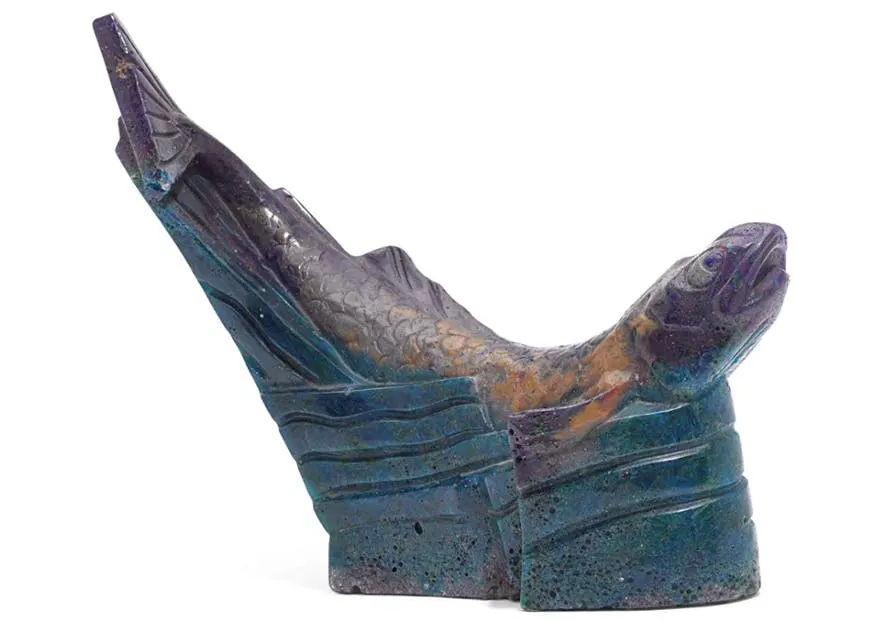
On 6 December is the auction of Art Nouveau and Art Deco works. In addition to glass art by Émile Gallé, Daum Nancy, Tiffany Studios, René Lalique and Gabriel Argy-Rousseau, is a fish sculpture from Pâte-de-verre by François Émile Décorchemont.
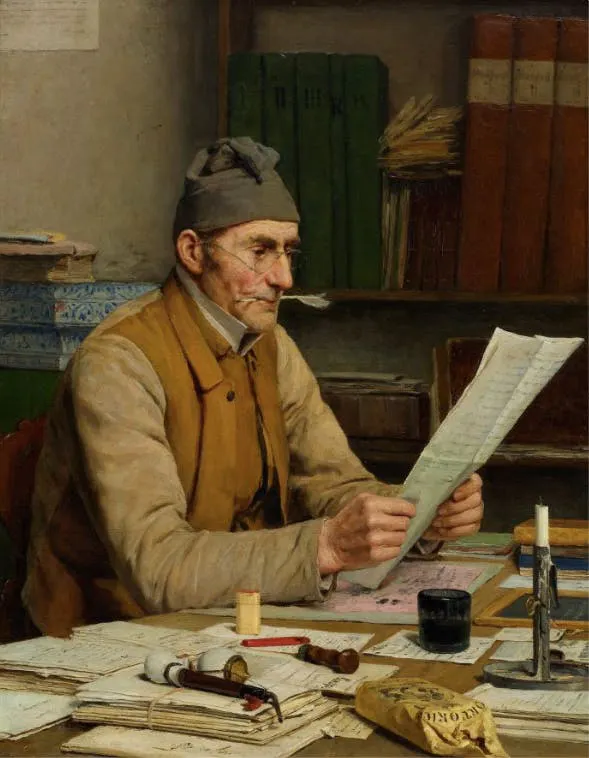
Later that day, the Swiss auction house will focus on local artists such as Cuno Amiet, Ernest Biéler, Giovanni Giacometti and Adolf Dietrich. Of course, the master of the rural genre picture, Albert Anker, should not be missed here. Of the eight works that Koller will sell of his, the oil painting Der Gemeindreibreiber (1899) is particularly noteworthy.
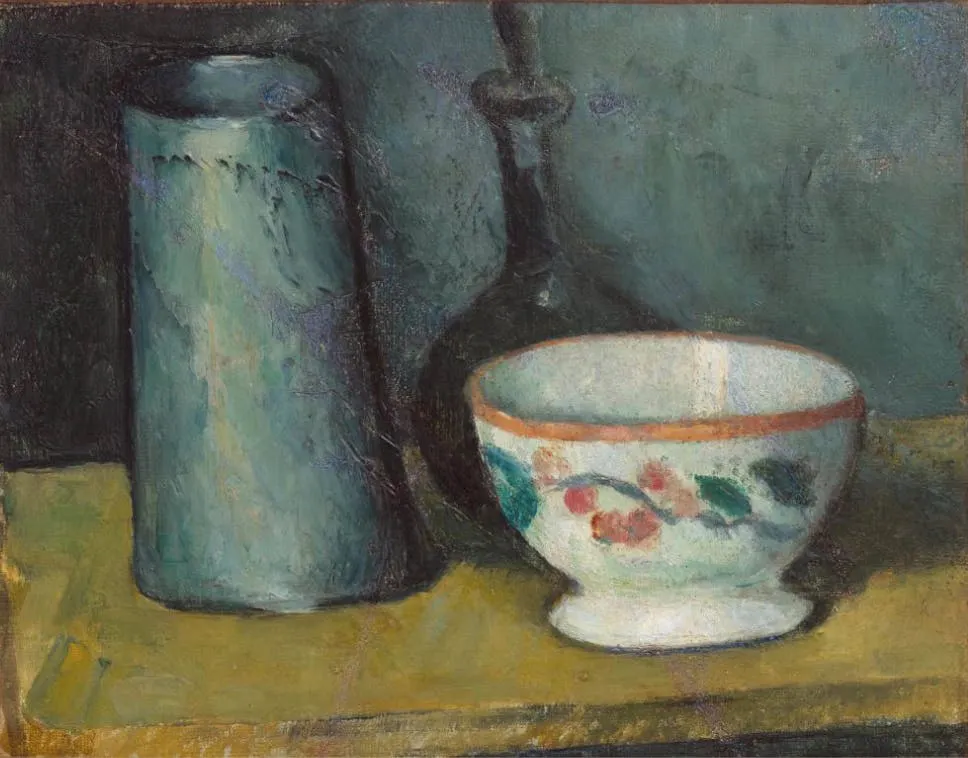
The closing day of the auction will be Impressionism and Classical Modernism. Big names like Matisse, Liebermann, Picasso, Renoir and Kirchner will be on offer but the top lot is a Paul Cézanne still life Bol, boîte à lait et bouteille, painted in 1879/80 on oil on canvas.
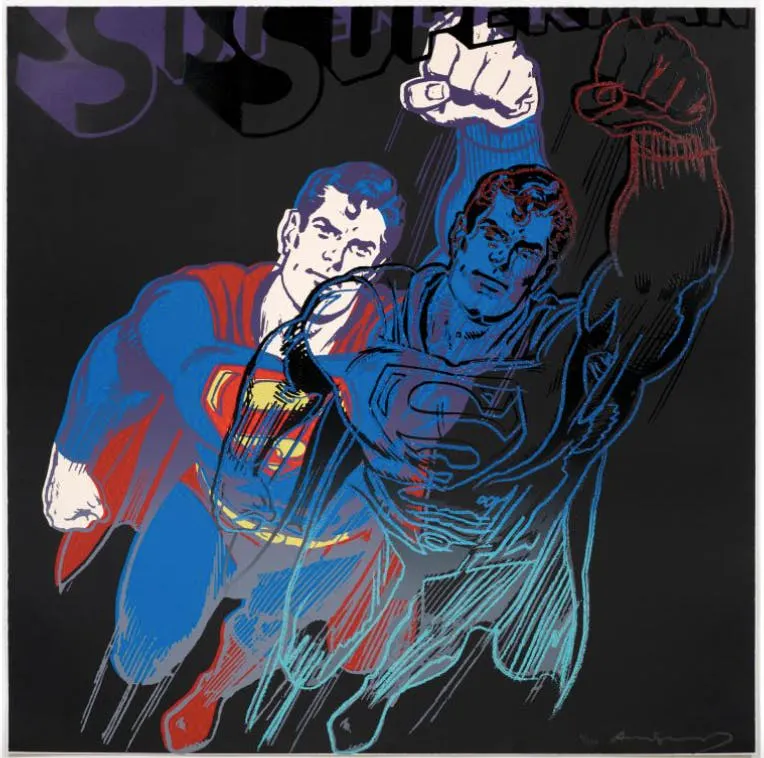
The last auction day (7 December) has graphics and multiples, which is an equally strong offer, as shown by the diamond-dusted colour serigraph Superman by Andy Warhol.
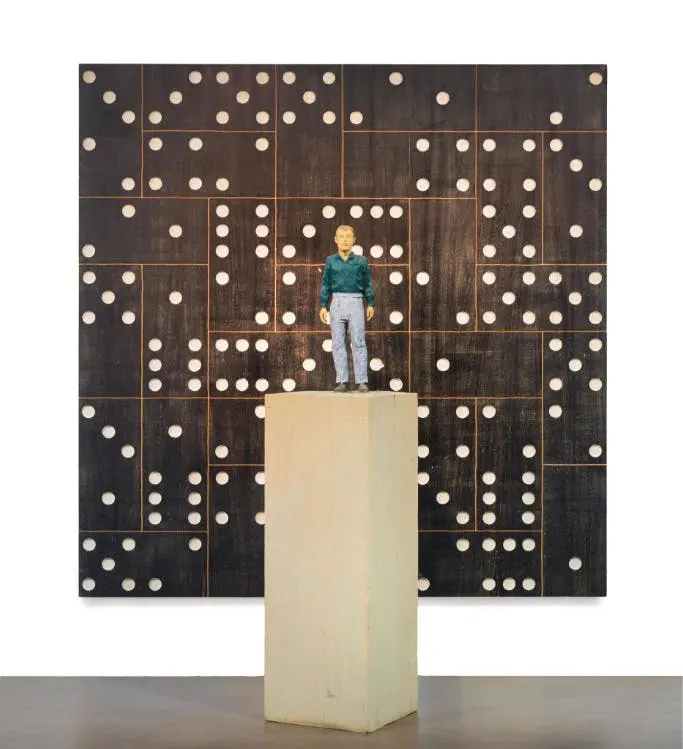
The Post War-Contemporary sale closes out the December auction week, with international masters such as Jean Dubuffet, Niki de Saint Phalle, Horst Antes, Fernando Botero, Keith Haring and Lucio Fontana. The sculptor Stephan Balkenhol, born in Fritzlar, is represented by a Man in a Green Shirt, whose usual neutral design leaves all possible interpretations to the viewer in combination with the Domino wall relief.