It is with the best of Asian art that the Cologne auction house Lempertz will bid farewell to the year 2021, with a sale scheduled for 11 December. Before that, collectors will have the opportunity to bid on lots of modern and contemporary art on 3 and 4 December, during a day and an evening sale.
If French and German masters share the flagship lots of modern art, contemporary art will come primarily by way of big names from across the Atlantic.
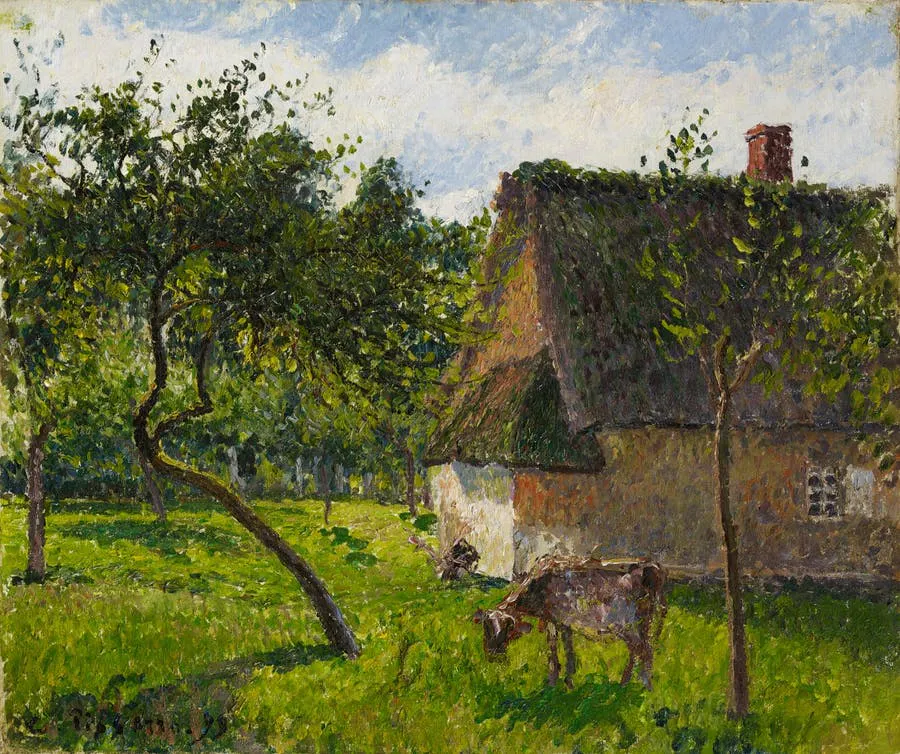
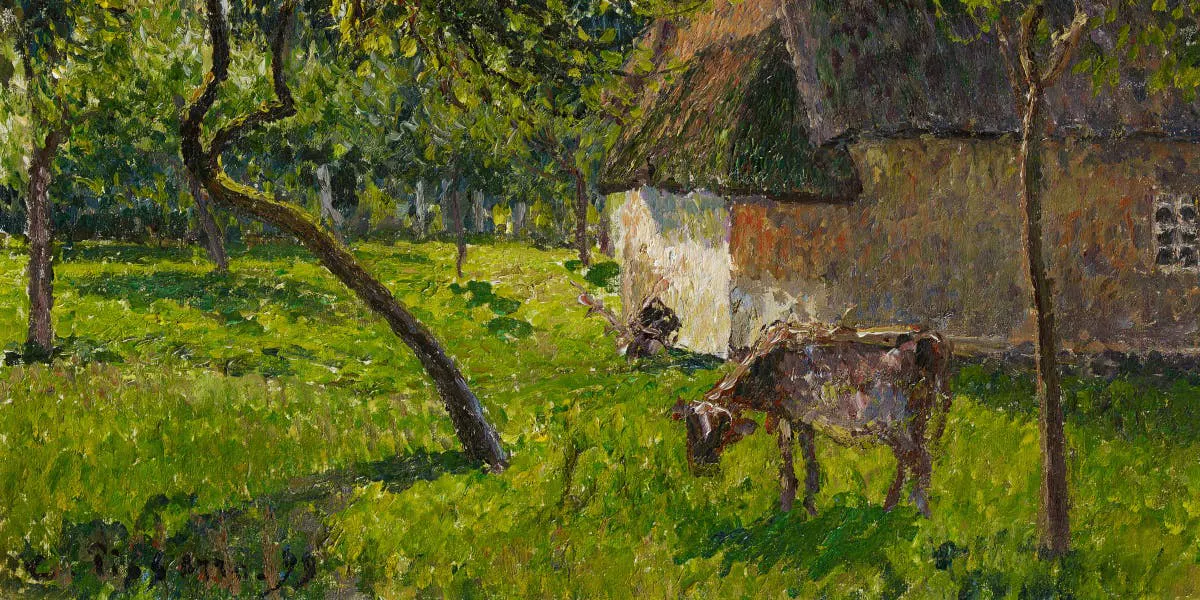
The modern-art offer is led by a late work by Camille Pissarro, Verger à Varengeville avec vache (Un clos à Varengeville), produced in 1899. Pissarro spent the month of September in the village of Varengeville, on the Normandy coast, to paint the landscape bathed in the sunlight of late summer. Here, he could work in the middle of nature, which he could only do in hot weather due to a problem with his eyesight. In cold weather, he would sit with his easel in the windows of hotel rooms on the upper floors, which explains why his views of Paris, which he also painted the year this work was created, almost give the impression of having been captured from a bird in flight.
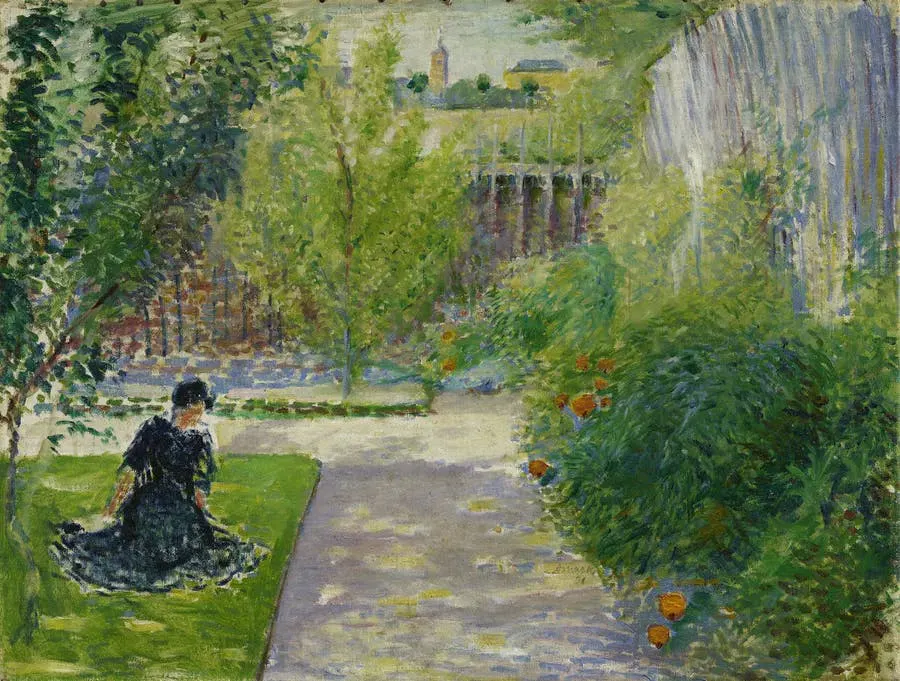
Perhaps August Macke admired Pissarro's painting of Varengeville on his second visit to Paris in 1908, where he discovered the Impressionists. With his future fiancée Elisabeth Gerhardt, Macke visited the Bernheim-Jeune gallery, which had acquired the painting in 1905. Impressionism influenced the work of the young Macke, as evidenced by the painting Sonniger Garten, which illustrates Elisabeth in the middle of the green garden in Munich.
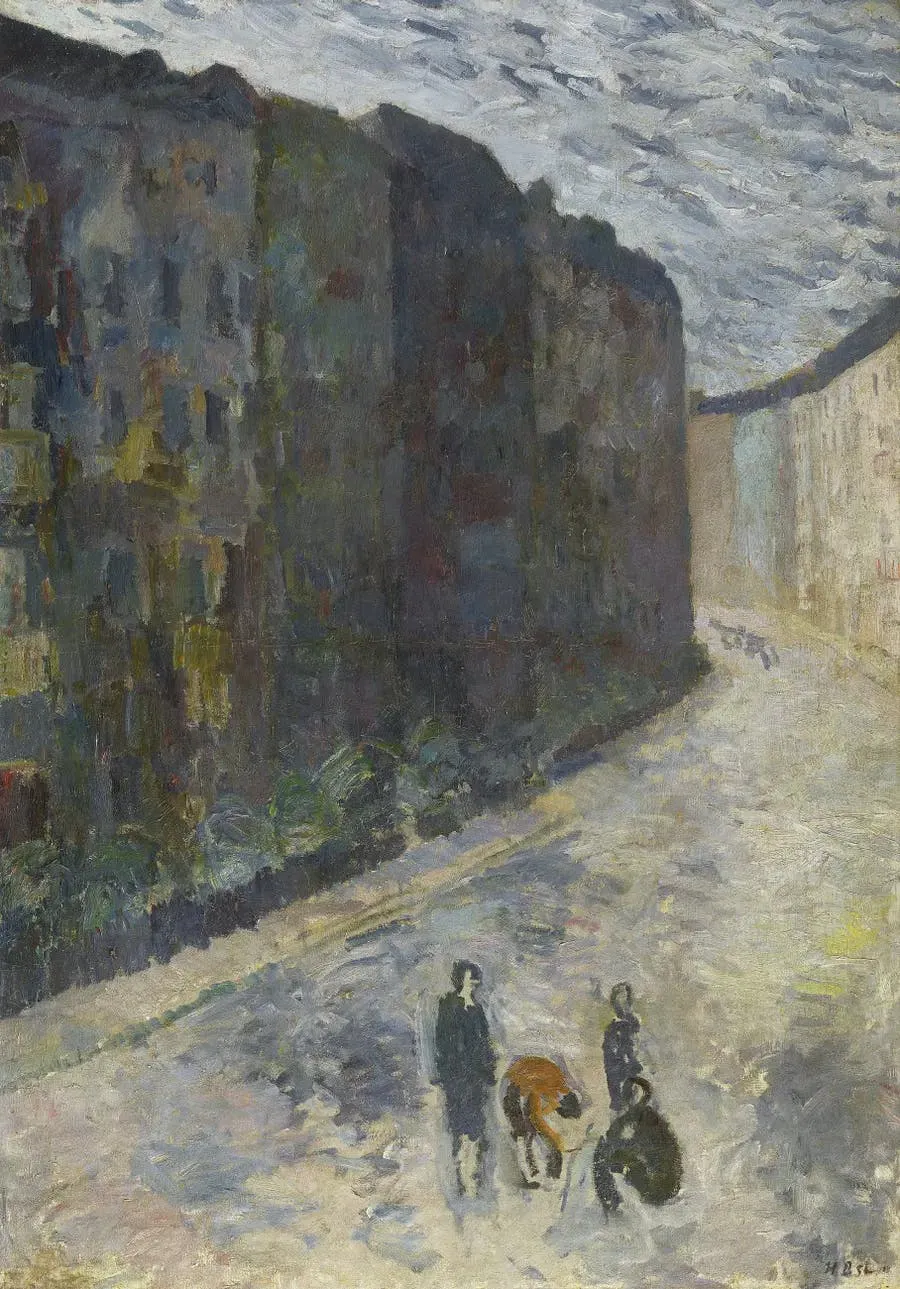
Another early work by a major representative of German modernism, Die Straße (The Street) by Max Beckmann takes us from sunny gardens to the grey of a street lined with buildings. The dedication ‘HBSL’ in the lower right corner means ‘Herr Beckmann seiner Liebsten’ (Mr Beckmann to his beloved), referring to the artist's wife, Minna.
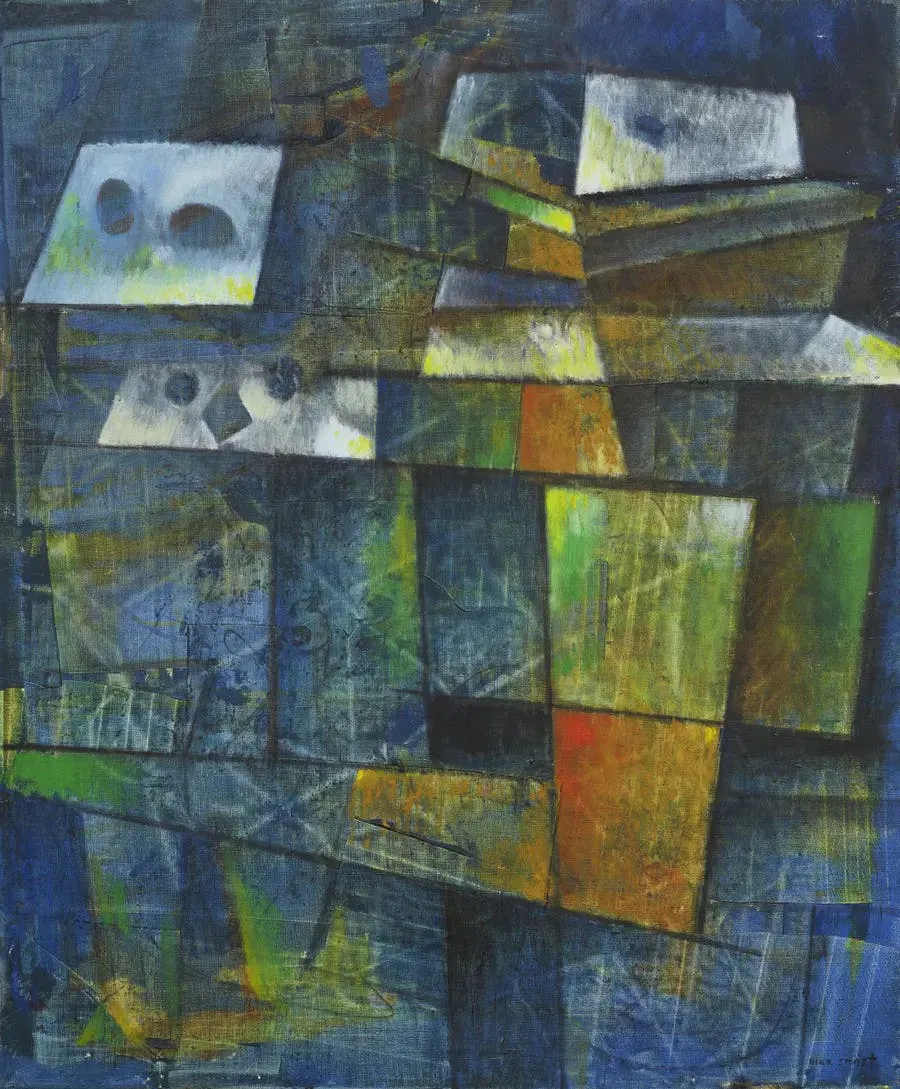
Max Ernst produced Flaneurs (Les enfants de la Huchette) with familiar motifs and symbols in 1954. The figures’ bird headssuggest Ernst's ‘alter ego’, the ‘Loplop’ bird, as well as the forms and figures of Native American mythology, discovered during his stay in Arizona.
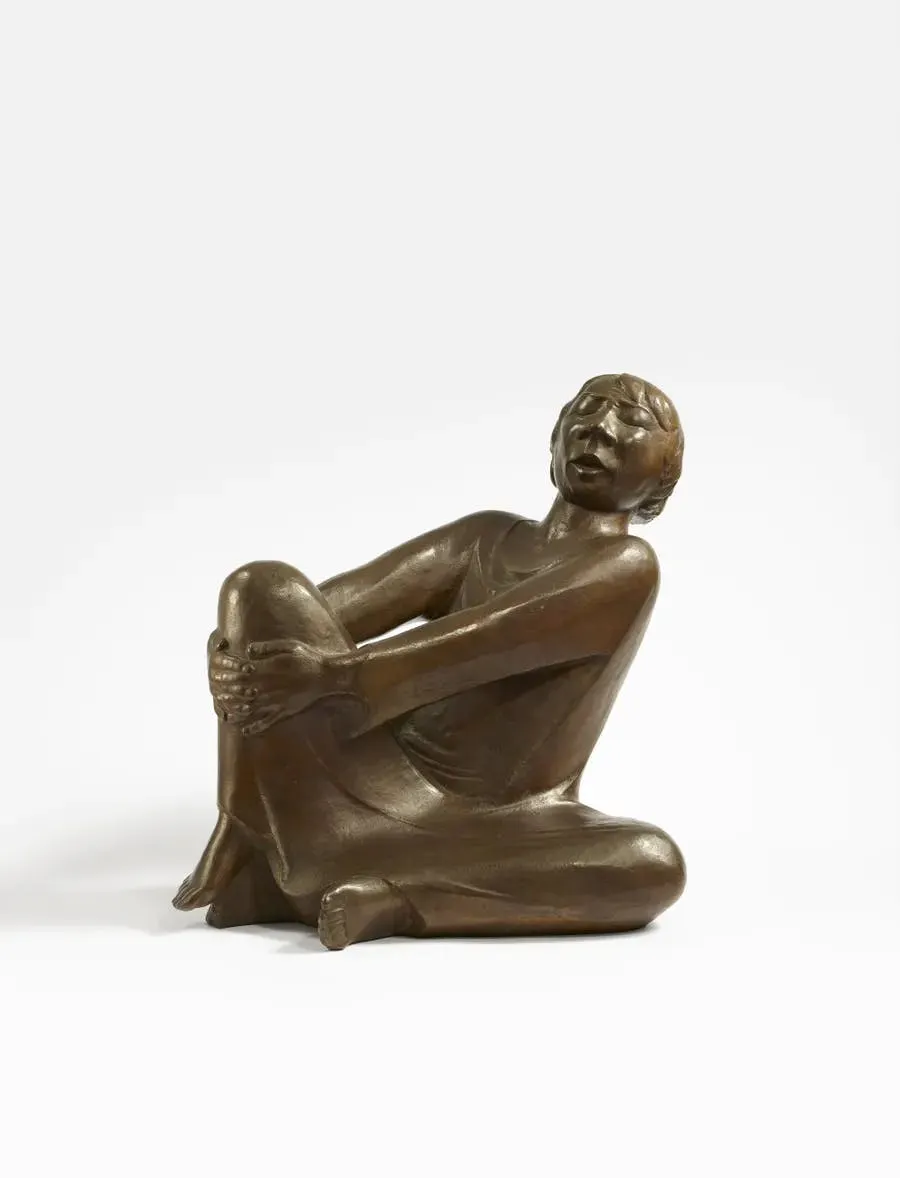
The standouts among the selection of sculptures are by Ernst Barlach and Renée Sintenis. Der Singende Mann (The Singing Man) by Barlach from 1928 is arguably one of the most sought-after sculptures in German Expressionism, and the bewitching Large Standing Foal of Sintenis’ captivates with its height of 102 cm, almost full size in nature.
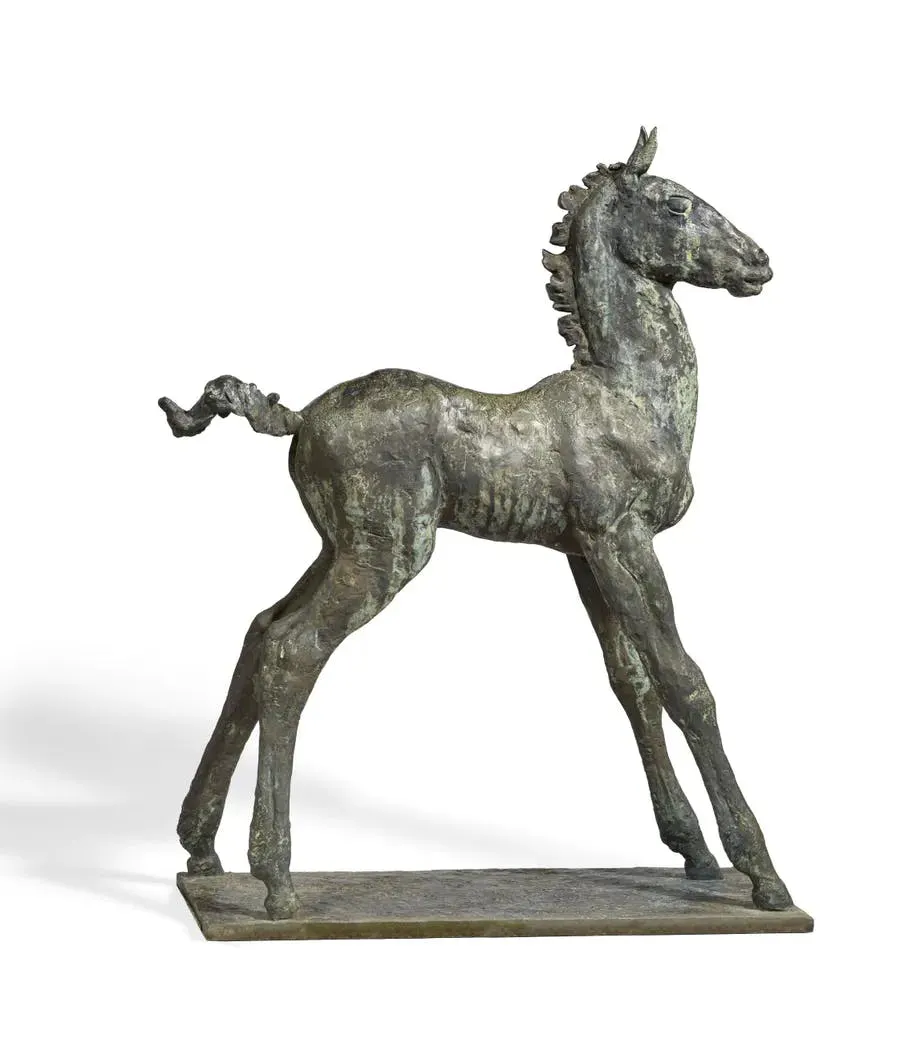
The works have two points in common: on the one hand, they are a rare cast, produced during the artist's lifetime, and on the other, they were created at the H. Noack foundry in Berlin-Friedenau.
Lempertz’ catalogue will also feature work by artists Max Pechstein, Maurice de Vlaminck, André Derain, Lovis Corinth, Willi Baumeister, Emil Nolde, Ewald Mataré and Georg Tappert.
Among the works of contemporary art, fans can find pieces by Emil Schumacher, John Armleder, Günter Fruhtrunk, AR Penck, Joseph Kosuth, Anselm Kiefer and the following artists.

With his serigraphs, Andy Warhol brought portrait painting up to date in a post-war period marked by non-figurative painting. The artist portrayed famous people as well as private figures. Even the identity of Ms. B, pictured here, remains obscure, unlike that of her dog ‘Yucca’. Warhol himself was the proud owner of two dachshunds, Amos and Archie. The latter even accompanied him to Studio 54 in the 1970s.
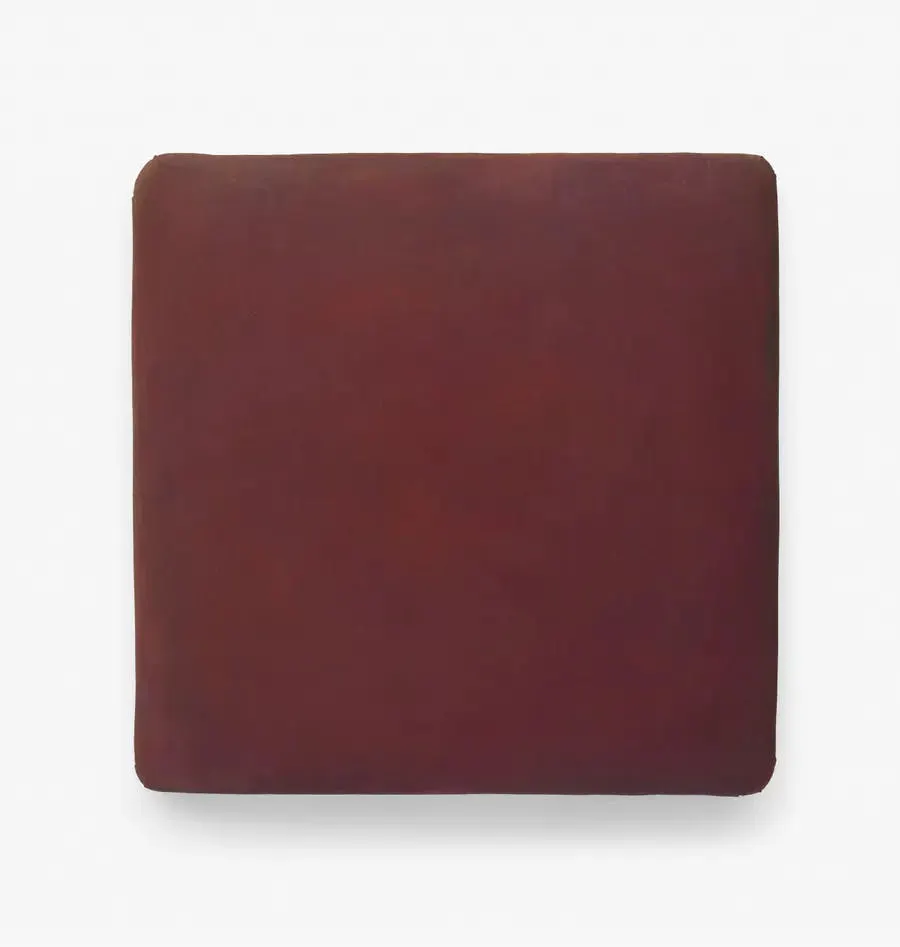
As Andy Warhol created his portraits in the 1960s, Gotthard Graubner began to see colour as an object in itself, not just a tool to achieve its ends. In Rufus, for example, colour is at the heart, and takes an optical depth by means of a three-dimensional medium.
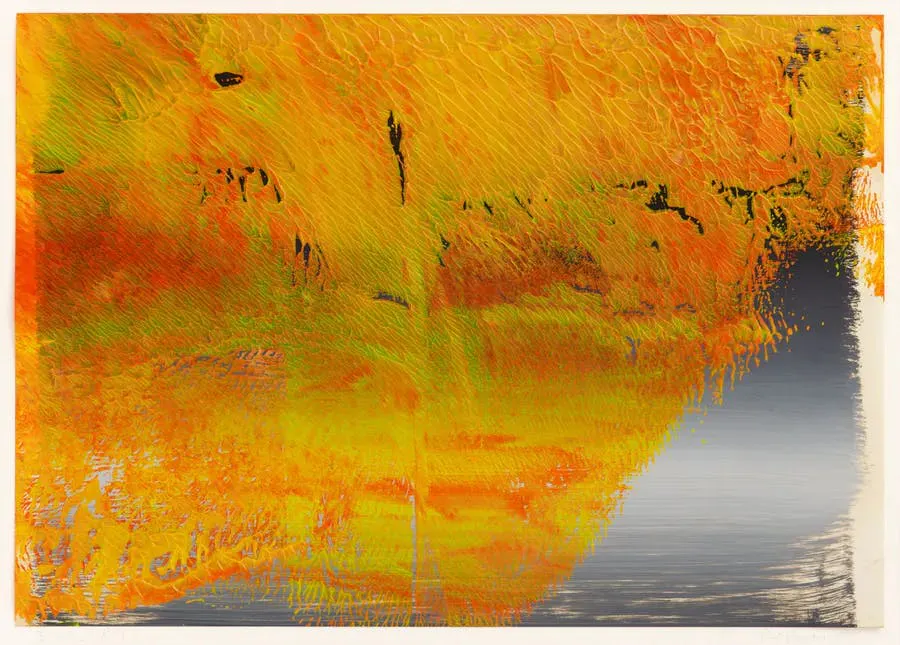
In the work 3.3.89 by Gerhard Richter, orange and yellow paint is poured over a grey background in an imperfect symmetrical composition. With an abstract approach, Richter seems to take up painting in trompe-l'oeil here.
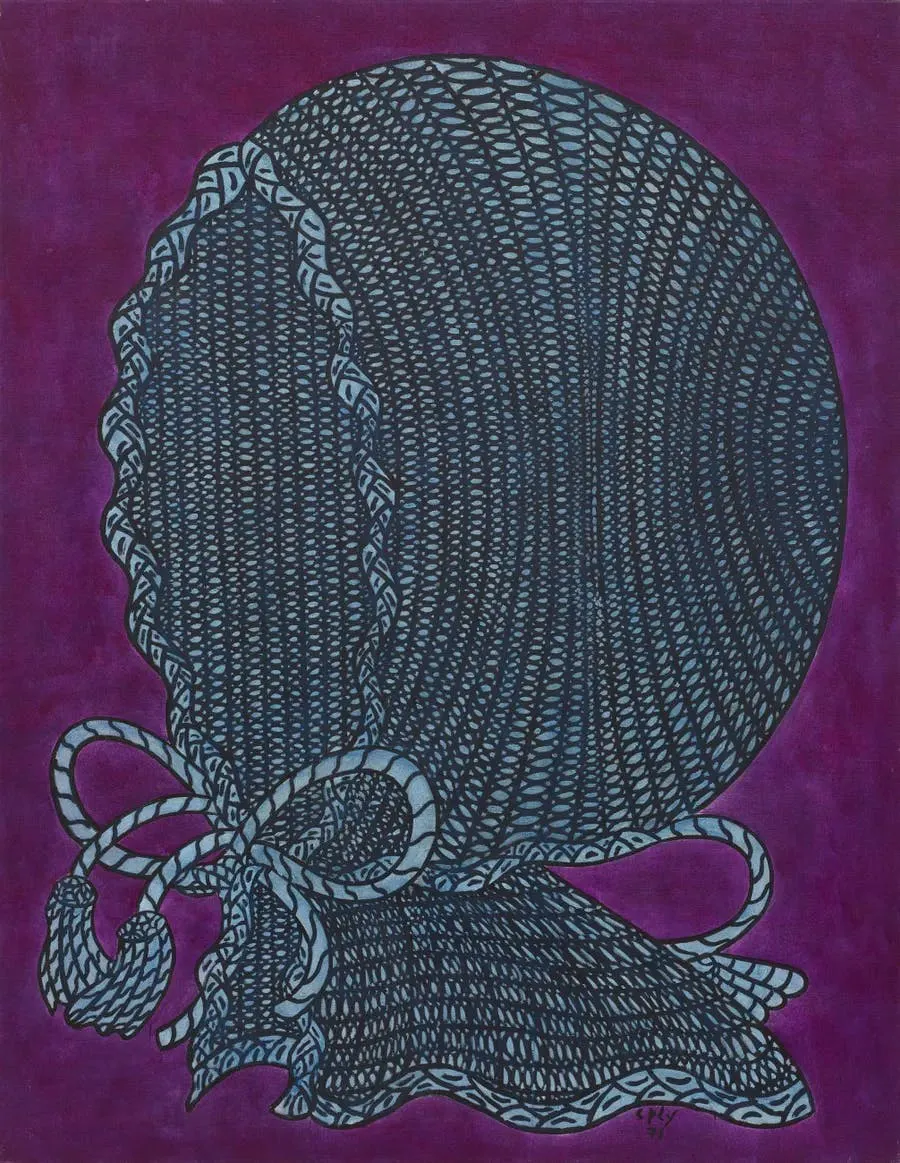
In the early 1970s, William Nelson Copley painted large-scale everyday objects against intensely coloured backgrounds or in abstract spaces. One of these paintings is the present Baby Bonnet. Copley took its design from a 1902 department-store catalogue, although the beanie was presented as a ladies' model.
Now, let's take a look at the 11 December Asian Art sale, which includes art from China, Tibet and Nepal as well as Japan.
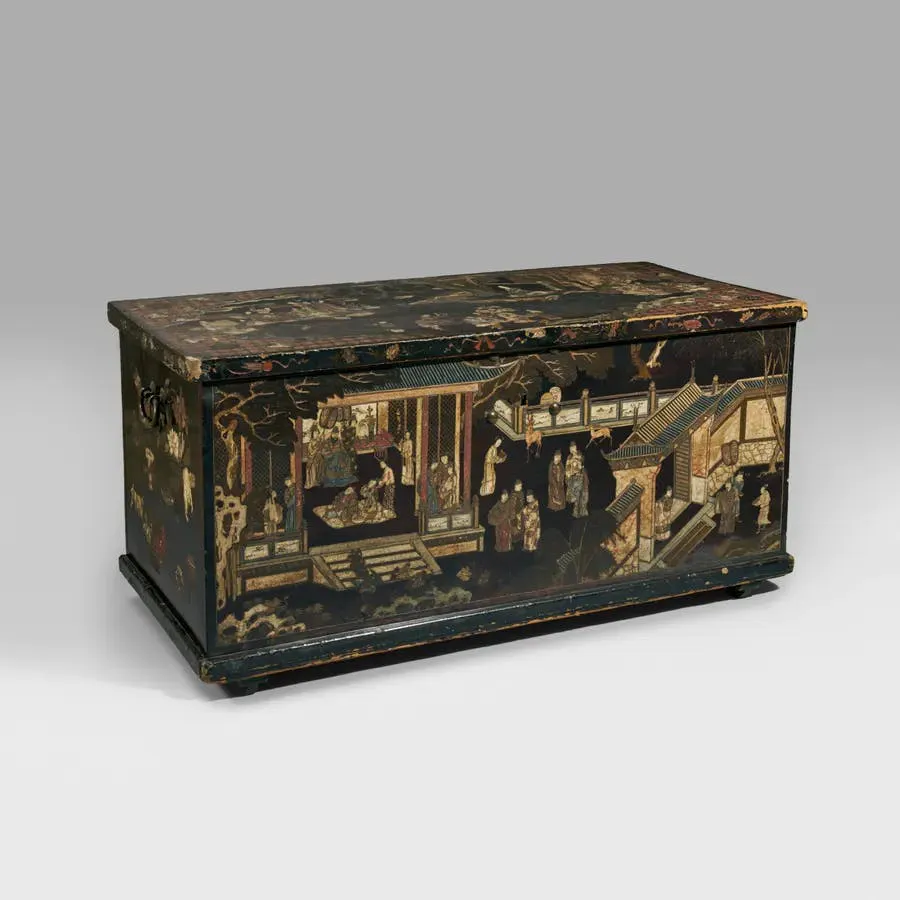
Of note is this richly decorated Chinese chest dating from the Kangxi period. This type of carved lacquer decoration is called ‘kuancai’ in China. In Europe, it received the name ‘coromandel lacquer’, named after the Indian coast of Coromandel, from where the works were shipped to the West.
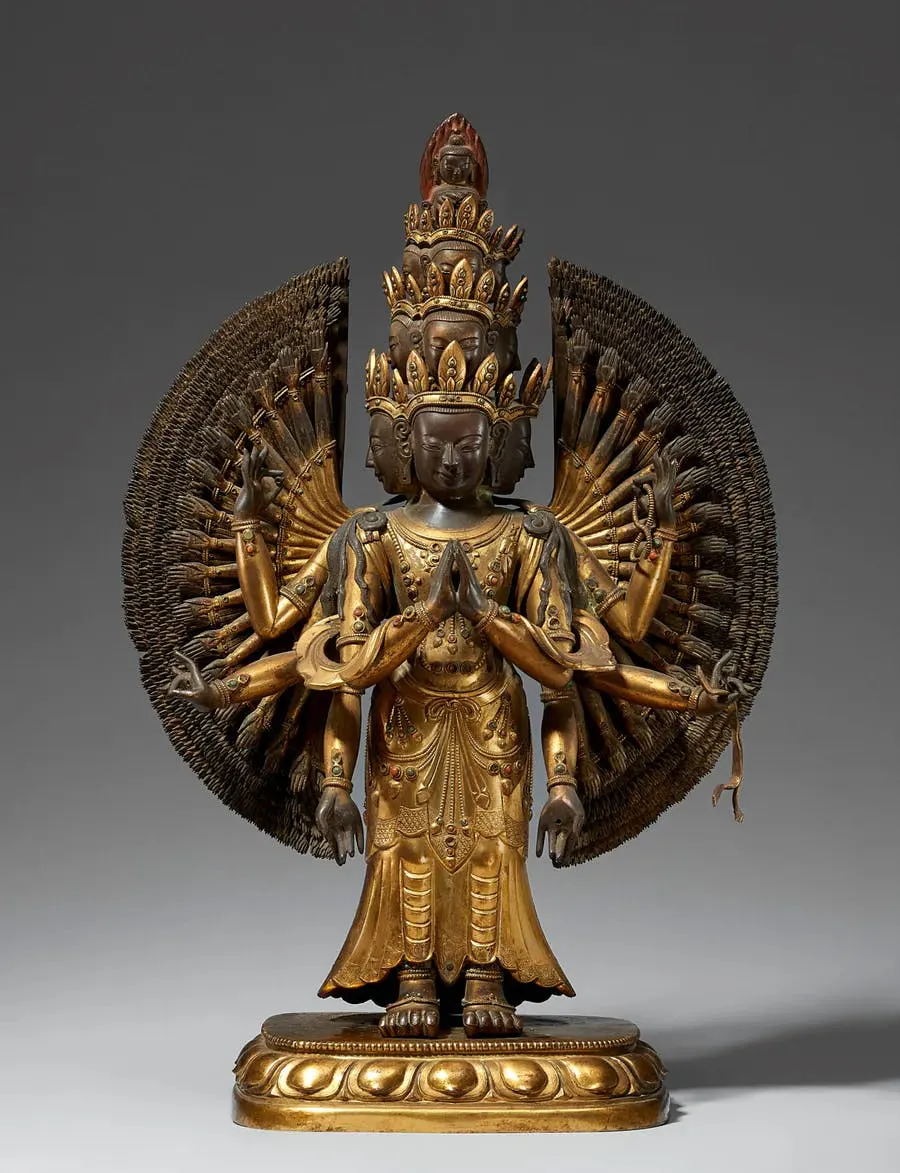
Bodhisattva Avalokiteshvara Ekadasa Mukha has eleven heads and a thousand arms, but for obvious reasons, they haven’t been depicted on this Tibetan bronze statue. This work of the 18th century seduces by the precision of its details and the delicacy of its gilding.
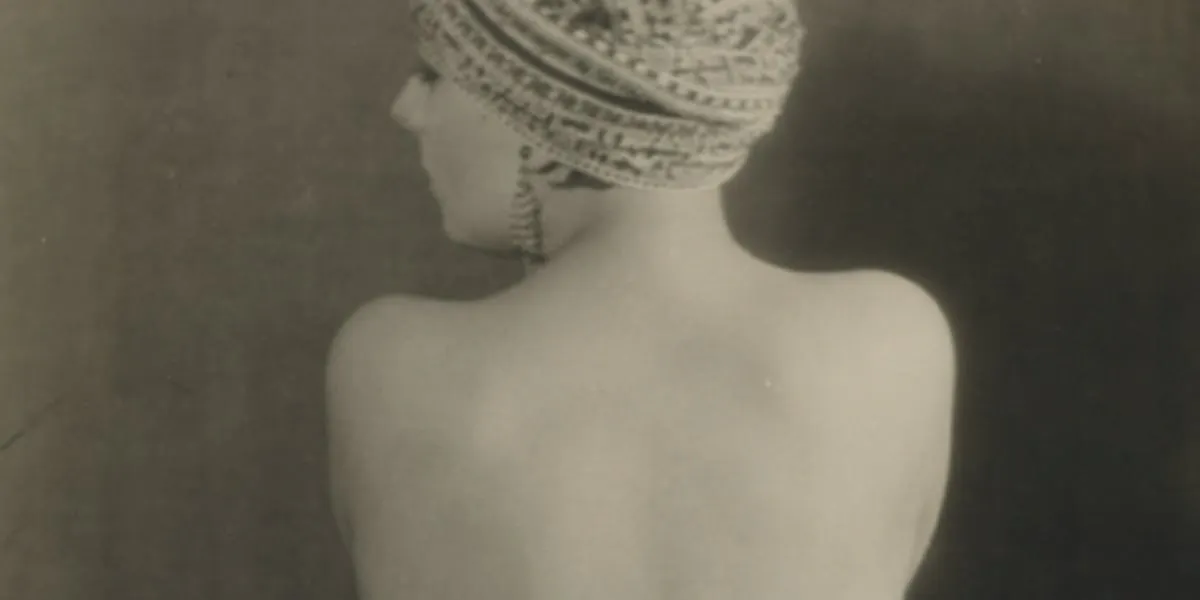
We should also note Lempertz’ sale of photographs on 3 December, which will mark the start of this prestigious series of auctions.
All sales will take place at the auction house in Cologne. Pre-visits will be possible there from 27 November (art and photography) and 4 December (Asian art).
Discover all the lots of Lempertz’ auction series on Barnebys