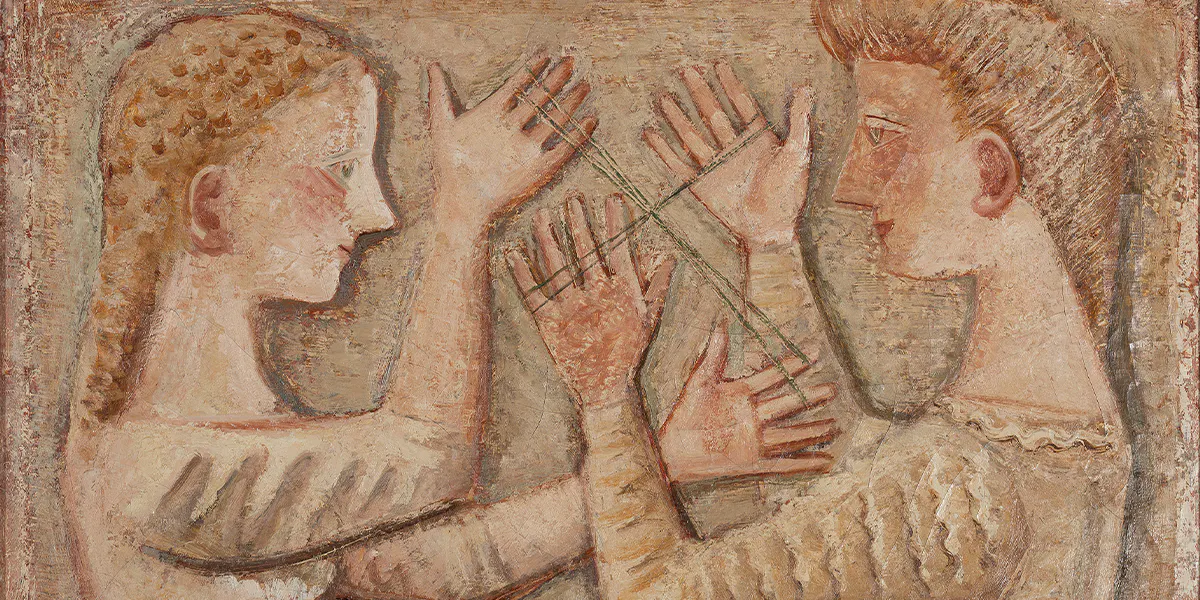
![Ubaldo Oppi (1889-1942), 'La jeune fille sentimentale' [detail], 1920-1922, oil on Masonite. Image © Cambi Casa d'Aste](https://images.prismic.io/barnebys/79c6d737-bd25-4eca-9439-fea081cf0275_Cover.jpg?auto=format,compress)
In the 20th century, after having been eclipsed for several centuries by Dutch, Spanish and French painters, Italian painting regained international recognition, while modernising and diversifying. It gave birth to several major movements in the history of modern art, such as Futurism, Arte Povera and metaphysical painting, thus regaining all the splendour of centuries past.
The catalogue of Cambi Casa d'Aste's next sale, which consists of innovative artists whose works have been decisive for the evolution of the Italian scene, allows us to take a look at some of the great movements of the latest century.
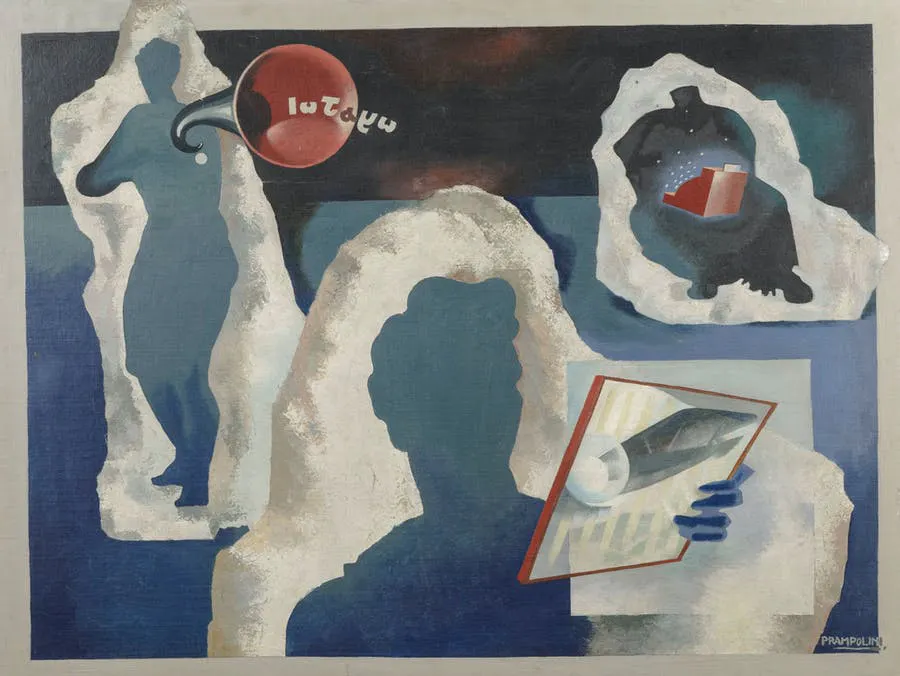
At the start of the 20th century, Milan became the melting pot of futurism, an artistic movement that celebrated the dynamism and tension of modern life. Founded in 1909 by writer and activist Filippo Tommaso Marinetti, Futurism extended beyond the visual arts to touch on literature, dance and music. At the pictorial level, the artists of the movement are mainly influenced by the Divisionism of the previous century and Cubism.
This is the case of Enrico Prampolini, an artist with revolutionary ideas who contributed to the dissemination of futurism in the country until the 1920s. He published several manifestos and was interested in the performing arts, developing the idea of a show conceived as an abstract stage where human representation and acting were excluded.
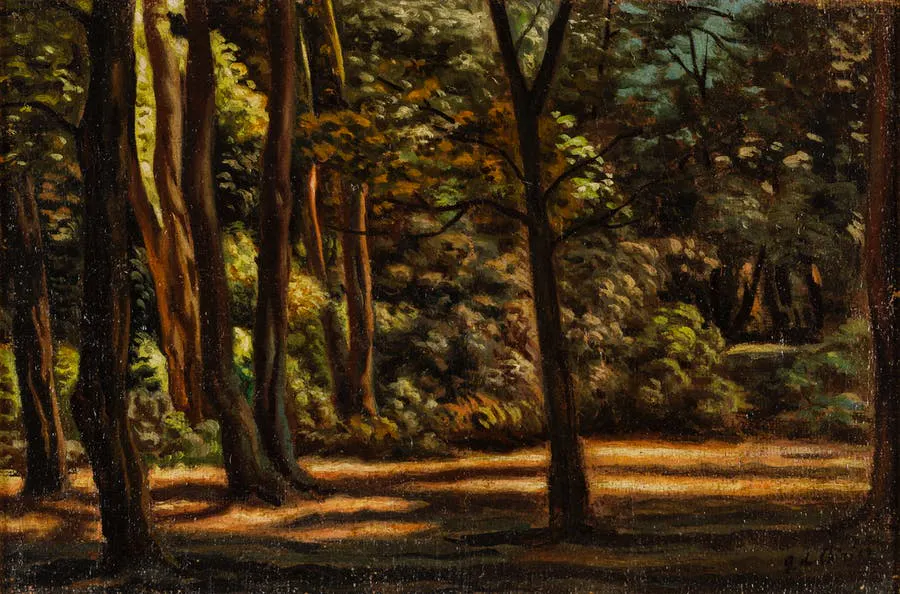
Metaphysical painting is an Italian artistic movement founded in 1917 by Carlo Carrà and Giorgio de Chirico in opposition to Futurism. This movement aimed to represent what is beyond the physical appearance of reality and beyond the experience of the senses, through dreamlike themes and enigmatic atmospheres, but always through classical techniques.
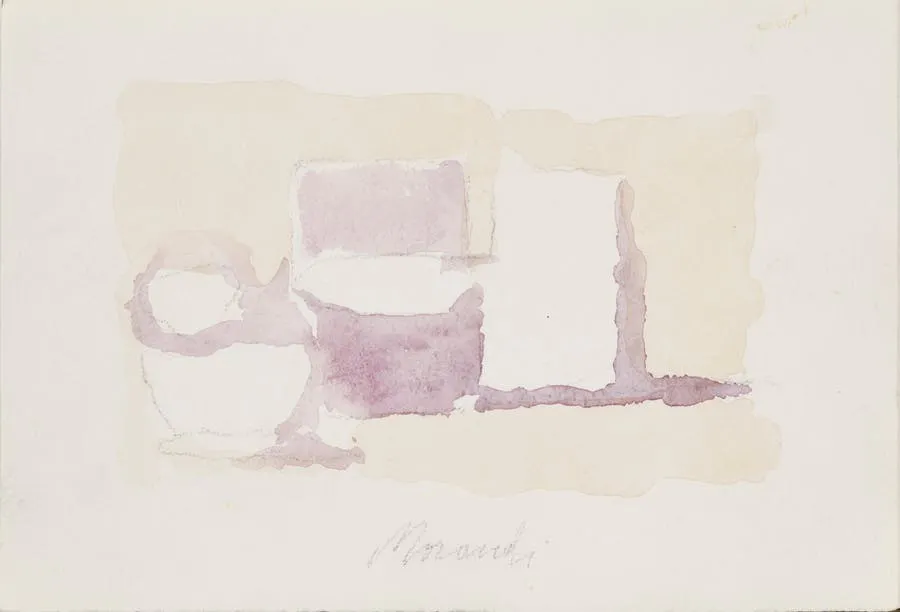
The founders were joined in the early 1920s by painters such as Alberto Savinio, Filippo De Pisis and Giorgio Morandi. The latter, who met Carrà and Giorgio de Chirico in 1919, briefly joined the metaphysical school and took part in group exhibitions at the turn of the 1920s. Morandi is mainly known for his still lifes depicting carefully ordered objects on a table, easily identifiable from canvas to canvas.
At first glance, his works may seem washed out, but from painting to painting we find a surprising form of colouring with a particular touch. Morandi had a reputation for mixing his colours himself. It wasn't long before he took an interest in Novecento, a movement created in 1922, and took part in dedicated exhibitions in Milan.
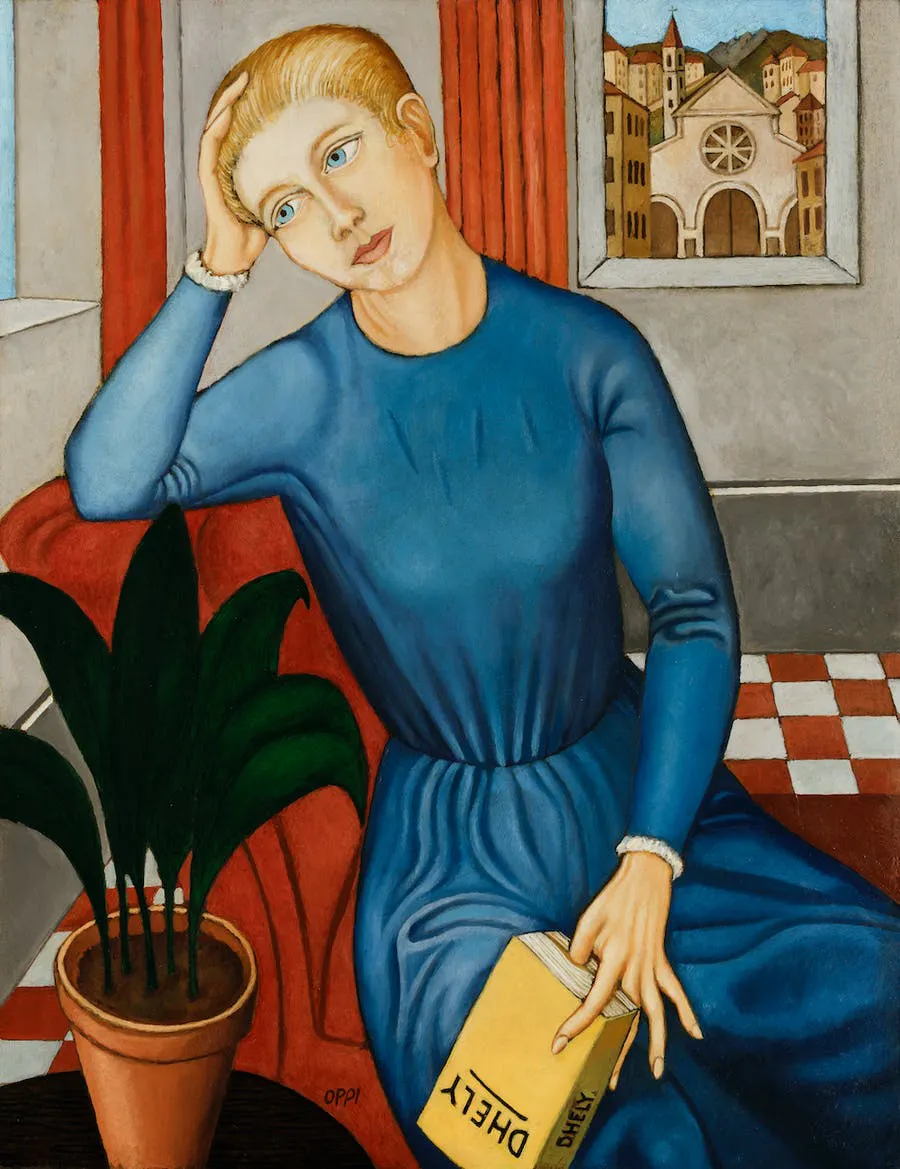
Novecento emerged in the period between the wars and is characterised by a return to a classic and academic painting. For the representatives of the movement, references to classical antiquity, the purity of the forms and the harmony of the composition hold a capital importance.
Novecento is a rejection of modern avant-garde art and therefore an attempt to reconnect with the tradition of historical painting. Besides Giorgio de Chirico, Fortunato Depero and Mario Sironi, the painter Ubaldo Oppi established himself as one of the fervent defenders of the ideals of the Novecento (some even consider him to be one of the initiators of the style). Less than three years after the birth of the movement, Oppi devoted himself almost exclusively to religious themes and became a fresco painter, a discipline in the lineage of the great masters of art history. Novecento disappeared by 1943.
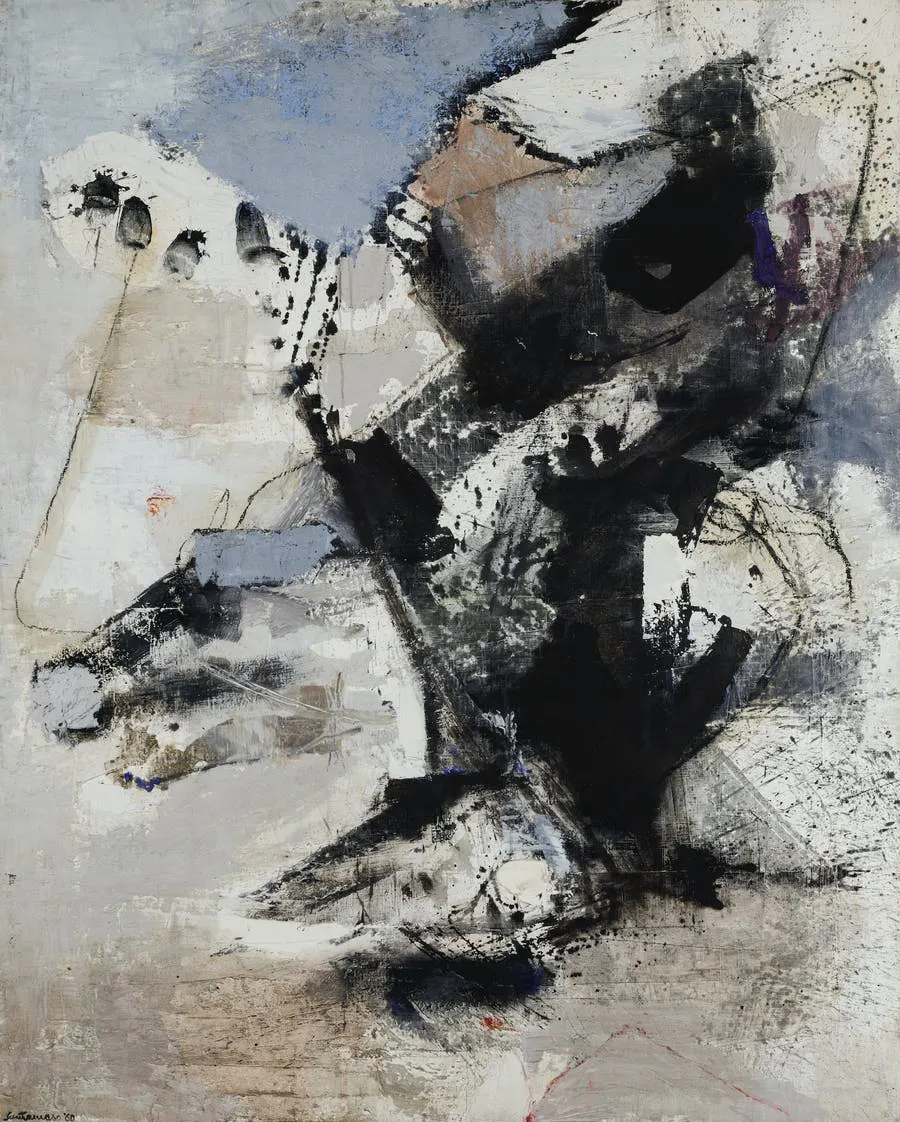
From 1946 to 1950, Fronte Nuovo delle Arti, a movement considered to belong to post-Cubism, took hold of the Venetian art scene. Founded following a manifesto published in October 1946 by Giuseppe Marchiori, the movement aimed to specifically oppose 'Carrachirico' (Carrà and Chirico, or metaphysical painting) and Novecento. This 'new front' (Fronte Nuevo) of art, in the wake of artistic developments at European level, was notably joined by Giuseppe Santomaso, one of the founders of the famous Group of Eight.
Santomaso's works are based on the balance of colours and shapes and leave nothing to chance. With a very strong attachment to Venice's artistic past, the artist has gone beyond the international informal while keeping alive the traditional concept of painting.
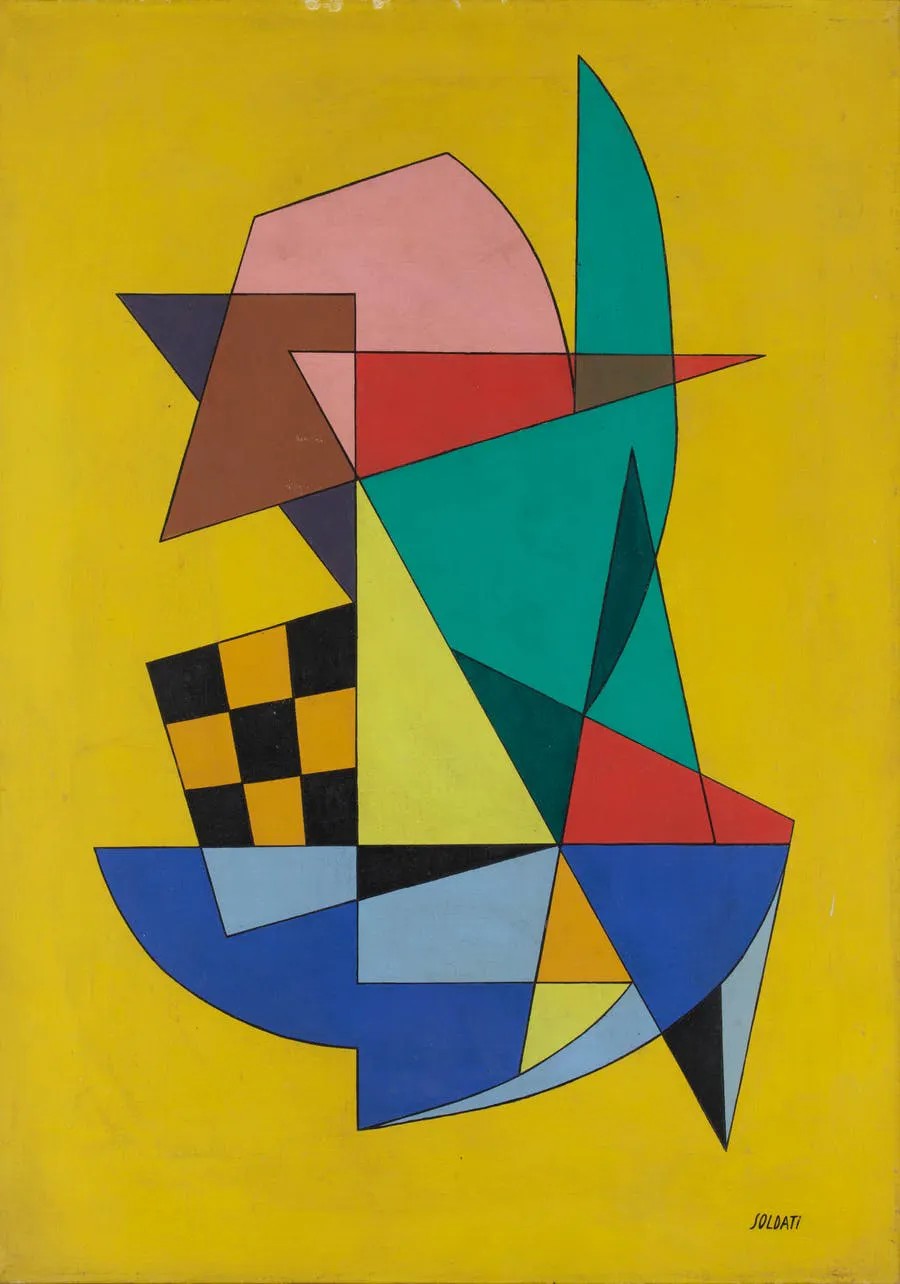
Founded in Milan in 1948 by Atanasio Soldati, the Movimento per arte concreta is an artistic movement aimed at promoting non-figurative art and in particular a type of geometric abstraction. The name of the movement takes up the concept of the 'concrete', introduced in the 1930s by Vassily Kandinsky. The clean, linear forms of his work suggest an interest in Futurism, while the play of superimposing planes can be compared to certain works by Magnelli and Prampolini. The Movimento per arte concreta was dissolved in 1958, after ten years of existence.
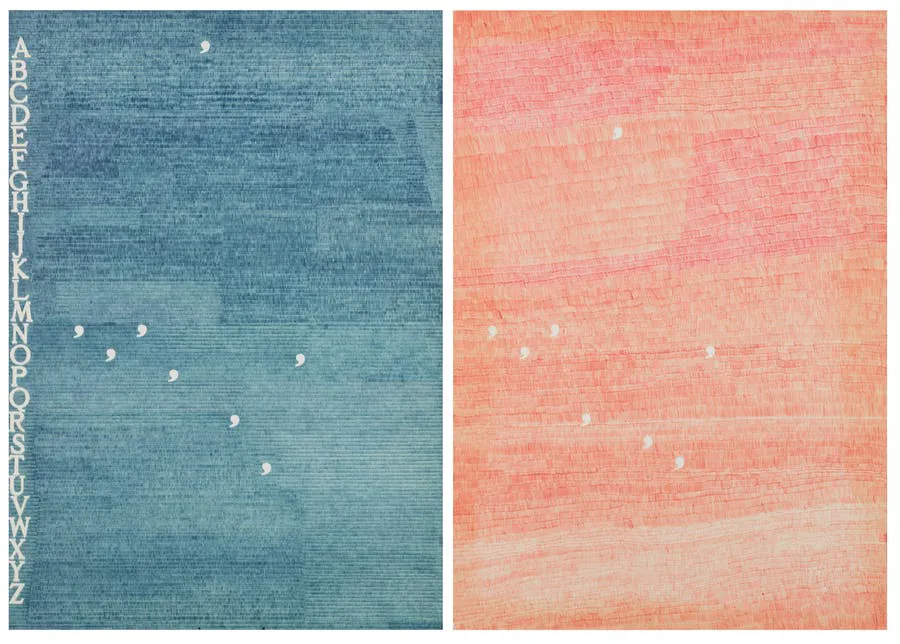
In the 1960s, Arte Povera established itself in Turin, Milan, Rome, Geneva, Venice and Naples. The representatives of this movement demanded a return to basic materials, to simple and everyday things. Using spare products like sand, wood, earth or worn-out clothes, artists denounced the consumer society and the commercial aspect of culture.
Alighiero Boëtti is one of the most representative visual artists of this movement, and distinguished himself mainly for his series of embroidered world maps entitled Mappa. Boëtti was interested in the relationship between chance and order, but also in non-Western cultural traditions and practices, influenced by his travels in Afghanistan and Pakistan.
On 18 December at Cambi Casa d'Aste, a catalogue of 110 lots, including the most emblematic artists of the Italian movements of the 20th century, is going under the hammer. For more information on the auction, visit the auction house website.