Gathered over several decades by an arts enthusiast couple in the 1980s in Florence, a remarkable collection of paintings by masters will be presented at Rossini on 9 June. The set includes nearly 70 paintings from Italian and Flemish schools, including religious paintings, still lifes and landscapes retracing two centuries of history.
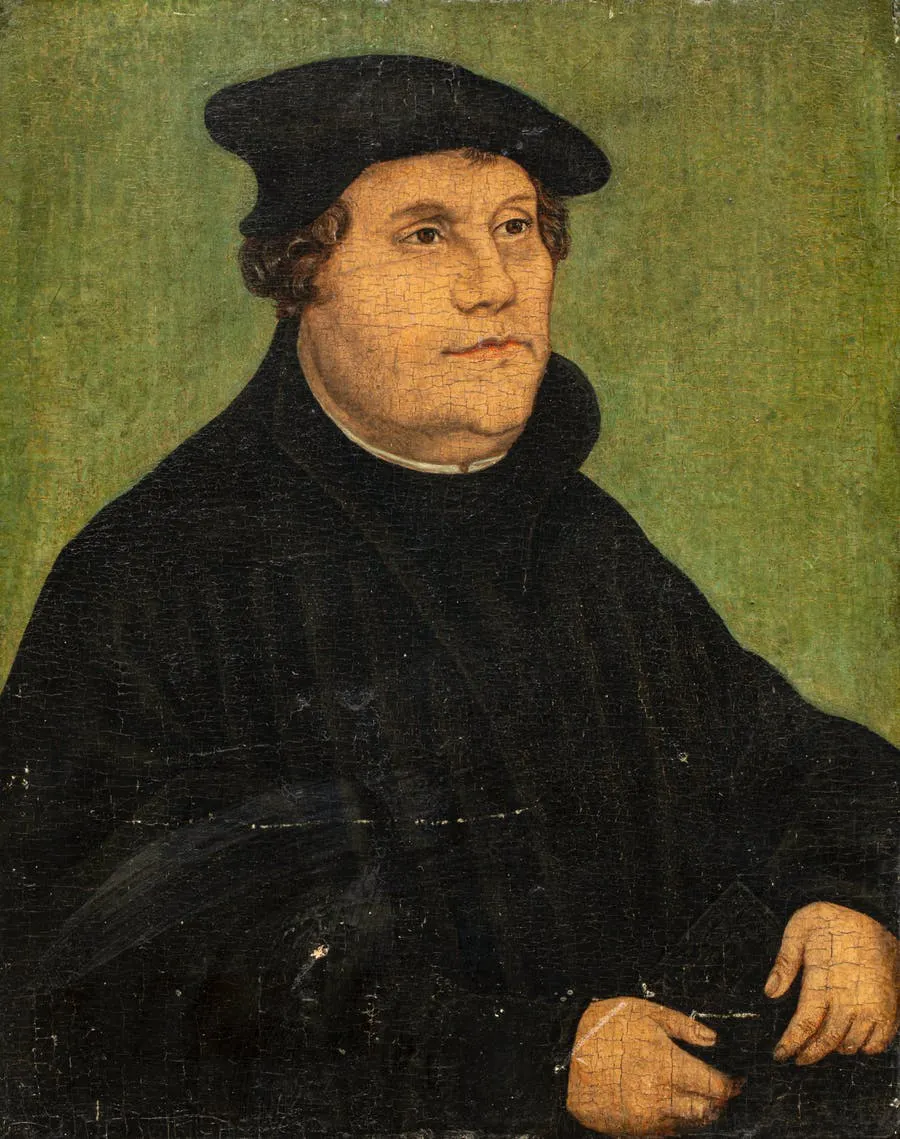
First of the major works is this portrait of Martin Luther signed by the studio of Lucas Cranach the Elder, painter and engraver of the German Renaissance. Cranach and Luther were close friends (each was godfather of the other's children), and Cranach converted to Lutheran ideology and actively participated in the creation of Protestant iconography. The figure of the famous theologian and professor appeared several times in the painter's work, as evidenced by this painting in the sale as well as his portraits made around 1520-1525, like the one kept at the Museum of Basel.
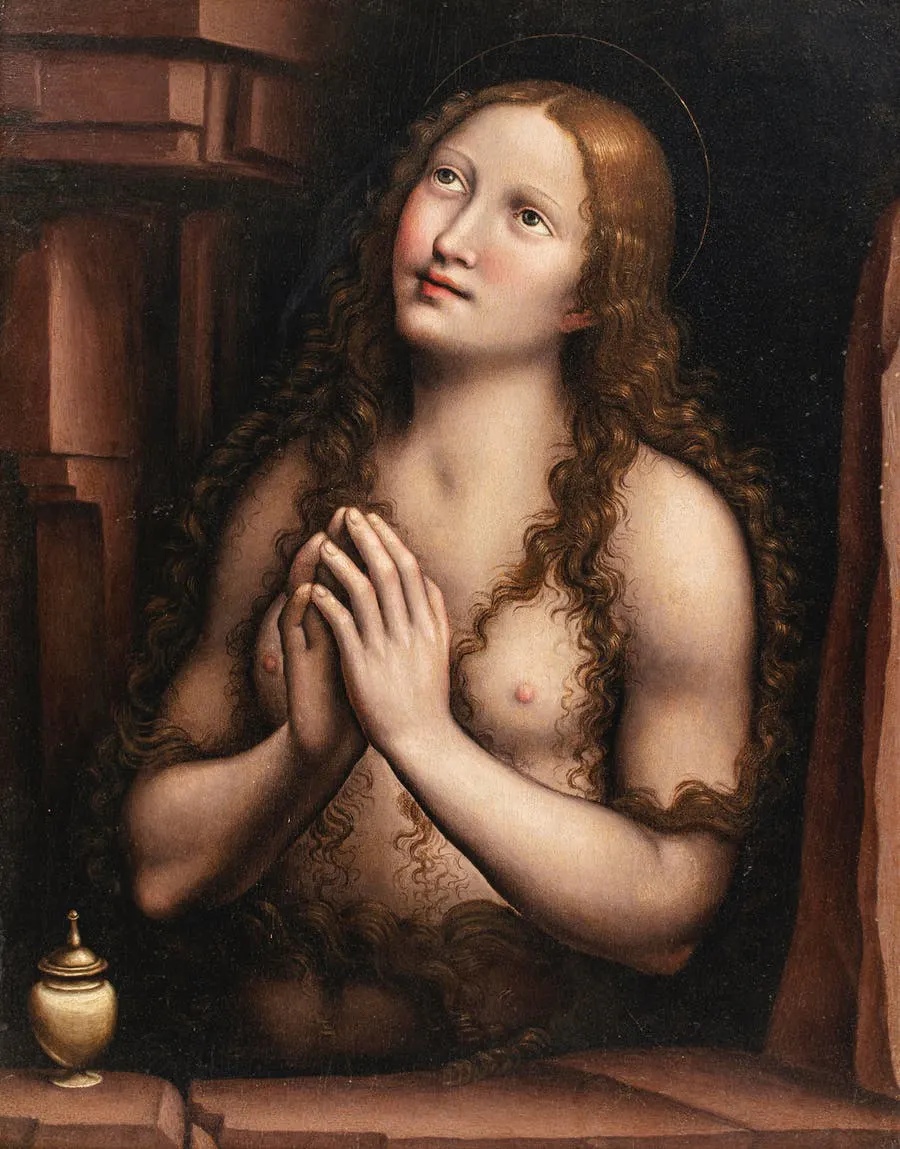
Giovanni Pietro Rizzoli, known as Giampietrino, was a pupil of Leonardo da Vinci and greatly contributed to the dissemination of his master's work by reinterpreting many of his compositions. He is known in particular for a copy of The Last Supper, kept at the Royal Academy of Arts in London, as well as a Salvator Mundi formerly attributed to da Vinci. A prolific artist, Giampietrino produced many altarpieces and Madonnas similar to this Marie-Madeleine Repentante, which will be auctioned on 24 March.
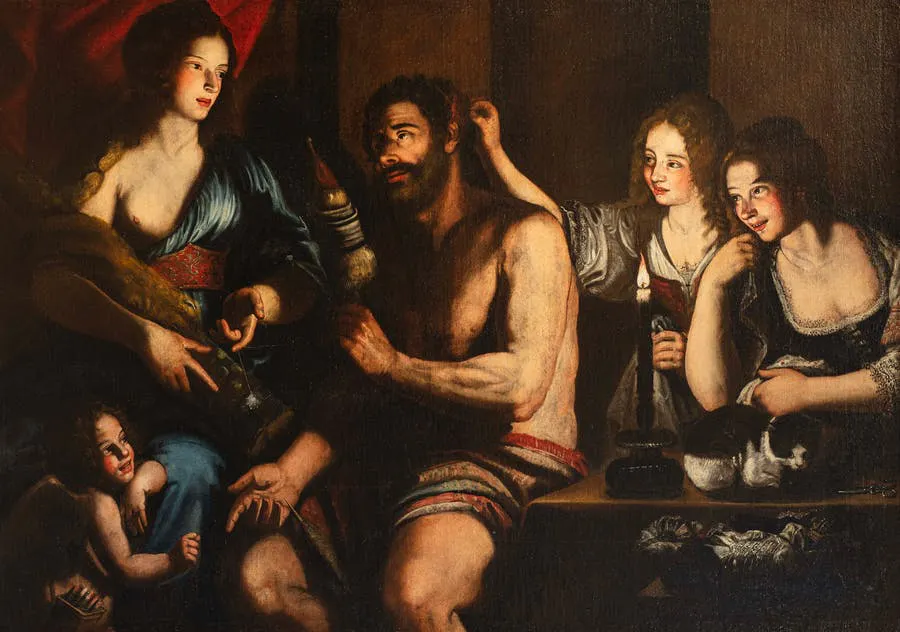
Rarer in the selection, this superb mythological scene with a Caravaggio atmosphere is attributed to Pietro Paolini, who was active in Venice and Rome in the 17th century. The canvas takes up the theme of Hercules and Omphale, which is found in particular in a famous painting by Rubens (1603). Hercules, condemned to a year of servitude by the oracle of Delphi, is bought as a slave by Omphale, and carries out in his service many exploits to cleanse the kingdom of the monsters. There are several interpretations of their love, and the diversion of the heroic figure of Hercules, a reflection on the inversion of male/female domination, has fascinated many artists.
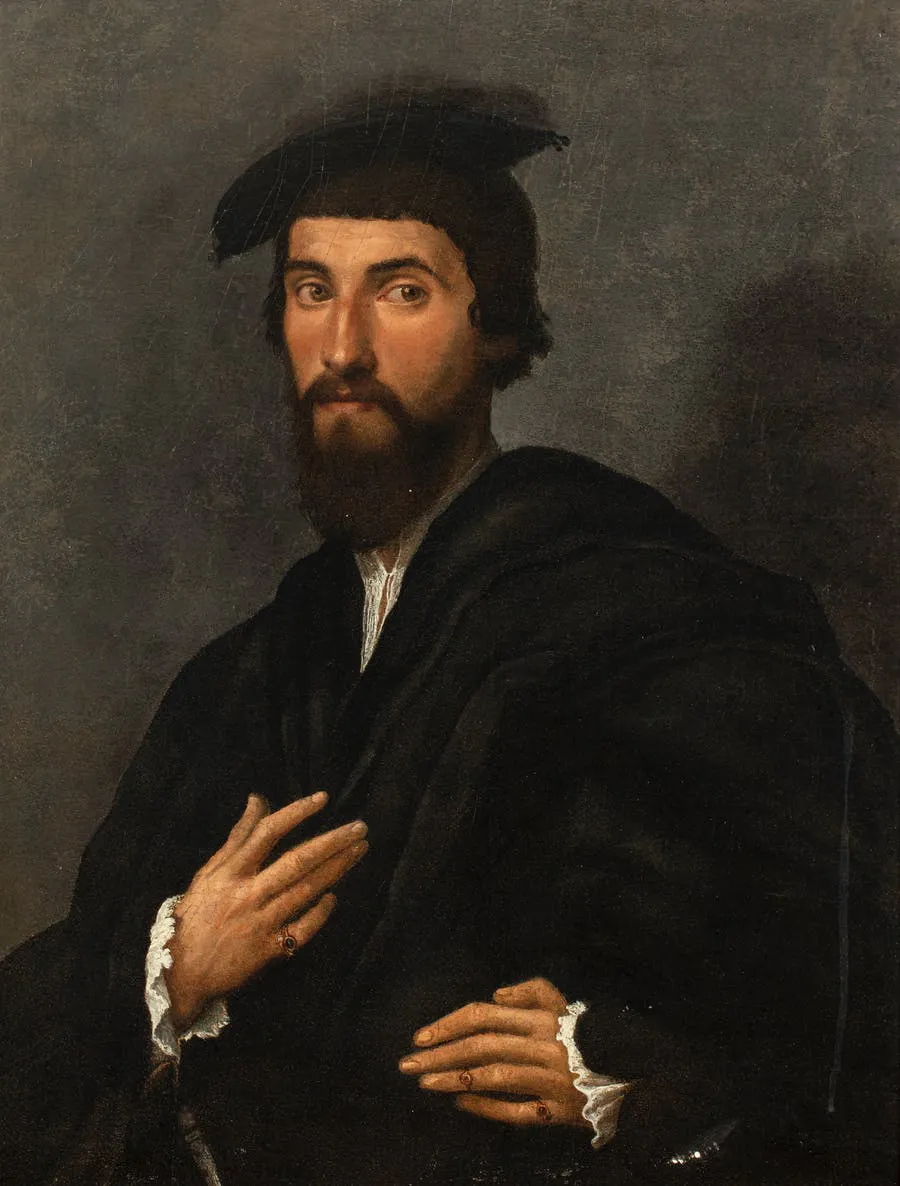
This Bust Portrait of a Gentleman is by the late Renaissance Modenian painter Nicolò Dell'Abate. Trained by the sculptor Antonio Begarelli, then pupil and collaborator of Alberto Fontana, Dell'Abate stood out for his decoration, showing great originality in the landscape and genre scenes. Better known in France under the name of Nicolas Labbé, the artist made a name for himself in France during the 1550s, when he became the main collaborator of Primatice in Fontainebleau. He worked, among other things, on the ballroom, the gallery of Ulysses, the chapel of Guise and even the king's bedroom. The works known by him today bear witness to a personal gift for landscape and the treatment of colour.
Art fans can also find the works of Jacopo Confortini, Balthasar Wigand, Joost de Momper and Tintoretto. Rossini’s sale also includes a fine selection of drawings, antique furniture and decorative art objects.
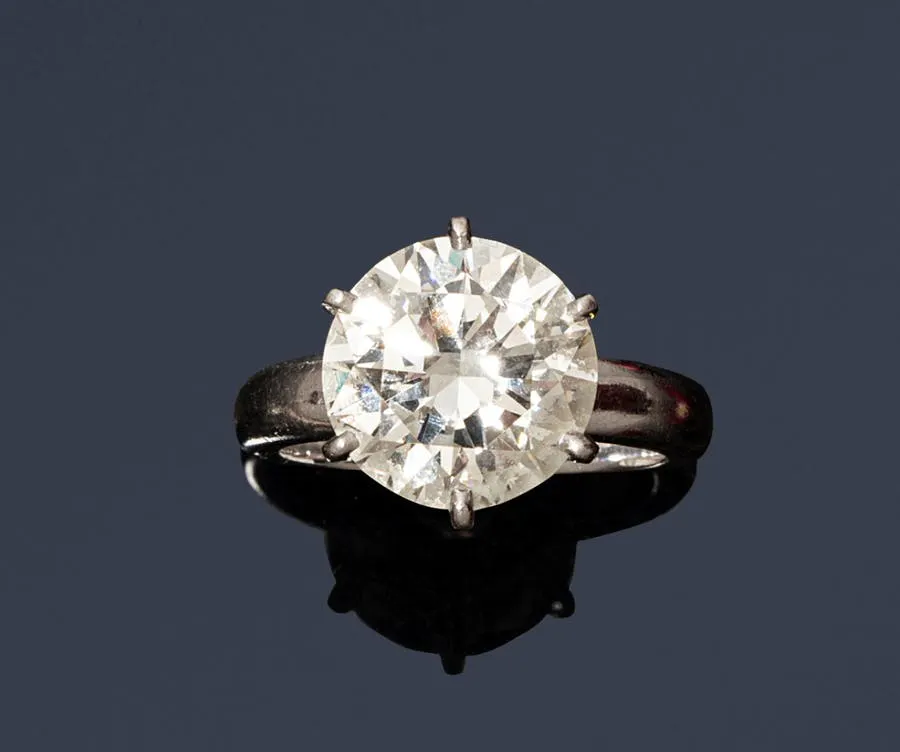
Friday, 12 June is a sparkling day: a catalogue of jewellery, watches and silverware, forming a total of 192 lots, are to be presented for auction at Rossini. The session will open with a set of 19th-century jewellery, before continuing with a sumptuous selection of diamond rings, among which is a yellow gold and platinum ring adorned with a brilliant-cut diamond weighing 5.37 carats.
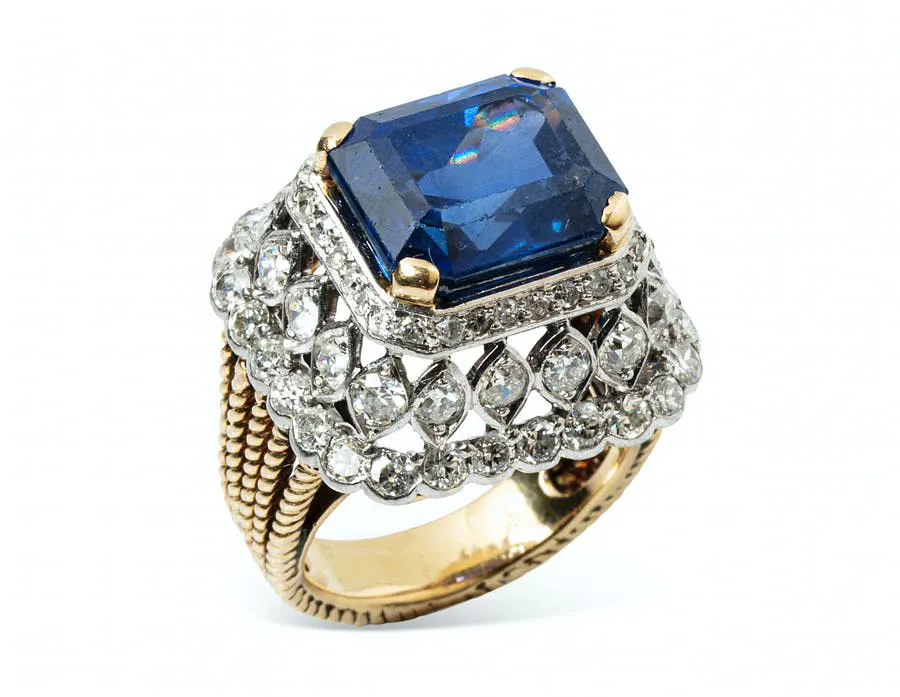
Maison Marchak, founded in Kiev in 1878, is in the spotlight with a remarkable cocktail ring dated from the 1980s. This marvel in yellow gold and platinum is flanked by a rectangular 13-carat sapphire in a triple entourage of brilliant-cut diamonds. Josef Marchak, like Fabergé, was one of the best jewellers in the Russian Empire and appointed Jeweller to the Imperial Court. The luxurious house survived the Russian Revolution thanks to Alexandre Marchak, son of Josef, who fled the country on the death of his father to settle in Paris, rue de la Paix. Taking advantage of the energy of the roaring twenties, Alexandre surfaced collections inspired by the art deco style, flora and fauna, which have become emblematic of the label.
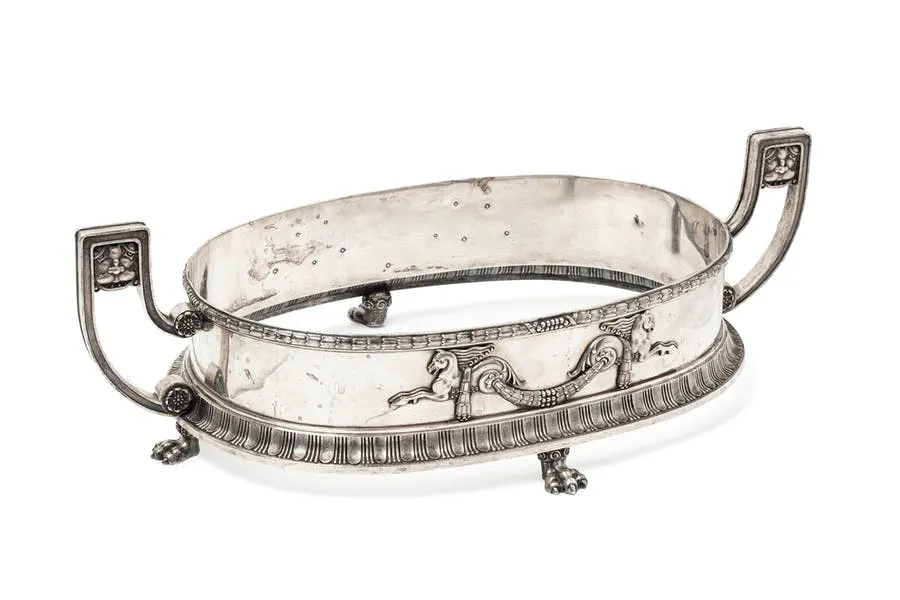
Maison Fabergé is not to be outdone, however, and punctuates the sale with a beautiful silver planter bearing the goldsmith's mark ‘K. Fabergé’ – the mark of imperial privilege. Designed in Moscow between 1908 and 1917, the planter rests on four claw feet and has a finely chiseled decor of two winged horses, a vegetable garland and griffin heads.

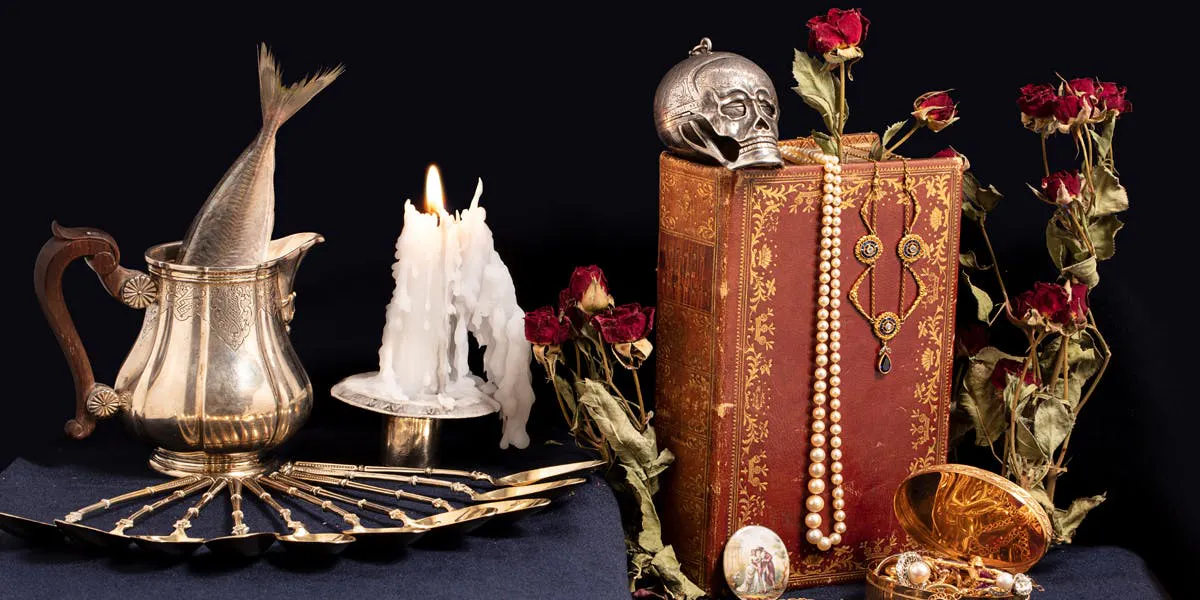
On the border between watchmaking and a work of art, this astonishing Memento Mori rooster watch is a real luxury. Designed in the shape of a skull and crossbones, this rare timepiece is an allegorical representation of time passing, of fate and human emptiness. The case is adorned with biblical patterns representing the nativity inside and allegorical scenes outside, while the dial presents leafy patterns.
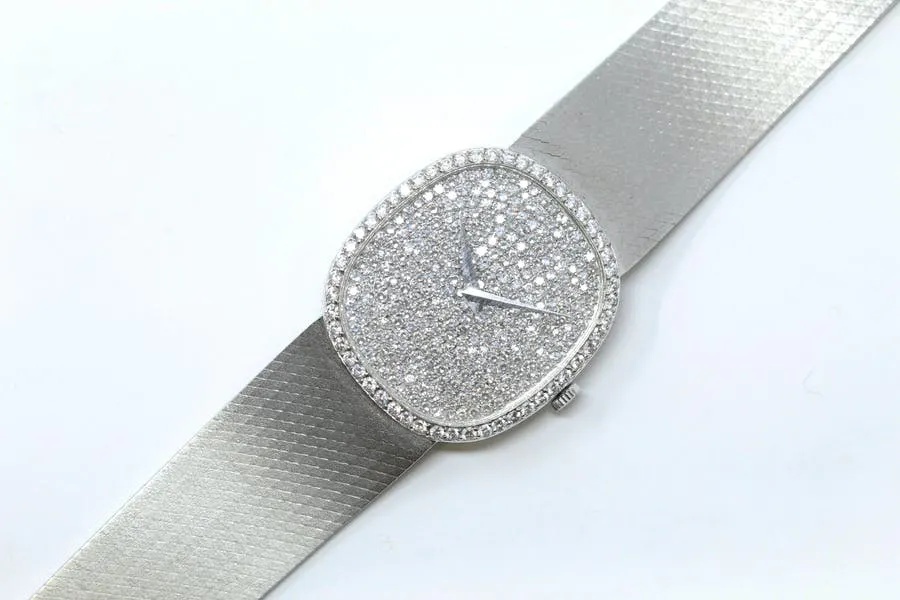
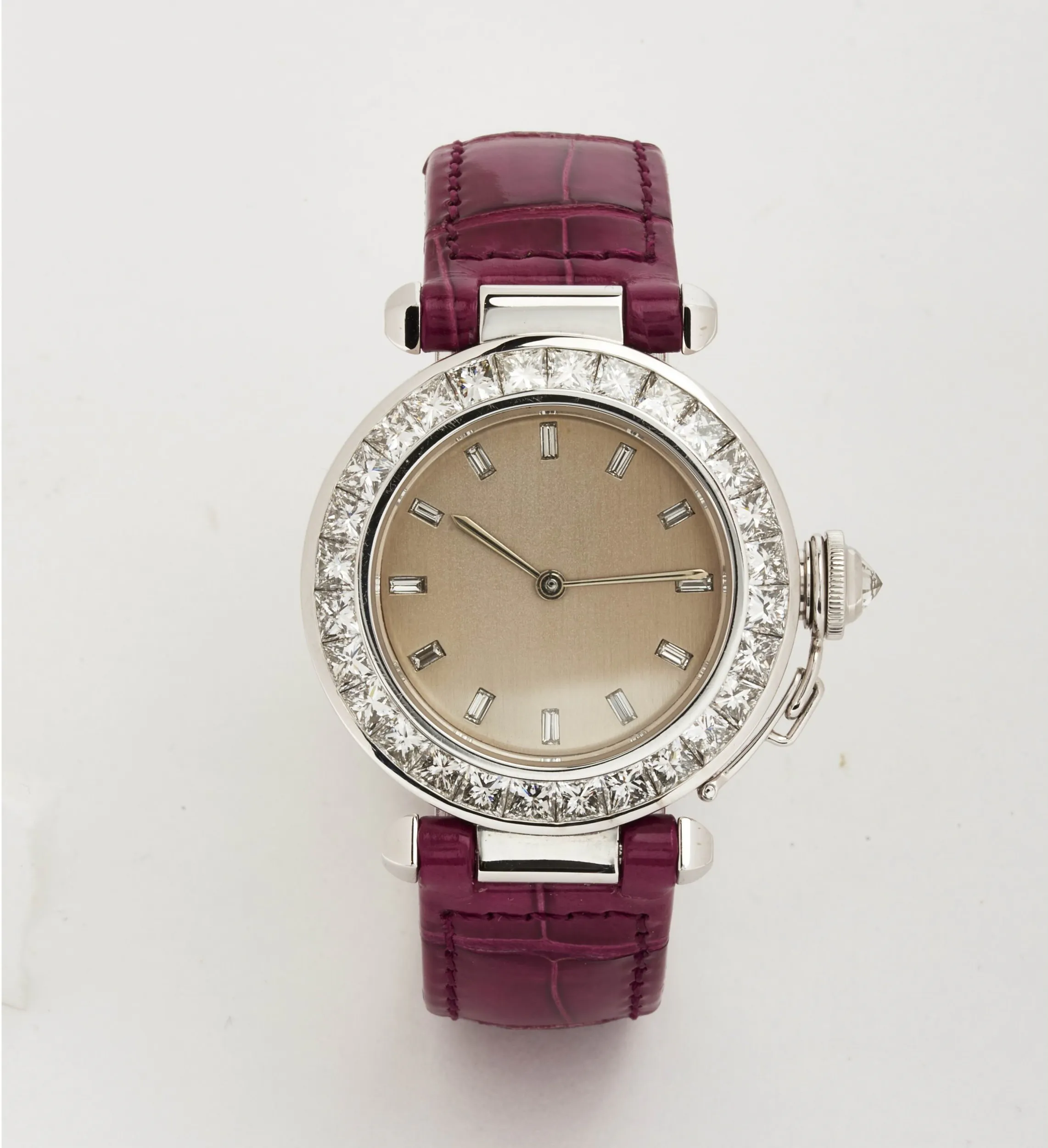
We finish with a model of the Chopard brand, a tuxedo bracelet watch in 18K white gold and diamonds. The oval case houses a dial set with brilliant-cut diamonds.