
From 6-9 December, the Swiss auction house Piguet will present a series of in-person and online sales during their December Auction. Alongside sessions dedicated to jewellery and rare books, the highlight is an impressive collection of modern and contemporary artworks by major twentieth-century artists. Museum-quality pieces by masters such as Pablo Picasso and Henri Matisse will come under the hammer, and there are several works that have never before appeared at auction.
Around 200 lots in the sales come from the Grodtmann collection, including 18 exceptional pieces from renowned modern artists. The art-loving couple was passionate about movements that challenged and revolutionised artistic traditions, such as Cubism, Expressionism, Surrealism and Symbolism.
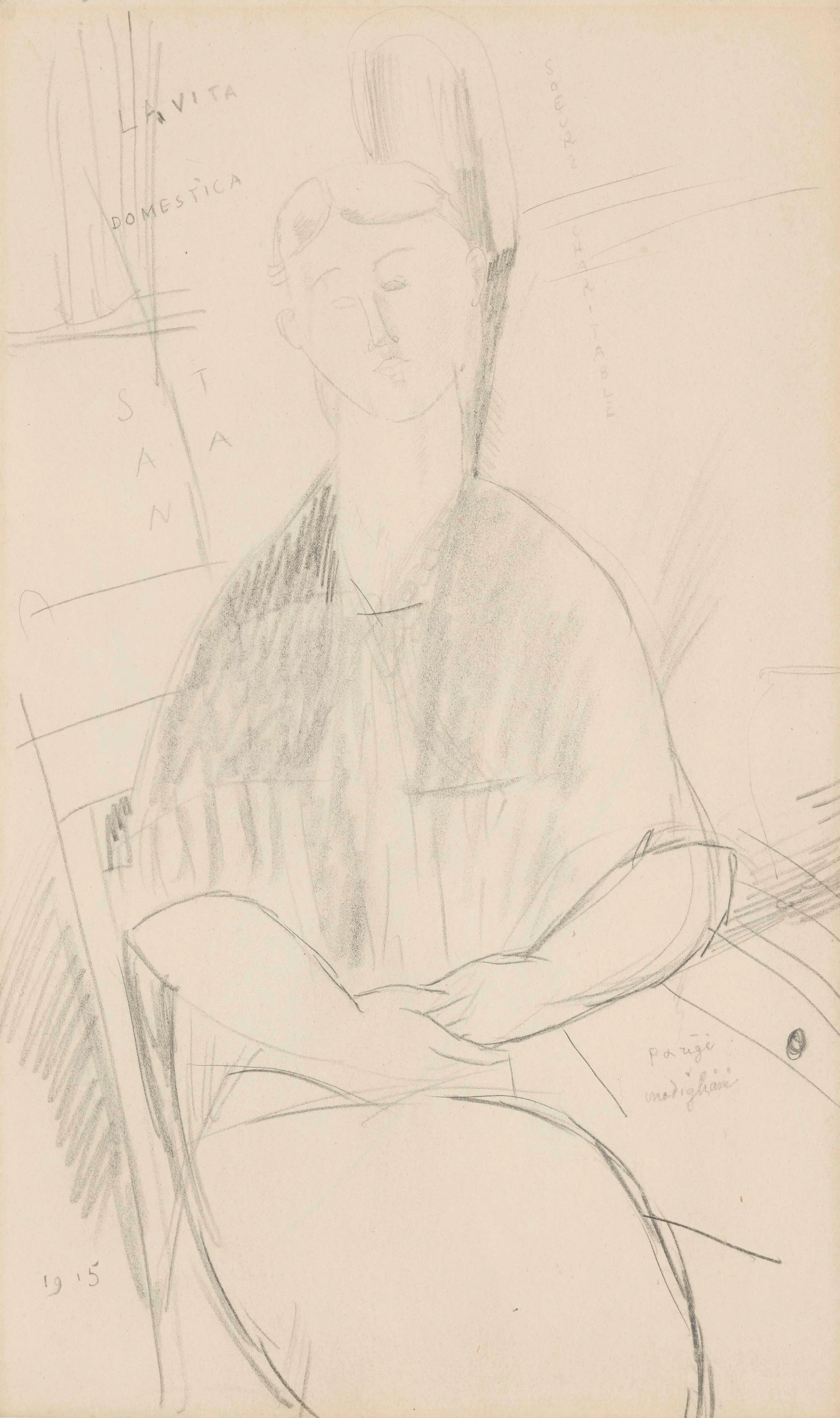
One piece from the Grodtmann collection is the pencil drawing La Vita domestica (Beatrice Hastings) by Amedeo Modigliani. Beatrice Hastings was the pen name of Emily Alice Haigh, a talented poet and art critic who had a passionate and tumultuous relationship with Modigliani between 1914 and 1916. She became the muse that brought him back to painting from sculpture, and he produced fourteen painted portraits of her during their time together. Modigliani perfected his unique style during this period, and this pencil drawing depicts Hastings with the elongated neck, sloped shoulders and tilted head that became his trademark.

There are two Picassos in the Grodtmann collection, the first of which is a watercolour titled Still Life on a Pedestal Table. The painting represents Picasso’s turn towards the most abstract of Cubism, combining naturalist and Cubist elements cohesively within one work. The background is spare and naturalistic, which contrasts dramatically with the complex and avant-garde still life. Notably, this painting was purchased by the Grodtmanns from the art dealer Siedfried Rosengart and kept in the family for more than 50 years before being offered at auction here for the first time with Piguet.
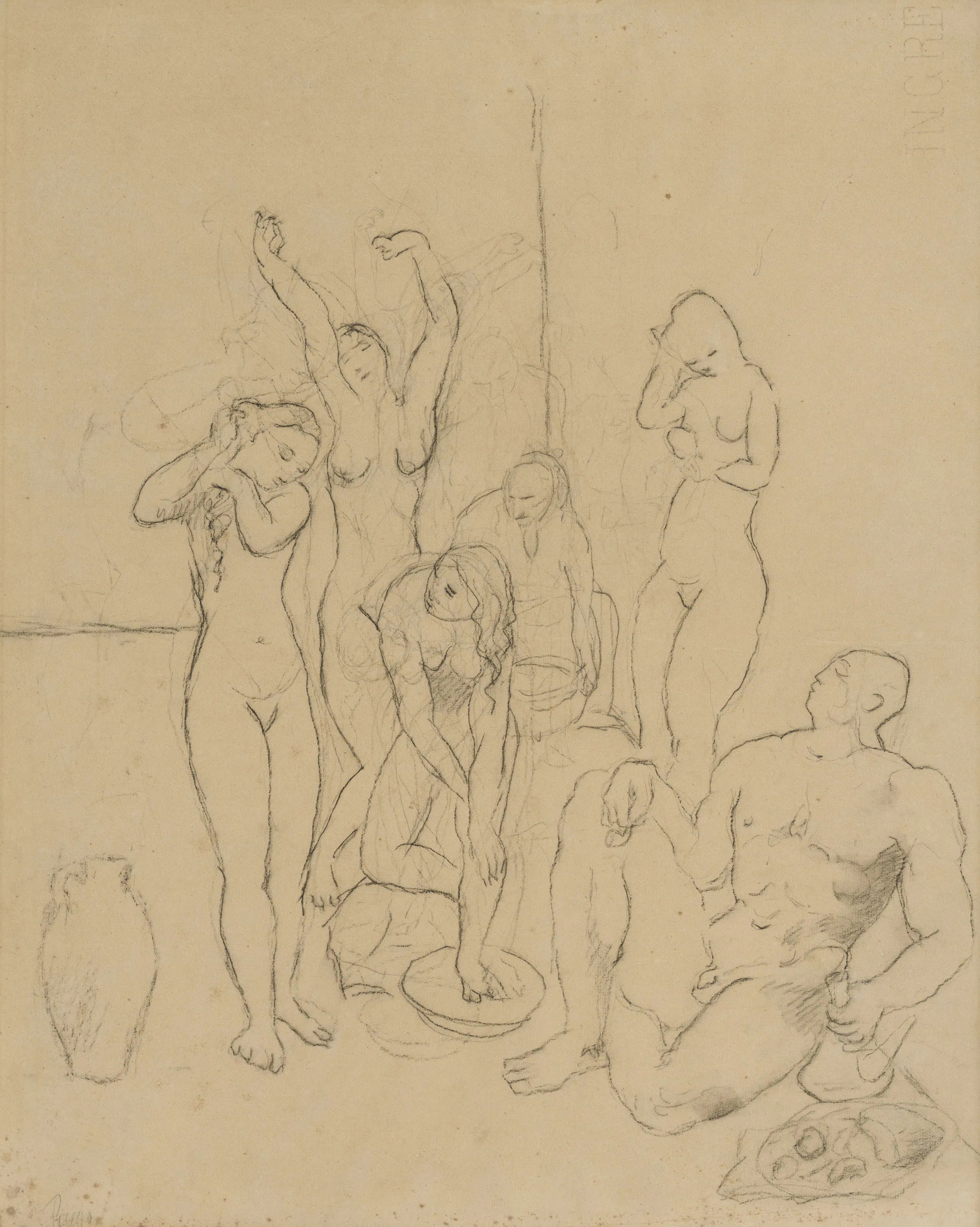
The second Picasso in the Grodtmann collection is a preparatory drawing for Les Demoiselles d’Avignon, one of the most important paintings in the history of twentieth-century art. The sketch was selected by the curator of the Picasso Museum for inclusion in a 1988 exhibition on Les Demoiselles d’Avignon, as its composition and theme clearly reference the painting. Each woman is languid and relaxed, and the naturalistic rendering brings freshness to the female figures and a certain majesty to the seated man.
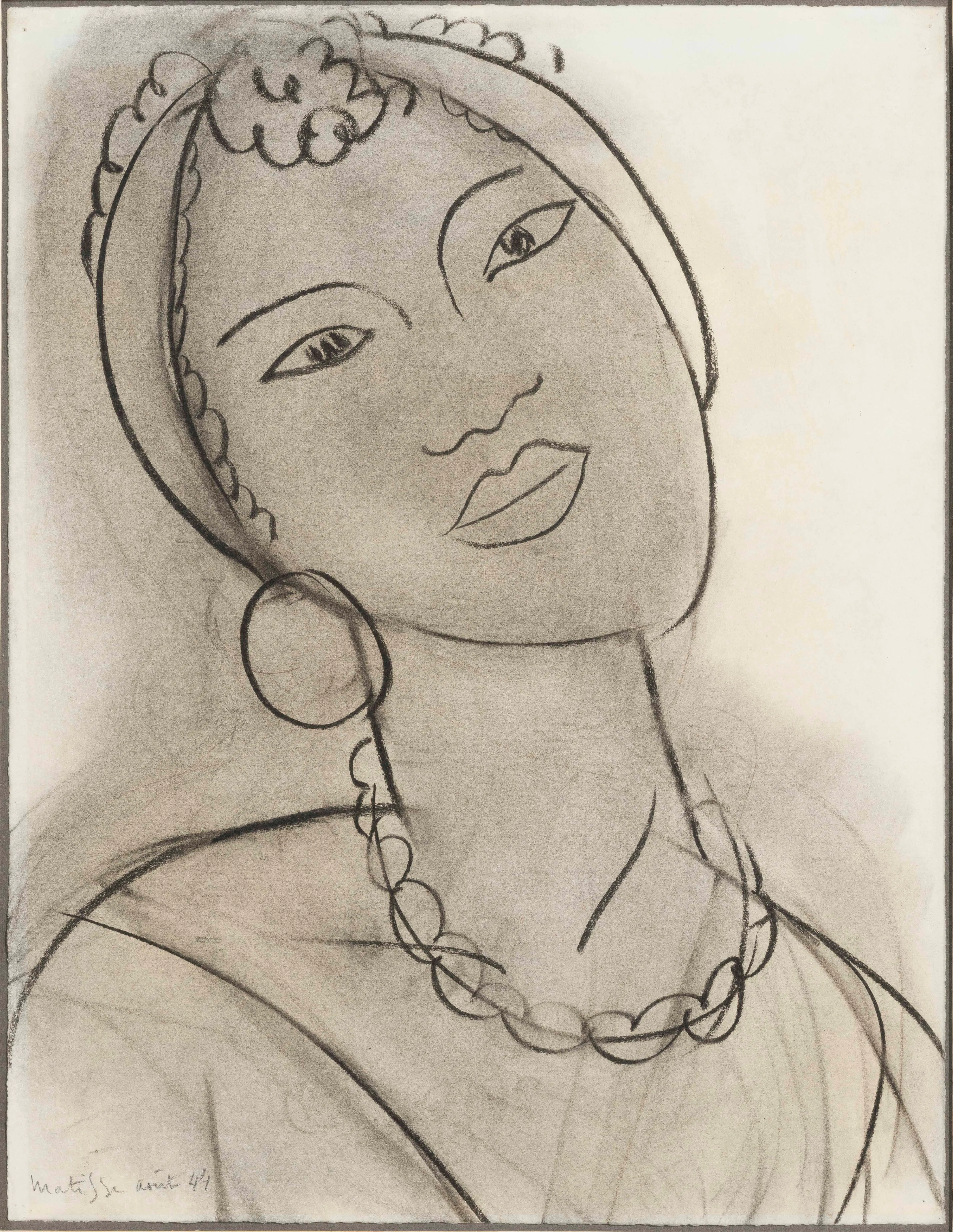
Another piece in the Grodtmann collection is La Noire, a charcoal drawing by Henri Matisse. Created in 1944, it was made as an illustration for the poem À une Malabaraise (‘To a Malabar Woman’) for the 1947 edition of Charles Baudelaire’s Les Fleurs du mal. The line portrait is spare but expressive, depicting a woman with a head wrap and large jewellery gazing steadily at the viewer.
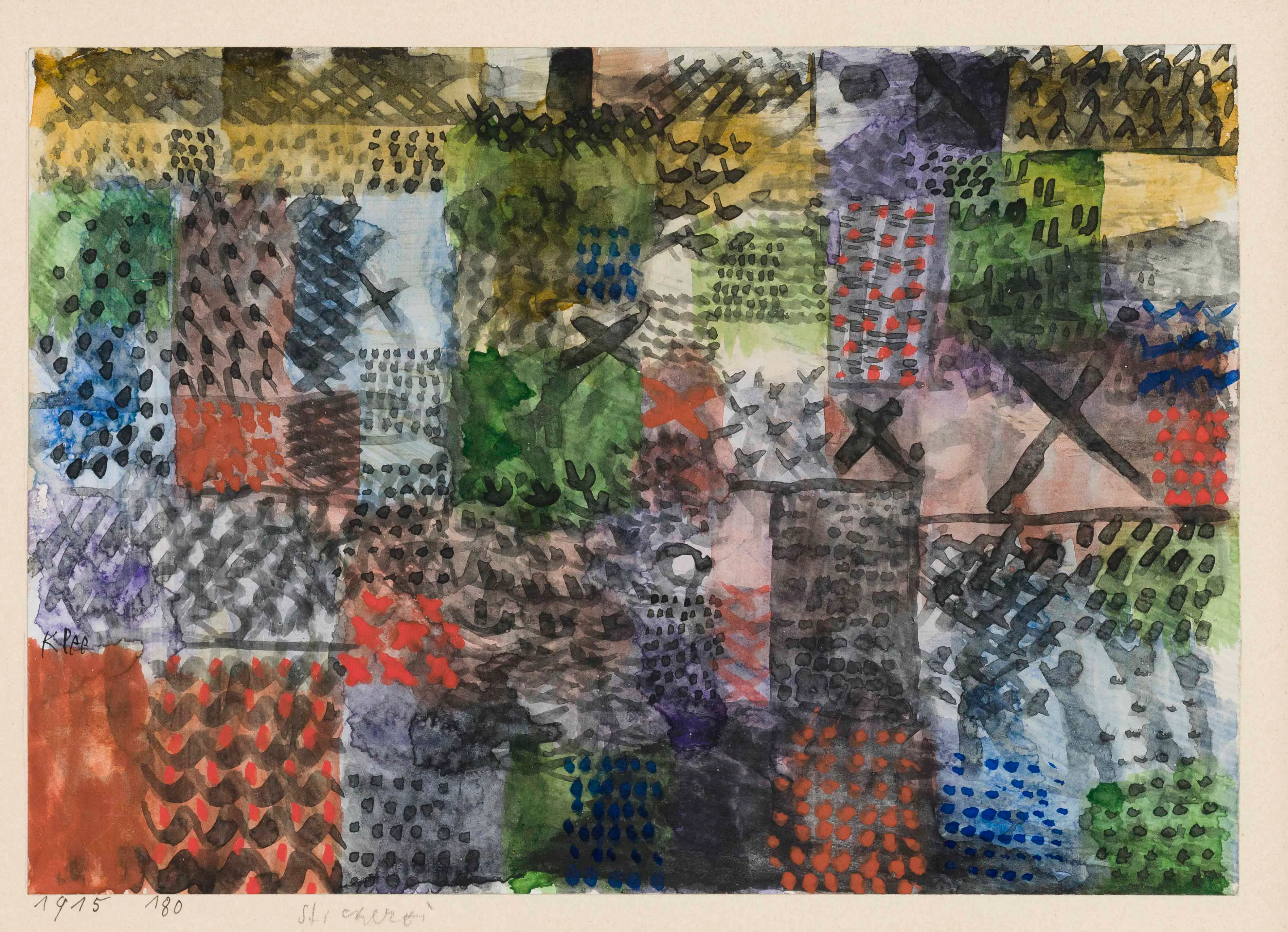
A final notable piece from the Grodtmann collection is Stickerei, a 1915 watercolour and pencil on paper by Paul Klee. Klee was inspired by Robert Delaunay’s attention to light and colour, and this approach transformed the way Klee saw on his 1914 trip to Tunisia. He created nearly 45 works during his stay in the country, but the trip marked an artistic shift that stayed with him throughout the rest of his career. This watercolour comprises a grid pattern overlaid with crosses, stitches and lines, a reference to the embroidery and textiles he encountered in North Africa.
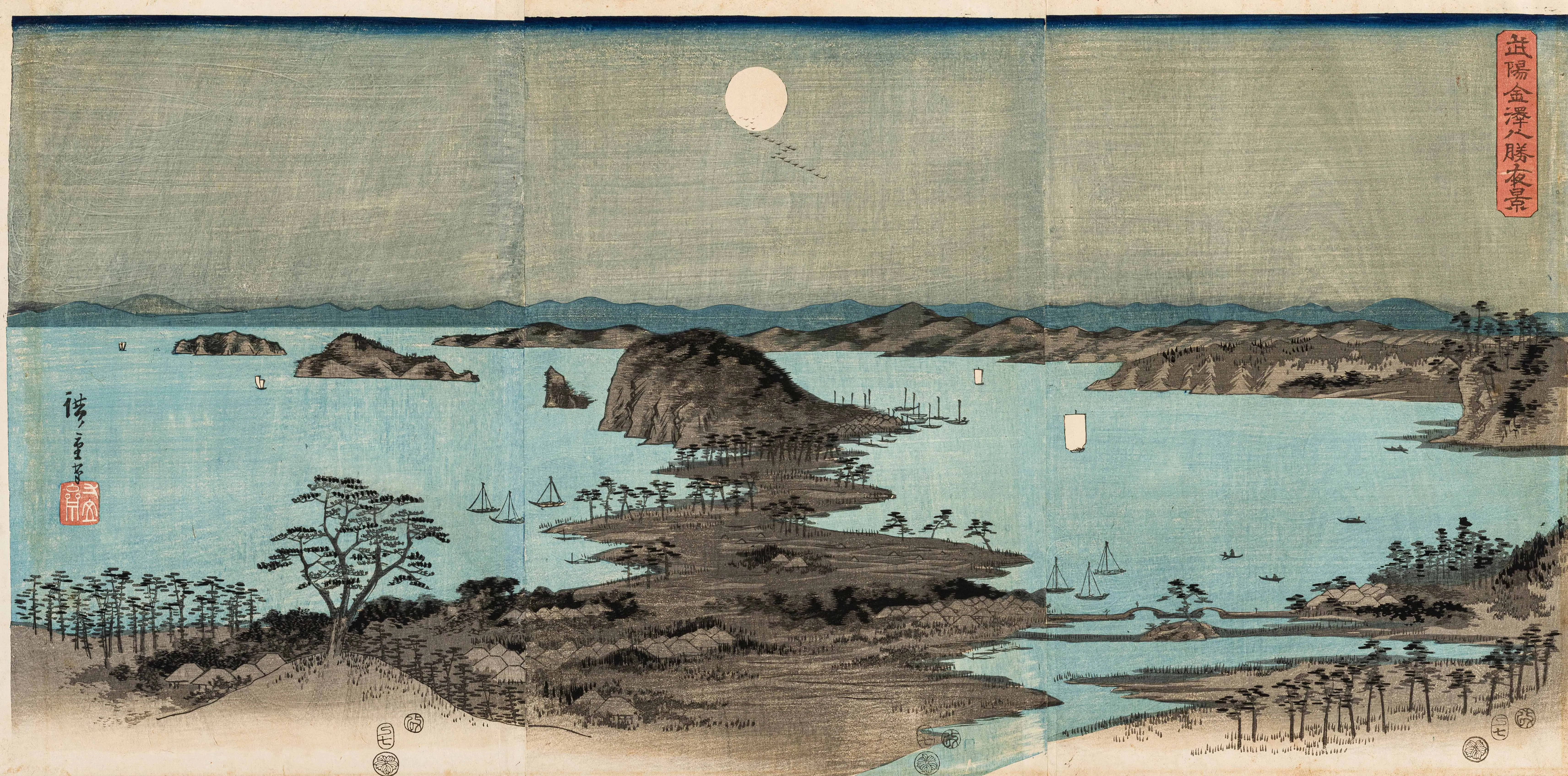
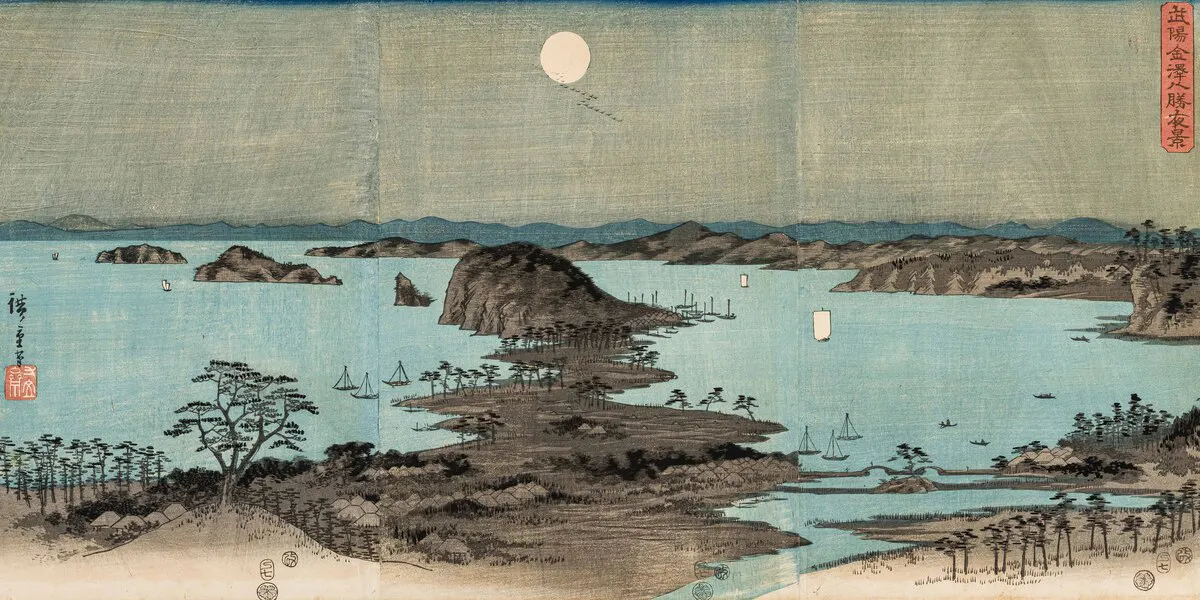
After the success of last September’s sale of pieces from the Catherine Gide collection, Piguet is offering a continuation of the collection, mainly comprising Japanese prints. Several prints are from Utagawa Hiroshige, a ukiyo-e artist considered the last great master of the tradition. Near the end of his life he explored the theme of ‘Snow, Moon and Flowers’, and this series includes the triptych Eight Night Views of Kanazawa. The piece is a tribute to the moon, enthroned in the sky over Kanazawa, a city near Tokyo. A group of flying birds seem to try and touch the moon, while the balanced landscape shows hills, trees and a calm sea dotted with boats.

One of the highlights of the sale is Bigoudi, a massive painting by Bernard Buffet that measures nearly two metres in height. It depicts a man dressed in a provocative cabaret outfit, smoking a cigarette from a holder. The subject was both daring and scandalous for the time it was created, and it’s interesting Buffet chose a monumental format to depict this divisive figure. Bigoudi is imposed on the viewer, and we cannot escape the melancholy face behind the festive apparel.
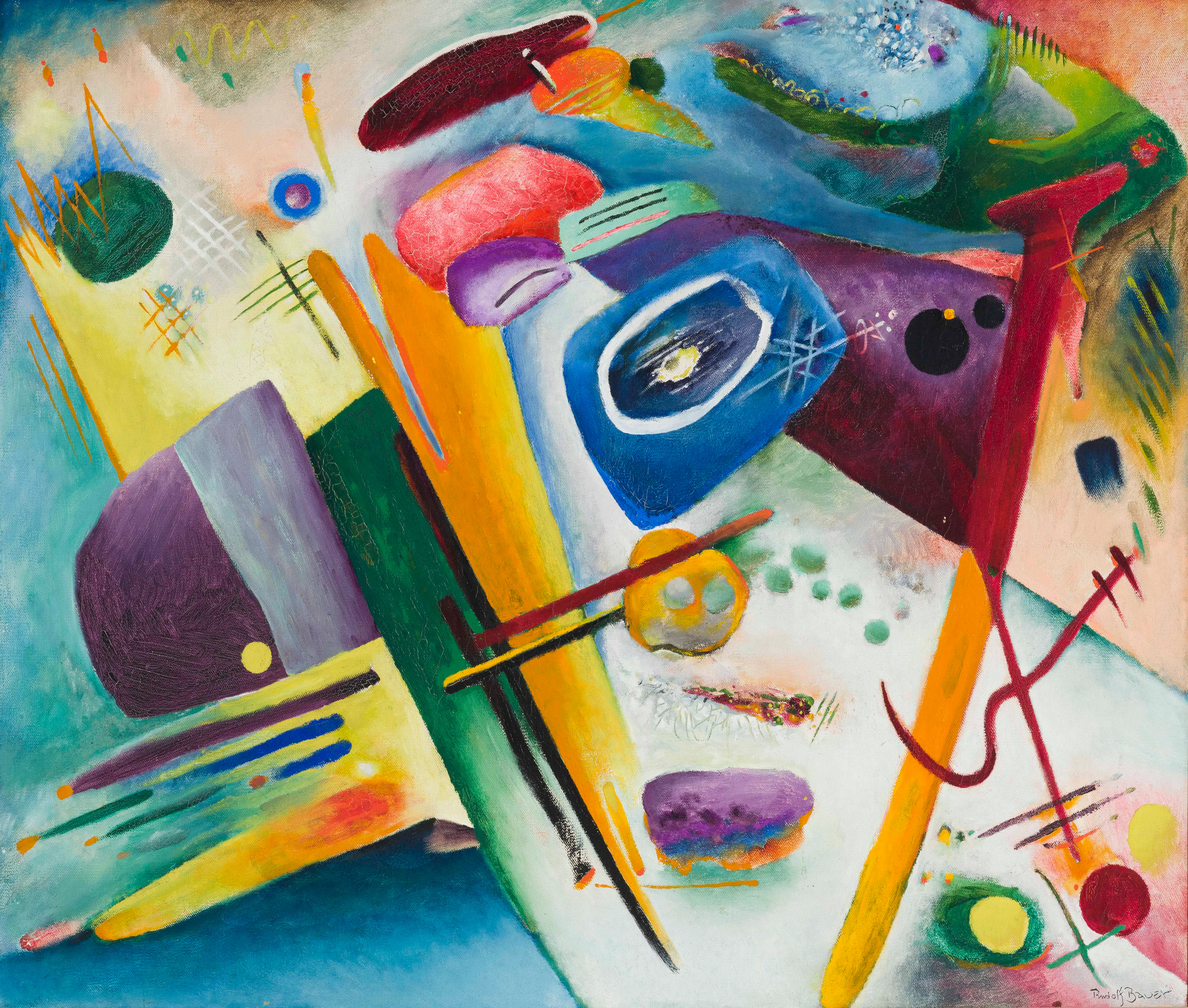
Rudolf Bauer was a pioneering German artist, who, along with Kandinsky, was one of the first abstract artists. His style evolved from Expressionistic to abstract during the early 1920s, and his 1921 painting Largo captures his fascination with Abstract Expressionism. The title references a slow tempo of music, and the balanced composition of colourful shapes shows depth while still remaining entirely non-objective.
Piguet’s series of sales will take place from 5-9 December, both in-person at their showrooms in Geneva and online. The saleroom auctions include rare books, silver, African art, antique art, Oriental and Far Eastern art, carpets and furniture on 7 December, paintings and sculptures on 8 December, and luxury leather goods, watches and jewellery on 9 December. The online sales will end between 5 and 9 December, and will include a charity auction of Christmas trees for Action Innocence as well as sessions dedicated to furniture, rare books, model trains, art and jewellery.