In early December, the ancient Roman auction house Telearte will hold its long-awaited Christmas auction. What can elevate the festive mood better than a rich collection of silverware? We have explored the auction house's lavish catalogue and selected some of the best items.
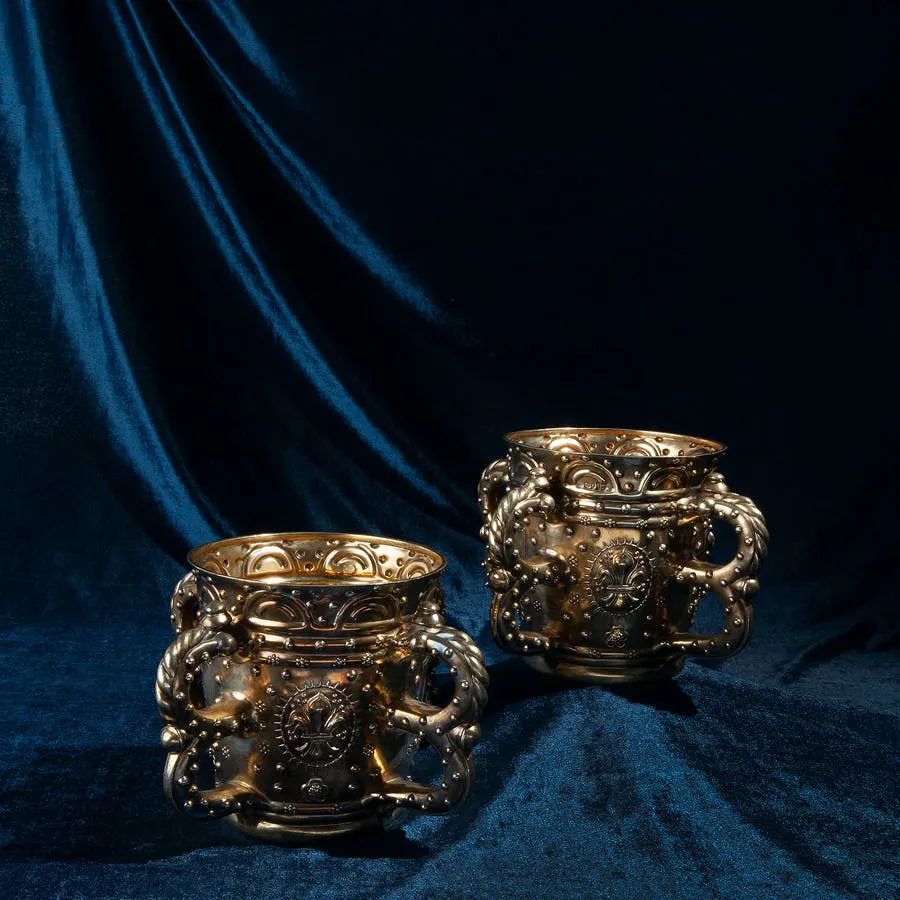
This pair of goblets in gilded silver embossed with a 16th-century pattern is an example of world-class Victorian craftsmanship. They were made in London in 1871 by Robert Garrard, Britain's first official crown jeweller. In addition to the impressive provenance and fine workmanship, the eccentric design is particularly eye-catching in itself.
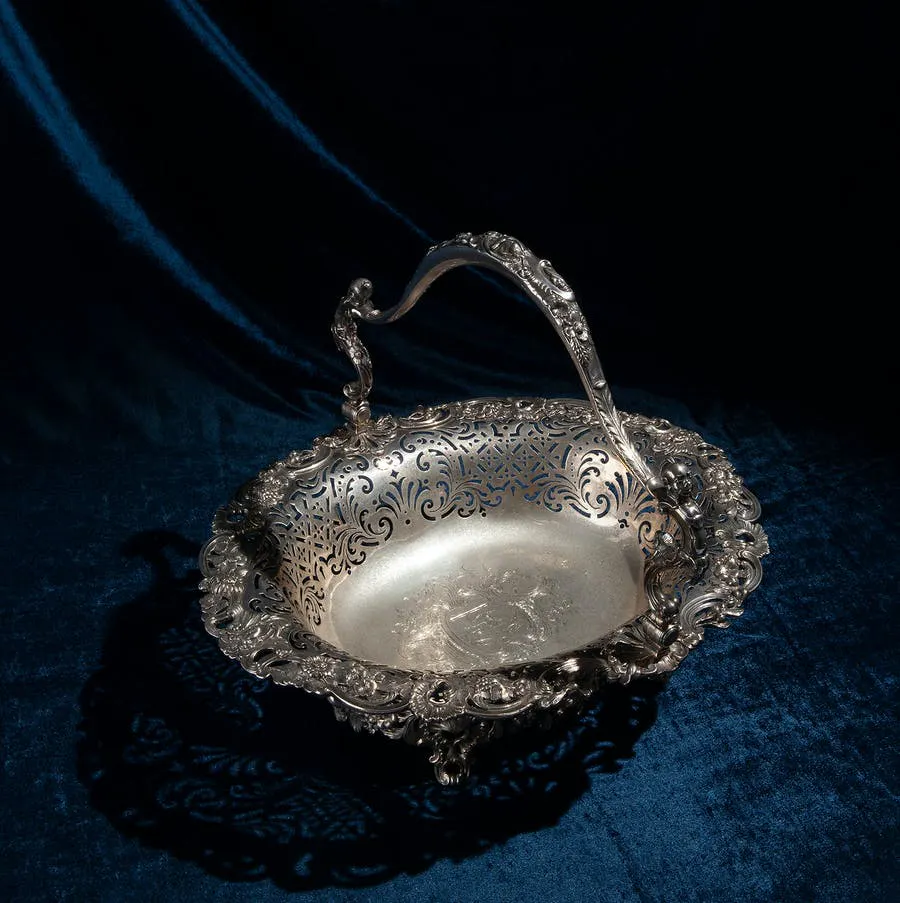
Another item that surely won’t go unnoticed and that would enrich any room is this silver basket. It was made by the famous silversmith William Cripps and it is dated 1756, so it dates from George II's time. Cripps specialised in fine tableware and his rococo tableware is especially sought after by collectors. Some of his works can be seen, for example, at the Victoria and Albert Museum.
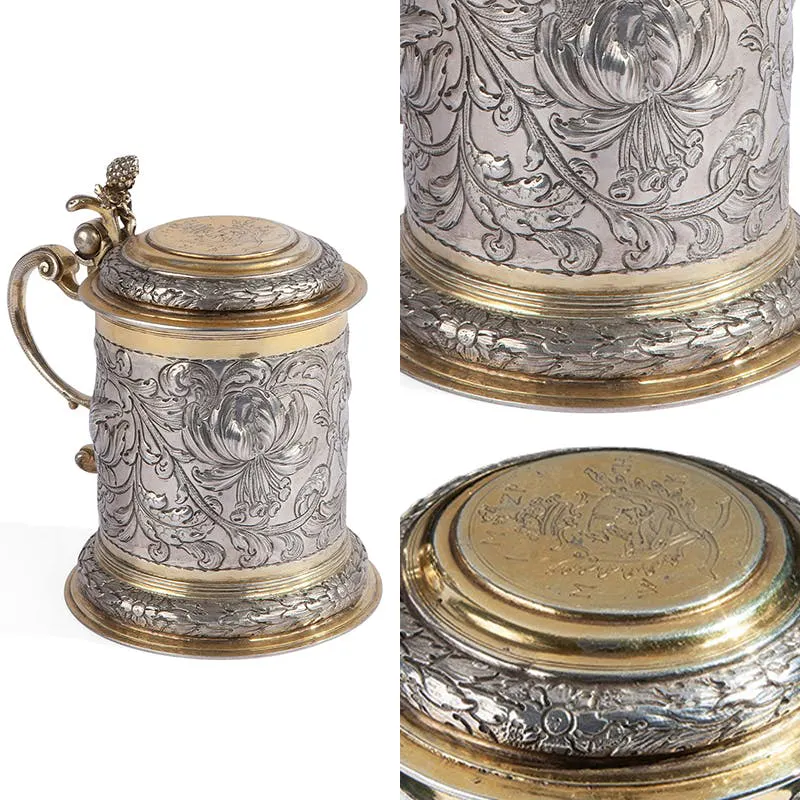
This silver jug with gilded details comes from 17th-century Poland. The stamp is probably from the city of Yaroslavl, and the beautifully-decorated lid is particularly striking. The significance of the crest is currently a mystery, which can be exciting to solve for an avid collector.
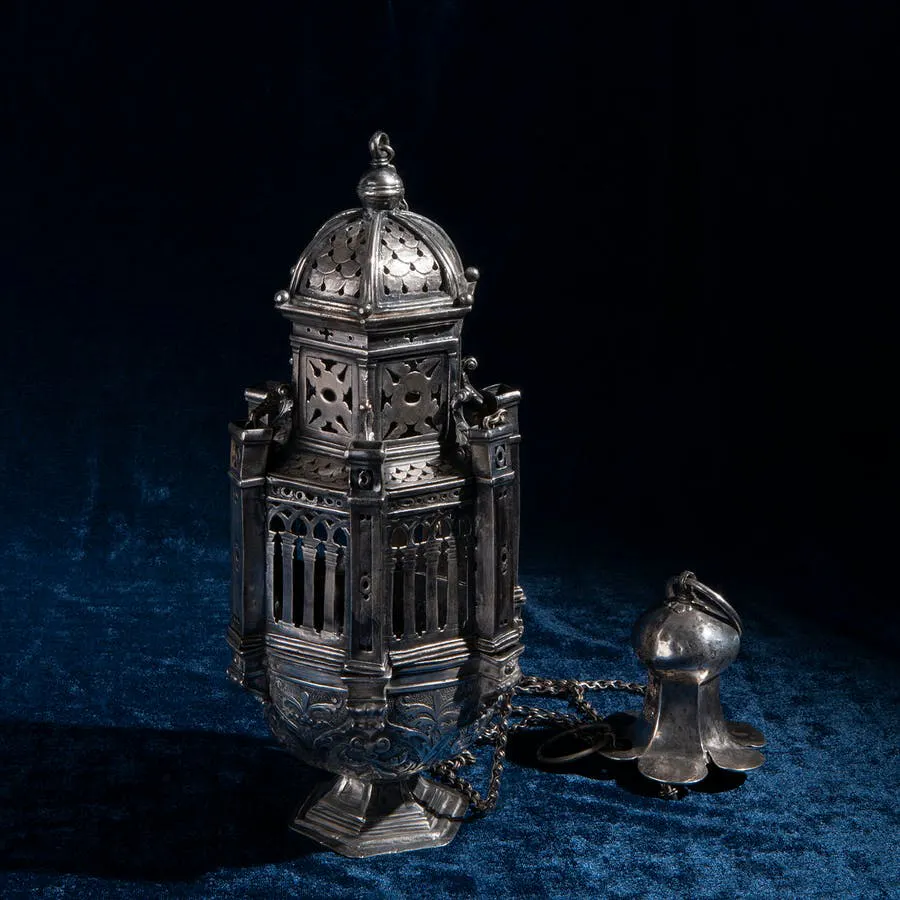
Another highlight is this incense burner in silver from the first half of the 16th century. The work, which is of Florentine origin, was carried out according to architectural Renaissance models. The underlying part is embossed with plant motifs and despite being 500 years old, it is in excellent condition.

This epergne – a type of English table decoration – bears the stamp of Thomas Pitts I, a well-known silversmith who specialises in the manufacture of centrepieces. It is mentioned in Jackson's Silver and Gold as an "Epergnes with central basket and baskets around it", p. 223. Both festive and elegant, it would be a wonderful feature on the Christmas table!
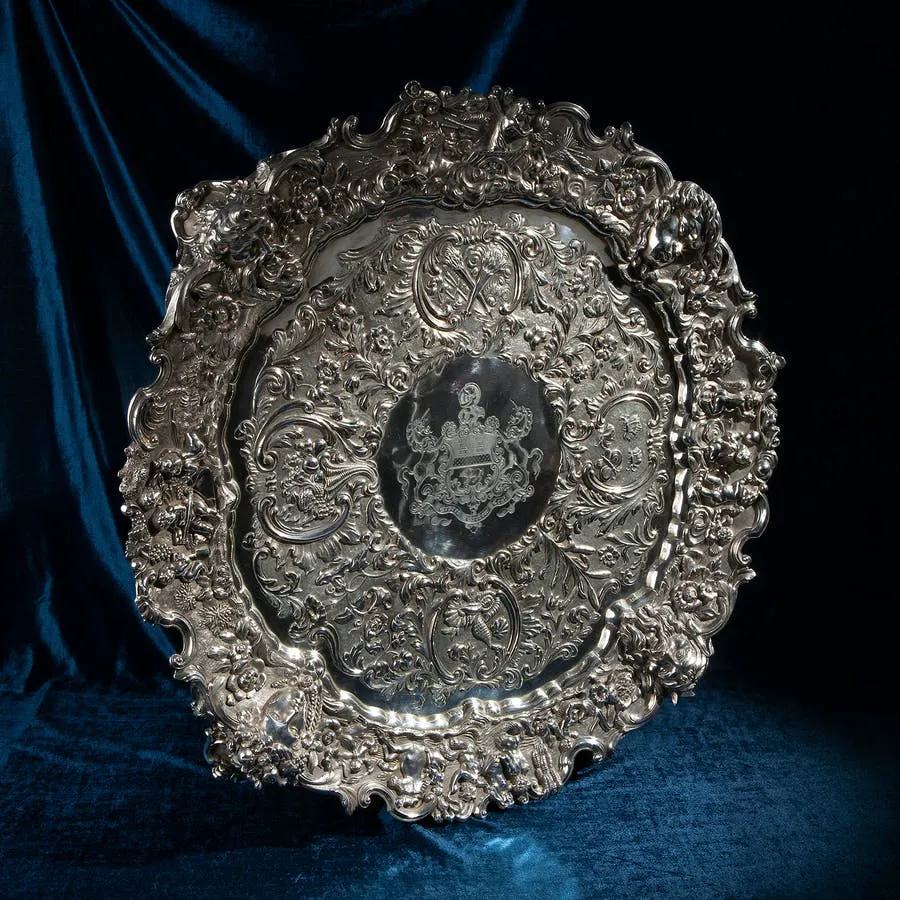
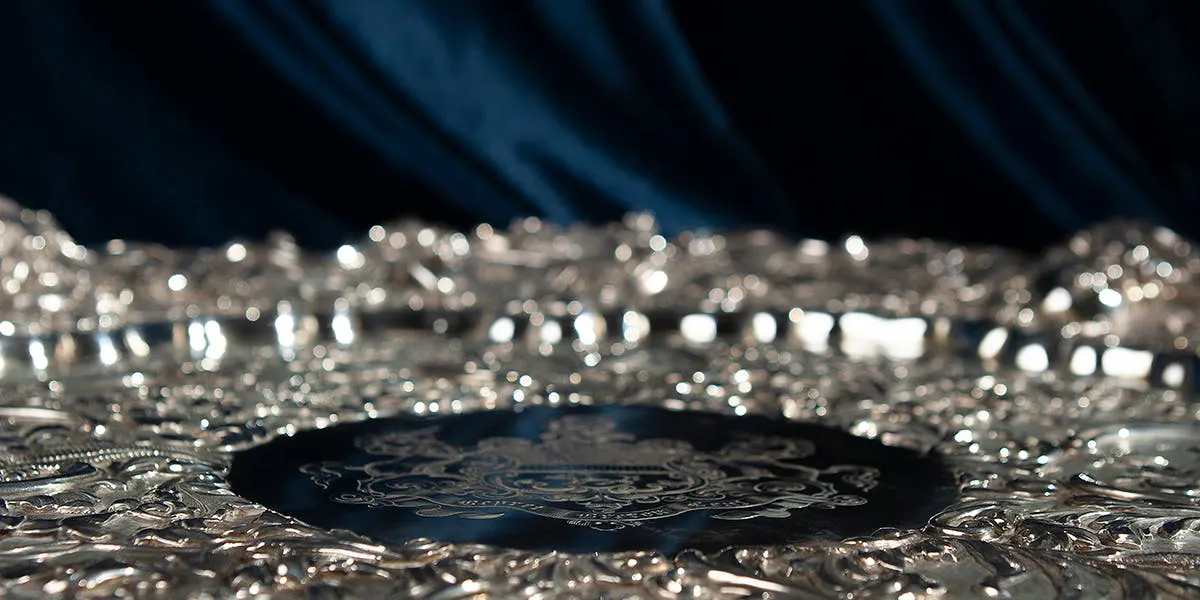
A tray without handles is called a salver, and this one was created by the silversmith John Edward Terry. The artist has designed the object as an allegory of the four elements, which are represented by four main characters, accompanied by as many decorative narratives. Fire is represented by Zeus, air by Eolus, water by Neptune and earth by Ceres. The stories in the tables read as follows: Zeus is drawn by a chariot with lightning and thunderbolts, against a background of a volcanic eruption. Eolus controls the winds in a beautiful scene with cherubs playing with soap bubbles. This is followed by a scene with mermaids, horses and mermaids. The last description shows a series of cherubs plowing the earth and harvesting wheat and grapes. In the middle of the suite is an aristocratic insignia with an engraved motto.
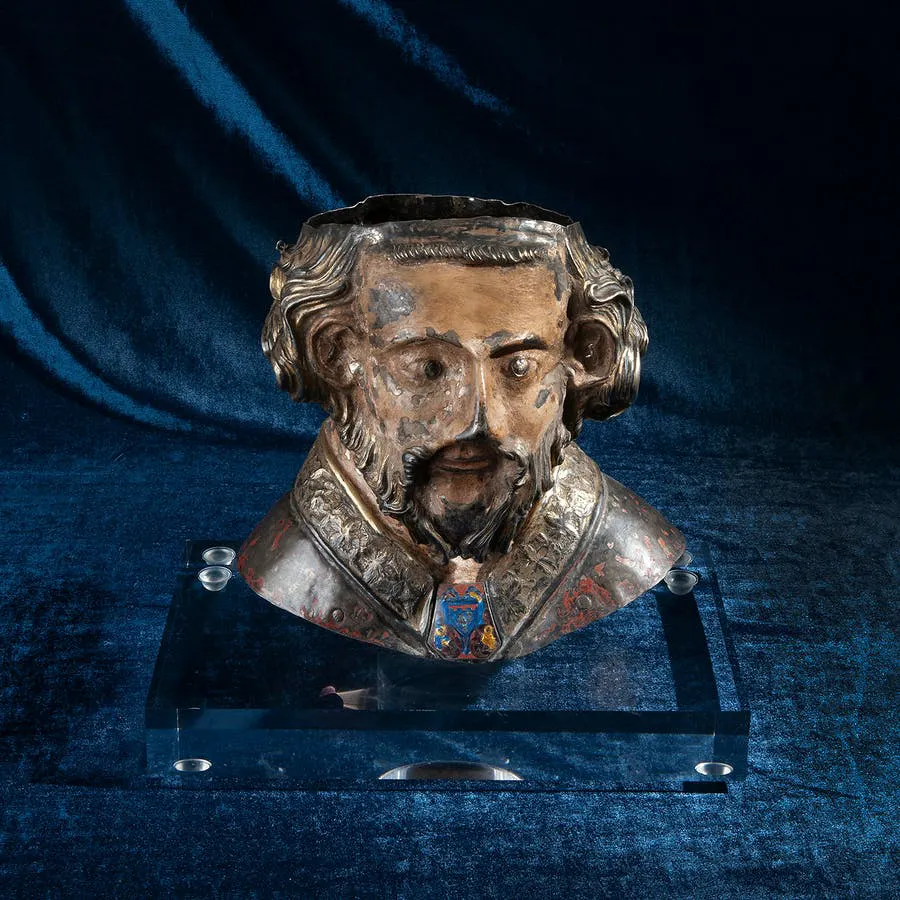
Finally, we find a particularly eye-catching object. This bust from Perpignan can be traced back to the 14th century, and thus has a very special provenance. The object has a distinguished coat of arms, the origin of which has not been identified but which can perhaps be attributed to a brotherhood. It has Perpignan stamps from the 14th century and the mark from the goldsmith who made it. It was possibly made by Soler Simo, who worked in Perpignan between 1346 and 1356. The bust has undergone a diagnostic analysis at the University of Pavia, which confirmed the proposed dating.
The auction at Telearte is taking place on 2 December, both physically in Rome and also online.