
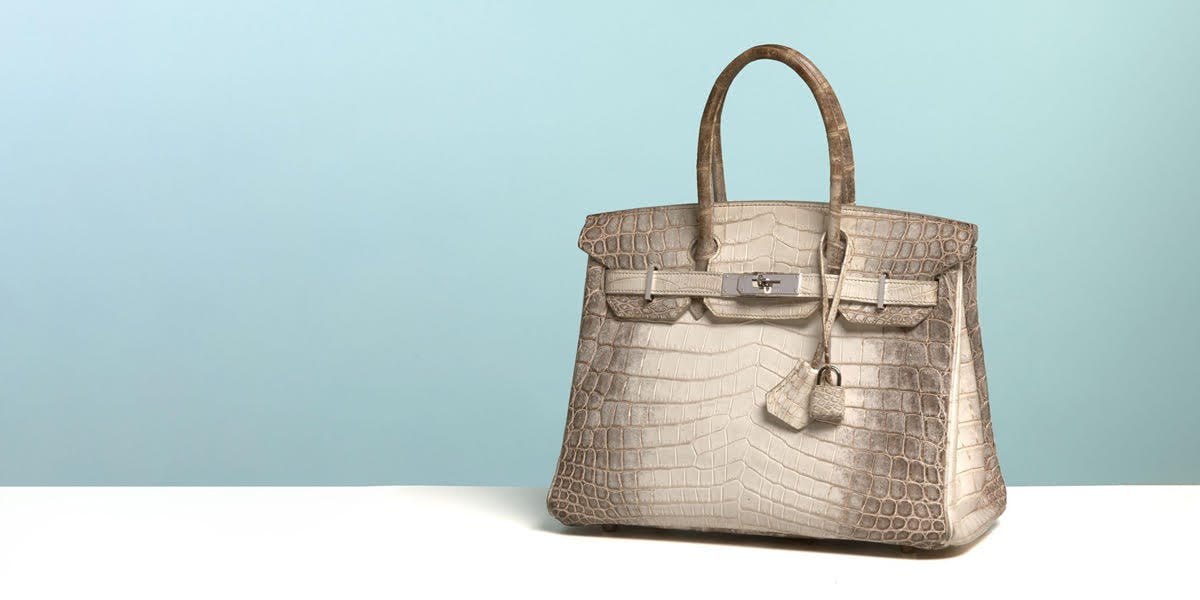
Hermès hasn’t always been the fashion house as we know it today. Initially, it manufactured horse riding harnesses. The founder, Thierry Hermès, started his career as an apprentice at a small saddler-harness manufacturer in Pont-Audemer in Normandie. In 1837, he packed his bags and moved to Paris to start his own company, specialising in saddles, harnesses and other leather goods for horses.
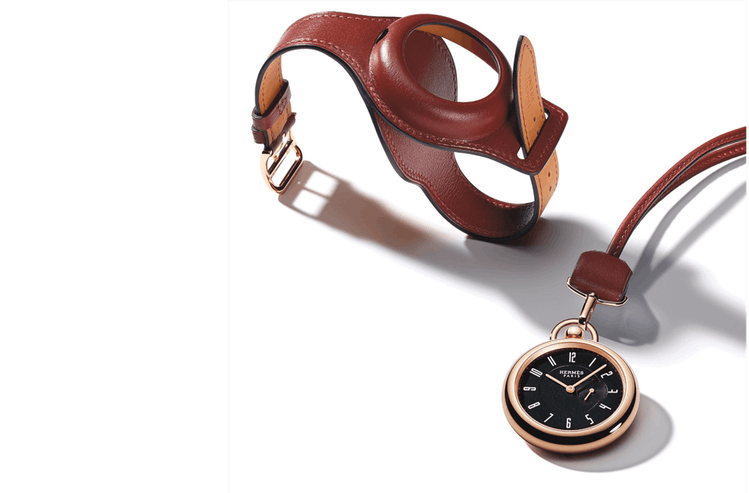
During the second half of the 19th century, the company fell into the hands of Thierry’s grandson, Émile-Maurice Hermès, who expanded the inventory to include turnouts and brushing boots. It was under Émile-Maurice’s stewardship that the true spirit behind the brand was built. Hermès created its first bag-like good – a container meant to hold rider’s equipment, such as boots or a saddle.
See also: The 8 Most Popular Fashion Brands
During the 1920s, Hermès had somewhat of a direction change when the company started to manufacture women’s and men’s fashion. Watches, jewellery, sports equipment and furnishings also found its way into the Hermès inventory. It was with this breakthrough that the label established itself as the luxury brand that we recognise it to be today.
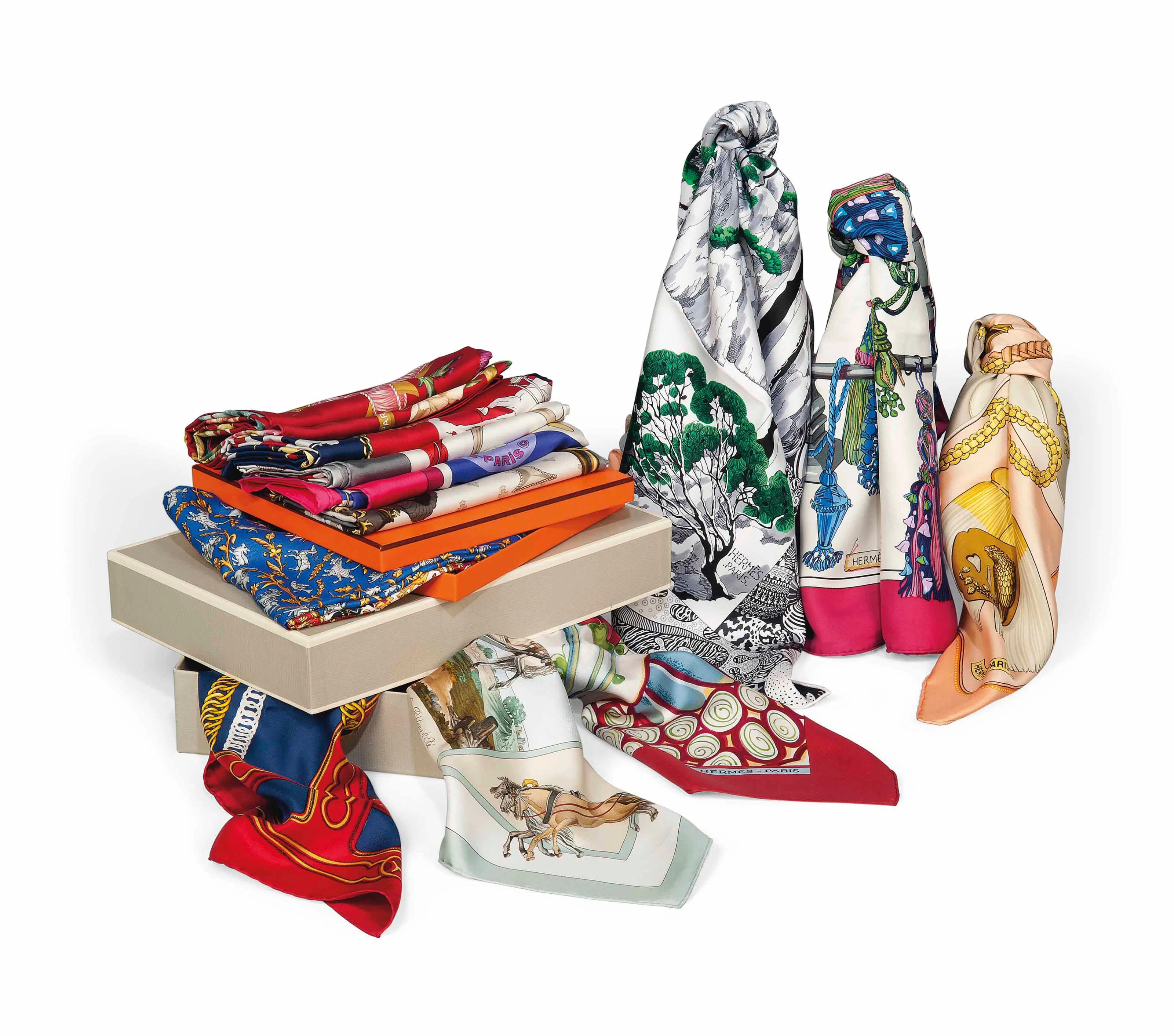
In 1929, the stylist Lola Prusac was hired. This later proved itself to be a vital recruitment for Hermès, as Prusac introduced the first silk scarf and, thus, fashion history was made. Prusac stayed with Hermès until 1933, and among her many achievements was a collection of handbags inspired by the works of Piet Mondrian.
See also: Yves Saint Laurent: Fashion’s Foremost Initials
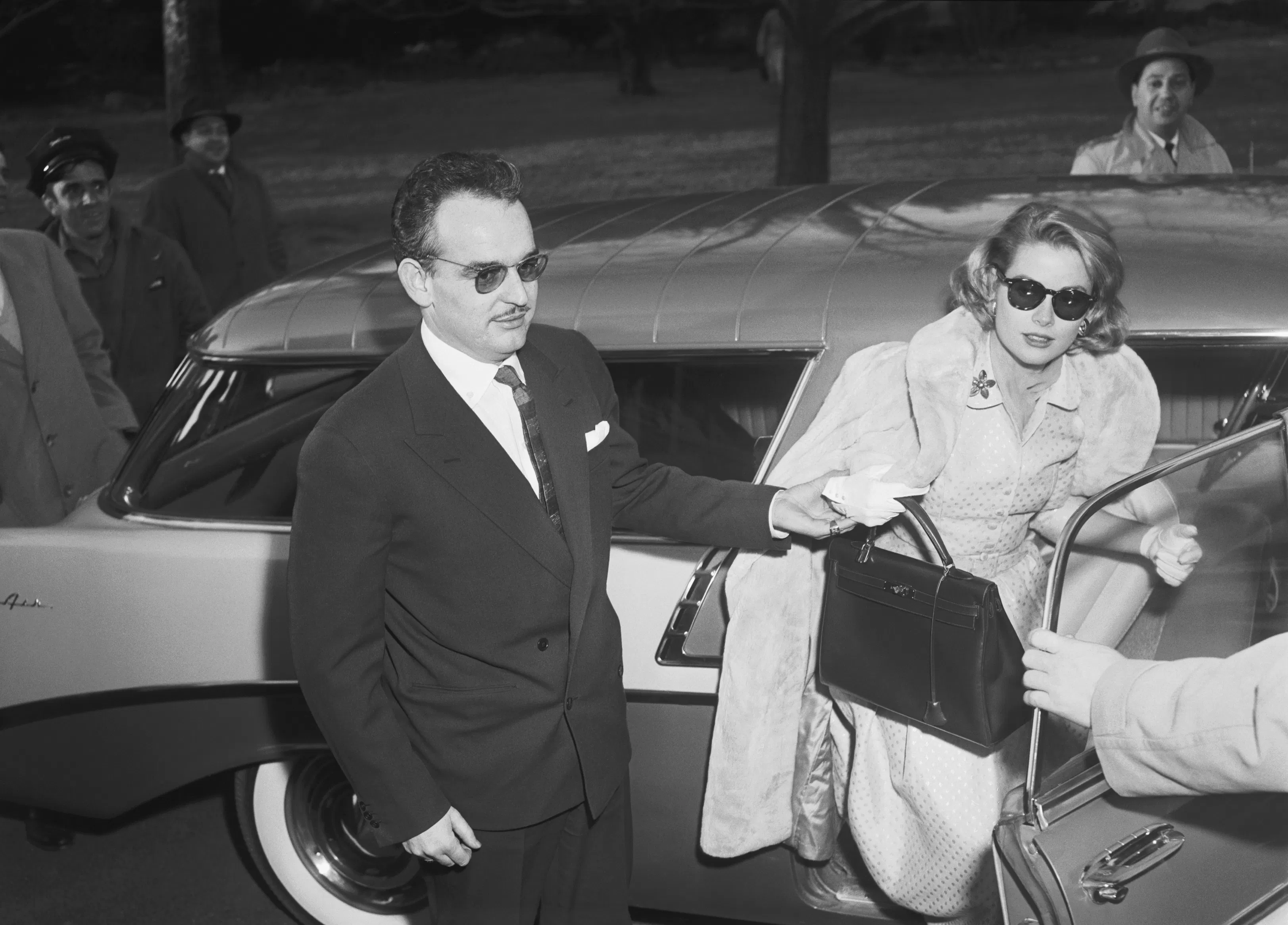
During the following years, Thierry’s heirs managed the good name Hermès. Design icons like the Kelly Bag (first produced in 1892) and their silk scarves put the company on the fashion map and soon, Hermès was on everyone’s lips, as well as in their closets.
In 1947, Hermès incorporated fragrances into their repertoire and launched the scent Eau d’Hermès. Today, the fragrance is a timeless classic and is used by women across the world.
The French businessman Jean-Louis Dumas was appointed the chairman of Hermès in 1978 and carried the company onward with great innovation and enthusiasm. He had been with the company from 1964 and was also one of Émile-Maurice Hermès’ grandchildren.
Want more articles like this delivered straight to your inbox? Subscribe to our free newsletter!
Leather and silk were the company’s most frequently used materials, which worked well for the Prêt-a-Porter designs that, unlike Haute Couture, aren’t made to order but can be bought and used straight off the rack. One of the most essential parts of this adaptation to modern everyday life was the Birkin Bag, one of Hermés' all-time bestsellers.
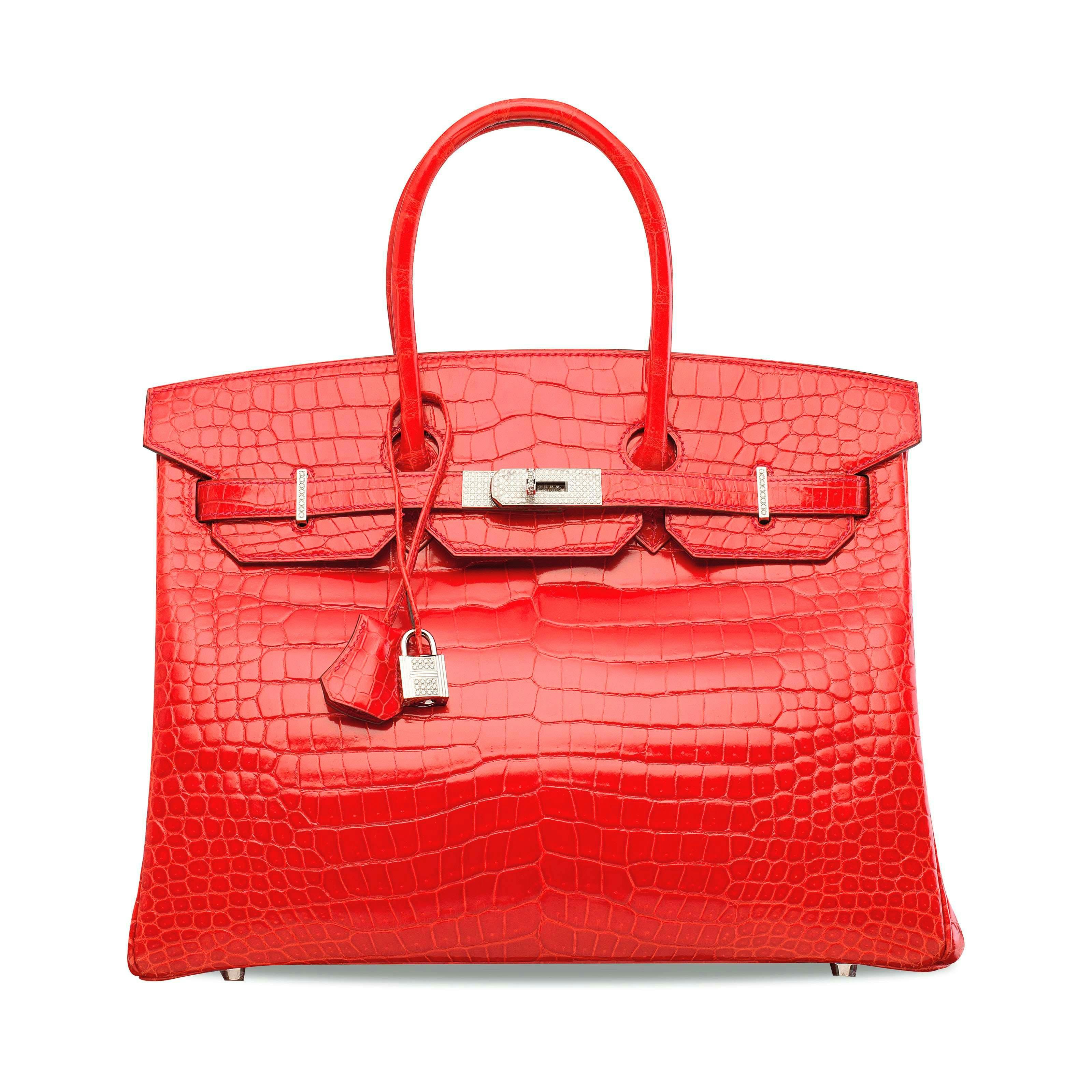
In fact, the origin of the Birkin Bag was one of total coincidence. The bag is a product of an unplanned meeting between the style icon Jane Birkin and Jean-Louis Dumas on a flight between Paris and London in 1981. During the flight, Birkin and Dumas found themselves agreeing on the difficulty for young mothers to find a bag that was both chic, spacious and practical at once. Dumas asked Birkin to draw her ideal bag on a piece of paper. Dumas kept the drawing, and soon Hermès created the iconic Birkin Bag. The bag is the first to be named after a celebrity and is to this day produced by the same artisan as in the 1980s.
See also: 5 Iconic Handbags and the Women Who Made Them Famous
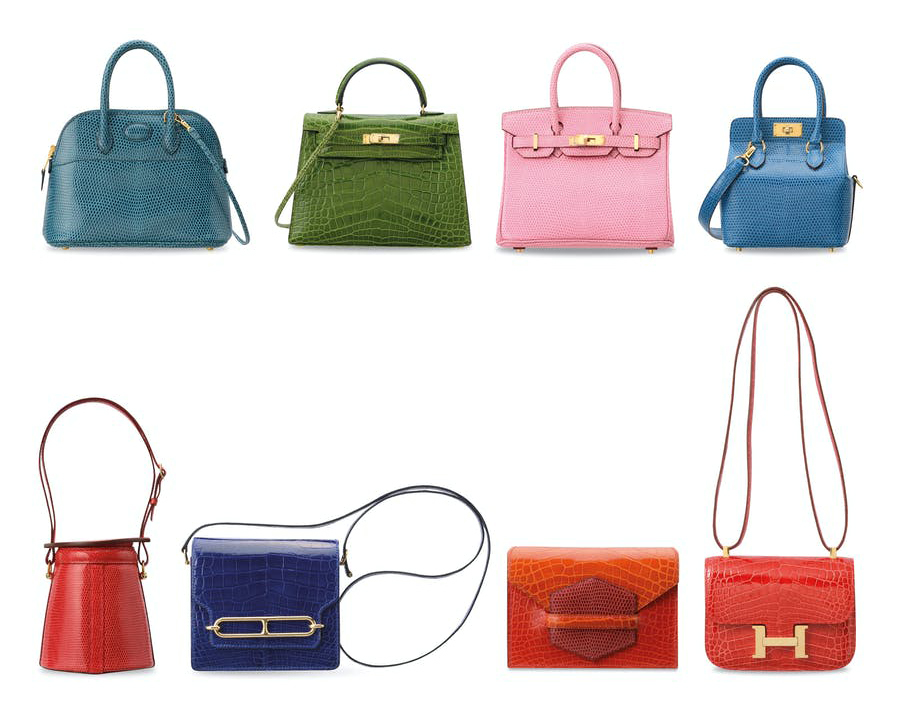
The Birkin model comes in four sizes and the buyer has a choice of around fifty different colours and materials. The bag is coveted by collectors and fashionistas alike. This great interest has made the bag hard to find, and the price has skyrocketed as demand outstrips supply. In 2022, for example, a Himalaya Birkin Bag with diamond-set hardware sold for $450,000 (around £352,000) at Sotheby's.
See also: How to Spot a Fake Hermès
The brand’s popularity has continued to increase across Asia, the US and Europe. Despite the fact that many years have passed since its inception, the company holds the visions and traditions of its founder Thierry Hermès, and as a result, the brand Hermès is still the top in French luxury goods.
Learn more about luxury brands with Barnebys Magazine
This is an updated version of an article originally published on 08 July 2018.


