
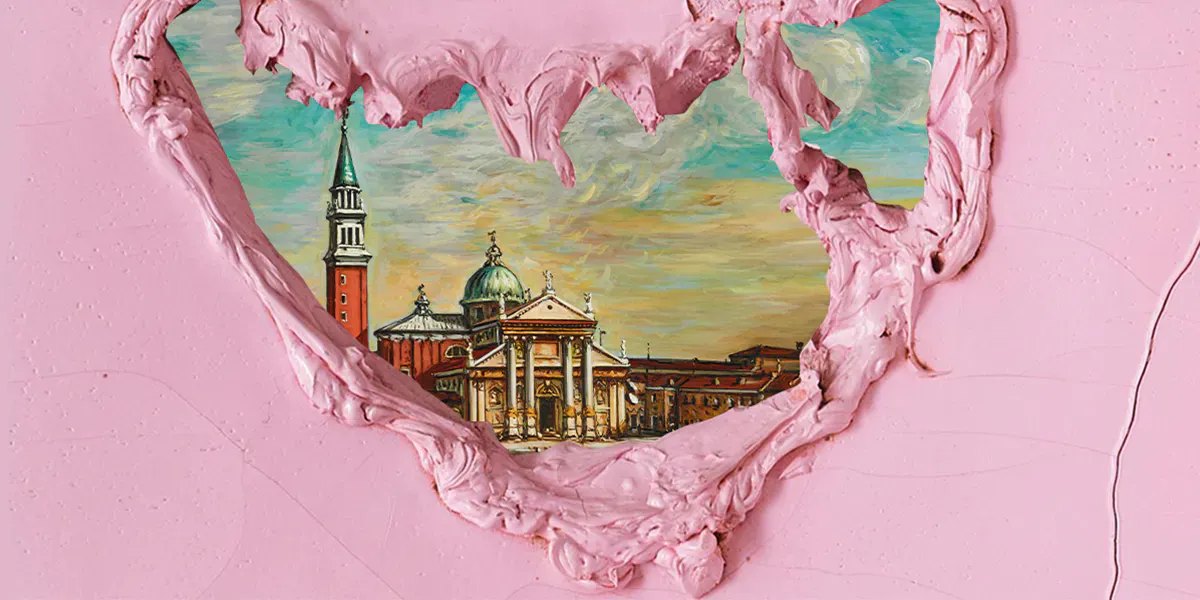
Dorotheum in Vienna is presenting its Contemporary Week from 29 November to 2 December, just as their Classic Week has ended with excellent results.
The auction week kicks off on 29 November with an auction of Modern Art featuring 157 lots, led by three paintings by Alfons Walde.
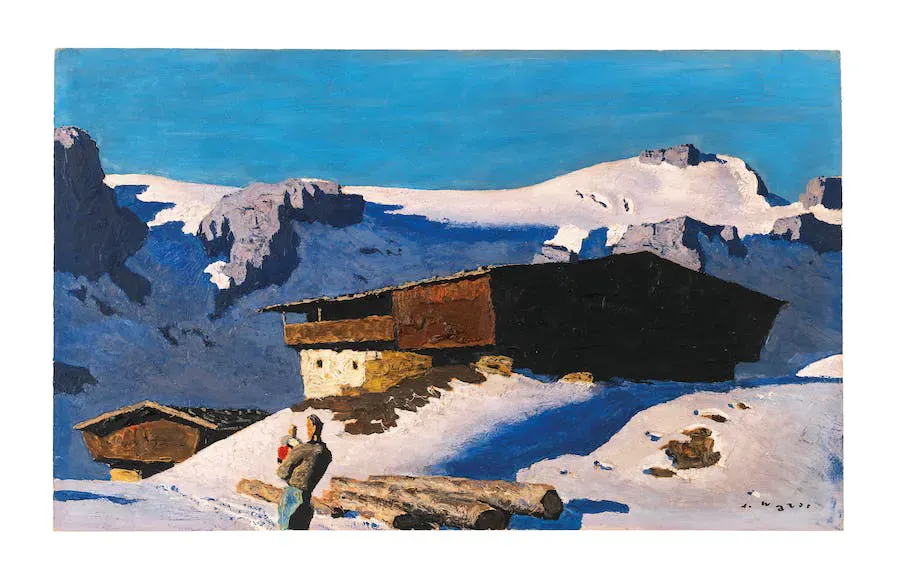
These are three of Walde's typical views of his Tyrolean homeland, in which the focus is on snow in all its shades. Snow also dominates the painting Lonely Berghof, created around 1935 – the loneliness of which is softened by the warming rays of the sun and the people in the foreground, in which a father carries his young child home.
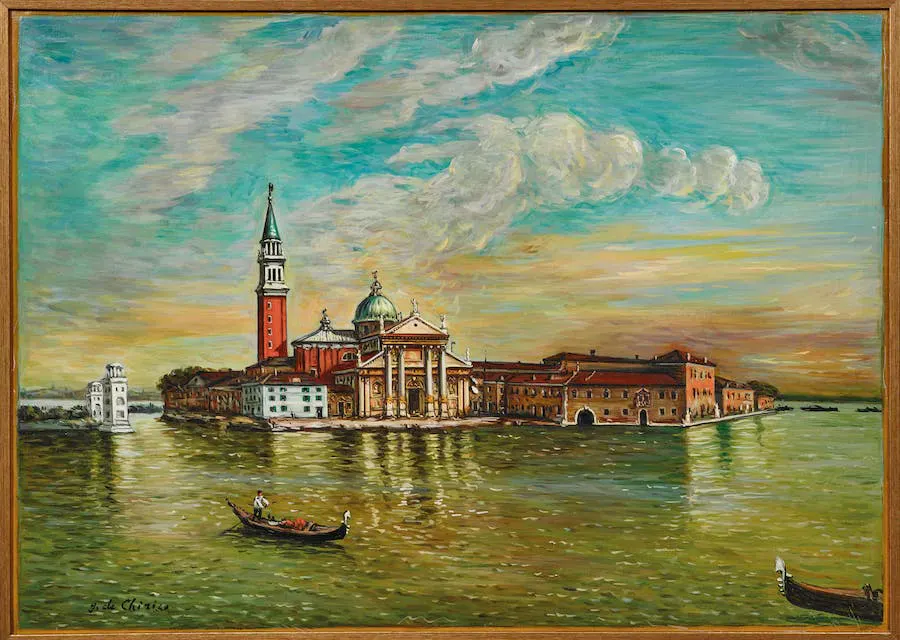
South of Walde's hometown of Kitzbühel is a city that has fascinated artists for centuries: Venice. Even Giorgio de Chirico could not escape the magic of the lagoon metropolis, and around 1965, possibly standing on the shore in front of the Doge's Palace, he painted a view of the Isola di San Giorgio Maggiore with its eponymous basilica.
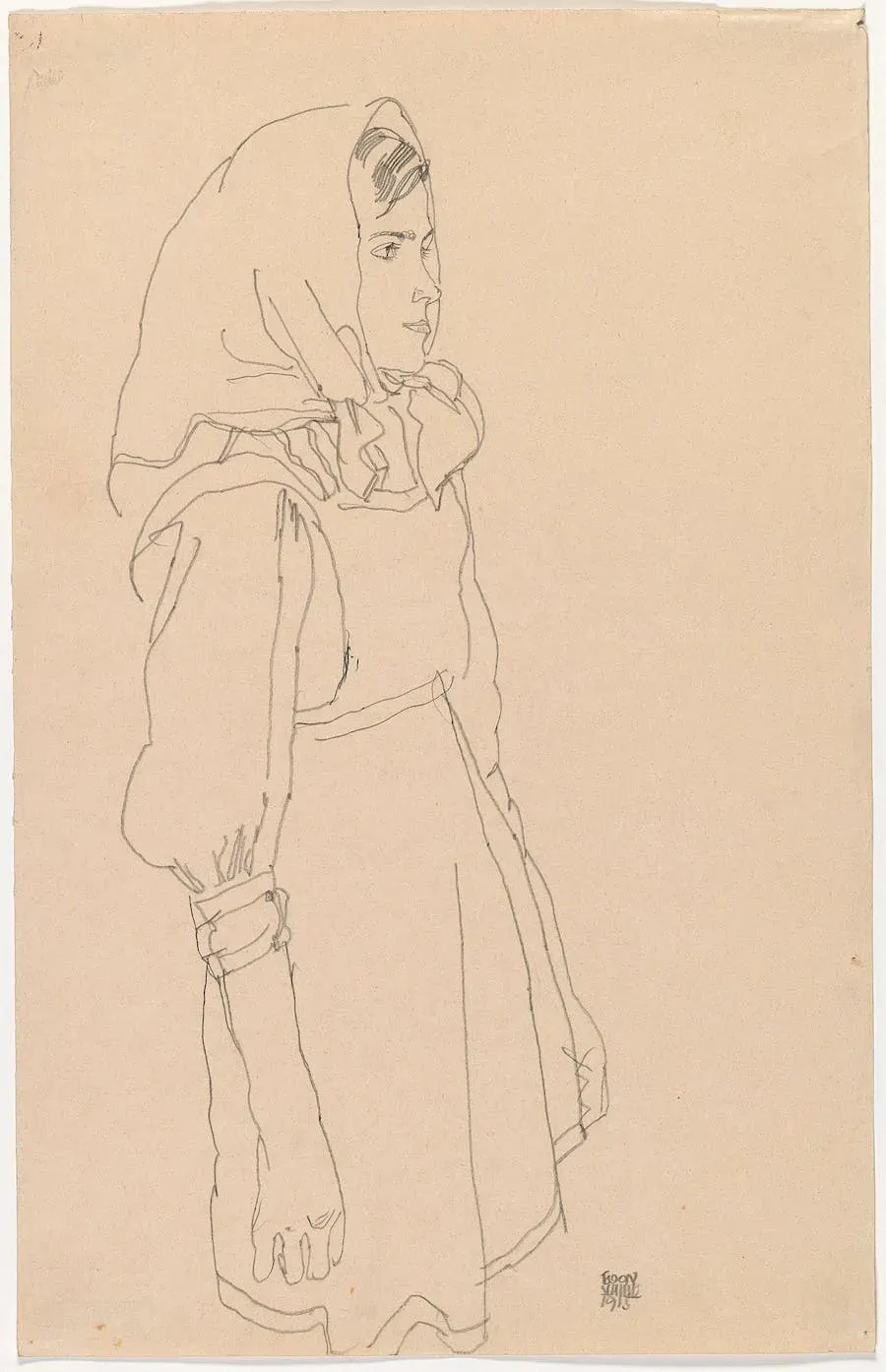
A drawing by Egon Schiele has an interesting provenance. Standing Peasant Girl with Headscarf, from 1915, once belonged to Max Wagner (1882–1954), the founder of the Schiele Archive, who bequeathed his collection of documents, letters and autographs by and about the Albertina artist. The present drawing, which Schiele executed with his usual simple perfection, was one of the few of his works that Wagner himself was able to acquire.
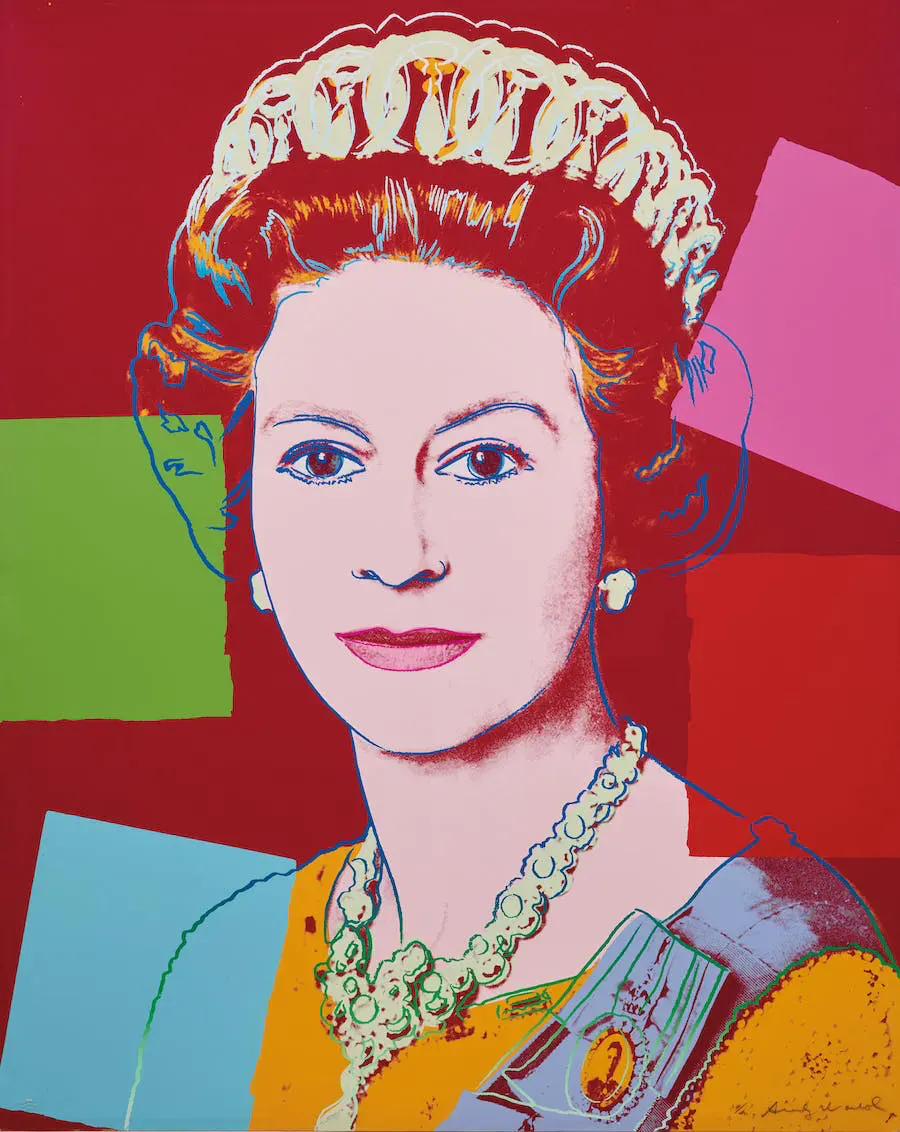
While the identity of Schiele's peasant girl remains shrouded in mystery, among the highlights of the Contemporary Art auction, taking place on 30 November, will be the portrait of one of the most iconic women of the 20th and 21st centuries: Queen Elizabeth II, who passed away this year at 96.
And the creator of this portrait is certainly no stranger: Andy Warhol, who prophesied everyone would have 15 minutes of fame in the future. For his portrait of the Queen, he chose her official portrait for her Silver Jubilee in 1977. Queen Elizabeth II of the United Kingdom is part of the Reigning Queens series, for which Warhol also painted Queen Beatrix of the Netherlands, Queen Ntfombi of Swaziland and Queen Margrethe of Denmark.
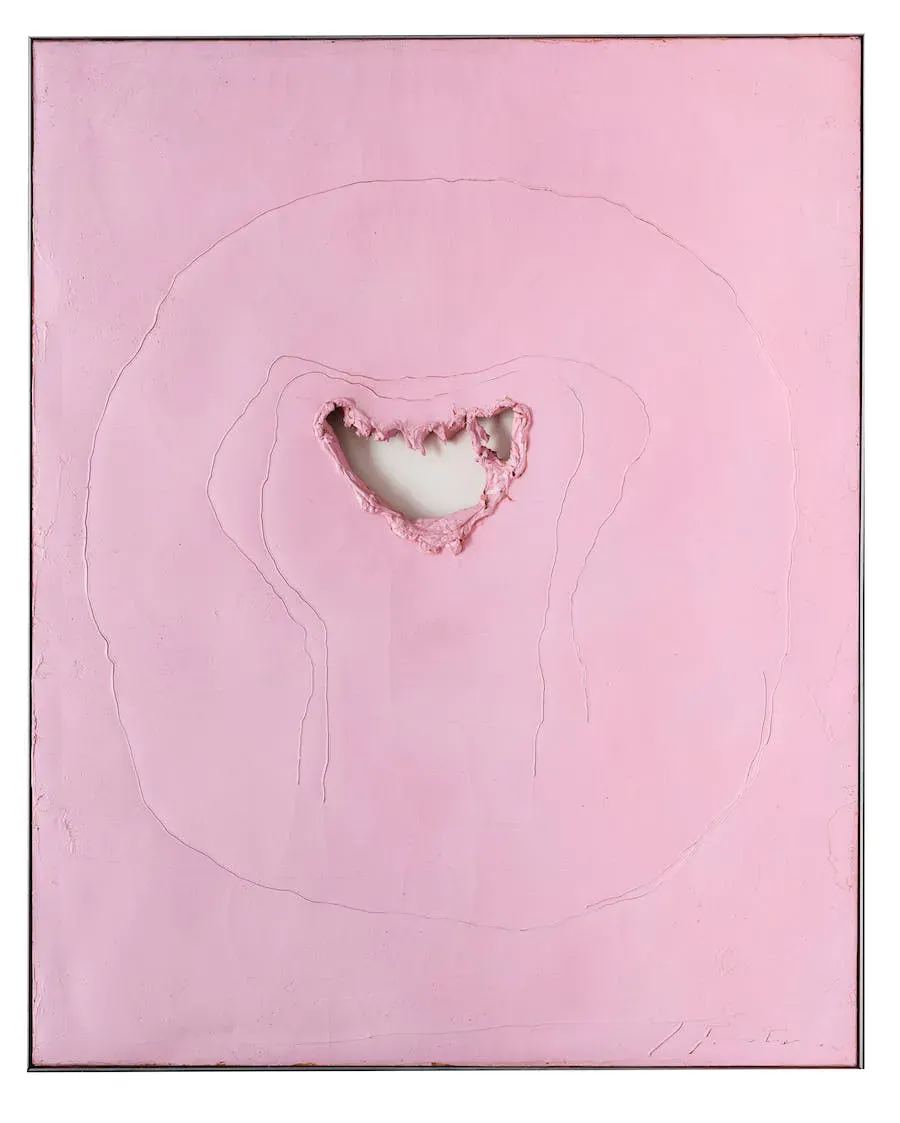
Holes, cuts, tears: by perforating the canvas, Lucio Fontana revolutionised art and expanded its dimensions, creating space and depth, merging painting, sculpture and architecture. In the 1960s he used the slightly plastic nature of oil paint for his series called Concetto Spaziale ('Spatial Concept') and explored all its possibilities.
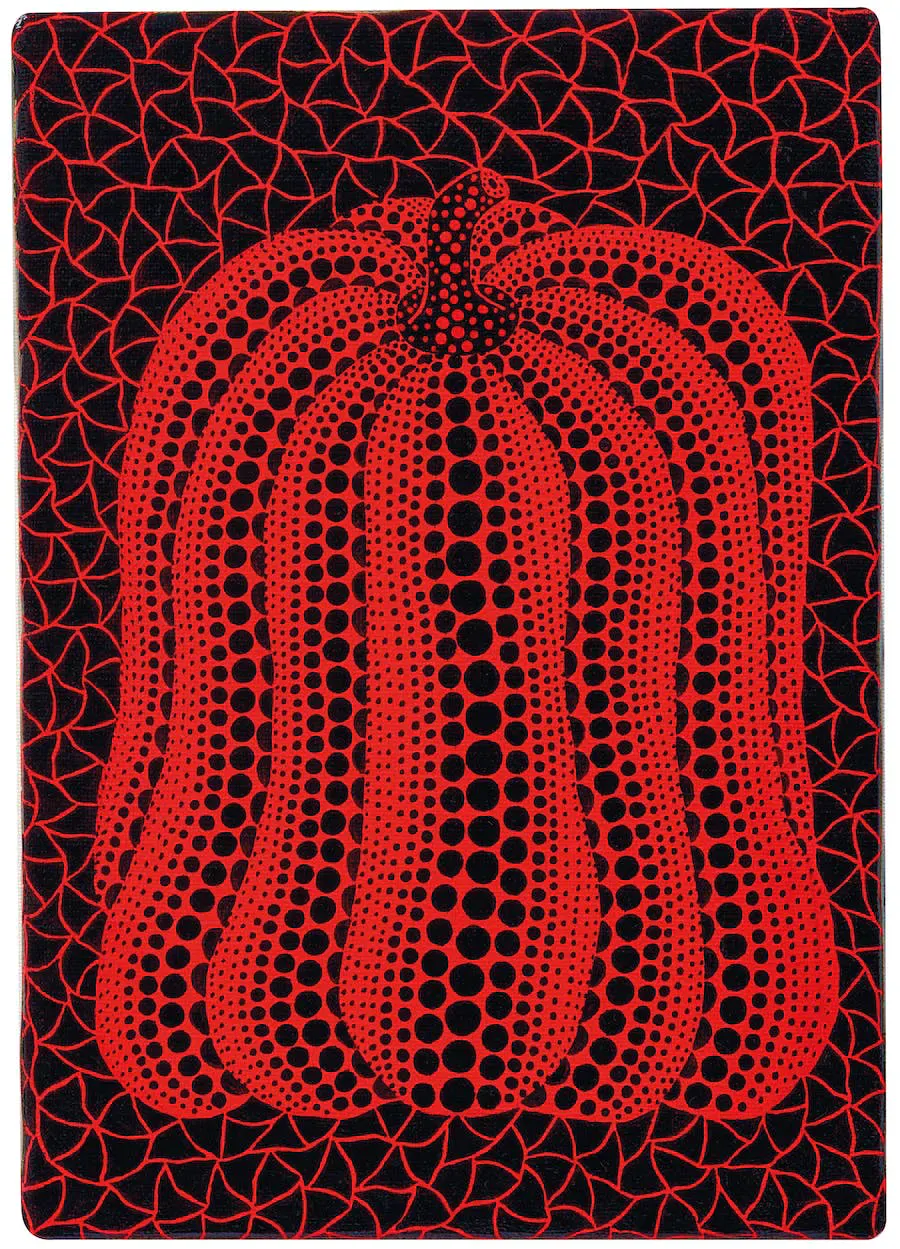
Just as perforated canvases are associated with Lucio Fontana, pumpkins and polka dots are connected with Japanese artist Yayoi Kusama. But for Kusama, both are more than just artistic expression. Rather, these elements represent a kind of self-therapy for Kusama, who has suffered from hallucinations and panic attacks since her youth. Both the constant repetition of the dots and the representation of pumpkins have a calming effect on their artist. Pumpkins remind Kusama of a beautiful event in her childhood, since when she has been able to appreciate the fruit for its "humorous form, its warmth and its human quality."
The auction of contemporary art will be supplemented by an online auction on 1 December. Also on the 1st, jewels will go under the hammer, while a wrist and pocket watch auction will conclude Contemporary Week on 2 December.