On 8 November, Pax Romana is holding its ‘Masterpieces in Asian Art’ auction, consisting of over 190 lots of exceptional quality and impressive provenance. There is something here to tempt both specialist and novice collectors of Asian art, with objects hailing from China, India, the Holy Lands and Western and Southeast Asia. Some of the featured masterpieces include large stone statues, delicately painted figurines, and fully authenticated bronze vessels.
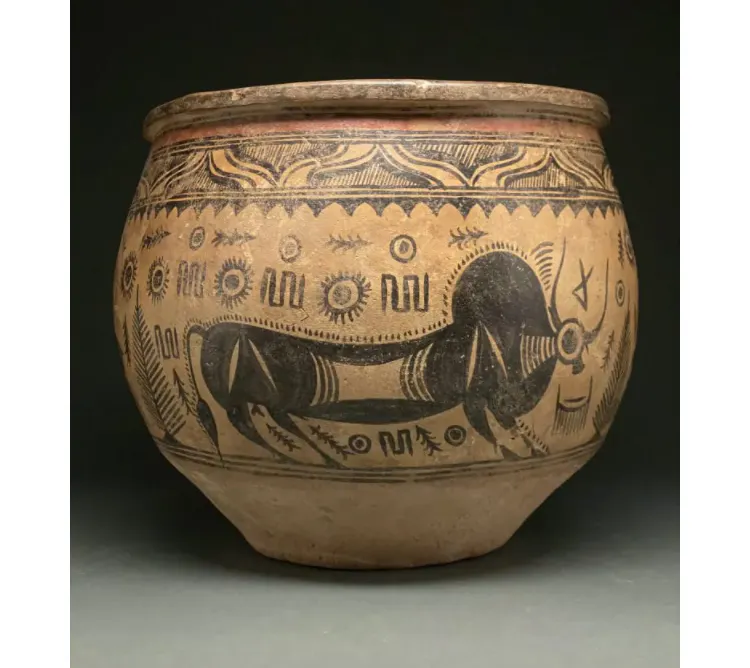
The Indus Valley was an important Bronze Age city located in the Northern Indian subcontinent, with civilisations in what is now Pakistan, Nepal, India and Afghanistan. This ceramic vessel comes from the civilisation’s height, and depicts a tree on one side and a zebu bull with characteristic hump and curving horns on the other. The bull was a common motif in the Indus valley, and may represent the leader of a herd, able to protect his followers, or it may have reflected the animal’s importance in religious sacrifice.
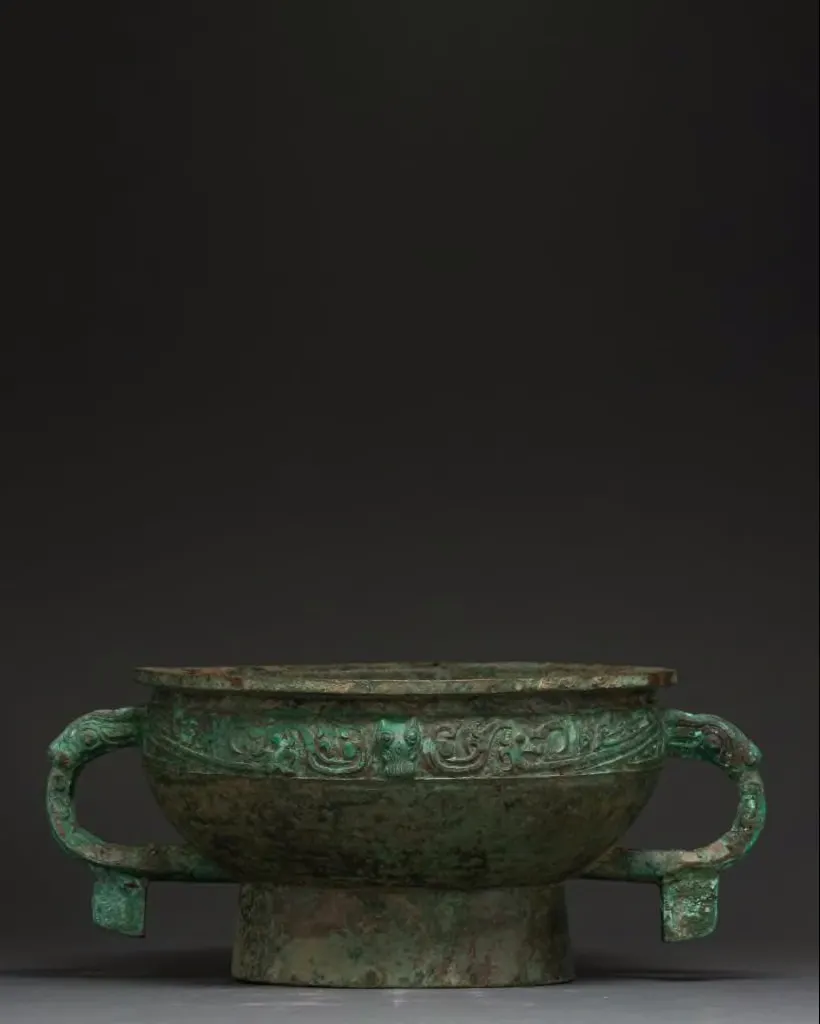
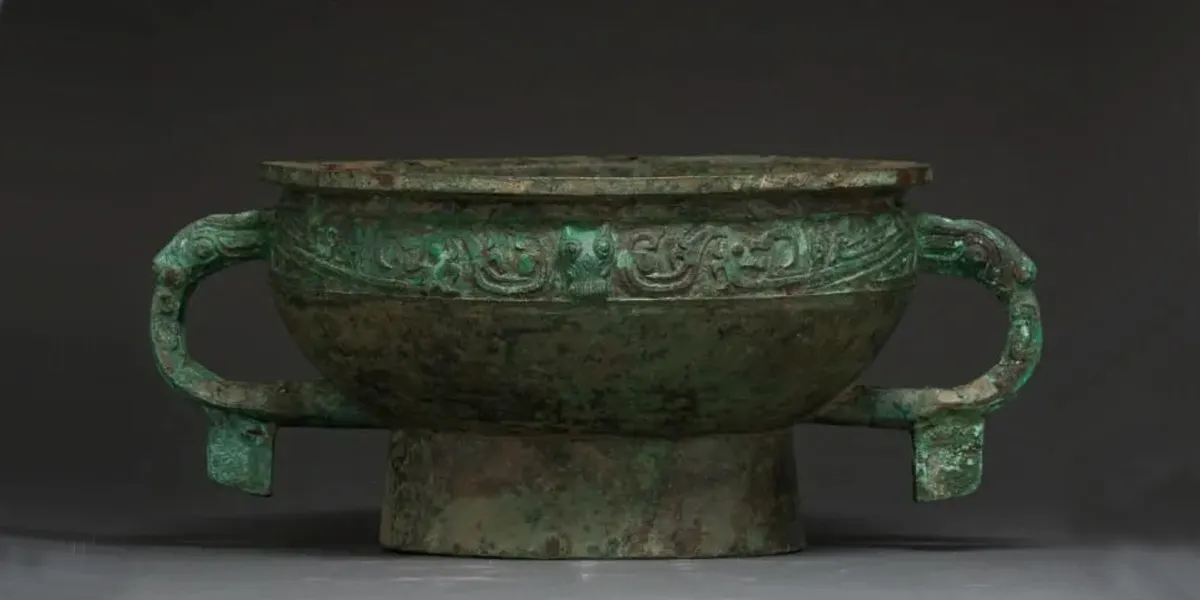
The gui vessel was a classic shape in Chinese bronze ware that originated in 16th century BC but lasted for many centuries. The vessels were used to hold offerings of grain for ritual purposes, and typically comprised a wide, shallow bowl with looped handles sitting on a cylindrical base. This beautifully preserved example is decorated with dragons, a symbol from the Chinese zodiac that represented power, strength and good fortune. It has been fully authenticated with an XRF analysis by an independent Belgian laboratory.
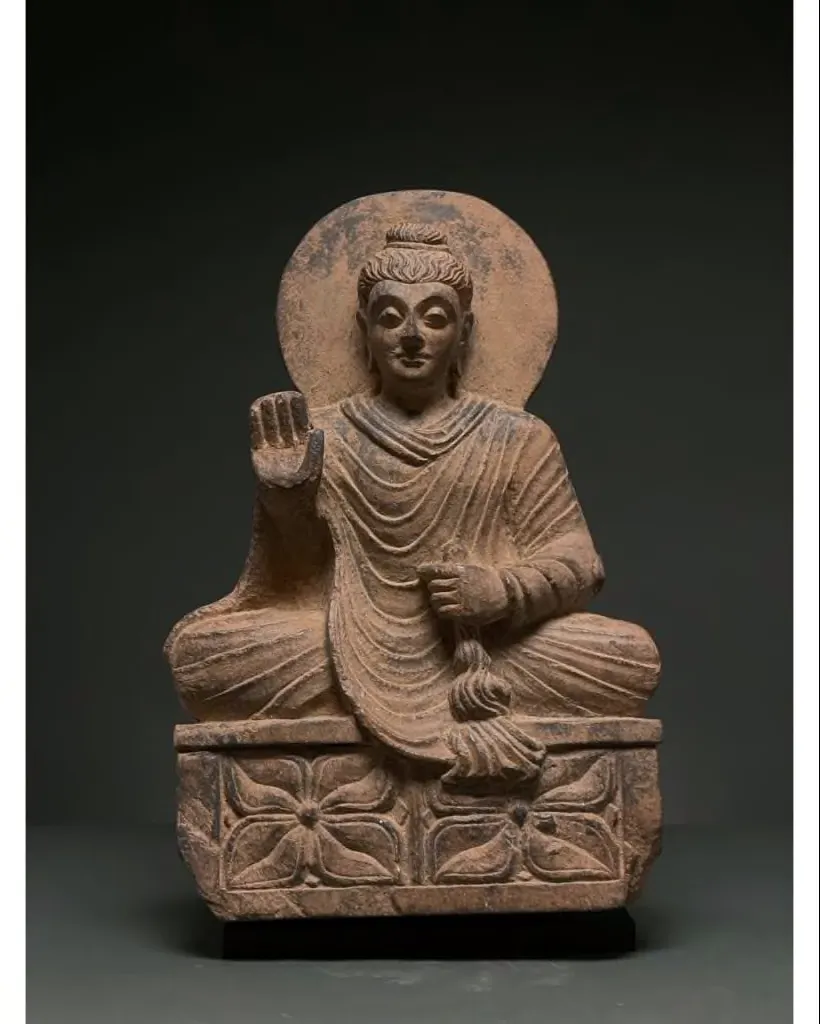
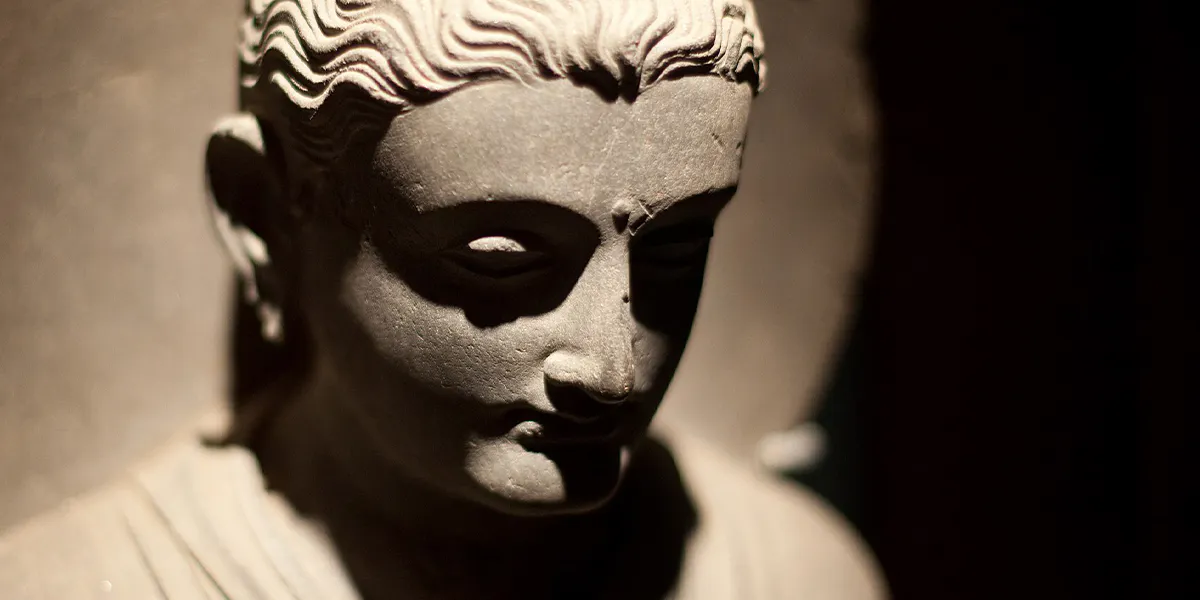
The area of Gandhara was located at a key position on major trade routes between East and West, which led to the creation of Greco-Buddhist art and helped spread Buddhism to the far East. This statue of the Buddha belongs to the Kushan period, which was the golden age of artistic production in Gandhara. The folds of fabric and carefully modelled facial features show a new Greek influence, while the characteristic hairstyle, pendulous ears and mudra, or gesture of blessing, are more traditional of Southern Asia.
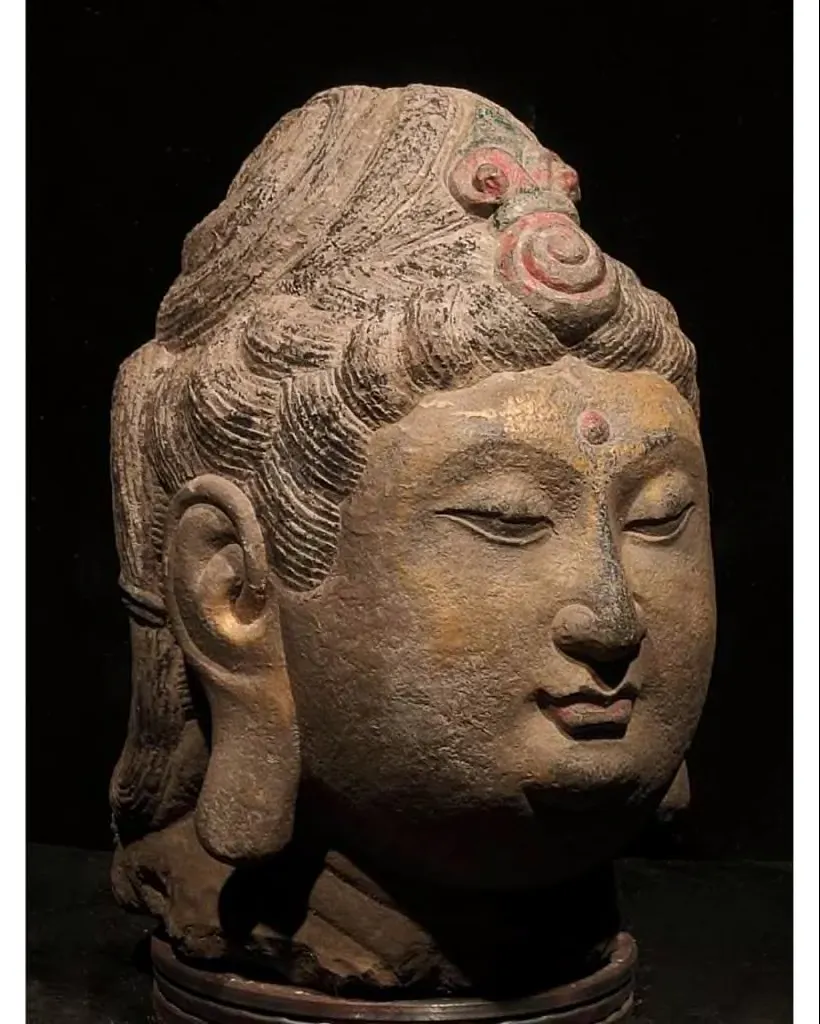
Dating from the Tang Dynasty, this elaborate stone head of Buddha embodies the importance of the Buddha in Chinese culture and may have originally belonged to a larger statue. The hair is arranged in a common ‘snail-shell’ curl style, ornamented with a spiralled red jewel. According to tradition, there are 32 major and 80 minor characteristics of the Buddha, including the curled hair, long earlobes and shapely eyebrows that frequently appear in artistic depictions of the ‘great man’.
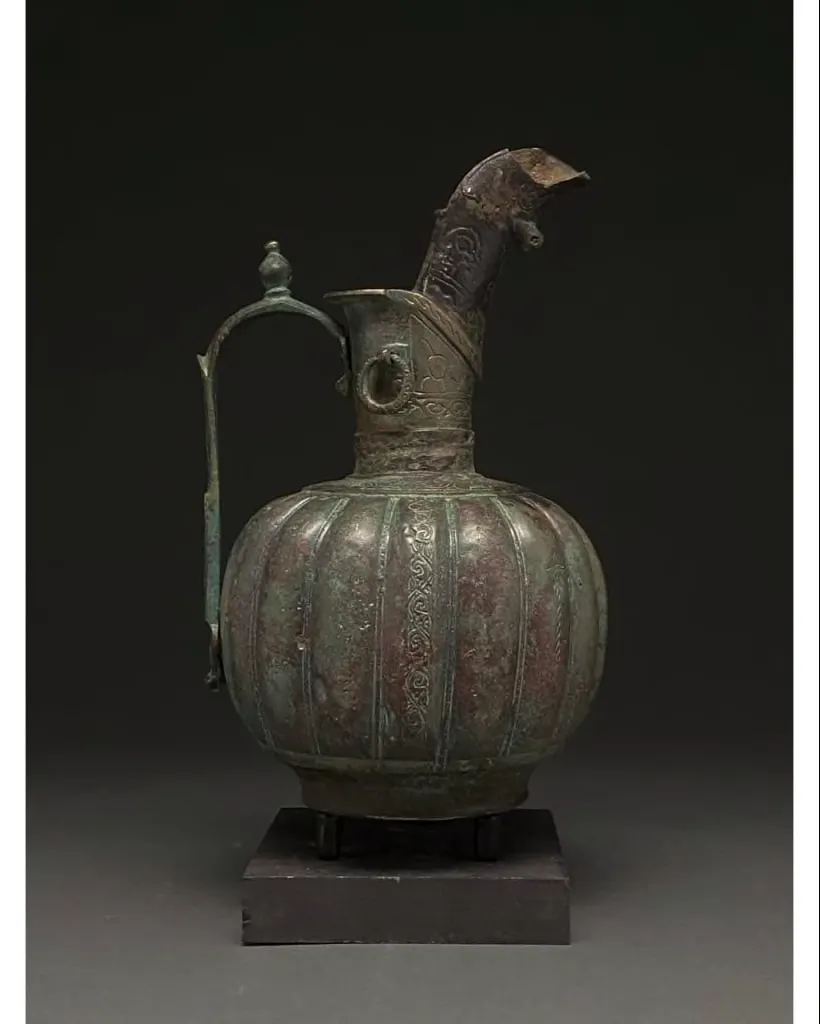
There are traditionally no figural depictions in Islamic art, which means that intricate script and geometric or vegetal designs abound on objects and architecture. This bronze jug is no exception, incised with beautiful geometric motifs along the spout and body. Even the shape itself is highly decorative – the body of the jug is ribbed and tapers dramatically to an unusually-shaped spout, and the handle is crowned with a small knob.
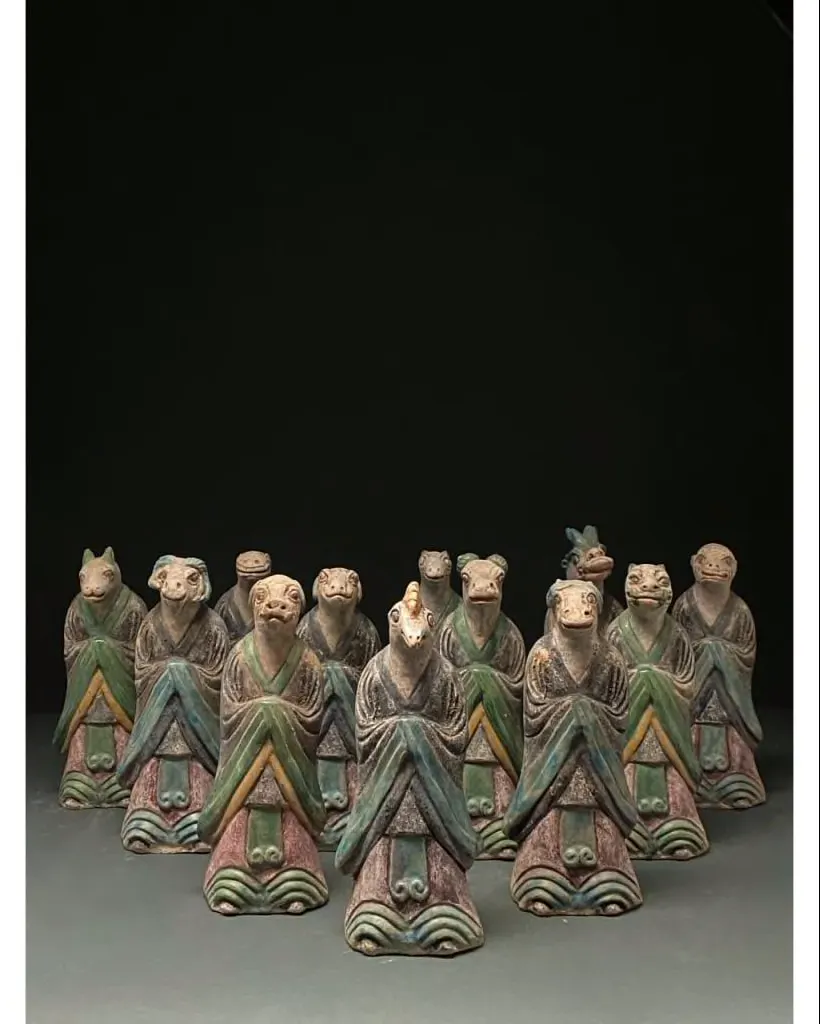
The Chinese zodiac is famous all over the world, a scheme based on the lunar calendar that assigns an animal to every year in a twelve-year cycle. This set of figurines depicts each animal dressed in court robes and painted in rich blues, greens, yellows and red. The figures may have once served as a reminder of the importance of personal piety, and it remains a beautiful addition to any modern collection.
The complete catalogue for the ‘Masterpieces in Asian Art’ sale is available online, and live bidding for all items will begin at 2pm GMT on 8 November 2020.