From 2-5 June, German auction house Lempertz will host auctions of fine arts, crafts and jewellery, as well as the third part of the Schwarzach Collection, which features historical weapons.
On 5 June, paintings and drawings from the 15th-19th centuries will be on the programme, including 184 works by European masters on both sides of the Alps.
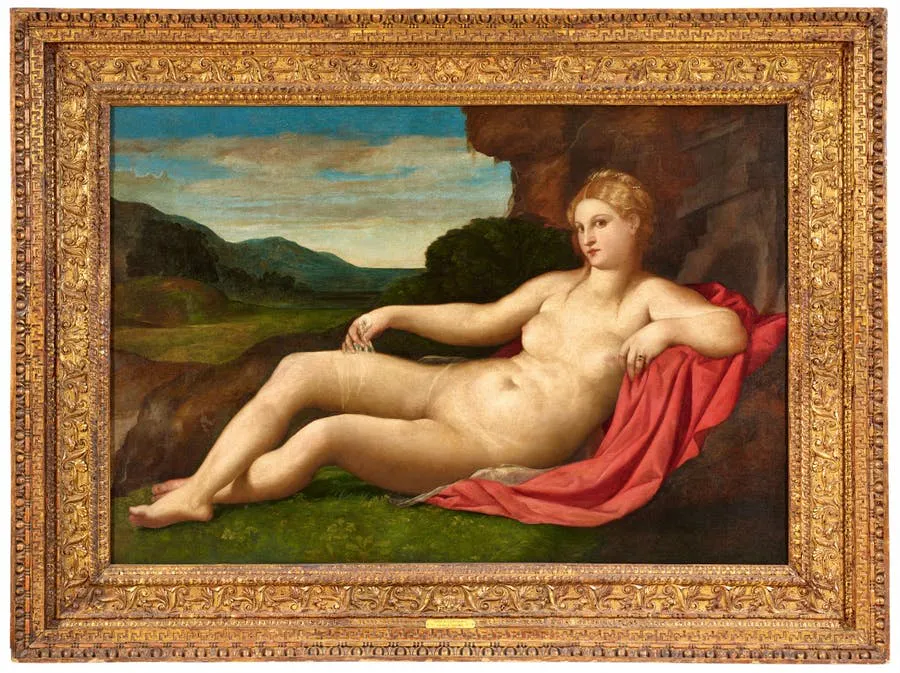
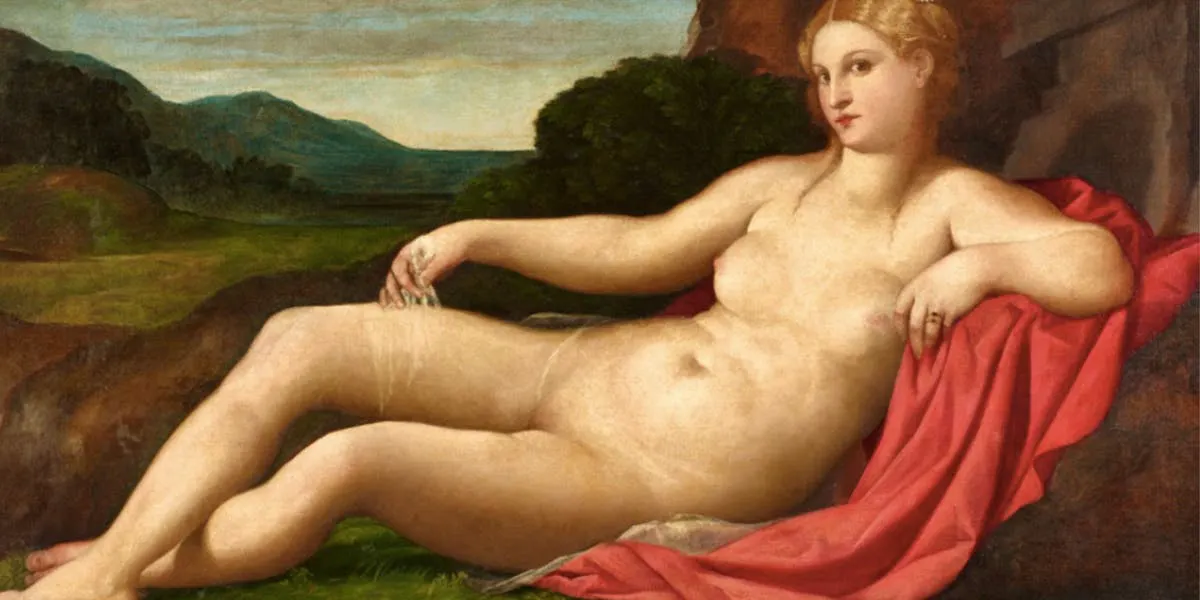
The sale is led by Reclining Venus in a Landscape by Jacopo Negretti (also known as Palma Vecchio) dating to the early 16th century. The work, which is listed in the artist's estate, is an excellent example of the sensual nudes that the representatives of the Venetian School created at the time. The ornate frame is an original from that time and was made by the master Jacopo da Bergamo, who was a friend of Palma Vecchio.
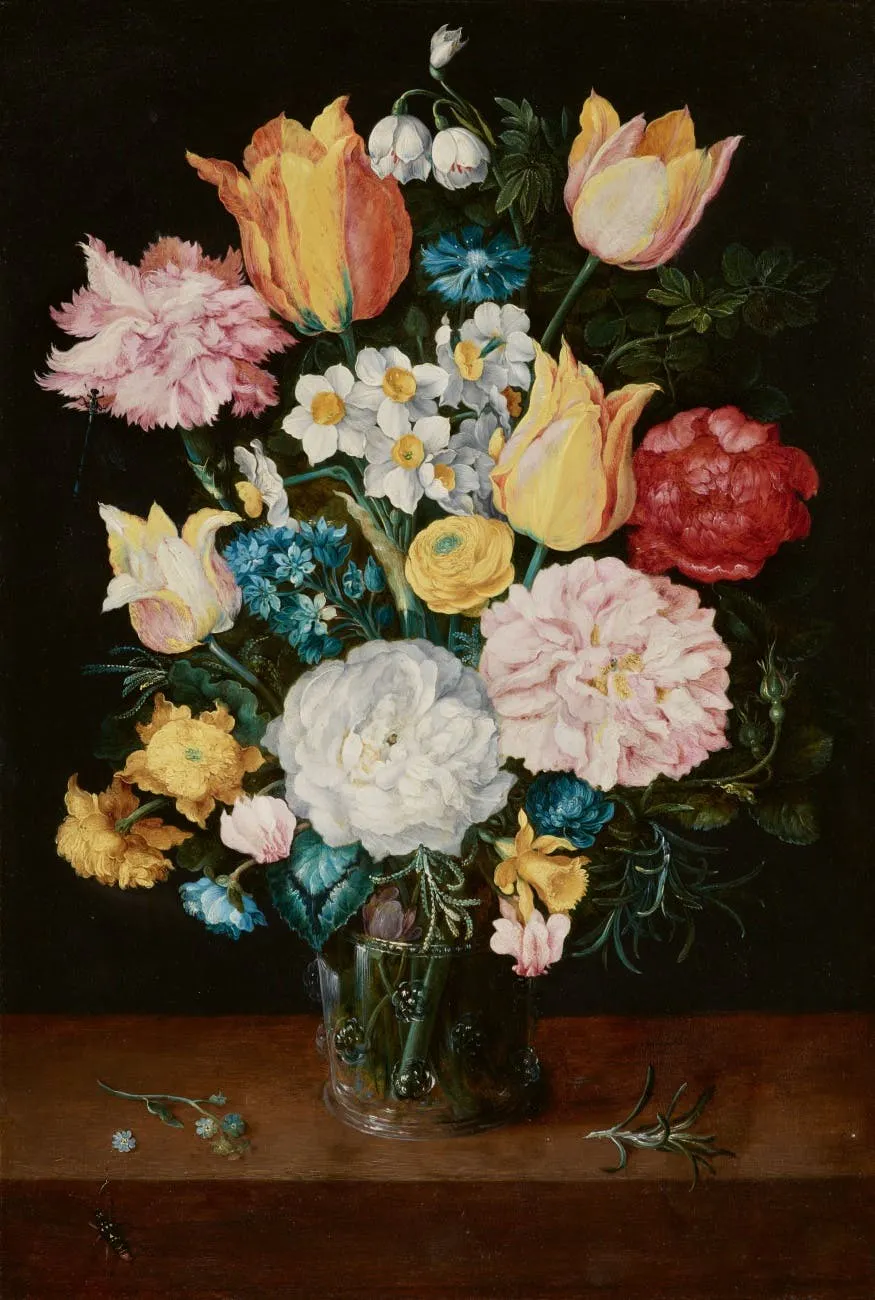
Among the flower still lifes in the auction, this joint work by Jan Brueghel the Elder and Jan Brueghel the Younger (father and son), which was created around 1620, is not to be missed. Jan Brueghel the Elder was then working in the workshop of his father, who was appointed court painter, a role which he took over after his father's death.
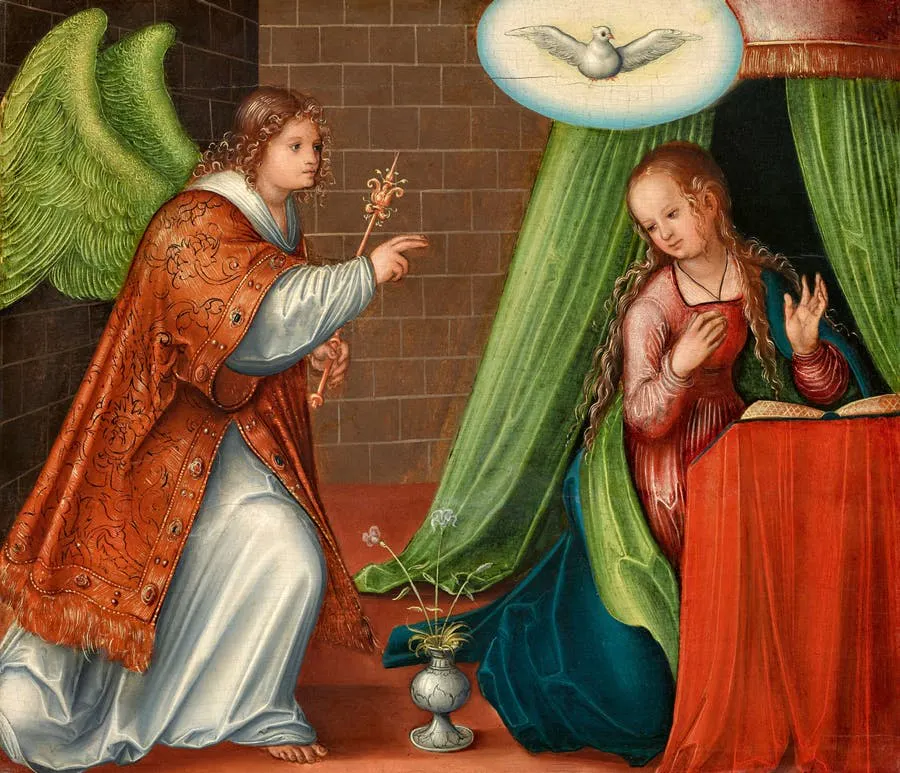
The highlights also include many important works with Christian themes, such as this Annunciation to Mary on a wooden panel measuring just 22.6 x 26.2 cm, which has been attributed to Lucas Cranach the Elder and his workshop since the 1930s. In April of this year, an investigation revealed that the preliminary drawing was made by the master himself, while the painting was carried out by an employee.
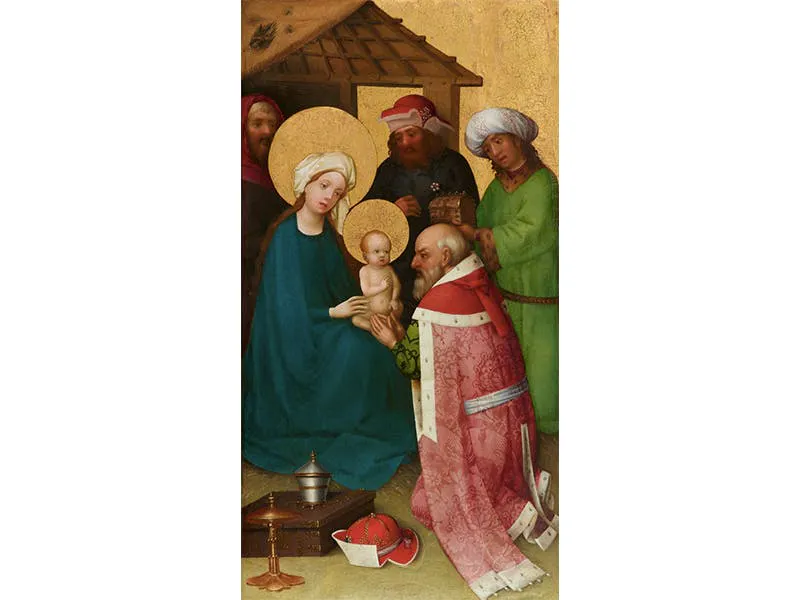
This Adoration of the Magi was created by a Cologne master around 1450, also on wood. The panel was once part of a triptych, the other panels of which are now in museums such as the Pinakothek in Munich and the Wallraf-Richartz Museum in Cologne. This is a fine example of late medieval painting, showing how masters still used gold leaf, but were only able to make the metal objects shine through the use of colour.
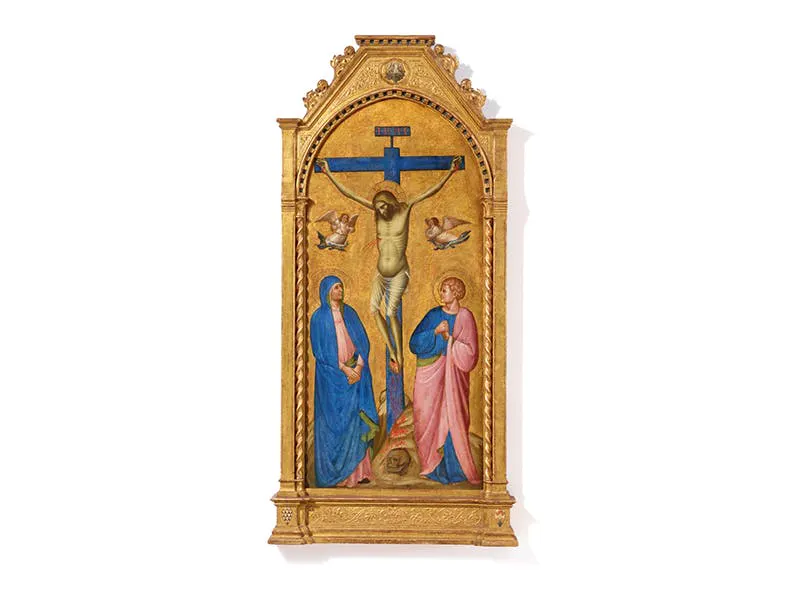
The painter Giovanni da Bologna contributed to the renewal of Venetian painting in the second half of the 14th century, and now his only privately owned work will be auctioned at Lempertz. The equally rare and outstanding crucifixion scene by the northern Italian master was an important commission, which is understood by the use of gold and lapis lazuli.
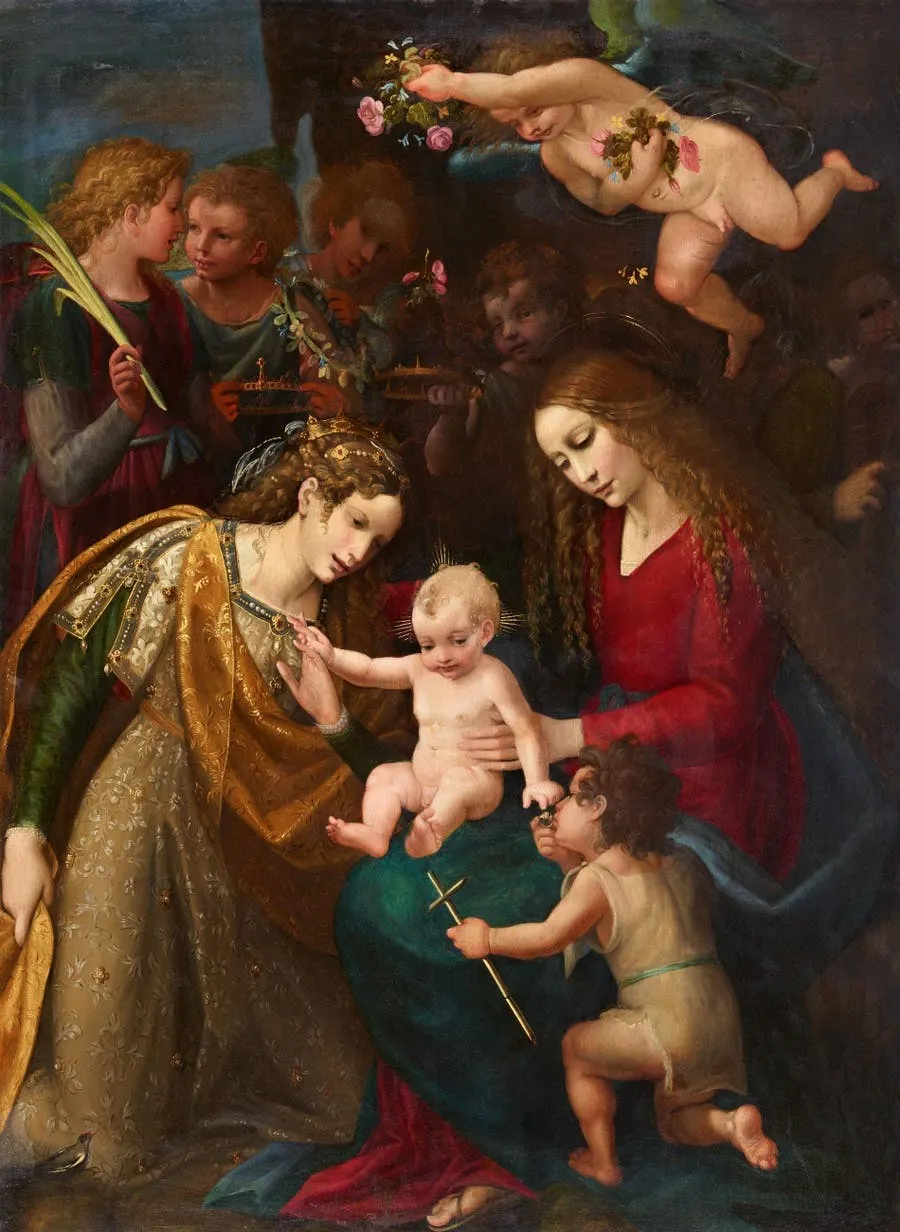
This depiction of the mystical marriage of Saint Catherine and Christ comes from the master of the Stockholm Pietà. The scene popular in Christian painting depicts either Saint Catherine of Alexandria or Saint Catherine of Siena. In this case, it is the former, recognisable by her magnificent robes and the palm branch. Saint Catherine of Siena, on the other hand, is depicted in the habit of a Dominican nun.
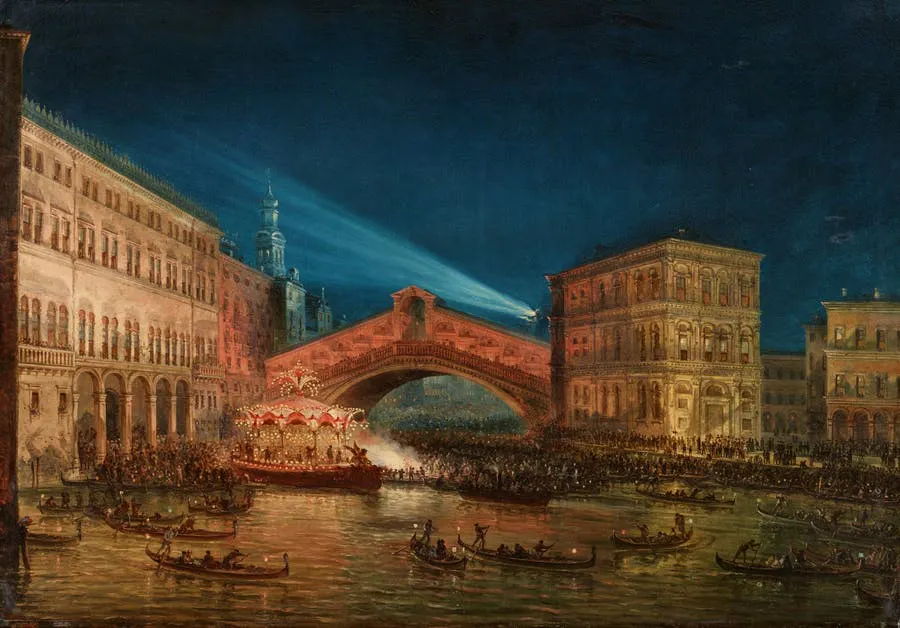
Giovanni Grubacs, one of the most important vedute painters in Venice in the 19th century, is responsible for the auction's three night views of the lagoon city, with the theme of the Redentore Festival, which takes place every 3 July. The festival, like the church of Il Redentore (Church of the Redeemer), built in the late 16th century, commemorates the liberation from the plague, which killed 50,000 people in Venice.
The arts and crafts auction on 4 June will offer both high quality and variety.
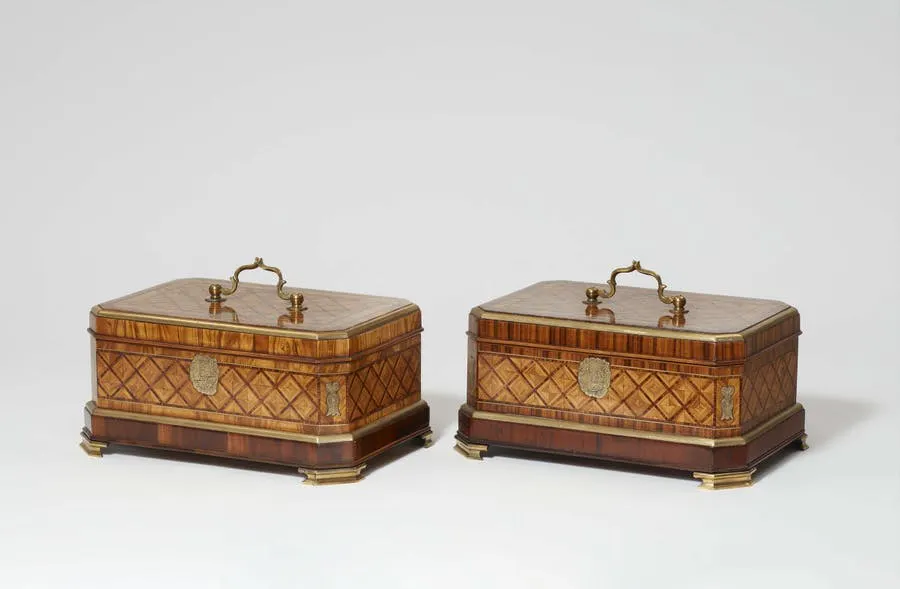
This unique pair of museum-quality boxes, from around 1755-60 by the ebony artist Abraham Roentgen, is being offered with a six-figure estimate. The boxes made of rosewood, church, olive and oak each have a flat secret drawer in their base that can be opened with a push button.
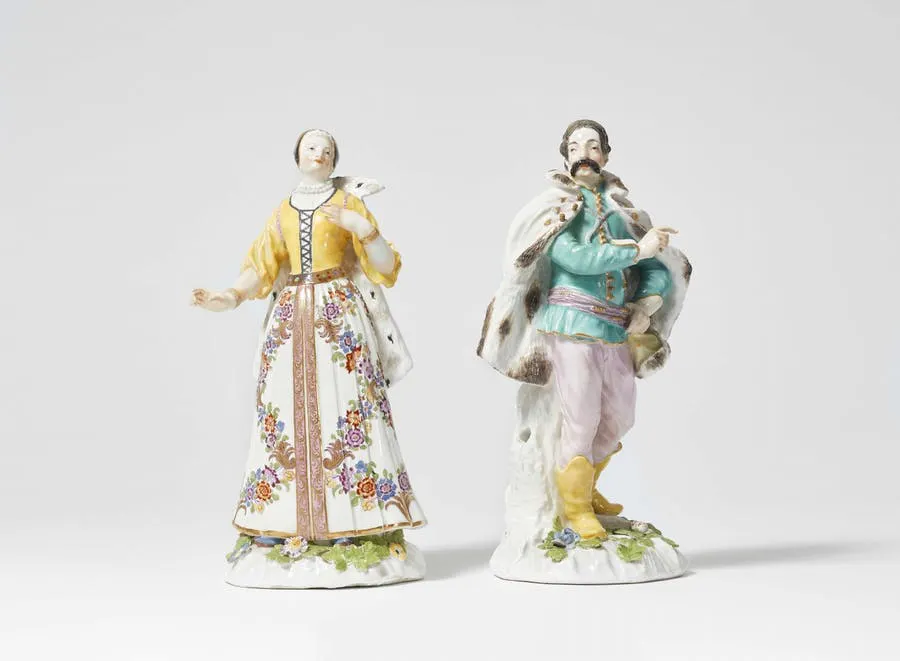
Among the porcelain lots, pieces from the Meissen manufactory are particularly well represented, including this important pair of figures that was designed around 1750 by Johann Joachim Kaendler and Peter Reinicke. The Hungarian Couple has a polychrome enamel decoration and is partly silver-plated and gold-plated.
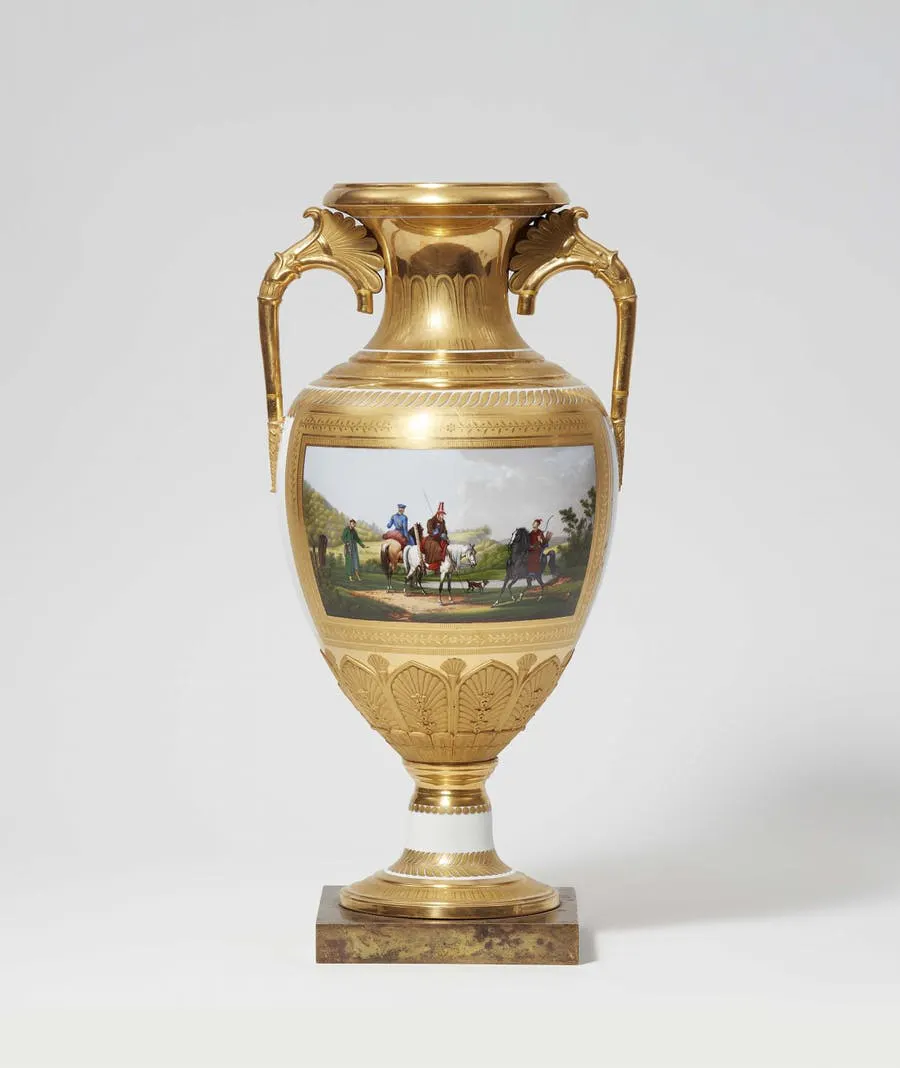
This vase from the Imperial Porcelain Manufactory in Saint Petersburg was also equipped with a coloured enamel decoration. The motif with the four Kyrgyz on horseback comes from the French artist Jacques François Joseph Swebach Desfontaines, who had already worked for the manufactory in Sevrès before he became artistic director of the Russian manufactory in 1815.

This Basel Büttenmann made of fruit wood and partly gilded silver from around 1660 is also an extremely interesting piece of work. The goldsmith Hans Heinrich Oberried was the creator of the silver bucket and the plinste. It has not yet been possible to determine which sculptor is behind the monogram 'HS'.
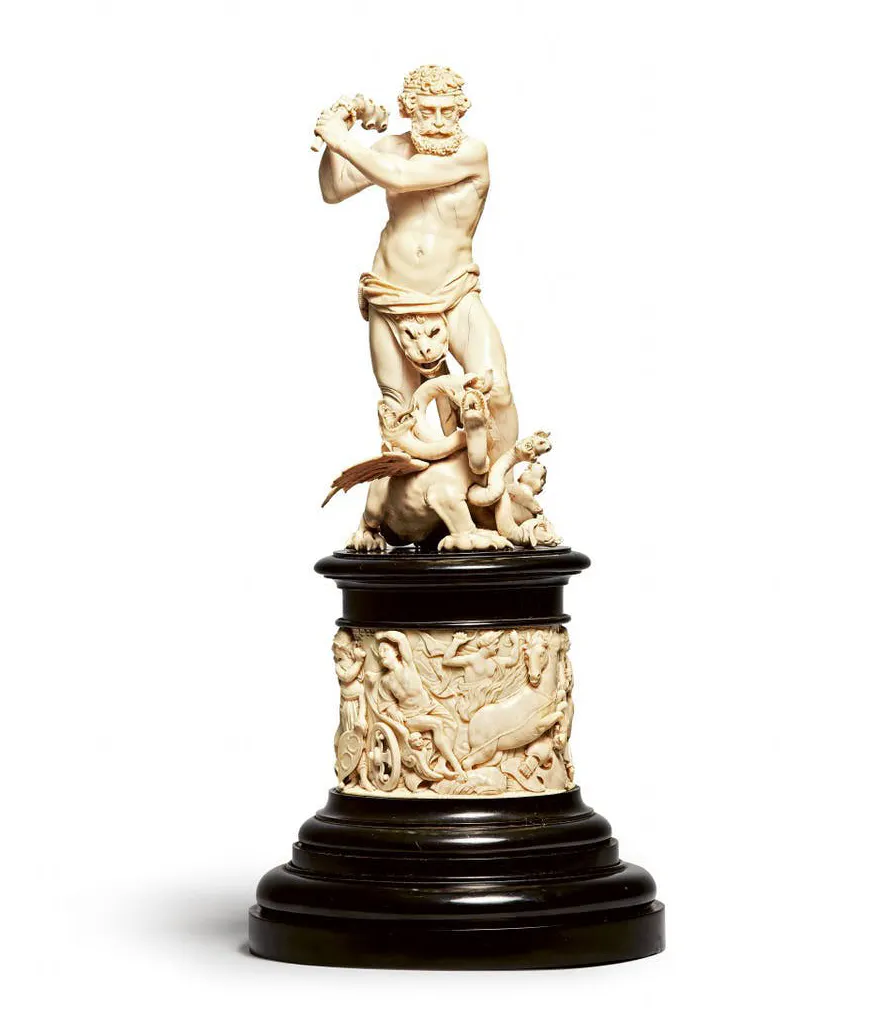
The fully carved ivory figure Hercules fighting the Hydra, which was made in southern Germany or Austria before 1644, goes back to a silver work commissioned by Pope Francesco I in 1576, which is no longer preserved today, but has been frequently copied over the years had been. The ebonised hardwood base of the present figure dates from the late 17th or 18th century and is decorated with an ivory relief depicting Mercury and the allegories of virtues and vices.
With these three-dimensional works, we would also like to draw your attention to the sculpture auction, which will conclude the auction series on 5 June.