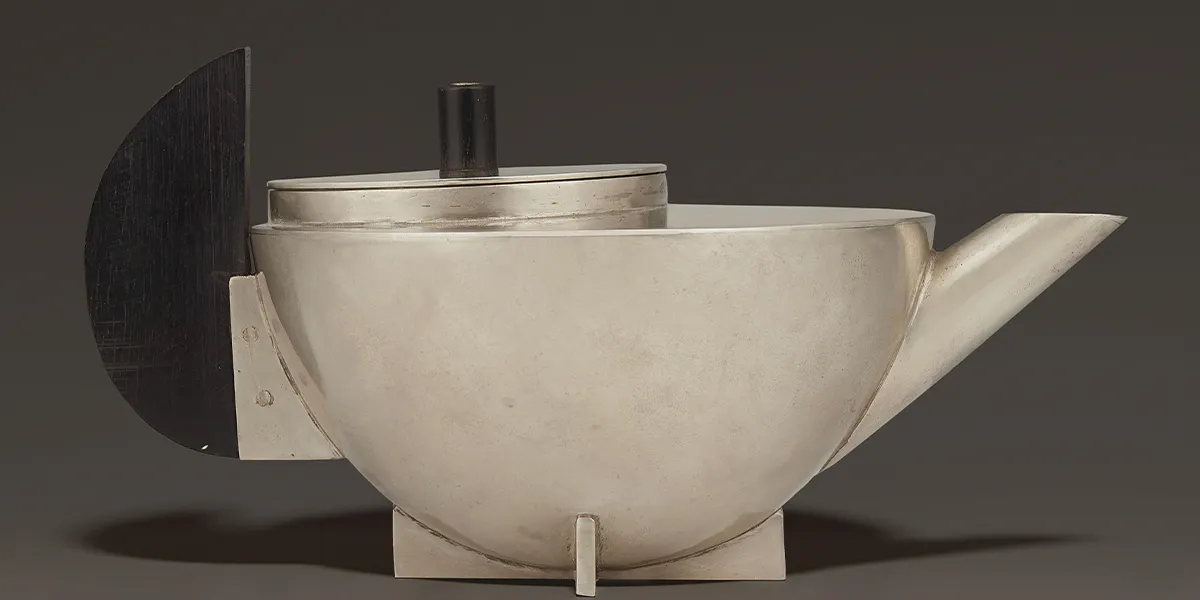
Laszlo Moholy-Nagy, who led the metal workshop at the Weimar Bauhaus, described Marianne Brandt, a young artist who joined his class in 1924, as "my most brilliant student." In that same year, she crafted what is now her most renowned creation, the MT49 / ME8 tea infuser, drawing inspiration from the Bauhaus design principles, and showcasing a masterful blend of geometric shapes. Originally crafted from silver-plated sheet brass internally, the jug, measuring 8 x 15.8 x 10 cm, was later produced using more economical nickel silver. Nonetheless, it never entered mass production due to the high manufacturing costs. Until recently, eight examples were known, all housed in prestigious institutions such as the Bauhaus Museum in Weimar, the Germanisches Nationalmuseum in Nuremberg, the British Museum in London, and the Metropolitan Museum in New York.
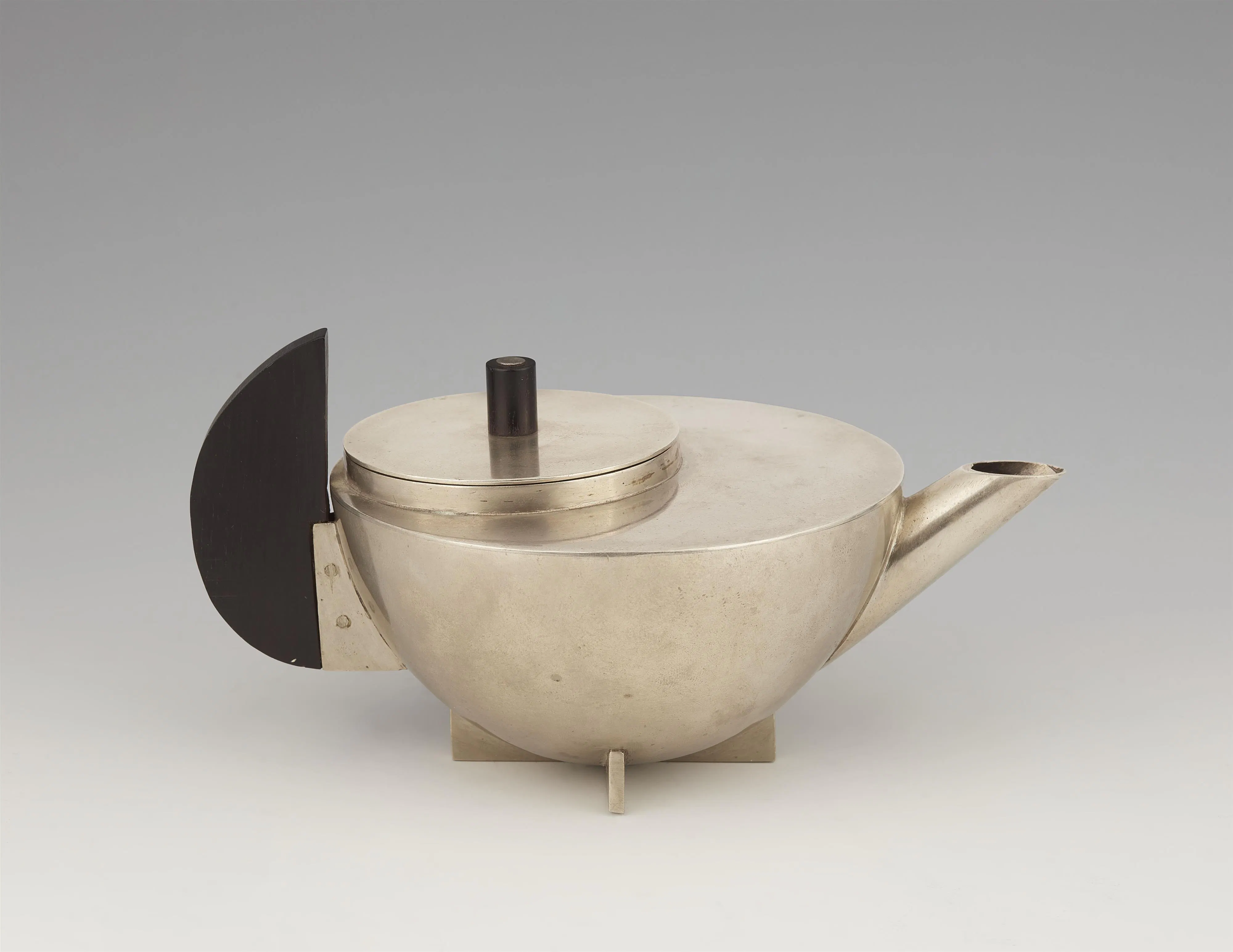
Now, another example has come to light, which Marianne Brandt gifted to a friend in 1975, and their family has preserved it until now. This exciting new find will be auctioned on 15 May in the 'Decorative Arts - Silver, Porcelain, Ceramics' sale at Lempertz in Cologne.
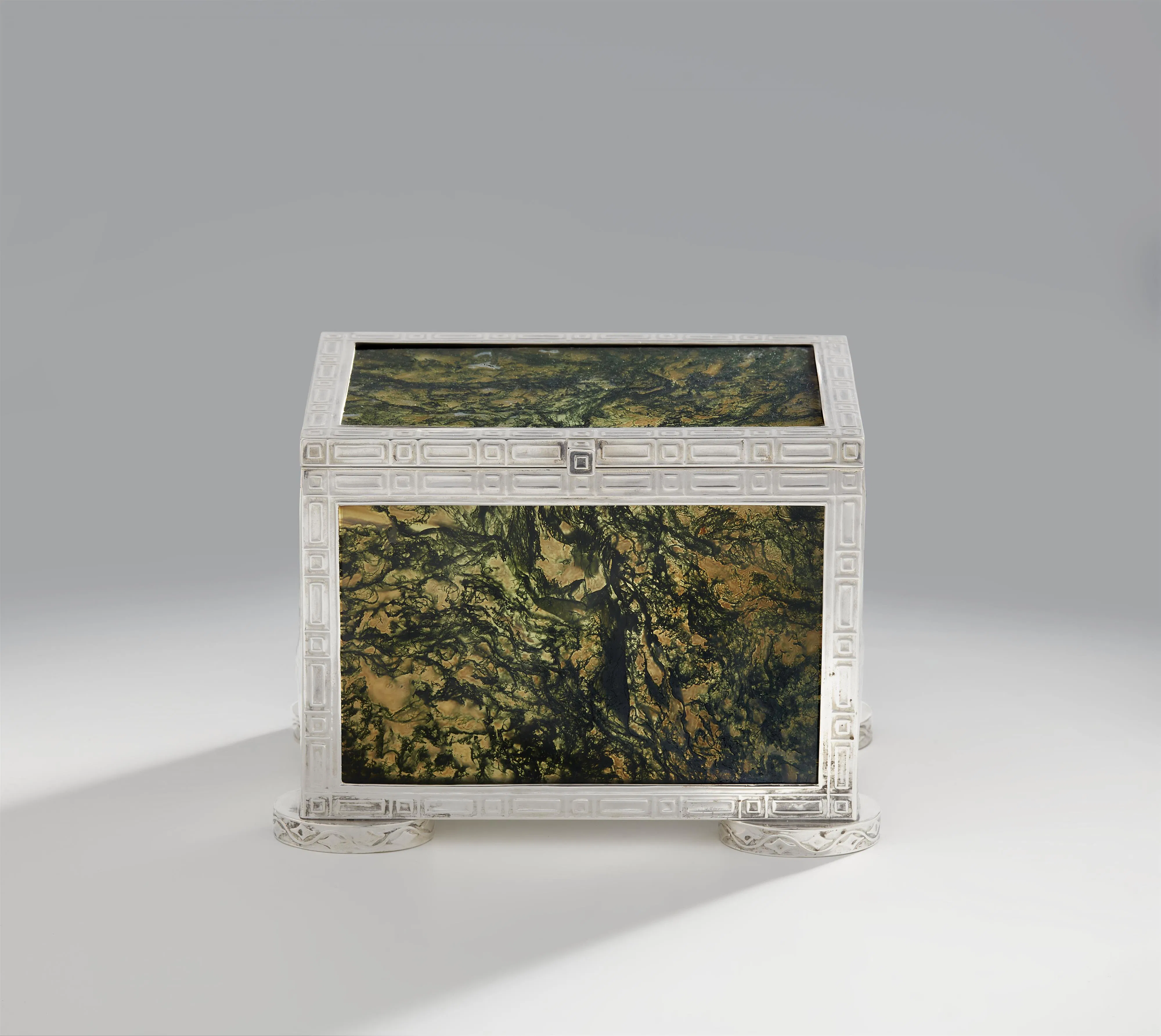
Another standout item in this collection is a rare cassette designed by Josef Hoffmann around 1910 for the Wiener Werkstätte, a design movement and association he co-founded. The piece is crafted from silver with a gold-plated interior, featuring geometric friezes encircling it, along with stylised palmette decoration and tendrils, representing a refined illustration of the Wiener Werkstätte style. This style transitioned from the opulent floral ornamentation of Art Nouveau to embrace geometric and abstract forms. The ornamental design is enhanced by inserts of finely cut, translucent moss agate on the lid, front, and back.
On the same day, alongside the arts and crafts items, the auction will feature Kunstkammer objects, furniture, and decorations. Among them are an engraved Romanesque bronze bowl and an enamel painting titled The Plague on Pergamos by the artist known as the Aeneas Painter, displayed on a triangular copper panel.
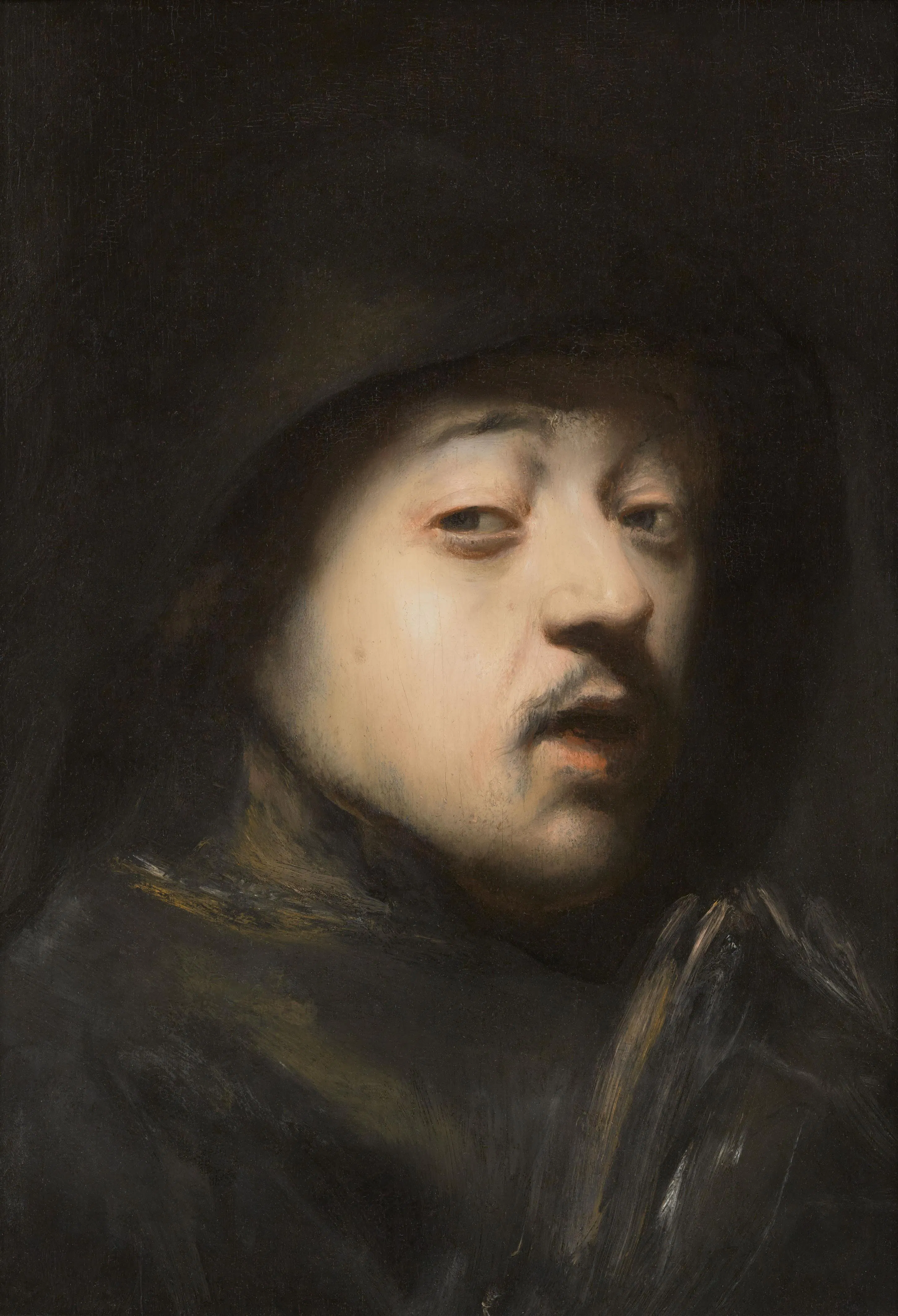
Further highlights will be offered on 16 May, with an auction of old art and works from the 19th century. One of these was initially credited to Rembrandt himself but has since been acknowledged as a piece by his friend and colleague Jan Lievens. For a period, the two young artists shared a workshop in Leiden, fostering an environment of mutual inspiration, yet occasionally leading to misattributions of individual works. The painting in question is a self-portrait that Lievens created using a mirror, capturing his focused gaze as he looked at himself from the corner of his eye.
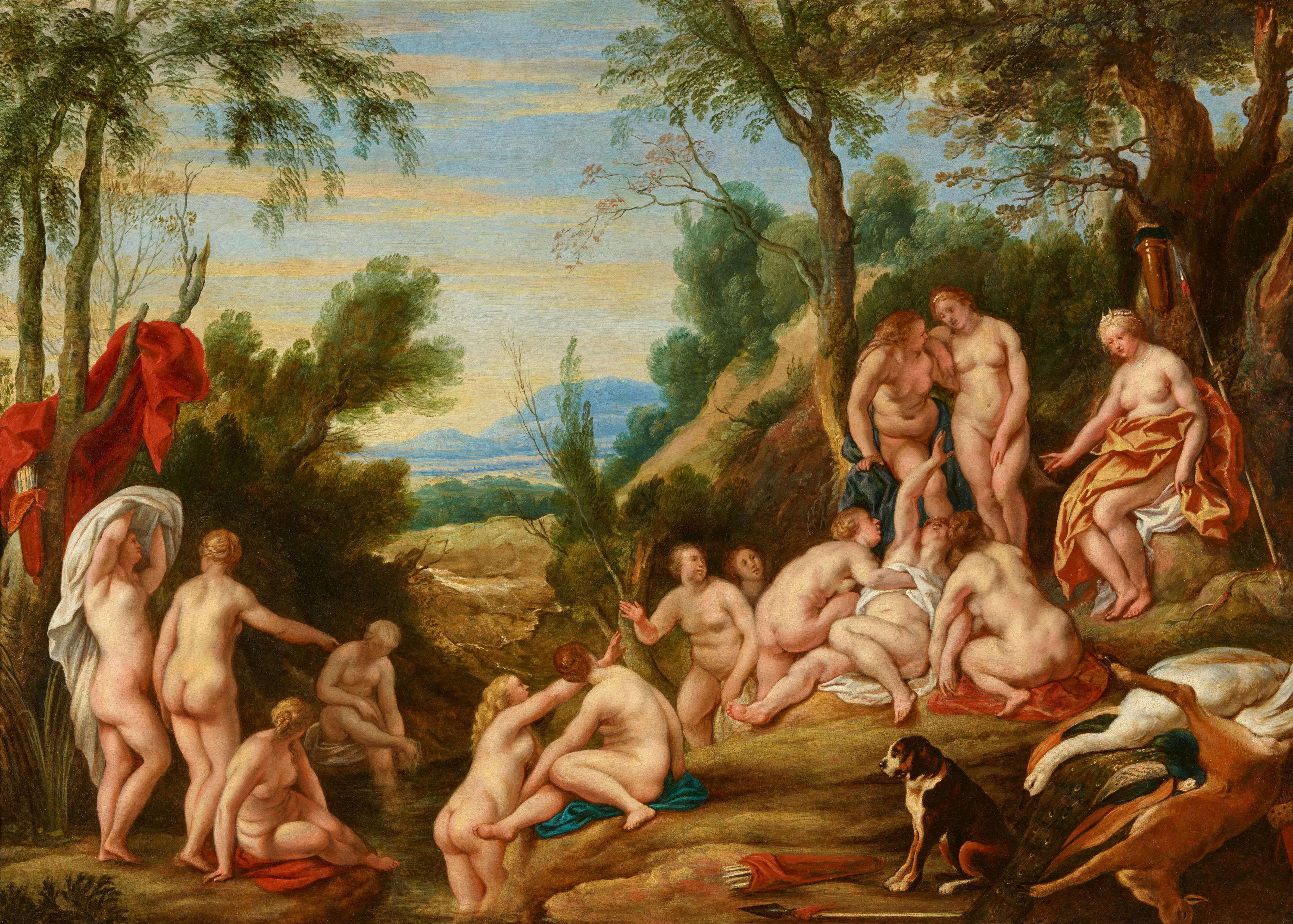
Other notable highlights among the Old Master paintings include Jacob Jordaens' mythological piece Diana and Callisto, a splendid pair of floral still lifes by Johannes Christianus Roedig dating back to 1779, Meindert Hobbema's Wooded River Landscape with Figures on a Path from 1659, and Winter Village Landscape with Swan Inn by Pieter Brueghel the Younger.
Among the 19th-century paintings, several pieces by Jacob Philipp Hackert stand out, along with Josef Stieler's portrait of the philosopher Wilhelm von Schelling and Carl Spitzweg's early work Das Fischerpaar am Hintersee bei Berchtesgaden.
Lempertz's auction series also includes a sale of watches and jewellery, to take place on 14 May.
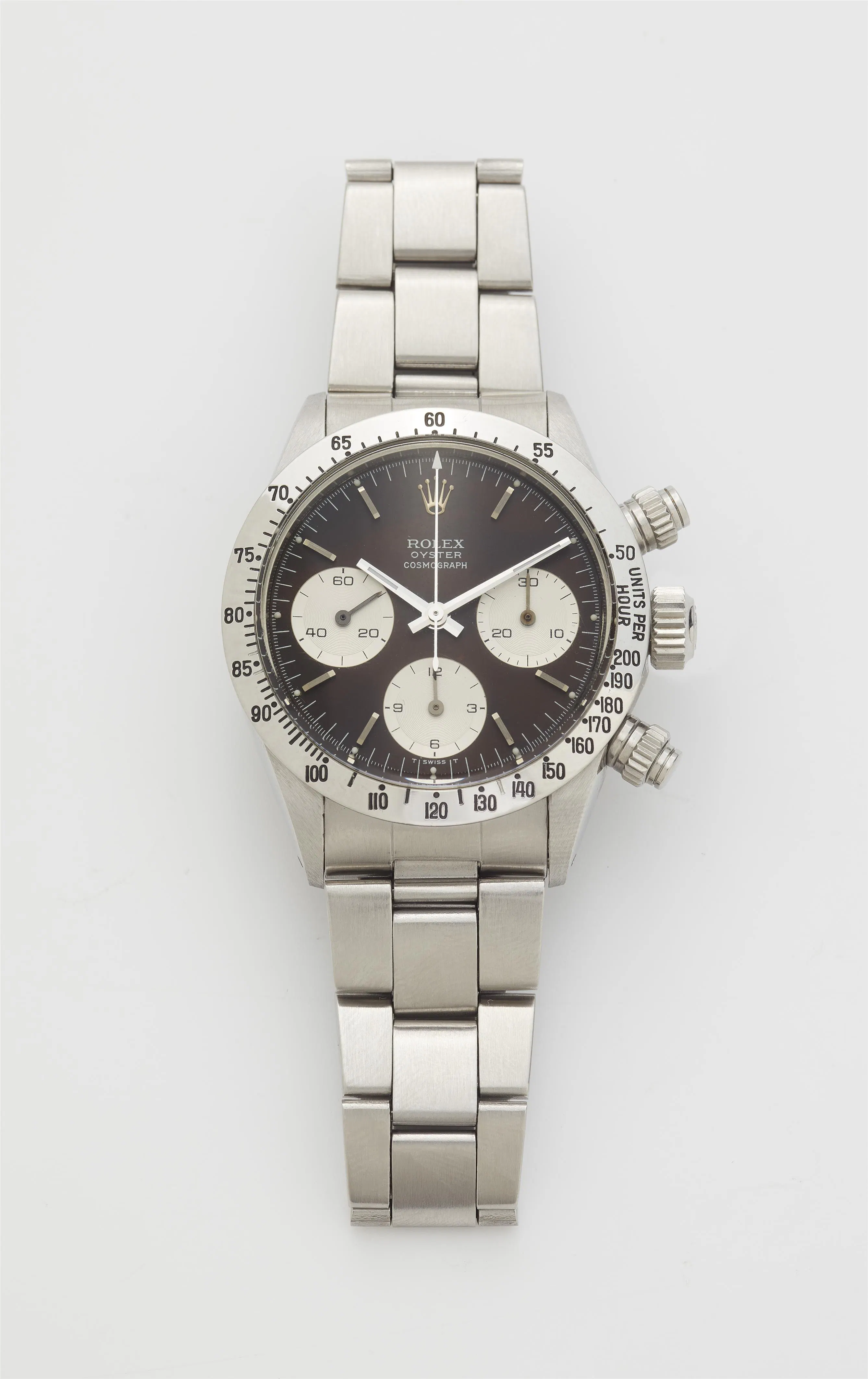
The standout pieces in the watch collection include 21st-century timepieces from esteemed manufacturers A. Lange & Söhne and Vacheron Constantin, alongside vintage pieces from the 1970s by Piaget and Rolex. Piaget presents a cuff wristwatch with a dial signed by Cartier, while Rolex features an early Cosmograph Daytona (Ref. 6265).
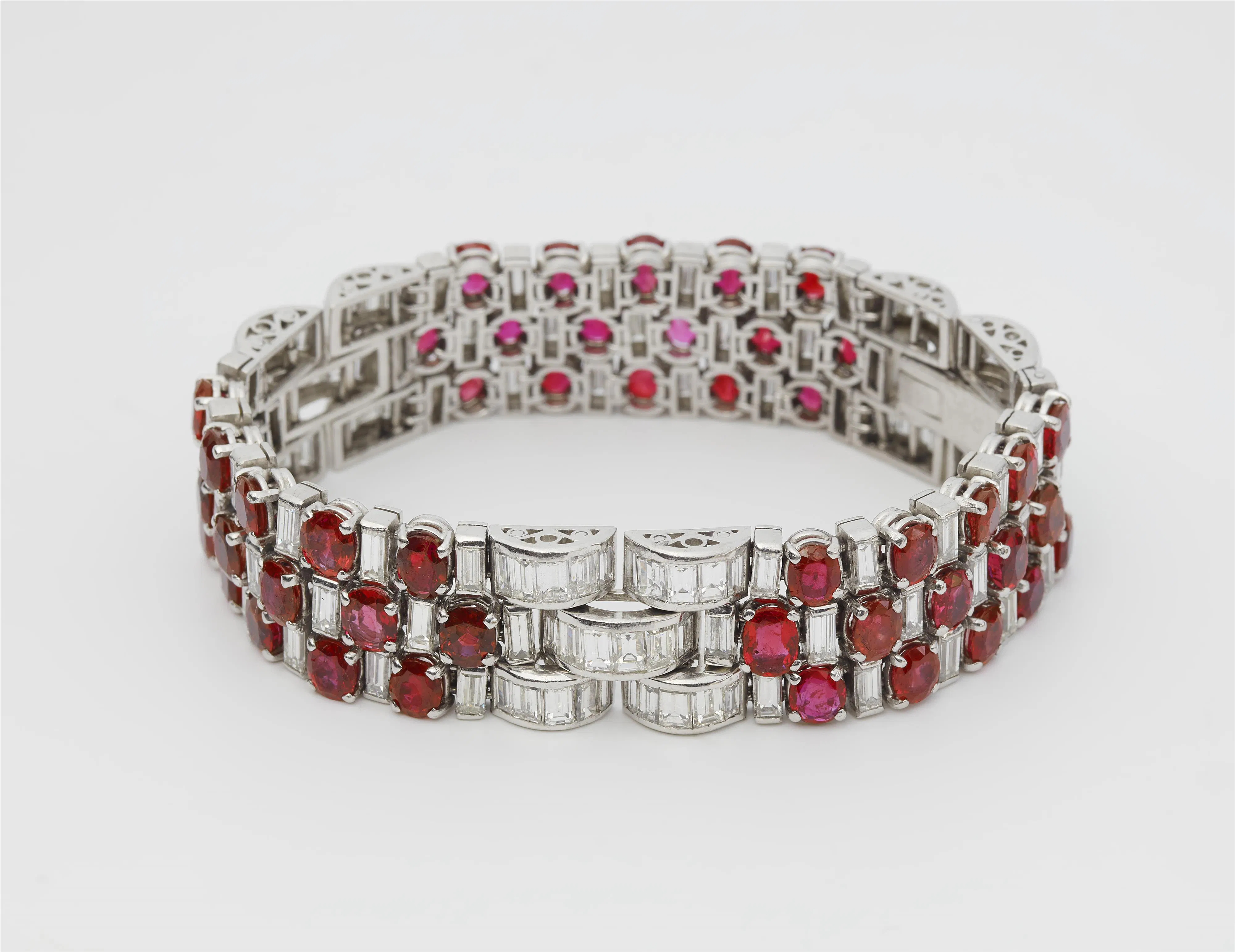
The jewellery collection is equally remarkable, featuring unique vintage creations by Arnaldo Pomodoro and Wilhelm Nagel, along with a Victorian snake bangle and a stunning Art Deco bracelet adorned with diamonds and rubies.
The auctions will be held from 14th to 16th May at Kunsthaus Lempertz, located at Neumarkt 3, in Cologne. Previews will be available on 8th and 10th to 13th May.