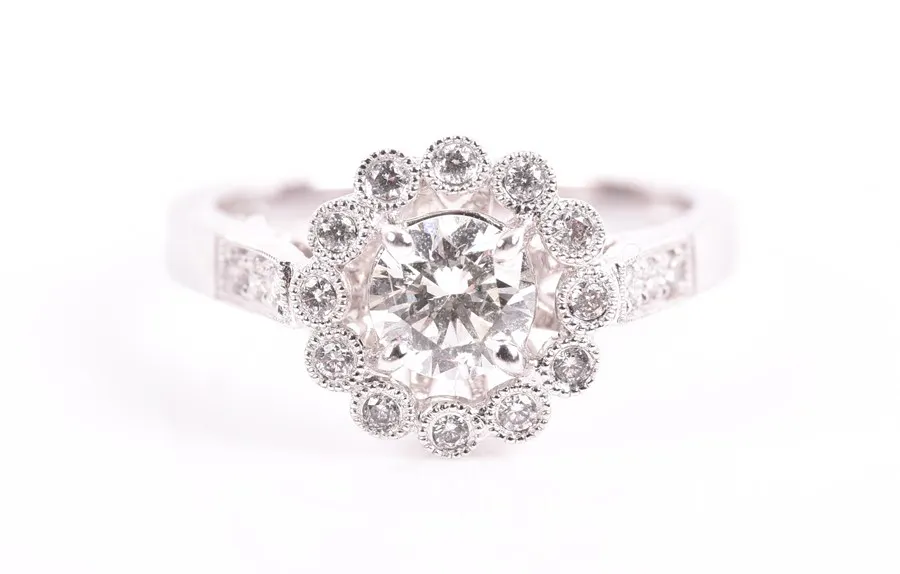
Start off your summer with this exciting sale of hundreds of exciting treasures. From 20-21 May, Brunk Auctions will offer their Premier Auction featuring important American and Southern furniture and decorative arts, fine jewellery, coins, and folk art. Here are five top lots not to miss.
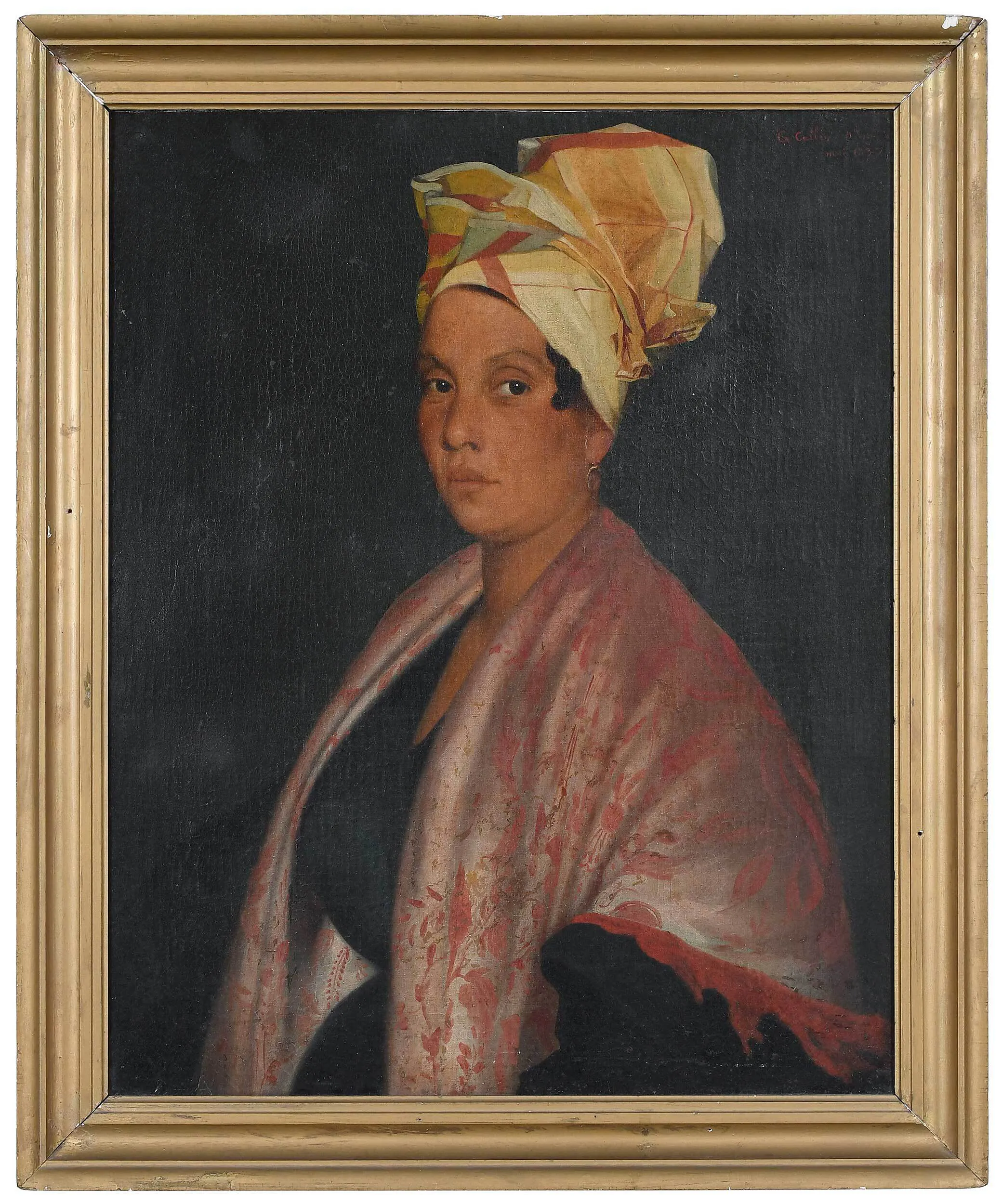
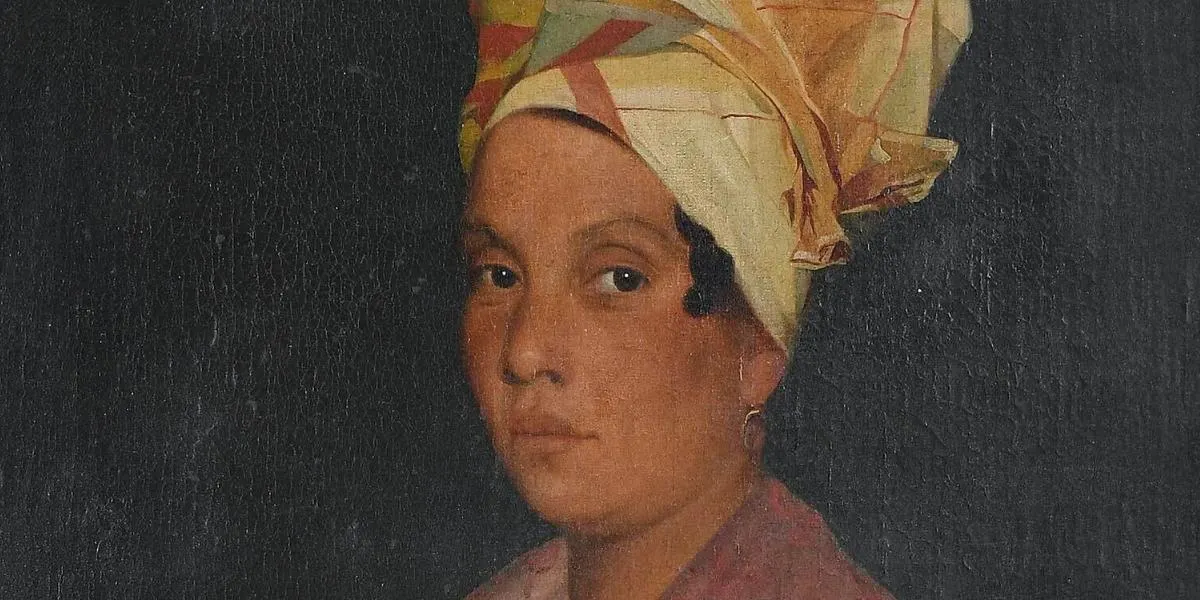
The top highlight of the sale is a very rare and important portrait of a free woman of colour, historically thought to be the Voodoo Priestess Marie Laveau. The painting is signed G. Catlin and dated Mai 1837. It has been surrounded by mystery and legend and lost to the public eye for decades, all of which has added to the aura that surrounds it. Her strength is haunting and unparalleled, made all the more so when one realises that she is a free woman of colour in New Orleans before the Civil War. According to research done on this painting by Dr. Lisa N. Peters, "The image has become the iconic depiction of Laveau and her legend, serving as the visual model of powerful female leadership in the dynamic multi-cultural milieu of nineteenth-century New Orleans." It carries an impressive pre-auction estimate of $200,000-300,000.
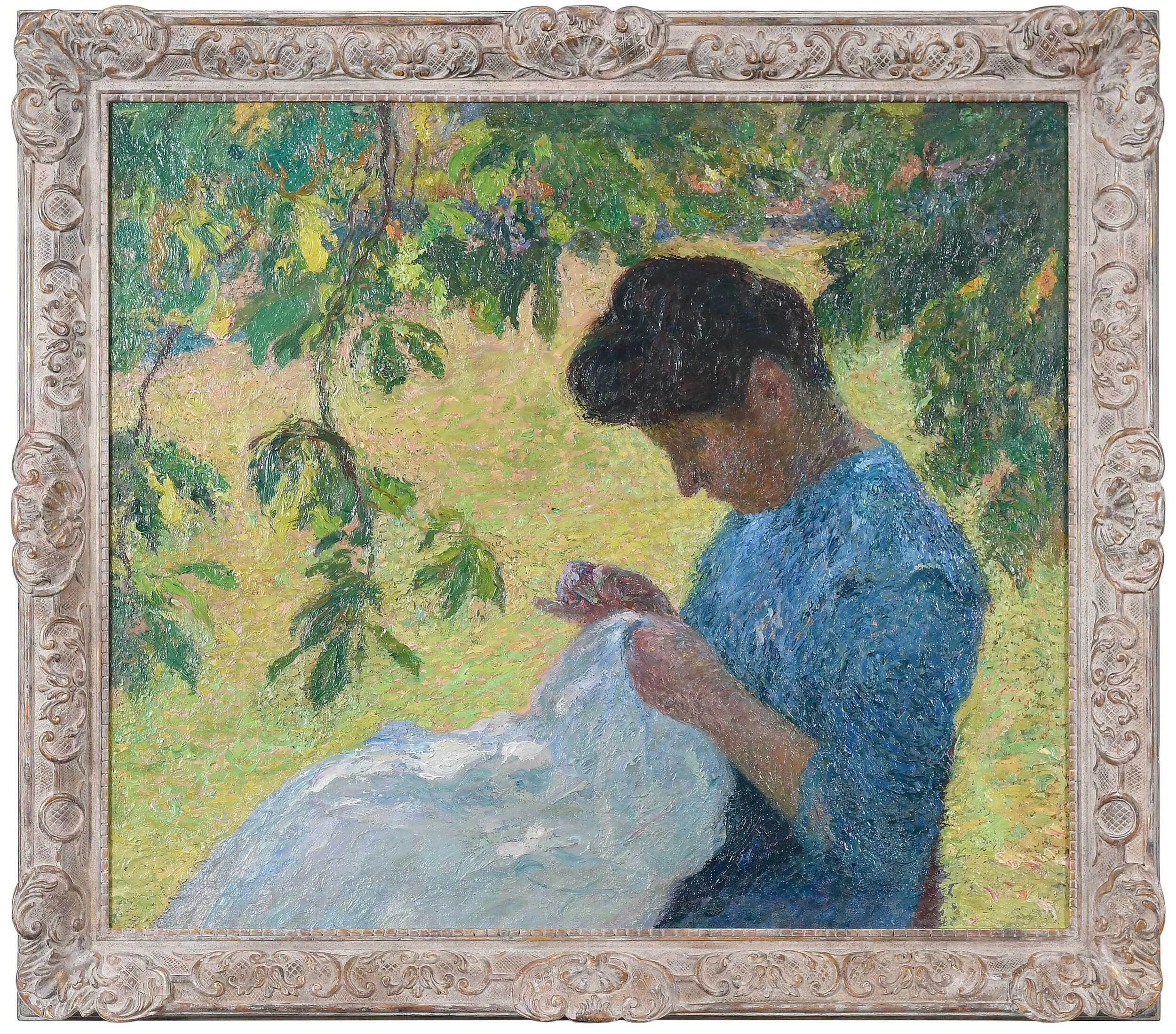
Among the important European paintings is a light-filled Henri-Jean Guillaume Martin Impressionist painting titled Femme Cousant sous un Marronnier (Woman Sewing under a Chestnut Tree). Martin (1860-1943) was a pupil of Eugène Delacroix and later a regular exhibitor at the Paris Salon. Today, his work can be found at museums throughout France, including the Musee d'Orsay.
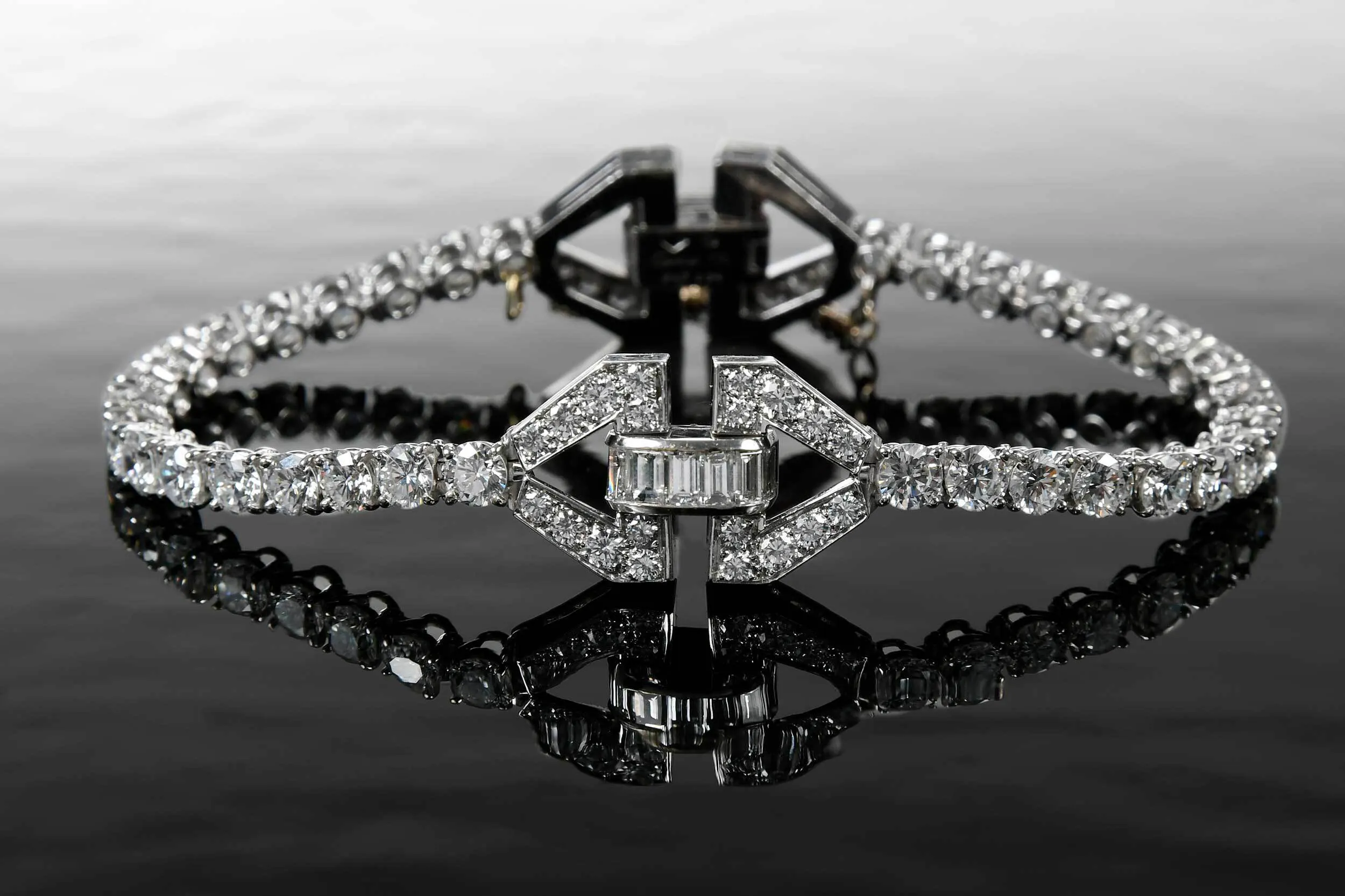
Another important piece of French production is this sparkling 18kt white gold bracelet from Cartier. It features 13 baguette cut, 40 smaller round brilliant and 34 larger round brilliant diamonds, with an estimated total weight 9.0cts. and is signed 'Cartier'.
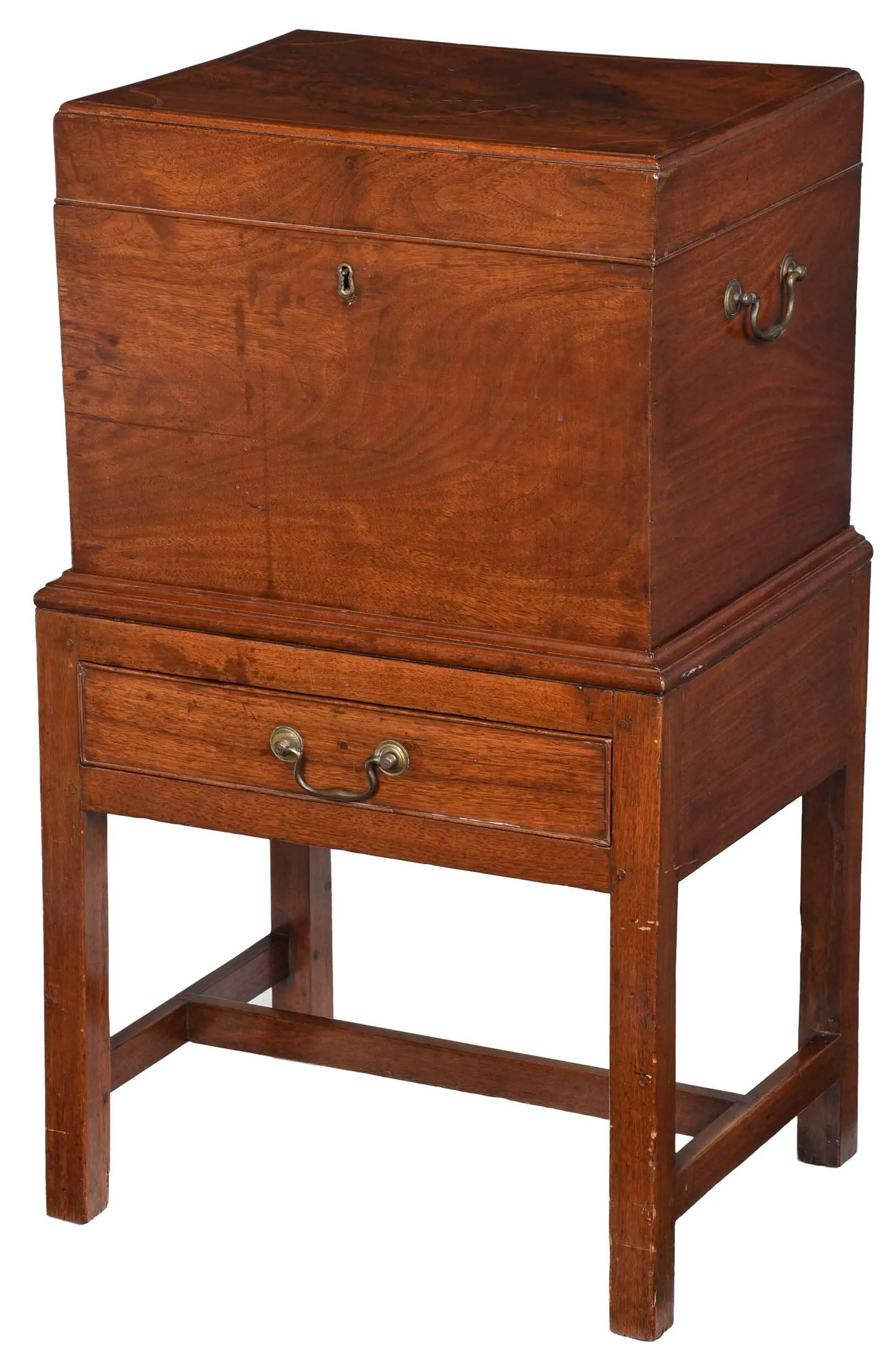
American handiwork is on display in this rare North Carolina inlaid walnut cellarette. It comes from the Roanoke River Basin, North Carolina, 1790-1810, and possibly the shop of Micajah Wilkes. A cellarette was a cabinet for keeping bottles of wine and liquor.
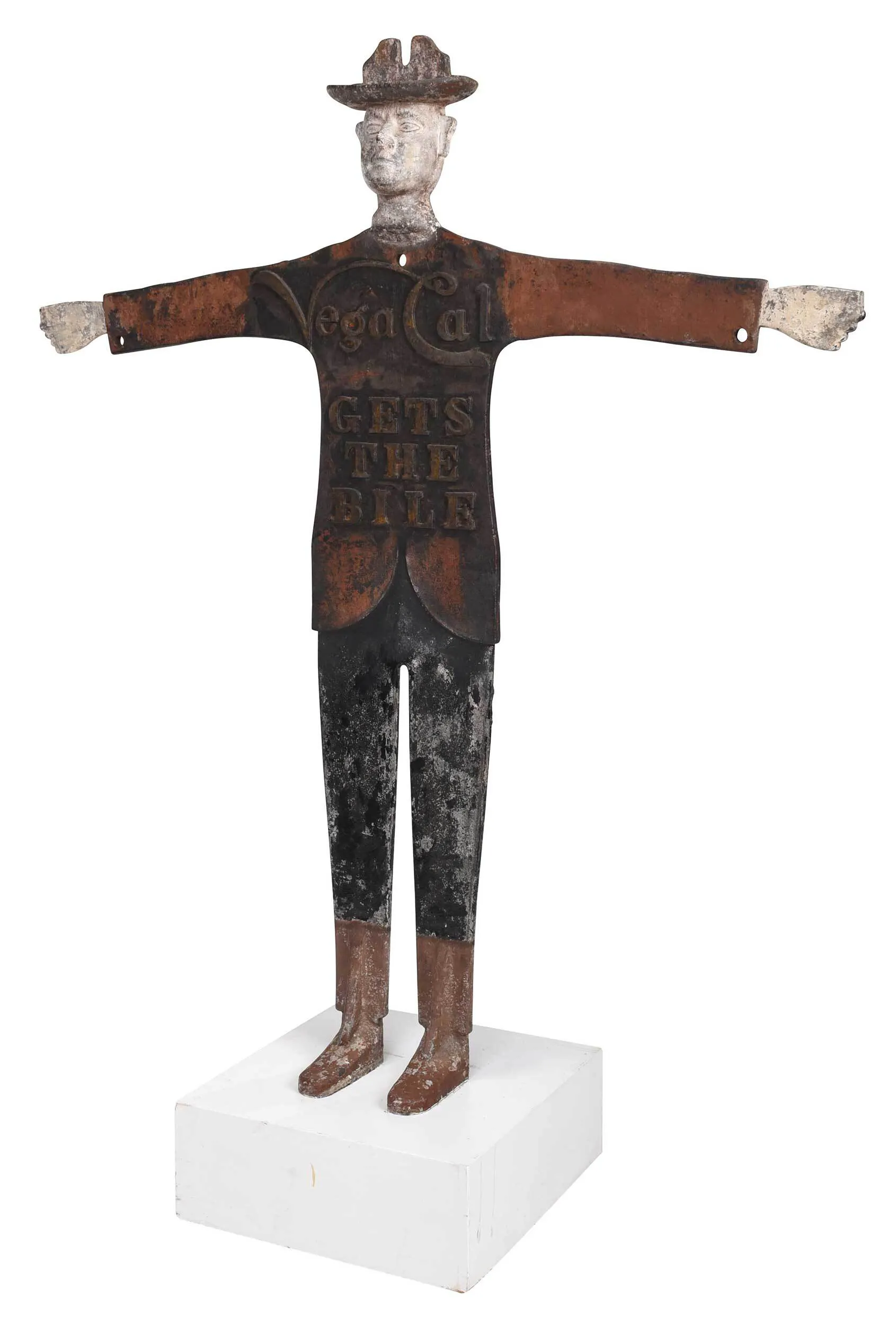
Sold to benefit the American Folk Art Museum in New York City is this iron standing male figure folk art advertising sign. It dates to 1900 from Alabama and the figure's chest reads 'VegaCal Gets The Bile'. Alabama pharmacist W.T. Taylor created and sold a liver cure around the turn of the nineteenth century named VegaCal. These signs were originally double sided and were placed in and around Birmingham, Alabama.