Dick Button is one of the most legendary male figure skaters of the 20th century, having won two Olympic gold medals and three World Championship titles. He set many world skating records: he was the first skater ever to land a double Axel and a triple jump and was the first American to win an Olympic title in ice skating. He also invented the flying camel spin, a complicated movement that became known as the Button Camel.

Button began his illustrious skating career as the youngest skater to win an Olympic title at age 18 and after retiring from skating, he practised law and then became a skating broadcaster and commentator, winning an Emmy in 1981. Now 89, Button has amassed a collection of almost 90 pieces of skating-themed fine art and memorabilia, including antique ice skates, vintage costumes and more. Button has donated his personal collection for auction at Brunk Auctions in Asheville, North Carolina, which will be up for bids on 26 January. Here are some of the top highlights, from an Olympic torch to a rare Currier & Ives print.
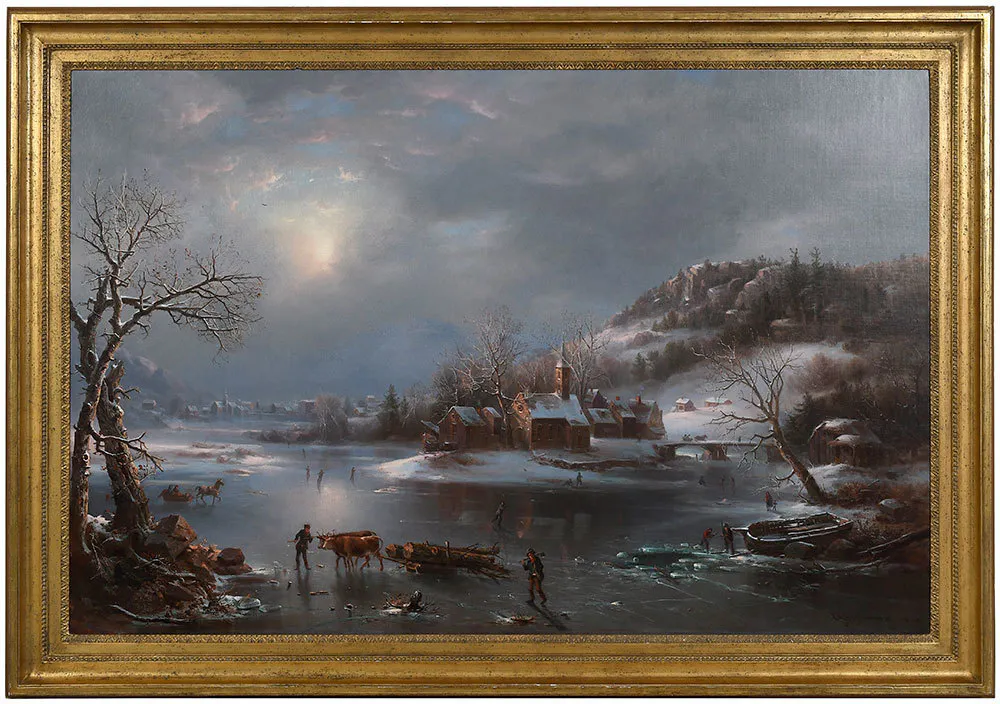
This panoramic work spans almost five feet long and depicts an idyllic skating scene, belied by the title Snow Storm Threatening. The misty landscape captures the quaint snow-covered town and many activities happening on the ice, from skating and horse-drawn sledding to cows dragging timber and ice-fishing. It was painted by French-American artist Regis Francois Gignoux, who was a member of the Hudson River School and specialised in snow scenes.
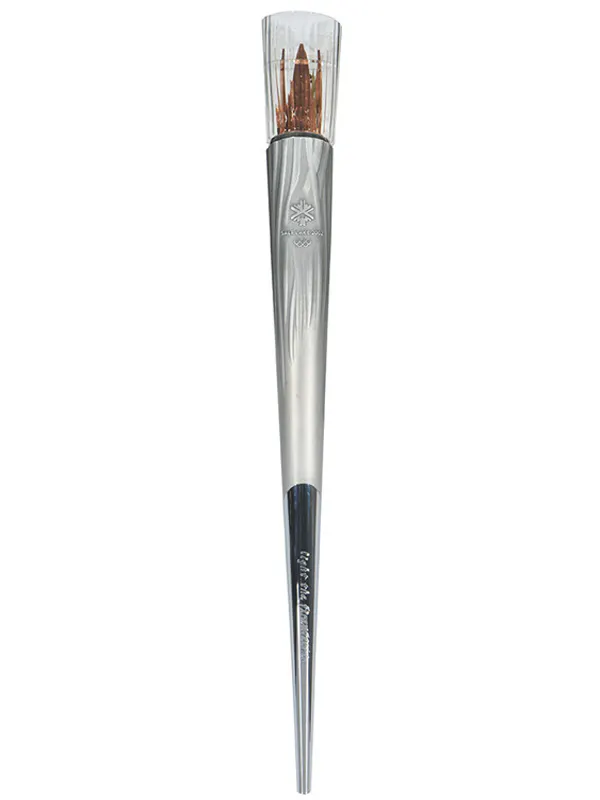
This Olympic torch was carried by Dick Button at the 2002 Winter Olympics in Salt Lake City. The sleek torch is made out of silver-coloured metal and glass, with a fiery icicle inside and etched with the Olympic motto ‘Light the fire within’.
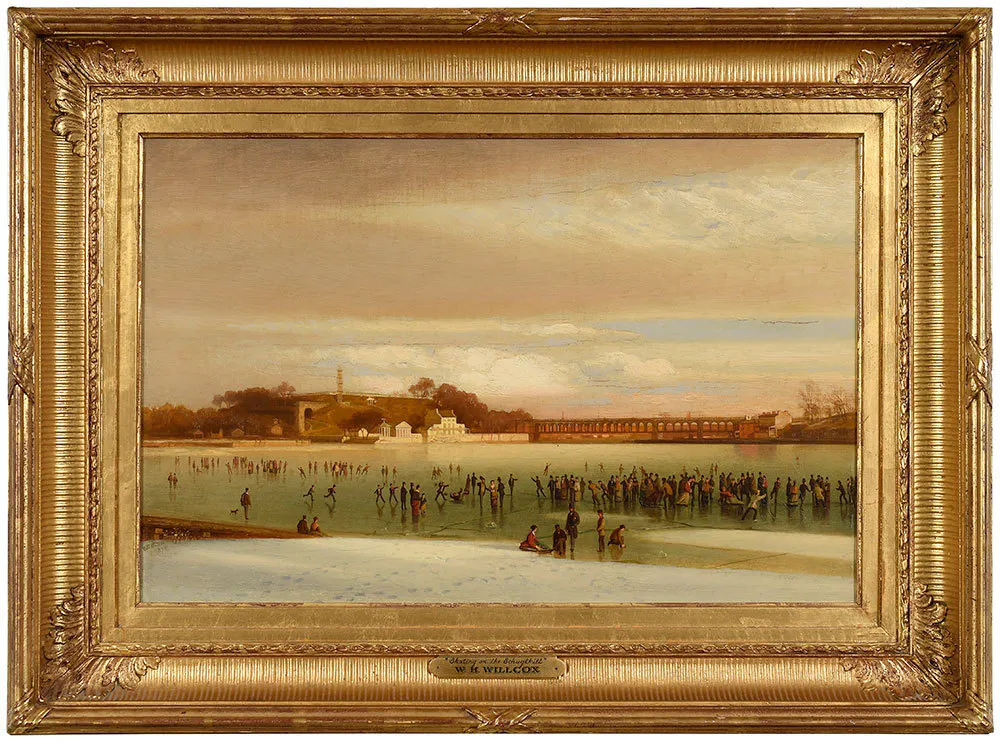
Another celebrated painting of the collection is Skating on the Schuylkill by William Wilcox, which portrays 113 finely-painted skaters on the frozen Philadelphia river. In the mid-19th century a group of skaters founded the Skaters Club in the city, a fashionable gathering of those who enjoyed the leisurely pastime. The club's duties also included rescuing skaters who happened upon thin ice and fell into the freezing waters of the Schuylkill river.
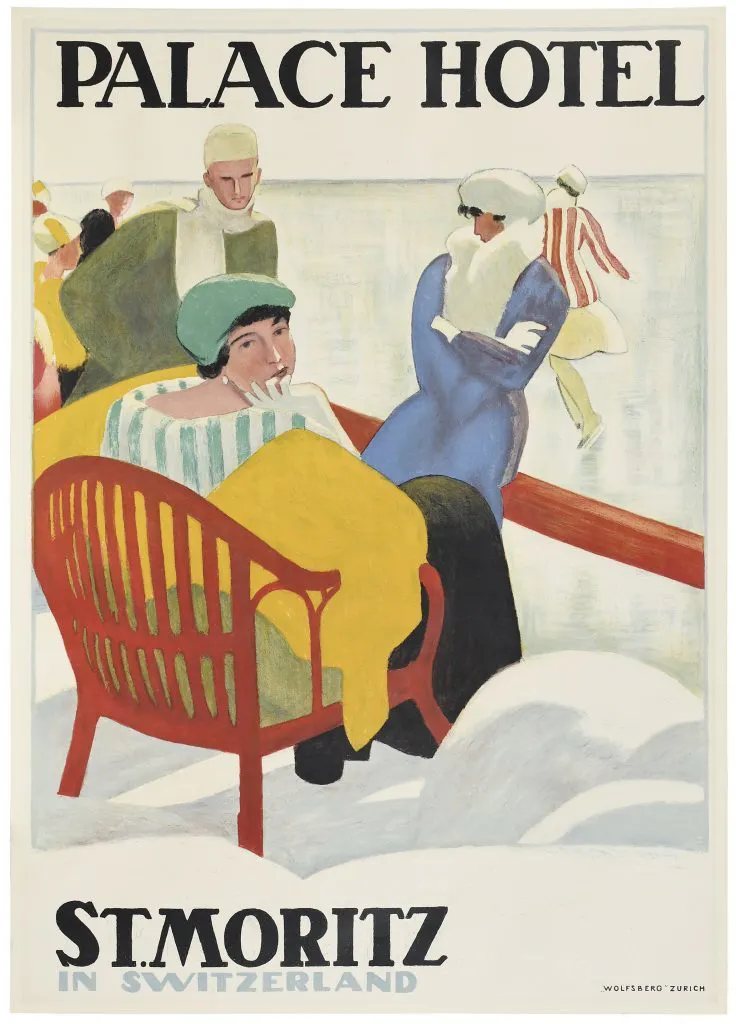
The glamorous Palace Hotel in St. Moritz, Switzerland was the epicentre of the alpine village's social life beginning in the late 19th century. This advertising lithographic poster by Swiss artist Emil Cardinaux dates to 1920 and shows the hotel's residents cozying up in furs and blankets by the hotel ice rink as a skater glides by.
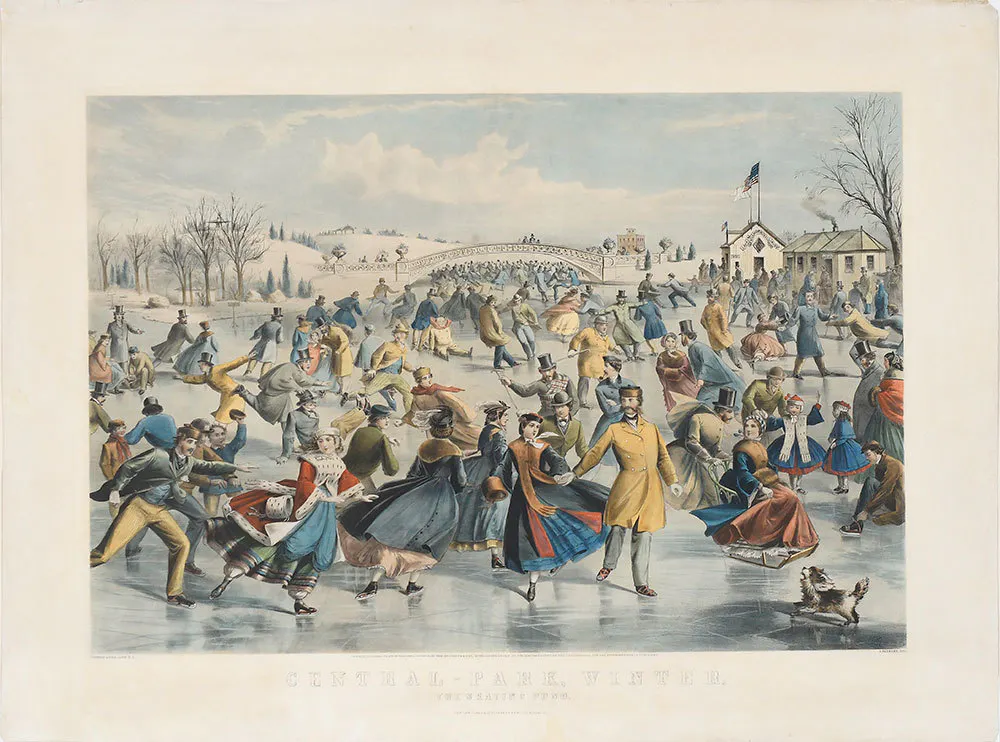
Currier and Ives were a famed 19th-century printmaking duo based in New York City who produced inexpensive prints depicting idyllic American life. Their festive winter scenes were frequently used as Christmas cards, such as this lively skating lithograph from Central Park, produced in 1862. It is considered one of the top three Currier and Ives works ever made.
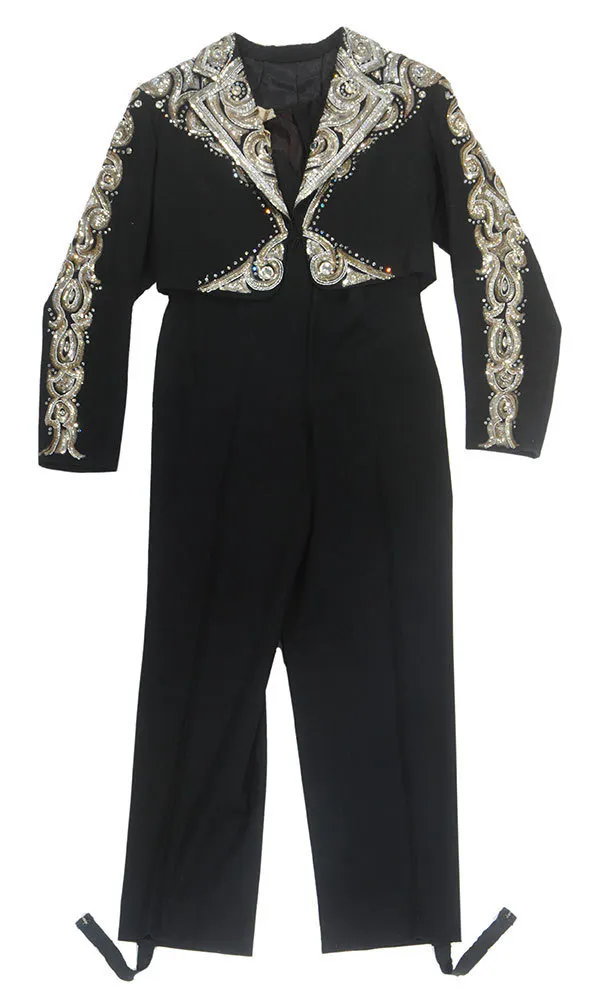
This Don Quixote skating outfit, embellished with rhinestones, sequins and beads, was worn by Dick Button in Moscow in 1959 and was designed by Brooks Costume Company, one of the leading theatrical costume designers in New York.
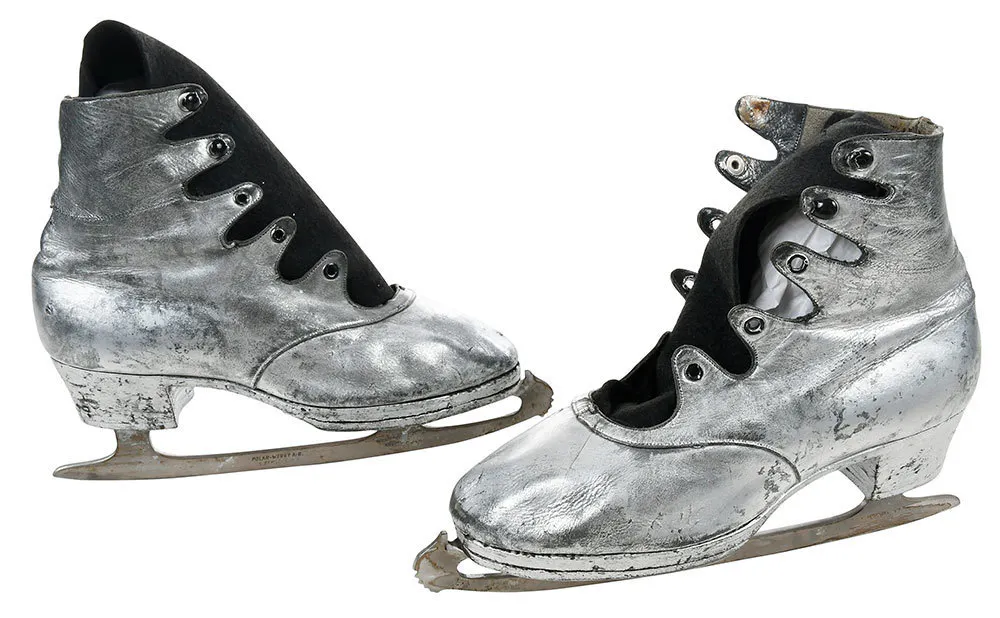
These ice skates belonged to Charlotte Oelschlagel, a famous early-20th-century ice skater, and the first skater to be featured in a movie. These silver-painted leather skates with steel blades are engraved with her name.