No other artist has documented and transformed the nuances of American culture through their work like Andy Warhol. In The Whitney Museum of American Art's new retrospective, titled Andy Warhol: From A to B and Back Again, the artist's vast oeuvre is on display, showcasing him as a chronicler of American history and culture whose innovative approach to art has left a lasting legacy.
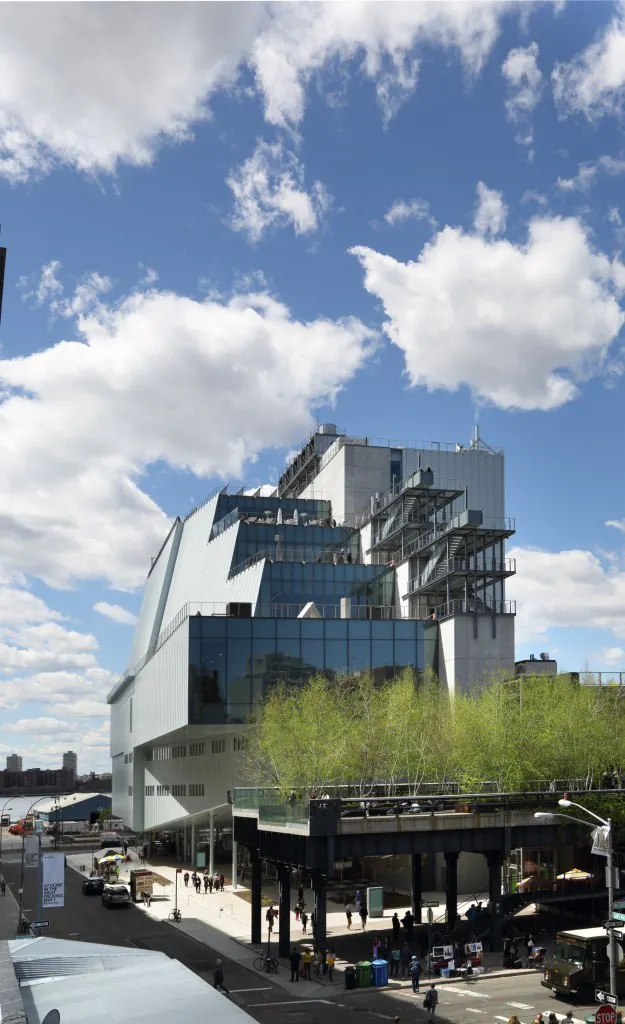
The exhibit, which runs from 11 November 2018 through to 31 March 2019, is the largest retrospective of Andy Warhol to ever be installed in the United States, and the first since 1989. The director of the Whitney Museum, Adam Weinberg, said at the exhibit opening that this retrospective "surfaces a more complex and arguably a more powerful Warhol than previously understood." Indeed, the exhibit covers Warhol's works from the 1950s until his death at age 58 in 1987 and includes over 350 pieces from all forms of media, integrating his iconic works with those that are lesser-known to provide a richly layered and multi-faceted look at the famed artist.
After New York, the exhibit will travel to the Art Institute of Chicago and the San Francisco MOMA, but it is fitting that it starts at The Whitney, which began collecting Warhol's works in the 1960s and installed one of the first retrospectives on the artist in 1971. This exhibit was organised by senior curator Donna De Salvo who met Warhol when she worked at the Dia Art Foundation. De Salvo said he inspired her "lifelong interest in American art in all its inconvenient complexity".
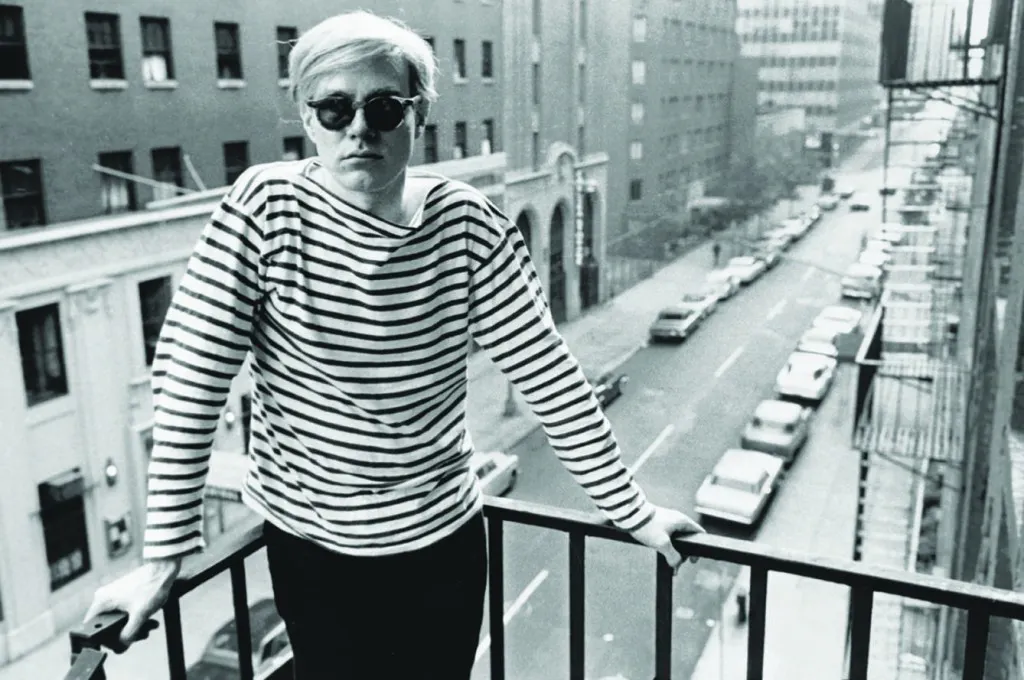
Warhol grew up in Pittsburgh as the son of Slovakian immigrants and attended what is now Carnegie Mellon University, where he earned a fine arts degree in pictorial design. He moved to New York after graduation in 1949 and became a successful commercial illustrator because of his innate understanding of how images are disseminated and digested by the public. One of his first jobs was working for shoe designer Israel Miller, sketching whimsical and elegant shoe designs.
These early forays into illustrated marketing would have a significant impact on Warhol's work. The growing marketing industry was directly related to the American atmosphere at the time: post-World War II America was a period of intense industrial and commercial growth and the country's economy was the strongest in the world. As commercialisation and mass production exploded, Warhol's work echoed these cultural shifts, both glorifying and criticising the state of affairs.
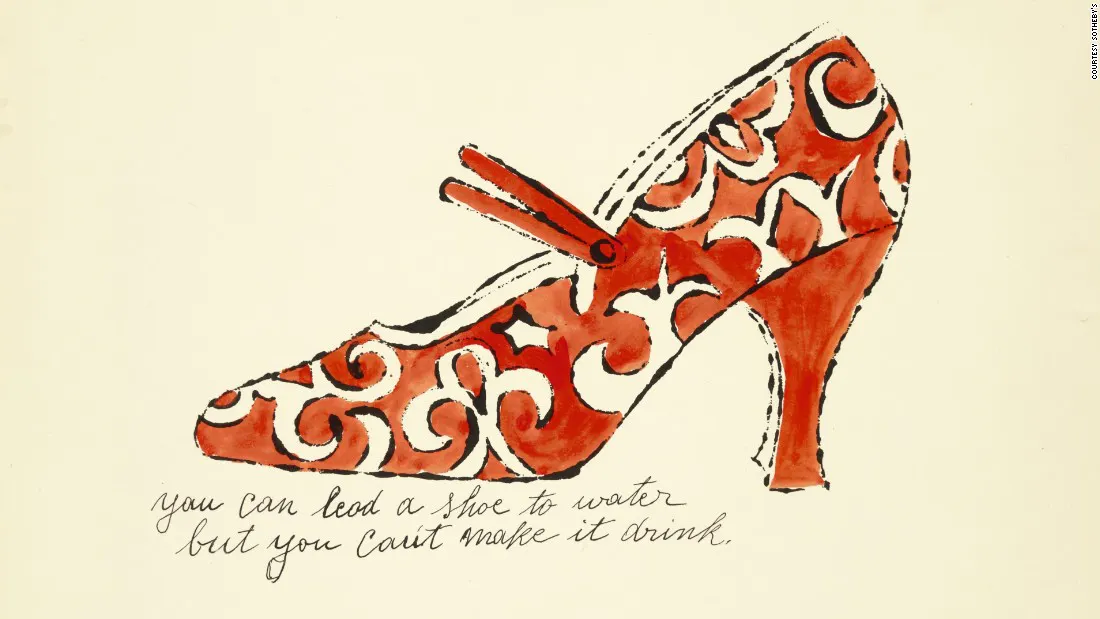
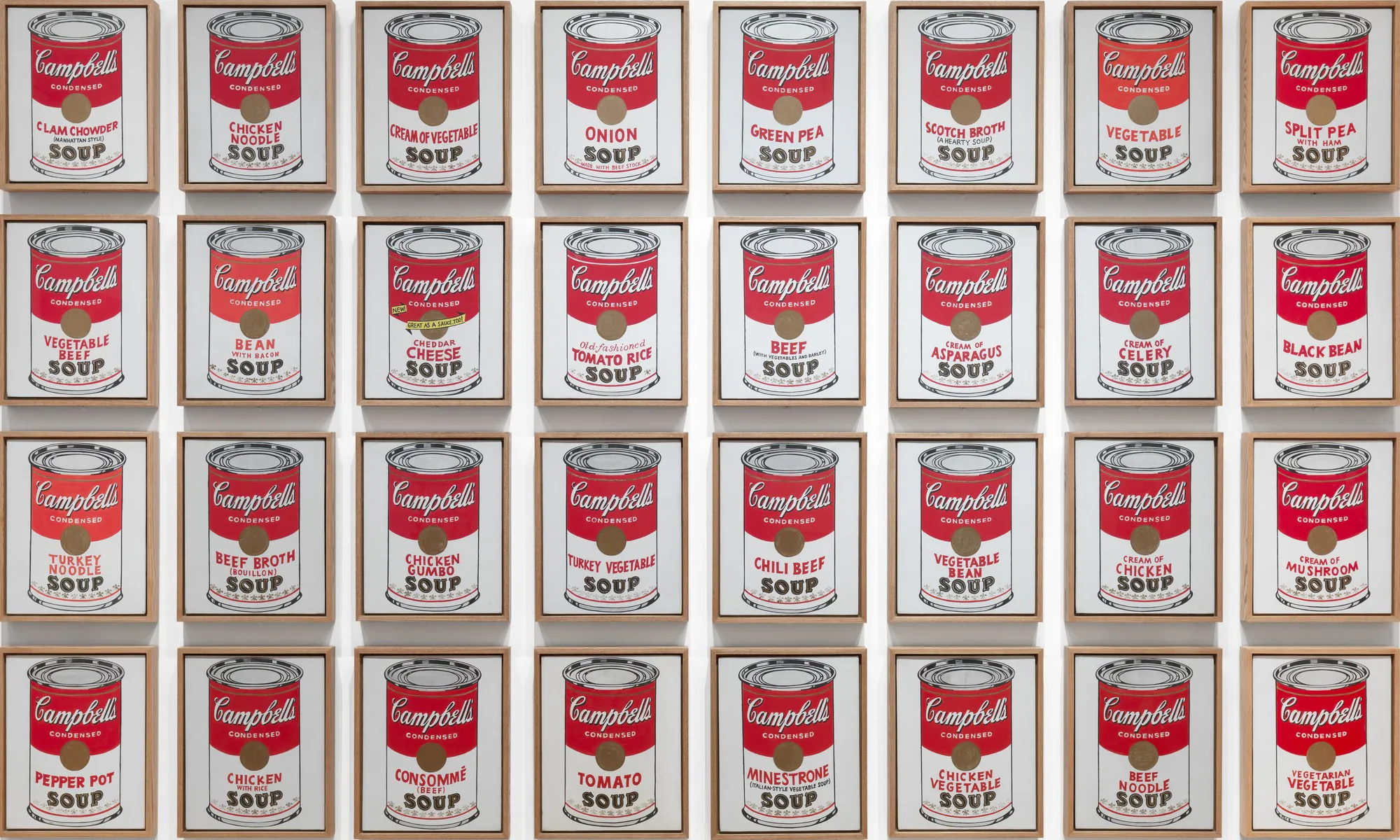
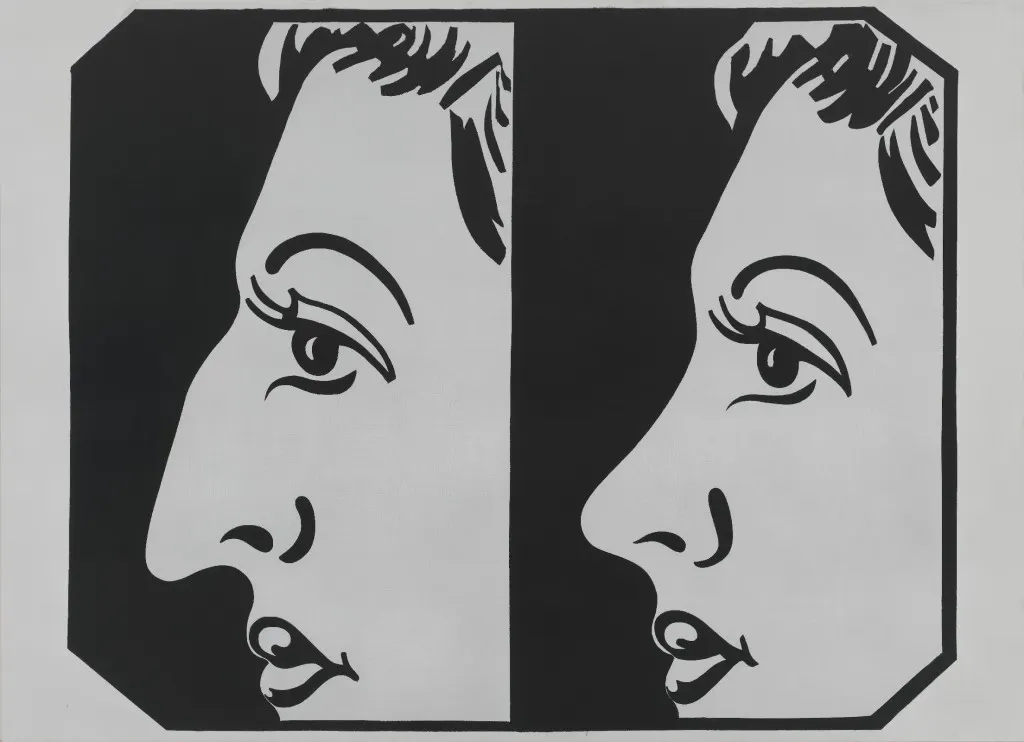
The exhibit begins with familiar Warhol works, such as the Campbell Soup cans, before retracing his origins in early 1950s New York, displaying his elegant shoe ads, magazine illustrations, cartoons and personal drawings of friends from New York's avant garde scene. Here, viewers see the genesis of Warhol's fascination with cropping and focusing on a single subject and how his work brokered collaboration between fine art and mass-market advertising. De Salvo observes that "Warhol always identified what was potent and topical in the culture. The power of Warhol's work really stems from this acute awareness of how images both live in the culture, how powerful they can be and how they need to be presented."
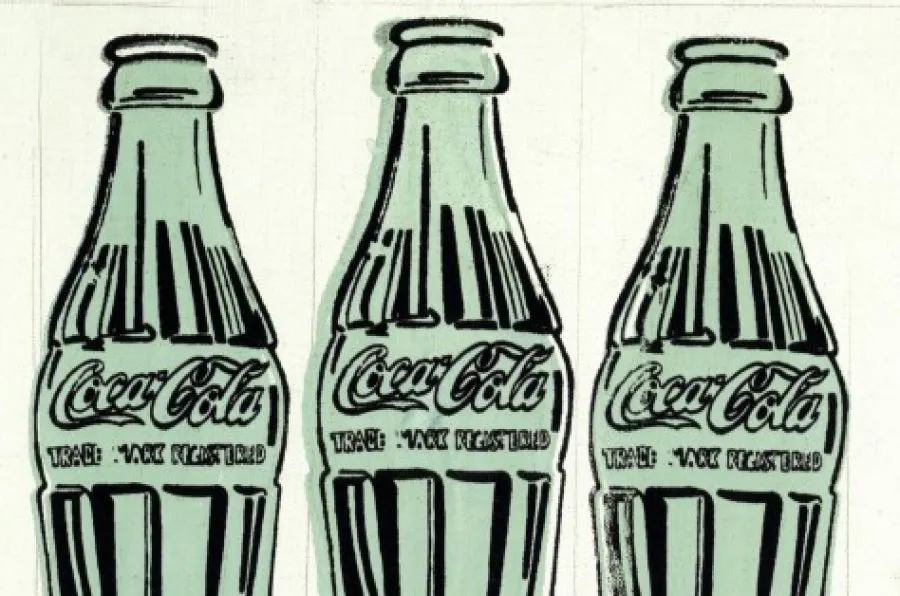
By 1962, Warhol was exhibiting his work at galleries in New York and had found a subject in the repetition of highly advertised, commercialised images. One of his first shows displayed his repeating Coca-Cola bottles, titled Green Coca Cola Bottles, and the Whitney exhibit allows viewers to see the transformation of method that led to the finished product. His work evolved from the more painterly style, inspired by Abstract Expressionism, to a form that appeared as if printed, with no semblance of the human hand, to the repeated silkscreen image that seems today like it was digitally produced.
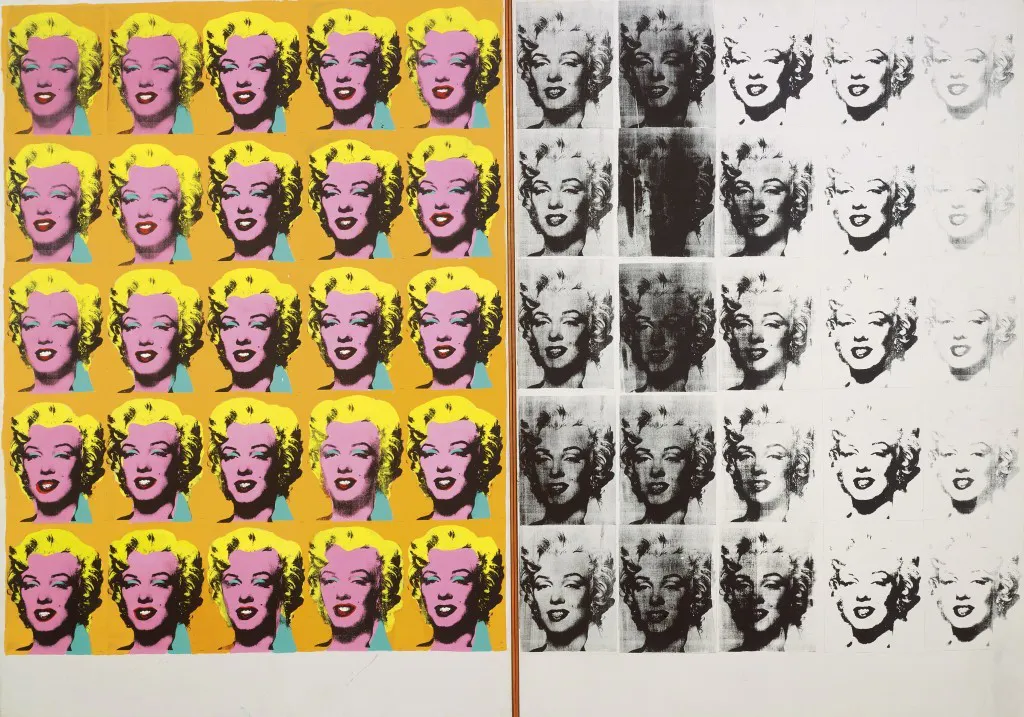
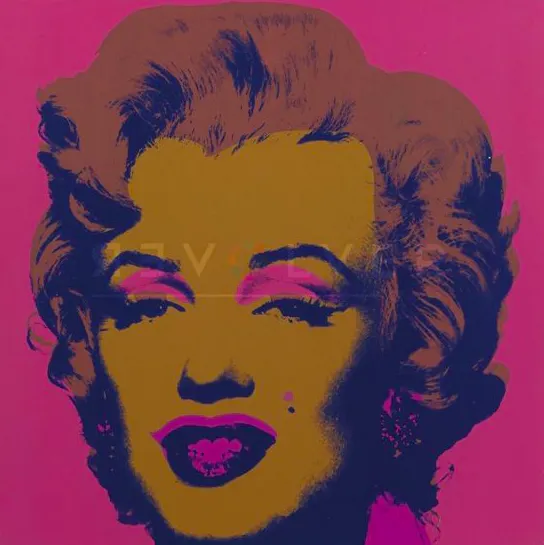
Warhol's fascination with portraiture is continually displayed throughout the 1960s and into the '70s. He plays with different types of portraits, from the sequence of photo booth photographs of his art collector friend Ethel Scull, and mug shots of criminals in his mural 12 Wanted Men for the 1964 World Fair, to painted self portraits of himself.
These Pop Art screen prints are arguably Warhol's most famous and recognisable works and articulate the American infatuation with fame and fortune, however, coursed throughout the exhibit are scenes of unrest, tragedy and disaster that Warhol did not shy away from exposing and featuring.
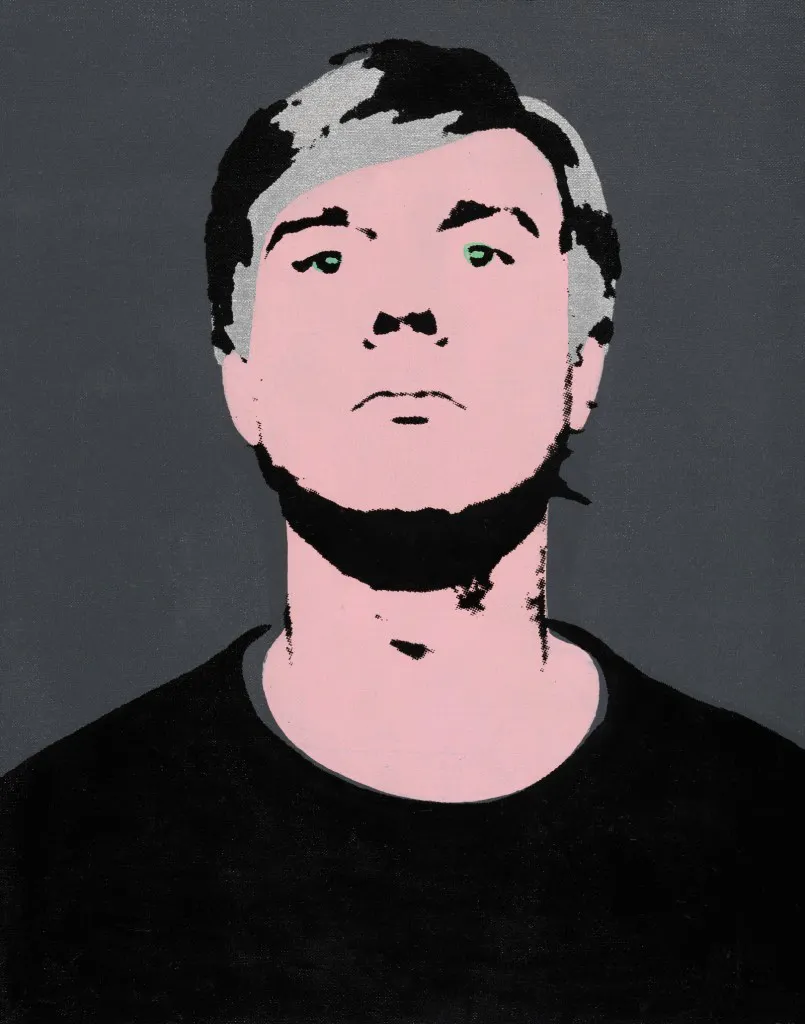
The Whitney's retrospective offers a thorough insight into Warhol's psyche and art direction, but also serves as a lens into American culture and its evolving values. De Salvo muses that "Warhol exposed the twin desires of America as consumerism and conformity", which are both reinforced and criticised by Warhol through his works.
In 1985 Warhol said, "Everyone has their own America and then they have the pieces of a fantasy America that they think is out there but they can't see... And you live in your dream America that you've custom made from art and schmaltz and emotions just as much as you live in your real one."
The thoughtfully-curated Andy Warhol: From A to B and Back Again exhibit captures Warhol's America with its complex dichotomy between his idealised visions and stark realities in the second-half of the 20th century. Through his art, he sought to understand and reveal the paradoxes of American identity, creating a dialogue that is still just as important today as over half a century ago.
Discover all items related to Andy Warhol currently at auction on Barnebys