
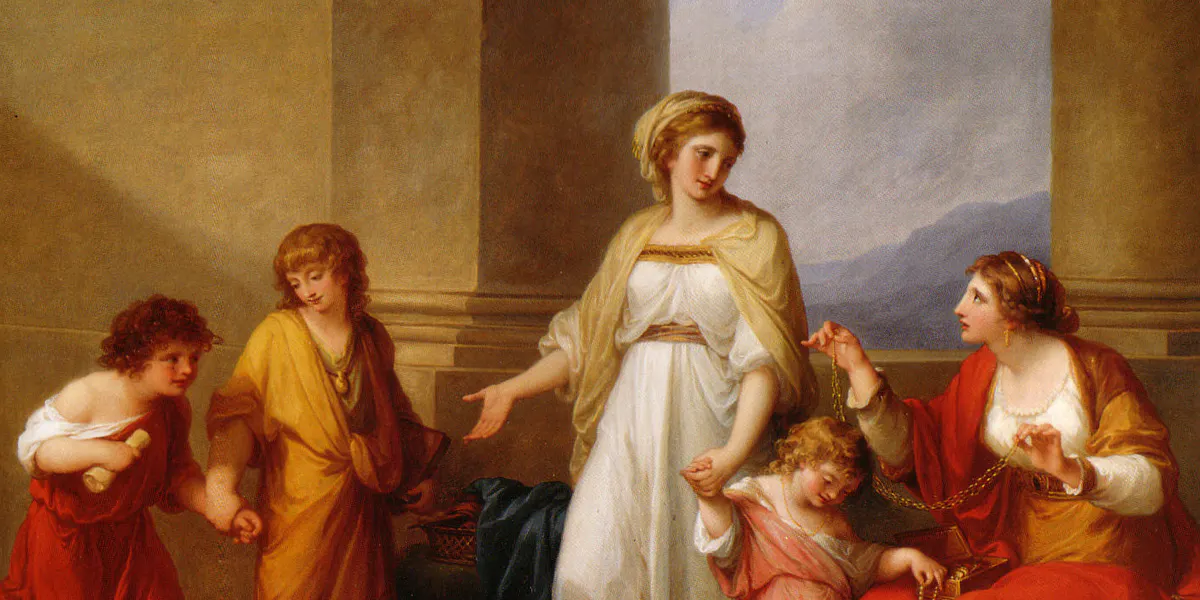
Standing as the almost lone female figure in the Neoclassical movement, Angelica Kauffmann, nicknamed the ‘Raphael among women’, can be considered an 18th-century legend. Known and honoured during her lifetime both in Italy and in Georgian England, she helped found the Royal Academy of Arts in London in 1768. Painting the aristocracy of the European courts and other pontifical states, the precocious and gifted artist excelled in both portraiture and historical painting, a genre made up almost exclusively of male artists.
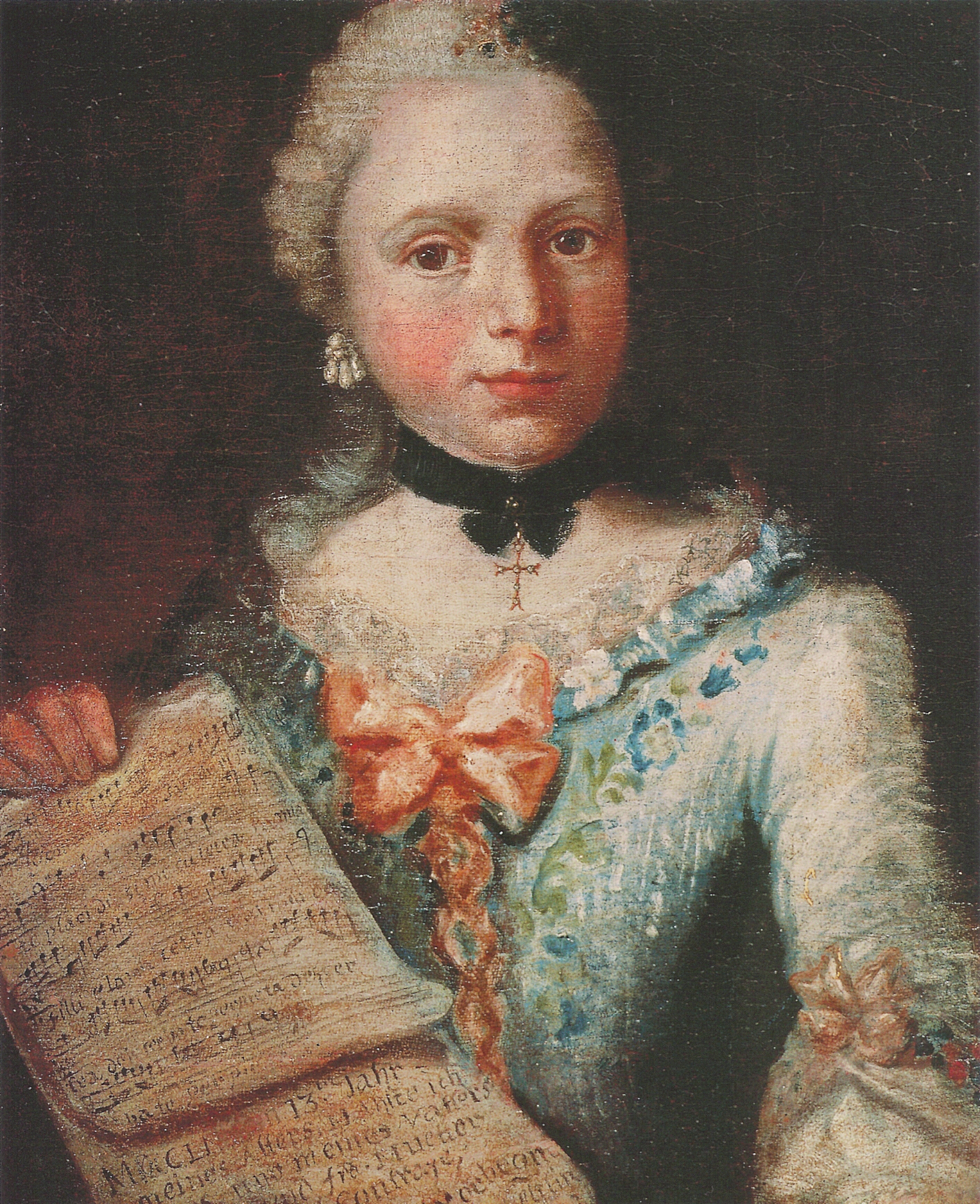
She could have been a singer – her soprano voice and fluency in German, Italian, English, and French made her a sensation by the time she was twelve years old. These talents were sparkling additions to her physical beauty, and created a well-rounded and charming young woman. In addition, she painted with great grace. One of her first self-portraits, dated 1753, depicts her standing with a sheet of music in hand.
See also: The 14 Most Expensive Female Artists
Although her many talents meant she had a choice of occupations, she opted for painting (perhaps because it was considered more appropriate in her mid-century, pre-revolutionary context), although she would reference her deep connection to music even in her later works.
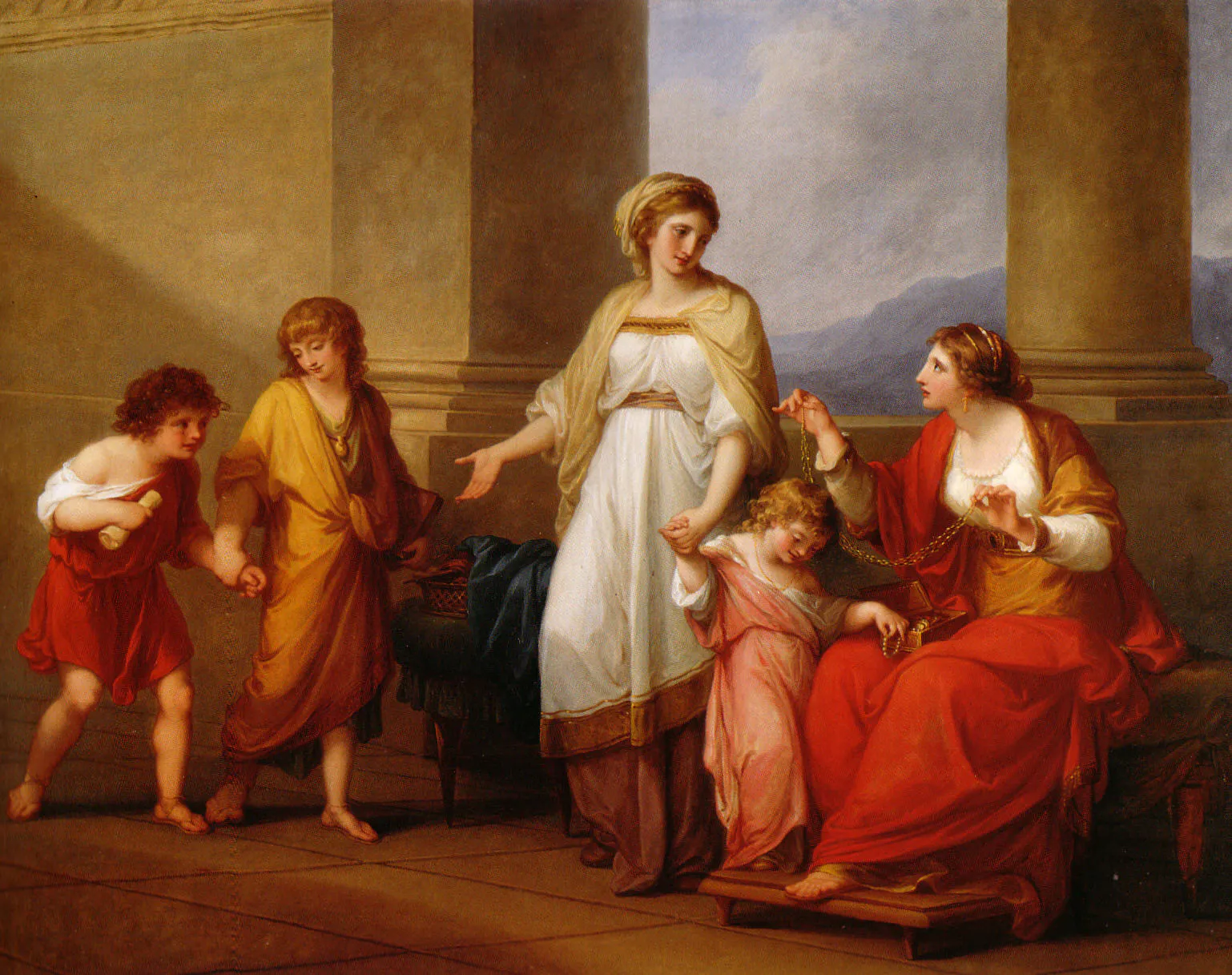
Angelica Kauffmann was born on 30 October 1741 in the same city where her mother, Cleophea Lutz, had also been born: Chur, in modern Switzerland. Her father, Johann Joseph Kauffmann, was born in Schwarzenberg, Austria, and made a living painting frescoes in churches and palaces. This work meant the family had an almost nomadic lifestyle, as he travelled to paint buildings anywhere from Northern Italy to Lake Constance, in Germany. They settled for a few years in Italy between Como and Milan, where Angelica began to develop her artistic talents. Even as a child, she garnered the admiration of the aristocratic and ecclesiastical sponsors of her father’s frescoes.
During this time she was able to study and copy local masterpieces, and she even, on one occasion, painted a portrait of the Bishop of Como that aroused the enthusiasm of the prelate. When she was sixteen her mother died, and father and daughter returned to the Bregenz Forest in Johann’s native region of Austria. While restoring a church that had been damaged by fire, he entrusted Kauffmann with some of the painting. Her representation of the Twelve Apostles, done in the manner of Piazzetta, marks her only known work as a fresco artist.
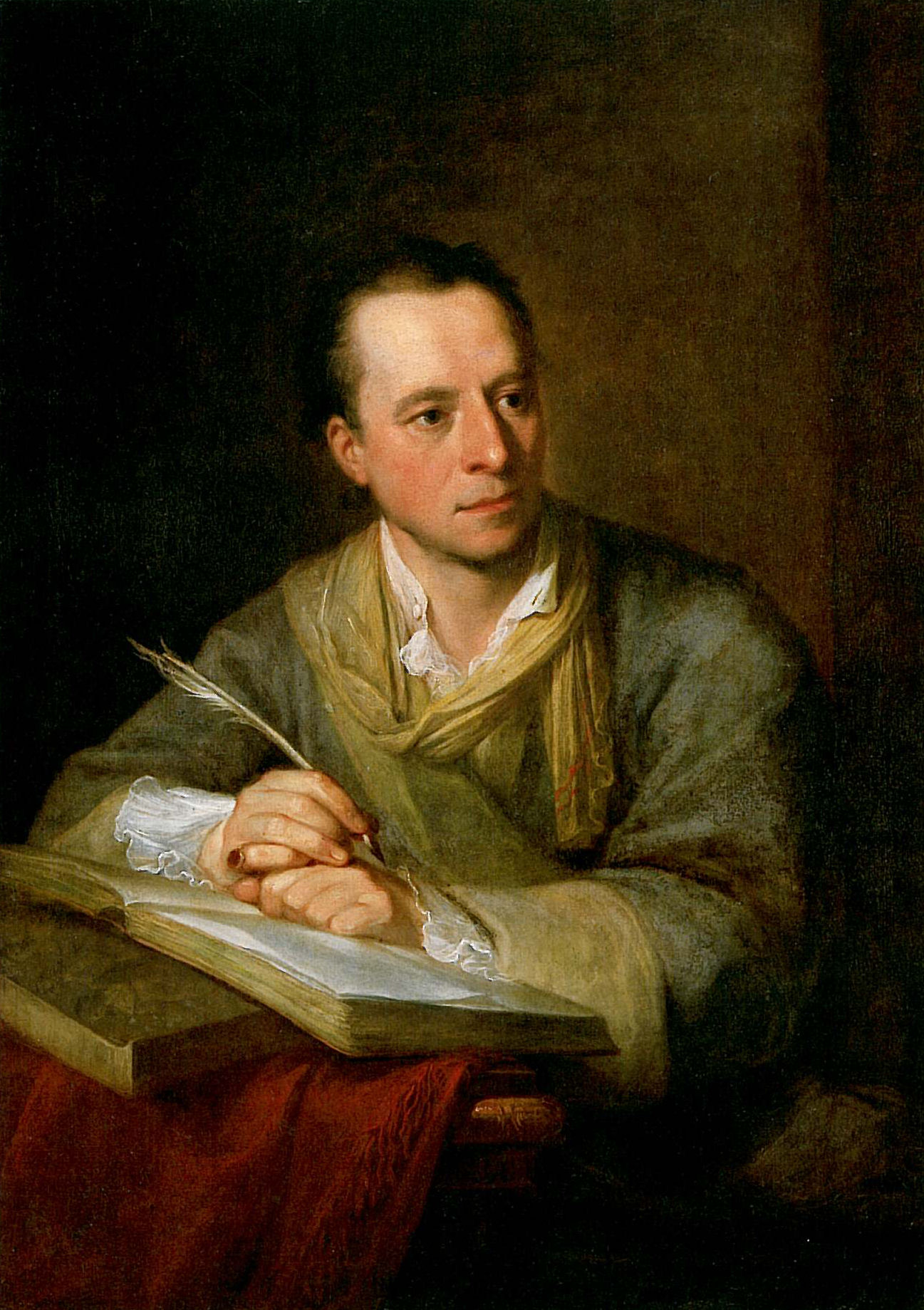
Depending on the orders placed on her father or the invitations addressed to her as a child prodigy, Angelica travelled extensively between Austria and Italy. She produced numerous portraits of elites, including the Prince-Bishop of Constance, Cardinal von Rodt, the Count of Montfort, and the King of Naples, and began incorporating the styles and iconography of Antiquity and the Renaissance into her work as these concepts were introduced to her. She was nominated as an honorary member of the artistic academies wherever she went, including the Accademia di San Luca in Rome in 1765 at the age of 23. Here, in the ‘Eternal City,’ she met and painted the German art historian Johann Joachim Winckelmann, linking herself to the English expatriate community residing in Italy.
See also: The Female Look: 11 Women who Changed Photography
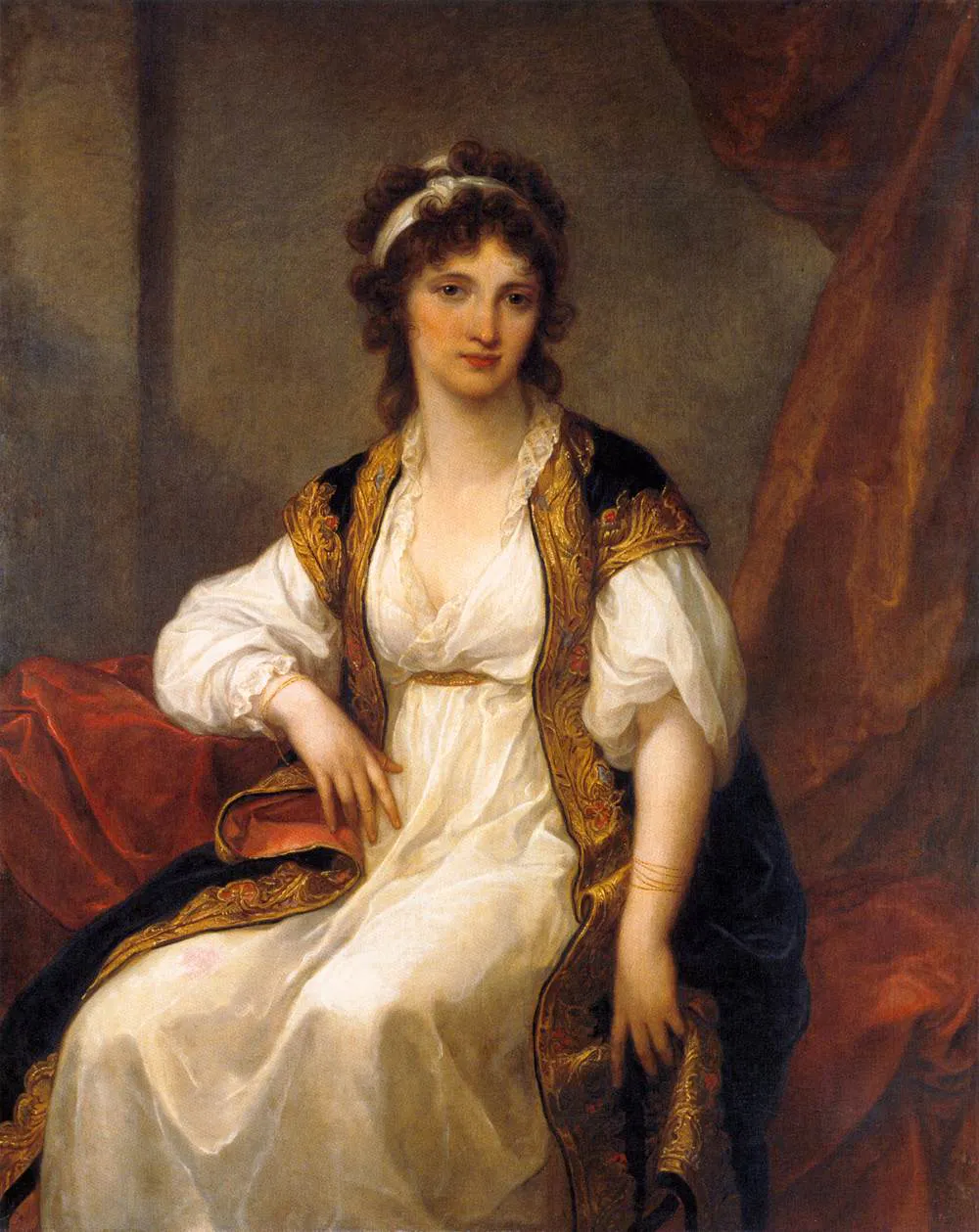
She also painted the British actor and playwright David Garrick during his stay on the peninsula, and when the piece was hung at the exhibition of the Society of Artists in London in the mid-1760s, it made a strong favorable impression on the surrounding art scene. By the time Angelica Kauffmann herself arrived with her father on 22 June 1766 at the invitation of the British ambassador’s wife, Lady Wentworth, she was already a recognised name in Britain.
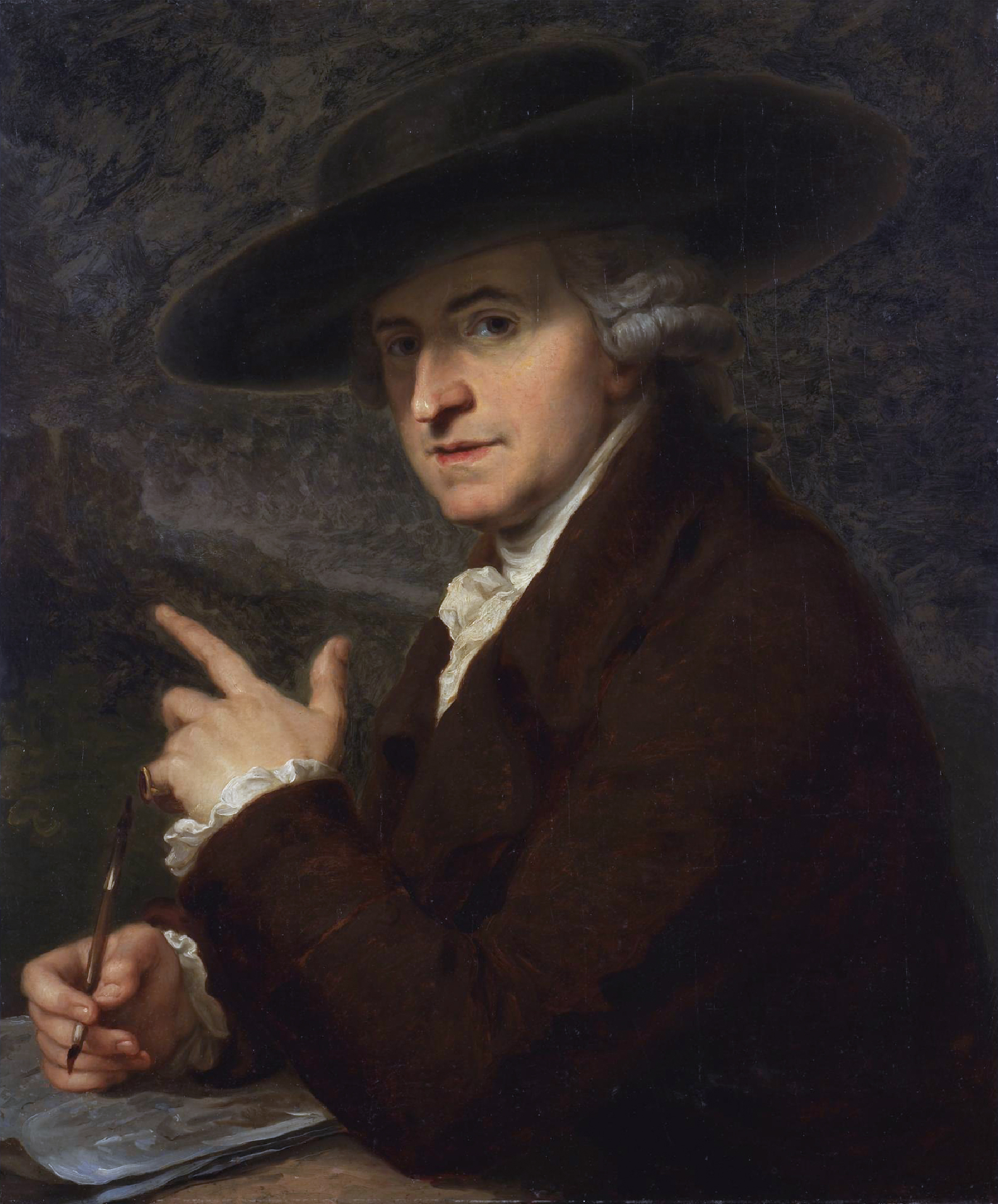
While in London, Kauffmann became a friend of the painter Joshua Reynolds, and their interactions were artistically successful. Although she still produced many portraits, she devoted herself mainly to historical painting, a popular and important academic style of the time that incorporated classical mythology and allegories. In 1768, Kauffmann and Mary Moser became the only two women to aid in the creation of the Royal Academy of Art, which led to an exhibition in which Kauffmann exhibited four of her paintings. Her success with English high society was considerable, to the point that she received numerous commissions for the interior decoration of private and public buildings. She was even invited to help paint the interior of St. Paul’s Cathedral in 1773, an idea that unfortunately was never realised.
In 1781 she married her second husband, the Venetian painter Antonio Zucchi, who was similarly successful in Great Britain. Before doing that, however, she had to get the Angelican Church to invalidate her first marriage to an alleged Swedish count, who had fled with her fortune after having seduced her.
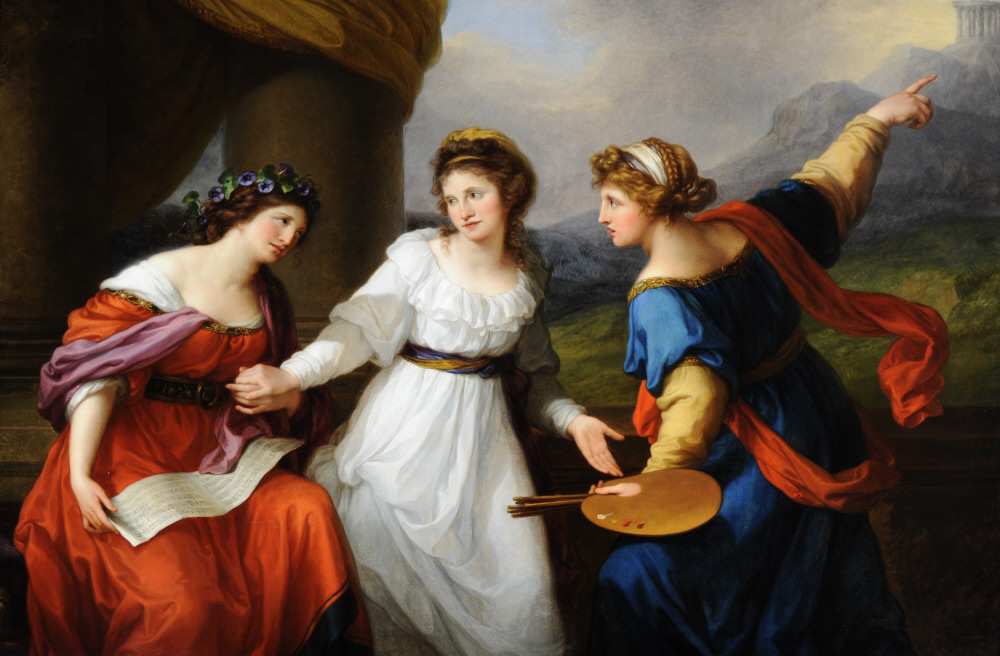
Back in Rome in the early 1780s, the couple acquired a studio near the Trinité-des-Monts church at 72 Via Sistina, where the German Neoclassical painter Anton Raphael Mengs had resided until 1779. This house became the meeting place for certain groups established in the Italian capital, consisting of other artists, the cicerone Johann Friedrich Reiffenstein, patrons, including Emperor Joseph II, and intellectuals such as Johann Wolfgang von Goethe and Johann Gottfired Herder. It was in this house that Kauffmann painted her most technically accomplished self-portrait in 1791, entitled Self-portrait Hesitating between the Arts of Music and Painting, perhaps as an echo of her earlier work. On 5 December 1807, she passed away in Rome, after having enchanted all the courts of Europe with her paintings.
See also: The Non-figurative Pioneer Hilma af Klint
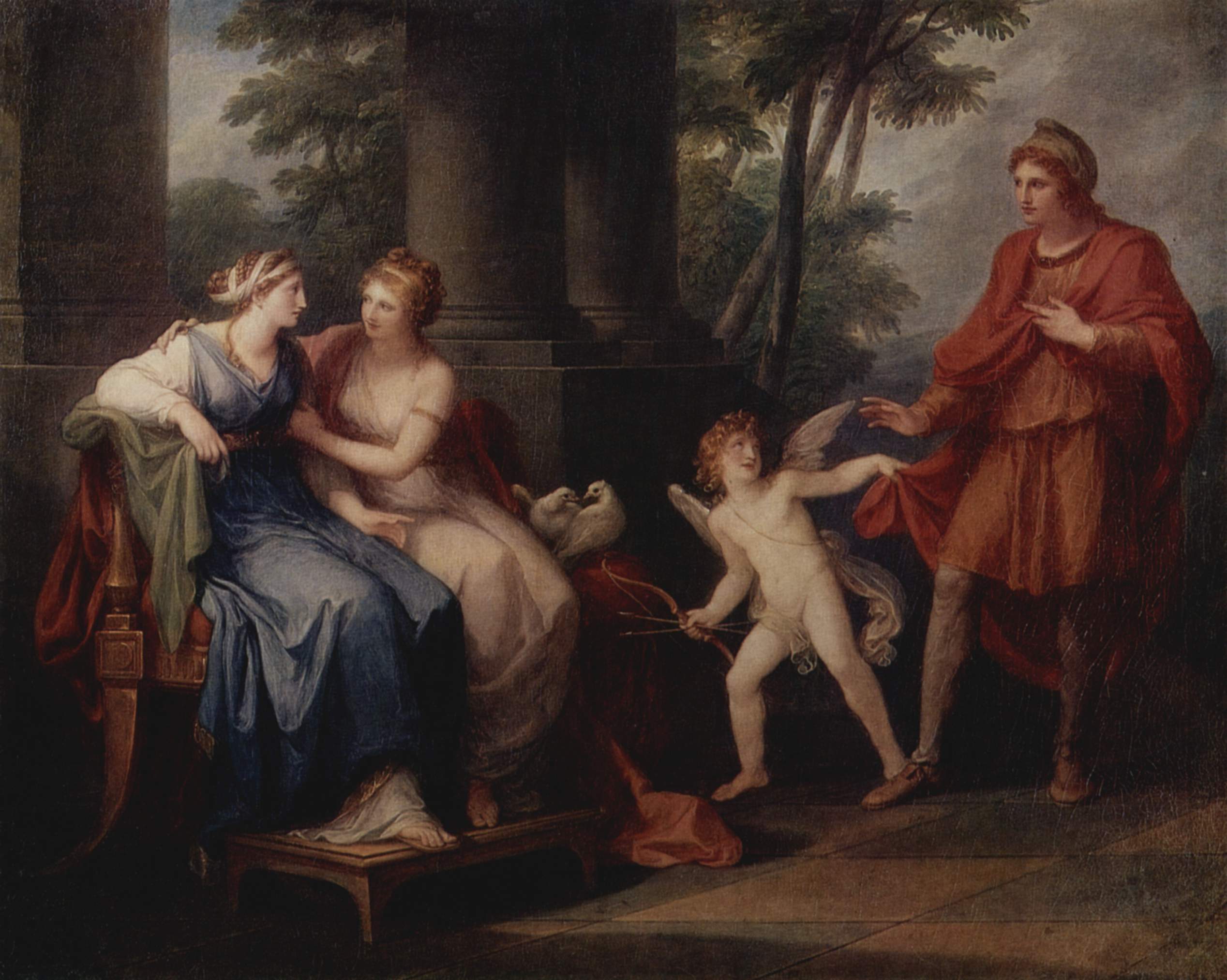
The whereabouts of one of Kauffmann’s paintings still remains a mystery, however. The monumental painting Religion Attended by the Virtues is arguably the artist’s greatest work, and it hasn’t been seen in over 75 years. The piece, measuring two metres by three metres, was painted at the very beginning of the 19th century and came into the collection of the National Gallery of British Art (later to become the Tate Gallery). The work was sent out to be displayed in Plymouth, England, by 1913, and it was still hanging during the firebombing of March 1941. During the subsequent confusion the records were lost forgotten destroyed, and there hasn’t been a trace of the work since. Now its rediscovery would be akin to a miracle, but Martin Myrone, chief curator of Tate Britain, still wants to believe in it.