It is essential that the sculpture reaches the heart of the observer...
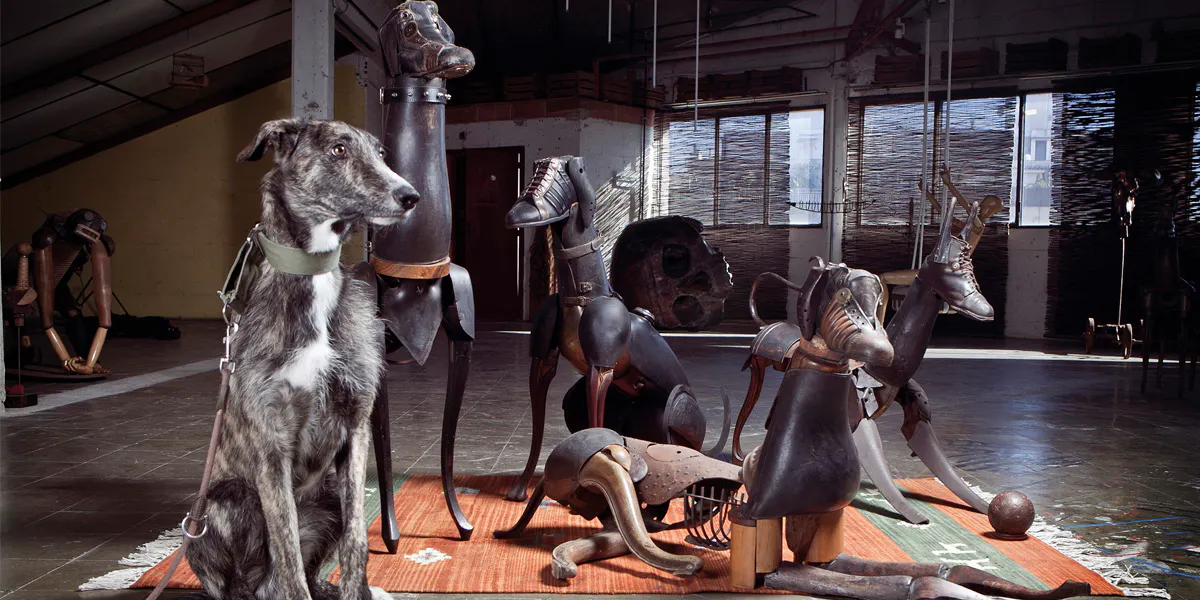
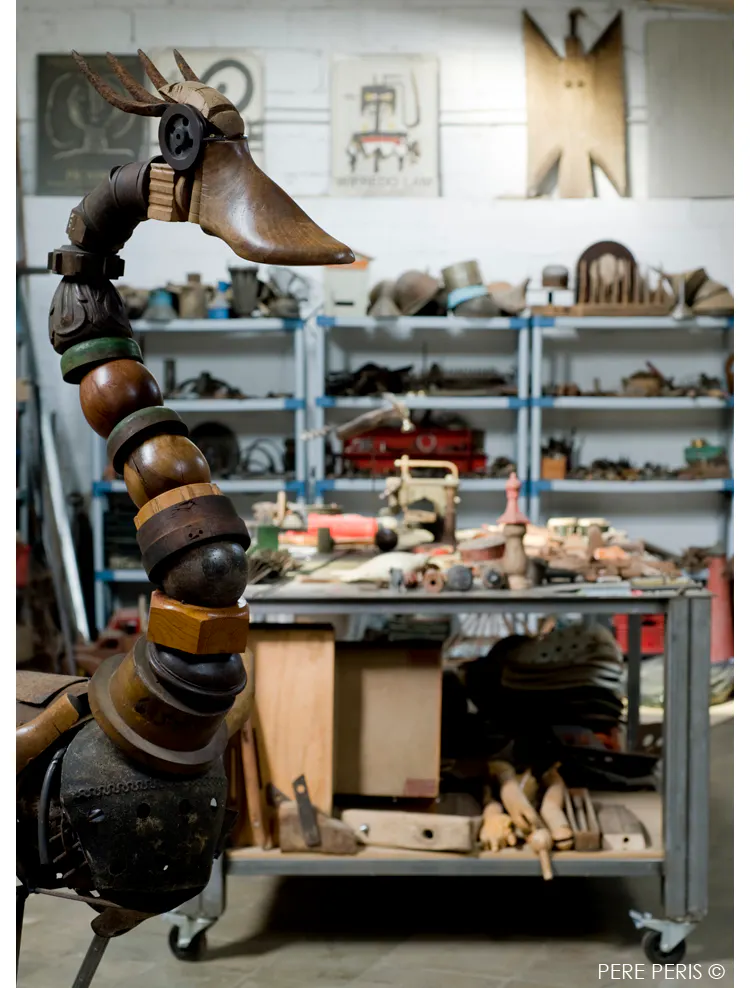
The name Miquel Aparici immediately brings to mind creative and unique animal sculptures. Whether farmyard, domestic, jungle or from the insect world, each of Aparici’s animals are three-dimension and assembled from a variety of old objects that, in the past, had a previous use and life. Aparici recovers the objects and inverts them in usual ways, resulting in an ingenious collection of quirky animals. Each piece requires the audience to be engaged and complicit in their viewing, tapping into his or her imagination to discover and uncode what’s going on.
Yet Aparici’s pieces are simple: they each comprise only a few elements, resulting in clean lines and elegant compositions that are fun and creative in their expressive power.
How does Spanish artist bring his animal to life? Read on for our interview with Aparici, represented by Villa del Arte Galleries, to find out.
Barnebys: Where does your interest in animals come from?
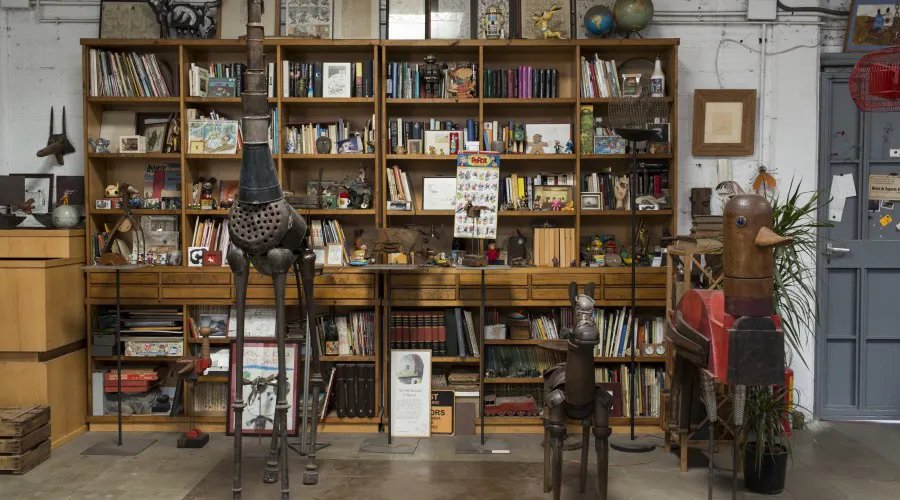
Miquel Aparici: As a child, when I was on holiday at my parents' house in the countryside, I spent many hours absorbed in observing insects and all kinds of animals. I would chase the lizards, watch the spiders weaving their webs, observe the worms and snails, the swallows' nests... Sometimes I would go to an old Roman kiln in the hope of finding some buried treasure, such as coins or pieces of pottery from some vessel or some ancient amulet. I was passionate about archaeology, ancient objects, history and biology; hobbies that, in some way, are now reflected in my artistic work.
We can see a clear link to Pablo Picasso in your work. Which other artists or movements have influenced you?
I've been influenced by many artists, Picasso of course, ever since I saw his bull's head in a museum as a teenager and discovered that art wasn't just drawings, paintings and marble. Other artists are Henri de Toulouse-Lautrec, Eduardo Chillida, Antonio Saura, Torres Garcia, Giuseppe Penone, Raoul Dufy and Saul Steinberg.
What does your work process look like? Do you first sketch your ideas, or do you decide on a particular object that inspires you and the rest flows from there?
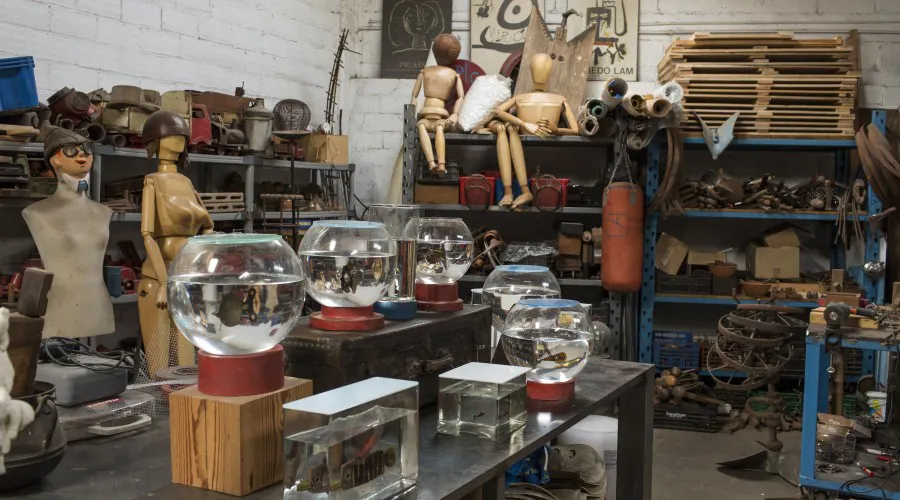
I never make sketches. When the sculptures are small, I play with the pieces until I build the piece. Sometimes I know what I want to do and other times it is the pieces themselves that guide me towards the final result. If I have to make an animal of large proportions, I build a metal structure with the master blacksmith Diego Saldaña that serves as a base for shaping and fitting the pieces with which I make the sculpture.
You have some spectacular pieces – large, very detailed – how long would you generally work on those?
With large works, apart from the time I dedicate to actually creating the sculpture, there is also time dedicated to searching for the pieces that go into the final work. Sometimes, I have to stop the process until I find the objects I need to finish the sculpture, and sometimes days or months go by until I complete the search.
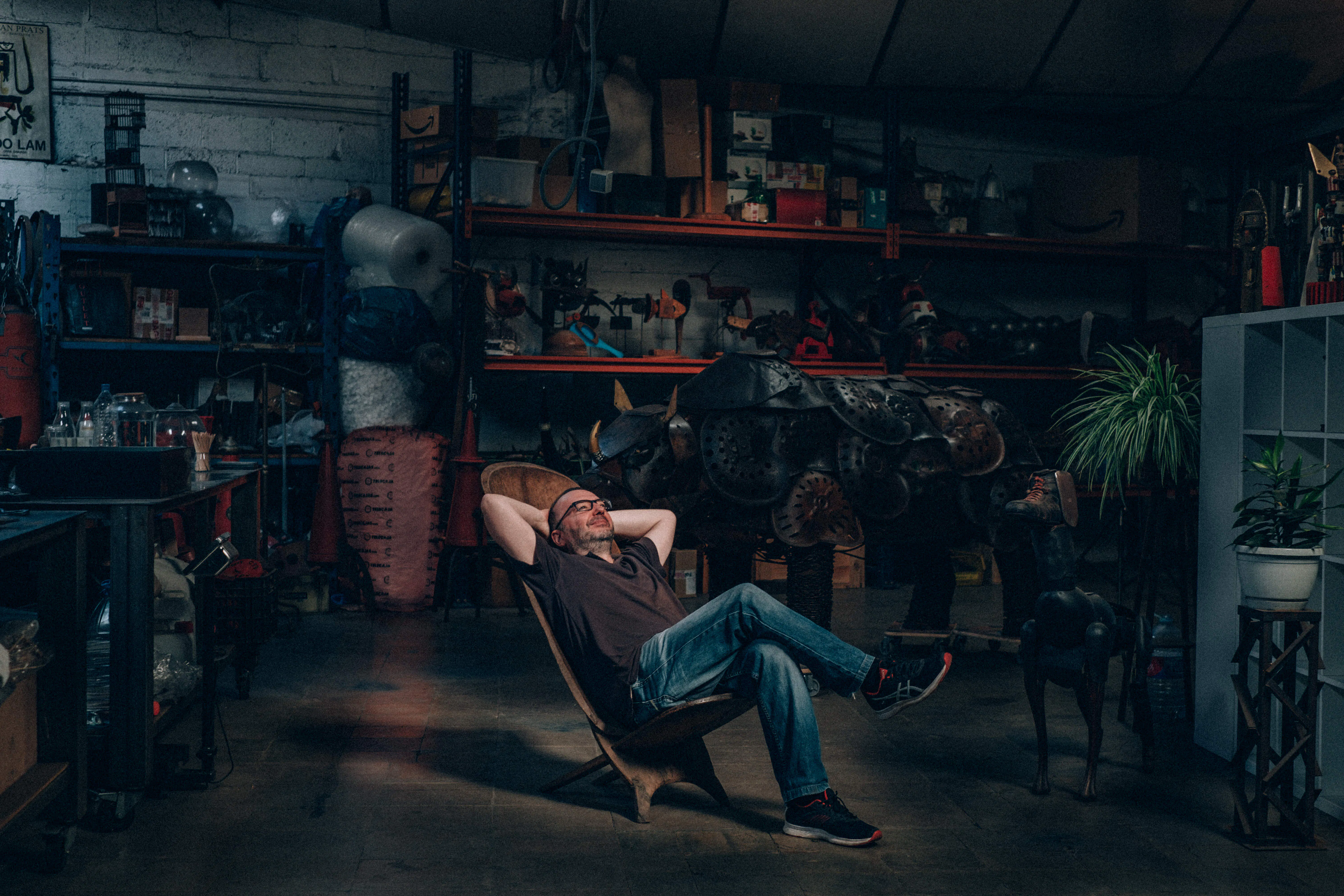
Do you have a favourite piece?
Well, that's almost like asking yourself which child you prefer... When it comes to creation, I really enjoy making dogs, as it is an animal that I love and with which I find very easy to connect with and establish a mutual relationship. Elephants also fascinate me and birds allow me to develop my creativity, because they have many details and there is a great diversity among them.
Which piece was the most challenging to pull off, and why?
Large pieces in general are complicated, mainly because they require a greater number of objects that I have to fit together, and make work together. Although, sometimes, getting a small piece to work with few elements, but a lot of strength, is also complicated.
When you create and assemble your sculptures, who do you have in mind? The eventual viewers, critics, yourself?
When I am working, I only think of the enjoyment, concentrating and finding that creative space where time stands still and there is only you and the sculpture. When I leave my studio I can then think about the spectator, the gallery and the commercial part of the art world.
What would you say with regards to the humour and playfulness in your work?
I think it comes naturally, because it is in fact the attitude with which I approach creation. I like to enjoy working and I think that is somehow reflected in my work. For me, it is essential that the sculpture reaches the heart of the observer, and surprises him or her, and awakens a smile or an emotion within.