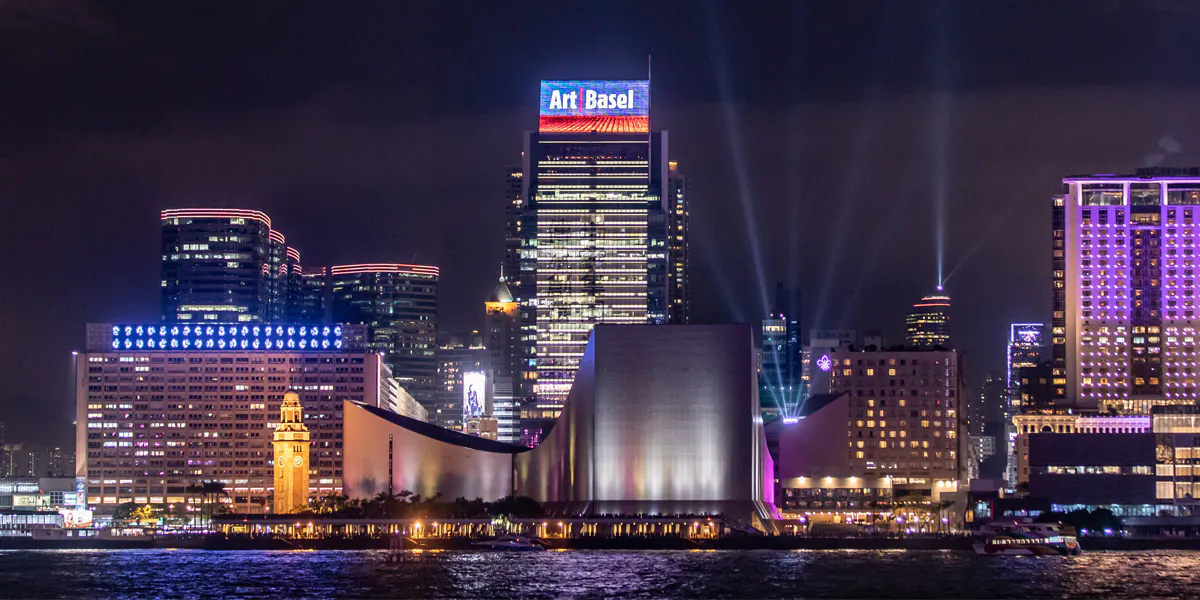
Having claimed the lives of over 630 people, Coronavirus has become a global health emergency and the art world has responded by cancelling Art Basel Hong Kong, set for 17-21 March, following weeks of pressure.
"We are acutely aware of the important role that the fair plays within the region's cultural scene and for our galleries, both in Asia and across the globe," said Marc Spiegler, Global Director of Art Basel, in a statement. "Unfortunately, the sudden outbreak and rapid spread of the novel coronavirus radically changed the situation."
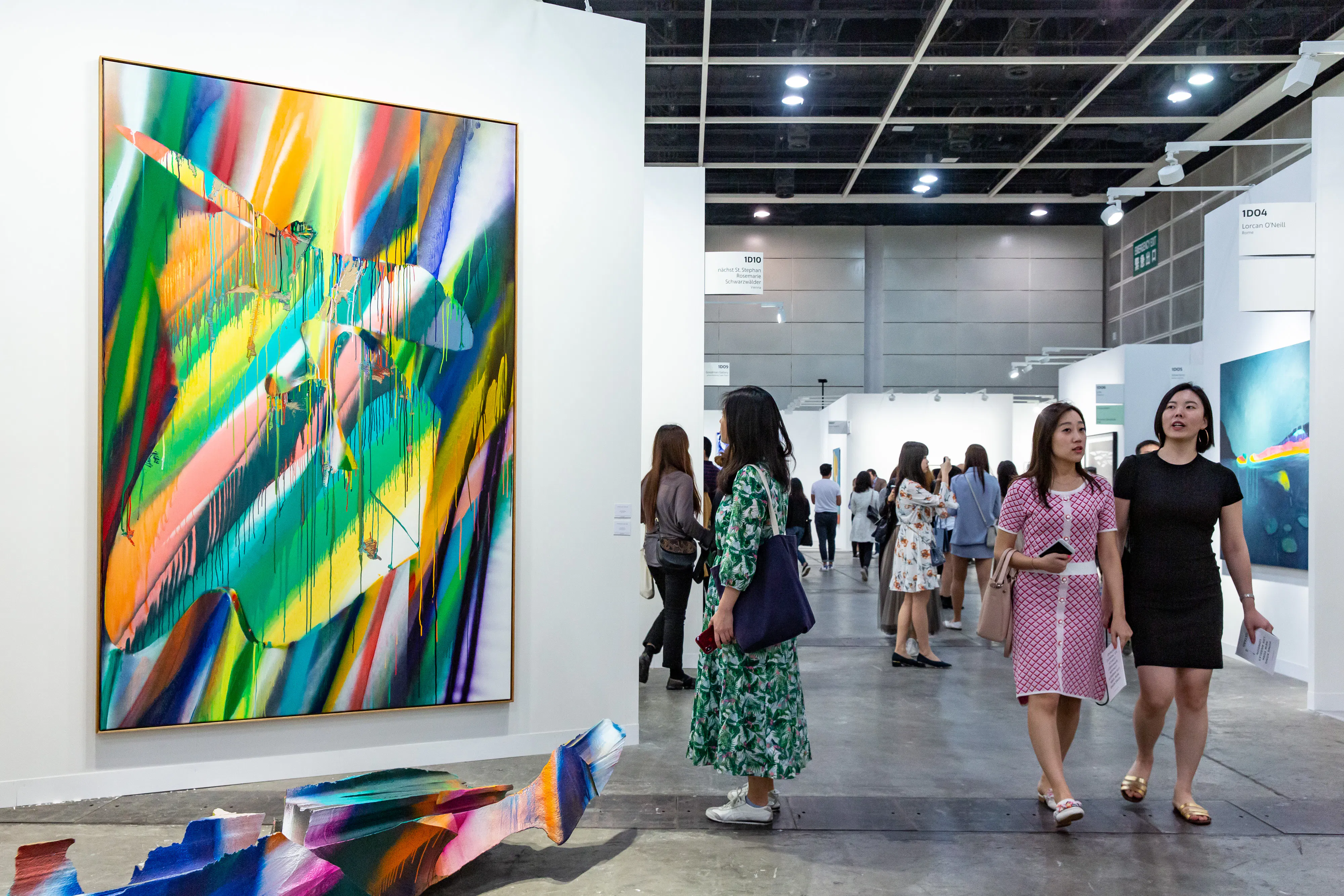
The Asian outpost of Art Basel was first launched in Hong Kong in 2013 and had become the region's leading fair for international modern and contemporary art.
"I've never seen anything like it," said Pontus Silfverstolpe, co-founder of Barnebys. "Terrorism and war have previously been reasons for not carrying out trade shows, but it has never happened because of a virus."
Coronavirus, which was first detected in Wuhan, China, in December 2019, has over 30,000 confirmed cases worldwide with over 630 deaths, almost all in China. The World Health Organization (WHO) has declared it a Public Health Emergency of International Concern.
See also: Banksy and Kaws Take Over New York
"I think neither exhibitors nor visitors are interested in going to one of the world's greatest risk zones for coronavirus," continued Silfverstolpe.
Despite the cancellation of the 2020 fair, plans for the 2021 fair are in place. The next Art Basel Hong Kong is set for 25-27 March 2021.
"We are deeply grateful to our exhibitors, partners, and friends all over the world, and especially in Hong Kong, who have stood by our side, lent their support, and shared insights and opinions over the past days and months," said Adeline Ooi, Director Asia of Art Basel. "Our commitment to Asia and Hong Kong has not changed, and we look forward to the 2021 edition."
See also: Portrait Thought to be a French King is Actually British
And while Coronavirus has become a serious health emergency, it has also led to some conversation about the future of art fairs.
"Oddly enough, what is happening now raises an entirely different issue, and perhaps speeds up development," Silfverstolpe commented. "Will digital art be able to replace the need for the physical art fairs that have become huge circuses around the world over the last five to ten years?"