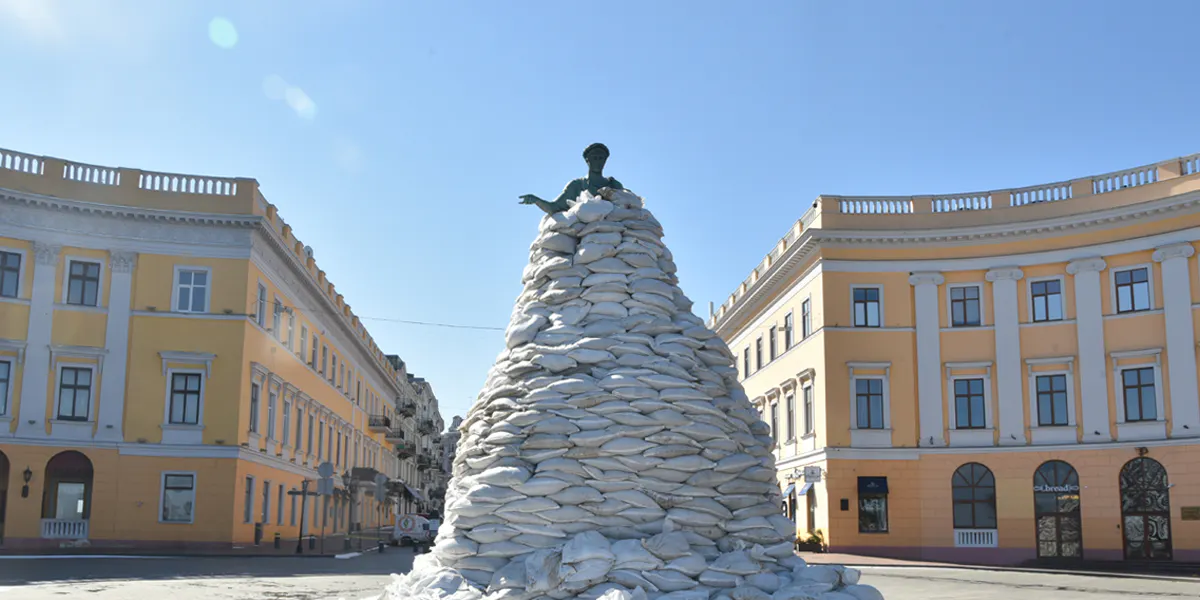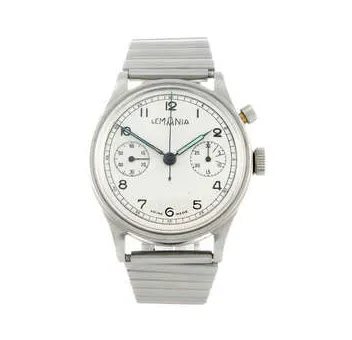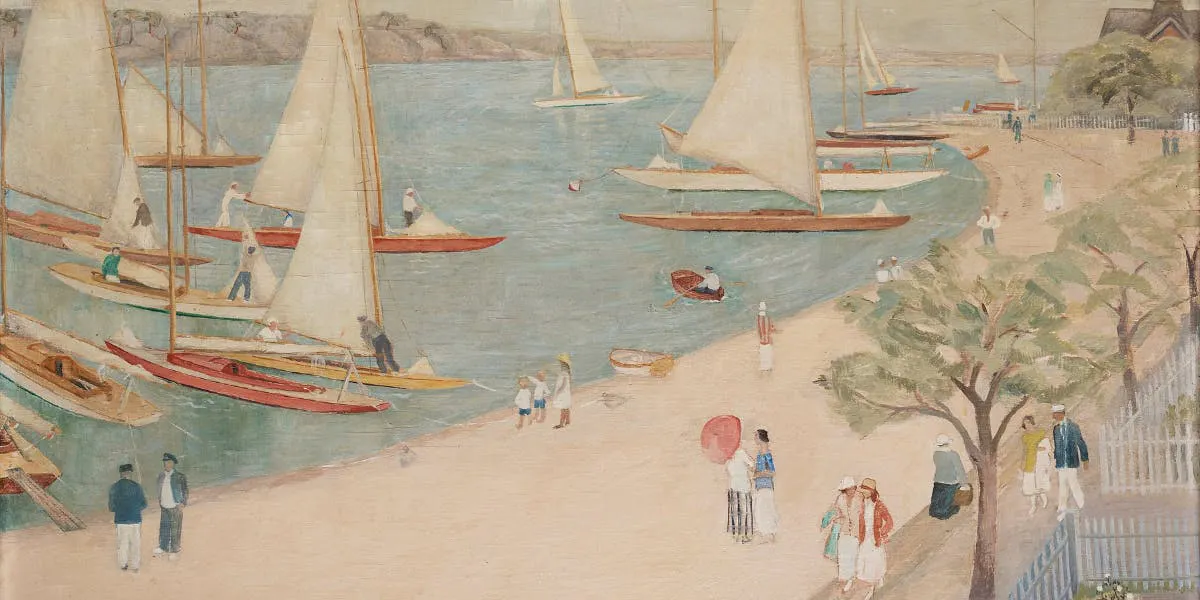
Works by Anna Petrus, Emile Gallé, Märta Måås-Fjetterström, Serge Poliakoff, Olle Baertling and many more will be auctioned on 17 and 18 May when Bukowskis holds its Modern Art + Design auction. Here are some highlights that you can't miss!
Alva Myrdal (1902-1986), politician and diplomat, and Gunnar Myrdal (1898-1987), professor and politician, are considered two of the most influential people in twentieth-century Sweden. Together they worked to reform society and build Swedish welfare.
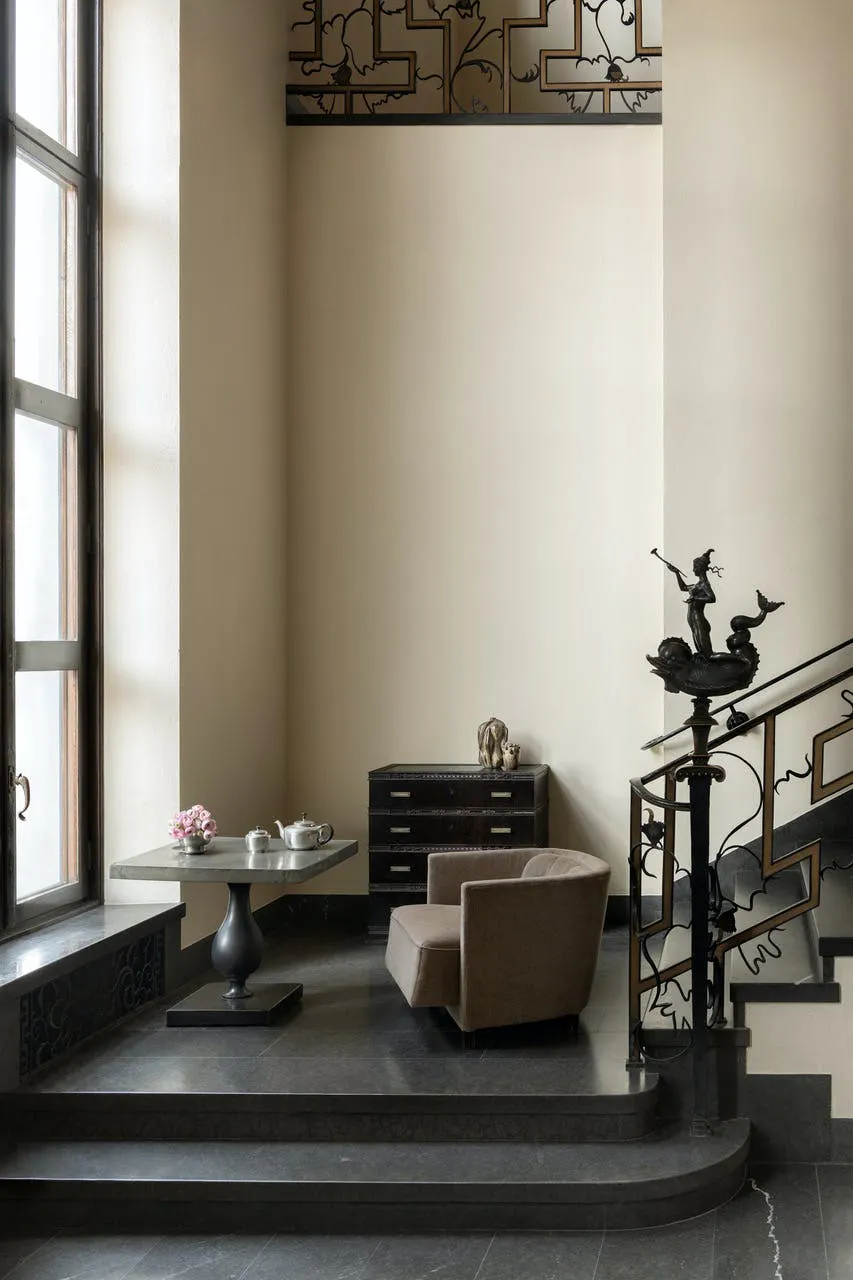
Alva and Gunnar also managed to create an impressive design collection. In their home, a functional villa in Bromma designed by Sven Markelius, there were unique design objects and furniture by Axel Einar Hjorth, Uno Åhrén and Björn Trägårdh. Some of the objects came into the couple's possession during the travels and assignments abroad they had during their positions. At Bukowskis, about twenty objects from their collection are now presented.
In November 2021, Josef Frank's cabinet Plan de Paris à vol d'oiseau sold for a record sum of SEK 3,246,000 (£265,500) at Bukowskis. It's the most expensive Josef Frank item ever sold at auction. Now another version of the cabinet by Frank is headed to auction.
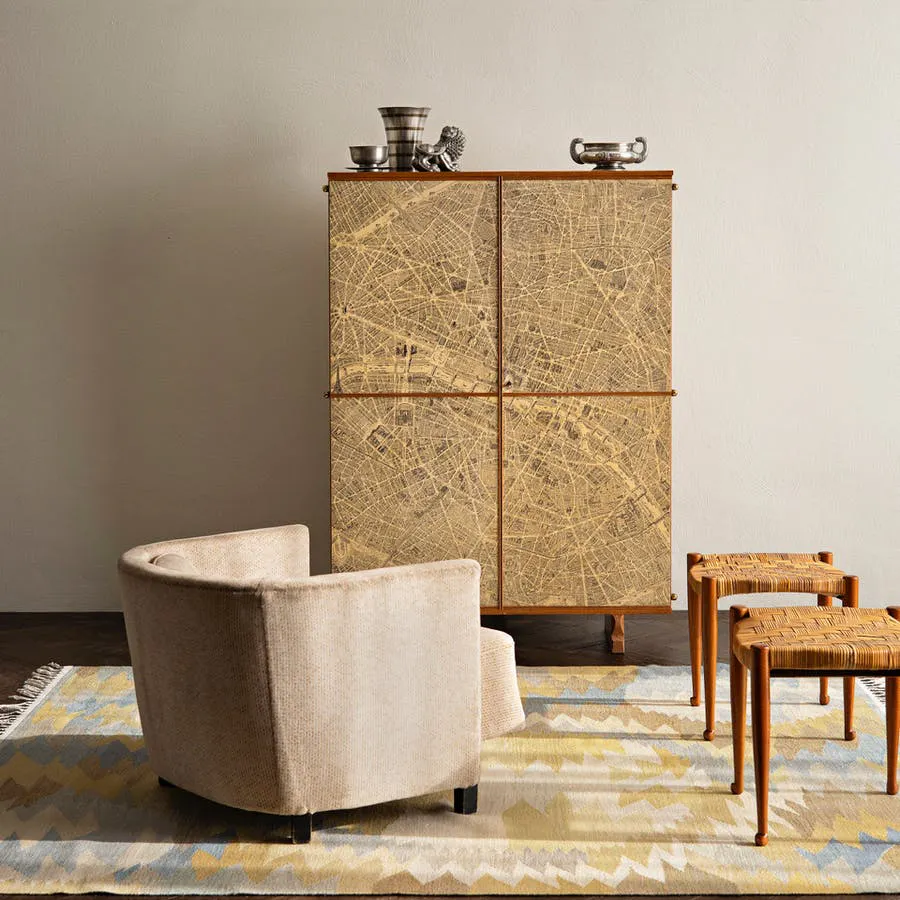
Before Josef Frank fled to Sweden in 1933, he worked at Haus & Garten in Vienna. There he started wallpapering cabinets with different textiles. In 1937, a few years after he started working at Svenskt Tenn in Stockholm, he created the first cabinet that was wallpapered with floral posters. But he also came to create other variants wallpapered with leather and maps, like the cabinet available at auction. It is wallpapered with the French cartographer Georges Peltier's map of Paris. Peltier drew the detailed map of Paris as the city looked in 1920. It took him twenty years and 30,000 working hours to complete the map. Nine different editions were published between 1920 and 1985, some of which ended up on Josef Frank's cabinets.
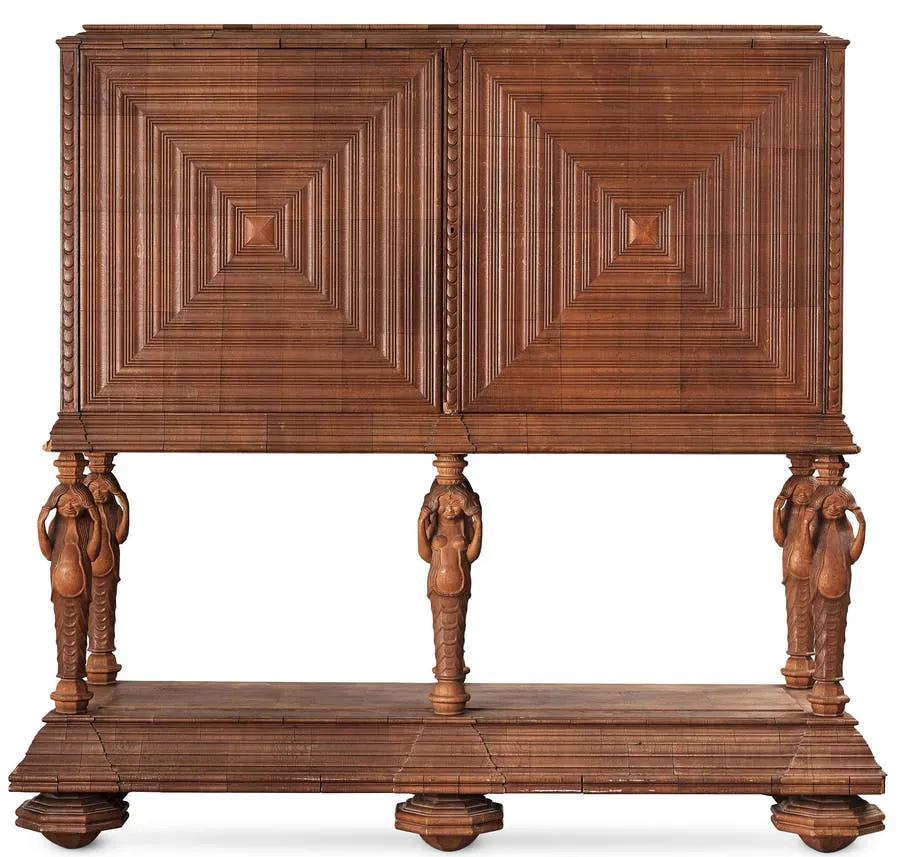
After his studies at Chalmers University of Technology in 1903, Ernst Spolén began working under the architect Ragnar Östberg for the interior and furniture design of Stockholm City Hall from 1911-23. During the planning of City Hall, Östberg had plans to showcase Stockholm's evolution through the furniture. He also drew inspiration from historical styles and other cultures. Ernst Spolén was therefore sent on an inspiration trip to Copenhagen. The features of the Renaissance and ancient references can be found in the cabinet offered. The cabinet also has a modern character with reliefs and marquetry motifs.
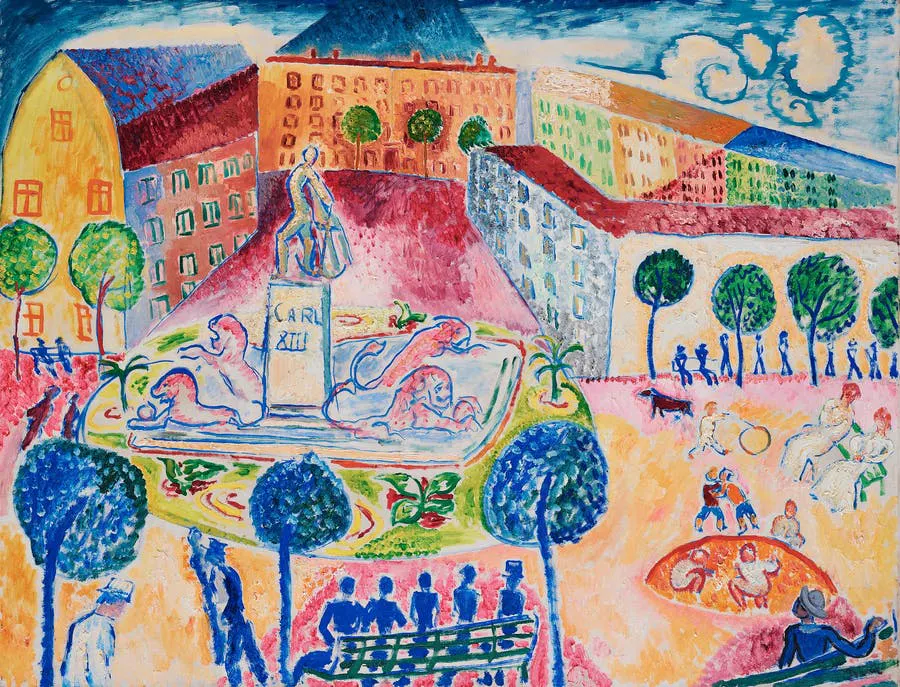
At the age of 19, Isaac Grünewald moved from Stockholm to Paris to study at the Académie Matisse. The young artist described the first encounter with Henri Matisse's painting as a colour explosion: “Suddenly I was standing in front of a wall that was singing, no, roaring with color and radiant light. Here I was facing something completely new and ruthless in its unrestrained freedom." Inspired by Matisse, Grünewald left the Nordic colour scheme and switched to an expressive colour scale. One of his many expressionist works is the auction's painting Kungsträdgården, i solgasset painted in 1915. The work has never been for sale at auction, but has been exhibited at Liljevalchs Konsthall in Stockholm, including a retrospective exhibition in 1944, two years before the artist died in a plane crash.
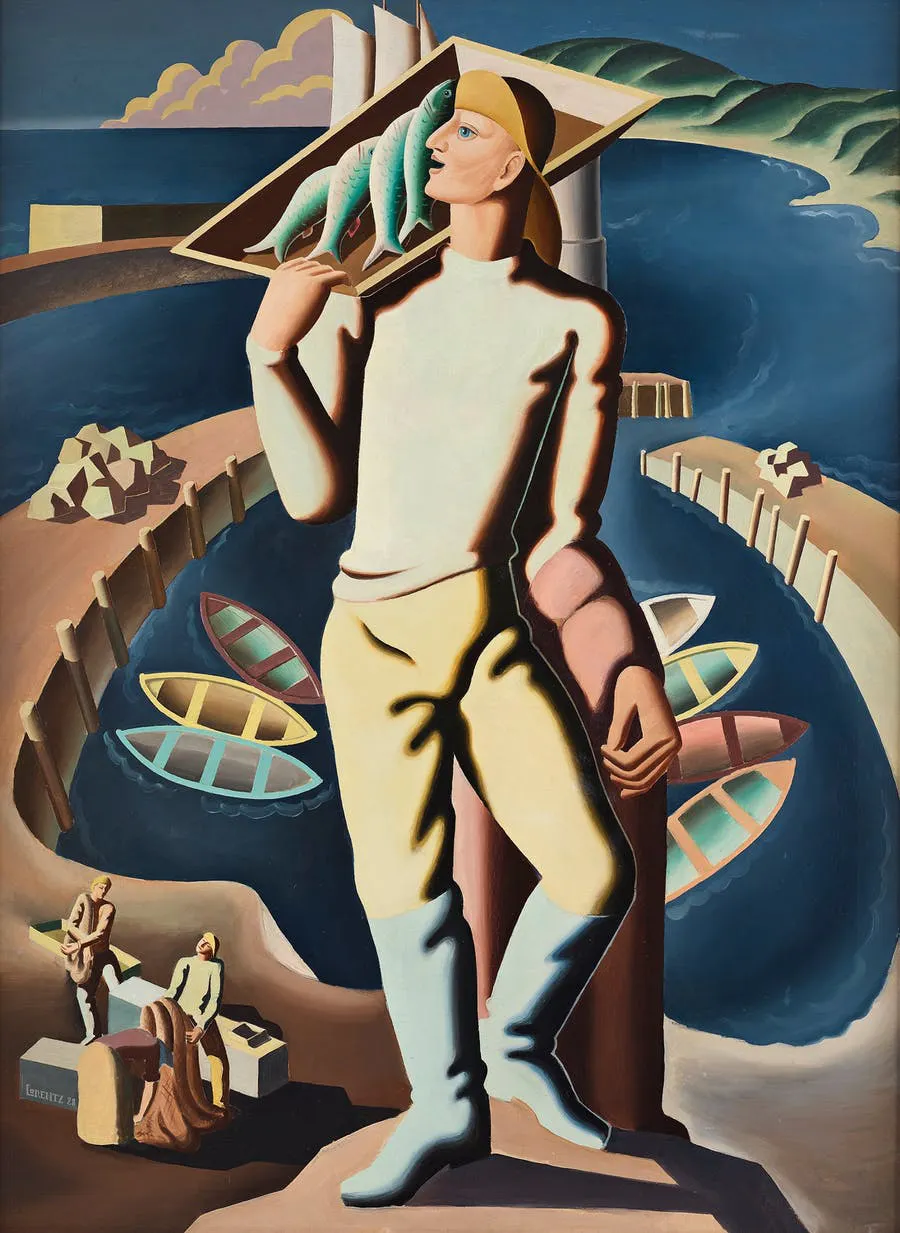
In the early 1920s, Waldemar Lorentzon and Erik Olson traveled to Paris to study at Fernand Léger's art school Académie Moderne. Lorentzon was influenced by Léger's postcubism, where objects and figures were made up of geometric shapes that looked machine-made. A fine example of this is the painting The Fisherman from 1928. In the foreground is the fisherman with a box of fish on his shoulder and in the background we see the harbor in the Scanian town of Mölle.
In 1904, Piet Mondrian accompanied his friend Albert Pieter van den Briel to the province of Brabant in the southern Netherlands. The Dutch artist settled in the town of Uden and painted in various places in the area, including Nistelrode. It may have been there that the auction watercolour Barn Doors in Brabant was painted. Thanks to an exchange of letters from van den Briel, we know that Mondrian created a work in reddish-brown shades with contrasting colours in white and blue. Van den Briel later wrote that Mondrian in Brabant “conducted numerous studies of barns with square door panes, in different compositions and colors. […] It would be […] of great importance, given the coming non-figurative period, if any of these studies from the previous phase could be found."
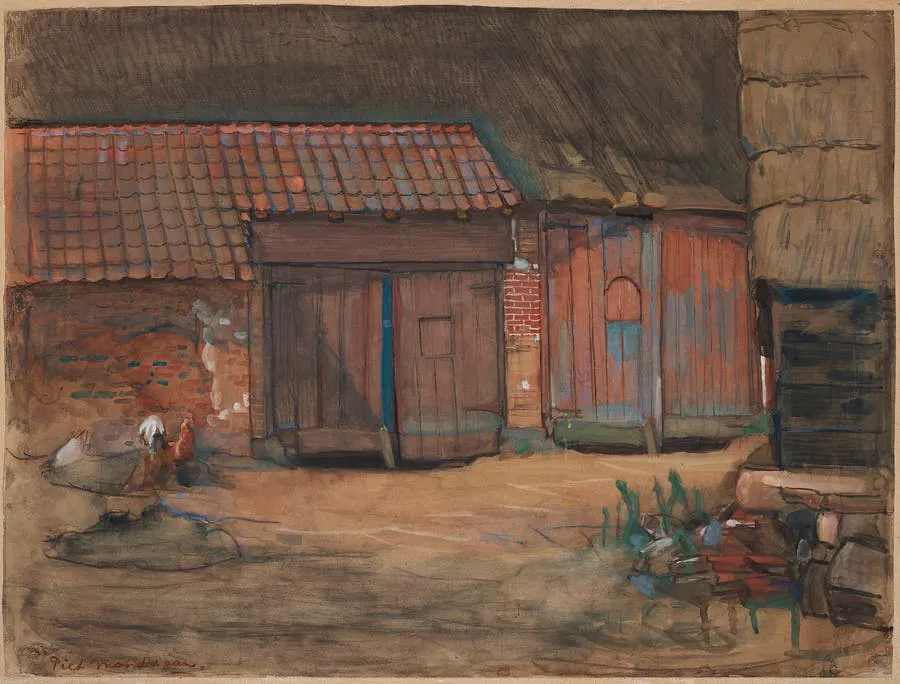
In the autumn of 1911, Mondrian became engaged to Gretha Heijbroek, whose family bought several of his works. Barn doors in Brabant were bought by Gretha's brother Marius Johannes Heijbroek around 1905-11. In 1933, Marius emigrated to Sweden, where his wife came from, and took the watercolour with him. It remained in the family's possession until 1970 when it was donated to a Swedish family, who has kept it since. Barn doors in Brabant came to light when Bukowskis turned to RKD (Netherlands Institute for Art History) with the question of whether it was a work by Piet Mondrian. It is now confirmed that the painting was actually made by the famed Dutch artist.