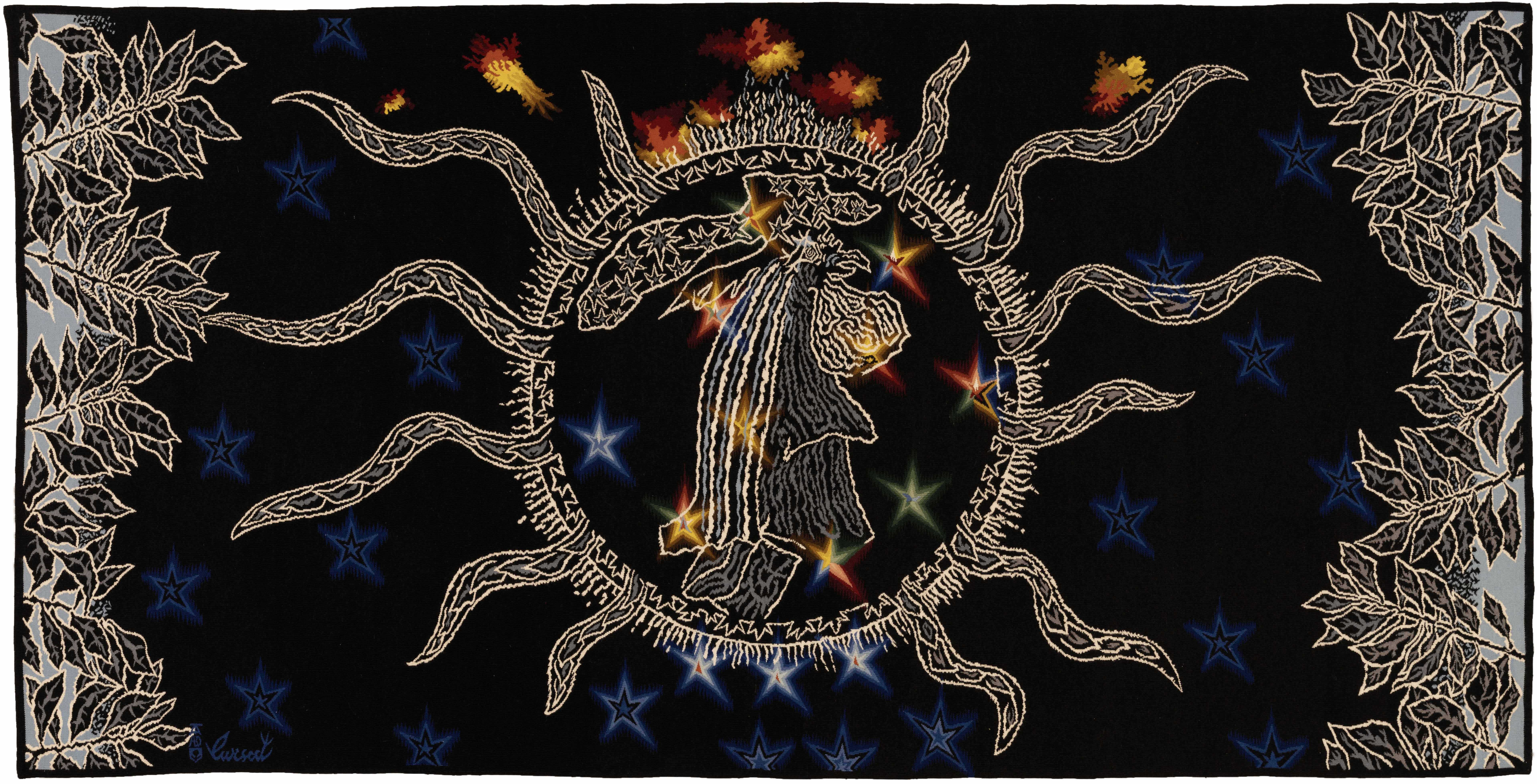
Harold t'Kint de Roodenbeke, president of BRAFA, saw this 68th chapter of the fair as a 'return to the roots' for a multigenerational public, whose new location (the Brussels Expo, in the north of Brussels) did not in any way disturb their experience. Sixty-five thousand visitors, collectors, museum curators, decorators and art lovers came to discover the fair from all over Europe, but also from Japan, Mexico and the United States.
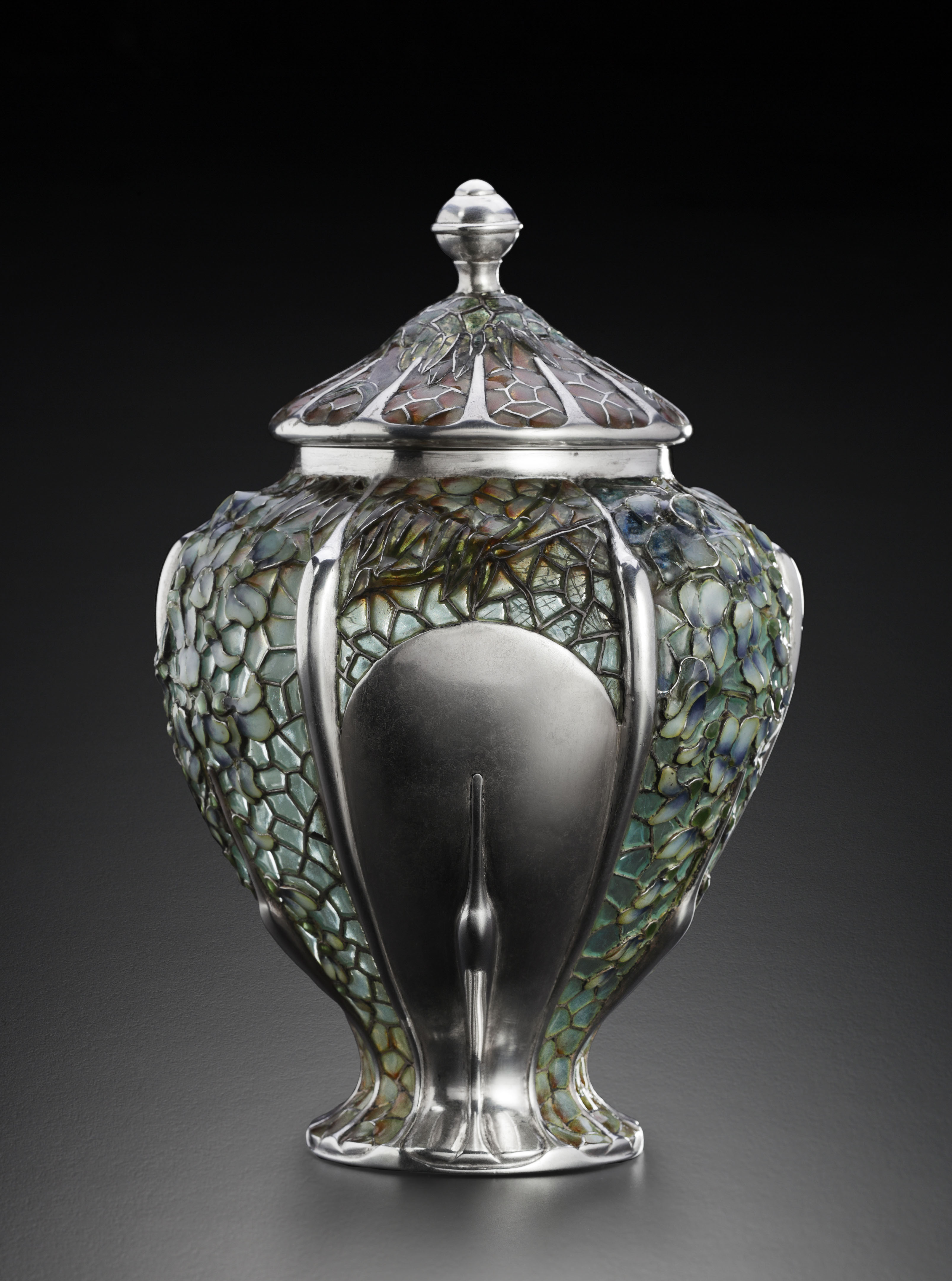
The theme of this year's fair was Art Nouveau, as a tribute to Belgium, where one of the national stars, Victor Horta, designed the Hotel Tassel in Brussels (1892), considered the first Art Nouveau house ever built.
BRAFA: an institution
BRAFA was founded in Brussels in 1956 and is one of the oldest art fairs in the world, attracting a community of dealers and visitors who share a taste for beautiful things from all eras. The fair includes everything from art from Africa, the Americas, Oceania, European art, Ancient art, Modern art, Contemporary art, and much more.
BRAFA is characterised by an eclecticism that could be reminiscent of the positioning of TEFAF, all with a much more surprising layout than the prestigious Maastricht fair, whose aisles are defined by stands. BRAFA, whose name evokes its attachment to the Belgian capital, could also have positioned itself in the same way as its Dutch sister fair, which has also been exported to New York. But the fair is keeping its feet on the ground and prefers to retain its national inspiration and festive atmosphere, offering quality works at accessible prices. "BRAFA remains a fair, not a museum," explained Harold t'Kint de Roodenbeke.
See also: Masterpiece London is Cancelled by Art Basel's Parent Company
Highlights at BRAFA 2023
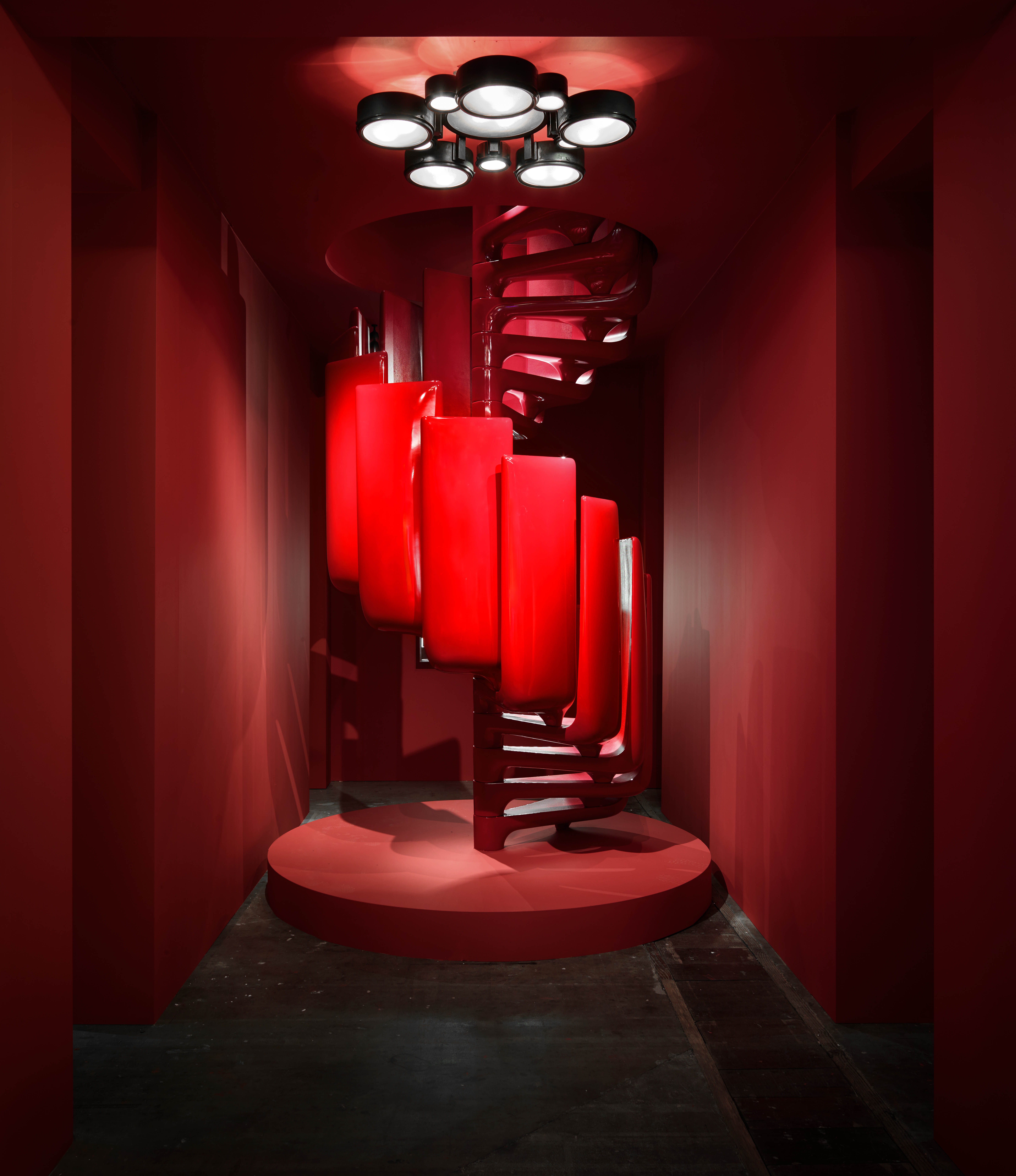
This year, design was very popular. Particularly admired was the 1971 red staircase by Frenchman Georges Ferran, made for Axe, in polyester foam, steel and lacquer, presented by the Dutch gallery Morentz. Other monumental works also made their mark, such as Sam Francis's huge painting Untitled from 1978, measuring almost 4m by 5m, presented by the Guy Pieters Gallery. A junction of six panels from 1981-4, by James Rosenquist, measuring 2m by 7m, was also spotted on the stand of the Galerie Jean-François Cazeau. The masterly relief by Damien De Roubaix at the Nosbaum Reding gallery was another unmissable highlight. Lovers of Modern art will be able to recognise the resonance of this work called Garage Days Re-Revisited (2019) with the painting Guernica by Pablo Picasso in 1937.
Top prices
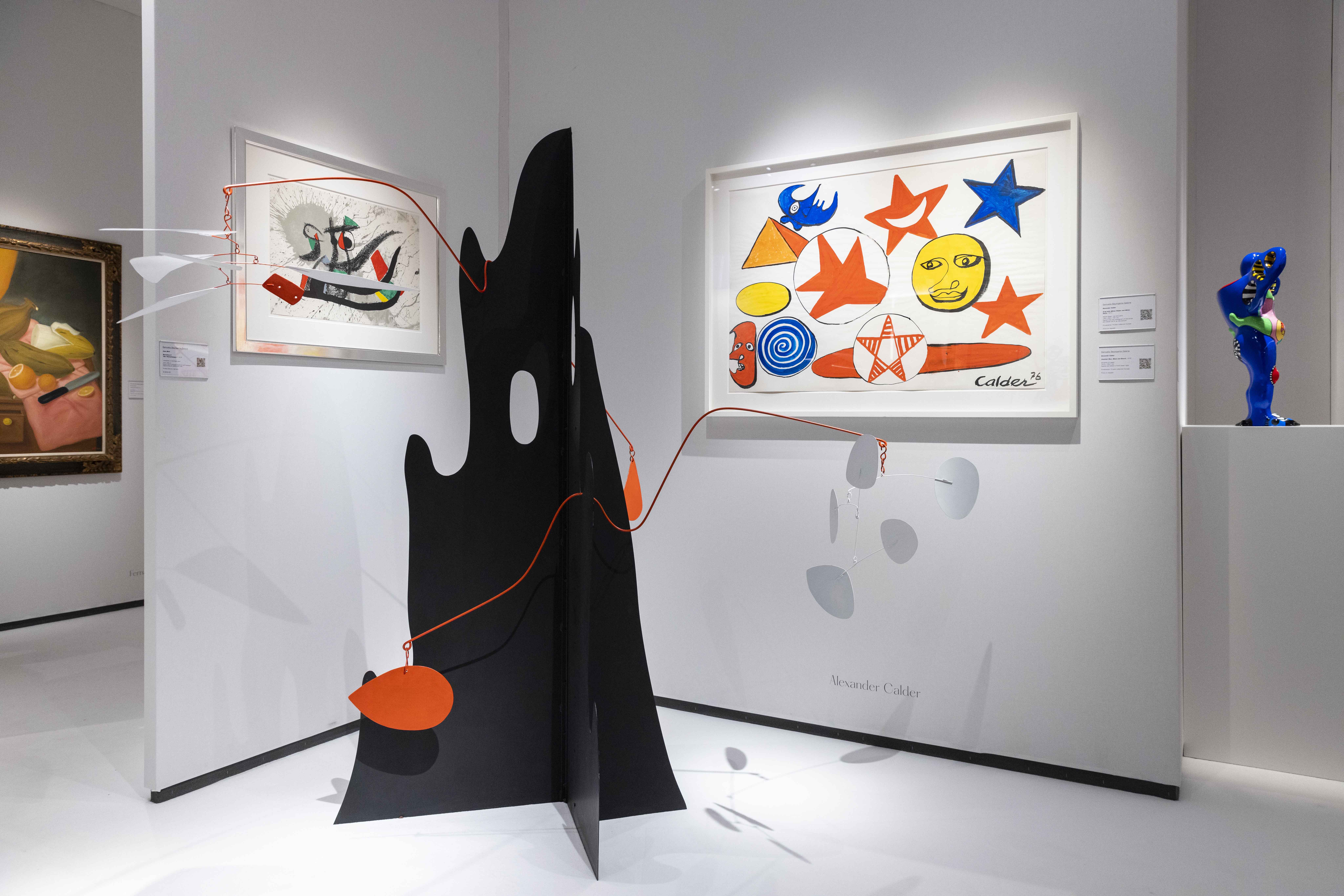
For some time now, there has been a noticeable shift towards Modern and Contemporary Art, a category that works very well at BRAFA, as this year's excellent results show. The new participants in this field, in particular, performed well. The Parisian Dina Vierny, for example, with only two editions to its credit, dedicated a third of its stand to it, including a bronze sculpture by Aristide Maillol that belonged to Raoul Dufy, Eve with an Apple. A new participant, Samuelis Baumgarte, who dedicated his stand to Miró and Calder, sold a mobile by the latter, Twisted Tail, from 1968, for over 1 million euros.
Among the regulars, La Galerie de La Présidence had its best edition to date, with the sale of works by masters such as Signac, Vasarely and Bissière. Harold t'Kint de Roodenbeke sold a beautiful Hans Hartung from 1982 and a bronze sculpture by Georges Minne from the late 1930s. According to him, there was a real craze for the artists of the Cobra movement.
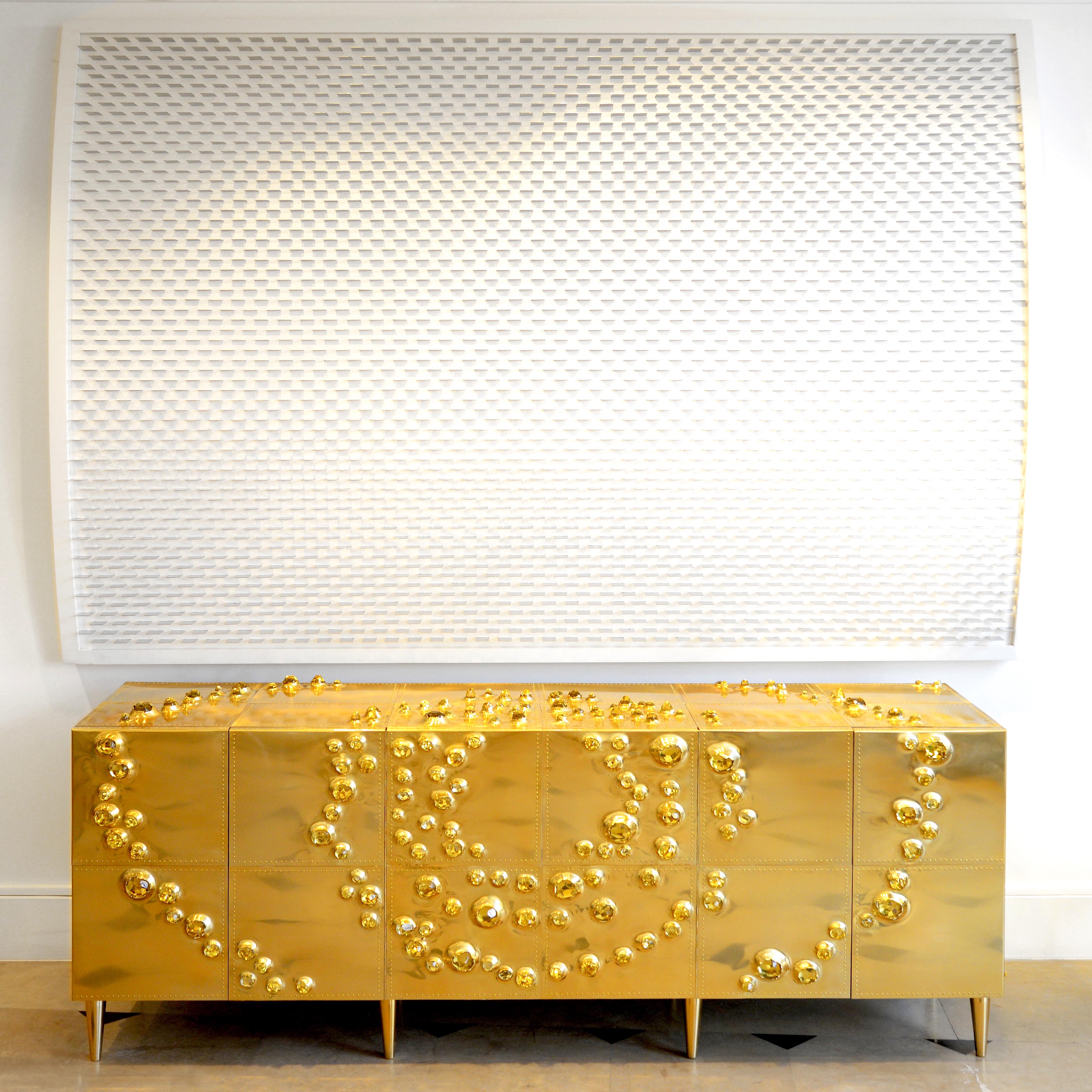
On the 20th Century Art side, Maison Rapin sold a unique console, Orione Sideboard, by Roberto G. Rida, made in 2017 for 120,000 euros. Gokelaere & Robinson sold a resin table by Ado Chale from the 1970s and a series of bronze sculptures by Anton Prinner.
In the Contemporary art segment, Asian artists were particularly popular. The Boon Gallery sold a work by Korean artist CHUN Kwang Young from 2007 for around 120,000 euros. The Taménaga Gallery, based in France and Japan, sold several works by its Japanese artists such as Takehiko Sugawara and Miharu for 30,000 euros each.
Amongst the Western contemporary artists, Guy Pieters Gallery sold a work by Christo, The Mastaba (Project for the U.A.E, 1979), as well as a monumental sculpture, Three Hearts on the Rocks (2002), by Jim Dine, each at 750,000 euros. Finally, Samuel Van Hoegaerden's stand dedicated to the Belgian artist Pierre Alechinsky was a great success.
See also: Oceanic Art: a Beginner’s Guide
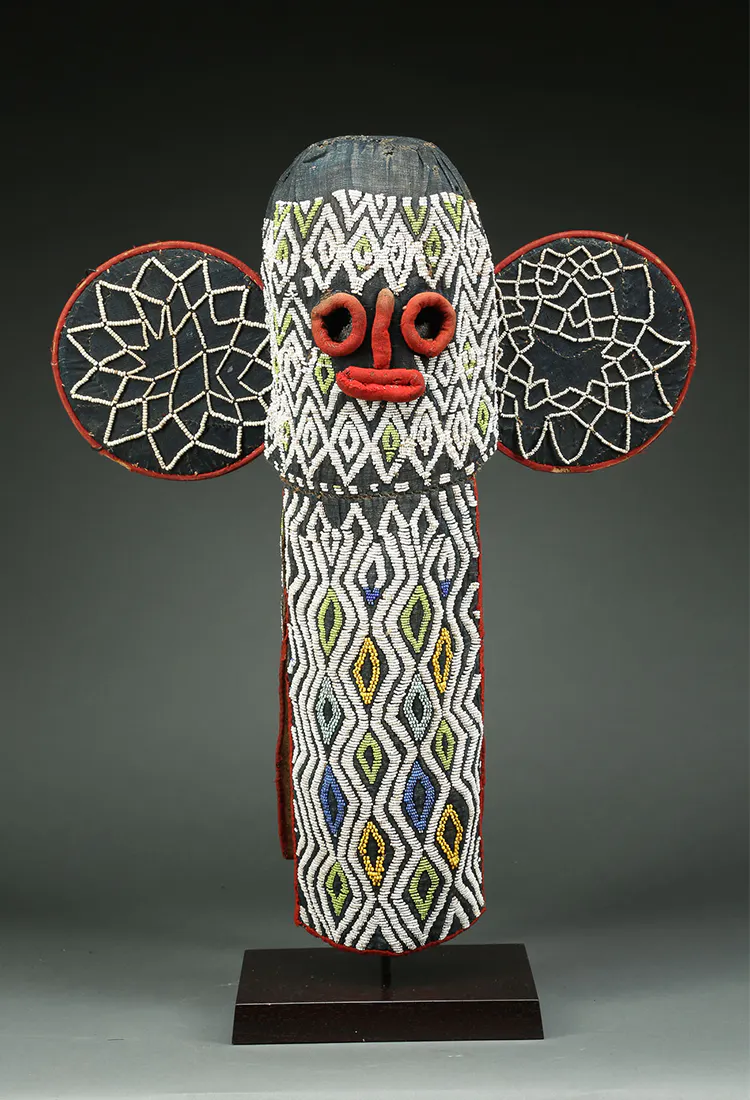
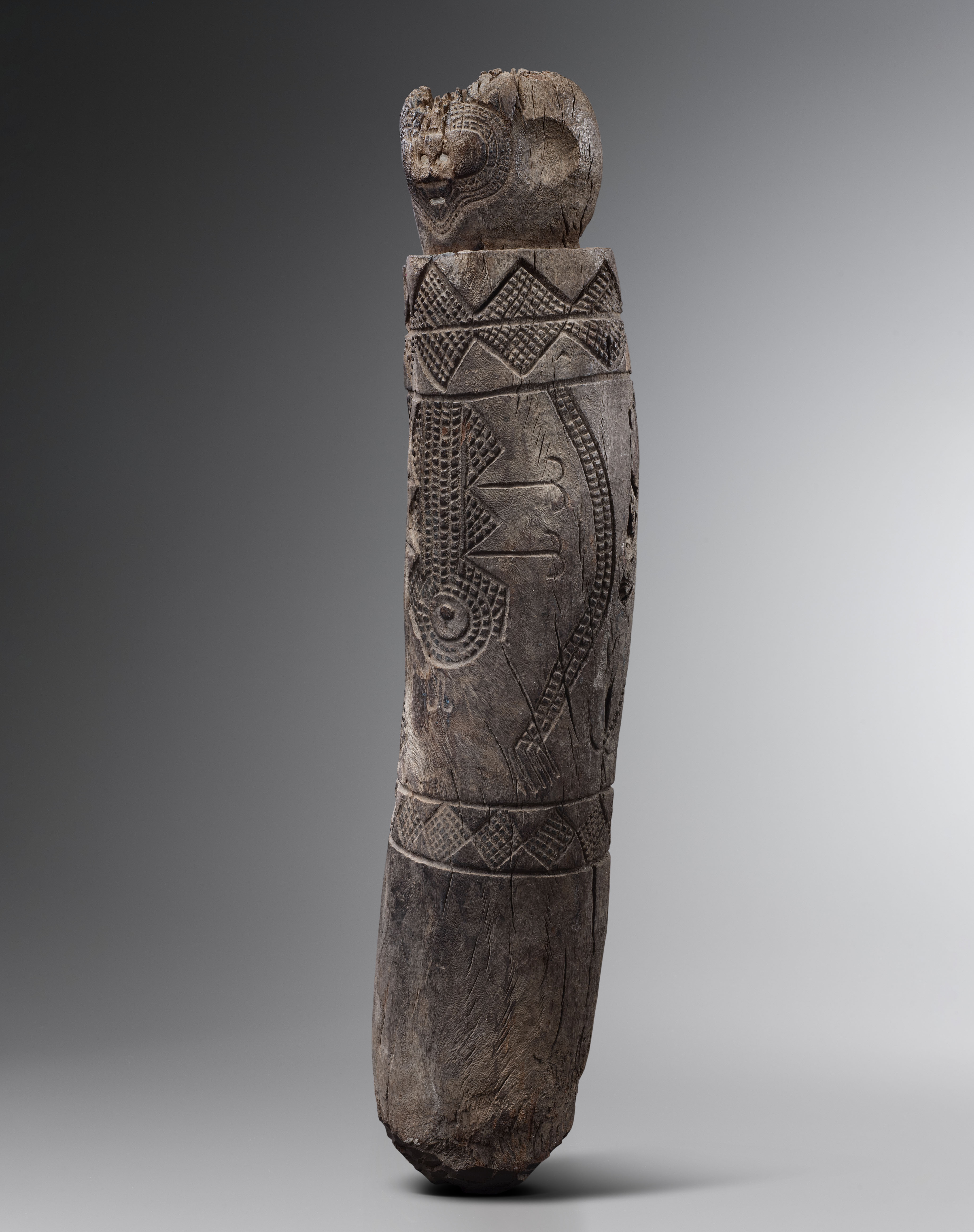
Among the sales of African and Oceanic art objects, Serge Schoffel sold a 'ceremonial pottery' from the pre-colonial period to an English collector for several thousand euros. The latter was planning to offer the object to the museum in Kampala. Also at Schoffel, a large Nyamusa carved wooden totem pole immediately found a buyer for 25,000 euros.
Want more articles like this delivered straight to your inbox? Subscribe to our free newsletter!
On the first evening, the Claes gallery sold a bronze Edo panther from Benin, from the end of the 19th century, followed by ten other sales ranging from 12,000 to 40,000 euros, as well as seven photographs by the Belgian artist of Beninese origin Fabrice Monteiro.
There were also some fine sales in the Haute Epoque and Old Masters categories. A Renaissance marble tondo by the artist Domenico Gagini sold for €40,000 at Dei Bardi Art.
In the field of ancient art, Klaas Muller sold a painting by the Dutch painter Hieronymus Van Diest (The Hague, 1631-1673), entitled Zicht op Den Briel, at the Scheepvaartmuseum in Amsterdam.
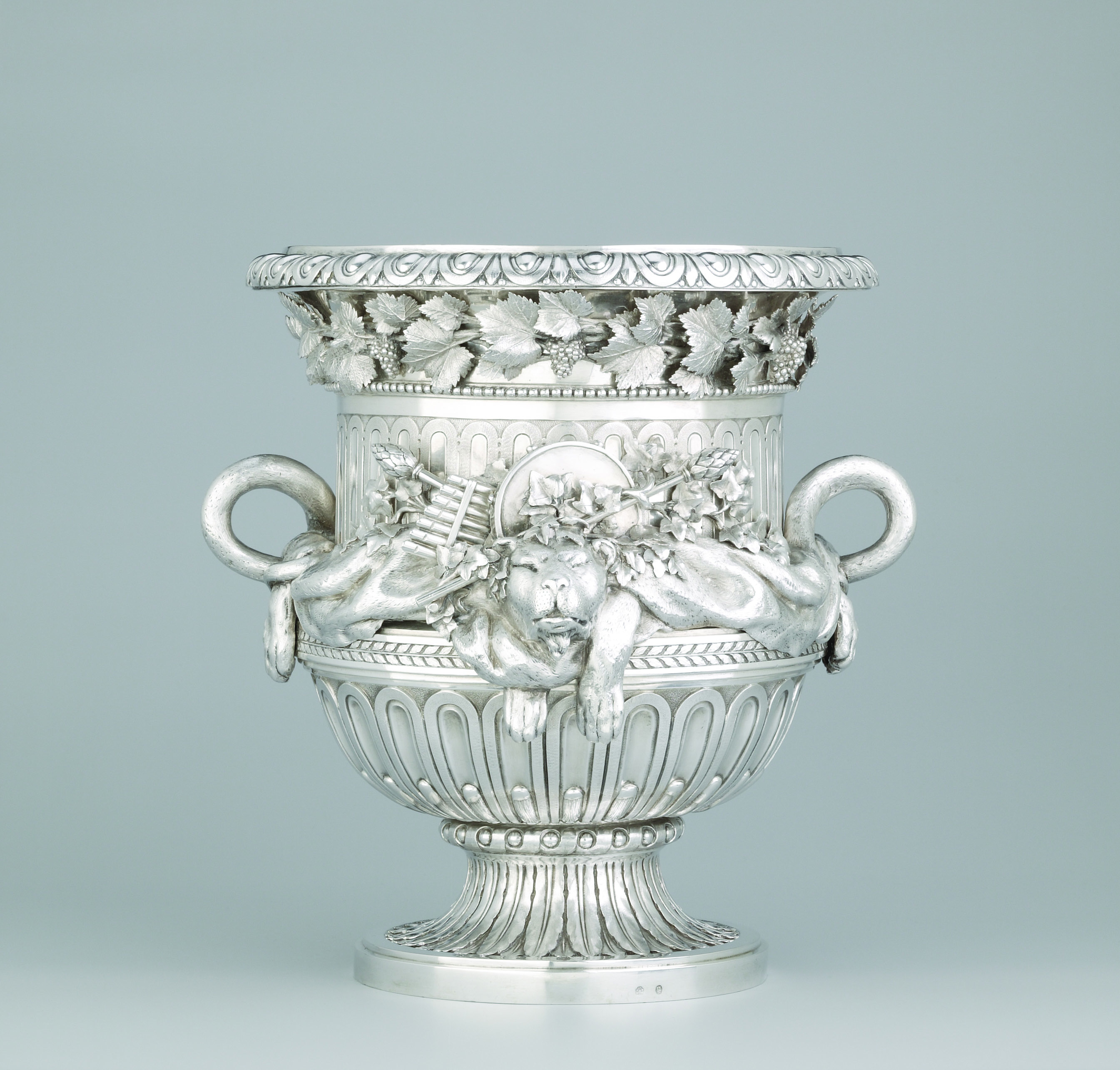
Good results were also achieved for silverware. The Bernard De Leye Gallery, specialised in this category, sold a Vienne rafraichissoir from 1782. Finally, the Pendulerie sold an important eight-light bronze chandelier attributed to Pierre-Philippe Thomire, Empire period, as well as a rare gilt bronze mantel clock with burnished gold, Paris, Empire-Restoration period, signed 'Breguet Neveu et Cie'.
A very successful 2023 edition, whose environmental efforts should not be forgotten. For example, all the carpets at the fair came from the Danish company Ege Carpets, which recycles ocean waste into textiles.
Find the latest news from the art market on Barnebys Magazine