
This is an updated version of an article originally published on 8 March 2017
The raw lines of Brutalist architecture were criticised at the time of their creation for the harshness they would impose on skylines around the world. Many houses in this style have been demolished over the decades, but today, the design movement is experiencing a serious resurgence.
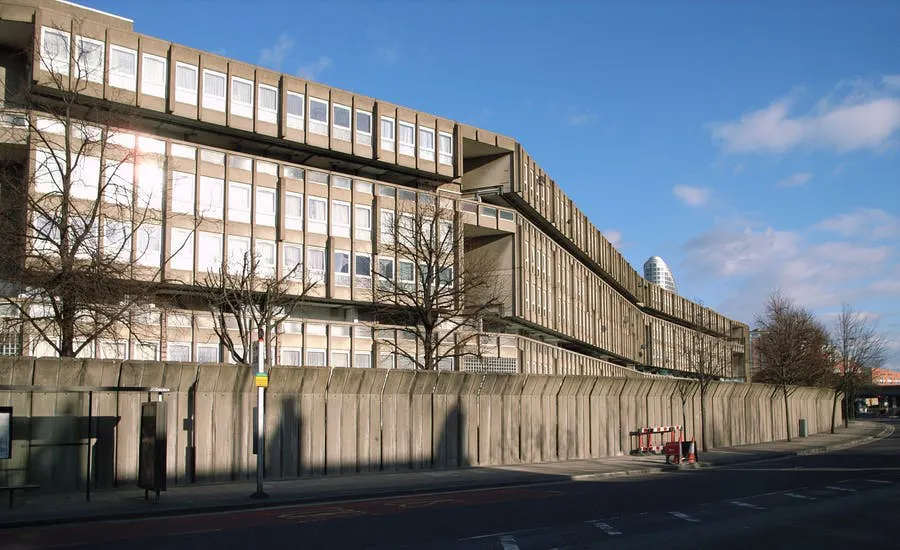
Between the 1950s and '70s, Brutalism emerged as a post-war reaction to the intricate designs of the Beaux-Arts style and became virtually synonymous with governmental and institutional buildings. During the Second World War, many large cities were devastated and destroyed. After the economy subsequently picked up again, Brutalism offered a cheap solution for constructing buildings. Britain was perhaps at the forefront of the movement, as London was one of the major cities ravaged by war.
See also: 6 Giants of Mid-Century Modern Design
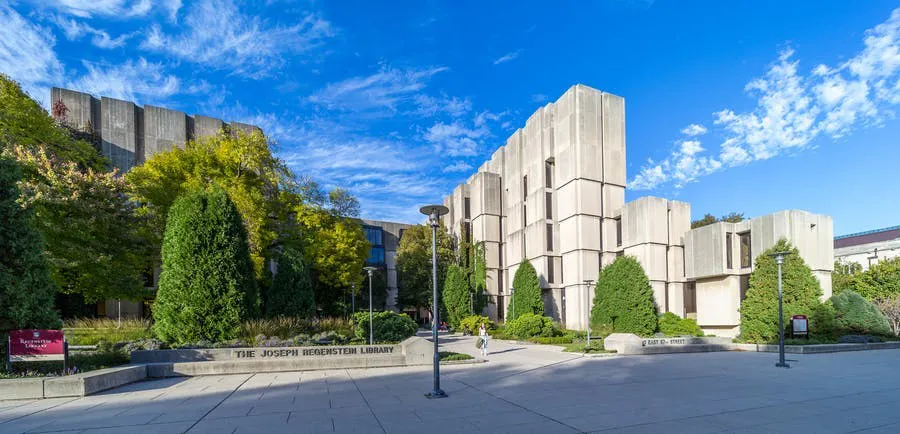
These fortress-like structures, with their exposed concrete skeletons (which gave the style its name: béton brut, French for 'raw concrete') soon attracted the attention of well-funded clients, leading architects to invest larger budgets in building such designs.
See also: Bauhaus: A New Guild of Craftsmen
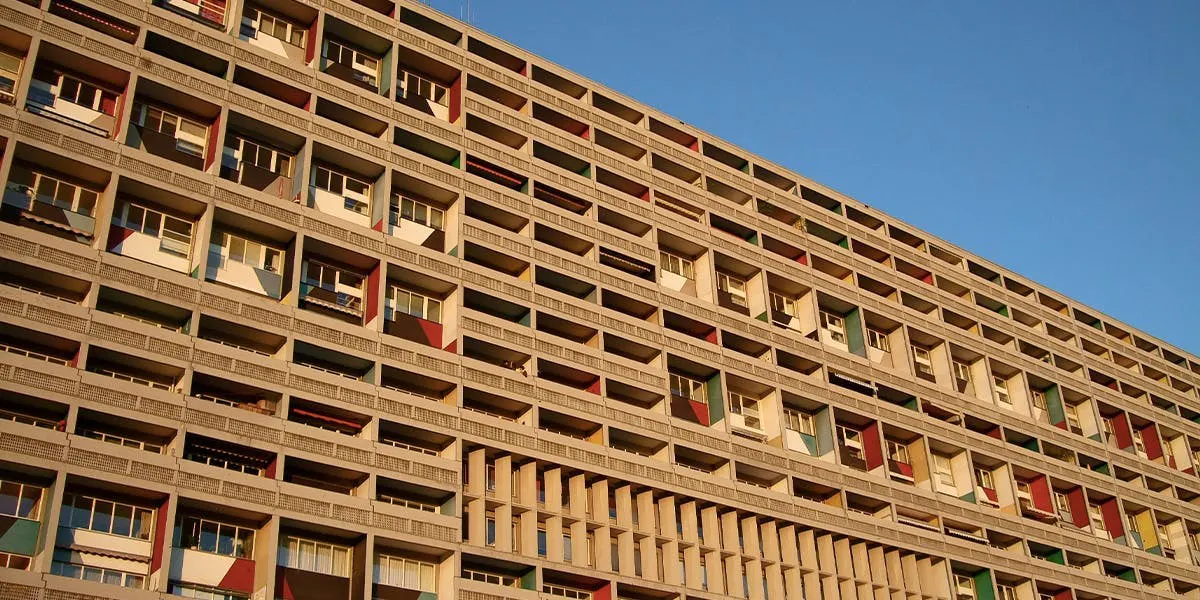
Brutalism was soon widespread. Le Corbusier was among the architects who designed buildings in this style, including the Unité d'Habitation, a large building with many residential units that was realised in Berlin and Marseille, among other places. British architects Alison and Peter Smithson and Michael Ventris were key Brutalist figures, as well as American architects Paul Rudolph, Ralph Rapson and Walter Netsch.
See also: Charles and Ray Eames: Democratic Design
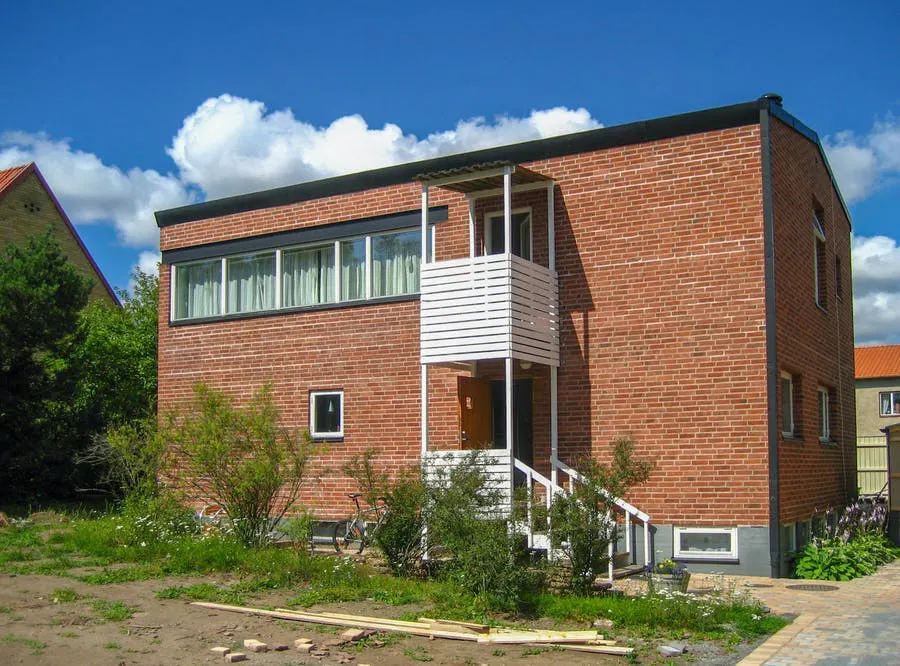
The term Brutalism was first used by the Swedish architect Hans Asplund, originated in the expression nybrutalism ('new brutalism'), in a facetious comment about Villa Göth, designed by architects Lennart Holm and Bengt Edman and completed in 1950.
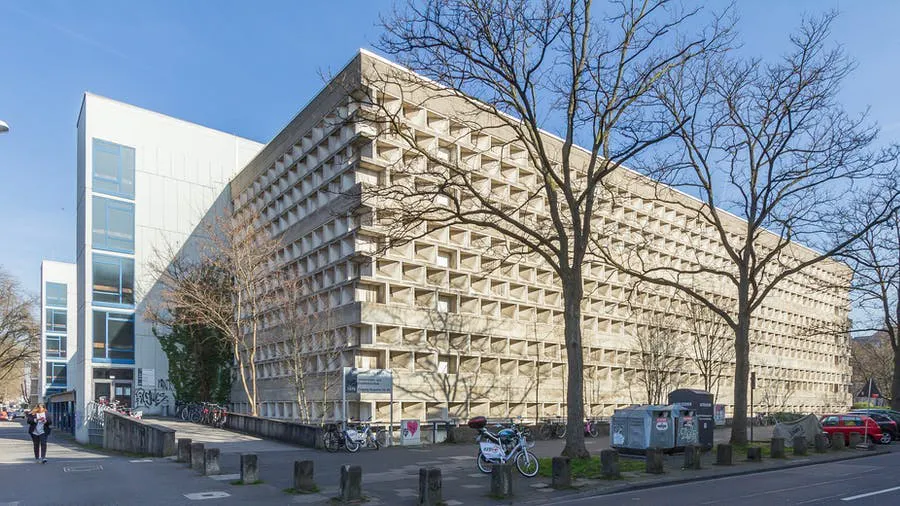
After its heyday, Brutalism fell into 'aesthetic disrepute' in the 1990s and was largely rejected, in part because its concrete surfaces had by now proved to be very susceptible to dirt. Today, the view of critics and the public has softened again and Brutalism is perceived as the rough but unpretentious design of the post-war era.