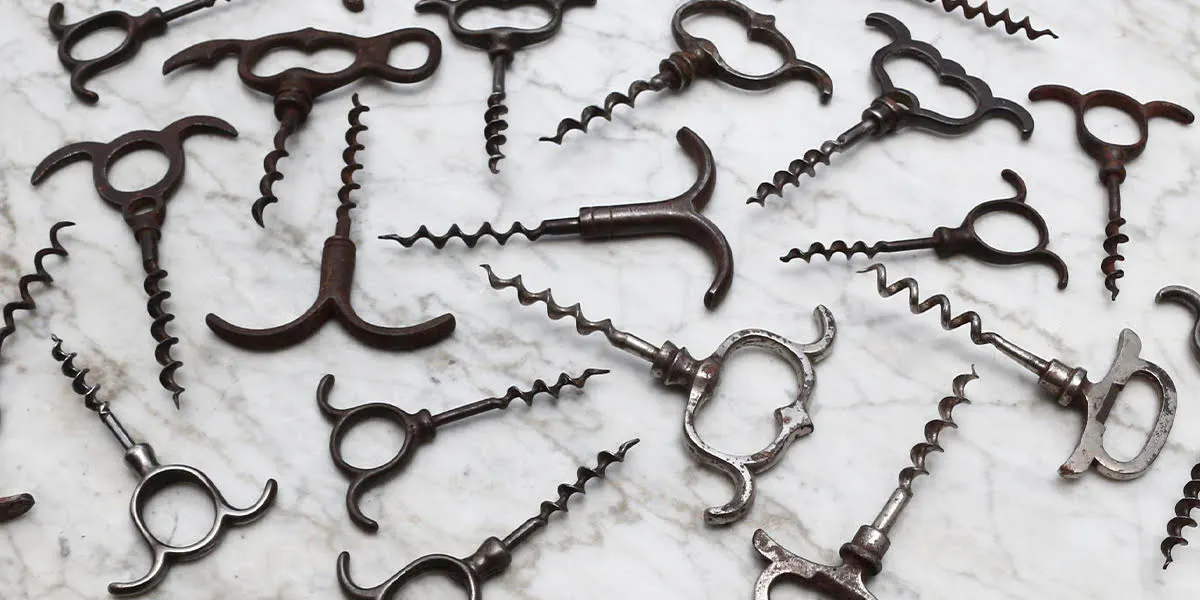
Drinking wine is one of life's finest pleasures; even the simple act of uncorking a bottle has a certain appeal. One carefully removes the foil seal, pierces the centre of the cork, twists the corkscrew clockwise and finally pulls it out with a gentle 'pop'. Et voilà, the wine is ready to be poured.
See also: Super Tuscan Wines: The Top 5 in the World
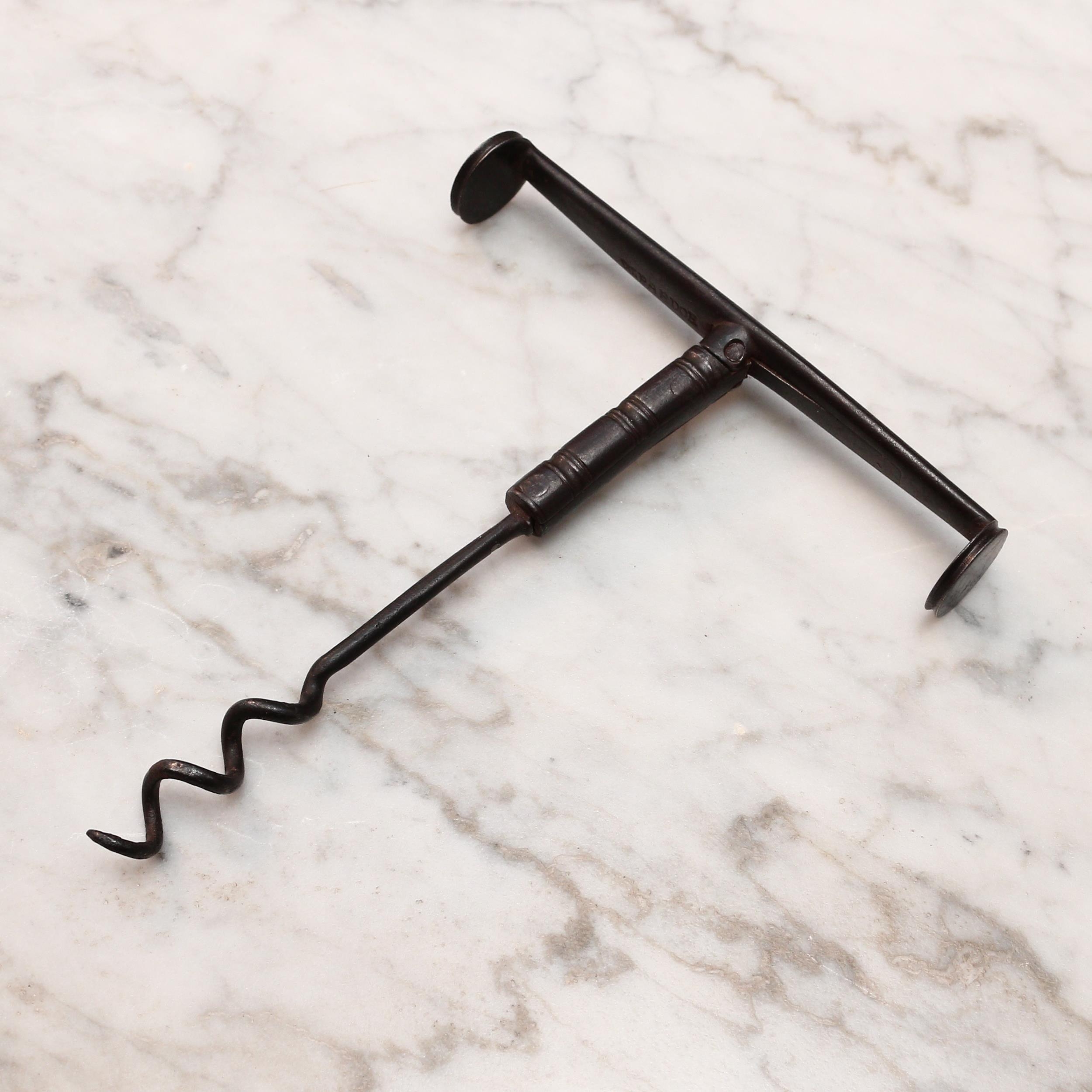
Considered a mundane household object, the corkscrew has an unexpected history that follows alongside the evolution of bottling. The original form is related to the production of firearms: the tool has great similarity to the gun-worm, a spiral-shaped piece of artillery that appeared on battlefields around 1630 and was used to extract unexploded shell casings from gun barrels.
In 18th century England, precious corkscrews made for wealthy patrons were manufactured from gold and silver. At the time, using glass bottles was a rarity reserved for those who could afford it.
See also: Champagne: The Sparkling Drink of Luxury and Celebration
The inaugural patent for a corkscrew was granted in the year 1795, attributed to the English Reverend Samuel Henshall, who transformed the extraction process by introducing a simple disc between the shank and the screw (also known as the worm). Henshall's patented system marked a shift from handcrafted to mass production and opened the door to a multitude of subsequent patents, each featuring progressively more functional designs.
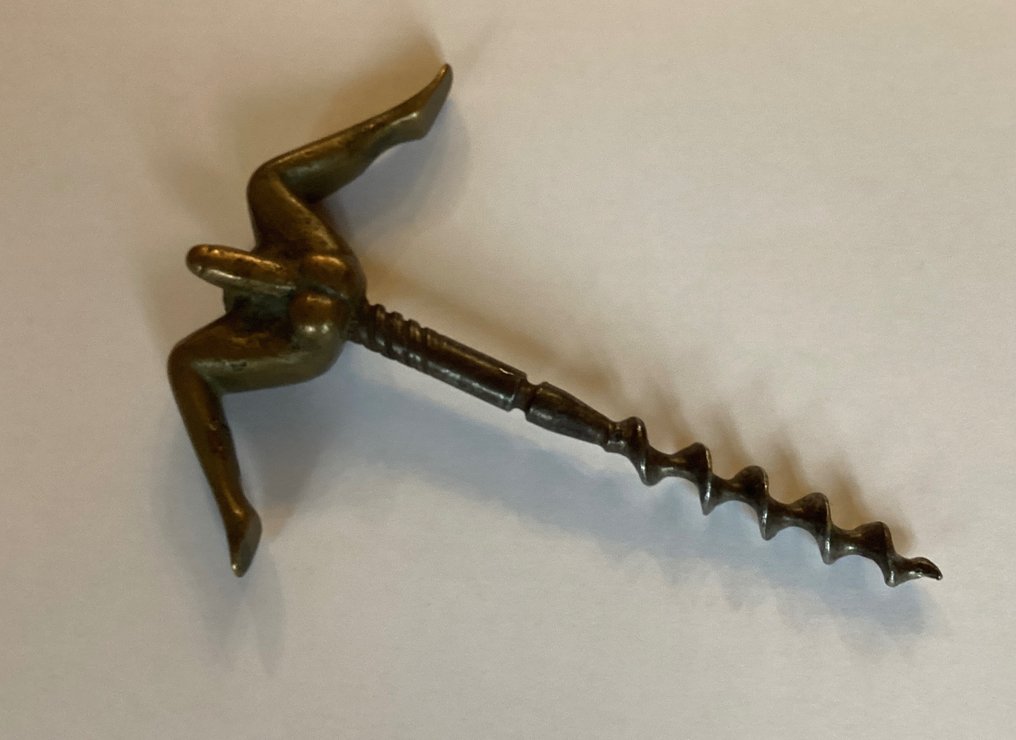
Some corkscrews are masterpieces in their own right, with eccentric and bold designs. The most provocative of these have erotic themes and often depict hermaphroditic figures. Some were even concealed inside walking sticks with detachable handles. Caricature corkscrews (disguised as figurines) are amusing: one depicts the face of Andrew Volstead, the American senator who authored the Volstead Act, a 1919 law that prohibited the production and sale of alcoholic beverages. In the twentieth century, the corkscrew also became a vehicle for advertising, embellished with logos and slogans. In 1950, whimsical corkscrews from the Barman series designed by artist Carlo Gemelli gained popularity.
See also: Culinary Antiques: The Art of the Restaurant
Plenty of collectors are passionate about these seemingly dull objects, each imbued with historical curiosity. Paolo Annoni, a former pharmacist who was gifted an antique corkscrew from a friend, is one of them. In a historic cellar adjacent to the Municipal Castle of Barolo, the land of the renowned wine, Annoni opened the Corkscrew Museum in 2006. The museum features 19 thematic sections that chronicle the evolution of the utensil. Visitors can explore an enthralling collection of 500 antique corkscrews from across the globe, with some pieces dating back to the latter half of the 17th century.
Want to receive more articles like this straight to your inbox? Subscribe to our free newsletter!

The corkscrew is indeed an object of great interest to collectors. Enthusiasts have various ways to acquire them: by model, brand, raw material, or period. Some are motivated not only in the challenge of finding the rarest and oldest corkscrews, but also by the poetic mystery of each one: tracing their journey through time and imagining how many and which bottles they may have opened in their lifetime.
See also: 6 Curiosities About the Venice Carnival
An ancient corkscrew can acquire significant monetary value, both for the precious materials used in its manufacture, such as gold, silver, or ivory, and for the rarity of the model, in case there are few examples in the world. The most expensive corkscrew sold at auction went for £49,600 in the UK in 2014.

The corkscrew, with its enchanting past and ongoing significance in wine culture, has value that extends beyond practicality. Each one tells a distinct story and represents different eras of design and technology.