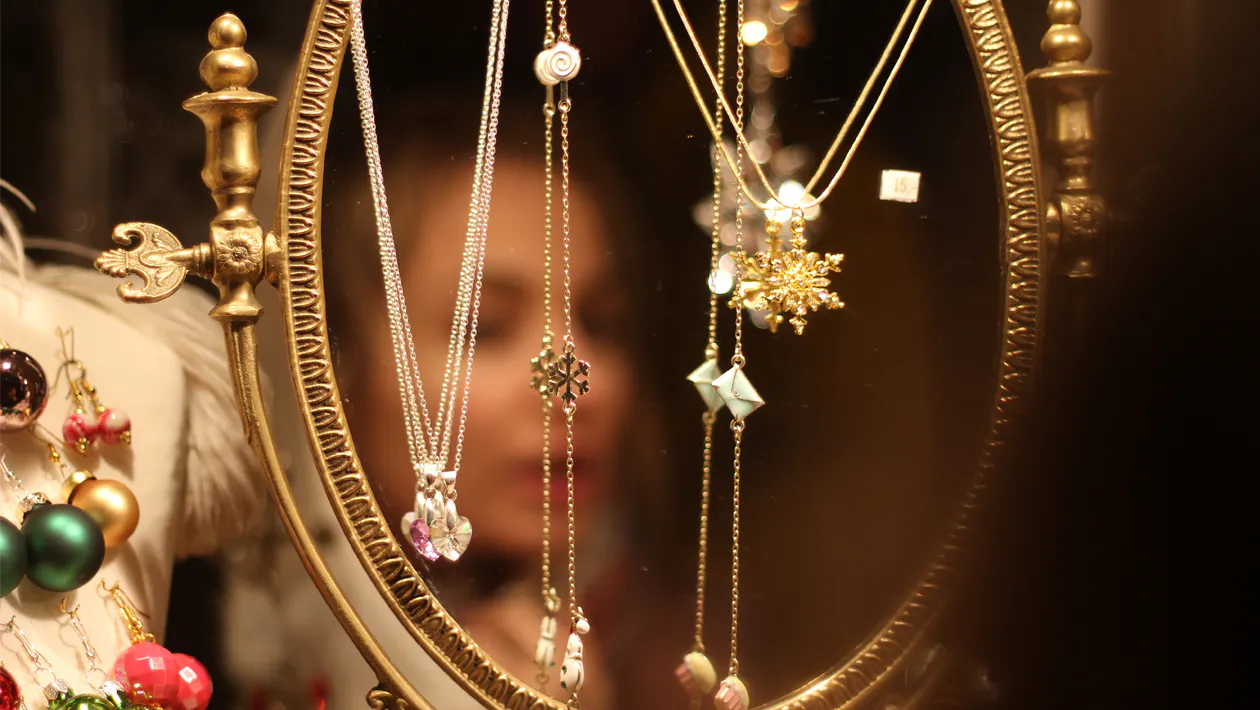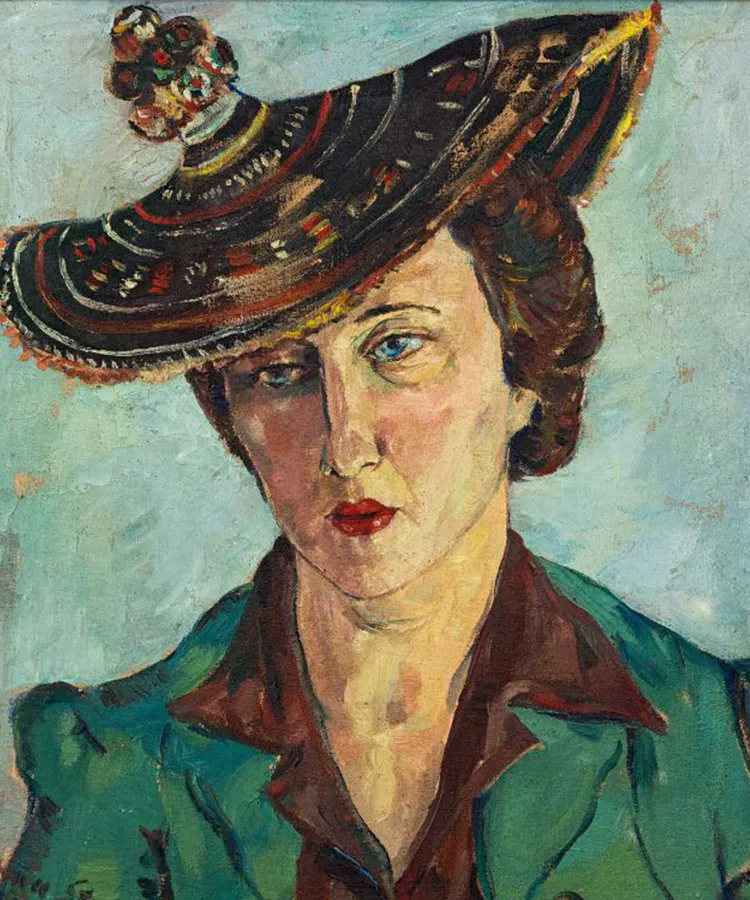
Strauss & Co., of Cape Town and Johannesburg, presents multiple phenomenal sales to begin your April. Their Decorative Arts, Furniture and Jewellery sale (4-5 April) and Modern, Post-War and Contemporary Art sale (5-6 April) offer fine art of international renown, stunning jewellery, and décor historical and divine. Here are some highlights below, and peruse their catalogue for more!
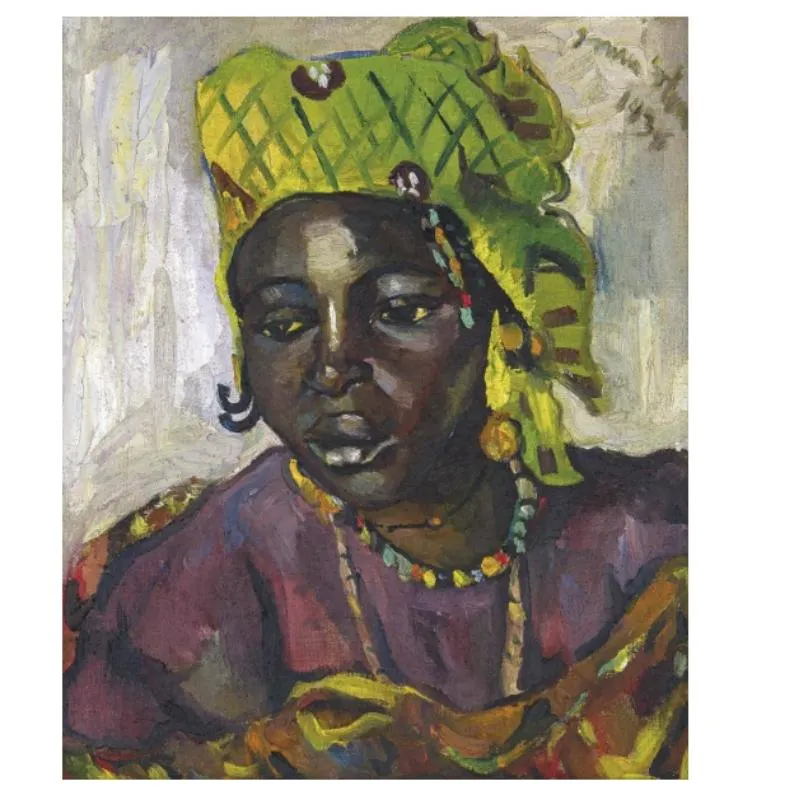
The fine art sale is led by multiple works by South African superstar Irma Stern, the most expensive South African artist. The top lot is Stern's Dakar Woman, which was painted after a stay in Senegal in 1937. At the hotel she stayed at, she befriended a local Dakaroise woman who supplied the hotel chef with fresh produce from the local market. The vibrant portrait captures Stern's ability to convey emotion, charisma and decoration. Another brightly coloured work is her Still Life of Camellias.
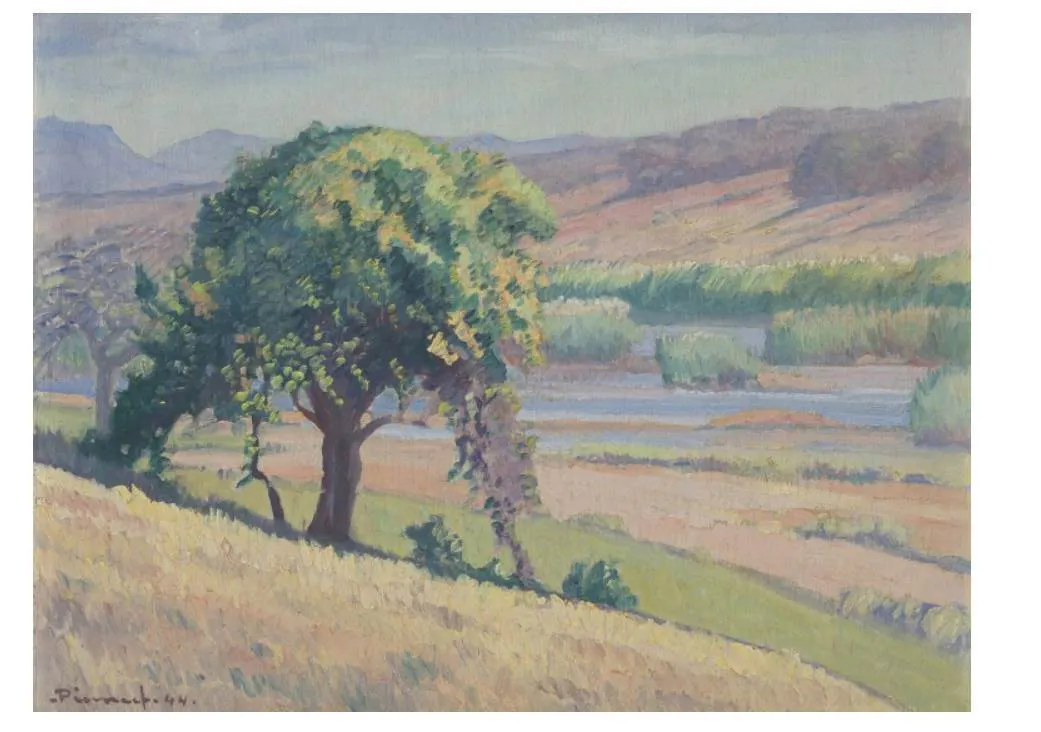
A work by another very important South African artist is Lower Sabie by Jacob Hendrik Pierneef. Pierneef is one of South Africa's master painters and known for his pastel-coloured landscapes of the country. Lower Sabie, depicted here, is a camp in South Africa's Kruger National Park, one of the largest reserves in Africa.
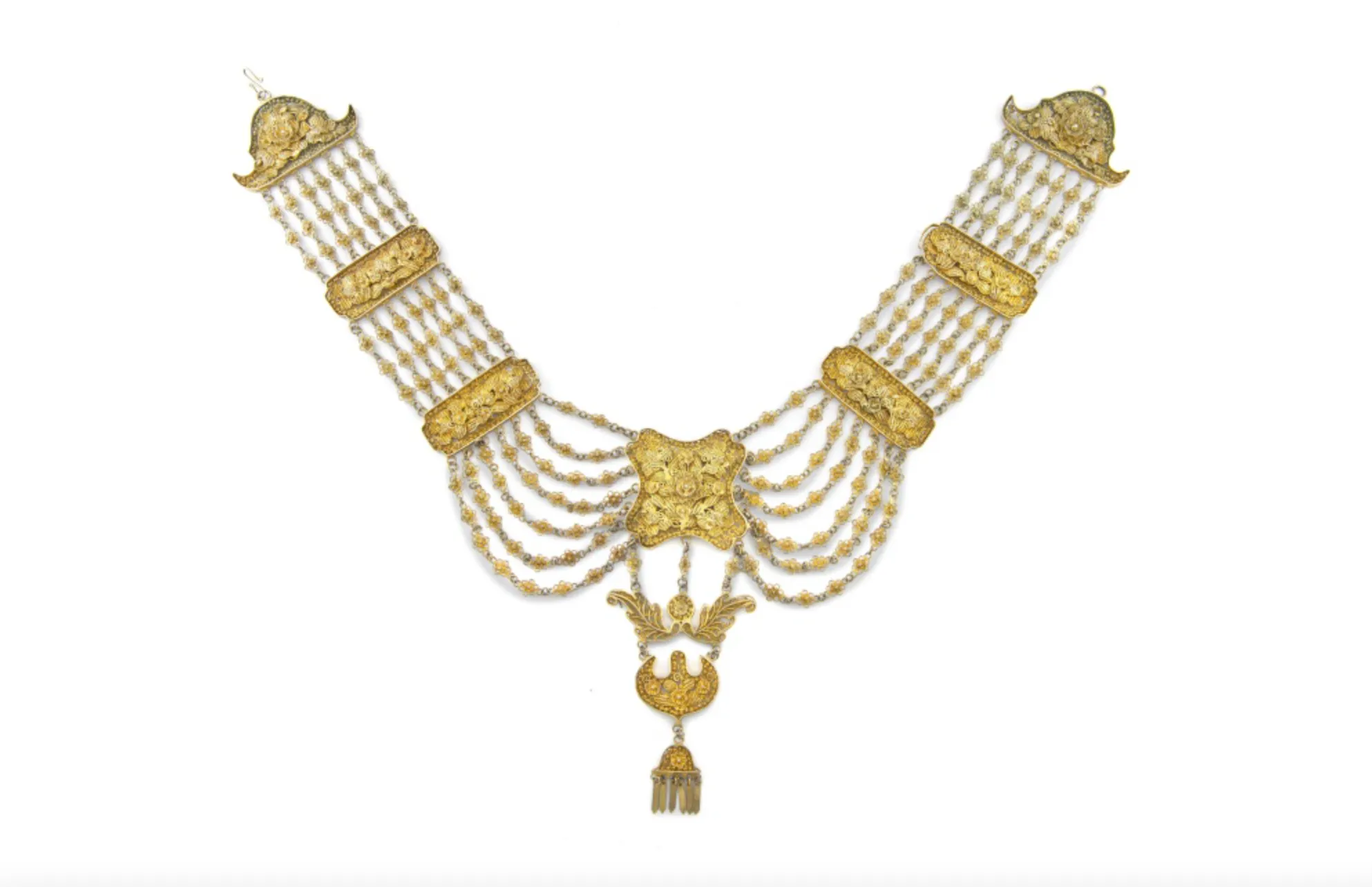
Composed of rectangular, tricorn, and square-shaped medallions, united by foliate chains to a foliate filigree headed pendant drop, and set with flowerhead, this 19th century necklace is a beautiful example of Qing tradition. In place from 1644 to 1912, the Qing Dynasty was the final imperial dynasty of China. This necklace comes from their semi-colonial, semi-feudal era. Traditionally, the wedding necklace would be gifted to the bride by the groom’s family, as a token of her newfound status as treasured member of the family; the bride would be obligated to wear it immediately. This necklace is a gorgeous slice of history, and a chance to own a piece with incredible meaning.
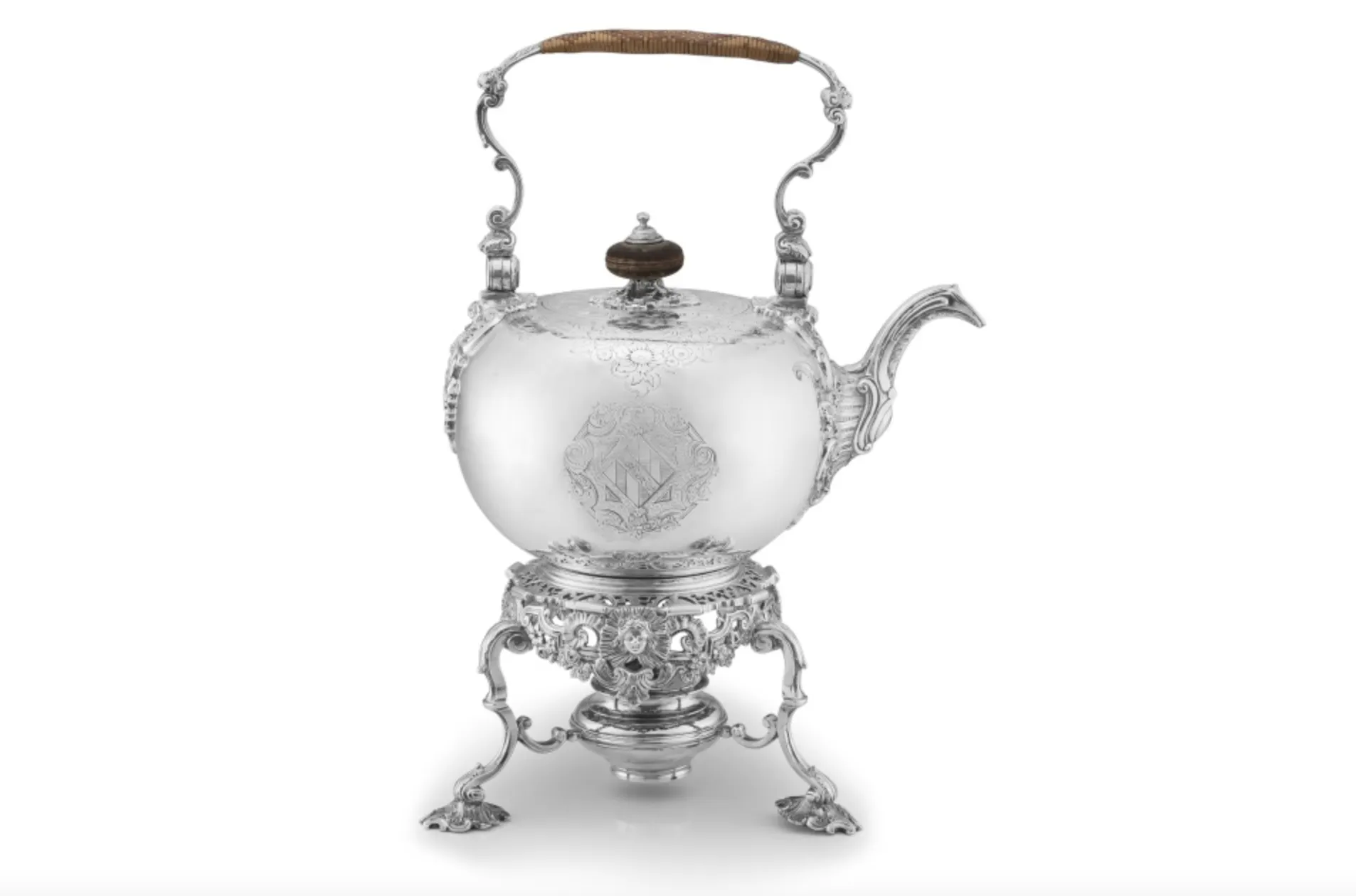
Peter Archambo (1680 – 1768) was a Huguenot silver and goldsmith, integral to the introduction of Rococo stylings to England. His silver pieces are known still today for their fine workmanship and detailed, restrained design elements, often including marine motifs. This kettle is no different. Composed of a hinged woven handle molded with lion-masks and c-scrolls; shoulders engraved with flowerheads and foliage; a front engraving of an armorial, with a fluted, beaded, and shell-capped spout; and raised on c-scroll legs and shell-shaped pad feet united by a c-scroll stretcher, it is a stunning example of his work. As his students went on to become the most important silversmiths of the Georgian court, this is not a piece to miss.
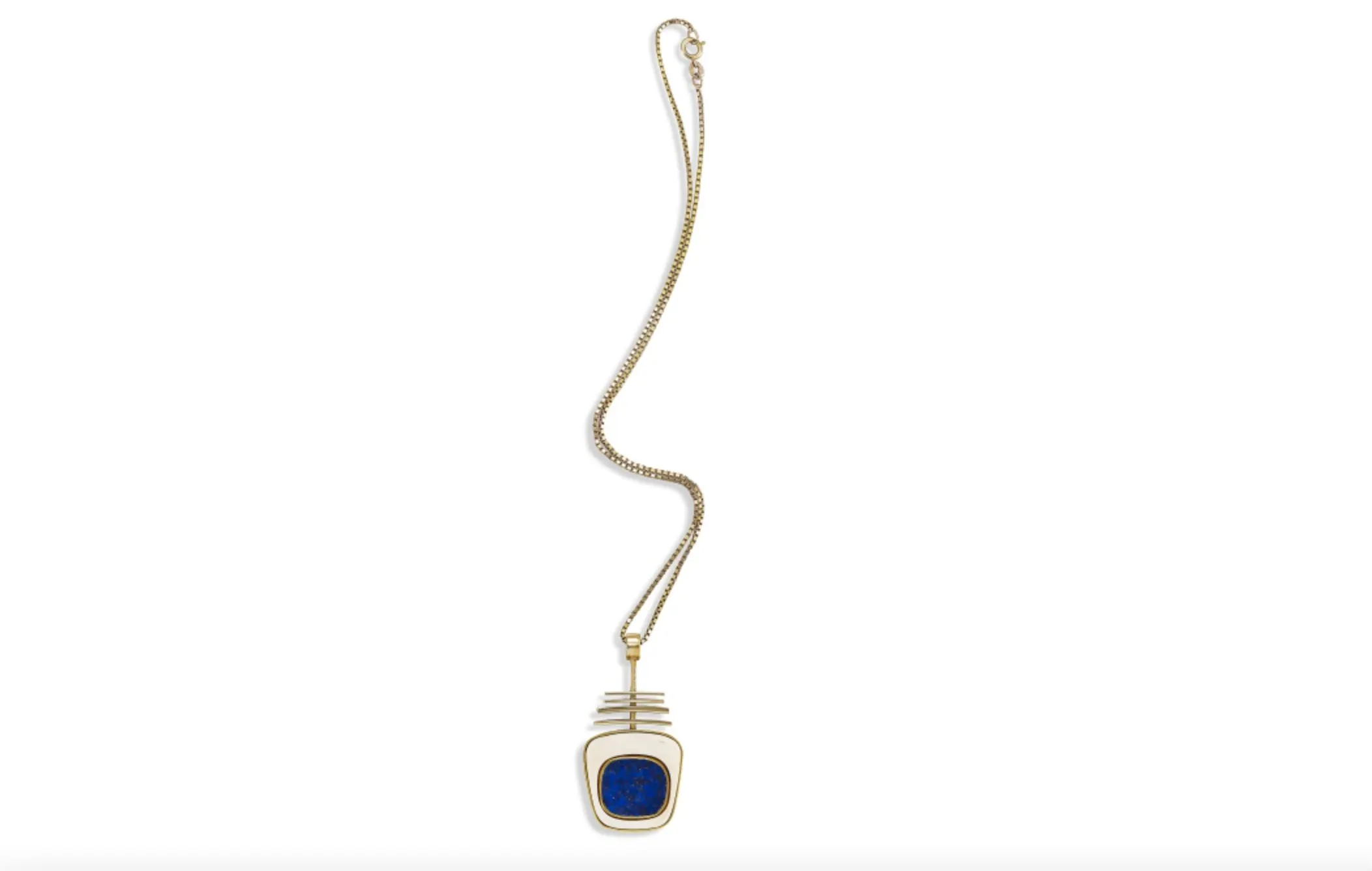
Lapis lazuli is a symbol of wisdom, truth, royalty, and honor. Though Erich Frey (1917 – 2004) was not of royal lineage, he certainly owned the remainder. A German gold and silversmith, Frey apprenticed in Düsseldorf and was drafted in World War II before moving to South Africa in 1952. During his early South African days, he worked with Calafato, Ocker, and Gilroy and King; ultimately, after extensive traveling in West Africa and the Middle East, he opened his own shop in 1964. His pieces quickly became beloved. Drawing inspiration from the semi-precious stones and native flora and fauna of South Africa; Etruscan art; his own travels; the work of Carl Jung; and the intellectual genesis of semi-precious stones, Frey’s jewellery is still known today as “original, wearable and [reflecting] a sophisticated level of craftsmanship.” This abstract form necklace is just that.
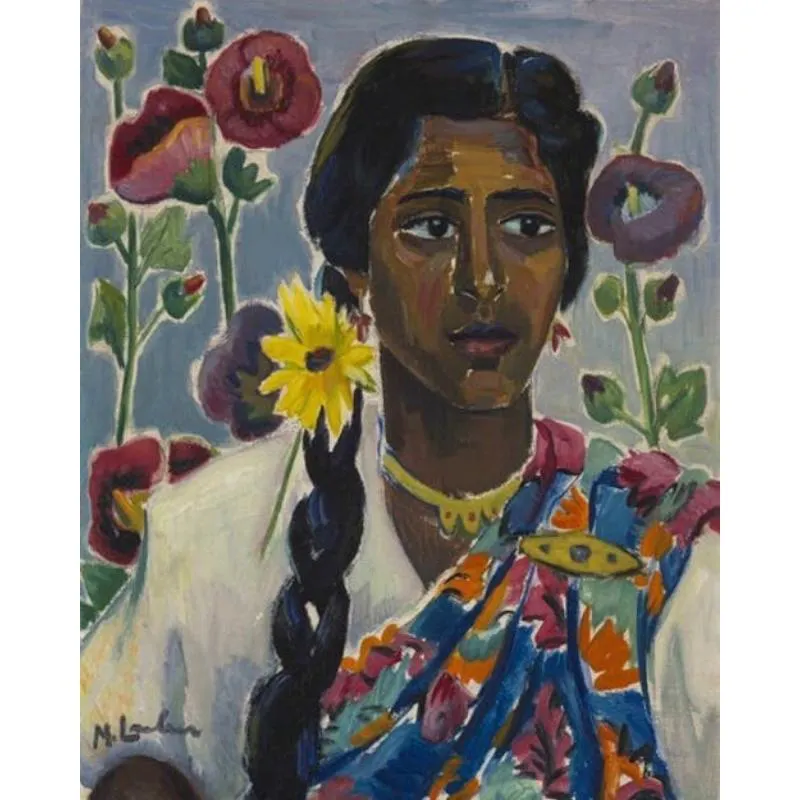
Maggie Laubser (1886 – 1973) was a South African painter and printmaker, honored in the modern world for introducing Expressionism to South Africa. After catching the artistic bug in her youth, Laubser studied under Edward Roworth, then in Belgium, Italy, and Germany. It was in the last that she found her calling. Laubser largely painted in the style of Fauvism, influenced by Franz Marc, Karl Schmidt-Rottluff, and Max Pechstein. Her work from the 1920s onward became more expressive, vibrant, less traditional than her older works. The above painting, an oil on artist’s board, was likely crafted around that time, during her travel to KwaZulu Natal in 1936. Upon returning to South Africa with her Expressionist works, Laubser was met with critical derision. Nonetheless, she painted until her death, and received numerous awards, including: an honorary medal from the Academy of Arts and Science; the Oscar Award; and a medal from the South African Association of Arts. Today, she is loved and honoured, and this incredible painting illustrates why.
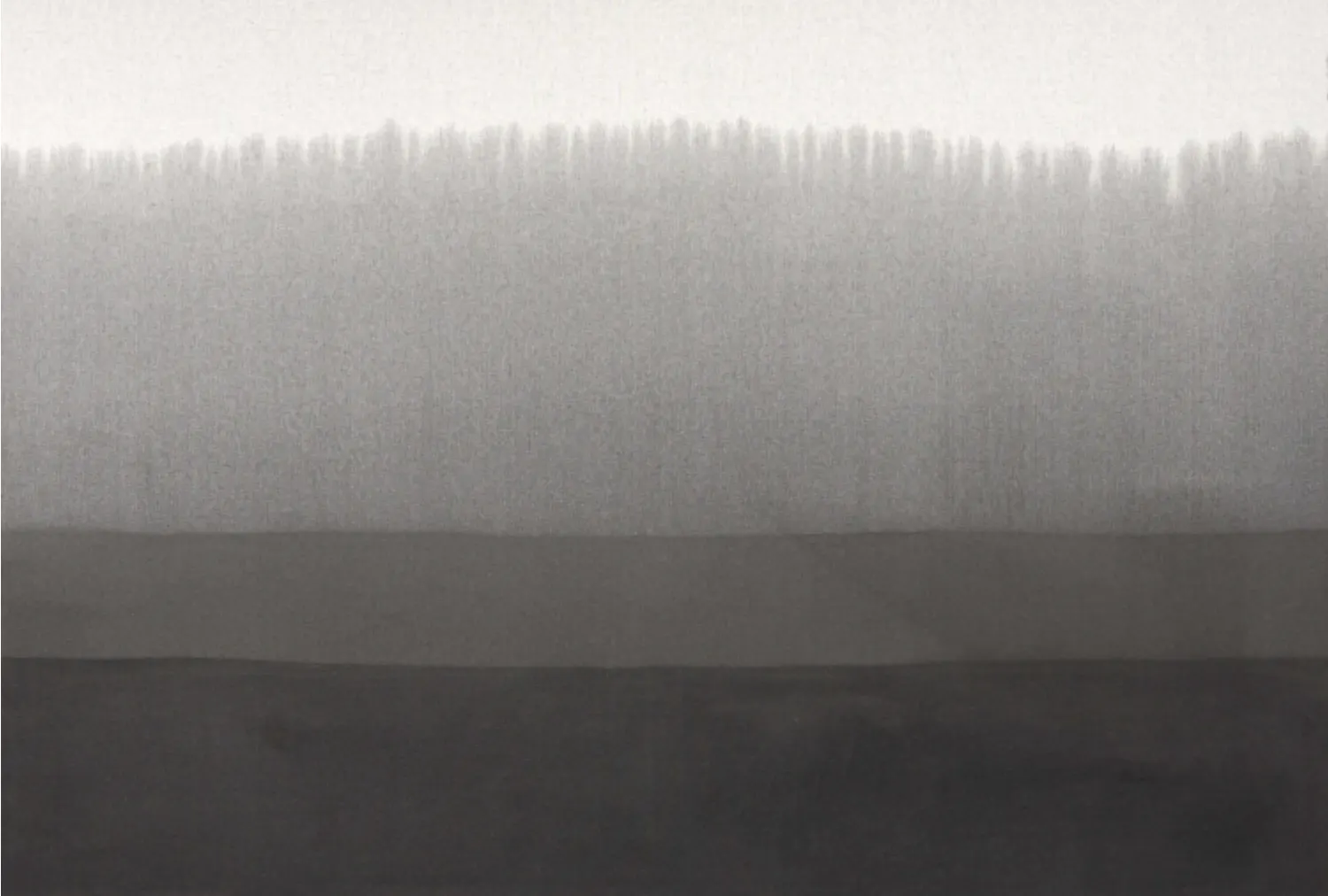
Alexandra Karakashian (b. 1988) is an up-and-coming star within the international artistic community, and certainly one to pay attention to. After receiving her BFA and MFA from the Michaelis School of Fine Art, Karakashian has exhibited in places as diverse as Cape Town, London, Madrid, Berlin, Seattle, and Gagliano Del Capo, holding residencies in Italy and Athens. Her work reflects on themes of exile, migration, and refugees, utilising used engine oil and salt to comment on ecological fragility. This piece is no different. Looking at this 2019 painting of motor oil on canvas, it is easy to feel lost, even as the atmosphere appears beautiful. It is a conversation piece coming from an artist already making her mark on the world.
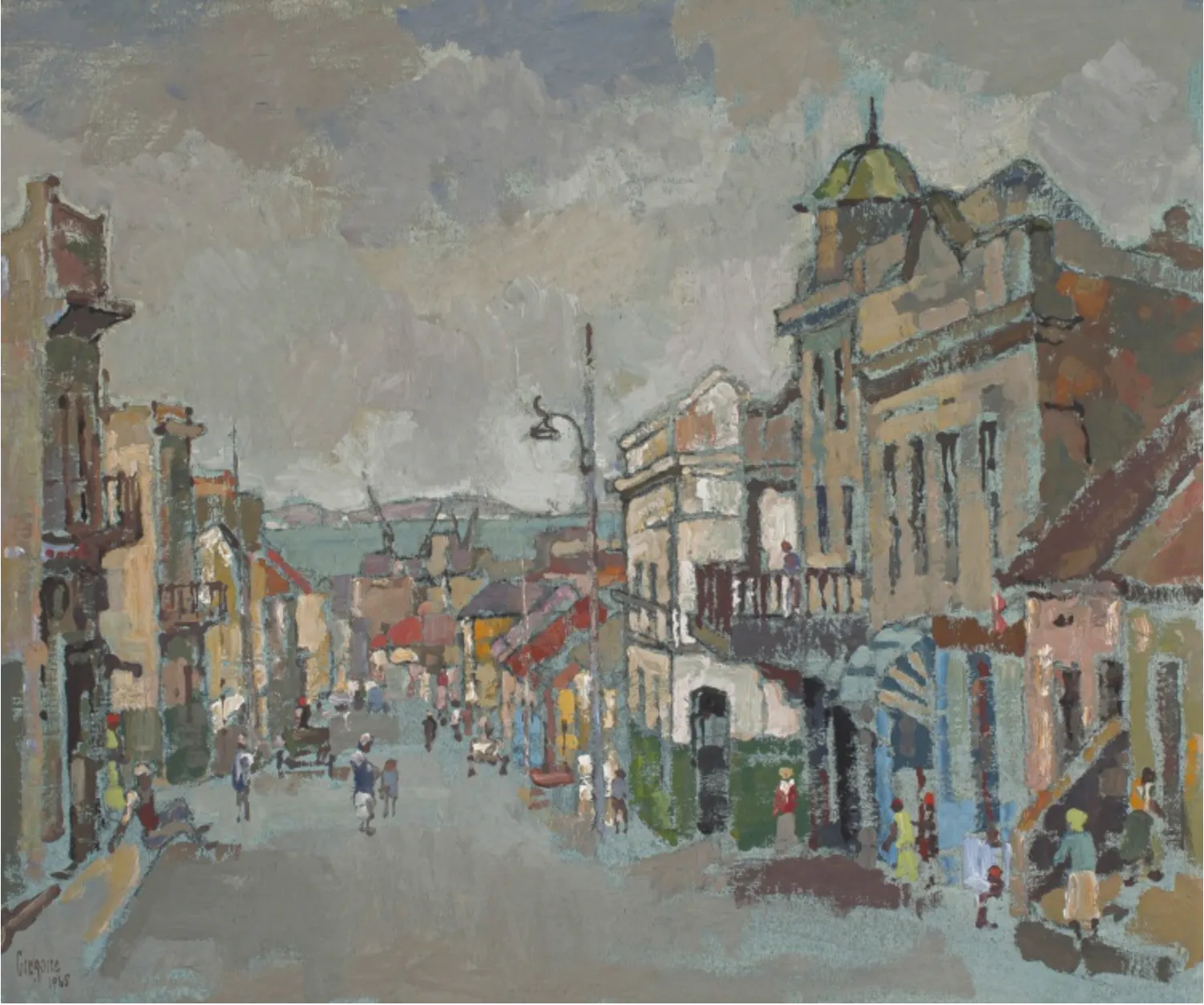
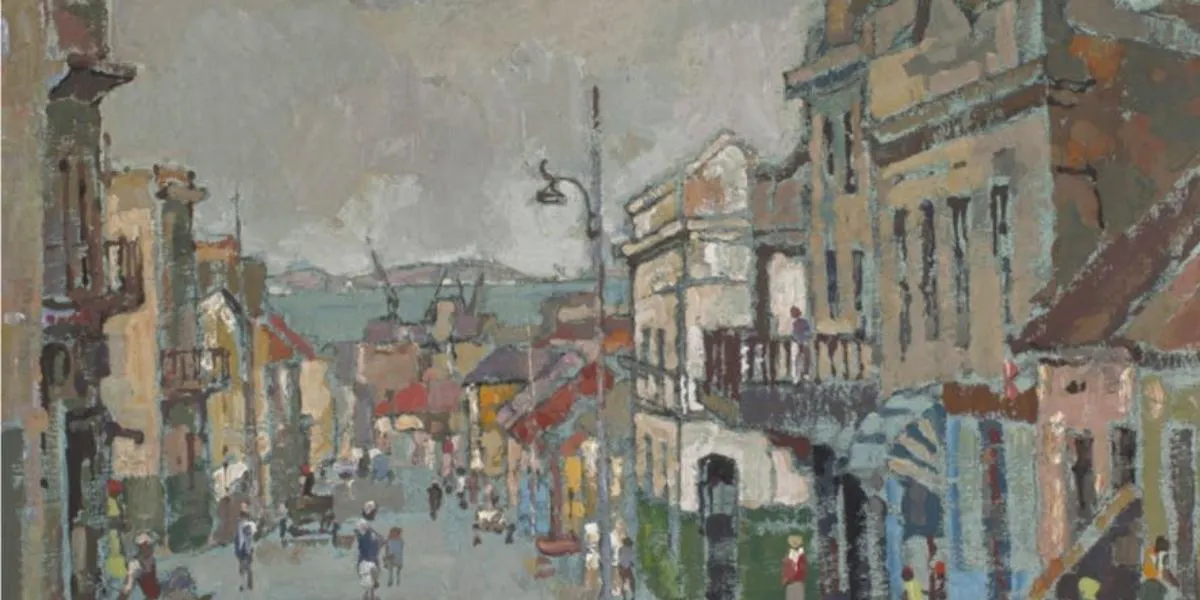
Signed, dated, and inscribed in both English and Afrikaans, this Boonzaier piece made waves when it was crafted in the 1960s. Featuring a view down Cape Town's Tennant Street, from District Six to Table Bay, before the demolition began in 1968, it was purchased for a then-record-breaking price of R 6000 in 1971. In 2022, it holds even more significance. Gregoire Boonzaier (1909 – 2005) is a beloved South African artist, known for his landscapes, portraits, and still life paintings. His career spanned nearly eight decades, influenced by Pieter Wenning, van Gogh, Cézanne, Utrillo, and Braque. His artwork highlighted daily life in District Six and the Malay Quarter, commenting on apartheid. In Boonzaier’s personal life, as well, he fought against the atrocity: as the founder of the New Group, he opposed the conservatism of the South African Society of Artists. This work won him three honorary doctorates and innumerable awards, notably including the Order for Meritorious Service, presented by Nelson Mandela. This piece is worth much in both artistic and personal merit.
![Jacob Hendrik Pierneef, ‘Baobabs’, signed and dated 52, oil on board [detail]. Photo © Strauss & Co](https://images.prismic.io/barnebys/4bf6036a-a7e5-4ed9-bc63-e7df5665153a_Cover.jpg?auto=format,compress)